Comprehensive Guide to Nutritional Information for Portobello Mushrooms

The culinary world has long celebrated mushrooms for their earthy depth and meaty texture, but the true power of this ancient fungus lies far beneath the surface of its gastronomic appeal. When examining the nutritional information for portobello mushrooms, it becomes immediately clear that these large, mature caps are nutritional powerhouses capable of transforming a standard diet into a wellness-focused eating pattern. As consumer interest in plant-forward nutrition, functional foods, and metabolic health continues to grow, portobellos have emerged as a staple ingredient in evidence-based dietary protocols. Their unique biochemical composition delivers a synergistic blend of dietary fiber, essential B vitamins, critical minerals, and specialized antioxidants that collectively support cardiovascular resilience, immune modulation, and cellular longevity. Understanding the complete nutritional profile of this Agaricus bisporus variety is not merely an exercise in tracking macronutrients; it is an opportunity to leverage food as preventive medicine, as highlighted by broad health promotion guidelines from the CDC. In the following comprehensive analysis, we will explore every dimension of their dietary value, examine how preparation alters nutrient bioavailability, and provide clinically grounded recommendations for integrating these mushrooms into your daily routine for sustained health optimization.
The Complete Nutritional Profile of Portobello Mushrooms
To fully appreciate why registered dietitians and clinical nutritionists frequently recommend this fungal variety, we must first dissect its fundamental compositional framework. The nutritional information for portobello mushrooms reveals a remarkably balanced matrix that aligns seamlessly with contemporary dietary guidelines emphasizing whole foods, low glycemic impact, and micronutrient density. Unlike heavily processed alternatives, these mature fungi deliver a concentrated spectrum of bioactive compounds that function as physiological catalysts within the human body. When consumed in standard serving sizes, they contribute meaningfully to daily recommended intakes without adding unnecessary metabolic load or inflammatory triggers. The following breakdown examines how each nutritional category interacts with human physiology to promote systemic homeostasis, consistent with NIH recommendations on whole-food nutrition.
Free calculatorA1C CalculatorA1C to average blood glucoseOpen the calculatorMacronutrient Breakdown: Calories, Protein, Carbs, and Fats
Portobello mushrooms occupy an exceptionally advantageous position in the realm of macronutrient distribution. A standard 100-gram serving of raw portobello caps provides approximately 22 to 26 calories, placing them firmly within the low-calorie density classification favored by weight management and metabolic health protocols. Despite their modest energy contribution, they deliver a highly favorable macronutrient ratio characterized by complex carbohydrates, complete structural proteins, and negligible lipid content. The carbohydrate fraction is primarily composed of dietary fiber and polysaccharides rather than simple sugars, resulting in a glycemic load that effectively stabilizes postprandial blood glucose responses. This characteristic makes them particularly beneficial for individuals managing insulin resistance, prediabetes, or type 2 diabetes, as the slow fermentation process supports steady energy release without triggering harmful glucose spikes, aligning with clinical management strategies outlined by the NIDDK.
Protein content typically ranges from 3 to 4 grams per serving, which may appear modest compared to animal-derived sources. However, the qualitative composition of fungal protein distinguishes it significantly. Portobellos contain all nine essential amino acids, with notable concentrations of lysine, methionine, and phenylalanine. When evaluated alongside complementary plant proteins such as quinoa, brown rice, or legumes, the amino acid profile becomes complete and highly bioavailable. Additionally, fungal proteins are exceptionally clean, lacking the saturated fats, cholesterol, and inflammatory arachidonic acid commonly associated with animal muscle tissue. This makes them an ideal protein vector for cardiovascular preservation and hepatic lipid regulation. Dietary fat content remains exceptionally low, typically under 0.4 grams per 100-gram serving, consisting primarily of linoleic acid, an essential omega-6 fatty acid that supports membrane fluidity and prostaglandin synthesis when consumed in balanced ratios alongside omega-3 sources.
Essential Vitamins and Minerals
Beyond macronutrients, the nutritional information for portobello mushrooms highlights an impressive micronutrient density that rivals many leafy green vegetables. They are particularly rich in the vitamin B complex, serving as a natural reservoir for riboflavin (B2), niacin (B3), pantothenic acid (B5), and folate (B9). Riboflavin plays a critical role in cellular energy production, mitochondrial function, and the maintenance of mucosal tissues, as detailed by the NIH Office of Dietary Supplements. Clinical research consistently links adequate riboflavin status to improved endothelial function and reduced migraine frequency. Niacin supports lipid metabolism, DNA repair mechanisms, and vasodilation through nitric oxide modulation, making it indispensable for arterial health. The pantothenic acid concentration aids in the synthesis of coenzyme A, which drives fatty acid oxidation and steroid hormone production. Collectively, these water-soluble vitamins ensure optimal nervous system signaling, metabolic conversion efficiency, and red blood cell formation without the oxidative stress associated with isolated synthetic supplementation.
Mineral content is equally robust, with potassium, selenium, copper, and phosphorus taking precedence. Potassium serves as a primary electrolyte that counteracts sodium-induced vascular resistance, directly influencing blood pressure regulation and renal fluid balance. Selenium functions as an essential cofactor for glutathione peroxidase, one of the body’s most potent endogenous antioxidant enzymes. Copper is vital for iron metabolism, connective tissue cross-linking, and myelin sheath integrity. Phosphorus collaborates with calcium to maintain skeletal mineral density and cellular energy transfer via adenosine triphosphate (ATP) regeneration. The synergistic action of these minerals creates a foundational nutrient scaffold that supports enzymatic pathways, neurological transmission, and structural tissue maintenance across multiple organ systems, supported by WHO guidelines on essential mineral intake.
Dietary Fiber and Gut Health Implications
Fiber constitutes a substantial portion of the carbohydrate matrix, with portobellos delivering approximately 1 to 2 grams of dietary fiber per 100-gram serving. The primary fiber types include chitin, a nitrogen-containing polysaccharide that forms the structural cell walls, and beta-glucans, which are highly fermented by colonic microbiota. Unlike insoluble fibers that primarily add bulk, the soluble and fermentable fractions in portobellos act as prebiotics, selectively nourishing beneficial bacterial strains such as Bifidobacterium and Lactobacillus. This fermentation process yields short-chain fatty acids (SCFAs), particularly butyrate, acetate, and propionate, which serve as primary energy substrates for colonocytes and regulate systemic inflammatory pathways through epigenetic modulation.
Recent gastroenterological studies demonstrate that regular consumption of mushroom-derived fibers enhances intestinal barrier integrity, reduces intestinal permeability (commonly known as leaky gut), and modulates bile acid metabolism, which directly influences cholesterol excretion. Furthermore, the chitin content exhibits immunomodulatory properties by activating pattern recognition receptors in gut-associated lymphoid tissue (GALT), priming the immune system for enhanced pathogen surveillance without triggering autoimmune reactivity. This dual role in structural digestive support and immunological training positions portobello fiber as a critical component of microbiome-targeted nutritional interventions, consistent with Mayo Clinic research on prebiotics and gut health.
How Portobello Nutrition Compares to Other Common Mushrooms
Understanding the nutritional information for portobello mushrooms requires contextual comparison with closely related varieties to identify unique advantages and evolutionary adaptations. All commercial portobellos belong to the species Agaricus bisporus, the same genetic lineage as white button and cremini (baby bella) mushrooms. However, the nutritional trajectory changes dramatically as the fungus matures. White button mushrooms are harvested at the juvenile stage, while portobellos are allowed to fully develop, expanding their caps, darkening their gills, and concentrating their biochemical reserves. This extended maturation process fundamentally alters nutrient density, moisture content, and phytonutrient synthesis, creating a distinct dietary profile that offers enhanced functional benefits compared to its younger counterparts.

Portobello vs. White Button vs. Cremini
When analyzed side by side, the macronutrient distributions remain broadly similar, but the micronutrient concentrations tell a different story. White button mushrooms contain higher water content, which dilutes their nutrient density per gram. Cremini mushrooms, harvested slightly later than buttons, begin showing increased antioxidant accumulation and deeper flavor development. Portobellos, harvested at full maturity, exhibit the highest concentrations of potassium, copper, and ergosterol per gram. The extended exposure to light and air during growth triggers enzymatic reactions that convert ergosterol into provitamin D2, enhancing their potential to support calcium homeostasis when cooked or exposed to UV light. Additionally, the darker gills and thicker mycelium structure contain higher polyphenol loads, which directly correlate with increased free radical scavenging capacity. For individuals seeking maximum nutrient efficiency per calorie, mature portobellos outperform both button and cremini varieties, making them a superior choice for therapeutic dietary applications.
Unique Phytonutrients and Antioxidant Capacity
The true distinguishing factor in portobello nutritional information lies in its specialized phytonutrient matrix. Mushrooms are among the richest dietary sources of ergothioneine and glutathione, two powerful thiol-containing antioxidants that function synergistically to neutralize reactive oxygen species and protect cellular membranes from lipid peroxidation. Ergothioneine possesses a unique transport system (OCTN1) in human tissues, indicating evolutionary selection for its protective role in high-oxidative stress environments such as mitochondria, liver, and kidneys. Clinical epidemiological data consistently associates higher dietary ergothioneine intake with reduced cognitive decline, decreased systemic inflammation markers like C-reactive protein, and slower telomere shortening. Glutathione, often termed the master antioxidant, facilitates phase II liver detoxification, enhances viral defense mechanisms, and recycles oxidized vitamins C and E back into their active states. Together, these compounds create an endogenous defense network that portobellos deliver directly through the digestive tract, offering protective benefits that isolated vitamin supplements cannot replicate, as reviewed by NIH antioxidant research initiatives.
Proven Health Benefits Backed by Nutritional Science
The clinical relevance of mushroom consumption extends far beyond basic sustenance. Extensive peer-reviewed research has documented the therapeutic potential of integrating these fungi into regular dietary patterns. When we examine the nutritional information for portobello mushrooms through an evidence-based medical lens, several systemic health advantages emerge, each supported by mechanistic pathways and human trial data. These benefits span cardiovascular physiology, immunological competence, and metabolic regulation, providing a comprehensive framework for disease prevention and longevity optimization.
Cardiovascular and Circulatory Support
Portobello mushrooms exhibit multifaceted cardioprotective properties that address several modifiable risk factors simultaneously. The high potassium-to-sodium ratio actively promotes natriuresis and vascular smooth muscle relaxation, reducing peripheral resistance and lowering systolic and diastolic blood pressure readings. Concurrently, the beta-glucan and chitin fibers bind to dietary and biliary cholesterol within the intestinal lumen, preventing enterohepatic recirculation and increasing fecal excretion of low-density lipoprotein (LDL) cholesterol particles. This mechanism has been clinically validated to reduce total cholesterol by 5 to 10 percent in individuals adhering to consistent mushroom intake protocols. Furthermore, the niacin and folate content supports homocysteine metabolism, preventing the vascular endothelial damage associated with elevated homocysteine levels, which is an independent predictor of coronary artery disease. The combined effect of electrolyte regulation, lipid modulation, and arterial wall preservation creates a robust cardiovascular defense strategy grounded in whole-food nutrition, as emphasized by the Cleveland Clinic.
Immune Modulation and Cellular Protection
Human immunity operates through a delicate balance of activation and suppression, and portobello polysaccharides excel at fine-tuning this equilibrium. Beta-1,3-glucans and beta-1,6-glucans interact with dectin-1 receptors on macrophages, natural killer cells, and dendritic cells, enhancing phagocytic activity and cytokine signaling without inducing chronic inflammation. This immunomodulatory action is particularly valuable for elderly populations and individuals experiencing stress-induced immune suppression. Clinical trials have demonstrated that regular mushroom consumption increases salivary immunoglobulin A (sIgA) levels, strengthening the first line of defense against respiratory and gastrointestinal pathogens. Additionally, the selenium and vitamin D precursor content supports T-lymphocyte differentiation and antiviral response coordination, creating a comprehensive immune network that adapts to environmental challenges while preventing autoimmune hyperreactivity, supported by CDC guidelines on immune-supportive nutrition.
Blood Sugar Regulation and Metabolic Health
Metabolic dysfunction remains a global health crisis, and dietary fiber plays a pivotal role in glycemic management. The low glycemic index of portobello mushrooms ensures minimal insulin response upon ingestion, while their viscous fiber fractions slow gastric emptying and carbohydrate absorption in the proximal small intestine. This delayed nutrient transit prevents postprandial glucose excursions that contribute to pancreatic beta-cell exhaustion and insulin receptor downregulation. Moreover, emerging research indicates that mushroom-derived compounds can activate AMP-activated protein kinase (AMPK), a master metabolic regulator that enhances peripheral glucose uptake and fatty acid oxidation in skeletal muscle tissue. When incorporated into carbohydrate-rich meals, portobellos effectively blunt glycemic load and improve insulin sensitivity, making them a highly effective dietary tool for metabolic syndrome intervention and long-term diabetes prevention strategies, in alignment with NIDDK clinical resources.
How Cooking Methods Impact Nutritional Retention
Understanding raw composition is only half the equation. The manner in which portobello mushrooms are prepared dramatically influences nutrient bioavailability, antioxidant activity, and digestive tolerability. Food science research has consistently demonstrated that heat treatment alters fungal cellular architecture, breaking down rigid polysaccharide networks and liberating bound phytonutrients that the human digestive system cannot access in raw form. Selecting the optimal cooking technique is therefore essential for maximizing the nutritional information for portobello mushrooms and ensuring therapeutic efficacy.
Heat-Enhanced Bioavailability of Key Nutrients
Raw mushrooms contain substantial amounts of chitin, a polymer structurally similar to crustacean exoskeletons, which resists degradation by human hydrolytic enzymes. While chitin itself provides prebiotic benefits, it also traps valuable nutrients within its crystalline matrix. Thermal processing at temperatures between 140°F and 190°F disrupts hydrogen bonds within chitin chains, softening cellular walls and releasing intracellular compounds such as B vitamins, minerals, and free amino acids into the digestible medium. Studies published in clinical nutrition journals confirm that cooked portobellos yield significantly higher plasma concentrations of ergothioneine and polyphenols compared to raw consumption, validating cooking as a nutritional enhancement rather than a degradative process. Additionally, moderate heat denatures naturally occurring trace compounds like agaritine, improving safety profiles without compromising beneficial components, consistent with FDA food preparation guidance.
Nutrient Loss in Boiling vs. Sautéing vs. Grilling
Not all cooking methods yield identical results. Boiling mushrooms in large volumes of water causes significant leaching of water-soluble B vitamins, potassium, and amino acids into the cooking liquid, which is often discarded. If boiling is utilized, incorporating the broth into soups or sauces preserves the lost nutrients. Conversely, dry-heat methods such as grilling, baking, or sautéing in minimal monounsaturated fats (olive oil or avocado oil) concentrate flavor compounds, enhance Maillard reaction products, and facilitate lipid-soluble antioxidant absorption. The addition of a small fat volume is particularly strategic, as it emulsifies fat-soluble vitamins and polyphenols, enabling micellar transport across the intestinal epithelium. Research indicates that grilling or sautéing portobello caps retains over 85 percent of their original mineral content while increasing measurable antioxidant activity by 15 to 30 percent compared to raw states. Microwave heating, when performed with minimal water, also demonstrates high nutrient retention rates due to rapid internal heating that minimizes prolonged oxidative exposure.
Practical Ways to Incorporate Portobellos into a Balanced Diet
Translating nutritional science into daily practice requires strategic meal planning, proper storage techniques, and culinary versatility. The nutritional information for portobello mushrooms becomes truly valuable only when consistently integrated into dietary patterns that align with individual health objectives. Their meaty texture, neutral flavor profile, and exceptional absorption capabilities make them highly adaptable across cuisines and dietary frameworks, from Mediterranean to plant-based to low-carbohydrate protocols.
Meal Prep Strategies and Storage Guidelines
Proper handling preserves nutrient integrity and prevents premature spoilage. Portobello mushrooms are highly perishable due to their high moisture content and enzymatic respiration rates. Store them unwashed in breathable paper bags or loosely wrapped in damp paper towels within the refrigerator’s crisper drawer. Avoid airtight plastic containers, which trap ethylene gas and accelerate oxidative degradation. When preparing for weekly meal prep, clean them gently with a soft brush or dry cloth rather than submerging in water, which dilutes water-soluble vitamins. Slice or quarter them only when ready to cook to minimize exposed surface area and nutrient loss. Properly stored, fresh portobellos maintain optimal texture and micronutrient potency for five to seven days. For long-term preservation, sauté slices with minimal oil, cool completely, and freeze in airtight containers. While freezing slightly alters cellular structure, it effectively locks in antioxidants and minerals for future use.
Delicious, Nutrient-Dense Recipe Ideas
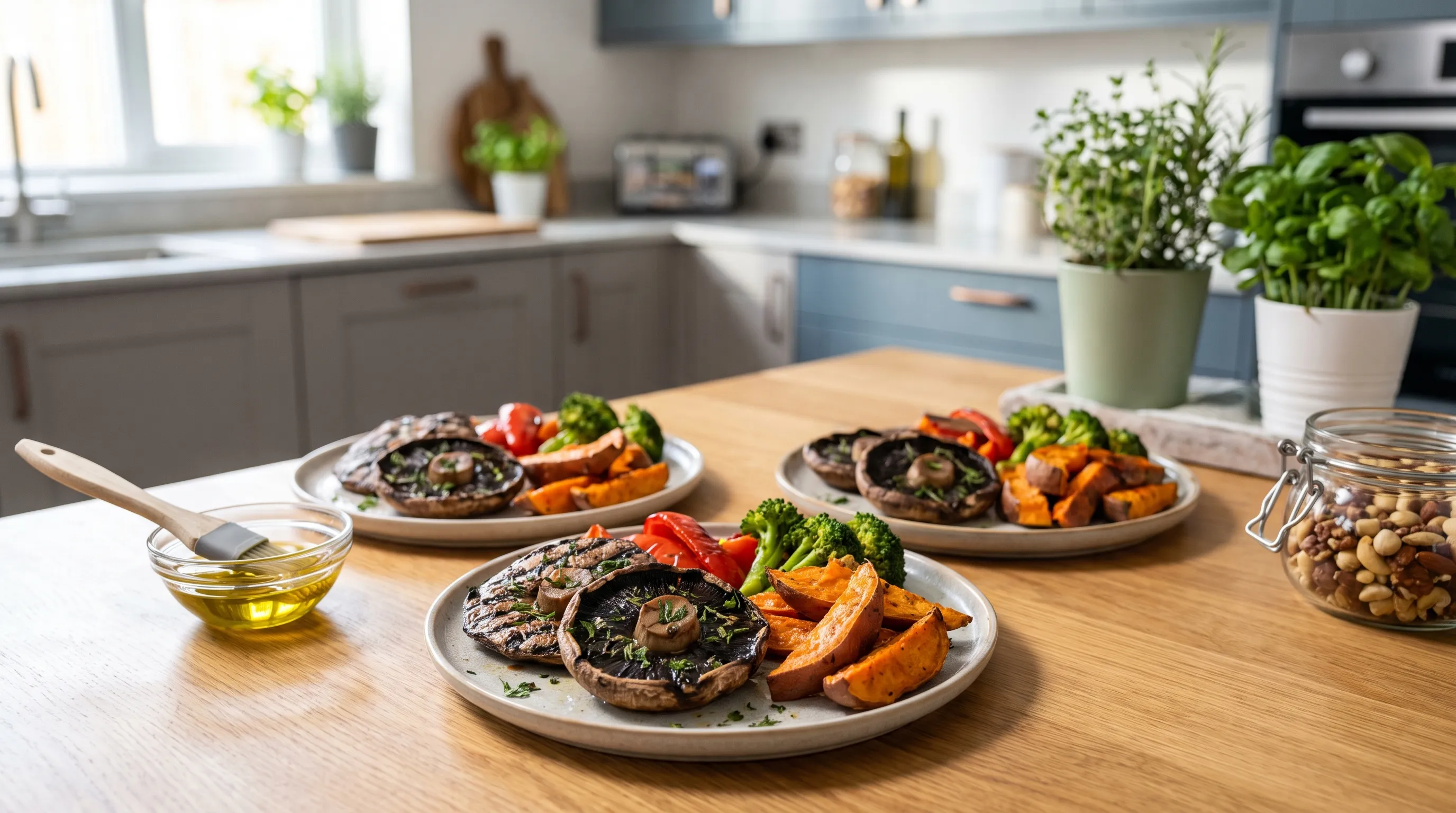
Culinary application should prioritize methods that enhance both flavor and nutrient bioavailability. Grill whole portobello caps brushed lightly with extra virgin olive oil, garlic, and rosemary as a standalone main dish, providing a complete protein complement when served alongside quinoa or roasted chickpeas. Use thickly sliced caps as a bread substitute in open-faced sandwiches or as the base for eggplant-free parmesan, leveraging their low carbohydrate profile for blood sugar management. Incorporate finely chopped portobellos into Bolognese sauces, lentil stews, or vegetable frittatas to increase fiber density and umami depth without increasing saturated fat. For rapid weekday nutrition, sauté diced caps with spinach, garlic, and lemon juice, finishing with toasted sesame seeds to add complementary omega-3 fatty acids and enhance mineral absorption. Each preparation method should prioritize minimal processing, whole-food pairings, and healthy lipid inclusion to maximize the therapeutic potential of every serving.
Safety Considerations and Potential Dietary Interactions
While portobello mushrooms are exceptionally safe for the general population, certain physiological conditions and dietary patterns require mindful consideration. Evidence-based nutrition practice emphasizes that even beneficial foods warrant contextual evaluation to prevent adverse interactions or exacerbate underlying metabolic vulnerabilities. Understanding these parameters ensures safe, long-term integration into therapeutic diets.
Understanding Purine Content and Gout Concerns
Mushrooms contain moderate levels of purines, naturally occurring compounds that metabolize into uric acid within the liver. For healthy individuals, renal excretion efficiently manages this metabolic byproduct. However, patients with gout or hyperuricemia may experience flare-ups when consuming high-purine foods, particularly during acute inflammatory episodes. Clinical guidelines typically classify mushrooms as moderate-purine vegetables, generally permitting controlled consumption without significantly elevating serum uric acid levels compared to animal organs or certain seafood. Nevertheless, individuals managing gout should monitor portion sizes, ensure adequate hydration to promote uric acid clearance, and consult their rheumatologist or dietitian regarding personalized tolerance thresholds, as outlined by the Mayo Clinic's gout management protocols. Most contemporary research supports moderate mushroom intake as safe and potentially beneficial due to their anti-inflammatory and antioxidant properties, which may offset purine-related metabolic stress.
Heavy Metal Accumulation and Sourcing Quality
Fungi possess remarkable bioaccumulation properties, absorbing trace minerals and environmental compounds through their extensive mycelial networks. While this characteristic enhances nutrient density, it also means portobellos can concentrate heavy metals like cadmium, lead, or mercury if cultivated in contaminated substrates. To mitigate exposure risks, prioritize mushrooms grown by certified agricultural producers who utilize controlled composting, rigorous substrate testing, and regulated cultivation environments. Commercially farmed portobellos in regulated markets consistently fall well below safety thresholds established by food safety authorities. Avoid foraging wild mushrooms unless you possess verified mycological expertise, and never consume specimens growing near industrial zones or treated with unverified pesticides. By sourcing from reputable, certified growers, consumers safely access the full nutritional information for portobello mushrooms without environmental toxicity concerns, in compliance with WHO food safety standards.
Frequently Asked Questions
Are portobello mushrooms considered a good source of protein?
While not as protein-dense as meat or legumes, portobello mushrooms provide approximately 3 to 4 grams of high-quality protein per 100-gram serving. They contain all nine essential amino acids in varying amounts, making them a valuable plant-based protein complement, especially when paired with whole grains or beans to create a complete amino acid profile.
Do portobello mushrooms contain vitamin B12?
Naturally, portobello mushrooms do not contain significant amounts of vitamin B12 unless they have been specifically supplemented or exposed to ultraviolet light during cultivation. For vegans and vegetarians, it is highly recommended to pair portobellos with fortified foods or consider a B12 supplement to prevent deficiency and support neurological health.
How do cooking methods affect the nutritional information for portobello mushrooms?
Cooking significantly improves the bioavailability of key compounds in portobello mushrooms. Heat breaks down tough chitin cell walls, releasing more antioxidants like ergothioneine and making beta-glucans more accessible to digestive enzymes. Methods like sautéing, grilling, or roasting with a small amount of healthy fat optimize nutrient absorption without leaching water-soluble vitamins, unlike boiling.
Can portobello mushrooms support weight management?
Absolutely. Portobello mushrooms are exceptionally low in calories and saturated fat while being rich in dietary fiber and water. Their high fiber content promotes gastric distension and prolonged satiety, helping regulate appetite and reduce overall caloric intake. Replacing calorie-dense meats with portobello caps in recipes is a proven strategy for sustainable weight management.
Are there any risks to eating raw portobello mushrooms?
While generally safe, consuming large quantities of raw portobello mushrooms is not recommended. Their tough chitin cell walls are difficult for human digestion to break down, which may cause bloating or mild gastrointestinal discomfort. Additionally, raw mushrooms contain trace amounts of naturally occurring agaritine, which is largely degraded through proper cooking, making prepared mushrooms safer and more nutritious.
Conclusion
The comprehensive analysis of the nutritional information for portobello mushrooms reveals a food source that transcends mere culinary utility, functioning instead as a sophisticated dietary intervention tool. Their synergistic blend of dietary fiber, complete protein fractions, B-complex vitamins, essential minerals, and specialized antioxidants like ergothioneine and glutathione directly addresses multiple pillars of modern chronic disease prevention. From supporting cardiovascular hemodynamics and stabilizing glycemic responses to modulating immune surveillance and protecting cellular integrity, portobellos offer clinically significant benefits that align seamlessly with evidence-based nutritional guidelines. By selecting proper cooking methods, sourcing from regulated growers, and integrating them strategically into balanced meal frameworks, individuals can harness their full therapeutic potential. As nutritional science continues to validate the medicinal properties of edible fungi, portobello mushrooms will undoubtedly remain a cornerstone of functional, longevity-focused dietary patterns, proving that true wellness often grows from the simplest, most overlooked ingredients.
For further reading on fungal nutrition and dietary fiber mechanisms, explore the USDA FoodData Central database and the Harvard T.H. Chan School of Public Health nutrition insights. Additional clinical perspectives on plant-based dietary interventions and micronutrient requirements are available through the National Institutes of Health Office of Dietary Supplements.
How we work
Researched and drafted with AI assistance, then reviewed by a human editor against the cited sources.
This article is general health information, not medical advice. Consult a qualified healthcare professional about your own situation.