Comprehensive Guide to a 1500 Calorie Meal Plan for Sustainable Weight Loss

Navigating the landscape of dietary interventions can feel overwhelming, especially when trying to separate evidence-based nutrition from fleeting wellness trends. Among the most clinically supported and widely utilized frameworks is the 1500 calorie meal plan, a structured approach that creates a moderate caloric deficit while still providing ample room for nutrient-dense, satisfying foods. Unlike extreme restriction diets that leave individuals depleted and frustrated, this framework prioritizes balance, sustainability, and metabolic health. When executed thoughtfully, it supports gradual fat loss, preserves lean muscle mass, and establishes long-term eating habits that extend far beyond the initial weight loss phase. Whether you are managing your first deliberate dietary change or resetting after a plateau, understanding the physiological and practical mechanics behind this approach will empower you to make informed, lasting decisions about your nutritional intake.
The Science Behind a 1500 Calorie Diet
Understanding the foundational principles of energy balance is the first step toward implementing a 1500 calorie meal plan successfully. Weight management fundamentally revolves around thermodynamics: consuming fewer calories than your body expends forces it to tap into stored energy reserves, primarily adipose tissue. This caloric deficit, when maintained at a safe and manageable level, triggers a predictable physiological response that the medical and nutritional communities recognize as the gold standard for gradual fat reduction. The goal is never starvation; it is optimization. By carefully curating what those 1500 calories consist of, you can manipulate hormonal responses, stabilize blood glucose, and enhance metabolic flexibility, all of which are critical for long-term success. For comprehensive guidance on healthy weight management principles, consult resources from the National Institutes of Health.
Free calculatorWater Intake CalculatorCalculate daily water needsOpen the calculatorHow Caloric Deficit Drives Healthy Weight Management
When you consistently consume fewer calories than your baseline metabolic demands, your body initiates a series of adaptive processes. Basal metabolic rate (BMR) accounts for roughly 60 to 70 percent of daily energy expenditure, representing the calories burned at rest to maintain vital functions like breathing, circulation, and cellular repair. Adding non-exercise activity thermogenesis (NEAT), thermic effect of food (TEF), and structured exercise creates your total daily energy expenditure (TDEE). A 1500 calorie intake typically establishes a deficit of 300 to 700 calories for the average adult, translating to approximately 0.5 to 1.5 pounds of fat loss weekly. This moderate pace minimizes muscle catabolism, reduces the likelihood of severe hunger signals, and prevents the rapid downregulation of leptin, the primary satiety hormone. Clinical guidelines from the Centers for Disease Control and Prevention consistently emphasize that slow, steady weight loss yields superior maintenance rates compared to aggressive restriction.
Assessing Whether 1500 Calories Aligns With Your Goals
While the 1500 calorie meal plan is highly effective for many, it is not universally appropriate. Factors such as age, biological sex, height, current body weight, muscle mass, thyroid function, and daily movement patterns dramatically influence TDEE. Individuals with highly sedentary lifestyles or lower lean mass may thrive on this intake, while those engaged in manual labor, high-intensity athletic training, or heavy resistance programs may experience energy depletion and impaired recovery. Women of reproductive age, pregnant individuals, and anyone with a history of disordered eating should consult a licensed healthcare provider or registered dietitian before adopting a fixed calorie target. The objective is always to support physiological function, not to compromise it. For personalized dietary guidance, refer to the Mayo Clinic's weight loss safety recommendations.
Nutritional Architecture of a Balanced 1500 Calorie Framework
Calories alone do not determine health outcomes. The composition of those calories dictates everything from energy stability and hormonal regulation to gut microbiome diversity and inflammatory markers. A well-designed 1500 calorie meal plan prioritizes macronutrient distribution, micronutrient density, and dietary fiber, creating a nutritional environment that promotes satiety, preserves metabolic rate, and supports cellular function.
Optimizing Macronutrient Ratios for Satiety and Muscle Preservation
Research consistently demonstrates that adequate protein intake is the cornerstone of any calorie-controlled diet. For a 1500 calorie framework, aiming for 90 to 120 grams of protein daily (approximately 25 to 30 percent of total calories) helps preserve lean mass during fat loss, elevates TEF, and significantly reduces hunger pangs. High-quality sources include eggs, poultry, fish, tofu, legumes, Greek yogurt, and lean cuts of beef or pork. For detailed protein requirements across different life stages, see the Cleveland Clinic's nutritional guidelines. Carbohydrates should constitute roughly 40 to 50 percent of the daily total, emphasizing complex, fiber-rich options like oats, quinoa, sweet potatoes, brown rice, and whole fruits. These carbohydrates stabilize insulin response, replenish glycogen stores, and provide sustained mental clarity. Dietary fats, essential for hormone synthesis and fat-soluble vitamin absorption, should make up the remaining 20 to 30 percent. Prioritizing monounsaturated and polyunsaturated fats from olive oil, avocados, nuts, seeds, and fatty fish supports cardiovascular health and enhances nutrient bioavailability without adding excessive volume.
Micronutrient Density and Fiber for Metabolic Health
A calorie deficit can easily lead to micronutrient shortfalls if not carefully planned. Ensuring adequate intake of vitamins B-complex, D, magnesium, iron, zinc, and potassium is crucial for enzymatic reactions, nervous system function, and fluid balance. Consuming at least 25 to 35 grams of dietary fiber daily from vegetables, legumes, berries, chia seeds, and whole grains promotes regular digestion, feeds beneficial gut bacteria, and blunts postprandial glucose spikes. The World Health Organization highlights that higher fiber intakes correlate strongly with improved body composition and reduced visceral fat accumulation. Hydration works synergistically with fiber, so pairing water-rich foods with adequate fluid intake optimizes digestive transit and metabolic efficiency.
Strategic Meal Timing and Structural Planning
How you distribute 1500 calories throughout the day influences energy levels, digestive comfort, and adherence rates. There is no single universally optimal schedule, but aligning meal frequency with your daily routine, circadian rhythm, and hunger cues dramatically improves outcomes. The goal is consistency, not perfection.
Distributing Calories Throughout the Day
Most individuals following a 1500 calorie meal plan find success with three balanced meals and one intentional snack, allocating approximately 350 to 450 calories per main meal and 200 to 250 for the snack. This structure prevents extreme hunger, supports stable blood glucose, and makes preparation more manageable. Alternatively, those who prefer smaller, more frequent eating windows may divide the total into four to five modest meals spaced every three to four hours. Intermittent fasting practitioners can also fit 1500 calories within an eight to ten-hour feeding window, provided the total nutritional density remains intact. Chrononutrition research from the NIH suggests that consuming larger meals earlier in the day may align better with insulin sensitivity and metabolic flexibility, but personal adherence always trumps rigid timing protocols. Experimentation is key to discovering what sustains your energy and minimizes late-night cravings.
Visual Portion Control and Hunger Management Techniques
When tracking exact weights becomes cumbersome, visual portion guides offer a reliable fallback. A single palm-sized portion approximates 3 to 4 ounces of lean protein, a cupped hand equals roughly half a cup of complex carbohydrates, a thumb represents about one tablespoon of healthy fats or dense sauces, and two full fists equate to non-starchy vegetables. This method requires no scales but maintains reasonable calibrations for portion size. The CDC provides excellent visual tools for portion control that can simplify daily tracking. Additionally, practicing mindful eating, chewing thoroughly, eliminating digital distractions during meals, and waiting twenty minutes after eating before considering seconds can naturally prevent overconsumption. If hunger strikes between meals, a low-calorie bridge snack like celery sticks, herbal tea, or a small apple can reset appetite without disrupting the daily total.

Detailed Three-Day 1500 Calorie Meal Blueprint
To translate theory into practice, reviewing concrete daily templates provides clarity and reduces decision fatigue. The following three-day framework demonstrates how to hit the 1500 calorie target while maintaining balanced macronutrients, high fiber content, and culinary variety. Each day is designed to be easily adjustable based on personal preferences, seasonal availability, and dietary restrictions.
Day One: Protein-Focused and Metabolically Active
Breakfast (400 calories): Two scrambled eggs with spinach and diced tomatoes cooked in one teaspoon of olive oil, accompanied by one slice of whole-grain toast and half a cup of mixed berries. Lunch (450 calories): Grilled chicken breast (5 oz) served over a bed of quinoa (half cup cooked) and roasted zucchini, topped with two tablespoons of tahini-lemon dressing. Afternoon Snack (200 calories): One medium apple with one tablespoon of natural almond butter. Dinner (450 calories): Baked cod fillet (5 oz) seasoned with dill and garlic powder, paired with one medium roasted sweet potato and a large mixed green salad dressed with one tablespoon of balsamic vinaigrette. Total macros: approximately 120g protein, 160g carbohydrates, 35g fat. This day emphasizes lean animal protein, complex starches, and omega-9 fats to support muscle repair and steady energy release.
Day Two: Fiber-Rich and Gut-Optimized
Breakfast (400 calories): Overnight oats made with half cup rolled oats, three-quarters cup unsweetened almond milk, one tablespoon chia seeds, half a mashed banana, and a sprinkle of cinnamon. Lunch (420 calories): Large lentil and vegetable soup (one and a half cups) containing carrots, celery, kale, and diced tomatoes, served with a small side salad and one teaspoon of olive oil. Afternoon Snack (230 calories): One cup of Greek yogurt (plain, nonfat) mixed with three-quarters cup fresh raspberries and one teaspoon of raw honey. Dinner (450 calories): Turkey and black bean stuffed bell peppers (two halves) baked with a quarter cup of shredded cheddar and salsa, accompanied by half cup of steamed broccoli. Total macros: approximately 95g protein, 185g carbohydrates, 30g fat. The high soluble and insoluble fiber content supports microbiome diversity and promotes prolonged fullness throughout the day.
Day Three: Plant-Forward and Anti-Inflammatory
Breakfast (410 calories): Whole-grain waffle (one large or two small) topped with half cup cottage cheese, one tablespoon ground flaxseed, and half cup sliced peaches. Lunch (430 calories): Tofu and vegetable stir-fry (five oz firm tofu, half cup brown rice, one cup mixed bell peppers, snap peas, and mushrooms) sautéed in one teaspoon sesame oil and one tablespoon low-sodium soy sauce. Afternoon Snack (210 calories): One small handful (about one ounce) of mixed almonds and two rice cakes with a thin layer of mashed avocado. Dinner (450 calories): Chickpea and spinach curry (one and a half cups) simmered with light coconut milk, served alongside half cup of cauliflower rice and garnished with fresh cilantro. Total macros: approximately 85g protein, 175g carbohydrates, 40g fat. This template highlights polyphenols, omega-3 fatty acids, and plant-based proteins to reduce systemic inflammation while maintaining a sustainable 1500 calorie meal plan structure.
Grocery Strategy, Meal Preparation, and Storage Protocols
Executing a 1500 calorie diet efficiently requires more than just knowing what to eat; it demands a systematic approach to purchasing, preparing, and storing food. Without organization, even the most well-researched plans fall apart amid daily stressors and time constraints.
Navigating Supermarket Aisles on a Budget
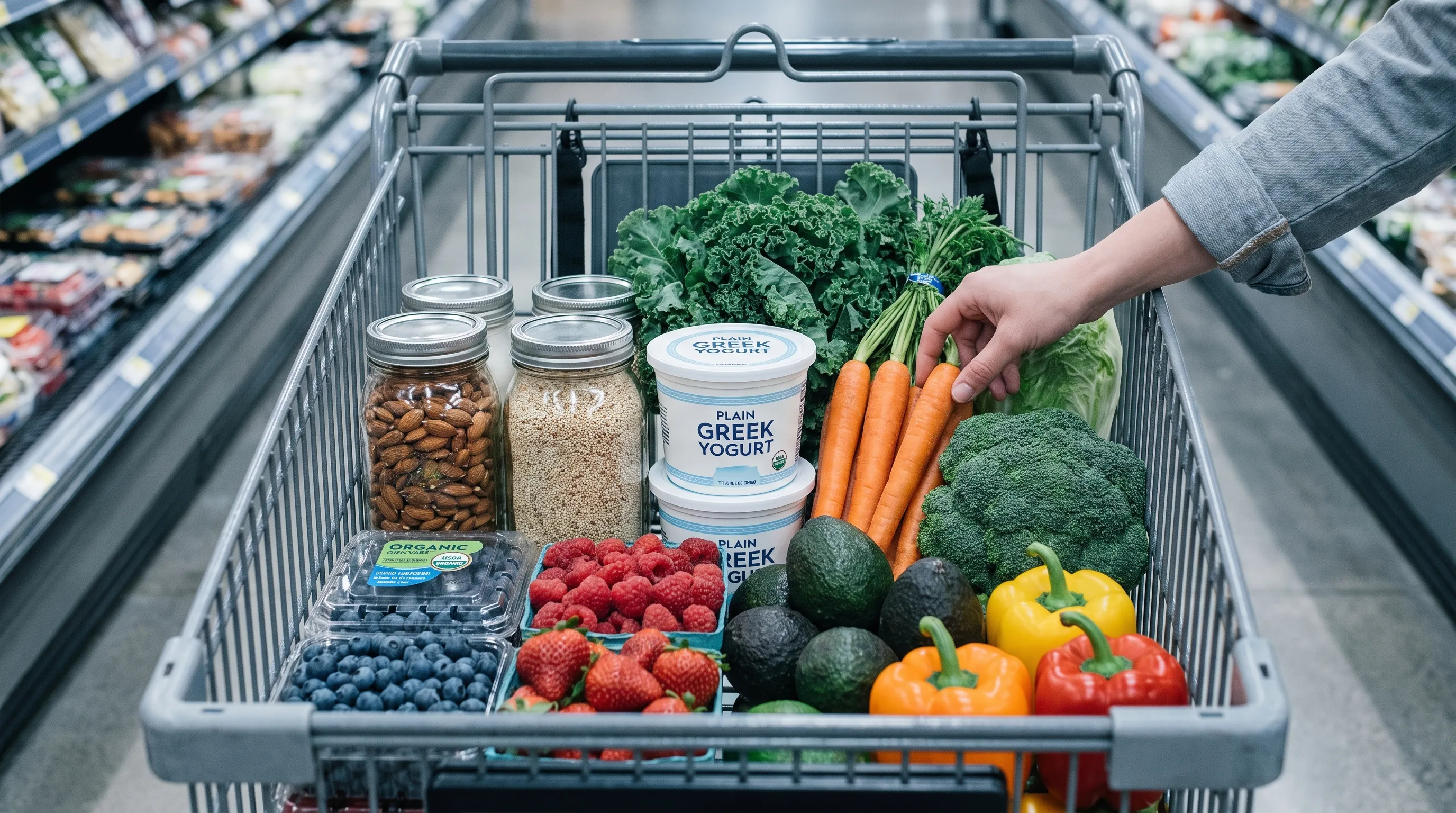
Successful grocery shopping begins with a detailed list and a clear perimeter strategy. Stick to the outer edges where fresh produce, proteins, and dairy are located, and limit trips down processed food aisles. Prioritize seasonal vegetables and frozen alternatives, which retain comparable nutritional value at a fraction of the cost. Buying proteins in family packs, portioning them immediately upon returning home, and utilizing store-brand pantry staples like oats, legumes, and canned tomatoes significantly lowers weekly expenses. The Mayo Clinic offers evidence-based strategies for economical, nutrient-dense food shopping. Always read nutrition labels for hidden sodium, added sugars, and misleading serving sizes that can silently derail daily targets.
Batch Cooking and Food Safety Standards
Dedicating two to three hours on weekends to cook proteins, roast vegetables, and prepare complex carbohydrates establishes a foundation for weekday success. Portion meals into airtight, BPA-free glass containers, label them with preparation dates, and store them according to standard food safety guidelines: refrigerated items within four days, frozen items within three months. Avoid temperature danger zones, reheat meals to an internal temperature of 165°F, and never leave perishables unrefrigerated for longer than two hours. Proper storage prevents foodborne illness, maintains texture and flavor, and eliminates the temptation to order takeout when energy runs low.
| Meal Component | Standard 1500 Calorie Option | High-Calorie Alternative | Caloric Difference | Impact on Satiety & Health |
|---|---|---|---|---|
| Breakfast Carbs | 1 slice whole-grain toast | 1 large sugary pastry | ~150-200 fewer | Higher fiber stabilizes glucose vs rapid insulin spike |
| Protein Source | 5 oz baked chicken breast | 5 oz fried breaded chicken | ~180-220 fewer | Less saturated fat preserves cardiovascular health |
| Cooking Fat | 1 tsp olive oil for roasting | 2 tbsp butter for sautéing | ~180 fewer | Monounsaturated fats reduce inflammation markers |
| Snack | 1 medium apple + 1 tbsp almond butter | 1 snack-sized bag of chips | ~50-70 fewer | Natural sugars + fiber prevent energy crashes |
| Beverage | Water, black coffee, or herbal tea | 12 oz sweetened soda or latte | ~150-250 fewer | Zero liquid calories improve daily deficit accuracy |
This comparison illustrates how simple swaps maintain the 1500 calorie meal plan target while dramatically improving micronutrient density and reducing unnecessary saturated fats and added sugars. Over time, these micro-choices compound into measurable body composition improvements.
Navigating Plateaus, Hydration, and Sleep Optimization
Even with flawless adherence, weight loss frequently encounters natural stalls. Plateaus are a normal physiological adaptation, not a sign of failure. Recognizing their mechanisms and responding strategically ensures continued progress without resorting to extreme restriction.
Why Progress Stalls and How to Recalculate
After several weeks of consistent calorie restriction, adaptive thermogenesis occurs: your body becomes more efficient, lowering resting metabolic rate and reducing non-exercise movement. Additionally, initial water weight loss masks slower fat reduction on the scale. When this happens, reassess your tracking accuracy, verify portion measurements, and consider increasing daily step count by 1,000 to 2,000 steps. Introducing resistance training three times weekly builds metabolically active lean tissue, which elevates long-term caloric burn. Occasionally cycling calories up by 100 to 200 for one day can temporarily boost leptin levels and prevent severe downregulation. The CDC provides clinical strategies for overcoming weight loss plateaus safely. If weight remains static for three or more weeks, a modest reduction of 100 calories or an increase in structured activity usually restarts downward momentum.
The Synergy of Water Intake, Rest, and Stress Management
Hydration directly influences metabolic rate, digestion, and hunger signaling. Dehydration often masquerades as hunger, leading to unnecessary calorie consumption. Aim for at least 80 to 100 ounces of water daily, adjusting upward for exercise, hot climates, or high protein intake. Sleep quality is equally critical; chronic sleep deprivation elevates cortisol and ghrelin while suppressing leptin, creating a biochemical environment that promotes fat storage and carbohydrate cravings. The NIH highlights the critical link between sleep deprivation and metabolic health, emphasizing that prioritizing seven to nine hours of uninterrupted sleep, establishing a consistent wind-down routine, and practicing stress-reduction techniques dramatically improve dietary adherence and hormonal balance.
Customization for Dietary Preferences and Activity Levels
Rigidity breeds burnout. The most successful dietary frameworks adapt to individual lifestyles, ethical choices, and physical demands. A 1500 calorie plan should serve you, not restrict you unnecessarily.
Adapting the Framework for Vegan, Gluten-Free, or Dairy-Free Lifestyles
Plant-based diets can easily fit within a 1500 calorie structure by focusing on tempeh, edamame, lentils, hemp seeds, quinoa, and fortified nutritional yeast. Ensure adequate B12, iron, and omega-3 (ALA/EPA/DHA) through supplementation or careful food pairing with vitamin C to enhance absorption. For gluten-free requirements, swap wheat-based products for certified gluten-free oats, brown rice, buckwheat, and corn. Dairy-free adjustments are straightforward: substitute cow milk with unsweetened soy or almond milk, use coconut or olive oil-based spreads, and rely on calcium-set tofu or fortified plant yogurts. The core principle remains unchanged: whole foods, balanced macros, and intentional calorie distribution drive results regardless of dietary labels. The World Health Organization provides comprehensive guidelines on adapting diets for special needs without compromising nutritional adequacy.
Aligning Intake with Exercise Demands
If you engage in vigorous physical activity, timing becomes crucial. Consuming 30 to 40 grams of easily digestible carbohydrates and 15 to 20 grams of protein one to two hours before training fuels performance. Post-workout, prioritize a similar ratio within two hours to replenish glycogen and stimulate muscle protein synthesis. These calories simply shift from other meals rather than adding to the daily total. For endurance athletes, slightly increasing the carbohydrate ratio to 50 percent while reducing fats to 20 percent may be necessary, provided total calories remain at or near 1500. The WHO recommends structured physical activity guidelines that can be safely integrated with moderate caloric restriction. Always listen to recovery markers: persistent fatigue, declining strength, or disrupted sleep signals that adjustments are needed.

Frequently Asked Questions
How much weight can I realistically lose on a 1500 calorie diet per week?
Most adults following a consistent 1500 calorie intake can expect to lose approximately 1 to 2 pounds per week, assuming their baseline Total Daily Energy Expenditure (TDEE) ranges between 2000 and 2200 calories. This rate aligns with clinical recommendations for safe, sustainable weight loss. Individual results vary based on metabolic rate, physical activity level, body composition, hormonal status, and adherence to the nutritional framework.
Is a 1500 calorie meal plan safe for everyone?
While 1500 calories is generally safe for many adults aiming for gradual weight loss, it may be too restrictive for highly active individuals, pregnant or breastfeeding women, adolescents, and people with specific medical conditions. Consulting a registered dietitian or healthcare provider before starting any calorie-restricted plan is strongly advised to ensure nutritional adequacy and prevent metabolic slowdown.
How do I handle hunger and cravings while eating 1500 calories daily?
Prioritizing high-fiber vegetables, lean proteins, and healthy fats enhances satiety and stabilizes blood glucose levels. Drinking adequate water, spreading meals evenly across the day, incorporating volume-eating strategies, and ensuring quality sleep all mitigate cravings. If hunger remains persistent, slightly adjusting macronutrient ratios or incorporating low-calorie, high-fiber snacks like air-popped popcorn or cucumber with hummus can provide relief without derailing progress.
Can I exercise while following a 1500 calorie diet?
Yes, moderate exercise like walking, cycling, resistance training, and yoga is highly encouraged. However, intense or prolonged endurance workouts may require additional calories or strategic carbohydrate timing around training sessions. Many individuals find success by allocating 300 to 400 calories of their daily allowance to pre- and post-workout nutrition while keeping total daily intake at 1500.
What is the best way to track calories and ensure accuracy?
Using a digital food scale, combined with a reputable calorie-tracking application, provides the highest accuracy. Weighing foods in their raw state before cooking, carefully logging portion sizes, and accounting for added oils, dressings, and beverages are essential practices. Research shows that self-weighing and consistent logging significantly improve adherence and long-term weight management outcomes.
Key Takeaways
A 1500 calorie meal plan offers a structured, scientifically backed pathway to sustainable weight loss when implemented with precision, consistency, and nutritional awareness. By prioritizing lean proteins, complex carbohydrates, healthy fats, and high-fiber foods, you create a caloric deficit that preserves metabolic function and supports lean tissue retention. Success depends on more than simply counting numbers; it requires thoughtful meal distribution, accurate tracking, strategic grocery planning, and proactive management of hydration, sleep, and stress. Plateaus are natural, not catastrophic, and can be navigated with minor adjustments rather than drastic restriction. Customizing the framework to align with personal dietary preferences, activity demands, and lifestyle realities ensures long-term adherence. Remember that nutrition is foundational to overall health, and gradual, evidence-based changes yield the most enduring results. For ongoing education on balanced nutrition, refer to the Cleveland Clinic's dietary health resources and the NIH's weight management research. Pairing this approach with regular movement, mindful eating practices, and professional guidance when necessary transforms short-term dietary shifts into lifelong wellness habits. The journey toward improved body composition and metabolic vitality begins with informed choices, consistent execution, and a commitment to sustainable health rather than fleeting perfection.
How we work
Researched and drafted with AI assistance, then reviewed by a human editor against the cited sources.
This article is general health information, not medical advice. Consult a qualified healthcare professional about your own situation.