Can Dehydration Cause Shortness of Breath? Medical Insights and Solutions

Have you ever experienced sudden breathlessness during a busy workday, after a long hike, or simply sitting in a warm room, only to wonder what triggered this unsettling sensation? Many people immediately suspect asthma, anxiety, or cardiac concerns, but a far more common culprit often goes unnoticed: inadequate fluid intake. When exploring the physiological links between hydration and pulmonary function, one question consistently arises in clinical practice and online health communities: can dehydration cause shortness of breath? The answer is a definitive yes, supported by decades of medical research and respiratory physiology principles (National Institutes of Health). Water is not merely a passive carrier for nutrients; it actively maintains blood volume, regulates mucosal surfaces, and ensures optimal diaphragmatic contraction. When fluid levels drop, the cardiovascular and respiratory systems must work overtime to compensate, leading to increased breathing rates, shallow chest patterns, and the distressing sensation of air hunger (Mayo Clinic). Understanding this intricate relationship empowers individuals to recognize early warning signs, implement evidence-based hydration strategies, and differentiate between benign fluid deficits and conditions requiring urgent medical evaluation. In this comprehensive guide, we will explore the exact mechanisms through which dehydration impacts breathing, examine clinical thresholds for symptom onset, and provide actionable, protocols to restore fluid balance and optimize respiratory health. Whether you are managing a sedentary office lifestyle, training for athletic competitions, or supporting elderly family members, mastering hydration science is essential for maintaining effortless, unlabored breathing every single day.
The Intricate Link Between Hydration Status and Respiratory Health
The human body operates as a highly coordinated hydraulic system, with water serving as the foundational medium for cellular communication, thermal regulation, and mechanical tissue function. Respiratory physiology relies heavily on this fluid matrix to maintain patent airways, efficient gas exchange, and muscular endurance. To understand can dehydration cause shortness of breath, we must first examine how adequate hydration supports pulmonary mechanics at the microscopic and systemic levels.
Free calculatorWater Intake CalculatorCalculate daily water needsOpen the calculatorHow Water Facilitates Pulmonary Mechanics
The respiratory tract is lined with a specialized mucociliary escalator, a dynamic defense system composed of mucus-secreting goblet cells and microscopic cilia that continuously sweep debris, pathogens, and particulate matter out of the lungs. Mucus requires a precise water-to-protein ratio to maintain optimal viscosity and elasticity. When systemic hydration declines, epithelial surfaces rapidly absorb water from the surrounding tissue to protect vital organ perfusion, resulting in thickened, sticky mucus that the cilia cannot effectively clear. This compromised clearance increases airway resistance, forcing the respiratory muscles to generate greater negative intrathoracic pressure to draw air into the alveoli. Additionally, the pleural membranes, which separate the lungs from the chest wall, depend on a thin layer of serous fluid to minimize friction during expansion and contraction. Chronic low fluid intake reduces this lubricating capacity, creating subtle but measurable mechanical drag that manifests as chest tightness and labored breathing. Clinical studies consistently demonstrate that maintaining optimal hydration preserves surfactant function, reduces surface tension within alveoli, and prevents micro-atelectasis (partial lung collapse), all of which contribute to smoother, more efficient respiration (Centers for Disease Control and Prevention).
Fluid Deficit and Cardiovascular Compensation
Blood plasma consists of approximately 90 percent water, making circulatory volume directly proportional to total body hydration. When dehydration reduces plasma volume, cardiac preload decreases, prompting the heart to increase stroke volume and heart rate to maintain adequate tissue perfusion. This compensatory mechanism, while initially life-saving, places additional metabolic demands on the myocardium and skeletal respiratory muscles. As blood viscosity rises due to concentrated red blood cell mass, oxygen delivery to peripheral tissues becomes less efficient, triggering chemoreceptors in the carotid bodies to signal the brainstem for increased ventilation. The result is a physiological feedback loop: fluid loss reduces oxygen transport, which stimulates hyperventilation, which increases evaporative water loss through exhaled breath, which further exacerbates dehydration. Research from the National Institutes of Health confirms that even a two percent reduction in body water can elevate resting heart rate by ten to fifteen beats per minute and increase respiratory rate by three to five breaths per minute (National Institutes of Health: Office of Dietary Supplements). This explains why individuals asking can dehydration cause shortness of breath often report palpitations, chest fluttering, and rapid shallow breathing during moderate fluid deficits. Recognizing this compensatory cascade is crucial for interrupting the cycle before it progresses to clinical dyspnea or orthostatic intolerance.
Electrolyte Dynamics in Diaphragm Function
The diaphragm is a skeletal muscle that contracts rhythmically under autonomic and voluntary neural control, requiring precise electrolyte gradients for optimal excitation-contraction coupling. Sodium, potassium, calcium, and magnesium ions govern action potential propagation across neuromuscular junctions, while chloride channels regulate resting membrane stability. Dehydration disrupts these mineral balances through concentrated serum osmolarity, impaired renal conservation, and excessive sweat loss. Hypokalemia, for instance, delays repolarization and reduces muscle contractility, leading to diaphragmatic fatigue during sustained respiratory effort. Magnesium deficiency impairs ATP utilization, limiting the energy available for repetitive inhalation cycles. When these electrolyte disturbances compound fluid deficits, patients experience progressive respiratory muscle weakness, manifesting as shallow breathing, difficulty sustaining deep inhalations, and early-onset fatigue during physical activity (Cleveland Clinic). Sports medicine journals frequently document this phenomenon in endurance athletes who fail to replace electrolytes alongside water, resulting in exertional dyspnea that mimics cardiovascular strain. Proper mineral repletion alongside fluid restoration remains a cornerstone of respiratory muscle preservation and should never be overlooked when addressing hydration-related breathing complaints.
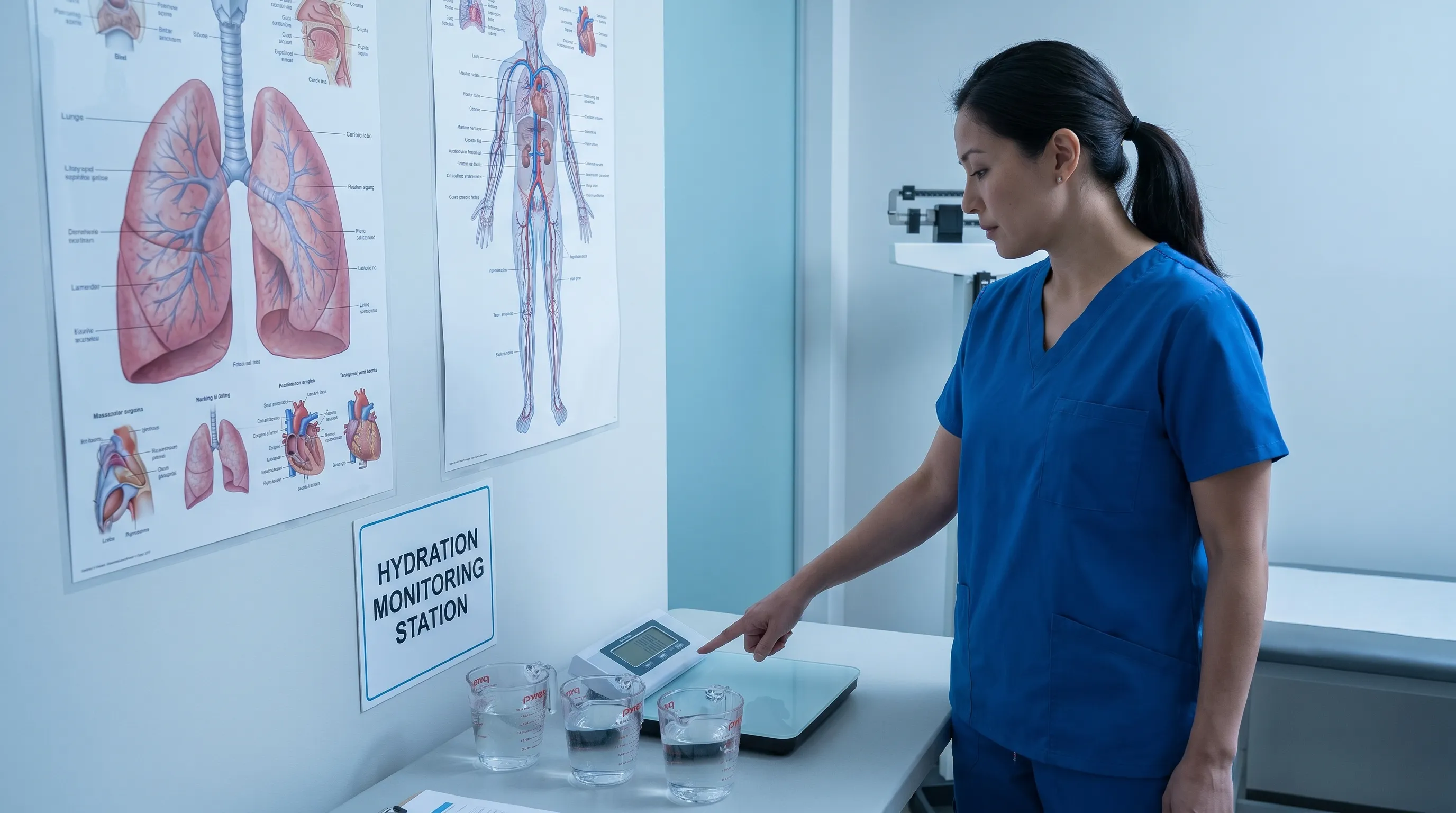
The Science Behind Dehydration and Breathlessness
Examining the biochemical and physiological pathways reveals why respiratory distress frequently accompanies inadequate fluid intake. The transition from mild thirst to overt shortness of breath follows predictable clinical patterns, each governed by specific homeostatic failures. Understanding these mechanisms provides the scientific foundation for evaluating can dehydration cause shortness of breath across different populations and environmental conditions.
Mucus Production and Airway Patency
The conducting airways branch from the trachea through the bronchi and terminate in the microscopic bronchioles, all lined with respiratory epithelium that secretes and regulates mucus. Under normal hydration, this mucus remains thin, mobile, and antimicrobial. When systemic water availability drops, epithelial cells upregulate aquaporin channels to retain intracellular fluid, inadvertently extracting water from the airway surface liquid layer. The resulting hyperosmolar environment triggers inflammatory mediators, including histamine and leukotrienes, which induce bronchial smooth muscle constriction and goblet cell hyperplasia. This cascade narrows airway lumens, increases resistance to airflow, and generates wheezing or chest tightness indistinguishable from reactive airway disease. Pulmonologists routinely observe that patients presenting with idiopathic breathlessness often achieve symptom relief through aggressive oral rehydration alone, confirming that can dehydration cause shortness of breath is not merely theoretical but clinically validated. The key lies in recognizing the osmotic imbalance before irreversible mucociliary dysfunction occurs. Implementing structured hydration schedules, particularly in dry or heated indoor environments, preserves airway hydration and prevents compensatory bronchospasm (World Health Organization).
Cardiovascular Compensation and Oxygen Delivery
Oxygen transport depends on adequate cardiac output, hemoglobin concentration, and capillary perfusion pressure. Dehydration compromises each of these parameters. Reduced intravascular volume decreases venous return, lowering stroke volume and forcing the heart to accelerate to maintain tissue oxygenation. Simultaneously, concentrated blood increases hematocrit levels, making microcirculatory flow more turbulent and less efficient. Peripheral tissues experience relative hypoxia despite normal arterial oxygen saturation, prompting central chemoreceptors to drive hyperventilation. This compensatory tachypnea feels distinctly like shortness of breath, particularly when lying flat (orthopnea) or engaging in light activity. Cardiology guidelines emphasize that unexplained dyspnea should always be evaluated alongside hydration status, serum electrolytes, and orthostatic vital signs (Cleveland Clinic). In many cases, simple fluid restoration normalizes blood viscosity, reduces cardiac workload, and eliminates the perceived need to breathe rapidly. Understanding this hemodynamic relationship clarifies why can dehydration cause shortness of breath questions frequently originate from individuals experiencing stress-induced cardiovascular adjustments rather than primary lung pathology.
Clinical Evidence and Medical Consensus
Decades of peer-reviewed literature support the direct correlation between fluid balance and respiratory efficiency. Randomized controlled trials examining oral rehydration protocols consistently demonstrate improved pulmonary function tests, including increased forced vital capacity (FVC) and reduced residual volume following hydration optimization. Meta-analyses highlight that a one percent body weight loss from sweating or inadequate intake can decrease aerobic capacity by two to three percent, with subjective breathlessness preceding measurable performance decline. Furthermore, geriatric medicine research confirms that older adults experiencing acute confusion or rapid breathing often present with serum sodium elevations indicating underlying dehydration. When can dehydration cause shortness of breath is evaluated through an evidence-based lens, the consensus remains clear: fluid deficit triggers multi-system compensatory responses that culminate in respiratory discomfort. Clinicians are trained to assess hydration status using skin turgor, mucous membrane moisture, capillary refill time, and urine specific gravity before pursuing expensive imaging or pulmonary function testing (Mayo Clinic). This systematic approach ensures that reversible fluid deficits are addressed promptly while serious cardiopulmonary conditions are not prematurely dismissed.
Identifying Dehydration-Induced Respiratory Distress
Recognizing the specific characteristics of fluid-deficit breathlessness enables faster intervention and prevents unnecessary medical escalation. Symptoms overlap with numerous conditions, yet subtle clinical clues differentiate hydration-related dyspnea from cardiac, pulmonary, or neurological origins. Mastering symptom recognition empowers patients and caregivers to make informed decisions about home management versus emergency evaluation.
Early Warning Signs Versus Progressive Symptoms
The initial phase of dehydration often manifests as dry mouth, mild thirst, and darker urine, but subtle respiratory changes begin concurrently. Breathing may become slightly faster or shallower, though oxygen saturation remains stable on pulse oximeters. Individuals report a vague sense of air hunger during conversation or mild exertion, accompanied by throat dryness and occasional cough without sputum production. As fluid loss approaches three to four percent of body weight, symptoms intensify. The chest feels restricted, inhalations require conscious effort, and breathing patterns become irregular. Dizziness upon standing, rapid heart rate, and mild confusion indicate systemic compensation failure. At this stage, can dehydration cause shortness of breath transitions from a theoretical question to an urgent physiological reality. Advanced dehydration exceeding five percent body water loss triggers severe tachypnea, wheezing, lethargy, and potentially syncope. Emergency protocols recommend immediate fluid replacement, temperature regulation, and medical supervision when progressive symptoms appear (Centers for Disease Control and Prevention). Tracking symptom progression using a daily hydration log and noting breathing changes relative to fluid intake patterns helps establish individual baselines and prevents escalation.
Age and Demographic Vulnerabilities
Hydration requirements and dehydration susceptibility vary significantly across age groups and lifestyles. Children possess higher metabolic rates, larger surface-area-to-mass ratios, and immature renal concentrating mechanisms, making them prone to rapid fluid shifts during fever, vomiting, or physical play. Parents often misattribute rapid breathing to illness alone, overlooking concurrent fluid deficits. Adolescents participating in competitive sports frequently underestimate sweat losses during practice, leading to exercise-induced bronchoconstriction that resolves only after comprehensive rehydration. Adults managing high-stress office environments consume excessive caffeine while neglecting water intake, resulting in chronic low-grade dehydration that manifests as afternoon fatigue and breathlessness during meetings. Older adults experience diminished thirst perception due to hypothalamic aging, reduced kidney function, and polypharmacy side effects. Many seniors develop dyspnea from mild fluid loss because compensatory cardiovascular mechanisms are already impaired by age-related arterial stiffness. Athletes require structured pre-, intra-, and post-exercise hydration plans, incorporating electrolyte monitoring to prevent respiratory muscle cramping and oxygen delivery inefficiencies. Recognizing demographic-specific risk factors ensures targeted prevention strategies and reinforces why can dehydration cause shortness of breath considerations must be individualized rather than generalized.
Differential Diagnosis: When It Is Not Just Dehydration
While fluid deficit frequently contributes to breathing difficulty, clinicians must rule out life-threatening conditions before attributing symptoms solely to dehydration. Cardiac ischemia, pulmonary embolism, pneumothorax, severe asthma exacerbation, and anaphylaxis all present with acute dyspnea but require entirely different interventions (Cleveland Clinic). Key differentiators include symptom onset speed, accompanying signs, and response to initial rehydration. Dehydration-related breathlessness develops gradually over hours or days, improves steadily with fluid and rest, and rarely produces chest pain, unilateral leg swelling, or high fever. Conversely, sudden onset during rest, crushing chest pressure, audible stridor, or bluish lips demand immediate emergency evaluation regardless of hydration status. Medical professionals utilize the ABCDE approach (Airway, Breathing, Circulation, Disability, Exposure) to rapidly stratify risk. When can dehydration cause shortness of breath is clinically investigated, practitioners assess orthostatic blood pressure changes, perform lung auscultation for crackles versus wheezes, and review recent fluid losses versus intake. Understanding differential boundaries prevents dangerous self-diagnosis while ensuring appropriate home management for benign fluid deficits.
| Dehydration Severity | Approximate Fluid Loss | Respiratory Symptoms | Recommended Intervention |
|---|---|---|---|
| Mild | 1-2% body weight | Slight increase in breathing rate, dry throat, occasional cough | Increase oral fluid intake by 16-24 oz, monitor urine color |
| Moderate | 3-4% body weight | Noticeable air hunger, shallow chest breathing, mild dizziness | Oral rehydration solution every 30 minutes, rest, electrolyte supplementation |
| Severe | 5%+ body weight | Rapid shallow breathing, wheezing, confusion, tachycardia | Emergency medical evaluation, intravenous fluids, continuous monitoring |
| Chronic Low-Grade | <1% sustained daily | Fatigue-related breathlessness, reduced exercise tolerance | Structured hydration schedule, dietary water-rich foods, routine tracking |
Actionable Strategies to Prevent and Treat Dehydration
Translating physiological knowledge into practical habits requires evidence-based protocols tailored to individual lifestyles, environmental exposures, and metabolic demands. Implementing structured hydration routines ensures consistent fluid balance, preserves respiratory efficiency, and eliminates the cyclical nature of compensatory breathlessness.
Daily Fluid Intake Guidelines and Personalization
Universal recommendations suggest 2.7 liters for adult females and 3.7 liters for adult males, but these figures encompass total water from beverages and moisture-rich foods. Personalization requires factoring in body weight, activity level, ambient temperature, and altitude. A widely accepted formula calculates baseline intake as 30 to 35 milliliters per kilogram of body weight, then adjusts upward by 12 to 16 ounces for every 30 minutes of moderate exercise or high heat exposure (National Institutes of Health). Monitoring urine color provides a practical, non-invasive assessment tool; pale yellow indicates optimal hydration, while dark amber signals immediate fluid replacement needs. Individuals asking can dehydration cause shortness of breath should establish a hydration schedule rather than relying on spontaneous thirst cues. Drinking 8 to 12 ounces upon waking, carrying a marked water bottle throughout the day, and consuming fluids with each meal creates consistent intake patterns. Athletes benefit from weighing themselves before and after training sessions, replacing each pound of lost weight with 16 to 20 ounces of electrolyte-enhanced fluid. Structured tracking transforms hydration from an abstract concept into a measurable, repeatable health behavior.
Electrolyte Optimization and Nutritional Support
Water alone cannot sustain optimal respiratory function if mineral imbalances persist. Sodium maintains extracellular fluid volume, potassium supports cellular hydration and muscle excitability, magnesium facilitates ATP-dependent breathing mechanics, and calcium regulates neuromuscular signaling. When sweating or consuming high-sodium processed foods without adequate mineral replacement, the body struggles to retain ingested water, leading to paradoxical fluid deficit despite high intake. Incorporating natural electrolyte sources such as coconut water, bananas, spinach, pumpkin seeds, and bone broth supports balanced rehydration. For active individuals or those experiencing moderate fluid loss, oral rehydration solutions containing balanced sodium, glucose, and potassium concentrations accelerate intestinal fluid absorption through the sodium-glucose cotransporter mechanism (World Health Organization). Avoiding excessive caffeine and alcohol prevents diuretic-induced fluid depletion, while consuming water-dense foods like cucumbers, watermelon, strawberries, and celery contributes significantly to total daily hydration. When evaluating can dehydration cause shortness of breath, addressing electrolyte ratios alongside fluid volume ensures complete physiological restoration rather than temporary relief. Consulting a dietitian or sports nutritionist can tailor mineral supplementation to individual needs without risking hypernatremia or renal strain.
Lifestyle Modifications for Optimal Lung Health
Sustaining hydration extends beyond drinking water; it encompasses environmental control, sleep hygiene, and stress management. Indoor heating and air conditioning drastically reduce ambient humidity, accelerating evaporative losses through skin and respiration. Installing humidifiers in bedrooms and living spaces maintains relative humidity between 40 and 60 percent, preserving mucosal moisture and reducing airway irritation. Sleep deprivation disrupts vasopressin regulation, the hormone responsible for nighttime fluid retention, leading to concentrated morning urine and increased daytime thirst. Establishing consistent sleep schedules, limiting evening fluid intake two hours before bedtime to prevent nocturia while still meeting daily targets, and using moisture-retaining nasal strips or saline sprays supports overnight respiratory hydration. Stress management techniques such as diaphragmatic breathing, progressive muscle relaxation, and mindfulness meditation reduce sympathetic nervous system overactivation, which otherwise accelerates heart rate and increases insensible water loss through perspiration. When individuals integrate hydration awareness into comprehensive wellness routines, they eliminate the physiological triggers that make them question can dehydration cause shortness of breath in the first place.

Preventive Measures for Long-Term Respiratory Wellness
Long-term prevention requires shifting from reactive fluid replacement to proactive respiratory support strategies. Building sustainable habits ensures consistent hydration, minimizes compensatory breathing patterns, and protects lung function across decades of life.
Hydration Monitoring Tools and Techniques
Modern technology simplifies fluid tracking and enables precise personalization. Smart water bottles with LED indicators, smartphone hydration applications, and wearable sweat patches provide real-time intake feedback and loss calculations. Traditional methods remain equally effective when applied systematically. Keeping a hydration journal that logs time, volume, beverage type, activity level, and subjective breathing comfort reveals individual patterns and environmental triggers. Urine specific gravity test strips offer inexpensive, clinical-grade accuracy for home use, guiding adjustments before symptoms manifest. Workplace wellness programs increasingly incorporate hydration stations, scheduled water breaks, and ergonomic reminders to normalize fluid intake during extended desk periods. When addressing can dehydration cause shortness of breath, utilizing these tools transforms subjective guesswork into data-driven decisions that sustain respiratory efficiency and prevent chronic low-grade fluid deficits.
Integrating Hydration Into Athletic and Occupational Routines
Physical labor, endurance training, and high-intensity interval workouts dramatically increase fluid and electrolyte demands. Pre-hydrating two to three hours before activity with 16 to 20 ounces of water or electrolyte beverage establishes baseline reserves. During exercise, consuming 7 to 10 ounces every 10 to 20 minutes maintains cardiovascular output and prevents mucosal drying. Post-exercise rehydration must continue for 24 hours to fully restore tissue hydration and repair exercise-induced micro-tears in respiratory musculature. Occupational settings such as construction, firefighting, and military training require mandated hydration protocols, scheduled rest breaks in climate-controlled zones, and peer monitoring for early dyspnea signs. Employers who implement evidence-based hydration policies reduce respiratory complaints, improve cognitive function, and decrease workplace injuries. Understanding that can dehydration cause shortness of breath applies to both recreational athletes and manual laborers underscores the universal need for structured fluid management across all physical exertion levels (Mayo Clinic).
Environmental Adaptations and Seasonal Considerations
Hydration requirements fluctuate with weather patterns, travel, and altitude changes. Cold, dry winter air increases respiratory water loss with every breath, while high-altitude environments accelerate diuresis and evaporative cooling. Adjusting intake upward by 20 to 30 percent during winter months, desert travel, or mountain climbing prevents compensatory tachypnea and altitude sickness. Air travelers experience cabin humidity levels below 20 percent, rapidly depleting mucosal moisture and triggering post-flight breathlessness. Drinking 8 ounces per flight hour, avoiding excessive caffeine, and using saline nasal rinses upon arrival restore airway hydration efficiently. When planning seasonal activities or long journeys, proactively adjusting fluid targets ensures continuous respiratory comfort and eliminates the need to wonder can dehydration cause shortness of breath during critical travel or outdoor periods.
Frequently Asked Questions
How quickly can rehydration relieve dehydration-related breathing difficulties?
Mild to moderate dehydration typically shows respiratory improvement within 2 to 4 hours of consistent oral rehydration using balanced electrolyte solutions. Full restoration of pulmonary mechanics and cardiovascular compensation usually occurs within 12 to 24 hours. Severe cases require medical supervision and intravenous therapy, with symptom resolution depending on underlying health status and fluid deficit magnitude.
Does drinking large amounts of water rapidly improve breathing?
Chugging water quickly does not accelerate absorption and can cause gastric distension, which physically restricts diaphragmatic descent and worsens breathlessness. Sipping 4 to 8 ounces every 10 to 15 minutes optimizes intestinal transport via the sodium-glucose cotransporter system, prevents nausea, and maintains steady intravascular volume expansion for smoother respiratory function.
Can herbal teas and caffeinated beverages count toward daily hydration?
Unsweetened herbal teas contribute fully to fluid intake and provide anti-inflammatory compounds that may soothe airway irritation. Caffeinated beverages offer mild hydration benefits despite historical diuretic concerns, but excessive consumption should be offset with additional water to prevent sympathetic overactivation that can mimic dehydration-induced tachycardia and rapid breathing.
Why do some people experience shortness of breath despite drinking adequate water?
Chronic breathlessness despite proper hydration warrants evaluation for anemia, cardiac dysfunction, thyroid imbalances, vitamin deficiencies, or underlying pulmonary conditions. Additionally, improper electrolyte ratios, chronic stress, poor sleep, or medication side effects can disrupt fluid retention and oxygen utilization. A comprehensive medical assessment identifies non-hydrational causes requiring targeted treatment (Cleveland Clinic).
Is there a difference between water and sports drink hydration for breathing recovery?
For sedentary or mildly active individuals, plain water suffices. During prolonged sweating, heat exposure, or high-intensity exercise, sports drinks containing 6 to 8 percent carbohydrates and balanced electrolytes enhance intestinal absorption, replenish sodium losses, and prevent hyponatremia. Matching beverage type to activity intensity ensures optimal respiratory muscle recovery and prevents compensatory breathing strain.
Conclusion
Exploring whether can dehydration cause shortness of breath reveals a well-documented physiological relationship that bridges fluid balance, cardiovascular compensation, and pulmonary mechanics. Water sustains airway patency, optimizes blood viscosity, supports diaphragmatic endurance, and maintains mucosal defense systems. When fluid levels decline, the respiratory and circulatory systems activate compensatory mechanisms that manifest as increased breathing rate, shallow inhalations, and air hunger. Recognizing early warning signs, implementing structured hydration schedules, balancing electrolytes, and utilizing monitoring tools empower individuals to prevent and resolve dehydration-induced breathlessness efficiently. While fluid deficit frequently explains mild to moderate dyspnea, persistent or severe symptoms demand comprehensive medical evaluation to exclude cardiac, pulmonary, or metabolic pathology (Mayo Clinic). Integrating hydration awareness into daily routines, adapting to environmental demands, and prioritizing respiratory muscle recovery ensures sustainable lung function across all life stages. By treating water not as a passive beverage but as an active physiological regulator, individuals can eliminate unnecessary breathing discomfort, enhance exercise performance, and maintain effortless respiration year-round.
How we work
Researched and drafted with AI assistance, then reviewed by a human editor against the cited sources.
This article is general health information, not medical advice. Consult a qualified healthcare professional about your own situation.