Peroxide Mouthwash: Science, Safety, and Expert Dental Guidelines
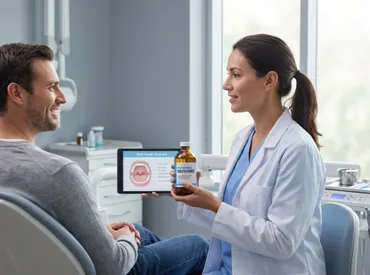
Achieving optimal oral health requires more than just consistent brushing and flossing. Many individuals seek supplementary products to address persistent gum inflammation, surface stains, or lingering bad breath, leading to a growing interest in antiseptic rinses. Among these, peroxide mouthwash has emerged as a widely discussed, scientifically backed option that bridges the gap between natural home remedies and clinical dental treatments. Understanding how this simple chemical compound interacts with oral tissues, neutralizes harmful bacteria, and influences overall dental wellness is essential before incorporating it into your daily hygiene routine, as emphasized in CDC oral health guidelines. While the internet is filled with conflicting advice regarding concentration, frequency, and long-term safety, evidence-based dentistry provides clear, actionable guidelines that maximize benefits while minimizing risks. This comprehensive guide explores the biochemical mechanisms, clinical applications, and practical protocols for using peroxide mouthwash responsibly. Whether you are managing early-stage gingivitis, seeking gentle whitening support, or simply optimizing your antimicrobial defense, you will learn exactly how this accessible rinse fits into a modern, science-driven approach to periodontal and overall oral care.
The Science Behind Peroxide Mouthwash
Hydrogen peroxide (H₂O₂) is a simple chemical compound consisting of two hydrogen atoms and two oxygen atoms. Its molecular structure makes it a highly effective oxidizing agent, which is the primary reason it has been utilized in medical and dental settings for over a century. When introduced to the oral cavity, hydrogen peroxide rapidly decomposes upon contact with enzymes like catalase and peroxidase, which are naturally present in both human tissues and bacterial cells. This decomposition process releases oxygen and water, creating a localized oxidative environment that fundamentally alters how microbes interact with oral surfaces. The scientific foundation of peroxide mouthwash lies in its ability to disrupt cellular integrity, reduce bacterial load, and initiate tissue response mechanisms that support healing and inflammation control. NIH research on oral antimicrobials confirms that controlled, short-term exposure to diluted hydrogen peroxide produces measurable antimicrobial and anti-inflammatory effects without causing irreversible tissue damage. Understanding these underlying biochemical pathways helps consumers separate evidence-based applications from unverified claims, ensuring safer and more effective usage.
Free calculatorBMI CalculatorCalculate Body Mass IndexOpen the calculatorHow Hydrogen Peroxide Works in the Oral Cavity
The primary mechanism of action revolves around oxidative stress. When a peroxide mouthwash comes into contact with oral bacteria, particularly gram-negative anaerobes responsible for periodontal disease and halitosis, the released oxygen molecules penetrate the microbial cell membranes. Anaerobic bacteria thrive in oxygen-depleted environments such as deep gum pockets and interdental spaces. The sudden influx of reactive oxygen species (ROS) generated during peroxide decomposition overwhelms their natural antioxidant defenses, leading to lipid peroxidation, protein denaturation, and eventual cellular apoptosis. Simultaneously, the bubbling action created by oxygen release provides mild mechanical debridement, helping to dislodge loosely attached plaque biofilm and food particles from hard-to-reach areas. On a physiological level, low-concentration hydrogen peroxide also modulates the inflammatory cascade by reducing prostaglandin synthesis and cytokine production in gingival tissues. This dual action—direct antimicrobial oxidation and indirect anti-inflammatory modulation—explains why peroxide mouthwash has consistently demonstrated efficacy in reducing gingival bleeding indices and improving pocket depth measurements in clinical periodontal trials. Importantly, the oxidative effects are transient. Healthy epithelial cells possess robust repair mechanisms that quickly neutralize residual ROS and restore tissue homeostasis once exposure ends.
Concentration Matters: Understanding Percentages
Not all hydrogen peroxide solutions are created equal, and concentration is the single most critical variable determining safety and efficacy. Over-the-counter medical grade hydrogen peroxide typically comes in 3% concentration, which is considered the upper threshold for safe unsupervised oral use when properly diluted. Dental professionals sometimes utilize 6% to 9% concentrations for in-office procedures, but these are never recommended for home rinsing due to high tissue irritation potential. For daily oral care, a 1.5% solution is widely recognized as the optimal balance between antimicrobial potency and mucosal tolerance. Some commercial mouthwashes blend hydrogen peroxide at precisely 1.4% to 1.5% alongside stabilizing agents and flavoring compounds to enhance palatability and shelf life. Concentration directly correlates with oxidative capacity: higher percentages produce faster, more intense bacterial kill rates but also increase the risk of epithelial sloughing, tooth sensitivity, and disruption of beneficial commensal flora. Conversely, concentrations below 1% may lack sufficient oxidative power to meaningfully impact established biofilm or inflamed gingival tissues. This is why precise measurement and proper dilution protocols are non-negotiable when preparing a peroxide mouthwash at home. Using pharmacological or cosmetic-grade hydrogen peroxide, avoiding unknown concentrations from industrial suppliers, and adhering to dental guidelines ensures that the rinse delivers targeted antimicrobial action without compromising oral tissue integrity or long-term periodontal health.
Proven Benefits of Using Hydrogen Peroxide Rinses
Clinical research and decades of dental practice have identified several evidence-backed advantages to incorporating peroxide mouthwash into an oral hygiene regimen. These benefits extend beyond simple breath freshening, targeting the root causes of common periodontal conditions while providing adjunctive support for professional treatments. The antimicrobial properties, combined with mild oxidative whitening and anti-inflammatory effects, make it a versatile tool for both therapeutic maintenance and preventive care. Understanding these validated benefits helps patients make informed decisions and use the product strategically rather than as a blanket solution for all oral concerns. Each advantage operates through specific physiological pathways, which is why proper application techniques and realistic expectations are essential for maximizing therapeutic outcomes.
Gum Health and Gingivitis Management
Gingivitis, the earliest stage of periodontal disease, is characterized by gum inflammation, redness, swelling, and bleeding during brushing or flossing. It is primarily driven by bacterial plaque accumulation and the subsequent host immune response. Studies published in the Journal of Clinical Periodontology have consistently shown that hydrogen peroxide rinses significantly reduce clinical signs of gingivitis when used alongside mechanical plaque control. The oxidative action disrupts subgingival plaque biofilm, decreasing the concentration of pathogenic species like Porphyromonas gingivalis and Tannerella forsythia. This reduction in microbial load translates to decreased production of inflammatory mediators, leading to healthier-looking gingival margins within two to four weeks of consistent use, as noted by Cleveland Clinic guidance on gum disease. For patients with braces, dental implants, or fixed bridges, where mechanical cleaning is inherently more challenging, a peroxide mouthwash serves as an accessible adjunct that reaches beneath wires, around abutments, and into interdental embrasures. Dental hygienists often recommend it during active inflammation phases to accelerate tissue resolution and minimize bleeding, creating a cleaner environment for proper brushing and flossing effectiveness.
Natural Whitening Effects
Surface stains caused by coffee, tea, red wine, and tobacco accumulate primarily on the enamel pellicle and within microscopic surface irregularities. Unlike abrasive toothpastes that physically scrub away stains, peroxide mouthwash employs chemical oxidation to break down chromogenic compounds responsible for discoloration. The released oxygen molecules penetrate the outer enamel layer and fracture the long-chain pigment molecules into smaller, less visible fragments, resulting in a gradual lightening effect. This mechanism is fundamentally similar to professional bleaching treatments, though the concentration and contact time in mouth rinses are significantly lower to ensure safety. Research in restorative dentistry indicates that consistent use of 1.5% hydrogen peroxide rinses can improve shade brightness by one to two levels over several weeks without causing enamel demineralization. It is important to note that peroxide mouthwash only addresses extrinsic staining; intrinsic discoloration from medications, trauma, or developmental conditions requires professional interventions. However, for daily maintenance between dental cleanings, it provides a gentle, non-abrasive whitening support that preserves enamel structure while gradually restoring natural brightness.
Antimicrobial Action Against Bad Breath
Halitosis, commonly known as bad breath, originates in approximately 85% of cases from volatile sulfur compounds (VSCs) produced by anaerobic bacteria residing on the posterior tongue, gingival sulcus, and tonsillar crypts. These bacteria thrive in low-oxygen environments and break down protein-rich debris into malodorous byproducts like hydrogen sulfide and methyl mercaptan. Hydrogen peroxide directly addresses the underlying microbial cause rather than merely masking odors with artificial flavors. When a peroxide mouthwash reaches the tongue and gumline, the oxygen-rich environment disrupts the anaerobic metabolic pathways responsible for VSC production. Clinical measurements using gas chromatography demonstrate a significant reduction in volatile sulfur concentrations within 15 minutes of rinsing, with effects lasting several hours. Additionally, the mild foaming action helps mechanically flush out trapped food particles and desquamated epithelial cells that serve as nutrient sources for odor-causing bacteria. For individuals suffering from chronic dry mouth or post-tonsillectomy changes, where natural saliva flow is insufficient to cleanse oral surfaces, this rinse provides targeted antimicrobial control that restores freshness without the burning sensation associated with high-alcohol commercial mouthwashes.
Safety Guidelines and Potential Risks
While hydrogen peroxide offers measurable oral health benefits, it is a potent chemical agent that requires careful handling and mindful usage. Improper concentration, excessive frequency, or prolonged exposure can trigger adverse tissue responses that outweigh the therapeutic advantages. Understanding the safety profile, recognizing early warning signs, and knowing when to discontinue use are critical components of responsible self-care. Mayo Clinic safety recommendations emphasize that more frequent application does not equal better results; instead, it increases the likelihood of mucosal disruption, sensitivity flare-ups, and microbiome imbalance. Adhering to established safety parameters ensures that the oxidative effects remain controlled and localized, preserving both hard and soft tissue health.
Common Side Effects to Monitor
The most frequently reported side effects of peroxide mouthwash are directly related to concentration and contact duration. Oral mucosal irritation, characterized by temporary whitening, redness, or a mild burning sensation, typically resolves within 30 to 60 minutes after rinsing and spitting. This reaction occurs because high concentrations temporarily denature surface proteins, creating a harmless pseudomembrane that naturally sloughs off during normal salivary flow. Tooth sensitivity is another common complaint, particularly in individuals with thin enamel, exposed dentin, or pre-existing microcracks. The oxidative penetration can transiently stimulate pulp nerve endings, causing brief sharp sensations when consuming hot, cold, or sweet substances. Less frequently, prolonged overuse has been associated with temporary papillary hypertrophy, giving the tongue a temporarily textured appearance, or mild black hairy tongue due to alterations in the superficial microbial ecosystem. Swallowing even small amounts repeatedly can cause gastrointestinal discomfort, including nausea or throat irritation. Monitoring these responses allows users to adjust dilution ratios, reduce frequency, or temporarily pause usage until tissues recover, ensuring long-term compatibility with their oral environment.
When to Avoid Peroxide-Based Rinses
Certain clinical conditions and patient profiles contraindicate the routine use of hydrogen peroxide rinses. Individuals with active oral ulcers, recent surgical extractions, or severe periodontal pocketing should avoid oxidative agents until tissues have adequately healed, as ROS can delay epithelialization and increase post-procedural discomfort. Patients diagnosed with oral lichen planus, pemphigoid, or other autoimmune mucosal disorders often experience exacerbated inflammation when exposed to chemical oxidizers. Children under the age of twelve generally lack the coordination to safely swish and completely spit without accidental ingestion, making supervised or alternative antimicrobial rinses more appropriate. Pregnant individuals in the first trimester, those undergoing chemotherapy or radiation therapy, and patients taking anticoagulant medications should consult their healthcare providers before incorporating a peroxide mouthwash into their routine, as systemic absorption or tissue interference may pose unpredictable risks. Finally, individuals with known allergies to catalase-inhibiting compounds or severe enamel erosion should seek professional evaluation to determine safer alternatives. Recognizing these contraindications prevents unnecessary complications and ensures that oral care remains supportive rather than detrimental to overall health.
How to Use Peroxide Mouthwash Correctly
Maximizing therapeutic outcomes while minimizing adverse effects depends entirely on proper preparation, application technique, and adherence to timing guidelines. A peroxide mouthwash is not a one-size-fits-all solution; its effectiveness scales with precision, consistency, and integration alongside established hygiene practices. The following protocols are derived from clinical dental recommendations and peer-reviewed usage studies, ensuring that every rinse delivers targeted antimicrobial action without compromising tissue integrity.
Step-by-Step Dilution and Application Guide
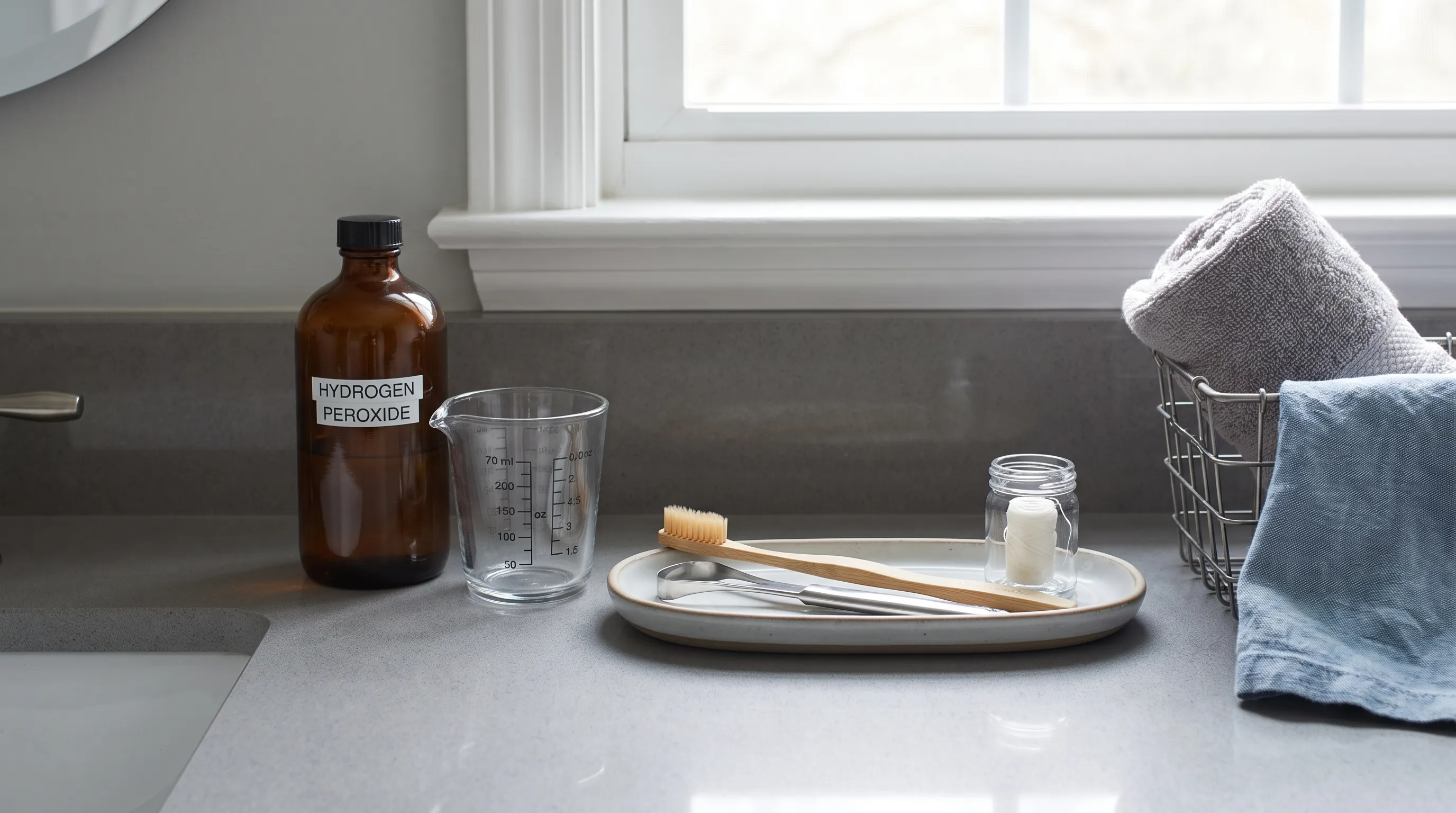
Accurate dilution is the foundation of safe at-home use. If starting with standard 3% hydrogen peroxide, pour exactly one tablespoon of the solution into a clean, dry measuring cup. Add one tablespoon of lukewarm filtered water and stir gently to achieve a uniform 1.5% concentration. Never use tap water with high chlorine or heavy metal content, as it can interact unpredictably with the peroxide. Swish the mixture thoroughly across all oral surfaces, ensuring it reaches beneath the tongue, between teeth, and along the gumline. Maintain continuous movement for exactly 30 seconds to maximize oxygen release without prolonging mucosal exposure. Do not swallow; tilt your head forward and spit the solution completely into a sink. Rinse the mouth twice with plain water to remove residual peroxide and restore normal pH. Clean and store the original peroxide bottle in a cool, dark location away from direct sunlight to prevent premature degradation. This precise protocol ensures consistent dosing, prevents concentration errors, and maintains the chemical stability required for predictable antimicrobial results.
Frequency and Duration for Optimal Results
Timing is just as crucial as concentration when using a peroxide mouthwash. Clinical evidence supports a maximum frequency of two applications per day, ideally spaced 12 hours apart. The most effective schedule pairs morning use after brushing and evening use before bedtime, allowing the oxidative effects to reduce overnight bacterial proliferation while maintaining comfortable tissue tolerance during waking hours. Continuous daily use should not exceed four consecutive weeks without a one-week rest period, during which beneficial commensal bacteria can repopulate and mucosal cells fully regenerate. For acute gingival inflammation, dentists may recommend daily use for 14 to 21 days, followed by a transition to maintenance protocols or standard alcohol-free mouthwash. Prolonged uninterrupted use beyond 60 days increases the risk of enamel demineralization, persistent sensitivity, and dysbiosis of the oral microbiome. Tracking usage, monitoring tissue response, and consulting a dental professional for personalized timelines ensures that the rinse remains a therapeutic tool rather than a long-term dependency, preserving both hard tissue resilience and soft tissue vitality.
Peroxide vs. Commercial Mouthwashes
The oral care market offers dozens of mouth rinse formulations, each claiming superior plaque control, breath freshening, or gum protection. Comparing peroxide mouthwash against mainstream alternatives reveals distinct mechanistic differences, efficacy profiles, and long-term safety considerations. Understanding these variables helps patients choose products aligned with their specific oral conditions rather than marketing promises. While some rinses rely on alcohol, essential oils, or cetylpyridinium chloride, hydrogen peroxide operates through a fundamentally different oxidative pathway that warrants separate evaluation.
Active Ingredients Comparison
Commercial mouthwashes typically fall into three categories: alcohol-based antiseptics (containing ethanol and essential oil blends like eucalyptol, menthol, and thymol), non-alcohol CPC formulations (cetylpyridinium chloride targeting gram-positive bacteria), and therapeutic fluoride rinses (focused on enamel remineralization and cavity prevention). Peroxide mouthwash, by contrast, relies exclusively on hydrogen peroxide as its primary active compound, sometimes supplemented with stabilizers like sodium hydroxide or flavoring agents. Alcohol-based rinses provide rapid broad-spectrum kill rates but frequently cause dry mouth, burning, and increased halitosis over time due to microbiome disruption. CPC formulations are milder but can stain teeth and alter taste perception with prolonged use. Fluoride rinses excel at cavity prevention but offer minimal anti-inflammatory or surface whitening benefits. Hydrogen peroxide uniquely addresses multiple concerns simultaneously: it reduces anaerobic pathogenic load, oxidizes chromogens, and supports gingival healing without the desiccating effects of ethanol. However, it lacks the enamel-strengthening fluoride ions and the sustained antimicrobial substantivity of CPC, making it best suited as a targeted adjunct rather than a standalone preventive rinse.
| Feature | Peroxide Mouthwash | Alcohol-Based Essential Oil Rinse | CPC (Cetylpyridinium Chloride) Rinse | Fluoride Therapeutic Rinse |
|---|---|---|---|---|
| Primary Active Compound | Hydrogen Peroxide (1.5%-3%) | Ethanol (18%-27%) + Essential Oils | Cetylpyridinium Chloride (0.05%-0.07%) | Sodium Fluoride (0.05%) |
| Main Mechanism | Oxidative bacterial disruption & stain oxidation | Cell membrane denaturation & broad-spectrum kill | Positive ion binding to bacterial cell walls | Enamel remineralization & acid resistance |
| Anti-Gingival Efficacy | High (reduces bleeding & inflammation) | Moderate to High | Moderate | Low |
| Whitening Capability | Yes (surface chromogen breakdown) | No | No | No |
| Dry Mouth Risk | Low to None | High | Low | None |
| Recommended Usage Frequency | 1-2x daily, max 4 weeks continuous | 1-2x daily, safe long-term | 1-2x daily, monitor for staining | |
| Best For | Active gingivitis, mild stains, anaerobic control | Long-term plaque prevention, general use | Sustained antimicrobial maintenance, breath control | Cavity prevention, enamel sensitivity support |
Professional Recommendations and Evidence
Dental associations, periodontists, and clinical researchers maintain clear, evidence-based positions on the appropriate use of oxidative rinses in preventive and therapeutic dentistry. While hydrogen peroxide demonstrates measurable benefits, professional guidelines emphasize context-dependent application rather than universal daily substitution for standard hygiene practices, as detailed in WHO oral health fact sheets. Integrating a peroxide mouthwash requires aligning usage with individual clinical presentations, existing oral conditions, and long-term periodontal goals. Understanding the professional consensus ensures that patients utilize this tool responsibly while recognizing its role within a broader, multidisciplinary approach to oral wellness.
What Dental Associations Say
The American Dental Association (ADA) and the American Academy of Periodontology (AAP) acknowledge the clinical efficacy of diluted hydrogen peroxide for short-term gingival inflammation management and adjunctive biofilm control. However, neither organization currently grants the Seal of Acceptance to standalone hydrogen peroxide rinses marketed for unsupervised daily use, primarily due to variability in consumer dilution accuracy and potential long-term microbiome disruption. Instead, dental professionals recommend peroxide mouthwash as a targeted intervention during active flare-ups, post-debridement recovery, or when mechanical cleaning is temporarily compromised. Research published in the Journal of the American Dental Association confirms that 1.5% hydrogen peroxide rinses significantly improve gingival index scores when used alongside ultrasonic scaling and root planing. The ADA emphasizes that oxidative rinses should never replace mechanical plaque removal, fluoride exposure, or routine professional evaluations. When prescribed or recommended by a licensed dental provider, these rinses follow strict concentration protocols, duration limits, and monitoring schedules that prioritize tissue preservation while delivering targeted antimicrobial support.
Integrating Into Your Oral Hygiene Routine
Successfully incorporating a peroxide mouthwash into your daily regimen requires strategic timing and complementary practices. Begin by establishing a consistent baseline routine: twice-daily brushing with a fluoride toothpaste using a soft-bristled brush, daily interdental cleaning with floss or water flossers, and biannual professional cleanings. Introduce the peroxide rinse during phases of increased gingival sensitivity, noticeable plaque buildup, or visible surface staining. Use it immediately after brushing in the morning and before bedtime, ensuring that toothpaste residues are thoroughly rinsed away first to prevent flavor interference and chemical interaction. Maintain a dedicated rinse schedule, documenting usage days and tissue responses to identify optimal tolerance thresholds. Pair the rinse with a balanced diet low in refined sugars, adequate hydration to support salivary flow, and avoidance of tobacco products. Once inflammation resolves or staining lightens, transition to maintenance mode by reducing frequency to three or four days per week, then gradually introduce an alcohol-free fluoride or probiotic rinse for long-term microbiome balance. Regular dental check-ups allow your provider to assess tissue health, measure periodontal parameters, and adjust rinse protocols based on clinical findings, ensuring that peroxide mouthwash remains a safe, effective, and strategically deployed component of comprehensive oral care.
Frequently Asked Questions
Is hydrogen peroxide mouthwash safe for daily use?
Hydrogen peroxide mouthwash is generally safe for daily use when properly diluted to 1.5% or lower and used no more than twice daily. Overuse or using undiluted 3% concentrations can cause mucosal irritation, enamel sensitivity, and disrupt the natural oral microbiome. Always follow dental guidelines and consult a professional for personalized routines.
Can peroxide mouthwash replace tooth brushing?
No, peroxide mouthwash cannot replace mechanical tooth brushing and flossing. While it effectively reduces surface bacteria and helps control plaque, it does not physically remove established biofilm or food debris. It should be used as an adjunct therapy alongside twice-daily brushing and interdental cleaning for optimal periodontal health.
Does hydrogen peroxide damage tooth enamel?
When used correctly at low concentrations (1-3%) for short periods, hydrogen peroxide does not permanently damage tooth enamel. However, prolonged exposure to high concentrations, frequent undiluted use, or pre-existing enamel erosion can increase sensitivity. Maintaining proper dilution, limiting rinse duration to 30-60 seconds, and using fluoride toothpaste helps protect enamel integrity.
How do I properly dilute hydrogen peroxide for mouth rinsing?
To safely dilute standard 3% hydrogen peroxide for oral use, mix equal parts peroxide and lukewarm water to achieve a 1.5% concentration. For example, combine 1 tablespoon of 3% hydrogen peroxide with 1 tablespoon of filtered water. Always measure accurately, use a clean container, and rinse for 30 seconds before spitting thoroughly. Never use higher than 3% concentration without dental supervision.
Who should avoid using peroxide-based mouth rinses?
Individuals with open oral wounds, severe gum recession, hypersensitive teeth, or known allergies to oxidizing agents should avoid hydrogen peroxide rinses. Children under 12, pregnant individuals in the first trimester, and patients with certain metabolic conditions should consult a dentist or physician before use. Those taking medications that affect clotting or healing should also seek professional guidance first.
Conclusion
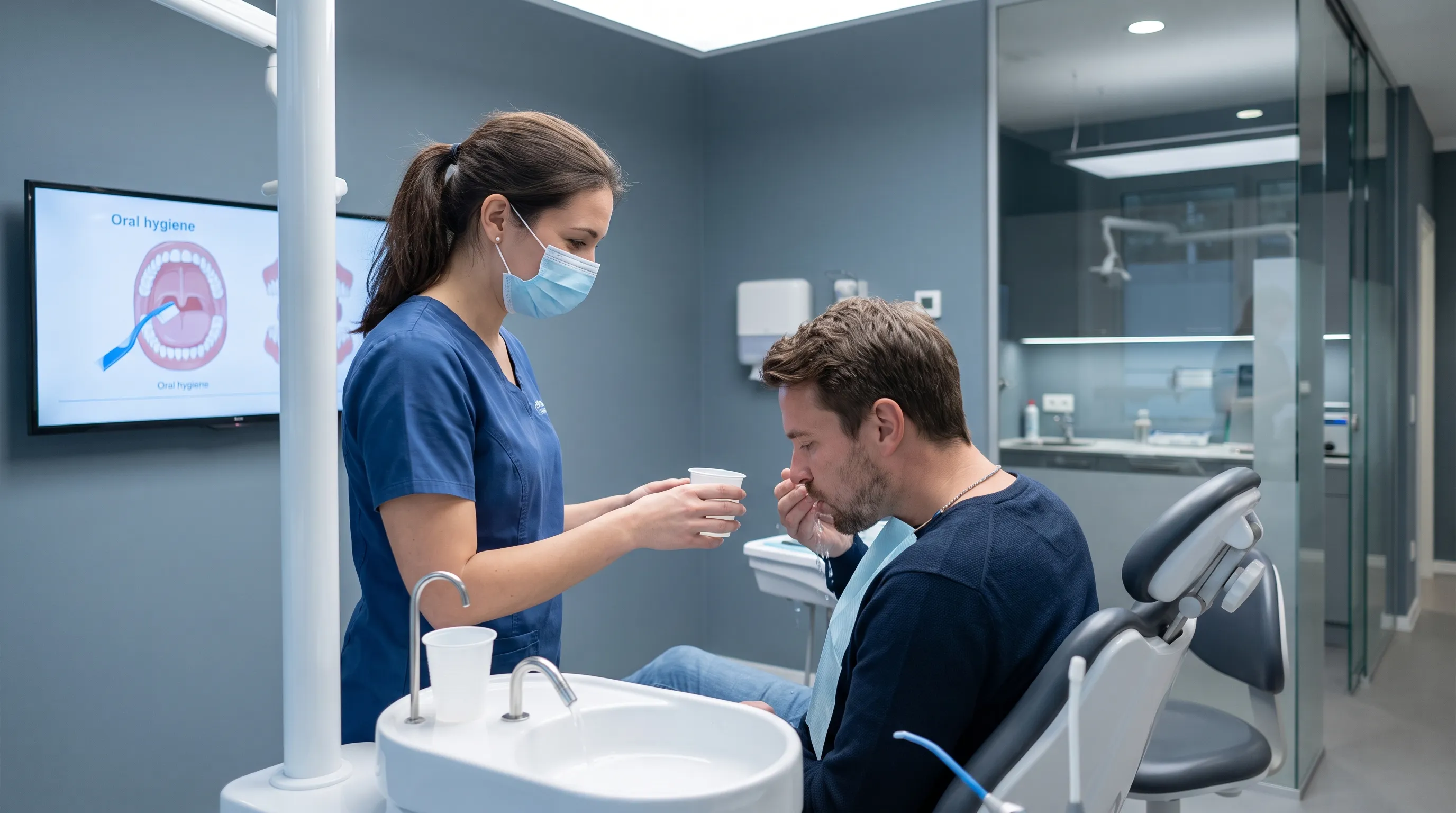
Integrating a peroxide mouthwash into your oral hygiene routine can provide measurable benefits for gum health, surface stain management, and anaerobic bacterial control when used responsibly. The scientific evidence supports its short-term therapeutic application, particularly during active gingival inflammation or periods of compromised mechanical cleaning. However, its potency demands precise dilution, controlled frequency, and vigilant tissue monitoring to prevent sensitivity, mucosal irritation, or microbiome imbalance. By understanding the biochemical mechanisms, adhering to evidence-based concentration guidelines, and positioning this rinse as an adjunct rather than a replacement for foundational hygiene practices, you can safely harness its antimicrobial and anti-inflammatory properties. Always prioritize professional dental evaluations, maintain consistent fluoride exposure, and adjust your routine based on clinical feedback to preserve both hard tissue resilience and soft tissue vitality. With informed, disciplined usage, peroxide mouthwash becomes a valuable, science-backed tool in achieving long-lasting periodontal wellness and confident oral health, consistent with recommendations from NIH dental research.
How we work
Researched and drafted with AI assistance, then reviewed by a human editor against the cited sources.
This article is general health information, not medical advice. Consult a qualified healthcare professional about your own situation.