Unlock the Science-Backed Benefits of Organic Moringa

Imagine a single plant that has sustained entire communities for centuries, quietly thriving in harsh environments while packing more vitamins than an orange, more calcium than milk, and more potassium than a banana. This isn't a modern pharmaceutical breakthrough; it's a botanical marvel known globally as Moringa oleifera. Today, as consumers increasingly prioritize clean, sustainable, and scientifically validated nutrition per NIH guidelines, organic moringa has emerged at the forefront of the wellness movement. But beyond its marketing hype lies a deeply researched superfood with profound implications for metabolic health, immune resilience, and long-term vitality.
Navigating the crowded supplement market can be overwhelming, especially when claims outpace clinical evidence. That's why understanding the true value of organically cultivated moringa—free from synthetic pesticides, heavy metals, and genetic modification—is essential for making informed health decisions. In this comprehensive guide, we'll explore the botany, nutritional density, evidence-based benefits, safe usage protocols, and quality verification methods you need to harness its full potential. Whether you're managing blood sugar fluctuations, seeking natural anti-inflammatory support, or simply upgrading your daily nutritional baseline, this guide will provide the clarity and actionable strategies required to integrate organic moringa safely and effectively into your wellness routine.
What Is Organic Moringa and How Is It Cultivated?
Botanical Profile and Historical Significance
Moringa oleifera, commonly referred to as the drumstick tree, horseradish tree, or ben oil tree, belongs to the family Moringaceae. Native to the sub-Himalayan tracts of India, Pakistan, Bangladesh, and Afghanistan, it has been utilized in traditional Ayurvedic, Siddha, and Unani medicine systems for millennia, a practice long documented by the WHO in traditional medicine research. Historical texts describe its application in treating everything from joint discomfort and skin conditions to digestive stagnation and respiratory congestion. The plant's remarkable adaptability allows it to flourish in arid and semi-arid climates with minimal irrigation, making it a cornerstone of sustainable agriculture in regions where conventional crops often fail.
Free calculatorA1C CalculatorA1C to average blood glucoseOpen the calculatorEvery part of the tree holds nutritional or medicinal value. The leaves are the most widely studied component, prized for their concentrated phytonutrient profile. The pods, known locally as drumsticks, are frequently consumed in South Asian and West African cuisine, while the seeds are processed for their potent oil and remarkable water-purifying properties. Modern research has validated many traditional uses, particularly focusing on the dried leaf powder as a concentrated, shelf-stable nutritional supplement. This botanical versatility has cemented its reputation as one of nature's most complete functional foods.
The Critical Difference: Organic vs. Conventional Cultivation
The distinction between conventional and organic moringa isn't merely marketing terminology; it directly impacts purity, bioavailability, and long-term safety. Conventional moringa farming sometimes relies on synthetic fertilizers to accelerate growth cycles, which can inadvertently reduce the concentration of secondary metabolites—the very compounds responsible for the plant's therapeutic effects. More critically, non-organic farms may utilize chemical pesticides and herbicides that accumulate in the leaf matrix, introducing unwanted toxins into the final supplement.
Organic moringa cultivation follows strict agricultural protocols that prohibit synthetic agrochemicals, genetically modified organisms (GMOs), and sewage sludge. Instead, organic growers rely on compost, crop rotation, natural pest deterrents, and manual weed control. These methods not only protect soil microbiomes and local water systems but also stress the plants just enough to naturally increase their production of defensive phytochemicals, such as polyphenols and alkaloids. Third-party organic certification guarantees that every step—from seed sourcing to drying and milling—meets rigorous purity standards, ensuring you aren't ingesting agricultural runoff alongside your supplements.
Sustainable Harvesting and Processing Techniques
To preserve nutrient integrity, the harvesting of organic moringa leaves typically occurs early in the morning when essential oils and moisture levels are optimal. Leaves are hand-plucked from mature branches, carefully avoiding contamination with woody stems or soil. Post-harvest, the leaves undergo a rapid dehydration process, either through shade-drying or low-temperature air drying. High-heat drying methods, common in mass production, can severely degrade heat-sensitive nutrients like vitamin C, certain B vitamins, and volatile antioxidants.
Once dried, the leaves are stone-ground into a fine powder or encapsulated in a controlled, hygienic environment to prevent microbial contamination. Premium organic processors often employ nitrogen-flushed packaging to prevent oxidative degradation. This meticulous approach ensures that the final product retains its vibrant green hue, earthy aroma, and full-spectrum nutritional potency, delivering exactly what the research promises.
The Nutritional Powerhouse: What's Inside Organic Moringa?
Vitamins, Minerals, and Macronutrients
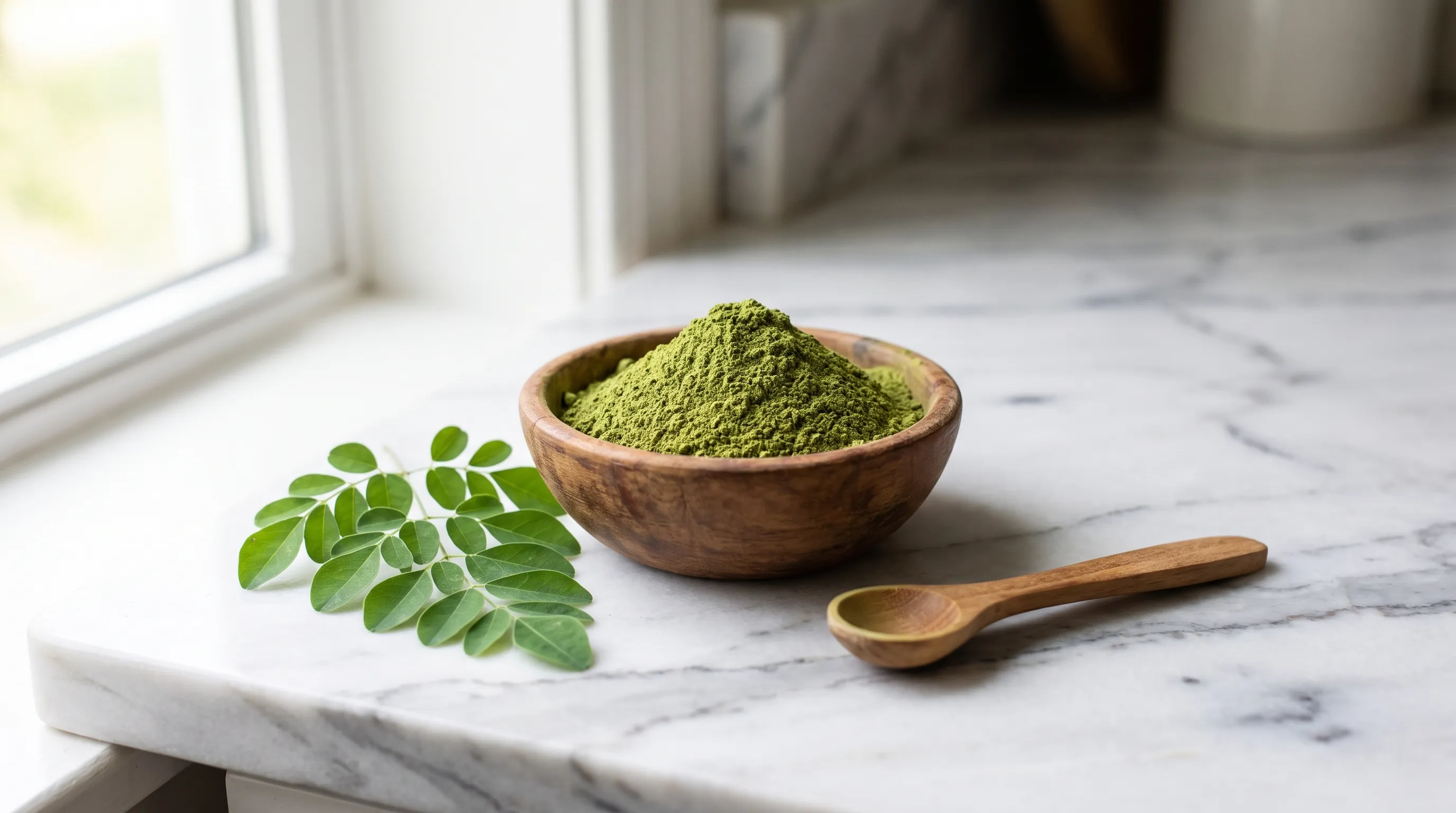
When analyzed in laboratory settings, dried organic moringa leaf powder reveals a remarkably dense nutritional matrix. Per 100 grams of dried powder, the plant typically provides substantial percentages of the daily recommended values for numerous micronutrients. It is exceptionally rich in vitamin A (primarily as beta-carotene), vitamin C (ascorbic acid), and multiple B vitamins, including riboflavin, B6, and folate. On the mineral front, it delivers impressive amounts of calcium, magnesium, potassium, iron, and zinc. Unlike synthetic multivitamins that rely on isolated, crystallized forms, the nutrients in organic moringa exist within their natural co-factor matrix, enhancing absorption as noted by the Cleveland Clinic. This means they are accompanied by enzymatic cofactors, phytonutrients, and dietary fiber, which significantly enhance intestinal absorption and cellular utilization.
The plant also contains a surprising amount of high-quality plant-based protein for a leafy green. It boasts all nine essential amino acids, making it a complete protein source. While the protein concentration per serving isn't meant to replace athletic-grade whey or soy isolates, it serves as an excellent supplemental protein for vegans, individuals recovering from illness, or those seeking gentle plant-based nutritional support without digestive burden.
Antioxidant Compounds and Phytochemicals
The true therapeutic value of organic moringa extends far beyond its vitamin and mineral content. It houses a sophisticated array of antioxidant compounds, including quercetin, chlorogenic acid, kaempferol, and various beta-sitosterols. Quercetin, one of the most extensively studied flavonoids, demonstrates notable blood pressure-modulating and anti-histamine properties. Chlorogenic acid, also prominent in green coffee beans, assists in moderating postprandial glucose spikes and supporting healthy lipid metabolism.
These phytochemicals work synergistically through the concept of nutritional synergy. Rather than functioning in isolation, the polyphenols, flavonoids, and alkaloids in organic moringa create an interdependent network that enhances free radical scavenging, reducing oxidative stress linked to chronic conditions per NIH research, and upregulates endogenous antioxidant enzymes like superoxide dismutase (SOD) and glutathione peroxidase. This broad-spectrum antioxidant capacity is crucial for mitigating oxidative stress, a primary driver of cellular aging, neurodegeneration, and chronic inflammation. Research consistently highlights how this phytonutrient synergy outperforms isolated synthetic antioxidants in human trials.
Bioavailability and Nutrient Synergy
A critical yet often overlooked aspect of plant-based nutrition is bioavailability. Many consumers assume that higher milligram counts on a supplement label equate to better health outcomes, but absorption dictates efficacy. The natural fiber matrix in organic moringa slows gastric emptying, allowing for a steadier release of nutrients into the small intestine. Additionally, the presence of natural vitamin C alongside non-heme iron significantly enhances iron absorption, making it particularly valuable for individuals managing mild iron-deficiency states or those following plant-forward diets.
When combined with dietary fats or consumed alongside vitamin E-rich foods, the fat-soluble compounds in moringa absorb more efficiently through the lymphatic system. Understanding these synergistic relationships allows users to maximize the therapeutic return on their supplementation strategy. Pairing your daily serving with a handful of nuts, a drizzle of olive oil, or a glass of full-fat plant milk can dramatically improve the assimilation of fat-soluble carotenoids and sterols.
Science-Backed Health Benefits of Organic Moringa
Blood Sugar Regulation and Metabolic Support
One of the most rigorously investigated areas of moringa research involves its impact on glycemic control. Multiple human and animal studies suggest that isothiocyanates present in the leaves help moderate carbohydrate digestion and enhance insulin sensitivity. Chlorogenic acid and niazirinin have been observed to slow the conversion of starch into glucose, effectively flattening post-meal blood sugar spikes. In clinical observations, individuals with mild glucose intolerance or prediabetic conditions who consistently consumed standardized moringa leaf extract demonstrated modest but statistically significant improvements in fasting blood glucose and HbA1c levels, supporting metabolic health as outlined by the NIDDK.
It's important to note that organic moringa is not a replacement for prescribed diabetes medication. Rather, it functions as a supportive metabolic modulator. When integrated alongside a fiber-rich, low-glycemic diet and regular physical activity, it can help stabilize energy levels, reduce afternoon crashes, and support healthy pancreatic function over time. The anti-inflammatory properties further assist by reducing insulin resistance at the cellular receptor level.
Anti-Inflammatory Action and Immune Resilience
Chronic, low-grade inflammation is increasingly recognized as a root cause of many modern health conditions, ranging from cardiovascular disease to autoimmune flare-ups and joint degradation. The polyphenols and beta-sitosterol in organic moringa interact with inflammatory signaling pathways, particularly by inhibiting the activation of nuclear factor kappa B (NF-κB), a protein complex that controls the transcription of DNA, cytokine production, and cell survival. By downregulating pro-inflammatory cytokines like IL-6 and TNF-alpha, the plant exerts a natural calming effect on systemic inflammation, a mechanism well-documented by the CDC in chronic disease research.
Concurrently, its rich vitamin A, C, and E profile bolsters mucosal immunity and enhances the function of macrophages and natural killer cells. The antimicrobial peptides naturally occurring in the plant also provide a secondary defense mechanism against pathogenic bacteria and fungi. This dual-action approach—calming inappropriate immune responses while strengthening frontline defenses—makes organic moringa an excellent daily immunomodulator, particularly during seasonal transitions or periods of high environmental stress.
Digestive Health and Liver Detoxification Support
The gastrointestinal tract houses roughly seventy percent of the body's immune cells, making digestive health paramount to overall wellness. The mild soluble fiber in organic moringa acts as a gentle prebiotic, feeding beneficial gut flora such as Bifidobacterium and Lactobacillus. A thriving microbiome, in turn, produces short-chain fatty acids like butyrate, which nourish colonocytes and maintain intestinal barrier integrity, effectively preventing leaky gut syndrome.
Hepatoprotective effects are another well-documented attribute. Animal models and preliminary human studies indicate that moringa's antioxidants help mitigate oxidative damage in liver tissue caused by environmental toxins, dietary overload, or metabolic stress. By upregulating hepatic detoxification enzymes (Phase I and Phase II) and reducing lipid accumulation, organic moringa supports the liver's natural filtration and metabolic processes. This makes it particularly useful for individuals navigating high-stress environments or seeking gentle support after periods of dietary indiscretion.
Cardiovascular Health and Lipid Management
Heart disease remains a leading global mortality factor, heavily influenced by lipid profiles, arterial inflammation, and endothelial dysfunction. Research published in peer-reviewed journals demonstrates that consistent supplementation with moringa leaf powder can contribute to healthier total cholesterol, LDL, and triglyceride levels. The plant's phytosterols compete with dietary cholesterol for absorption in the intestines, while its antioxidant profile helps prevent LDL oxidation—a key step in atherosclerotic plaque formation, a major cardiovascular risk factor detailed by the Mayo Clinic.
Furthermore, the high potassium-to-sodium ratio in organic moringa supports healthy blood pressure regulation by promoting sodium excretion through the kidneys and relaxing vascular smooth muscle. When combined with omega-3 fatty acids and aerobic exercise, it forms a potent, natural strategy for long-term cardiovascular maintenance. Studies also suggest improved endothelial nitric oxide production, which enhances blood vessel flexibility and promotes optimal circulation to peripheral tissues and vital organs.
| Nutrient/Compound | Approximate Amount (per 100g dried powder) | Primary Health Function |
|---|---|---|
| Protein | 25–30 g | Tissue repair, enzyme synthesis, immune cell production |
| Vitamin A (Beta-Carotene) | 16,000–20,000 IU | Vision health, skin integrity, immune modulation |
| Calcium | 2,000–2,500 mg | Bone density, neuromuscular signaling, enzyme activation |
| Vitamin C | 17–30 mg | Collagen synthesis, antioxidant defense, iron absorption |
| Potassium | 1,300–1,500 mg | Fluid balance, nerve transmission, blood pressure support |
| Chlorogenic Acid | 150–250 mg | Glucose regulation, fat metabolism, antioxidant activity |
How to Safely Incorporate Organic Moringa Into Your Routine
Powder vs. Capsules vs. Tea: Choosing the Right Format
The market offers several delivery formats for organic moringa, each with distinct advantages and use cases. Loose leaf powder is the most versatile and cost-effective option. It allows for flexible dosing and can be easily incorporated into foods and beverages. However, its distinct earthy, slightly horseradish-like flavor can be intense for some palates, requiring culinary masking techniques.
Capsules and softgels provide precision dosing, convenience, and taste masking. They are ideal for individuals managing busy schedules or those sensitive to the powder's flavor profile. When selecting capsules, verify that they use vegetarian cellulose capsules rather than gelatin, and ensure the fill contains pure powdered leaf without excessive binders or synthetic fillers. Tea, often blended with other herbs like green tea or ginger, offers a gentler introduction and serves as a comforting, hydrating ritual. While brewing water extracts water-soluble vitamins and antioxidants, it typically yields lower overall nutrient density compared to consuming the full leaf powder. Understanding your goals, taste preferences, and lifestyle will guide you to the optimal format.
Evidence-Based Dosage Guidelines and Timing
Determining the appropriate dosage depends on individual physiology, health goals, and product potency. Clinical trials frequently utilize doses ranging from 1.5 to 6 grams of dried leaf powder daily, divided into two or three servings. Beginners should start at the lower end (1 gram or approximately half a teaspoon daily) to assess tolerance and gradually increase over two to three weeks to 3–5 grams daily. This gradual titration prevents gastrointestinal distress and allows your body's enzymatic systems to adapt to the concentrated phytonutrients.
Timing plays a crucial role in maximizing benefits and minimizing potential adjustments. Taking organic moringa with meals enhances nutrient absorption and reduces the risk of mild digestive sensitivity. For blood sugar management, consuming it 15–20 minutes before carbohydrate-heavy meals can help blunt glycemic spikes. For sustained energy and mental clarity, morning or early afternoon consumption aligns well with the body's natural cortisol rhythm, avoiding late-day intake that might mildly interfere with sleep in highly sensitive individuals. Consistency matters more than megadosing; daily low-to-moderate intake yields far superior results to sporadic high-dose consumption.
Practical Integration Strategies and Recipes
Incorporating organic moringa into daily life doesn't require drastic dietary overhauls. The key is consistency paired with strategic pairing. Mix half a teaspoon into a morning green smoothie alongside banana, spinach, and almond milk to naturally balance the earthy notes. Stir it into homemade energy balls, oatmeal, or overnight oats for a nutrient-dense breakfast. Blend a full serving into warm bone broth or vegetable soups, noting that excessive boiling can degrade certain heat-sensitive vitamins.
For topical or skincare enthusiasts, moringa oil (often cold-pressed from seeds) is highly emollient and rich in oleic acid. However, for internal wellness, stick to standardized leaf powder or extract. Always store your container in a cool, dark, airtight space, as prolonged exposure to light, heat, and oxygen rapidly degrades the active phytochemicals. Experimenting with flavor combinations—like adding it to citrus-based dressings or spiced chai lattes—can make daily supplementation an enjoyable ritual rather than a chore.
Potential Side Effects, Interactions & Safety Considerations
Who Should Exercise Caution
While organic moringa boasts a strong safety profile for healthy adults, certain populations must approach supplementation with caution. Pregnant individuals should strictly avoid consuming moringa root, bark, and concentrated extracts, as traditional medicine and some animal studies suggest uterine-stimulating properties in specific plant compounds, aligning with NIH pregnancy safety guidelines. Leaf powder, used moderately in culinary amounts, is generally considered safer, but medical clearance is mandatory before use during pregnancy.
Individuals with hypothyroidism or those taking thyroid medications should monitor their response closely. Moringa contains compounds that may influence thyroid hormone synthesis, though clinical evidence remains mixed and often dose-dependent. Similarly, those preparing for elective surgery should discontinue moringa at least two weeks prior due to its mild blood-sugar-lowering and potential coagulation-modulating effects, which could theoretically interact with anesthesia or postoperative healing protocols.
Medication Interactions and Pharmacokinetics
The bioactive compounds in organic moringa interact with hepatic cytochrome P450 enzymes, which metabolize numerous prescription drugs, as extensively detailed in Mayo Clinic pharmacology resources. Individuals on antihypertensive medications, antidiabetic drugs, or immunosuppressants should consult their healthcare provider before adding moringa to their regimen. Its natural glucose-lowering and blood pressure-modulating effects can amplify the action of prescription medications, potentially leading to hypoglycemia or hypotension if not properly monitored. Keeping a simple symptom journal during the first month of supplementation helps track physiological responses accurately.
Furthermore, while generally non-toxic, excessive dosing (beyond 10–12 grams daily long-term) may occasionally cause digestive discomfort, including bloating, loose stools, or acid reflux. These symptoms typically resolve by reducing the dose and ensuring consumption with food and adequate hydration. Listening to your body's feedback is essential when introducing any concentrated botanical supplement. Always prioritize professional guidance when combining herbs with pharmaceutical therapies.
Sourcing Verification and Quality Assurance
Not all supplements claiming to be "organic" undergo rigorous third-party testing. Reputable manufacturers voluntarily submit their organic moringa products to independent laboratories for heavy metal screening, microbial testing, and pesticide residue analysis. Look for certificates of analysis (COAs) readily available on the brand's website or upon request. Transparency in testing is a hallmark of premium supplement companies.
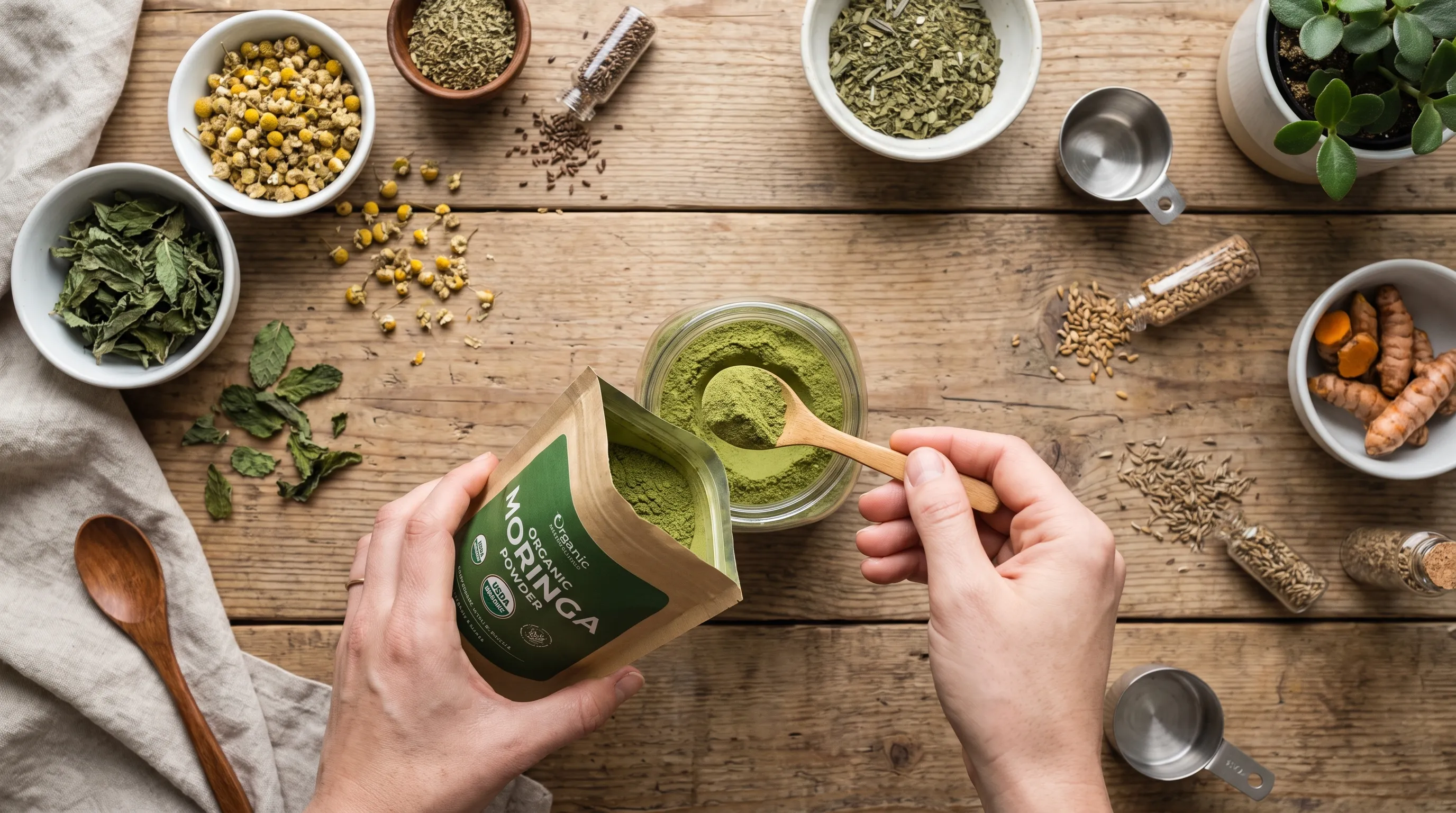
Trustworthy organic certifications include USDA Organic, EU Organic, and NSF/ANSI standards. Avoid products that lack clear country-of-origin labeling or make extravagant, unsubstantiated medical claims. Transparent companies disclose their extraction methods, drying temperatures, and batch testing results. When in doubt, opt for brands that prioritize regenerative agriculture and fair-trade sourcing, practices supported by WHO quality assurance frameworks, as these practices correlate strongly with higher phytochemical density and environmental sustainability.
Practical Buying Guide & Storage Tips
Certification Labels and Ingredient Transparency
When evaluating supplements, the label tells the initial story. A high-quality organic moringa product will explicitly state "100% Organic Moringa Oleifera Leaf Powder" without proprietary blends that obscure exact dosages. Check for the presence of flow agents like magnesium stearate or silicon dioxide, which, while generally recognized as safe, are unnecessary in premium single-ingredient supplements. Glass jars or UV-protective opaque containers indicate a brand's commitment to preserving potency, whereas clear plastic bottles expose the powder to light degradation over time.
Additionally, verify that the product is non-GMO verified, vegan-friendly, and processed in a facility that adheres to Good Manufacturing Practices (GMP). These quality control markers minimize the risk of cross-contamination and ensure batch-to-batch consistency. Reading independent consumer reviews, consulting healthcare professionals, and researching third-party lab assessments can further validate a brand's reliability before purchasing.
Optimal Storage for Maximum Potency
The active compounds in organic moringa are highly susceptible to environmental degradation. To maintain freshness for up to 12–18 months, store your container in a pantry or cupboard away from direct sunlight, stoves, or humid bathrooms. Ensure the lid is tightly sealed after each use to prevent moisture absorption, which can lead to clumping or microbial growth. For extended storage, placing an airtight container in the refrigerator can further slow oxidative processes, though it must be allowed to reach room temperature before opening to prevent condensation.
Regularly inspect the powder for changes in color (from vibrant forest green to dull brown), aroma (loss of fresh, grassy notes), or texture (hard clumps that don't break apart easily). These signs indicate oxidation or moisture exposure, signaling it's time to replace the product. Proper storage isn't just about shelf life; it's about preserving the bioactive compounds your body relies on for optimal function.
DIY Usage Ideas and Lifestyle Integration
Beyond standard supplementation, organic moringa can elevate everyday culinary and self-care routines. Incorporate it into homemade salad dressings by whisking it with olive oil, lemon juice, Dijon mustard, and garlic for a nutrient-boosting emulsion. Blend it into cold-pressed juices or matcha lattes to balance the flavor profile while enhancing the antioxidant load. For skincare, mix a small amount with raw honey and plain yogurt to create a gentle, anti-inflammatory face mask that soothes irritation and supports a healthy microbiome.
Remember that wellness is cumulative. Pairing organic moringa with consistent hydration, adequate sleep, stress management techniques, and whole-food nutrition creates a synergistic foundation for long-term health. Supplements amplify existing healthy habits; they don't replace them. By adopting a holistic approach, you transform a simple botanical powder into a cornerstone of your daily vitality.
Frequently Asked Questions
How long does it take to see results from taking organic moringa?
Results vary significantly based on individual metabolism, baseline nutritional status, and specific health goals. Some individuals report subtle improvements in energy levels and digestive comfort within one to two weeks of consistent use. More profound benefits related to blood sugar regulation, lipid profiles, or joint inflammation typically require consistent daily supplementation for four to twelve weeks. Patience, consistency, and pairing supplementation with a balanced diet yield the most sustainable outcomes.
Can I take organic moringa alongside my daily multivitamin?
Yes, in most cases, organic moringa complements a standard multivitamin rather than competing with it. However, because moringa is naturally dense in certain vitamins and minerals (particularly vitamin A, calcium, and iron), you may want to adjust your multivitamin dosage if you are consuming high amounts of moringa daily. Consult your healthcare provider to ensure total daily intake remains within safe, therapeutic ranges, especially if you have underlying kidney conditions or take prescription medications.
Is organic moringa safe for children and elderly individuals?
For children, lower culinary doses are generally considered safe and are commonly used in global nutrition programs to combat micronutrient deficiencies. However, pediatric dosing should be calculated carefully based on age and weight, and a pediatrician's guidance is essential. For elderly individuals, organic moringa can offer valuable anti-inflammatory and immune-supportive benefits, but age-related changes in drug metabolism and potential interactions with polypharmacy require careful medical supervision before initiation.
What is the difference between moringa root, seed, and leaf supplements?
The leaves, seeds, and root serve entirely different purposes and possess distinct chemical profiles. Leaf powder is the safest and most widely researched form for daily nutritional supplementation, focusing on vitamins, minerals, and antioxidants. Seeds and seed extracts are typically used for targeted applications, such as natural antimicrobial support or water purification, and contain higher concentrations of specific alkaloids. The root and bark contain spirochinen and other compounds that can be highly concentrated and potentially toxic in high doses, making them unsuitable for general wellness supplementation without expert supervision.
Does organic moringa help with weight management?
Organic moringa is not a magic weight-loss pill, but it can serve as a supportive tool in a comprehensive weight management plan. Its high fiber content promotes satiety, helping to naturally reduce caloric intake. Additionally, its role in blood sugar stabilization prevents insulin spikes that drive fat storage and cravings. When combined with resistance training, cardiovascular exercise, and a calorie-appropriate, nutrient-dense diet, organic moringa can help optimize metabolic efficiency and support sustainable body composition goals.
Conclusion
Organic moringa represents a remarkable intersection of traditional botanical wisdom and modern nutritional science. Its comprehensive profile of bioavailable vitamins, essential amino acids, and potent antioxidants makes it a versatile ally for metabolic balance, immune resilience, and long-term vitality. However, its true potential is unlocked not through isolated consumption, but through informed, consistent integration into a holistic wellness lifestyle.
By prioritizing certified organic sourcing, adhering to evidence-based dosing guidelines, understanding potential interactions, and pairing supplementation with foundational health habits, you can safely harness the benefits of this extraordinary plant. Always approach botanical supplements with respect, verify quality through transparent lab testing, and consult healthcare professionals when navigating medication interactions or pre-existing conditions. In doing so, organic moringa becomes more than just a dietary addition—it becomes a sustainable, natural pillar of your daily health strategy, supporting vitality for years to come.
How we work
Researched and drafted with AI assistance, then reviewed by a human editor against the cited sources.
This article is general health information, not medical advice. Consult a qualified healthcare professional about your own situation.