Smart Guide to Fast Food for Diabetics: Expert Ordering Tips & Menu Hacks

Living with type 2 diabetes or managing insulin resistance does not mean you must completely abandon the convenience of quick-service restaurants. Modern dietary science has evolved far beyond the restrictive, fear-based nutrition advice of previous decades, emphasizing instead sustainable, real-world strategies for navigating complex food environments. When time is short, travel plans demand quick stops, or cravings strike, knowing how to approach fast food for diabetics becomes an essential survival skill. The reality is that a perfectly balanced, home-cooked meal is not always feasible in today's fast-paced world. By understanding glycemic responses, decoding ingredient labels, and mastering strategic ordering techniques, individuals with diabetes can enjoy occasional meals out without triggering dangerous blood sugar spikes or compromising long-term metabolic health. This comprehensive guide bridges clinical research with practical, everyday applications, providing you with actionable frameworks to dine out confidently and safely while maintaining optimal glucose control.
Understanding the Physiological Impact of Quick-Service Dining on Blood Glucose
The Science Behind Rapid Carbohydrate Absorption
When you consume a standard quick-service meal, you are typically ingesting a highly processed combination of refined grains, added sugars, and industrial seed oils. For someone with diabetes, the primary concern lies in the rapid digestion and absorption of simple carbohydrates. Refined flour and sugary condiments bypass the natural enzymatic breakdown processes that complex foods require, flooding the bloodstream with glucose almost immediately (Mayo Clinic). The pancreas, already struggling with insulin production or cellular resistance, cannot secrete enough hormone fast enough to manage the sudden surge. This results in a sharp glycemic peak, followed by a reactive hypoglycemic dip that leaves you fatigued, hungry, and craving more sugar. Research consistently demonstrates that meals with a high glycemic load significantly impair endothelial function and increase oxidative stress markers within hours of consumption. Understanding this physiological cascade is the first step in developing a defensive strategy when approaching any drive-thru or quick-service counter. By anticipating how different macronutrient combinations interact with your digestive enzymes and insulin pathways, you can preemptively neutralize the metabolic stress that typically accompanies these dining experiences.
Free calculatorA1C CalculatorA1C to average blood glucoseOpen the calculatorHidden Sodium, Trans Fats, and Long-Term Metabolic Consequences
Beyond immediate blood sugar fluctuations, quick-service dining poses substantial cardiovascular risks for diabetic individuals. High sodium content, routinely exceeding recommended daily limits in single combo meals, directly elevates blood pressure and places additional strain on already vulnerable renal systems. Furthermore, the pervasive use of partially hydrogenated oils and industrial seed blends promotes systemic inflammation, a key driver of insulin resistance progression. Chronic exposure to these dietary patterns accelerates atherosclerotic plaque formation and diminishes arterial elasticity. Diabetic patients must recognize that occasional dining out requires a dual focus: mitigating acute glycemic excursions while minimizing inflammatory triggers that compromise long-term organ health. The American Heart Association and the Centers for Disease Control and Prevention both emphasize that sodium reduction and healthy fat prioritization remain cornerstone interventions for cardiovascular protection. By shifting the nutritional paradigm toward whole-food alternatives and mindful customization, you can drastically reduce these metabolic stressors without sacrificing convenience. Recognizing the silent impact of hidden fats and preservatives allows you to make informed decisions that protect both your short-term energy levels and long-term vascular integrity.
The Psychological Aspect of Cravings and Habitual Eating
The modern food environment is meticulously engineered to trigger dopamine release through specific ratios of salt, sugar, and fat. This neurochemical reward system often overrides conscious dietary intentions, making impulse ordering particularly challenging for individuals managing chronic conditions. Stress, fatigue, and decision fatigue further diminish the prefrontal cortex's ability to enforce healthy boundaries. Developing a pre-established ordering protocol eliminates the need for in-the-moment willpower, replacing emotional decision-making with structured, evidence-based choices. When you remove the cognitive load from the dining experience, you naturally gravitate toward options that support stable glucose metabolism rather than sabotage it. Behavioral psychology studies indicate that implementing environmental cues and decision heuristics significantly improves dietary adherence in high-risk populations, a principle strongly supported by Cleveland Clinic guidelines on sustainable self-management. Pre-ordering through mobile applications, reviewing nutritional dashboards, and committing to a specific protein-and-vegetable combination before arriving at the restaurant are proven methods for bypassing the psychological traps embedded in quick-service marketing strategies.
Decoding Menus: Building a Metabolic Shield Around Your Meal
Identifying Protein Anchors and Fiber-Rich Substitutions
The most effective method for stabilizing blood glucose during quick-service dining involves constructing every meal around a substantial protein anchor. High-quality proteins such as grilled chicken, lean beef, fish, or plant-based legumes slow gastric emptying and create a buffer against rapid carbohydrate absorption. When paired with fibrous vegetables or legume-based sides, the resulting mixed macronutrient profile drastically flattens the postprandial glucose curve. Many chains now offer lettuce wraps, low-carb buns, or side salads that can replace traditional starchy components. Prioritizing these foundational elements transforms a potentially problematic meal into a metabolically supportive one. Always scan the menu for items explicitly labeled grilled, roasted, or baked, as these preparation methods preserve nutritional integrity while minimizing unnecessary caloric and inflammatory additives. Clinical guidelines consistently highlight that a minimum of twenty-five to thirty grams of high-quality protein per meal significantly improves satiety and glycemic stability in insulin-resistant populations.
Navigating Sauce Traps and Dressing Pitfalls
Sauces and condiments represent the most stealthy source of added sugars and empty calories in quick-service environments. Ketchup, barbecue sauce, honey mustard, and many proprietary secret dressings often contain high-fructose corn syrup, dextrose, or maltodextrin. Even seemingly innocent options like ranch or creamy dips can harbor significant saturated fats that delay digestion unpredictably. The strategic approach involves requesting sauces on the side and utilizing only a fraction of the provided portion. Alternatively, opt for mustard, salsa, vinegar-based hot sauces, or avocado slices, which contribute flavor and beneficial fats without triggering glycemic disruption. Familiarizing yourself with ingredient lists before visiting a restaurant allows you to anticipate these hidden carbohydrate landmines and prepare appropriate substitutions in advance. Research published in peer-endocrinology journals indicates that vinegar-based dressings and acidic condiments can actually improve post-meal insulin sensitivity by up to fifteen percent, aligning with broader carbohydrate management recommendations from the World Health Organization and making them ideal metabolic allies when navigating unfamiliar menus.
Portion Distortion and the Half-Meal Protocol
Standard restaurant portions have expanded dramatically over the past three decades, often providing double or triple the nutritional requirements of a single sitting. Consuming these oversized meals forces the body to allocate excessive resources toward digestion, simultaneously impairing glucose clearance and promoting lipogenesis. Implementing a strict half-portion protocol is one of the most clinically effective interventions for dining out with diabetes. By dividing the meal immediately upon receipt, boxing half for later consumption, and focusing solely on the remaining portion alongside a fiber-rich side, you naturally regulate caloric intake while maintaining satiety. This technique also prevents the overconsumption of sodium and fats that typically accompany full-size combo meals, aligning your dietary choices with long-term cardiovascular protection goals. The psychological benefit of preserving a second meal also reinforces sustainable eating habits and eliminates the guilt cycle often associated with dietary management.
A Strategic Chain-by-Chain Guide to Fast Food for Diabetics
Burger Joints and Sandwich Establishments
Traditional burger establishments are notoriously carbohydrate-heavy, but they also offer some of the most easily customizable menus. When selecting fast food for diabetics from these establishments, opt for single-patty configurations to reduce overall caloric density while maintaining adequate protein. Requesting the removal of standard buns and replacing them with lettuce wraps or serving the patty open-faced eliminates a major source of refined wheat. Pairing your protein with a side salad or a small portion of black beans, if available, introduces dietary fiber that actively slows glucose absorption. Avoid combo meals that automatically include fries and sugary drinks; instead, upgrade to grilled chicken sandwiches, turkey burgers, or veggie-based patties when offered. Always specify no extra sauces and request cheese in moderation, as dairy contributes saturated fats that can compound insulin resistance when consumed in excess. The structural simplicity of these establishments works to your advantage when you apply a systematic ordering framework focused on lean protein and vegetable substitution.

Fried Chicken and Poultry-Focused Chains
Breaded and deep-fried poultry creates an immediate glycemic and inflammatory burden due to the wheat-based coating and high-temperature frying process. However, grilled chicken sandwiches, baked fish fillets, and rotisserie-style options provide excellent alternatives. When visiting poultry-focused restaurants, focus on lean meats layered with spinach, tomatoes, onions, and peppers. Whole-grain bread options, if available, offer marginally better glycemic profiles than white bread due to retained bran and germ content. For individuals managing metabolic dysregulation, pairing these proteins with mustard, vinegar, or a light oil-based vinaigrette significantly enhances metabolic safety. Remember that even grilled items may be brushed with sugary marinades; always verify ingredients or request the meat to be prepared without added glazes. The goal remains consistent: maximize protein and fiber while minimizing processed carbohydrates and industrial oils. Establishing these preferences as default choices removes guesswork and ensures predictable post-meal glucose responses.
International Quick-Service Outlets and Bowl Concepts
Tacos, pizza slices, and Asian-inspired quick-service restaurants present unique challenges but also valuable opportunities for diabetic-friendly ordering. Mexican-style outlets allow extensive customization through bean-based bowls, grilled fajita vegetables, and moderate cheese portions. Opt for corn tortillas over flour, as they contain more resistant starch and lower glycemic indices. Asian chains frequently feature steamed proteins and vegetable stir-fries, but be vigilant regarding thickening agents like cornstarch and sugary teriyaki or sweet chili sauces. Requesting these sauces on the side or substituting them with ginger, garlic, and low-sodium soy sauce drastically reduces hidden carbohydrate intake. By treating international menus as modular components rather than pre-designed combinations, you can construct nutritionally balanced plates that align with diabetic management protocols. The global popularity of grain bowls and customizable salads has made this approach increasingly accessible, allowing precise control over macronutrient distribution and portion scaling.
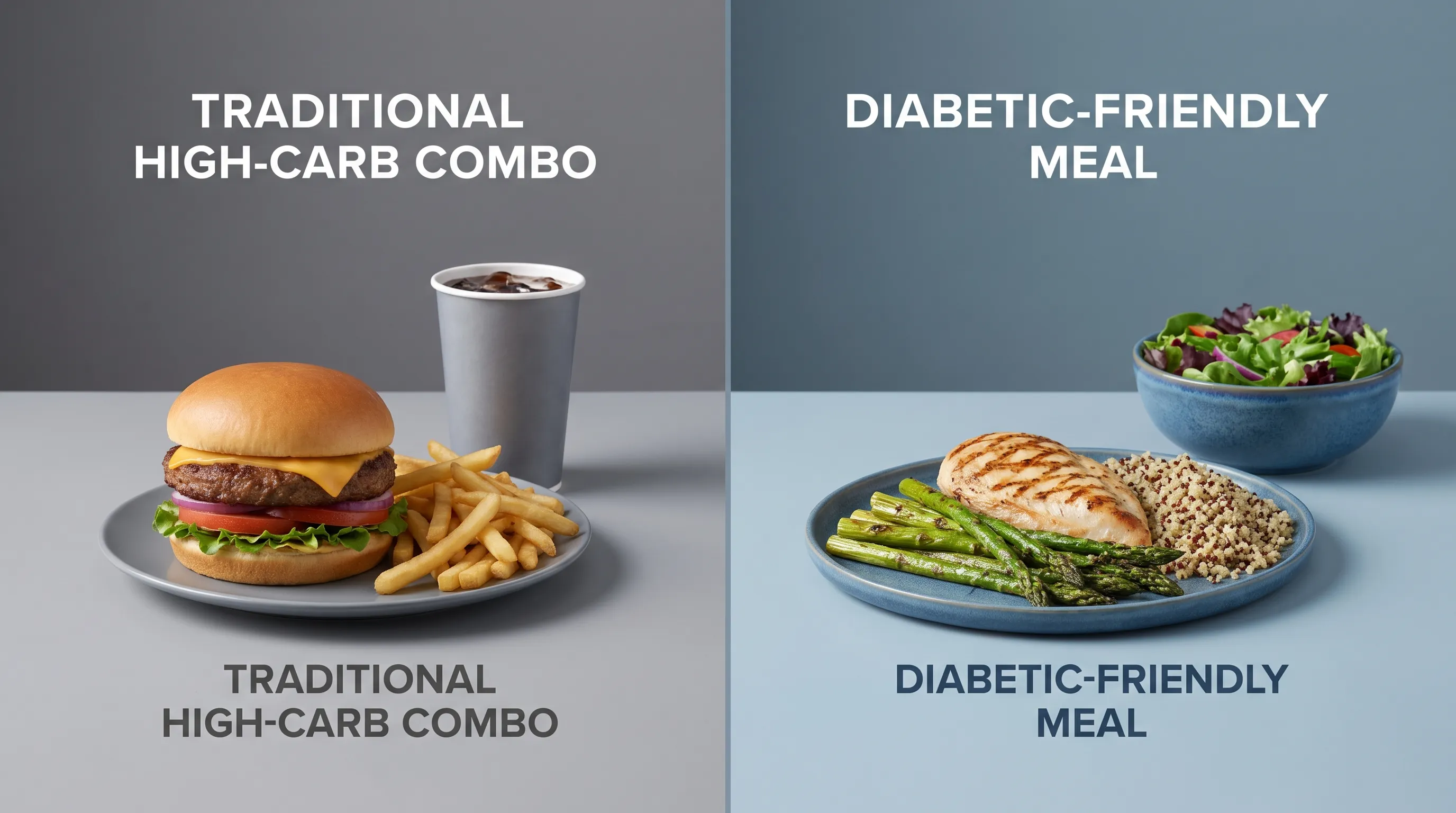
| Meal Category | Traditional High-Carb Combo | Diabetic-Optimized Alternative | Estimated Carb Reduction | Glycemic Impact Level |
|---|---|---|---|---|
| Burger Chains | Double cheeseburger, large fries, regular soda (120g carbs) | Single grilled chicken patty, lettuce wrap, side salad, water (25g carbs) | -95g | Low |
| Chicken Shops | Crispy 3-piece meal with honey biscuit (95g carbs) | Grilled drumstick/thigh combo, steamed green beans, unsweetened tea (30g carbs) | -65g | Low-Moderate |
| International | Large burrito bowl, rice, beans, cheese, chips (85g carbs) | Half-portion burrito, extra fajita vegetables, salsa only, side avocado (35g carbs) | -50g | Moderate |
| Sandwich Shops | Footlong turkey on white bread with chips and juice (110g carbs) | Half-sub on whole grain, extra veggies, mustard, water (38g carbs) | -72g | Low |
The Customization Protocol: Step-by-Step Ordering Frameworks
Pre-Visit Preparation and Digital Reconnaissance
Mastering the art of ordering fast food for diabetics begins long before you arrive at the counter or pull into the drive-thru. The most successful metabolic managers utilize restaurant websites and mobile applications to conduct digital reconnaissance at least twenty-four hours in advance. This preliminary step allows you to cross-reference nutritional dashboards, identify safe protein anchors, and formulate a specific meal blueprint tailored to your insulin sensitivity profile. Many quick-service chains now publish comprehensive allergen guides and macronutrient breakdowns, enabling precise carbohydrate counting and fat tracking. By simulating your order in advance, you eliminate the pressure of navigating crowded menus, deciphering unfamiliar terminology, or succumbing to limited-time promotional items that typically prioritize taste over metabolic health. This proactive strategy transforms dining out from a reactive guessing game into a structured, evidence-based nutritional intervention.
Communication Scripts and Order Verification Techniques
Clear, concise communication with restaurant staff is essential for ensuring that customizations are executed correctly without introducing unintended ingredients. Developing standardized ordering scripts removes ambiguity and reduces preparation errors that could compromise your blood sugar control. Phrases such as "I would like the grilled protein prepared without any glaze or marinade," "sauces on the side please," and "I will be substituting the starchy side for a mixed vegetable salad or half-portion" serve as effective metabolic safeguards. Always verify your order upon receipt before consuming, particularly at high-volume locations where staff turnover and rush periods increase the likelihood of deviations from your specifications. Polite confirmation reinforces your dietary boundaries while maintaining a positive service interaction. Additionally, utilizing order-tracking features and specifying dietary requirements during the digital checkout process creates a documented trail that encourages kitchen staff to adhere strictly to your metabolic parameters.
Emergency Protocols and Unexpected Menu Variations
Even with meticulous planning, unexpected menu changes, ingredient shortages, or regional recipe variations can disrupt your established routine. Implementing an emergency protocol ensures that you retain control over your nutritional intake regardless of external circumstances. The foundational rule involves defaulting to the simplest available protein source and pairing it with a non-starchy side, bypassing complex assembled meals entirely when uncertainty arises. If a preferred grilled item is unavailable, pivot to a plain protein portion supplemented with a portable fiber source such as unsalted nuts or a pre-packaged vegetable snack. Keeping a small emergency carbohydrate counter in your vehicle or bag allows for rapid insulin adjustment if an unavoidable high-carb exposure occurs. Flexibility, grounded in metabolic principles rather than rigid menu adherence, remains the hallmark of sustainable diabetes management in dynamic dining environments.
Managing Beverages, Sides, and Post-Meal Glucose Responses
Hydration Strategy and Hidden Calorie Traps
Managing fast food for diabetics extends well beyond the main entrée; beverages and sides frequently contain hidden sugars, excessive sodium, and concentrated caloric loads that can rapidly derail post-meal glucose stability. Sugary sodas, sweetened iced teas, fruit drinks, and flavored coffees are primary culprits for acute glycemic excursions. Even seemingly benign options like flavored waters or vitamin-enhanced drinks often contain artificial or natural sweeteners that trigger insulin release and metabolic confusion. The most reliable approach involves committing exclusively to still water, sparkling mineral water, or unsweetened herbal teas. If you require caffeine, black coffee or plain espresso remains metabolically neutral and may even enhance glucose uptake during the post-meal period according to recent clinical trials. Hydration status directly correlates with blood viscosity and insulin receptor efficiency, making proper fluid intake an underutilized yet powerful tool for glycemic regulation. Carry a reusable water bottle and consume it strategically before, during, and after your meal to support optimal renal clearance of excess glucose and sodium.
Strategic Physical Activity and Movement Integration
The most effective intervention for mitigating postprandial blood sugar spikes involves timed physical movement immediately after consumption. Research consistently demonstrates that a ten-to-fifteen-minute moderate walk or light stretching session significantly accelerates glucose uptake into skeletal muscle tissue, independent of circulating insulin levels. This phenomenon, known as non-insulin-mediated glucose transport, becomes particularly valuable when navigating meals with unavoidable carbohydrate loads or higher fat content that delay digestion (National Institutes of Health). If weather or mobility constraints prevent outdoor activity, perform seated leg raises, calf pumps, or gentle torso rotations for the same duration. The objective is not intense exertion but rather gentle muscular contraction that activates GLUT4 transporters and facilitates rapid glucose clearance. Integrating this movement protocol into your dining routine creates a predictable metabolic buffer, transforming a potentially problematic meal into a manageable physiological event.
Continuous Glucose Monitoring and Data-Driven Adjustments
Leveraging continuous glucose monitoring technology provides real-time feedback on how your body processes different quick-service combinations. Tracking your glycemic response across various restaurants, preparation methods, and customization levels allows you to build a personalized metabolic database. Patterns emerge that reveal which chains consistently produce flat glucose curves and which require additional insulin adjustments or stricter carbohydrate limitations. Reviewing your post-meal trends at two and four hours enables precise fine-tuning of future orders and medication timing. Share these datasets with your endocrinologist or registered dietitian to align clinical recommendations with real-world outcomes. The integration of wearable technology with dietary experimentation transforms empirical guessing into precision medicine, empowering you to maintain tight glycemic control while preserving lifestyle flexibility and dining enjoyment.
Long-Term Metabolic Health and Sustainable Dining Habits
Psychological Sustainability and Flexible Dieting Principles
Incorporating fast food for diabetics into a sustainable lifestyle requires abandoning perfectionist dietary frameworks and embracing flexible, data-informed eating patterns. Chronic restriction often triggers metabolic adaptation, increased stress hormones, and eventual dietary rebound. Instead, view quick-service dining as a structured metabolic challenge that can be navigated safely using established protocols. Celebrate successful ordering experiences, document lessons learned from less optimal meals, and continuously refine your decision-making heuristics. The psychological benefit of maintaining dietary autonomy reduces cortisol-driven hyperglycemia and promotes long-term adherence to broader health objectives. By normalizing occasional dining out within a predominantly whole-food, nutrient-dense dietary baseline, you eliminate the shame-guilt cycle that frequently undermines chronic disease management.
Collaborative Care and Professional Nutrition Alignment
Always coordinate your dining-out strategies with your primary care provider, endocrinologist, or certified diabetes care and education specialist. Medication adjustments, insulin timing modifications, and comorbidity considerations such as hypertension or nephropathy require professional oversight. Share your ordering protocols, glucose monitoring data, and restaurant-specific responses during routine consultations. A collaborative care model ensures that your practical lifestyle choices align with clinical safety parameters and disease progression milestones. Registered dietitians specializing in diabetes can provide customized carbohydrate counting frameworks, medication timing charts, and restaurant navigation worksheets tailored to your unique physiological profile. This professional partnership transforms independent dietary experimentation into medically supervised metabolic optimization.
Frequently Asked Questions
Can people with diabetes eat fast food occasionally?
Yes, individuals with diabetes can consume fast food occasionally by applying strategic ordering techniques, prioritizing protein and fiber, avoiding sugary beverages, and monitoring portion sizes. The key lies in customization and glycemic load management rather than complete avoidance. Clinical guidelines emphasize that sustainable dietary adherence requires flexibility, and quick-service meals can fit safely into a diabetic meal plan when approached with preparation and intentionality.
What is the safest fast food restaurant for diabetics?
Establishments offering grilled proteins, customizable bowls, fresh vegetable options, and transparent nutritional information are generally safest. Chains emphasizing whole ingredients, low-carb substitutions, and minimal processed sauces align best with diabetic metabolic needs. Restaurants that publish complete allergen guides, macronutrient breakdowns, and preparation methods enable precise carbohydrate counting and informed decision-making, significantly reducing post-meal glucose variability.
How do I calculate carbohydrates when ordering on the go?
Use mobile nutrition apps, official restaurant websites, or in-store nutritional kiosks to review carbohydrate content before arriving. Apply the fifteen-gram carbohydrate rule per serving unit, factor in fiber deductions when applicable, and adjust insulin or medication dosages strictly according to your healthcare provider's guidance. Pre-ordering digitally eliminates pressure and allows thorough verification of nutritional dashboards, ensuring your chosen meal aligns with your daily carbohydrate targets.
Are diet sodas safe for diabetics at fast food restaurants?
Diet sodas contain zero carbohydrates and do not directly spike blood sugar, making them safer than regular sodas for immediate glycemic control. However, some longitudinal research suggests that frequent artificial sweetener consumption may subtly affect insulin sensitivity and gut microbiota composition over extended periods (World Health Organization). Water, unsweetened iced tea, black coffee, or sparkling mineral water remain optimal choices for maintaining metabolic flexibility and supporting long-term insulin receptor health.
Should I take extra insulin before eating fast food?
Never adjust insulin or diabetes medication without consulting your endocrinologist or certified diabetes care specialist. Fast food's high fat content can delay digestion, potentially causing late hyperglycemia several hours after eating, followed by unexpected hypoglycemia if preemptive dosing is applied incorrectly. Always follow your prescribed dosing schedule, utilize continuous glucose monitoring to track trends, and coordinate any medication modifications with your clinical care team based on documented glucose patterns.
Conclusion
Navigating quick-service dining with diabetes no longer requires fear, deprivation, or rigid dietary isolation. By understanding the physiological mechanisms behind carbohydrate absorption, mastering strategic menu decoding, and implementing structured customization protocols, you transform potentially risky meals into manageable metabolic events. The integration of protein anchoring, fiber prioritization, sauce avoidance, and post-meal movement creates a comprehensive defensive framework that protects your blood sugar while preserving lifestyle flexibility. Continuous glucose monitoring, professional care coordination, and psychological sustainability principles further reinforce your ability to dine out safely without compromising long-term health. Embrace evidence-based ordering strategies, maintain rigorous portion awareness, and view every quick-service visit as an opportunity to apply clinical nutrition principles in real-world scenarios. With preparation, intentionality, and data-informed decision-making, fast food for diabetics becomes a manageable, occasionally enjoyable component of a broader, sustainable metabolic health strategy. Prioritize your well-being, trust the science, and take confident control of your dining choices moving forward.
How we work
Researched and drafted with AI assistance, then reviewed by a human editor against the cited sources.
This article is general health information, not medical advice. Consult a qualified healthcare professional about your own situation.