The 7 Worst Foods for Erectile Dysfunction

Key points
- Clogged Arteries (Atherosclerosis): Diets consistently high in saturated and trans fats promote systemic inflammation and lipid oxidation. This triggers plaque accumulation within arterial walls, progressively narrowing the vascular lumen and stiffening vessel elasticity. The penile arteries are notably smaller in diameter (approximately 1–2 millimeters) than coronary arteries, making them highly susceptible to early-stage atherosclerotic changes. Consequently, erectile dysfunction frequently manifests as an early clinical indicator of subclinical cardiovascular disease, often preceding heart attack or stroke symptoms by three to five years.
- High Blood Pressure: Chronic excessive sodium consumption disrupts the renin-angiotensin-aldosterone system, leading to fluid retention and increased vascular resistance. Sustained hypertension exerts mechanical stress on the endothelial lining, reducing its ability to synthesize nitric oxide while promoting oxidative damage. Over time, the arteries become less compliant, restricting the rapid influx of blood required for achieving and sustaining an erection.
- Diabetes and Insulin Resistance: Diets laden with refined sugars and high-glycemic carbohydrates drive repeated insulin spikes, eventually leading to cellular insulin resistance and type 2 diabetes. Chronically elevated blood glucose initiates advanced glycation end-products (AGEs) that cross-link collagen and damage microvascular structures. Furthermore, hyperglycemia impairs peripheral neuropathy, dulling the sensory feedback necessary for sexual arousal, and directly compromises cavernosal nerve function. Clinical data consistently demonstrates that men with poorly controlled diabetes are two to three times more likely to develop moderate to severe ED.
- Obesity and Hormonal Imbalance: Poor dietary choices are the primary driver of visceral fat accumulation. Adipose tissue, particularly around the abdomen, is metabolically active and contains elevated levels of aromatase, an enzyme that converts testosterone into estrogen. This hormonal shift, combined with increased leptin resistance and chronic low-grade inflammation, suppresses gonadotropin-releasing hormone (GnRH) and lowers circulating free testosterone. Additionally, inflammatory cytokines released by visceral fat further damage endothelial cells, creating a vicious cycle of vascular deterioration and hormonal suppression that directly undermines erectile capacity.
Erectile dysfunction (ED) affects millions of men worldwide, and while psychological factors, stress, and underlying medical conditions are frequently discussed, dietary habits remain a profoundly influential yet often-overlooked factor. What you consume directly dictates the health of your endothelial lining, your hormonal equilibrium, and your systemic circulation—all of which form the physiological foundation of erectile function. Modern dietary patterns, heavily skewed toward processed, hyper-palatable, and nutrient-poor foods, have contributed to a steady rise in vascular and metabolic disorders that directly impair sexual performance. This comprehensive guide explores the worst foods for erectile dysfunction, detailing the precise physiological mechanisms by which they compromise vascular and neurological function, and provides evidence-based dietary alternatives to restore and optimize sexual health.
Understanding the Link Between Diet and ED
An erection is a highly coordinated neurovascular event that relies on unobstructed blood flow, intact nerve signaling, balanced hormone production, and psychological readiness. When a man becomes sexually aroused, the brain sends signals through the nervous system to the penile arteries and surrounding smooth muscle cells. In response, the endothelium (the thin inner lining of blood vessels) releases nitric oxide (NO), a potent vasodilator. NO triggers a cascade that relaxes smooth muscle, allowing the corpora cavernosa to rapidly fill with blood. Simultaneously, the expanding tissue compresses venous outflow channels, trapping blood to maintain rigidity. An unhealthy diet can sabotage this delicate process at multiple physiological checkpoints:
Free calculatorCaffeine Half-Life CalculatorCaffeine metabolism calculatorOpen the calculator- Clogged Arteries (Atherosclerosis): Diets consistently high in saturated and trans fats promote systemic inflammation and lipid oxidation. This triggers plaque accumulation within arterial walls, progressively narrowing the vascular lumen and stiffening vessel elasticity. The penile arteries are notably smaller in diameter (approximately 1–2 millimeters) than coronary arteries, making them highly susceptible to early-stage atherosclerotic changes. Consequently, erectile dysfunction frequently manifests as an early clinical indicator of subclinical cardiovascular disease, often preceding heart attack or stroke symptoms by three to five years.
- High Blood Pressure: Chronic excessive sodium consumption disrupts the renin-angiotensin-aldosterone system, leading to fluid retention and increased vascular resistance. Sustained hypertension exerts mechanical stress on the endothelial lining, reducing its ability to synthesize nitric oxide while promoting oxidative damage. Over time, the arteries become less compliant, restricting the rapid influx of blood required for achieving and sustaining an erection.
- Diabetes and Insulin Resistance: Diets laden with refined sugars and high-glycemic carbohydrates drive repeated insulin spikes, eventually leading to cellular insulin resistance and type 2 diabetes. Chronically elevated blood glucose initiates advanced glycation end-products (AGEs) that cross-link collagen and damage microvascular structures. Furthermore, hyperglycemia impairs peripheral neuropathy, dulling the sensory feedback necessary for sexual arousal, and directly compromises cavernosal nerve function. Clinical data consistently demonstrates that men with poorly controlled diabetes are two to three times more likely to develop moderate to severe ED.
- Obesity and Hormonal Imbalance: Poor dietary choices are the primary driver of visceral fat accumulation. Adipose tissue, particularly around the abdomen, is metabolically active and contains elevated levels of aromatase, an enzyme that converts testosterone into estrogen. This hormonal shift, combined with increased leptin resistance and chronic low-grade inflammation, suppresses gonadotropin-releasing hormone (GnRH) and lowers circulating free testosterone. Additionally, inflammatory cytokines released by visceral fat further damage endothelial cells, creating a vicious cycle of vascular deterioration and hormonal suppression that directly undermines erectile capacity.
Essentially, the cardiovascular system operates as an integrated network; a diet that compromises cardiac health will inevitably impair penile hemodynamics. Prioritizing anti-inflammatory, endothelium-supporting foods is not merely a general wellness strategy but a targeted intervention for restoring robust sexual function.
The 7 Worst Foods for Erectile Dysfunction
Limiting or eliminating these dietary culprits can profoundly protect your vascular endothelium, stabilize insulin response, and optimize the neurovascular pathways required for healthy erectile function.
1. Fried Foods and Trans Fats
Fried foods like french fries, donuts, and fried chicken are routinely prepared in partially hydrogenated vegetable oils, which are primary sources of industrially produced trans fatty acids. Trans fats are uniquely damaging because they simultaneously elevate low-density lipoprotein (LDL) cholesterol while suppressing high-density lipoprotein (HDL) cholesterol, a lipid profile highly conducive to endothelial dysfunction and plaque formation. Beyond cholesterol modulation, trans fats integrate directly into cellular membranes, reducing membrane fluidity and impairing the signaling pathways that govern nitric oxide release. Studies have shown that men with higher dietary trans fat intake exhibit significantly reduced endothelial-dependent vasodilation. Since erections are fundamentally dependent on rapid, robust arterial dilation and microcirculatory perfusion, regularly consuming trans fats acts as a direct physiological antagonist to sexual performance.
Healthier Alternatives: Transition to cooking methods that utilize dry heat or minimal healthy fats. Bake or air-fry your favorite comfort foods using olive oil, avocado oil, or avocado spray. Oven-baked sweet potato fries, roasted chickpeas, or air-popped popcorn seasoned with nutritional yeast or herbs can effectively satisfy cravings for crunchy, savory snacks while delivering fiber, potassium, and antioxidant compounds instead of artery-clogging lipids.
2. Processed and Fatty Red Meats
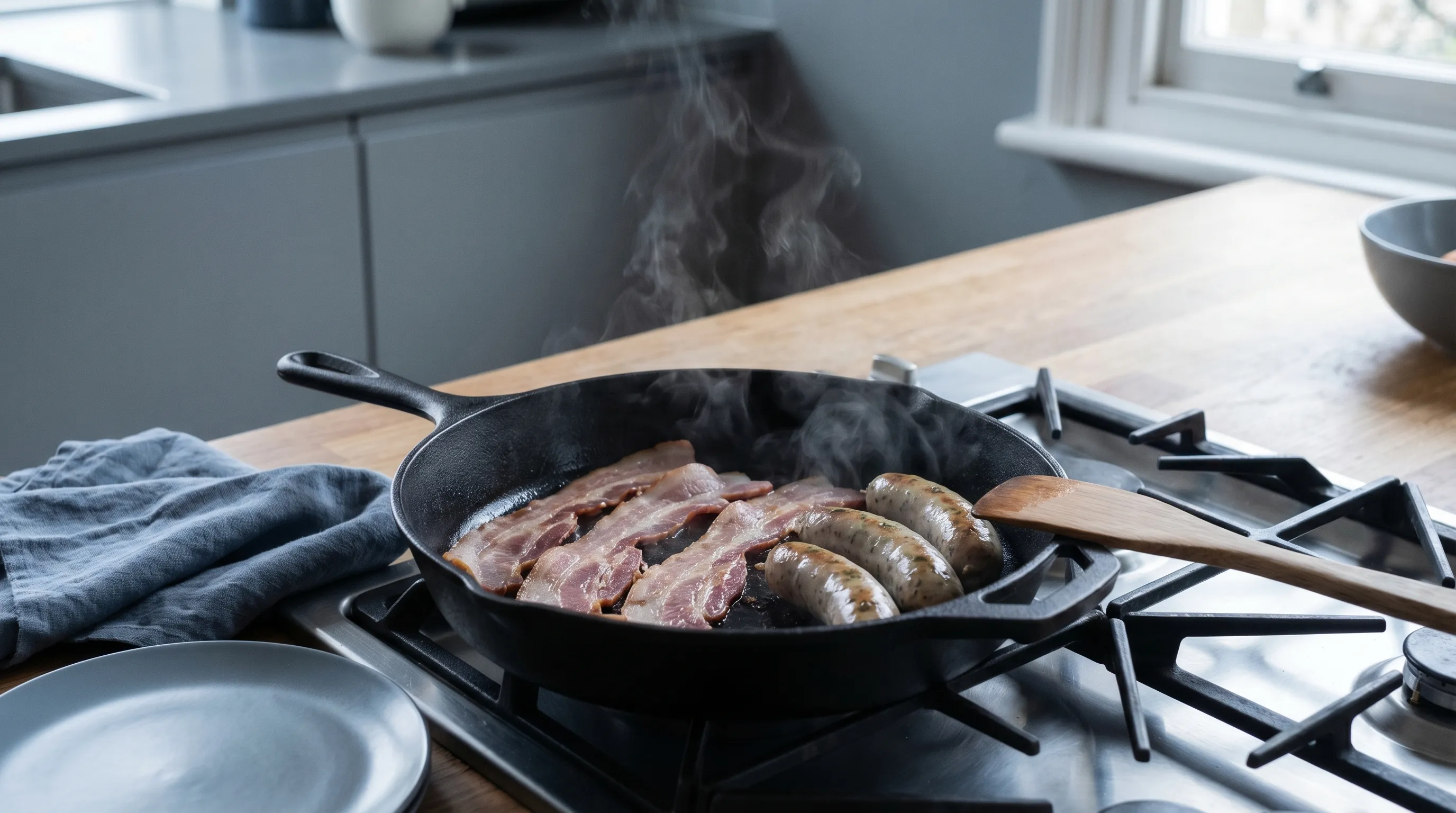
Processed meats such as bacon, hot dogs, sausage, salami, and deli slices, alongside heavily marbled cuts of beef and pork, contain dense concentrations of saturated fat, sodium, and chemical preservatives. The saturated fat content contributes to arterial stiffness, while the excessive sodium load promotes hypertension. Crucially, processed meats are treated with nitrates and nitrites, which can convert to nitrosamines in the body—compounds associated with increased oxidative stress and impaired vascular reactivity. Furthermore, high intake of red and processed meats has been correlated with altered gut microbiome composition, leading to increased production of trimethylamine N-oxide (TMAO), a metabolite strongly linked to accelerated atherosclerosis and increased cardiovascular mortality, both of which compound ED risk.
Healthier Alternatives: Shift toward lean, nutrient-dense protein sources that actively support vascular health. Skinless poultry, wild-caught fatty fish (particularly salmon, mackerel, and sardines for their EPA and DHA omega-3 content), legumes, lentils, edamame, and tempeh provide essential amino acids without the inflammatory lipid burden. When consuming red meat, opt for grass-fed cuts in moderation (under 4–6 ounces per serving) and pair them with large portions of cruciferous vegetables to mitigate oxidative damage.
3. Sugary Foods and Sweetened Beverages

Dietary patterns high in added sugars—from carbonated sodas, energy drinks, sweetened teas, candy, and commercial baked goods—drive rapid glycemic excursions and hyperinsulinemia. This metabolic chaos promotes systemic inflammation, endothelial glycation, and visceral adiposity. High blood glucose levels are directly toxic to the delicate perineural and microvascular networks required for erectile function. Chronic hyperglycemia reduces the bioavailability of nitric oxide and increases reactive oxygen species (ROS), which degrade NO before it can trigger smooth muscle relaxation. Additionally, emerging clinical research indicates that frequent consumption of high-fructose corn syrup and refined sugars can temporarily suppress luteinizing hormone (LH) pulsatility, leading to a measurable, albeit temporary, decline in circulating testosterone levels, further dampening libido and erectile quality.
Healthier Alternatives: Prioritize hydration with still or sparkling water infused with fresh citrus, cucumber, or mint. If you require flavor, unsweetened herbal teas or black/green tea provide polyphenols that enhance endothelial function. For sweet cravings, consume whole, fiber-rich fruits like blueberries, blackberries, pomegranates, or oranges. The natural fructose in whole fruit is metabolized slowly due to fiber content, and the accompanying anthocyanins and vitamin C actively combat the oxidative stress that sugar typically induces.
4. Refined Carbohydrates
 :max_bytes(150000):strip_icc()/GettyImages-1293375806-538f79f1797c4fbca48e239235086968.jpg)
Refined grains, including white bread, pasta, bagels, pizza dough, and commercially produced snack crackers, undergo extensive milling that strips away the bran and germ. This process removes nearly all dietary fiber, B vitamins, magnesium, and trace minerals, leaving behind rapidly digestible starch that behaves identically to pure glucose in the bloodstream. The resulting postprandial glucose and insulin spikes trigger inflammatory cascades and promote lipogenesis. Over time, this dietary pattern contributes to insulin resistance, metabolic syndrome, and endothelial dysfunction. A diet predominantly composed of refined carbohydrates lacks the micronutrients necessary for synthesizing testosterone and maintaining healthy blood viscosity, making it a silent but potent contributor to gradual erectile decline.
Healthier Alternatives: Transition to intact or minimally processed whole grains such as steel-cut oats, quinoa, farro, barley, brown rice, buckwheat, and 100% whole-grain or sprouted grain breads. These complex carbohydrates release glucose gradually, preventing insulin surges. They are also rich in soluble and insoluble fiber, which improves lipid profiles, supports healthy gut microbiota, and provides magnesium—a critical cofactor in hundreds of enzymatic reactions, including those governing vascular smooth muscle relaxation.
5. High-Sodium Foods
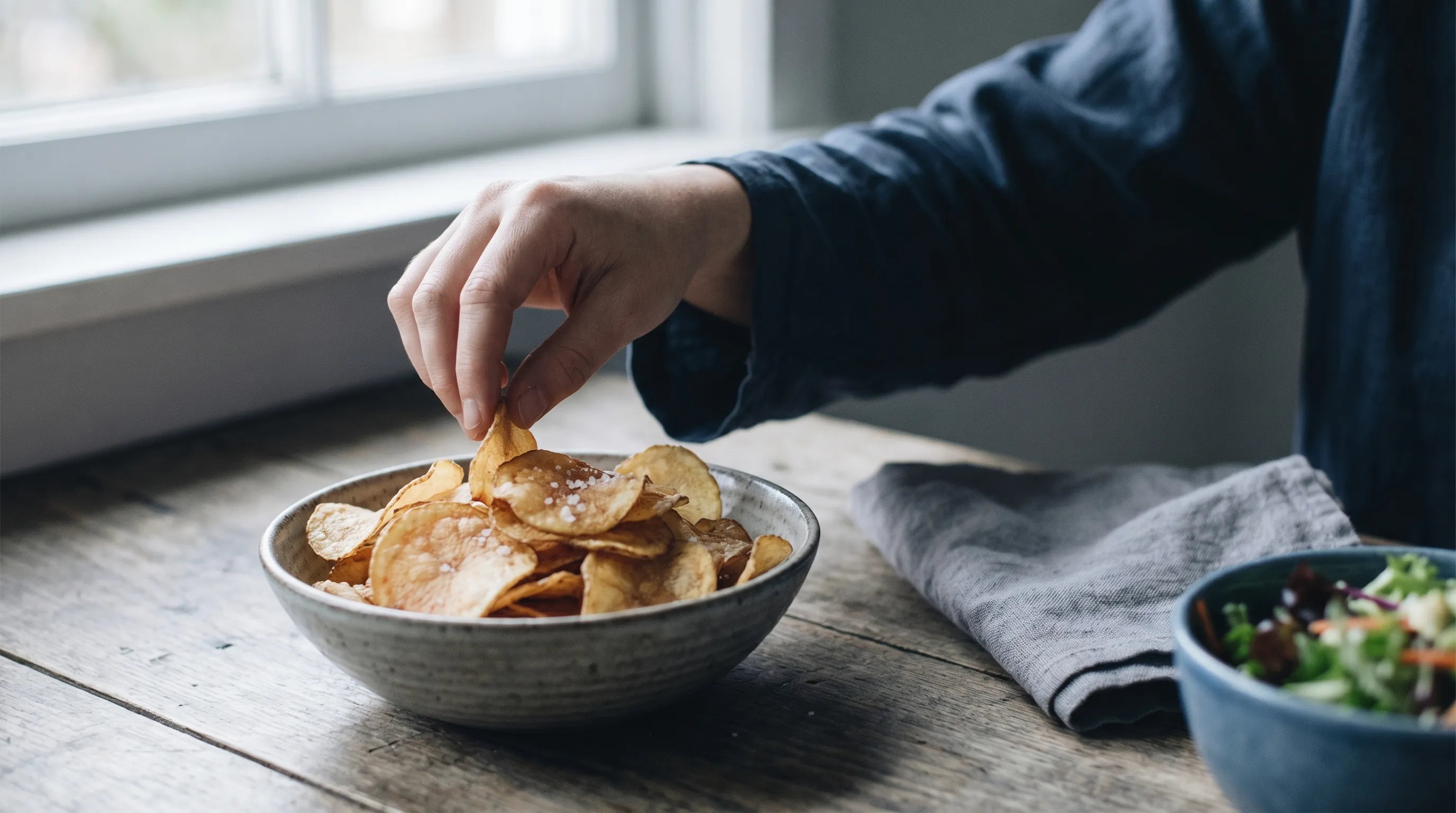
A diet chronically high in sodium disrupts vascular homeostasis and is a leading modifiable cause of essential hypertension. Excess dietary salt increases plasma volume and causes vascular smooth muscle cells to contract and proliferate, narrowing arterial pathways and elevating peripheral resistance. The delicate microvasculature of the penis is particularly vulnerable to pressure-induced damage. When blood vessels lose their natural compliance and the endothelial layer thickens, the rapid hemodynamic changes necessary for erection become physically constrained. Beyond obvious table salt, the vast majority of dietary sodium comes from ultra-processed foods, canned goods, restaurant meals, condiments, and baked goods where salt is used for preservation, texture, and flavor enhancement.
Healthier Alternatives: Rebuild your palate by cooking with fresh, whole ingredients and seasoning generously with potassium-rich herbs and spices. Garlic, onion powder, cumin, smoked paprika, rosemary, thyme, and fresh citrus juices add depth without compromising vascular health. Potassium, found abundantly in bananas, spinach, avocados, and sweet potatoes, actively counteracts sodium's effects by promoting vasodilation and healthy blood pressure regulation. When purchasing packaged foods, scrutinize nutrition labels and prioritize items with less than 140 mg of sodium per serving, actively seeking "low-sodium" or "no salt added" certifications.
6. Excessive Alcohol

While moderate alcohol consumption has been debated in cardiovascular literature, heavy and binge drinking is unequivocally detrimental to erectile physiology. Alcohol acts as a central nervous system depressant, interfering with the cortical and hypothalamic signaling pathways that initiate sexual arousal. Acute intoxication can temporarily inhibit penile nerve responsiveness and blunt nitric oxide synthesis, resulting in "whiskey dick." Chronically, excessive alcohol intake induces hepatic steatosis (fatty liver disease), which impairs the liver's ability to regulate estrogen and testosterone metabolism. It also causes peripheral neuropathy, depletes zinc and magnesium stores essential for testosterone production, and contributes significant empty calories that promote weight gain and insulin resistance. The cumulative effect is a progressive decline in both libido and erectile reliability.
Healthier Alternatives: Adhere strictly to moderate drinking guidelines: no more than two standard drinks per day for men, with several alcohol-free days weekly to allow hepatic and neurological recovery. If you choose to drink, opt for clear spirits mixed with zero-calorie sparkling water, or small portions of dry red wine. Resveratrol and polyphenols in red grapes have demonstrated modest endothelial-protective effects, but the benefits are entirely dose-dependent and quickly negated by overconsumption. Always pair alcohol with food to slow absorption and minimize glycemic disruption.
7. High-Fat Dairy Products

Traditional high-fat dairy products, including whole milk, heavy cream, full-fat cheeses, butter, and premium ice creams, contain high concentrations of long-chain saturated fatty acids. While dairy also provides calcium and protein, excessive intake of these specific saturated fats elevates circulating LDL cholesterol and promotes low-grade systemic inflammation. The endothelial lining becomes more susceptible to oxidative damage when saturated fat intake displaces unsaturated fats in the diet. Additionally, some conventional dairy products may contain exogenous hormones or insulin-like growth factor 1 (IGF-1), which, in excessive amounts, can subtly disrupt endogenous hormonal balance and exacerbate inflammatory markers that contribute to vascular stiffness.
Healthier Alternatives: Transition to low-fat or fat-free dairy options like Greek yogurt, skyr, and reduced-fat milk, which provide high-quality protein and probiotics without the saturated fat burden. Alternatively, explore fortified plant-based milks such as unsweetened soy, almond, or oat milk, ensuring they are enriched with calcium and vitamin D. Replace butter with extra-virgin olive oil, avocado oil, or mashed avocado for spreads and cooking, as these monounsaturated fats actively support endothelial repair and improve lipid profiles.
Best Foods for Improving Erectile Function
To actively combat and reverse diet-induced erectile dysfunction, strategic nutritional intake must focus on endothelial repair, nitric oxide optimization, inflammation reduction, and hormonal support. The Mediterranean diet has emerged in numerous peer-reviewed studies as the most effective dietary pattern for preserving and restoring erectile function. This eating paradigm emphasizes plant-forward nutrition, healthy fats, and lean proteins. Key functional foods include:
- Leafy Greens and Nitrate-Rich Vegetables: Spinach, arugula, Swiss chard, kale, and beets are exceptionally high in dietary nitrates. The oral microbiome converts these nitrates into nitrites, which the stomach then reduces to nitric oxide. This direct NO pathway enhances vasodilation and improves blood flow efficiency to the corpora cavernosa. Clinical trials have shown that daily beetroot juice supplementation can significantly improve endothelial function and exercise capacity.
- Flavonoid-Rich Berries and Citrus: Blueberries, strawberries, raspberries, oranges, and grapefruits are packed with anthocyanins, hesperidin, and naringenin. These flavonoids possess potent antioxidant and anti-inflammatory properties that protect the endothelium from oxidative stress. Longitudinal studies demonstrate that men with high flavonoid intake have a significantly reduced incidence of ED progression.
- Omega-3-Rich Fatty Fish: Salmon, sardines, herring, and mackerel provide high concentrations of eicosapentaenoic acid (EPA) and docosahexaenoic acid (DHA). Omega-3 fatty acids lower triglycerides, reduce arterial inflammation, improve blood viscosity, and enhance endothelial nitric oxide synthase (eNOS) activity, making it easier for arteries to relax during arousal.
- Nuts, Seeds, and Dark Chocolate: Walnuts, almonds, pumpkin seeds, and 70%+ dark chocolate are excellent sources of L-arginine, L-citrulline, magnesium, and zinc. L-arginine is a direct precursor to nitric oxide synthesis, while L-citrulline converts to arginine in the kidneys, providing sustained NO production. Magnesium acts as a natural calcium channel blocker, promoting vascular smooth muscle relaxation.
- Healthy Monounsaturated Fats: Extra virgin olive oil, avocados, and olives are cornerstones of cardiovascular health. They improve lipid profiles, reduce systemic inflammation, and enhance arterial elasticity. Studies specifically linking olive oil consumption to improved IIEF (International Index of Erectile Function) scores highlight its direct clinical relevance.
- Pomegranates and Watermelon: Pomegranate juice is rich in punicalagins and antioxidants that protect NO from oxidative degradation. Watermelon contains high levels of citrulline, which naturally supports penile blood flow. Both fruits have demonstrated mild, food-grade phosphodiesterase type 5 (PDE5) inhibitory activity in preliminary research, mimicking the mechanism of common ED medications without pharmacological side effects.
Beyond Food: Other Lifestyle Factors
Diet is a powerful therapeutic tool, but its efficacy multiplies when integrated with comprehensive lifestyle modifications that address the root causes of vascular and neurological impairment:
- Exercise and Physical Activity: Regular aerobic exercise (150+ minutes weekly of brisk walking, cycling, or swimming) upregulates eNOS expression, stimulates angiogenesis (growth of new blood vessels), and improves cardiac output. Incorporating resistance training 2–3 times weekly further boosts natural testosterone production and insulin sensitivity.
- Weight Management and Visceral Fat Reduction: Achieving and maintaining a healthy body mass index (BMI) and waist circumference (<40 inches for men) drastically reduces aromatase activity, lowers inflammatory cytokines, and restores hormonal balance. Even a 5–10% reduction in body weight has been clinically shown to significantly improve erectile rigidity.
- Smoking Cessation: Tobacco smoke contains thousands of toxic chemicals that directly damage endothelial cells, constrict blood vessels, accelerate plaque formation, and impair nitric oxide signaling. Quitting smoking is arguably the single most impactful non-pharmacological intervention for reversing ED, with noticeable vascular improvements often occurring within weeks to months.
- Stress Management and Mental Health Optimization: Chronic psychological stress elevates cortisol and catecholamine (adrenaline/noradrenaline) levels, which activate the sympathetic nervous system. This "fight or flight" state directly opposes the parasympathetic "rest and digest" state required for erection. Practices such as mindfulness meditation, cognitive behavioral therapy (CBT), deep diaphragmatic breathing, and yoga effectively downregulate the stress response and improve sexual performance anxiety.
- Sleep Hygiene and Hormonal Recovery: Testosterone production follows a circadian rhythm, peaking during deep REM sleep. Chronic sleep deprivation or untreated sleep apnea severely blunts testosterone synthesis, increases insulin resistance, and elevates systemic inflammation. Prioritizing 7–9 hours of uninterrupted, high-quality sleep is non-negotiable for hormonal and vascular recovery.
Frequently Asked Questions
How long does it take to see improvements in erectile function after changing my diet?
Dietary changes do not produce immediate results, but they initiate physiological healing from day one. Endothelial function and blood flow improvements can typically be measured within 4 to 8 weeks of consistently adopting a heart-healthy, anti-inflammatory diet. More substantial structural vascular repairs, hormonal rebalancing, and noticeable improvements in erection quality and reliability usually require 3 to 6 months of sustained dietary adherence. Patience and consistency are critical, as reversing chronic vascular damage takes time but is entirely achievable.
Can erectile dysfunction be reversed entirely through diet and exercise alone?
In many cases, particularly when ED is primarily driven by vascular dysfunction, mild insulin resistance, or lifestyle-induced obesity, diet and exercise can lead to complete or near-complete reversal. Clinical trials, including the landmark Boston University studies, have demonstrated that men who adopt Mediterranean-style diets combined with regular physical activity experience significant improvements in IIEF scores, with many regaining natural erectile function without medication. However, if ED stems from severe neurological damage, advanced Peyronie's disease, severe hormonal deficiencies, or advanced atherosclerosis, dietary intervention should be used as an adjunct to, not a replacement for, targeted medical therapies.
Are there specific foods that act as natural alternatives to ED medications?
While no food replicates the rapid, targeted potency of pharmaceutical PDE5 inhibitors (like sildenafil or tadalafil), several foods contain compounds that support the same biological pathway. Foods rich in L-citrulline (watermelon) and L-arginine (nuts, seeds, lean meats) provide the raw materials for nitric oxide synthesis. Dark chocolate, pomegranates, and berries contain polyphenols that protect existing nitric oxide from degradation. While these foods work gradually to improve baseline vascular health rather than producing immediate on-demand results, they offer a sustainable, side-effect-free foundation for long-term erectile vitality.
Should I avoid all dietary fats to improve erectile function?
Absolutely not. Avoiding fats entirely is counterproductive and hormonally dangerous. Cholesterol is the foundational building block for testosterone synthesis, and healthy dietary fats are essential for hormone production, cellular membrane integrity, and the absorption of fat-soluble vitamins (A, D, E, K) that support sexual health. The goal is not fat elimination, but fat quality optimization. You should strictly minimize trans fats and limit excessive saturated fats, while actively increasing your intake of monounsaturated fats (olive oil, avocados, nuts) and polyunsaturated omega-3 fatty acids (fatty fish, flaxseeds, chia seeds), which actively protect blood vessels and support erectile physiology.
Does caffeine consumption positively or negatively impact erectile function?
Moderate caffeine consumption is generally beneficial for erectile function. Epidemiological studies, including research published in the journal PLOS ONE, have found that men who consume the caffeine equivalent of 2–3 cups of coffee daily are significantly less likely to report ED symptoms. Caffeine acts as a mild adenosine receptor antagonist and stimulates the release of nitric oxide, promoting smooth muscle relaxation and improved blood flow to the genitals. However, excessive intake (typically over 400 mg daily) or reliance on high-sugar energy drinks can trigger anxiety, insomnia, and cortisol spikes, which may indirectly impair sexual performance. Moderation and clean sourcing are key.
Conclusion
Your daily dietary choices exert a profound, measurable influence on your vascular architecture, hormonal equilibrium, and neurological responsiveness—all of which dictate your sexual health. By systematically eliminating the worst foods for erectile dysfunction—those saturated with unhealthy trans and saturated fats, refined carbohydrates, excessive sodium, and added sugars—you actively remove the physiological barriers to optimal erectile function. Replacing these with a nutrient-dense, Mediterranean-aligned diet rich in nitrates, antioxidants, omega-3 fatty acids, and high-quality plant-based proteins provides your body with the precise biochemical substrates required to repair endothelial damage, optimize nitric oxide pathways, and sustain healthy testosterone levels.
Dietary transformation is not a quick fix, but rather a foundational medical intervention. When combined with consistent aerobic and resistance exercise, effective stress management, prioritized sleep hygiene, and the complete cessation of tobacco and excessive alcohol use, nutritional therapy offers one of the most powerful, evidence-based pathways to restoring robust, reliable erectile function. These sustainable lifestyle modifications not only enhance performance in the bedroom but dramatically reduce your long-term risk of cardiovascular disease, diabetes, and metabolic syndrome.
If you are experiencing persistent, progressive, or psychologically distressing erectile dysfunction, it is crucial to consult a qualified healthcare provider or urologist. They can conduct comprehensive vascular, hormonal, and neurological assessments to rule out underlying pathological conditions, evaluate potential medication interactions, and develop a personalized treatment plan that may integrate nutritional counseling with evidence-based medical therapies. Taking proactive, holistic control of your health today is the most reliable prescription for lifelong sexual and cardiovascular vitality.
References & Further Reading
- Feldman HA, et al. (1994). Impotence and its medical and psychosocial correlates: results of the Massachusetts Male Aging Study. Journal of Urology. PubMed
- National Institute of Diabetes and Digestive and Kidney Diseases (NIDDK). (2017). Erectile Dysfunction. NIDDK Website
- Esposito K, et al. (2004). Effect of lifestyle changes on erectile dysfunction in obese men: a randomized controlled trial. Journal of the American Medical Association (JAMA). JAMA Network
- American Heart Association. (2017). Trans Fats. Heart.org
- La J, et al. (2020). Association of a Mediterranean Diet with an Erection Hardness Score in Men with Ischemic Heart Disease. JAMA Network Open. JAMA Network
- Cassidy A, et al. (2016). Dietary flavonoid intake and incidence of erectile dysfunction. The American Journal of Clinical Nutrition. AJCN
- Harvard Health Publishing. (2019). Exercise and Erectile Dysfunction. Mayo Clinic
- Benegal V, et al. (2007). Sexual dysfunction in male subjects with alcohol dependence. Indian Journal of Psychiatry. NCBI
- Messina M. (2010). Soybean isoflavone exposure does not have feminizing effects on men: a critical examination of the clinical evidence. Fertility and Sterility. Fertility and Sterility Journal
Disclaimer: This article is for informational purposes only and does not constitute medical advice, diagnosis, or treatment. Always seek the guidance of your physician or other qualified health provider with any questions you may have regarding a medical condition, dietary changes, or treatment plan. Never disregard professional medical advice or delay in seeking it because of something you have read in this publication.
How we work
Researched and drafted with AI assistance, then reviewed by a human editor against the cited sources.
This article is general health information, not medical advice. Consult a qualified healthcare professional about your own situation.