Atlantic Salmon Calories: A Guide to Nutrition and Health Benefits

Key points
- Raw Farmed Atlantic Salmon (100g / 3.5 oz): Approximately 208 calories.
- Raw Wild Atlantic Salmon (100g / 3.5 oz): Approximately 142 calories.
- Cooked 6 oz Fillet (170g): A typical cooked fillet of farmed salmon contains about 350-400 calories, while a wild-caught fillet is lower, around 300-340 calories.
Atlantic salmon is celebrated worldwide for its rich flavor and impressive nutritional profile. Praised as a healthy and delicious choice, it's a versatile fish that can be grilled, baked, or smoked. This guide explores the calories in Atlantic salmon, its nutritional value, health benefits, and tips for incorporating it into a balanced diet.
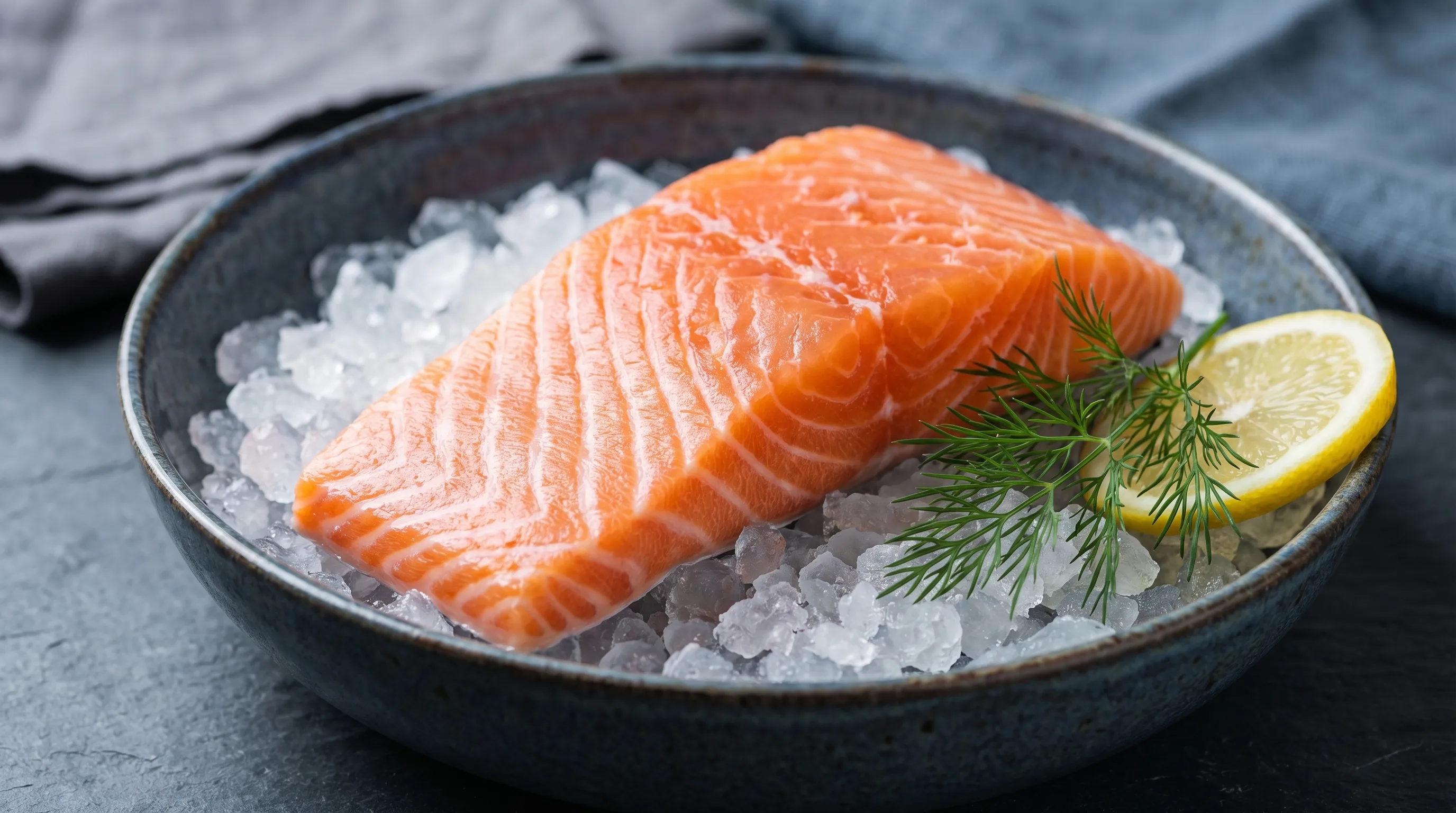
Understanding macronutrient composition and caloric density is fundamental to evidence-based dietary planning. While calorie tracking remains a useful tool for weight management and metabolic health, focusing exclusively on energy intake often overlooks the profound micronutrient and phytonutrient benefits that high-quality animal proteins provide. Atlantic salmon stands out not merely as a source of protein, but as a functional food that delivers synergistic compounds supporting cardiovascular resilience, neurological integrity, and systemic inflammation modulation. As dietary patterns continue to shift toward Mediterranean-style and anti-inflammatory eating protocols, integrating fatty fish like Atlantic salmon into weekly meal rotations has become a cornerstone recommendation for clinicians and registered dietitians alike. This comprehensive resource breaks down exactly what to expect from Atlantic salmon on a plate, how preparation alters its nutritional profile, and how it fits into long-term health optimization.
What Is Atlantic Salmon?
Atlantic salmon (Salmo salar) is a species of salmon native to the rivers and coastal waters of the North Atlantic Ocean. Due to overfishing and conservation efforts, wild Atlantic salmon is rare in markets. The vast majority of Atlantic salmon available today is farm-raised in controlled aquaculture environments in countries like Norway, Chile, and Canada.
Free calculatorBMI CalculatorCalculate Body Mass IndexOpen the calculatorIt is classified as an oily fish, which means it is rich in heart-healthy omega-3 fatty acids, setting it apart from leaner fish like cod or haddock.
Biologically, Atlantic salmon are anadromous, meaning they hatch in freshwater rivers, migrate to the ocean to mature, and return to freshwater to spawn. Their life cycle involves dramatic physiological adaptations that influence their muscle structure and fat deposition. In aquaculture settings, these natural cycles are managed through controlled photoperiods, temperature regulation, and precisely formulated feeds. Modern salmon farming has evolved significantly over the past two decades, transitioning from purely fishmeal-based diets to more sustainable formulations that include algae oil, insect protein, and plant-derived ingredients. This shift not only reduces pressure on wild forage fish populations but also allows farmers to tailor the lipid profile of the final product. The controlled environment means fewer seasonal fluctuations in fat content compared to wild counterparts, resulting in a more consistent caloric and macronutrient profile year-round. However, responsible aquaculture practices are critical. Reputable farms implement strict veterinary oversight, maintain high water quality standards, and utilize fallowing cycles to minimize disease transmission and environmental impact. When sourced responsibly, farmed Atlantic salmon provides a reliable, accessible, and nutritionally dense protein that aligns with public health initiatives aimed at increasing seafood consumption.
Atlantic Salmon Calorie Count
The number of calories in Atlantic salmon can vary based on whether it is farmed or wild-caught and how it is prepared.
- Raw Farmed Atlantic Salmon (100g / 3.5 oz): Approximately 208 calories.
- Raw Wild Atlantic Salmon (100g / 3.5 oz): Approximately 142 calories.
- Cooked 6 oz Fillet (170g): A typical cooked fillet of farmed salmon contains about 350-400 calories, while a wild-caught fillet is lower, around 300-340 calories.
Cooking methods significantly impact the final calorie count. Grilling, baking, or steaming add minimal calories, whereas frying or using heavy, cream-based sauces can substantially increase them.
It is important to understand how moisture loss during cooking affects caloric density by weight. As salmon is heated, water evaporates from the muscle tissue, causing the remaining nutrients—including fats and proteins—to become more concentrated. A 100-gram raw portion yielding roughly 208 calories will shrink to approximately 75-80 grams after typical cooking, but the calorie count remains largely the same (minus any fat rendered into the pan). If you are weighing food post-cooking, the calories per 100g of cooked salmon will register higher than raw data, often ranging from 250-280 kcal per 100g cooked, depending on the method and duration. For precise tracking, nutritionists generally recommend weighing proteins raw, before heat-induced moisture loss occurs. Additionally, the presence or absence of the skin influences caloric calculations. Salmon skin contains a significant portion of the fillet's subcutaneous fat. Eating skin-on adds roughly 30-50 calories per serving compared to skinless cuts, though these calories come predominantly from monounsaturated and omega-3 fats rather than saturated or trans fats. Tracking apps and food labels typically default to skinless or skin-on specifications, so consistency in your measurement approach is key for accurate dietary monitoring.
Calorie Comparison
To put it in perspective, a 100g serving of farmed salmon (208 calories) is comparable to:
- Skinless Chicken Breast (100g): ~165 calories
- Lean Ground Beef (100g, 90/10): ~200 calories
- Cod (100g): ~82 calories
While salmon may have more calories than leaner proteins, these calories are packed with high-quality nutrients.
Expanding this comparison further reveals important distinctions in protein quality and satiety signaling. For instance, 100g of tofu (extra firm) contains roughly 76 calories and 8g of protein, while the same weight of Atlantic salmon provides over 20g of complete protein containing all nine essential amino acids. The Digestible Indispensable Amino Acid Score (DIAAS) for salmon is exceptionally high, meaning the body can efficiently absorb and utilize these building blocks for muscle protein synthesis. When comparing to red meat, the fatty acid profile diverges sharply. While lean beef provides comparable protein and heme iron, it contains higher proportions of arachidonic acid and saturated fats, which can promote inflammatory pathways when consumed in excess. Salmon's dominance of EPA and DHA actively counterbalances these pathways. From a glycemic standpoint, all these proteins contain negligible carbohydrates, making them neutral in blood sugar regulation. However, the thermic effect of food (TEF) for high-quality protein sources like salmon requires the body to expend approximately 20-30% of the ingested calories simply to digest and metabolize the amino acids. This elevated TEF, combined with the hormone-modulating effects of omega-3s on leptin and ghrelin, means that the net metabolic impact of salmon's calories is fundamentally different from calorically dense, ultra-processed foods.
Nutritional Profile of Atlantic Salmon
Beyond calories, Atlantic salmon is a powerhouse of essential nutrients. The nutritional information for a 100-gram (3.5 oz) serving of raw, farmed Atlantic salmon is as follows:
| Nutrient | Amount per 100g | % Daily Value (DV) |
|---|---|---|
| Calories | ~208 kcal | ~10% |
| Protein | ~20 g | 40% |
| Total Fat | ~13 g | 17% |
| Saturated Fat | ~3 g | 15% |
| Omega-3 (EPA+DHA) | ~2.3 g | N/A* |
| Vitamin D | ~526 IU (13.1 mcg) | 66% |
| Vitamin B12 | ~3.2 mcg | 133% |
| Vitamin B6 | ~0.6 mg | 35% |
| Niacin (B3) | ~8.0 mg | 50% |
| Selenium | ~36.5 mcg | 66% |
| Potassium | ~363 mg | 8% |
There is no established DV for omega-3s, but health organizations recommend 250-500 mg of EPA and DHA per day for adults. A single serving of salmon far exceeds this recommendation.
Key Nutritional Highlights:
- High-Quality Protein: Essential for muscle repair, immune function, and overall body maintenance.
- Rich in Omega-3 Fatty Acids: Contains high levels of EPA and DHA, which are crucial for heart and brain health.
- Excellent Source of Vitamin D: One of the few natural food sources of Vitamin D, which is vital for bone health and immune function.
- Loaded with B Vitamins: Particularly rich in Vitamin B12, crucial for nerve function and the formation of red blood cells.
- Carbohydrate-Free: Contains no carbohydrates, making it suitable for low-carb and ketogenic diets.
Diving deeper into the biochemical roles of these nutrients reveals why salmon functions as a metabolic cornerstone. The complete protein profile provides leucine at concentrations sufficient to activate the mTOR pathway, a critical signaling cascade for muscle hypertrophy and tissue regeneration. This makes it highly beneficial for older adults combating sarcopenia, athletes in recovery phases, and individuals managing chronic catabolic conditions. The omega-3 fatty acids, primarily eicosapentaenoic acid (EPA) and docosahexaenoic acid (DHA), integrate directly into cellular phospholipid membranes. This incorporation improves membrane fluidity, enhances insulin receptor sensitivity, and serves as precursors for specialized pro-resolving mediators (SPMs) like resolvins and protectins, which actively terminate inflammatory cascades rather than merely suppressing them.
Vitamin D in salmon exists primarily as cholecalciferol (D3), which is more bioavailable than plant-derived D2. Beyond calcium homeostasis, vitamin D acts as a steroid hormone regulating over 200 genes involved in cell differentiation, immune modulation, and mood regulation. Deficiency is widespread in northern latitudes and among indoor workers, making fatty fish a critical dietary intervention. B-vitamins in salmon operate as coenzymes in mitochondrial ATP production. Vitamin B12 works alongside folate in the methylation cycle, directly impacting homocysteine metabolism; elevated homocysteine is an independent risk factor for endothelial damage and cardiovascular events. Niacin supports lipid metabolism and has been clinically utilized to modulate HDL and triglyceride ratios. Selenium functions as an essential cofactor for glutathione peroxidase, a master antioxidant enzyme that neutralizes reactive oxygen species and supports thyroid hormone conversion from T4 to the metabolically active T3 form. Together, these micronutrients create a synergistic matrix that supports systemic homeostasis far beyond isolated supplementation.
Health Benefits of Atlantic Salmon
The rich nutritional profile of Atlantic salmon translates into numerous health benefits.
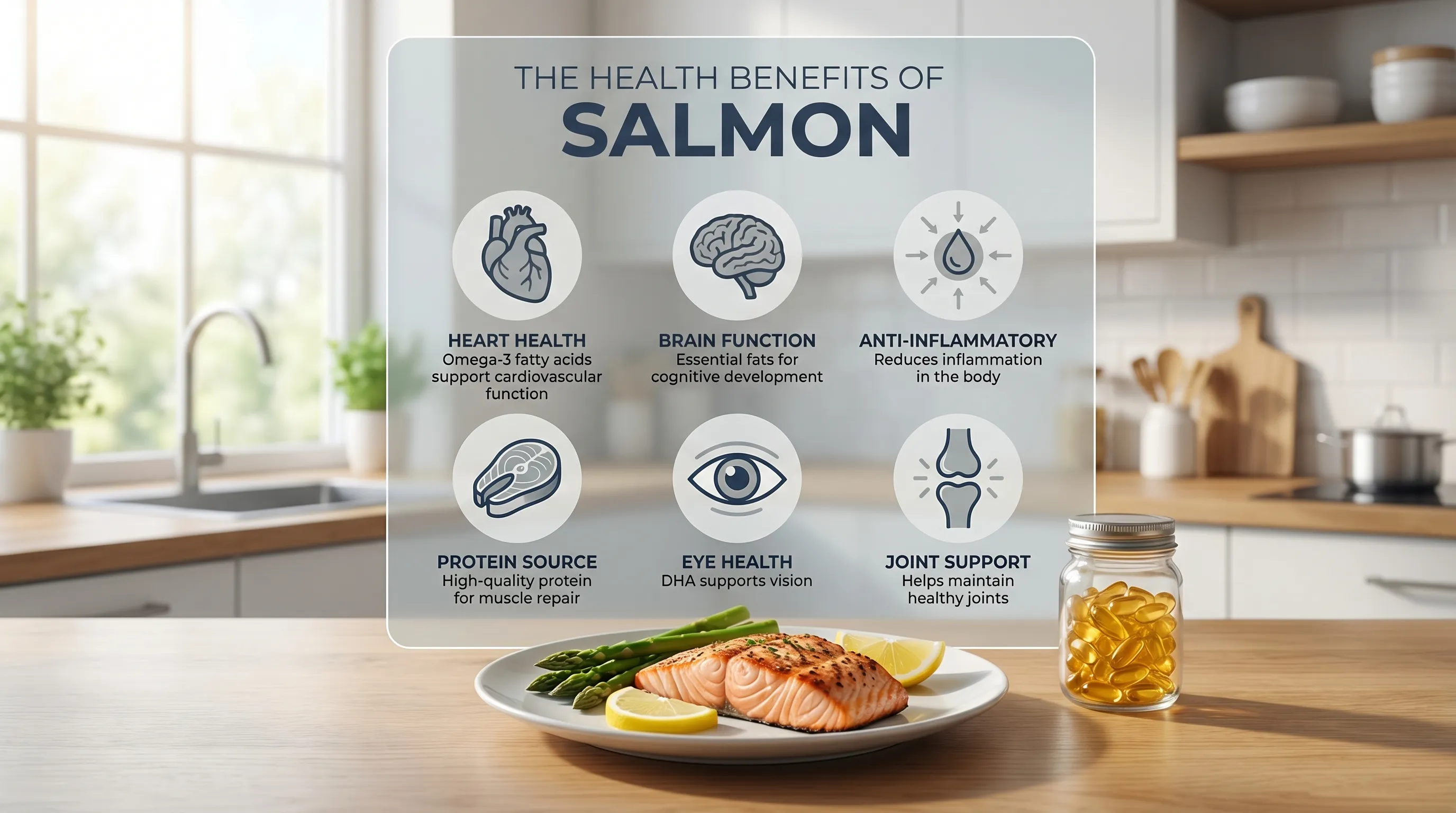
1. Supports Heart Health
The high concentration of omega-3 fatty acids (EPA and DHA) in salmon helps reduce inflammation, lower triglyceride levels, and decrease the risk of cardiovascular disease. The American Heart Association recommends eating fatty fish like salmon at least twice a week.
"Consuming fish rich in omega-3s at least twice a week is associated with a reduced risk of heart disease." – American Heart Association
Clinical meta-analyses consistently demonstrate that omega-3 intake from whole fish sources correlates with a 10-20% reduction in fatal coronary events. The mechanism extends beyond simple triglyceride lowering. EPA and DHA exert pleiotropic effects: they improve endothelial function by increasing nitric oxide bioavailability, stabilize atherosclerotic plaques by reducing macrophage infiltration, and possess mild antiarrhythmic properties by modulating myocardial ion channels. Unlike purified fish oil supplements, which have shown mixed results in secondary prevention trials, whole-food salmon delivers these lipids alongside synergistic antioxidants like astaxanthin, enhancing oxidative stability and bioavailability. Furthermore, the potassium content supports healthy blood pressure regulation by facilitating sodium excretion and reducing vascular smooth muscle tension.
2. Boosts Brain Function
DHA is a major structural component of the brain and retina. Adequate intake of omega-3s is linked to improved cognitive function, a lower risk of age-related mental decline, and may help reduce symptoms of depression and anxiety.
The adult human brain is approximately 60% lipid, with DHA comprising nearly 40% of the polyunsaturated fatty acids in the cerebral cortex. During aging, DHA synthesis from plant-based ALA becomes increasingly inefficient due to enzymatic rate limitations. Dietary DHA crosses the blood-brain barrier and incorporates into neuronal membranes, promoting synaptic plasticity, neurogenesis, and the clearance of beta-amyloid peptides associated with neurodegenerative pathology. Observational studies link higher baseline fish consumption to a 15-30% slower rate of cognitive decline. Additionally, omega-3s modulate neuroinflammation and influence serotonin and dopamine pathways, providing a nutritional foundation for mood stabilization. Emerging psychiatric research supports omega-3 supplementation as an adjunct therapy for major depressive disorder, with EPA demonstrating particular efficacy in reducing neuroinflammatory markers.
3. Aids in Weight Management
The combination of high protein and healthy fats in salmon promotes satiety, making you feel fuller for longer. This can help reduce overall calorie intake and support weight management goals by preventing overeating.
Weight management is fundamentally a balance of energy regulation, hormonal signaling, and metabolic efficiency. Salmon's high leucine content stimulates the release of cholecystokinin (CCK) and peptide YY (PYY), gut-derived hormones that communicate satiety to the hypothalamus. Simultaneously, the monounsaturated and omega-3 fats slow gastric emptying, preventing the rapid blood glucose spikes and subsequent crashes that trigger cravings. The thermic effect of protein, as previously noted, elevates resting energy expenditure post-meal. Clinical trials evaluating Mediterranean-style dietary patterns enriched with fatty fish consistently show superior long-term adherence and greater preservation of lean mass during caloric restriction compared to low-fat, high-carbohydrate protocols. Preserving muscle mass is critical because skeletal muscle serves as the body's primary site for glucose disposal and basal metabolic rate determination.
4. Provides Essential Vitamins and Minerals
Salmon is an exceptional source of Vitamin D and B12, nutrients often lacking in modern diets. It also provides selenium, an antioxidant mineral that supports thyroid function and protects against cellular damage.
Modern indoor lifestyles, widespread sunscreen use, and latitudinal positioning have created a pervasive vitamin D deficiency crisis, affecting an estimated 40% of adults in industrialized nations. Since few foods naturally contain meaningful amounts of D3, salmon serves as one of the most efficient dietary interventions available. B12 deficiency, particularly prevalent among older adults and individuals on plant-exclusive diets, can lead to megaloblastic anemia and irreversible neurological damage due to demyelination. The cobalamin in salmon is highly bioavailable, bound to animal proteins and easily cleaved by gastric acid for absorption in the terminal ileum. Selenium works synergistically with vitamin E to protect lipid membranes from peroxidation. It is also critical for deiodinase enzyme function, which regulates the conversion of thyroid hormones. Adequate selenium status is strongly correlated with optimal basal metabolic rate and temperature regulation.
5. Reduces Inflammation
Chronic inflammation is a root cause of many diseases. The omega-3s in salmon have powerful anti-inflammatory properties that can help lower markers of inflammation in the body.
Low-grade, systemic inflammation underpins insulin resistance, metabolic syndrome, autoimmune flare-ups, and accelerated aging. Omega-3 fatty acids compete with arachidonic acid (an omega-6 derivative) for cyclooxygenase (COX) and lipoxygenase (LOX) enzymes. When EPA predominates, the enzymatic pathways produce less potent, less inflammatory eicosanoids like prostaglandin E3 and leukotriene B5. Furthermore, EPA and DHA inhibit the activation of the NF-κB transcription factor, which orchestrates the expression of pro-inflammatory cytokines such as IL-6 and TNF-α. Regular consumption of fatty fish has been clinically shown to reduce high-sensitivity C-reactive protein (hs-CRP), a gold-standard biomarker for cardiovascular and systemic inflammation. For individuals with autoimmune conditions or chronic joint pain, incorporating salmon into weekly dietary patterns often results in measurable reductions in symptom severity and improved quality of life scores.
6. Supports Ocular and Dermatological Health
Astaxanthin and omega-3s in salmon work synergistically to protect against UV-induced skin damage and dry eye syndrome. DHA is concentrated in retinal photoreceptor cells, supporting macular health and reducing the risk of age-related macular degeneration. Clinical evidence suggests that dietary omega-3 intake improves meibomian gland function, stabilizing the tear film and alleviating evaporative dry eye, a condition increasingly common in screen-heavy environments.
Tips for Including Salmon in a Healthy Diet
Incorporating salmon into your diet is easy and delicious. Here are some tips to maximize its benefits while managing calories.
Choose Healthy Cooking Methods
How you cook salmon matters. Opt for methods that don't require adding significant amounts of fat.
- Baking or Roasting: Place a fillet on a baking sheet with vegetables for an easy one-pan meal.
- Grilling: Grilling imparts a smoky flavor and allows excess fat to drip away.
- Steaming or Poaching: These methods cook the fish gently without any added fat, resulting in a moist and tender texture.
- Pan-Searing: Use a non-stick pan and a minimal amount of a heart-healthy oil, like olive or avocado oil.
Watch: Find simple and healthy recipes for baked salmon on YouTube.
Pair with Nutritious Sides
Create a balanced meal by serving salmon with:
- Steamed or Roasted Vegetables: Broccoli, asparagus, and spinach are excellent choices.
- Whole Grains: Quinoa, brown rice, or farro add fiber and complex carbohydrates.
- Large Salads: A bed of leafy greens with a light vinaigrette complements the richness of the fish.
Be Mindful of Portion Sizes
A healthy serving size is typically 3-4 ounces (85-113 grams), which is about the size of a deck of cards. While larger restaurant portions are common, being aware of portion sizes can help you manage your calorie intake.
Additional Practical Guidelines:
Food Safety and Temperature Control: The USDA and FDA recommend cooking fish to an internal temperature of 145°F (63°C), measured at the thickest part with a digital thermometer. At this temperature, harmful pathogens like Listeria, Vibrio, and parasites are effectively neutralized. Alternatively, if freezing at 0°F (-18°C) for 7 days prior to consumption, raw preparations like sashimi become safe, though clinical populations including pregnant individuals, young children, and the immunocompromised should always opt for thoroughly cooked seafood.
Storage and Preservation: Fresh salmon should be kept on ice or refrigerated below 40°F and consumed within 1-2 days of purchase. For longer storage, vacuum-seal or tightly wrap portions in heavy-duty freezer wrap and freeze for up to 3 months without significant degradation in lipid profile. Thaw safely in the refrigerator overnight or under cold running water; never thaw at room temperature, as surface warming promotes rapid bacterial proliferation.
Grocery Shopping and Selection: When purchasing fillets, look for firm, translucent flesh that springs back when pressed. Avoid pieces with dry, browned edges or a strong, ammonia-like odor, which indicate oxidation or spoilage. The color can vary naturally from pale pink to deep orange depending on astaxanthin concentration in the diet. Check for third-party sustainability and quality certifications such as the Aquaculture Stewardship Council (ASC), Marine Stewardship Council (MSC), or Global Aquaculture Alliance Best Aquaculture Practices (BAP) to ensure responsible sourcing.
Meal Prep Strategies: Batch-cooking salmon for weekday meals requires careful moisture management. Cook slightly under your target temperature (around 135-138°F) and allow residual heat to finish the process. This prevents the common meal-prep pitfall of dry, rubbery fish upon reheating. Store in airtight containers with a layer of broth, lemon juice, or a light drizzle of olive oil to maintain lipid stability and prevent freezer burn or oxidation during refrigeration.
Farmed vs. Wild-Caught Salmon: A Quick Comparison
Nearly all Atlantic salmon is farmed, but it's useful to know the differences between farmed and wild salmon in general.
- Farmed Salmon: Tends to be higher in fat, including omega-3s, and calories. Its diet is controlled, and responsible farms follow practices to minimize environmental impact. Look for certifications like Aquaculture Stewardship Council (ASC).
- Wild Salmon: Generally leaner with fewer calories and a firmer texture. Its color is often deeper red due to a natural diet of krill and shrimp. Most wild salmon on the market is from the Pacific (e.g., Sockeye, Coho).
Both farmed and wild salmon are excellent nutritional choices. If you are strictly counting calories, wild salmon is the leaner option. If maximizing omega-3 intake is your goal, farmed salmon may have a slight edge.
Sustainability and Environmental Impact: The aquaculture industry has undergone rigorous modernization. Closed-containment systems and recirculating aquaculture systems (RAS) significantly reduce nutrient runoff, disease transfer to wild stocks, and habitat disruption. Feed formulations have largely replaced wild-caught fishmeal with certified sustainable marine byproducts and algae-based oils, dramatically lowering the trophic footprint. When evaluating environmental impact, certified farmed Atlantic salmon often demonstrates a lower carbon footprint per kilogram of edible protein compared to terrestrial livestock, making it a viable option for climate-conscious dietary patterns.
Contaminant Considerations: Concerns regarding PCBs and dioxins in farmed fish are largely historical. Stringent EU and FDA regulations mandate routine contaminant screening, and modern feeds are rigorously purified. Current monitoring shows farmed salmon PCB levels are well within safe thresholds established by the Joint FAO/WHO Expert Committee on Food Additives. Wild salmon, while naturally lower in overall fat, can accumulate environmental contaminants depending on migratory waterways, though it remains exceptionally low in mercury compared to predatory fish like swordfish or shark. The cardiovascular and neurological benefits of consuming both types consistently outweigh theoretical risks, according to comprehensive toxicological risk-benefit analyses published by leading nutritional epidemiology bodies.
Culinary and Cost Factors: Wild Pacific salmon is highly seasonal, typically available fresh from late spring through early fall, and commands a premium price. Farmed Atlantic salmon offers year-round availability, consistent texture, and a milder flavor profile that adapts well to a wide range of culinary traditions. From a budgetary and accessibility standpoint, farmed salmon provides the most practical route to meeting recommended seafood intake targets without straining household finances or compromising nutrient goals.
Frequently Asked Questions (FAQ)
Q1: How do cooking methods affect the calorie count of salmon? A: Baking, grilling, and steaming add very few calories. Pan-frying or deep-frying in oil or butter can significantly increase the calorie count. Sauces, glazes, and marinades with sugar or cream also add extra calories.
Q2: Are smoked and canned salmon also healthy? A: Yes, both are nutritious options. However, they are often high in sodium, so check the label if you are monitoring your salt intake. Choose canned salmon in water instead of oil to keep calories lower. Canned salmon with bones is also an excellent source of calcium.
Q3: How many calories are in salmon sushi? A: A single piece of salmon sashimi (fish only) has about 35-40 calories. A piece of salmon nigiri (with rice) has around 60-70 calories. Sushi rolls can vary widely; a simple salmon roll has about 300 calories, while rolls with cream cheese or tempura can have 500 or more.
Q4: Can I eat the salmon skin? A: Yes, salmon skin is edible and highly nutritious. It contains a high concentration of omega-3 fatty acids. When pan-seared or grilled until crispy, it's a delicious addition to your meal, though it does add extra fat and calories.
Q5: How often should I eat salmon? A: Health guidelines, including those from the American Heart Association, recommend eating at least two 3.5-ounce servings of fatty fish like salmon per week to reap its cardiovascular benefits.
Q6: Is salmon safe to eat during pregnancy? A: Absolutely. Salmon is considered a "best choice" by the FDA due to its very low mercury content and high DHA levels. Adequate DHA intake during pregnancy is critical for fetal brain and retinal development. Pregnant individuals should consume 2-3 servings (8-12 ounces total) of low-mercury fish weekly, ensuring it is fully cooked to eliminate any risk of foodborne illness.
Q7: Does eating salmon affect cholesterol levels? A: While salmon contains dietary cholesterol (roughly 55 mg per 100g), it does not significantly raise blood LDL cholesterol in the majority of individuals. The high omega-3 content actively lowers triglycerides, raises protective HDL cholesterol, and improves the LDL particle size profile toward larger, less atherogenic particles. For hyper-responders with familial hypercholesterolemia, monitoring is advised, but salmon generally fits well within heart-healthy lipid management plans.
Q8: Can people on blood thinners like warfarin eat salmon? A: Yes, but consistency is key. Salmon contains moderate amounts of vitamin K (~0.5-1 mcg per serving), which plays a role in coagulation. The amount is relatively low compared to leafy greens, and maintaining a steady intake rather than sporadic consumption prevents interference with anticoagulant dosing. Patients on warfarin should simply inform their prescribing clinician about regular dietary patterns to ensure stable INR monitoring.
Q9: Does salmon contain purines that could trigger gout? A: Salmon has a moderate purine content (approximately 80-150 mg per 100g). For individuals with well-managed gout, occasional consumption within a balanced diet is generally acceptable. However, during acute flare-ups, limiting moderate-purine fish temporarily while focusing on low-purine proteins (like eggs or low-fat dairy) is recommended. Hydration and avoiding high-fructose beverages alongside meals significantly mitigates uric acid spikes.
Q10: How can I tell if salmon has gone bad? A: Spoilage indicators include a slimy or sticky film on the surface, a pronounced sour or fishy-ammonia odor, dull or graying flesh, and significant loss of structural integrity. Fresh salmon should smell clean and oceanic, with a firm, moist appearance. When in doubt, follow the "when in doubt, throw it out" principle to prevent gastrointestinal distress or food poisoning.
Disclaimer: This article is for informational purposes only. Consult with a healthcare professional or registered dietitian for personalized dietary advice.
Conclusion
Atlantic salmon stands as a premier dietary staple that successfully bridges the gap between culinary enjoyment and evidence-based nutritional science. With approximately 208 calories per 100-gram serving for farmed varieties and 142 calories for wild-caught, it offers a highly bioavailable, nutrient-dense profile that supports numerous physiological systems far beyond basic caloric needs. Its exceptional concentration of EPA and DHA omega-3 fatty acids, coupled with high-quality complete proteins, vitamin D3, B12, selenium, and potassium, positions it as a functional food capable of modulating cardiovascular risk factors, enhancing cognitive resilience, and mitigating systemic inflammation.
While calorie awareness remains relevant for weight management, the true value of Atlantic salmon lies in its metabolic synergy. The thermic effect of its protein, the satiety-promoting properties of its healthy fats, and the anti-inflammatory cascades initiated by its lipids create a favorable environment for long-term health optimization. Whether choosing responsibly farmed Atlantic salmon for its consistent nutrient availability and sustainability, or opting for leaner wild Pacific varieties, both deliver profound benefits when prepared using mindful cooking techniques and paired with whole, plant-forward sides.
Integrating two to three weekly servings into a balanced diet aligns seamlessly with global dietary guidelines for chronic disease prevention and healthy aging. By prioritizing proper storage, safe cooking temperatures, and sustainable sourcing, consumers can confidently harness the full nutritional potential of Atlantic salmon. As with any dietary adjustment, individual health conditions, medications, and nutritional goals should be considered. Working alongside qualified healthcare providers ensures that incorporating this nutrient-rich fish complements personalized wellness strategies, ultimately supporting a vibrant, metabolically sound, and nutritionally optimized lifestyle.
How we work
Researched and drafted with AI assistance, then reviewed by a human editor against the cited sources.
This article is general health information, not medical advice. Consult a qualified healthcare professional about your own situation.