Healthy High-Calorie Snacks to Fuel Your Body

Key points
- Individuals Trying to Gain Weight: To gain weight or build muscle, you need a calorie surplus. High-calorie snacks help bridge the gap between meals, making it easier to consume an extra 500 calories per day to gain about 1 pound a week.
- Athletes & Highly Active People: Those who burn a lot of energy through physical activity need to replenish calories quickly. Snacks like energy bars or trail mix can provide a quick 300-400 calorie boost to maintain performance.
- People with Busy Schedules: If you often skip meals, a nutritious, high-calorie snack like a banana with almond butter can prevent energy crashes and keep you fueled until your next meal.
- Those with Small Appetites or Medical Needs: The elderly or individuals recovering from illness may struggle with large meals. Calorie-dense snacks or meal replacement smoothies ensure they get adequate nutrition and protein to maintain strength and weight.
Struggling to put on weight or keep your energy up during a busy day? High-calorie snacks can be a game-changer. This guide explores what high-calorie snacks are, who might need them, and how to choose healthy, nutrient-dense options to help you snack smarter.
From a clinical perspective, the modern nutritional landscape often focuses heavily on calorie restriction to combat obesity. However, for a significant portion of the population, the challenge lies in meeting increased energy demands or addressing unintended weight loss. Strategic, high-calorie snacking bridges the gap between physiological requirements and practical dietary habits. When planned correctly, these snacks do not contribute to metabolic dysfunction or nutrient imbalances. Instead, they serve as targeted therapeutic tools that support tissue repair, maintain lean muscle mass, stabilize blood glucose, and enhance overall vitality. Understanding how to integrate calorie-dense foods into your daily routine requires a shift in perspective: viewing snacks not as mere indulgences, but as essential nutritional building blocks that complement your primary meals.
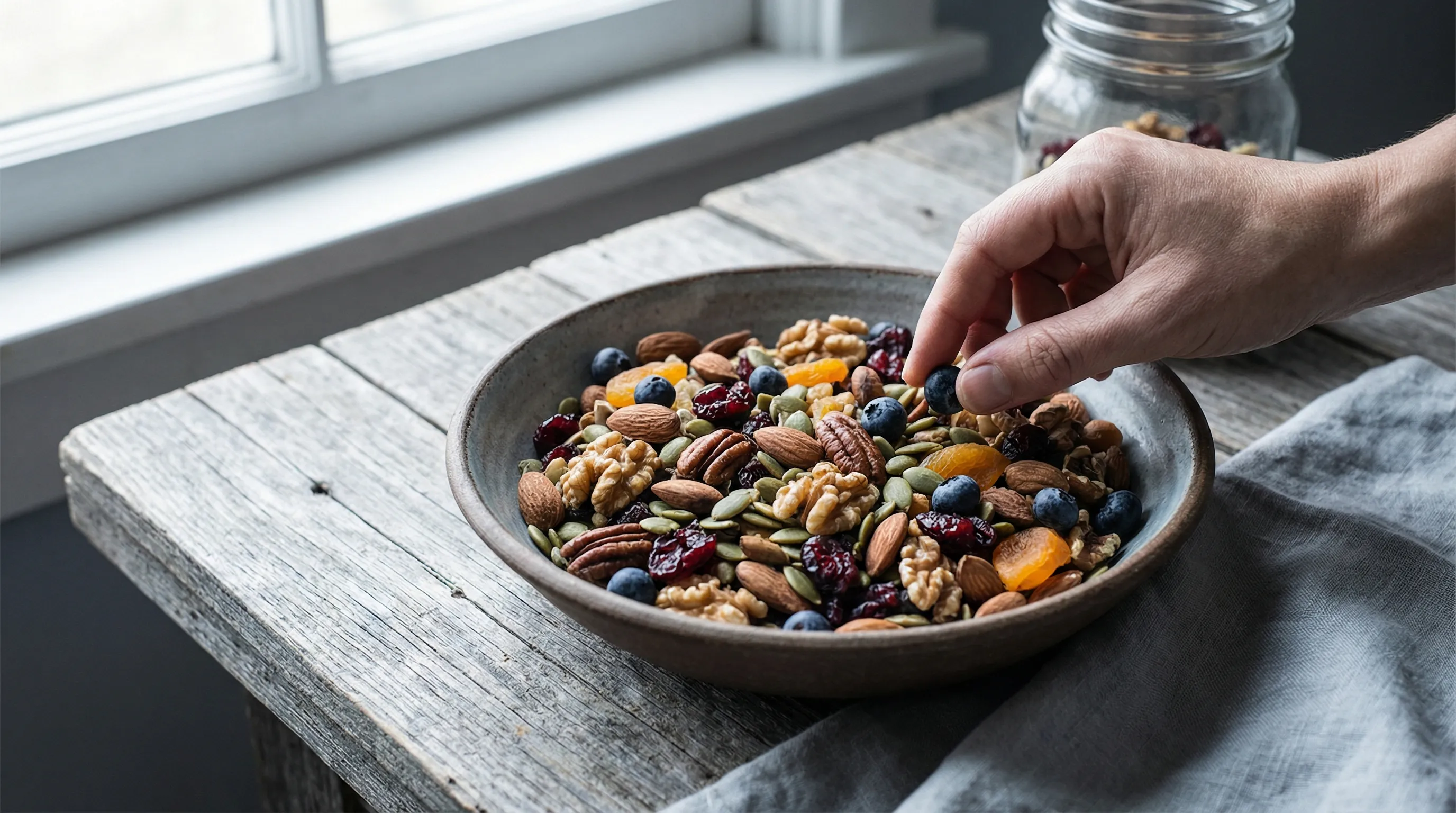 :max_bytes(150000):strip_icc()/GettyImages-1155208643-5c5f8b0c46e0fb0001d8c1a6.jpg "Assorted nuts and dried fruits make a great high-calorie snack")
What Are High-Calorie Snacks?
High-calorie snacks are foods or mini-meals that provide a relatively large amount of energy (calories) in a small serving. In other words, they are calorie-dense foods. For comparison, consider this:
Free calculatorBMI CalculatorCalculate Body Mass IndexOpen the calculatorA large bowl of salad may have fewer calories than a small handful of nuts. 🥗 vs. 🥜
The nuts pack a lot of energy into a tiny volume—that's calorie density. High-calorie snacks are not necessarily "bad" or junk food; it all depends on what those calories are made of. Ideally, a high-calorie snack should also be rich in nutrients like protein, healthy fats, vitamins, and minerals, not just empty calories from sugar or unhealthy fats.
From a physiological standpoint, caloric density is primarily driven by macronutrient composition. Dietary fats provide 9 calories per gram, while both carbohydrates and proteins provide only 4 calories per gram. This fundamental metabolic reality means that foods rich in unsaturated fats naturally pack more energy into smaller physical volumes. When combined with moderate protein and complex carbohydrates, these snacks create a synergistic nutritional profile that supports sustained energy release. The concept of calorie density also intersects with gastrointestinal satiety signaling. Highly voluminous, low-calorie foods like leafy greens or broth-based vegetables trigger stretch receptors in the stomach, promoting early satiety through vagal nerve signaling and leptin release. Conversely, calorie-dense snacks deliver energy without overwhelming gastric capacity, which is particularly beneficial for individuals with delayed gastric emptying, early satiety disorders, or those whose appetites are suppressed by medications, illness, or aging. By focusing on the ratio of calories to volume, individuals can strategically increase their daily energy intake without experiencing uncomfortable bloating or food fatigue, making it easier to meet personalized macronutrient targets and support healthy weight management.
Who Needs High-Calorie Snacks?
- Individuals Trying to Gain Weight: To gain weight or build muscle, you need a calorie surplus. High-calorie snacks help bridge the gap between meals, making it easier to consume an extra 500 calories per day to gain about 1 pound a week.
- Athletes & Highly Active People: Those who burn a lot of energy through physical activity need to replenish calories quickly. Snacks like energy bars or trail mix can provide a quick 300-400 calorie boost to maintain performance.
- People with Busy Schedules: If you often skip meals, a nutritious, high-calorie snack like a banana with almond butter can prevent energy crashes and keep you fueled until your next meal.
- Those with Small Appetites or Medical Needs: The elderly or individuals recovering from illness may struggle with large meals. Calorie-dense snacks or meal replacement smoothies ensure they get adequate nutrition and protein to maintain strength and weight.
Beyond these common categories, several specific medical and physiological conditions strongly benefit from structured, high-calorie snacking protocols. Patients undergoing oncology treatments often experience cancer-associated cachexia, a complex metabolic syndrome characterized by progressive skeletal muscle wasting, systemic inflammation, and profound anorexia. For these individuals, calorie-dense snacks are not optional; they are clinically indicated to preserve lean body mass and improve treatment tolerance. Similarly, patients with gastrointestinal disorders such as Crohn's disease, ulcerative colitis, or short bowel syndrome frequently experience malabsorption, where the digestive tract cannot efficiently extract nutrients from standard meal portions. High-calorie, easily digestible snacks help compensate for these deficits. Individuals with hyperthyroidism experience accelerated basal metabolic rates, often burning 300-500 extra calories daily even at rest, making frequent energy replenishment essential to prevent catabolism. Pregnant and lactating individuals also have substantially elevated caloric and micronutrient requirements; strategic snacking helps support fetal development, maintain maternal hemoglobin levels, and sustain milk production without overloading the stomach during periods of nausea or reduced appetite. Additionally, adolescents experiencing rapid growth spurts, individuals recovering from major surgery or trauma, and those managing eating disorders in the refeeding phase all utilize high-calorie snacks as foundational components of medically supervised nutritional rehabilitation plans. Recognizing these distinct physiological drivers allows for more personalized, effective, and compassionate dietary interventions.
Healthy vs. Unhealthy High-Calorie Snacks
It's crucial to distinguish between healthy, nutrient-dense snacks and unhealthy, empty-calorie ones.
- Healthy, Nutrient-Dense High-Calorie Snacks: These provide calories plus beneficial nutrients like healthy fats, quality protein, complex carbs, vitamins, and minerals. Examples include nuts, seeds, avocados, cheese, and dried fruits.
- Unhealthy High-Calorie Snacks: These are "empty calorie" foods, high in sugar, unhealthy fats, and refined carbs with minimal nutritional benefit. Think candy bars, chips, and sugary pastries. Regularly consuming these can lead to nutrient deficiencies and other health issues.
"It's not just about eating more calories, it's about choosing better calories. Nutrient-dense high-calorie snacks — like nuts, yogurt, and avocados — fuel your body with more than just energy; they provide the building blocks for good health."* – Jane Smith, RD*
The distinction between healthy and unhealthy calorie-dense foods extends far beyond basic macronutrient counts; it fundamentally alters cellular function, inflammatory pathways, and long-term disease risk. Unhealthy high-calorie snacks typically contain high-fructose corn syrup, refined wheat flour, and industrial seed oils that have been heavily processed or partially hydrogenated. When consumed regularly, these ingredients trigger rapid postprandial glucose spikes, followed by compensatory insulin surges that promote visceral fat accumulation, hepatic steatosis, and endothelial dysfunction. Furthermore, diets dominated by ultra-processed, high-calorie snacks are strongly associated with dysbiosis in the gut microbiome, as they lack dietary fiber and polyphenols necessary to feed beneficial bacterial strains. Over time, this microbial imbalance compromises intestinal barrier integrity, increases systemic low-grade inflammation, and negatively impacts mood and cognitive function. Conversely, nutrient-dense high-calorie snacks deliver a synergistic matrix of antioxidants, phytonutrients, and essential fatty acids. Omega-3 rich walnuts, for example, provide alpha-linolenic acid that supports neuronal membrane fluidity and cardiovascular health, while the magnesium and vitamin E in almonds assist in enzymatic reactions that regulate muscle contraction and oxidative stress. The fiber found in whole-food snacks slows carbohydrate digestion, resulting in a flatter, more sustainable blood glucose response. This metabolic stability is critical for preventing reactive hypoglycemia, reducing cravings, and maintaining consistent cognitive focus throughout the day. When selecting snacks, practitioners recommend evaluating the "nutrient-to-calorie ratio" and prioritizing foods with minimal ingredient lists. A practical rule of thumb is to choose snacks that provide at least 3-5 grams of fiber and 5+ grams of protein per serving, while keeping added sugars below 8-10 grams. This approach ensures that every calorie consumed actively contributes to cellular repair, immune function, and metabolic resilience.
Focus on filling your pantry with foods that nourish you while helping you meet your calorie goals.
Top Healthy High-Calorie Snacks (with Examples)
Here is a list of popular, nutrient-dense, and calorie-dense snack options:
- Trail Mix (Nuts and Dried Fruit): A classic snack where a half-cup can provide over 300 calories. Nuts offer healthy fats and protein, while dried fruit adds natural sugars and fiber. Make your own to control ingredients. Pro Tip: For enhanced nutritional value, include roasted edamame or pumpkin seeds to boost iron and zinc content. Those managing blood sugar should balance the ratio of nuts to fruit (aim for a 2:1 volume ratio of nuts to dried fruit) to minimize glycemic impact.
- Nut Butter with Fruit or Crackers: Two tablespoons of peanut or almond butter pack around 180-200 calories. Spread it on apple slices, a banana, or whole-grain crackers for a balanced snack of about 280 calories. Clinical Note: Opt for natural nut butters with no added palm oils or sugars. The healthy monounsaturated fats support lipid profile optimization, while the pairing with fruit provides a complementary mix of fructose and glucose for both immediate and sustained energy release.
- Avocado Toast: One medium avocado contains about 240 calories and is loaded with healthy fats and fiber. Half an avocado on a slice of whole-grain toast is a delicious snack of around 250 calories. Preparation Insight: Avocados are exceptionally rich in potassium and oleic acid, which help modulate blood pressure and reduce LDL cholesterol oxidation. Mashing the avocado with a squeeze of lemon juice and red pepper flakes enhances polyphenol absorption and adds antioxidant compounds that support vascular health.
- Cheese and Whole-Grain Crackers: Cheese is a great source of protein and fat. Two ounces of cheddar with a serving of whole-grain crackers provides a satisfying 250-300 calorie snack with calcium and fiber. Consideration: Aged cheeses contain conjugated linoleic acid (CLA) and probiotics that support bone mineral density and gut immunity. Individuals with lactose intolerance can opt for hard, aged cheeses like Parmesan or Swiss, which naturally contain minimal residual lactose while delivering high-quality casein protein for prolonged satiety.
- Greek Yogurt Parfait (with Granola & Honey): Full-fat Greek yogurt is high in calories and protein. A parfait with granola, honey, and berries can easily reach 300-400 calories, packed with protein, carbs, and probiotics. Nutritional Detail: Full-fat dairy contains fat-soluble vitamins (A, D, E, K2) that are essential for hormonal synthesis and immune regulation. The live cultures in Greek yogurt produce short-chain fatty acids like butyrate, which nourish colonocytes and reinforce intestinal barrier function. Adding a tablespoon of ground flaxseed can further boost omega-3 intake without altering flavor.
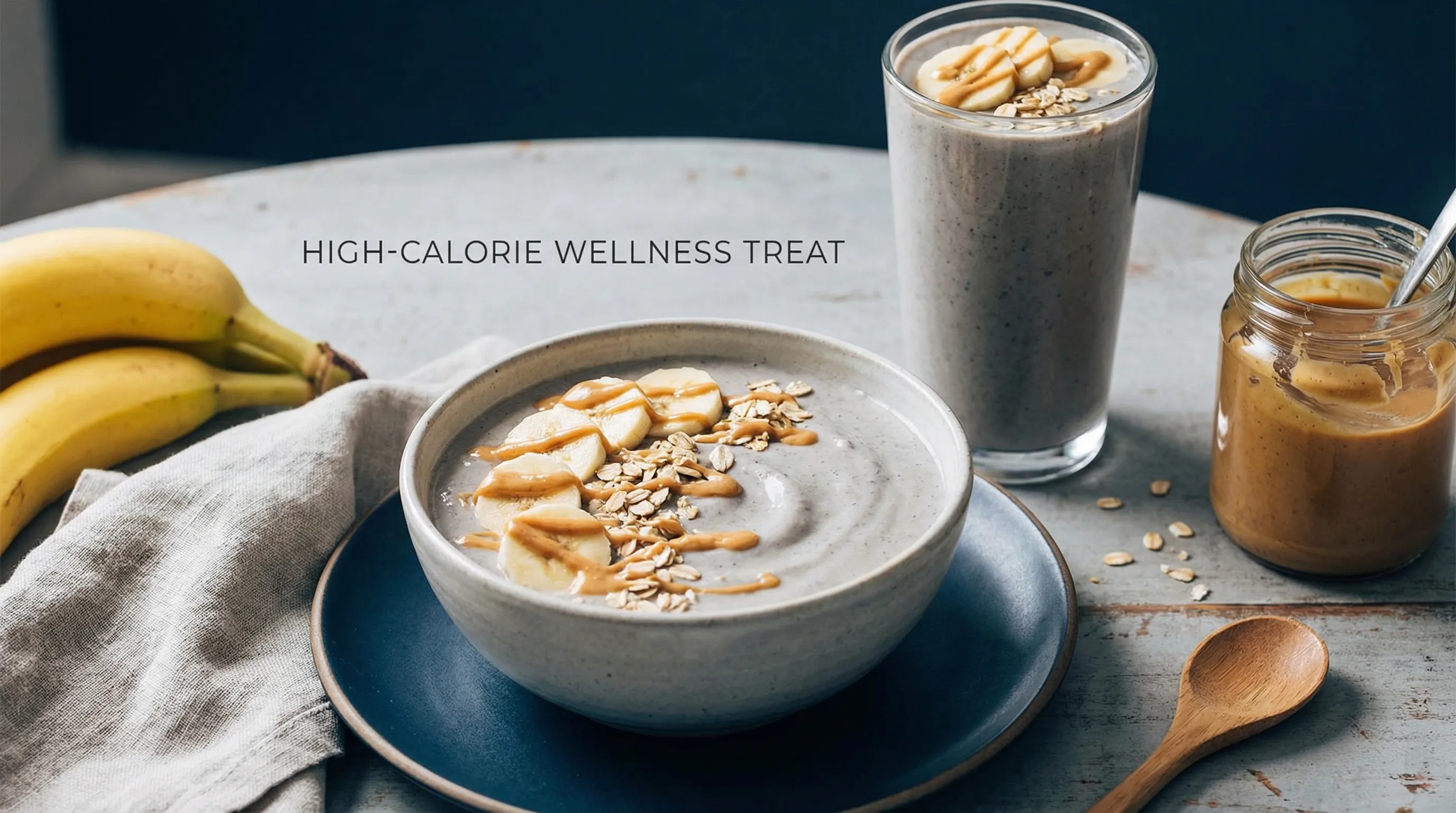
- Homemade Smoothies or Shakes: Blending ingredients like whole milk, nut butter, bananas, and oats is an excellent way to consume a high number of calories and nutrients quickly. A simple smoothie can yield over 450 calories. Medical Application: Liquid nutrition is often recommended for patients with dysphagia, jaw surgery recovery, or severe appetite suppression. The mechanical blending process partially pre-digests fiber and breaks down cellular structures, making macronutrients and micronutrients highly bioavailable and easier to absorb in compromised digestive systems.
- Energy Bars or Protein Bars: Convenient for on-the-go, most bars contain 200-300+ calories. Look for bars made with whole-food ingredients and minimal added sugar. Selection Guide: Many commercial bars use sugar alcohols (like erythritol or maltitol) to reduce calories, which can cause significant gastrointestinal distress and bloating. Opt for bars sweetened with dates, honey, or applesauce, and ensure they contain a complete protein source (such as whey, pea, or brown rice protein isolate) to support muscle protein synthesis.
- Hummus with Pita or Veggies: A quarter-cup of hummus with a whole-wheat pita provides around 310 calories, plus fiber and protein. Drizzle with olive oil to boost the calorie count further. Culinary & Clinical Note: Chickpeas in hummus are a rich source of resistant starch, which ferments in the large intestine to feed beneficial Bifidobacteria. Adding a drizzle of extra virgin olive oil not only increases calories but delivers oleocanthal, a natural anti-inflammatory compound with ibuprofen-like properties that supports joint and cardiovascular health.
- Hard-Boiled Eggs (with Extras): Two hard-boiled eggs offer about 156 calories and 12g of protein. To increase calories, enjoy them as deviled eggs or sliced on buttered toast. Biochemical Benefit: Eggs are one of the most nutritionally complete foods available, providing all nine essential amino acids, choline for hepatic lipid transport, lutein for retinal health, and selenium for thyroid function. For those needing additional calories, preparing deviled eggs with avocado-based filling or Greek yogurt instead of mayonnaise enhances the unsaturated fat content while reducing saturated fat.
- Dark Chocolate and Nuts: A one-ounce piece of dark chocolate (70-85% cocoa) has about 170 calories and antioxidants. Paired with a handful of almonds, it's a satisfying 250+ calorie treat. Research Insight: High-cocoa dark chocolate is clinically demonstrated to improve endothelial function and insulin sensitivity due to its high concentration of flavanols. Combined with the magnesium in almonds, this snack supports muscle relaxation, nervous system regulation, and stress hormone modulation, making it an excellent evening option for recovery and sleep preparation.
Quick Reference Table
| Snack Option | Serving Size | Approx. Calories |
|---|---|---|
| Trail mix (nuts & dried fruit) | ~1/2 cup (70 g) | ~300 cal |
| Peanut butter + banana | 2 Tbsp PB + 1 medium banana | ~280 cal |
| Avocado toast | 1/2 avocado + 1 slice toast | ~250 cal |
| Greek yogurt parfait | 1 cup yogurt + add-ins | ~300-350 cal |
| Cheese & whole-grain crackers | 2 oz cheese + 5-6 crackers | ~250 cal |
| Granola or protein bar | 1 bar (varies by brand) | ~200-250 cal |
*Note: For an extended list of ideas, you can refer to resources like the Mayo Clinic: High-Calorie Diet and Snack Guide.*
Tips for Incorporating High-Calorie Snacks into Your Diet
- Plan Ahead: Keep ready-to-eat snacks at home, work, or in your bag. Pre-portioning nuts or making a batch of energy balls makes healthy snacking easy.
- Eat Smaller, Frequent Portions: If you have a small appetite, aim for 5-6 smaller meals/snacks throughout the day instead of three large meals.
- Boost Existing Snacks: Add calorie-dense ingredients to your regular snacks. Stir nut butter into oatmeal, top crackers with both hummus and avocado, or drizzle olive oil on soups.
- Choose Liquid Snacks: Smoothies, shakes, or whole milk can be easier to consume if you're not feeling hungry. Drinking calories is an effective strategy for weight gain.
- Mind the Sugar: When choosing packaged snacks, check labels for excess added sugar. Opt for snacks with protein and fat to help stabilize blood sugar.
- Listen to Your Body: Monitor how you feel. If you experience discomfort, adjust your snack choices or portion sizes.
- Balance with Exercise: Pair increased calorie intake with strength training to promote muscle gain rather than just fat gain.
- Consult a Professional: If you have specific health goals or medical conditions, speak with a registered dietitian or doctor for personalized advice.
Successfully integrating high-calorie snacks into your routine requires a strategic, physiologically informed approach. Start by applying the principle of progressive caloric adaptation. Sudden, drastic increases in daily intake can overwhelm digestive enzyme production, slow gastrointestinal motility, and cause significant bloating or reflux. Instead, add an extra 150-200 calories per day initially, allowing your metabolic pathways and gut microbiome to adjust over 7-10 days before incrementally increasing further. Hydration management is equally critical; calorie-dense snacks often have lower water content, so ensure you are consuming at least 30-35 mL of water per kilogram of body weight daily to support nutrient transport, renal clearance, and optimal bowel function. Timing also plays a physiological role in metabolic efficiency. Consuming calorie-dense snacks 60-90 minutes after strength training leverages post-exercise insulin sensitivity, directing glucose and amino acids into muscle glycogen stores and myofibrils for repair. For individuals struggling with nighttime reflux or delayed digestion, schedule your highest-calorie snacks earlier in the day, ideally before 3:00 PM, and opt for easily digestible options in the evening. Tracking intake using validated applications or a simple food journal for the first two weeks can reveal patterns in energy fluctuations, hunger cues, and macronutrient distribution. Pay attention to postprandial symptoms; consistent fatigue after snacking may indicate excessive refined carbohydrates, while rapid hunger returns suggest inadequate protein or fat content. Finally, address the psychological component of eating for weight gain. Many individuals experience internalized diet culture guilt when consuming calorie-dense foods. Reframing snacks as essential medical nutrition or athletic fuel, rather than indulgences, supports long-term adherence and fosters a healthier relationship with food.
Video: High-Calorie Snack Ideas in Action
For some creative inspiration, check out these quick video guides to healthy high-calorie snacks. They feature nutrition experts demonstrating easy snack recipes you can try at home:
Frequently Asked Questions (FAQ) about High-Calorie Snacks
Q1: Are high-calorie snacks healthy?
A: High-calorie snacks can be healthy if you choose the right kinds of foods. It's a myth that anything high in calories is automatically bad for you. For example, an ounce of almonds (~160 calories) is far healthier than a 160-calorie candy bar, even though they provide the same energy. The almonds come with fiber, protein, healthy fats, vitamin E, magnesium, etc., whereas the candy bar is mostly sugar and maybe unhealthy fats with little else. The key is focusing on nutrient-dense high-calorie snacks – those that deliver protein, good fats, vitamins, or minerals along with calories. However, if someone consistently eats more calories than their body needs (even from healthy foods), they can gain excess weight. So "healthy" also depends on the context of your overall diet and needs. From a metabolic health standpoint, regular consumption of minimally processed, calorie-dense whole foods has been associated with improved lipid profiles, reduced systemic inflammation, and better glycemic control in longitudinal studies.
Q2: How many calories should a snack have?
A: There's no fixed number that defines a "snack" vs a "meal" – it really depends on your daily calorie goals and hunger levels. Generally, snacks might range from 150 to 300 calories for an average person. High-calorie snacks would be on the upper end or more (300+). For someone trying to lose weight, a 300-calorie snack might be too high; but for someone trying to gain weight, a 300-calorie snack is great, and they might even have larger snacks of 400-500 calories each. The main idea is that snacks are smaller than full meals and meant to keep you fueled between meals. In clinical practice, dietitians often calculate snack calories based on an individual's Total Daily Energy Expenditure (TDEE). Snacks typically account for 15-25% of total daily caloric intake, distributed across 1-3 eating occasions to prevent excessive gastric distension while maintaining steady amino acid and glucose availability for tissues.
Q3: Can I eat high-calorie snacks if I'm trying to lose weight?
A: If your goal is weight loss, you typically want to watch your calorie intake. That doesn't automatically rule out all high-calorie foods, but portion control becomes crucial. You might still include some calorie-dense healthy foods (like nuts or avocado) in small portions for their nutritional benefits, but you'd generally limit super high-calorie snacks. For weight loss, snacks are often in the 100-200 calorie range. Importantly, research shows that including moderate amounts of healthy fats and complete proteins in snacks actually enhances satiety hormone release (CCK, GLP-1, PYY), reducing overall daily hunger and preventing the severe cravings that often derail weight management plans. The key is strategic inclusion, not elimination.
Q4: What are some quick high-calorie snacks I can take to work or school?
A: Great portable high-calorie snacks include:
- Mixed Nuts or Trail Mix: Easy to pack and don't spoil.
- Granola or Protein Bars: Convenient for a quick boost.
- Nut Butter Packets and Crackers: Single-serving packets are perfect for on-the-go.
- Dried Fruit: Calorie-dense and non-perishable.
- Cheese sticks or Babybel cheese: Portable protein and calories.
- Homemade Muffins or Energy Balls: Make a batch for the week. When selecting portable options, prioritize packaging that maintains food safety and prevents oxidation of healthy fats. Single-serve vacuum-sealed packs or airtight containers prevent lipid peroxidation and preserve the bioavailability of sensitive micronutrients like vitamin E and omega-3 fatty acids. Additionally, consider temperature stability; for example, nut butter packets and roasted seeds are shelf-stable for months, making them reliable staples in varying work or school environments.
Q5: I'm an athlete. What high-calorie snacks are best around workouts?
A:
- Before Workout: Focus on easily digestible carbs for quick energy. A peanut butter and honey sandwich or a banana with a handful of nuts are great options about 30-60 minutes before.
- After Workout: Refuel with protein and carbs to repair muscles. A fruit smoothie with whey protein or chocolate milk are excellent for recovery. Athletic nutrition timing hinges on the "anabolic window" and substrate utilization. Pre-workout high-calorie snacks should emphasize carbohydrates with a moderate glycemic index to top off muscle glycogen stores without causing gastrointestinal distress. Post-exercise snacks should maintain a 3:1 or 4:1 carbohydrate-to-protein ratio to optimally stimulate insulin release and drive leucine into muscle tissue. Endurance athletes may benefit from adding MCT oil or easily absorbed maltodextrin to shakes for rapid caloric replenishment without digestive lag.
Q6: Is it okay to have high-calorie snacks at night before bed?
A: It depends on your needs. If you're trying to gain weight, a bedtime snack is fine. A snack with casein protein (like Greek yogurt or cottage cheese) can support muscle repair overnight. The myth that “eating at night makes you fat” is mostly false; your total calorie intake is what matters. However, if you have acid reflux, avoid heavy or high-fat snacks before lying down. Casein protein forms a gel in the acidic environment of the stomach, providing a slow, sustained release of amino acids over 6-8 hours, which is ideal for counteracting overnight catabolism. For optimal digestion and sleep architecture, consume your bedtime snack 45-60 minutes before lying down, keeping fat content moderate to prevent delayed gastric emptying and gastroesophageal reflux symptoms.
Q7: Can high-calorie snacks be part of a healthy diet long-term?
A: Absolutely, as long as they are the right types of foods and align with your calorie needs. Nutrient-dense foods like nuts are high in calories but associated with better health outcomes. The keys to long-term healthy eating are balance, variety, and moderation. Epidemiological data consistently shows that populations consuming moderate-to-high amounts of whole, calorie-dense plant foods and dairy exhibit lower all-cause mortality rates, reduced incidence of metabolic syndrome, and improved cognitive aging trajectories. Integrating these foods habitually, while monitoring portion sizes and adjusting to life stage changes, supports lifelong metabolic flexibility and physiological resilience.
Conclusion
High-calorie snacks can be powerful allies for gaining healthy weight, fueling an active lifestyle, or maintaining energy. The key is to focus on quality over junk, choosing snacks that provide protein, healthy fats, and micronutrients alongside calories. With options ranging from avocado toast to protein smoothies, there are plenty of delicious ways to meet your goals. Plan ahead, listen to your body, and consult a professional if you need personalized guidance.
Sustainable nutritional success ultimately depends on aligning your dietary patterns with your unique physiology, lifestyle demands, and long-term health objectives. High-calorie snacking is not a short-term fix but a foundational dietary strategy that, when executed thoughtfully, supports metabolic adaptation, hormonal balance, and cellular vitality. By prioritizing whole-food ingredients, respecting your hunger signals, and integrating these calorie-dense options seamlessly into your daily rhythm, you cultivate a resilient relationship with food. Remember that consistency outweighs perfection; even small, deliberate additions to your snack repertoire compound into significant physiological benefits over weeks and months. As you navigate your nutritional journey, stay informed, remain adaptable, and trust evidence-based practices to guide your choices.
Happy snacking! 🍏🥜🥑
References & Further Reading
How we work
Researched and drafted with AI assistance, then reviewed by a human editor against the cited sources.
This article is general health information, not medical advice. Consult a qualified healthcare professional about your own situation.