Ears Ringing After Workout: Causes, Solutions, and When to Worry
Key points
- Blood Pressure Medication: If hypertension is the cause, managing your blood pressure with medication or lifestyle changes can eliminate the tinnitus.
- Hearing Aids: If hearing loss is present, hearing aids can amplify external sounds, which often masks the ringing and reduces the brain's focus on the tinnitus.
- Tinnitus Retraining Therapy (TRT): This combines counseling with sound therapy to help your brain habituate to the ringing, making it less noticeable over time.
- Cognitive Behavioral Therapy (CBT): CBT can help manage the emotional distress and anxiety associated with chronic tinnitus, improving your overall quality of life.
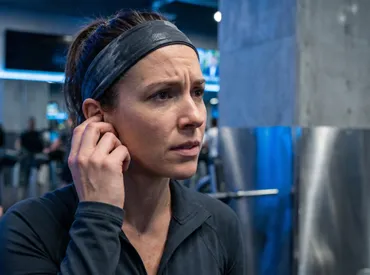
The adrenaline is pumping, your heart rate is elevated, and you are pushing through that final set of squats. You feel accomplished, strong, and alive. But as you rack the weights and catch your breath, a high-pitched whine begins to fill your head. It is not the music from the speakers; it is coming from inside your ears. This phenomenon, known as ears ringing after workout, is more common than many fitness enthusiasts realize, yet it remains a source of significant anxiety and confusion for those who experience it.
While exercise is universally hailed as one of the best things you can do for your cardiovascular health, mental well-being, and longevity, the auditory system is surprisingly sensitive to the physiological stresses placed upon the body during intense physical activity. For some, this ringing is a fleeting nuisance that fades within minutes. For others, it can be a persistent reminder of potential underlying health issues ranging from simple dehydration to complex vascular conditions. Understanding why this happens is crucial not only for protecting your hearing but also for ensuring that your fitness routine is safe and sustainable in the long term.
In this comprehensive guide, we will delve deep into the mechanics of ears ringing after workout. We will explore the anatomical and physiological reasons behind this symptom, differentiate between benign causes and red flags that require medical intervention, and provide actionable strategies to prevent it. Whether you are a seasoned athlete or just starting your fitness journey, knowing how to listen to your body—including the sounds it makes—is essential for optimal health.
The Physiology of Sound and Exercise Stress
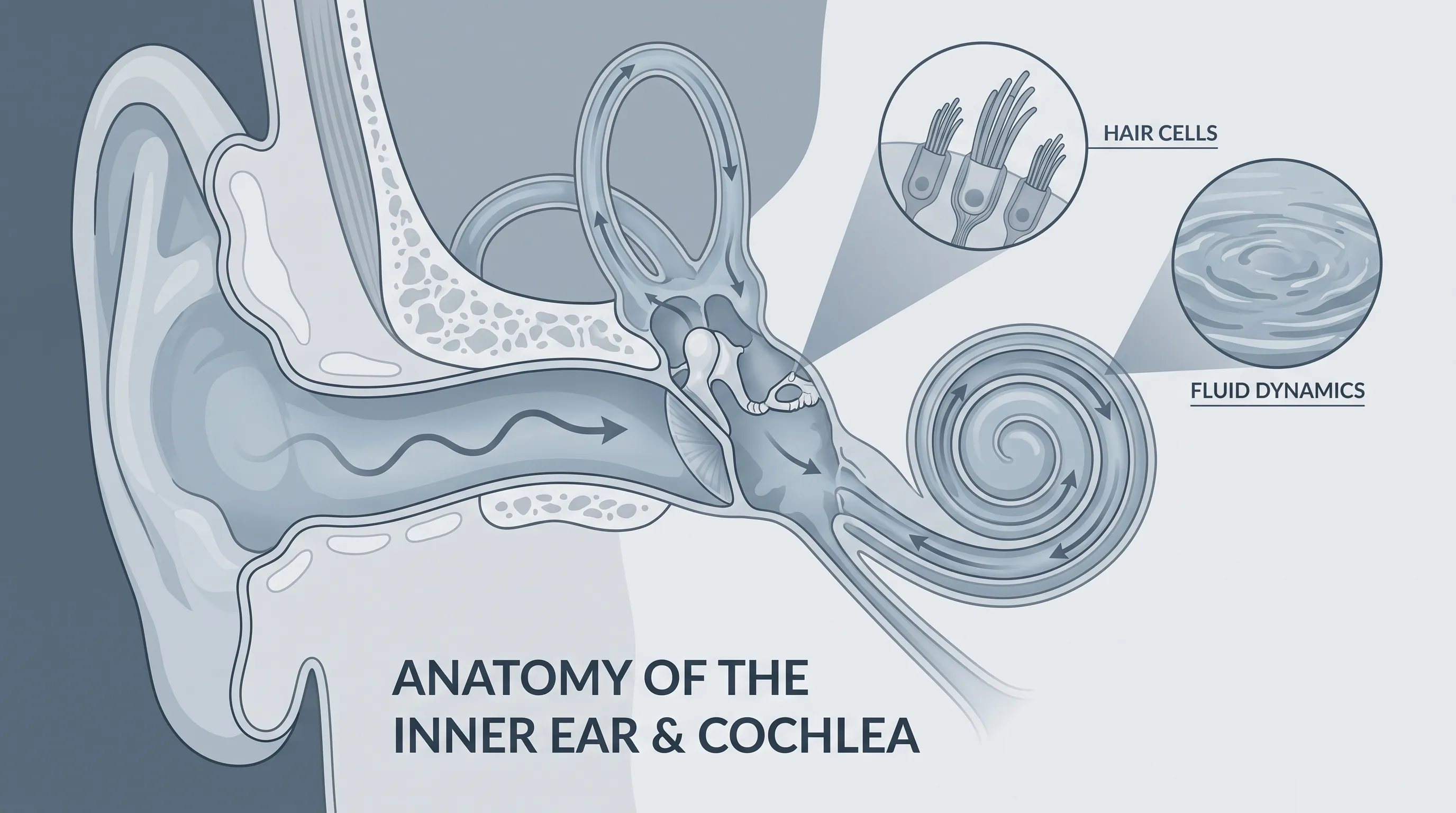
To understand why ears ringing after workout occurs, we must first appreciate the intricate relationship between our cardiovascular system and our auditory system. The inner ear, specifically the cochlea, is a highly vascularized organ. It relies on a steady, precise supply of oxygenated blood to function correctly. The tiny hair cells within the cochlea are responsible for converting sound waves into electrical signals that the brain interprets as sound. These cells are extremely fragile and metabolically active, meaning they require constant energy and waste removal via blood flow.
Free calculatorWater Intake CalculatorCalculate daily water needsOpen the calculatorWhen you engage in physical exercise, your body undergoes a series of dramatic changes. Your heart rate increases to pump more blood to working muscles. Your blood pressure rises to ensure adequate perfusion of tissues. Your breathing rate accelerates to intake more oxygen. While these changes are beneficial for muscle performance, they create a turbulent environment for the delicate structures of the inner ear.
The phenomenon of tinnitus, or ringing in the ears, is essentially a phantom perception of sound. In the context of exercise, this can be triggered by several mechanisms. One primary theory is that the increased blood flow and pressure change the hemodynamics within the cochlea. If the blood vessels supplying the inner ear become engorged or if the pressure within the vessels fluctuates rapidly, it can stimulate the auditory nerve incorrectly, leading to the perception of ringing, buzzing, or hissing. This is why ears ringing after workout is often linked to the intensity of the exertion; the harder you push, the more drastic the physiological shifts.
Furthermore, the autonomic nervous system plays a role. During high-intensity interval training (HIIT) or heavy weightlifting, the sympathetic nervous system (the "fight or flight" response) is activated. This can lead to vasoconstriction in some areas and vasodilation in others, potentially causing temporary ischemia (reduced blood flow) or hyperemia (increased blood flow) in the inner ear. The auditory cortex in the brain may interpret these irregular signals as noise, resulting in tinnitus. Understanding this physiological baseline helps us categorize the various causes of post-exercise tinnitus, which range from benign mechanical issues to more serious systemic conditions.
Common Causes of Ears Ringing After Workout
Identifying the root cause of ears ringing after workout is the first step toward management and prevention. While each individual’s physiology is unique, several common culprits are frequently cited in medical literature and sports medicine practices. By recognizing these triggers, you can adjust your routine to mitigate the risk.
Blood Pressure Spikes and Hypertension
One of the most significant contributors to tinnitus during and after exercise is blood pressure. Exercise naturally causes a temporary increase in systolic blood pressure. For healthy individuals, this is a normal adaptive response. However, for those with undiagnosed or poorly managed hypertension, these spikes can be excessive. High blood pressure forces blood through the arteries with greater force, which can create turbulence that is audible to the sensitive structures of the inner ear. This is often described as pulsatile tinnitus, where the ringing or whooshing sound beats in time with your pulse.
If you consistently experience ears ringing after workout, it may be a sign that your blood pressure is reaching unsafe levels during exertion. This is particularly true for exercises that involve heavy lifting or isometric holds, such as planks or wall sits, which can cause sharp, transient spikes in blood pressure. Monitoring your blood pressure regularly and consulting with a doctor about safe exercise intensities is crucial if you suspect this is the cause. For more information on managing blood pressure, refer to resources from the American Heart Association or the Mayo Clinic.
Dehydration and Electrolyte Imbalance
Water is essential for every bodily function, including hearing. The fluid inside the inner ear, known as endolymph, must maintain a specific chemical balance to transmit sound vibrations accurately. When you sweat during a workout, you lose not just water but also vital electrolytes like sodium, potassium, and magnesium. Dehydration leads to a decrease in blood volume, making the blood thicker and more viscous. This forces the heart to work harder to pump blood, potentially reducing the efficiency of oxygen delivery to the inner ear.
Moreover, electrolyte imbalances can affect nerve function. The auditory nerve relies on proper ion exchange to transmit signals. An imbalance caused by excessive sweating without adequate replenishment can lead to misfiring nerves, perceived as ringing. Many athletes report that their ears ringing after workout symptoms resolve quickly once they rehydrate and restore electrolyte balance, highlighting the critical role of hydration in auditory health. Learn more about proper hydration from the CDC.
Noise-Induced Hearing Damage
Gyms are notoriously loud environments. Between clanking weights, grunting lifters, and booming stereo systems, noise levels can easily exceed 85 to 90 decibels. Prolonged exposure to noise at this level can damage the hair cells in the cochlea. Unlike other cells in the body, these hair cells do not regenerate. Once they are damaged or destroyed, the result is often permanent hearing loss and chronic tinnitus.
Even if you are wearing headphones, if the volume is cranked up to drown out the gym noise, you are compounding the risk. The combination of external noise exposure and the internal physiological stress of exercise can accelerate hearing damage. If you notice that your ears ringing after workout is accompanied by a feeling of fullness or muffled hearing, noise exposure is a likely culprit. This type of tinnitus may take hours or even days to subside, indicating temporary threshold shift, a precursor to permanent damage. The National Institute on Deafness and Other Communication Disorders (NIDCD) provides detailed insights into noise-induced hearing loss.
Jaw Clenching and Temporomandibular Joint (TMJ) Issues
A less obvious but very common cause of exercise-induced tinnitus is jaw clenching. Many people unconsciously clench their jaws when lifting heavy weights or pushing through difficult cardio intervals. The temporomandibular joint (TMJ) is located very close to the ear canal. Tension in the muscles surrounding the jaw, neck, and head can refer pain and sensory signals to the ear.
This somatic tinnitus is linked to the musculoskeletal system rather than the auditory system directly. The tension can alter the pressure in the middle ear or irritate the nerves that share pathways with the auditory nerve. If you find yourself gritting your teeth during your last rep, you might be triggering ears ringing after workout through muscular tension rather than vascular or auditory damage. Learning to keep the jaw relaxed and focusing on breathing can significantly reduce this type of tinnitus. More information on TMJ disorders can be found at the National Institute of Dental and Craniofacial Research.
When to Be Concerned: Red Flags and Medical Conditions
While occasional ringing is often benign, there are scenarios where ears ringing after workout signals a more serious medical issue. It is vital to distinguish between normal physiological responses and symptoms that warrant immediate medical attention. Ignoring these red flags can lead to long-term health complications.
Sudden Hearing Loss
If the ringing is accompanied by a sudden decrease in hearing ability in one or both ears, this is a medical emergency. Sudden Sensorineural Hearing Loss (SSHL) can occur spontaneously or after physical exertion. The window for effective treatment, often involving corticosteroids, is narrow—typically within 72 hours of onset. If you experience ears ringing after workout along with muffled sounds or an inability to hear clearly, seek emergency care immediately. Delaying treatment can result in permanent hearing loss.
Dizziness and Vertigo
The inner ear is not only responsible for hearing but also for balance. The vestibular system works in tandem with the auditory system. If you experience dizziness, lightheadedness, or vertigo (a spinning sensation) alongside the ringing, it could indicate a vestibular disorder such as Meniere’s disease or labyrinthitis. Exercise can exacerbate these conditions by changing fluid pressures in the inner ear. Persistent dizziness combined with ears ringing after workout requires evaluation by an otolaryngologist (ENT specialist) to rule out structural or neurological issues.
Pulsatile Tinnitus
As mentioned earlier, pulsatile tinnitus sounds like a heartbeat in the ear. While it can be caused by high blood pressure, it can also indicate vascular abnormalities such as arteriovenous malformations (AVMs), carotid artery stenosis, or tumors like glomus tumors. If the ringing is strictly rhythmic and synchronous with your pulse, and especially if it is only in one ear, it is important to get imaging studies done. Ears ringing after workout that presents as a strong, throbbing pulse should never be ignored, as it may reflect underlying vascular health issues that extend beyond the ear.
Headaches and Neurological Symptoms
If the ringing is accompanied by severe headaches, visual disturbances, or numbness, it could be related to migraines or even more serious neurological conditions. Exercise-induced migraines are a known entity, and tinnitus can be an aura or accompanying symptom. Additionally, rare conditions like intracranial hypertension can present with these symptoms. Any neurological deficit paired with ears ringing after workout necessitates a thorough neurological examination.
Practical Strategies to Prevent Ears Ringing After Workout
Prevention is always better than cure. By adopting specific habits and modifying your exercise routine, you can significantly reduce the likelihood of experiencing ears ringing after workout. These strategies focus on optimizing your physiological state before, during, and after exercise.
Optimize Hydration and Electrolyte Intake
Hydration should not start when you walk into the gym; it should be a continuous process throughout the day. Aim to drink water consistently, ensuring your urine is pale yellow before you begin exercising. During workouts lasting longer than an hour, or in hot environments, plain water may not be enough. Incorporate electrolyte drinks that contain sodium, potassium, and magnesium. These minerals help maintain the fluid balance in the inner ear and support nerve function.
Consider tracking your sweat rate to understand your specific hydration needs. Weighing yourself before and after a workout can give you an idea of how much fluid you have lost. For every pound lost, aim to drink 16-20 ounces of fluid. Proper hydration ensures that your blood volume remains stable, reducing the strain on your cardiovascular system and minimizing the risk of ears ringing after workout caused by hemodynamic stress.
Monitor and Manage Exercise Intensity
Listening to your body is key. If you notice that high-intensity intervals consistently trigger ringing, consider lowering the intensity or increasing the rest periods between sets. Use a heart rate monitor to stay within your target zones. For many people, keeping the heart rate below a certain threshold prevents the excessive blood pressure spikes that lead to tinnitus.
Gradual progression is also important. Avoid jumping into maximum-effort lifts or sprints without a proper warm-up. A gradual warm-up allows your blood vessels to dilate slowly and your heart rate to rise incrementally, giving your auditory system time to adapt to the changing blood flow. If you feel the ringing start, stop immediately, lower your intensity, and focus on deep, controlled breathing until it subsides.
Protect Your Hearing in the Gym
Noise protection is non-negotiable for long-term ear health. Invest in high-fidelity earplugs designed for musicians or athletes. Unlike foam earplugs that muffle all sound, high-fidelity plugs reduce the volume evenly across frequencies, allowing you to hear conversations and instructions while protecting your ears from damaging decibel levels.
If you use headphones, follow the 60/60 rule: listen at no more than 60% volume for no more than 60 minutes at a time. Take breaks to let your ears recover. Be mindful of your environment; if the gym music is excessively loud, consider switching to a quieter time of day or a different facility. Protecting your ears from external noise reduces the cumulative stress on the cochlea, making it less susceptible to ears ringing after workout induced by internal physiological factors. The CDC offers guidelines on preventing hearing loss from loud noises.
Address Jaw and Neck Tension
Pay attention to your form and posture. Keep your shoulders relaxed and your jaw unclenched. Practice conscious relaxation techniques during your sets. If you struggle with jaw clenching, consider using a mouthguard during heavy lifts, similar to what boxers use. This can help distribute the force and prevent excessive tension in the TMJ.
Incorporate stretching and mobility work for your neck and jaw into your cool-down routine. Gentle stretches for the sternocleidomastoid and trapezius muscles can relieve tension that might be contributing to somatic tinnitus. Massage therapy or foam rolling can also help release tightness in the upper body, reducing the risk of ears ringing after workout caused by muscular referral patterns.
Treatment and Management Options
If you are already experiencing ears ringing after workout, there are several management strategies you can employ. While there is no single "cure" for tinnitus, many treatments can reduce its severity and impact on your quality of life.
Immediate Post-Workout Care
If ringing occurs, stop exercising and sit down in a quiet place. Practice deep breathing exercises to lower your heart rate and blood pressure quickly. Drink water with electrolytes. Sometimes, simply resting and hydrating is enough to make the ringing fade within 10-15 minutes. Avoid exposing yourself to loud noises immediately after the episode, as your ears may be more sensitive.
Medical Interventions
If lifestyle changes do not resolve the issue, consult a healthcare provider. They may recommend:
- Blood Pressure Medication: If hypertension is the cause, managing your blood pressure with medication or lifestyle changes can eliminate the tinnitus.
- Hearing Aids: If hearing loss is present, hearing aids can amplify external sounds, which often masks the ringing and reduces the brain's focus on the tinnitus.
- Tinnitus Retraining Therapy (TRT): This combines counseling with sound therapy to help your brain habituate to the ringing, making it less noticeable over time.
- Cognitive Behavioral Therapy (CBT): CBT can help manage the emotional distress and anxiety associated with chronic tinnitus, improving your overall quality of life.
For comprehensive information on tinnitus treatments, visit the Mayo Clinic or the American Tinnitus Association.
Dietary Adjustments
Certain substances can exacerbate tinnitus. Caffeine, alcohol, and nicotine are known vasoconstrictors or stimulants that can worsen symptoms. Consider reducing your intake of these substances, especially around your workout times. Some studies suggest that a low-sodium diet can help individuals with Meniere’s disease or fluid retention issues, potentially reducing tinnitus frequency. Maintaining a balanced diet rich in antioxidants and anti-inflammatory foods supports overall vascular health, which benefits the inner ear.
Comparing Causes: A Quick Reference Guide
To help you identify the likely cause of your symptoms, refer to the table below. Note that this is for informational purposes only and does not replace professional medical diagnosis.
| Cause | Key Symptoms | Trigger Factors | Recommended Action |
|---|---|---|---|
| High Blood Pressure | Pulsatile ringing (beat-like), headache | Heavy lifting, HIIT, stress | Monitor BP, consult doctor, reduce intensity |
| Dehydration | High-pitched ring, dry mouth, fatigue | Long duration exercise, heat, sweating | Hydrate with electrolytes, rest |
| Noise Exposure | Muffled hearing, fullness in ear, ringing | Loud gym music, high-volume headphones | Use earplugs, lower volume, rest ears |
| TMJ/Jaw Clenching | Clicking jaw, neck pain, variable ringing | Heavy lifting, stress, poor posture | Relax jaw, use mouthguard, stretch neck |
| Inner Ear Disorder | Dizziness, vertigo, fluctuating hearing | Specific movements, exertion | See ENT specialist immediately |
Understanding these distinctions can empower you to take the right steps. For instance, if you suspect noise exposure, buying earplugs is a simple fix. If you suspect blood pressure issues, a doctor's visit is mandatory. Never guess when it comes to your health; use these clues to guide your next actions regarding ears ringing after workout.
Frequently Asked Questions
Is it normal to have ears ringing after a workout?
Occasional, short-lived ringing after intense exercise can be normal due to temporary changes in blood flow or pressure. However, if it persists, is accompanied by hearing loss, or happens frequently, it may indicate an underlying issue such as hypertension or noise-induced damage that requires medical attention.
Can high blood pressure cause tinnitus during exercise?
Yes, high blood pressure (hypertension) can cause pulsatile tinnitus, where you hear a rhythmic whooshing or thumping sound synchronized with your heartbeat. Exercise naturally raises blood pressure, which can exacerbate this condition in individuals who already have hypertension or vascular issues.
How does dehydration affect ears ringing after workout?
Dehydration thickens the blood and reduces overall volume, forcing the heart to work harder to pump oxygen to tissues, including the delicate structures of the inner ear. This increased strain and altered fluid balance in the cochlea can trigger or worsen tinnitus symptoms during and after physical activity.
Should I stop exercising if my ears start ringing?
If the ringing is mild and subsides quickly after cooling down, it may not be necessary to stop completely, but you should reduce intensity. If the ringing is severe, accompanied by dizziness, pain, or sudden hearing loss, you should stop exercising immediately and consult a healthcare provider.
Can loud music at the gym cause permanent ear ringing?
Yes, prolonged exposure to loud music in gyms, often exceeding 85-90 decibels, can damage the hair cells in the inner ear. This noise-induced hearing loss often manifests as tinnitus. Using high-fidelity earplugs can help protect your hearing while still allowing you to hear instructions or stay aware of your surroundings.
Conclusion
Experiencing ears ringing after workout is a signal from your body that should not be ignored. While it can sometimes be a harmless result of temporary physiological changes like increased blood flow or minor dehydration, it can also be a warning sign of more serious conditions such as hypertension, noise-induced hearing loss, or inner ear disorders. By understanding the underlying causes—from vascular dynamics to muscular tension—you can take proactive steps to protect your auditory health.
Key takeaways include the importance of staying hydrated with electrolytes, protecting your ears from loud gym noise with high-fidelity earplugs, managing your exercise intensity to avoid excessive blood pressure spikes, and being mindful of jaw clenching. If the ringing is persistent, pulsatile, or accompanied by other symptoms like dizziness or hearing loss, seek professional medical advice promptly. Early intervention can prevent permanent damage and ensure that your fitness journey remains a source of health and vitality, not auditory distress. Listen to your body, respect its limits, and train smart to keep both your muscles and your ears in top condition.
How we work
Researched and drafted with AI assistance, then reviewed by a human editor against the cited sources.
This article is general health information, not medical advice. Consult a qualified healthcare professional about your own situation.