Flat Feet or Overpronation: Understanding the Difference, Symptoms, and Effective Treatments
Key points
- Arch Pain: Aching or throbbing in the arch, especially after prolonged standing or walking.
- Heel Pain: Often mistaken for plantar fasciitis, pain in the heel can result from the strain placed on the plantar fascia due to excessive stretching.
- Swelling: Swelling along the inside of the ankle, often indicating posterior tibial tendon inflammation.
- Foot Fatigue: A feeling of tiredness or heaviness in the feet.
- Shoe Wear Patterns: Examining the soles of your shoes can reveal clues. Overpronators typically show excessive wear on the inner side of the heel and the big toe area.
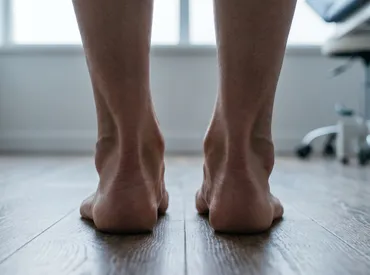
Have you ever noticed that your footprints look like solid rectangles rather than having a distinct curve along the inside edge? Or perhaps you’ve experienced unexplained pain in your knees, hips, or lower back after a long day of walking, only to be told by a specialist that the root cause lies in your feet? You are not alone. Millions of people worldwide navigate life with flat feet or overpronation, conditions that are often misunderstood, misdiagnosed, or simply ignored until pain becomes unbearable.
The human foot is a marvel of biological engineering, composed of 26 bones, 33 joints, and more than 100 muscles, tendons, and ligaments. Its primary job is to support our body weight, absorb shock, and propel us forward. When the architecture of this complex system is altered—specifically when the arch collapses or the foot rolls inward too much—it creates a domino effect of biomechanical inefficiencies. This article dives deep into the intricacies of flat feet or overpronation, helping you distinguish between the two, understand their impact on your overall health, and discover evidence-based strategies to manage symptoms and improve your quality of life. Whether you are an avid runner, a weekend warrior, or someone who stands all day for work, understanding your foot mechanics is the first step toward pain-free movement.
Understanding the Anatomy: What Are Flat Feet?
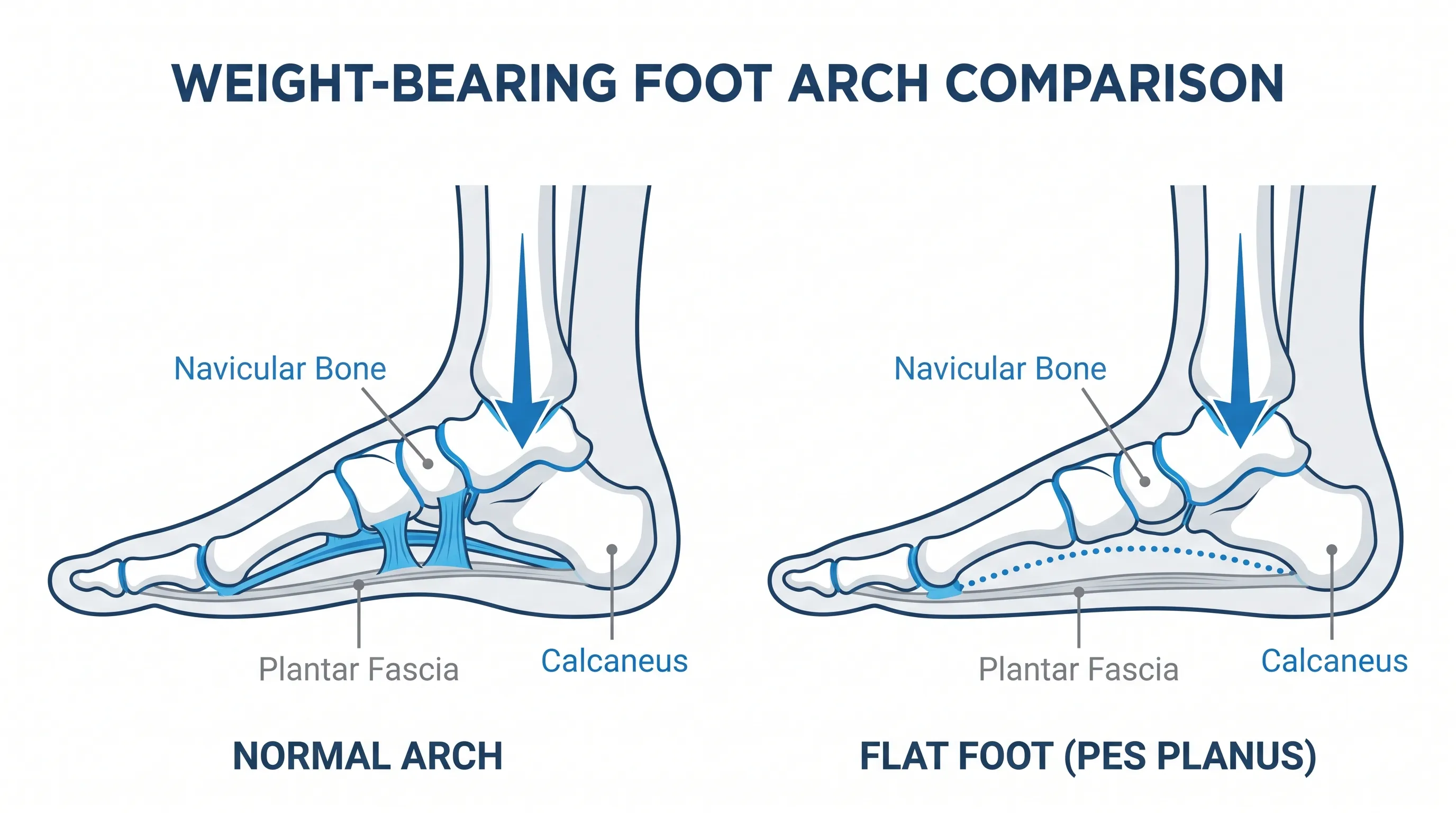
To truly grasp the implications of flat feet or overpronation, we must first look at the anatomy of the foot. The foot is designed with three arches: the medial longitudinal arch (the one most people refer to), the lateral longitudinal arch, and the transverse arch. These arches act as springs, storing and releasing energy as we walk and run.
Free calculatorBMI CalculatorCalculate Body Mass IndexOpen the calculatorDefining Pes Planus
Flat feet, medically known as pes planus, occur when the medial longitudinal arch collapses, causing the entire sole of the foot to come into complete or near-complete contact with the ground. In a healthy foot, there is a visible gap between the inner arch and the floor. In a person with flat feet, this gap disappears when they stand up.
It is crucial to note that flat feet are not always a pathology. Infants and toddlers are born with flat feet because the arch has not yet developed, and a pad of fat often obscures the arch. For many children, the arch develops naturally by age six. However, in some cases, the arch never forms, or it collapses later in life due to wear and tear, injury, or underlying health conditions.
Types of Flat Feet
Not all flat feet are created equal. Medical professionals generally categorize them into two main types:
- Flexible Flat Feet: This is the most common type. The arch is visible when the person is sitting or standing on their tiptoes, but it flattens out when they stand normally with full weight on their feet. Flexible flat feet are often painless and may not require treatment unless symptoms arise.
- Rigid Flat Feet: In this condition, the arch is absent regardless of whether the person is bearing weight or not. Rigid flat feet are often associated with abnormalities in the bone structure of the foot, such as tarsal coalition (where two or more bones in the back of the foot fuse together). This type is more likely to cause pain and stiffness.
Understanding which type you have is essential because the treatment approaches differ significantly. Flexible flat feet often respond well to conservative management, while rigid flat feet may require more intensive intervention.
Decoding Overpronation: The Biomechanical Movement
While flat feet describe a structural state, overpronation describes a dynamic movement. This distinction is vital when discussing flat feet or overpronation because one can exist without the other, although they frequently co-occur.
The Gait Cycle and Pronation
Pronation is a natural and necessary part of the gait cycle. As your heel strikes the ground, your foot naturally rolls inward slightly. This motion helps distribute the force of impact across the foot and allows the foot to adapt to uneven surfaces. It acts as a shock absorber. After pronation, the foot should supinate (roll outward) to become a rigid lever for push-off.
When Pronation Becomes a Problem
Overpronation occurs when the foot rolls inward excessively and fails to resupinate efficiently during the push-off phase. Instead of distributing force evenly, the weight remains on the inner edge of the foot for too long. This excessive inward rolling can strain the ligaments and tendons that support the arch, particularly the posterior tibial tendon.
Because the foot stays in a pronated position longer, it remains flexible and unstable when it should be rigid. This instability forces other parts of the kinetic chain—such as the ankles, knees, hips, and lower back—to compensate, often leading to misalignment and pain.
Many people assume that if they have flat feet, they automatically overpronate. While there is a strong correlation, it is not a universal rule. Some individuals with low arches may have stable feet that do not overpronate significantly, while others with higher arches may still exhibit excessive pronation due to muscle imbalances or ligament laxity. Therefore, a professional gait analysis is often necessary to accurately diagnose flat feet or overpronation issues.
Causes and Risk Factors
Why do some people develop flat feet or overpronation while others maintain perfect arches? The causes are multifactorial, involving genetics, lifestyle, and physiological changes.
Genetic Predisposition
Genetics play a significant role. If your parents have flat feet, you are more likely to have them as well. Certain genetic conditions affect the development of bones and connective tissues, leading to weaker arches. Ligamentous laxity, or loose ligaments, is also hereditary and can contribute to both flat feet and overpronation.
Age and Wear and Tear
As we age, the tendons and ligaments that support the foot arch can stretch out and weaken. The posterior tibial tendon, which is the primary supporter of the arch, is particularly susceptible to degeneration. This condition, known as Posterior Tibial Tendon Dysfunction (PTTD), is a leading cause of adult-acquired flat feet. According to the American Academy of Orthopaedic Surgeons, PTTD progresses in stages, starting with mild inflammation and potentially leading to a complete collapse of the arch.
Obesity and Weight Bearing
Excess body weight places additional stress on the feet. The arches are designed to support a specific load; when that load increases significantly, the structural integrity of the arch can be compromised. Obesity is a major risk factor for the development of flat feet and exacerbates overpronation in those who already have a tendency toward it.
Injury and Trauma
Previous injuries to the foot or ankle, such as fractures, dislocations, or severe sprains, can alter the biomechanics of the foot. Damage to the ligaments or bones can lead to instability, resulting in acquired flat feet or altered gait patterns that mimic overpronation.
Pregnancy
Hormonal changes during pregnancy, specifically the release of relaxin, cause ligaments throughout the body to loosen in preparation for childbirth. This can lead to temporary or permanent flattening of the arches and increased pronation. Combined with the additional weight gained during pregnancy, this creates a perfect storm for foot structure changes.
Symptoms and Complications
Ignoring flat feet or overpronation can lead to a cascade of symptoms that extend far beyond the feet. Because the body functions as a kinetic chain, dysfunction at the base affects everything above it.
Localized Foot Symptoms
The most immediate symptoms are felt in the feet and ankles. These may include:
- Arch Pain: Aching or throbbing in the arch, especially after prolonged standing or walking.
- Heel Pain: Often mistaken for plantar fasciitis, pain in the heel can result from the strain placed on the plantar fascia due to excessive stretching.
- Swelling: Swelling along the inside of the ankle, often indicating posterior tibial tendon inflammation.
- Foot Fatigue: A feeling of tiredness or heaviness in the feet.
- Shoe Wear Patterns: Examining the soles of your shoes can reveal clues. Overpronators typically show excessive wear on the inner side of the heel and the big toe area.
Upstream Kinetic Chain Issues
When the foot does not provide a stable foundation, the rest of the body must compensate. This can lead to:
- Knee Pain: Overpronation causes the tibia (shinbone) to rotate internally, which can misalign the kneecap and lead to patellofemoral pain syndrome or runner’s knee.
- Hip Pain: The internal rotation of the leg can affect the hip joint, leading to bursitis or iliotibial band syndrome.
- Lower Back Pain: Misalignment in the legs and hips can alter pelvic tilt, contributing to chronic lower back pain.
Recognizing these connections is crucial. If you are treating knee pain without addressing the underlying flat feet or overpronation, you may find that the pain returns repeatedly.
Diagnosis and Professional Evaluation
If you suspect you have flat feet or overpronation, seeking a professional diagnosis is the best course of action. Self-diagnosis can be misleading, as what looks like flat feet might be a different structural issue.
Physical Examination
A podiatrist or orthopedic specialist will begin with a physical exam. They will observe your feet while you stand, sit, and walk. A common test is the "wet foot test," where you wet your feet and step onto a piece of paper to see the imprint. However, this is merely a screening tool. A professional will also check for flexibility by asking you to stand on your tiptoes. If an arch appears, you likely have flexible flat feet.
Gait Analysis
For overpronation, a gait analysis is essential. This can be done visually by a trained therapist or using advanced pressure-mapping technology. Video gait analysis allows specialists to see exactly how your foot strikes the ground and moves through the stride cycle. This data is invaluable for determining the severity of overpronation and prescribing the correct footwear or orthotics.
Imaging Studies
In cases of rigid flat feet, pain, or suspected tendon damage, imaging studies such as X-rays, CT scans, or MRIs may be ordered. X-rays can reveal bone abnormalities or arthritis, while MRIs provide detailed images of soft tissues like tendons and ligaments, helping to diagnose posterior tibial tendon dysfunction.
Treatment and Management Strategies
The good news is that flat feet or overpronation can be effectively managed. Treatment goals focus on relieving pain, improving function, and preventing further complications. The approach is usually conservative, with surgery reserved for severe, refractory cases.
Footwear Modifications
The first line of defense is proper footwear. Shoes play a critical role in managing foot mechanics.
- Motion Control Shoes: For severe overpronators, motion control shoes offer firm support on the medial (inner) side of the shoe to limit excessive inward rolling. These shoes are typically heavier and stiffer.
- Stability Shoes: For mild to moderate overpronation, stability shoes provide a balance of cushioning and support. They often feature a dual-density midsole that is firmer on the inside.
- Arch Support: Look for shoes with built-in arch support that matches your foot shape. Avoid completely flat shoes like flip-flops or ballet flats, which offer no structural support.
For more information on choosing the right shoes, the Mayo Clinic provides excellent guidelines on footwear selection.
Orthotic Devices
Orthotics are inserts placed inside shoes to support the arch and correct biomechanical issues.
- Over-the-Counter (OTC) Orthotics: These are widely available and can be very effective for mild cases. Look for brands that offer firm arch support and heel cupping. They are a cost-effective way to trial support before investing in custom devices.
- Custom Orthotics: Prescribed by a podiatrist, these are molded specifically to your foot’s shape. They address unique biomechanical issues and provide precise support. While more expensive, they are often necessary for severe flat feet or overpronation or when OTC options fail.
Physical Therapy and Exercises
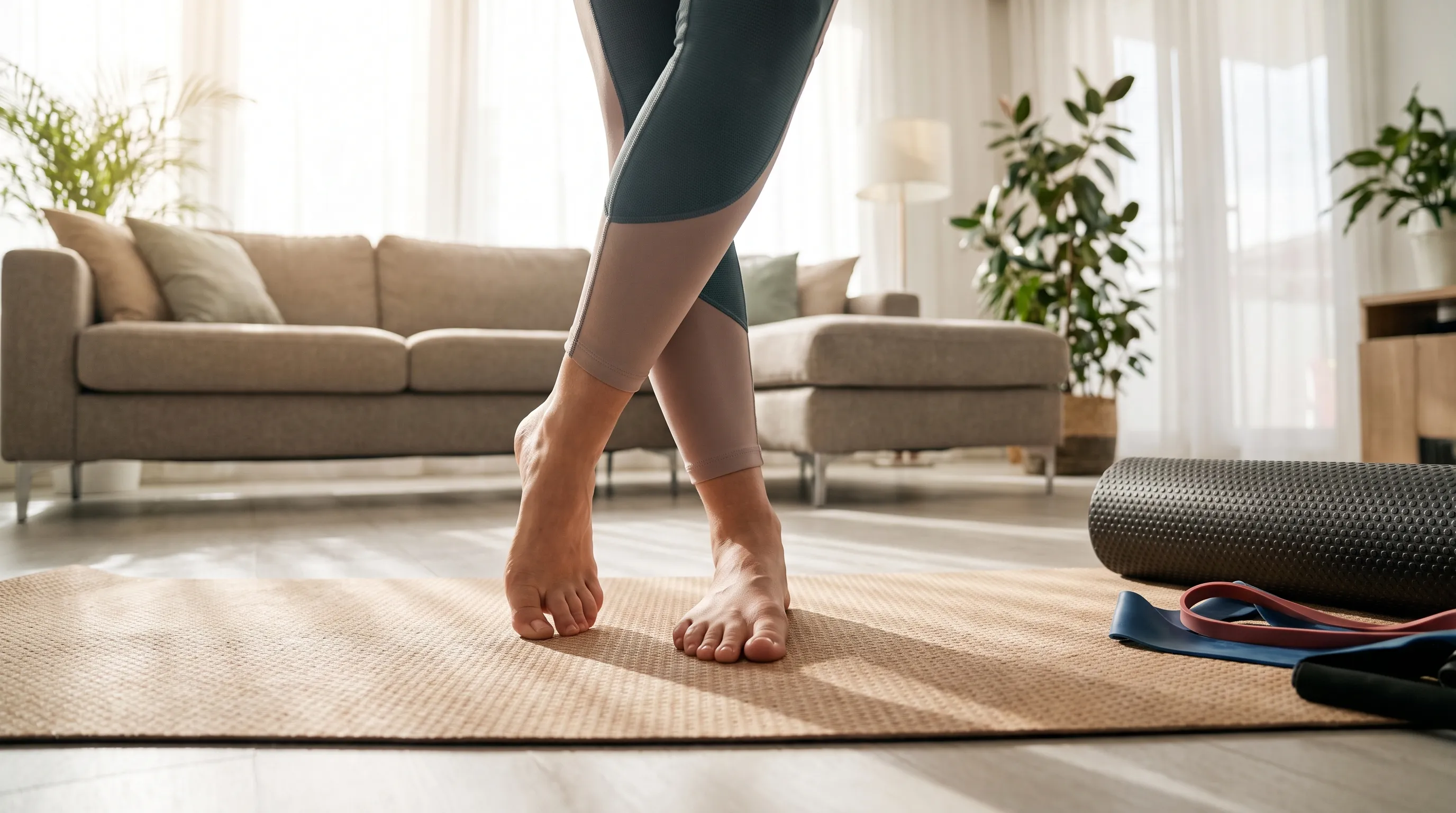
Strengthening the muscles of the foot and lower leg can help support the arch and improve stability. A physical therapist can design a personalized program, but here are some foundational exercises:
- Short Foot Exercise: Sit or stand with your foot flat on the floor. Without curling your toes, try to shorten your foot by pulling the ball of your foot toward your heel, engaging the arch muscles. Hold for 5 seconds and repeat.
- Heel Raises: Stand with your feet hip-width apart. Slowly rise onto your toes, hold for a moment, and lower back down. This strengthens the calf muscles and the posterior tibial tendon.
- Toe Yoga: Try to lift only your big toe while keeping the other four toes on the ground, then switch. This improves independent toe control and intrinsic foot strength.
- Calf Stretches: Tight calf muscles can exacerbate overpronation. Regular stretching of the gastrocnemius and soleus muscles can improve ankle mobility and reduce strain on the foot.
Lifestyle Modifications
Weight management is crucial for reducing stress on the feet. Even a modest reduction in body weight can significantly decrease the load on the arches. Additionally, avoiding high-impact activities on hard surfaces can help manage symptoms. Low-impact exercises like swimming, cycling, or using an elliptical machine allow you to stay fit without pounding your feet.
Surgical Options
Surgery is considered only when conservative treatments fail to relieve pain and disability. Procedures may include tendon transfers, osteotomies (cutting and realigning bones), or fusions. Recovery from foot surgery can be lengthy, requiring weeks to months of non-weight bearing and rehabilitation. Therefore, it is always viewed as a last resort.
Prevention and Long-Term Care
While you cannot change your genetics, you can take steps to prevent the progression of flat feet or overpronation and minimize symptoms.
Regular Foot Checks
Pay attention to changes in your foot structure or pain levels. Early intervention is key to preventing secondary issues like knee or back pain. If you notice new pain or changes in your gait, consult a specialist promptly.
Proper Warm-Up and Cool-Down
If you are active, ensure you warm up properly before exercise. Dynamic stretches that mobilize the ankles and feet can prepare them for activity. Cooling down with static stretches helps maintain flexibility.
Rotate Your Shoes
Wearing the same pair of shoes every day can accelerate wear and tear. Rotating between two or three pairs of supportive shoes ensures that the cushioning and support structures remain effective for longer.
Frequently Asked Questions
What is the main difference between flat feet and overpronation?
Flat feet (pes planus) refer to the structural absence or collapse of the foot's arch when standing. Overpronation is a biomechanical movement pattern where the foot rolls inward excessively during the gait cycle. While flat feet often cause overpronation, it is possible to have flat feet without severe overpronation, and vice versa.
Can flat feet be corrected in adults?
In most cases, adult-acquired flat feet cannot be permanently 'corrected' to restore a high arch without surgery. However, symptoms can be effectively managed through supportive footwear, custom orthotics, physical therapy, and strengthening exercises to improve function and reduce pain.
Do I need custom orthotics for flat feet or overpronation?
Not everyone needs custom orthotics. Many individuals find relief with high-quality over-the-counter arch supports designed for motion control. Custom orthotics are typically recommended for severe cases, significant pain, or when standard inserts fail to provide adequate support.
Is overpronation bad for running?
Mild pronation is natural and helps absorb shock. However, excessive overpronation can lead to inefficient energy transfer and increase the risk of injuries such as shin splints, plantar fasciitis, and knee pain. Runners with overpronation often benefit from stability or motion-control shoes.
What are the best exercises for flat feet?
Effective exercises include short foot exercises, heel raises, toe yoga, and calf stretches. Strengthening the tibialis posterior muscle and the intrinsic muscles of the foot helps support the arch and improve overall foot stability.
Conclusion
Navigating the world of flat feet or overpronation can feel overwhelming, but knowledge is power. By understanding the difference between the structural condition of flat feet and the functional movement of overpronation, you can make informed decisions about your health. Remember, these conditions are common and manageable. With the right combination of supportive footwear, targeted exercises, and professional guidance, you can alleviate pain, prevent future injuries, and keep moving with confidence. Do not ignore persistent foot pain; seek evaluation from a healthcare provider to create a personalized plan that keeps you on your feet, literally and figuratively, for years to come.
How we work
Researched and drafted with AI assistance, then reviewed by a human editor against the cited sources.
This article is general health information, not medical advice. Consult a qualified healthcare professional about your own situation.