How Quickly Does B12 Shot Work? Complete Medical Timeline & Recovery Guide
You have likely been prescribed a vitamin B12 injection to combat persistent exhaustion, cognitive fog, or unexplained tingling in your extremities, and naturally, you want to know exactly how quickly does b12 shot work to restore your vitality. The short answer is that therapeutic effects begin at the cellular level within 24 to 72 hours, with most individuals experiencing tangible improvements in fatigue and mood between 48 hours and two weeks. However, the complete restoration of depleted body stores, normalization of blood counts, and repair of nerve tissue follow distinctly different physiological timelines. Understanding this progression is critical for setting realistic expectations, adhering to your prescribed protocol, and avoiding premature discontinuation of therapy when you do not feel an instant transformation. Unlike oral supplements that must survive harsh stomach acid and bind with intrinsic factor, injectable formulations bypass the entire digestive cascade, delivering bioavailable cobalamin directly into your systemic circulation according to the Mayo Clinic. This pharmacokinetic advantage is precisely why intramuscular or subcutaneous administration remains the clinical gold standard for individuals with severe deficiency, documented malabsorption syndromes, or progressive neurological symptoms. In this comprehensive, evidence-based guide, we will break down the exact week-by-week recovery timeline, explain how different B12 forms influence your results, outline what hematological markers to monitor, and provide actionable strategies to maximize your therapeutic response while navigating common misconceptions about supplementation speed.
Understanding Vitamin B12 and Its Role in the Body
Before diving into the precise timeline of how quickly does b12 shot work, it is essential to understand why this micronutrient is non-negotiable for human physiology. Vitamin B12, also known as cobalamin, is a water-soluble vitamin that serves as an indispensable cofactor in two fundamental enzymatic pathways: methionine synthase and methylmalonyl-CoA mutase per the National Institutes of Health (NIH). These enzymes drive critical processes including DNA synthesis, red blood cell formation, myelin sheath maintenance, and the conversion of homocysteine to methionine. When B12 levels fall below the clinical threshold of 200 pg/mL, cellular replication slows, homocysteine accumulates, and methylmalonic acid (MMA) builds up in tissues and serum. Elevated MMA and homocysteine are highly specific biomarkers for functional deficiency, often appearing before standard serum B12 readings dip into the critically low range. This biochemical bottleneck explains why patients experience profound fatigue, shortness of breath, pale skin, and cognitive disturbances long before anemia is visibly confirmed on a standard blood panel.
Free calculatorBMI CalculatorCalculate Body Mass IndexOpen the calculatorWhat Makes B12 Absorption So Complex?
Oral vitamin B12 absorption is a multi-step, highly regulated process. First, dietary protein-bound cobalamin must be liberated by gastric acid and pepsin. Next, it binds to R-binders in saliva and gastric secretions before traveling to the duodenum, where pancreatic enzymes cleave it free to bind with intrinsic factor, a glycoprotein secreted by gastric parietal cells. This B12-intrinsic factor complex then migrates to the terminal ileum, where specific receptors mediate active transport into the bloodstream. Any disruption along this pathway compromises absorption efficiency as detailed by the Cleveland Clinic. This complexity is precisely why parenteral administration is so effective when answering how quickly does b12 shot work: the injection circumvents gastric pH requirements, intrinsic factor dependency, and ileal transport limitations entirely. Within minutes, the vitamin diffuses into muscle tissue or subcutaneous fat, enters capillary networks, and binds rapidly to transcobalamin proteins for systemic delivery.
Common Causes of B12 Deficiency
Deficiency rarely stems from inadequate dietary intake alone, except in strict vegan or vegetarian populations who avoid fortified foods and have maintained these diets for several years. Far more frequently, malabsorption drives clinical deficiency. Pernicious anemia, an autoimmune condition where antibodies destroy gastric parietal cells or intrinsic factor itself, remains a leading cause. Patients who have undergone gastric bypass surgery, ileal resections, or those managing chronic gastrointestinal inflammation from Crohn's disease or celiac disease face significantly elevated risks. Age is another profound factor; approximately 15–20% of adults over age 60 develop atrophic gastritis, reducing acid production and intrinsic factor availability. Additionally, long-term use of proton pump inhibitors (PPIs) for acid reflux and metformin for type 2 diabetes has been consistently linked to diminished B12 status through altered gastric pH and intestinal calcium metabolism, according to clinical data reviewed by the NIH. Recognizing these underlying etiologies ensures that treatment protocols address root causes rather than merely masking symptoms with temporary supplementation.
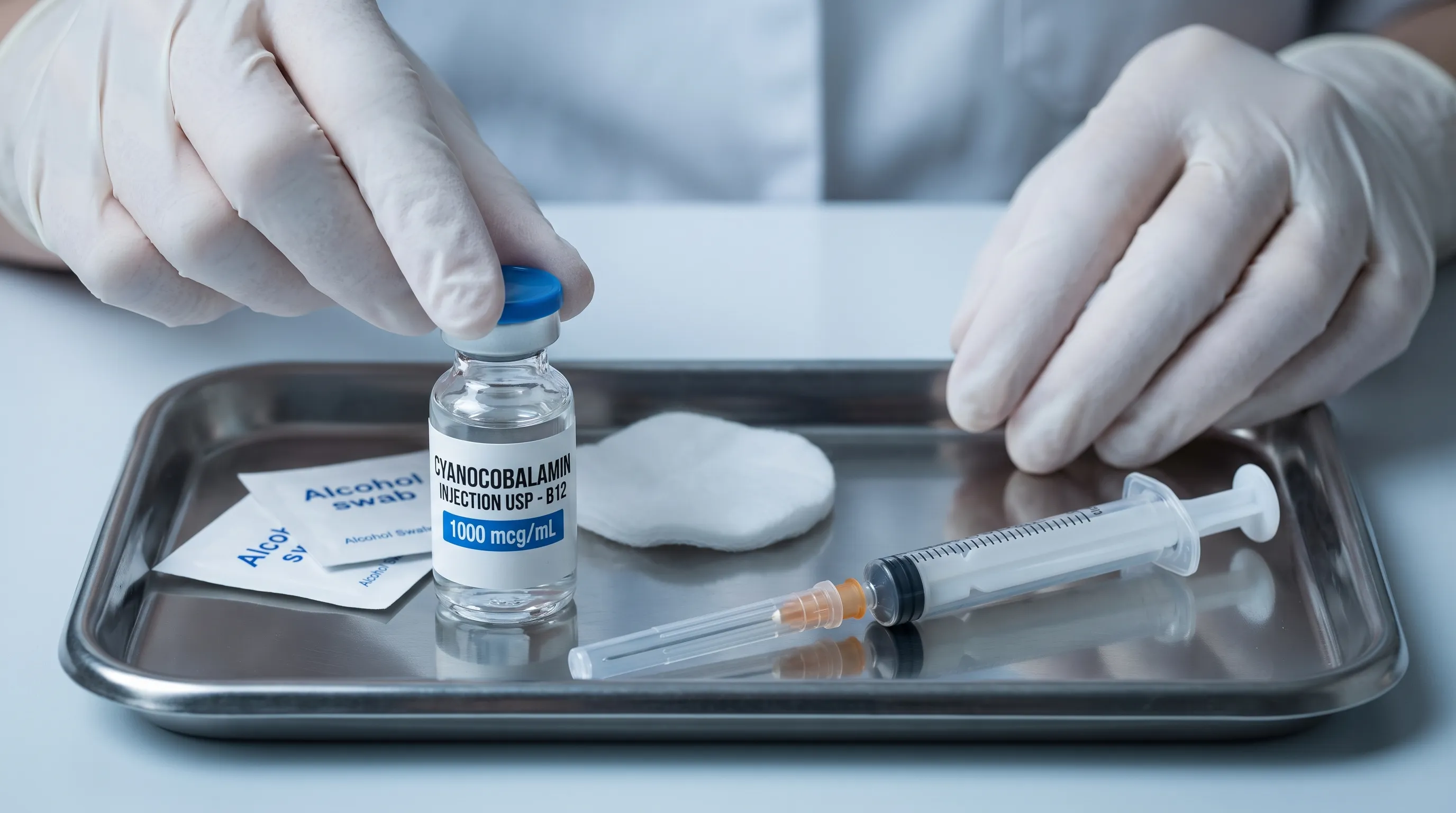
How Quickly Does B12 Shot Work: The Pharmacokinetic Timeline
When clinicians evaluate how quickly does b12 shot work, they track three distinct physiological phases: immediate pharmacokinetic absorption, early biochemical response, and gradual clinical resolution. Parenteral administration creates a rapid spike in serum cobalamin that oral formulations simply cannot match, but tissue utilization and hematopoietic recovery operate on biological schedules that cannot be rushed. Understanding these phases helps patients distinguish between normal recovery pacing and potential treatment non-responsiveness.
Immediate Absorption and Systemic Delivery
Following an intramuscular injection, cyanocobalamin, hydroxocobalamin, or methylcobalamin diffuses directly into the capillary bed surrounding the injection site. Peak serum concentrations are typically achieved within 6 to 24 hours, depending on the formulation and injection volume. Hydroxocobalamin, favored in European guidelines, exhibits higher protein-binding affinity, resulting in prolonged tissue retention and reduced renal excretion compared to cyanocobalamin. Within the first 12 hours, circulating B12 binds to transcobalamin I and II, facilitating transport to highly active metabolic organs like the liver, bone marrow, and nervous system. Serum levels often normalize within a single day, creating the illusion of complete recovery. However, this early biochemical surge merely represents circulating availability, not tissue saturation or functional restoration.
The First 72 Hours: Cellular Activation
During the initial three days post-injection, your cells begin rapidly correcting metabolic bottlenecks. Mitochondrial energy production, previously impaired due to disrupted methylmalonyl-CoA conversion, resumes efficient adenosine triphosphate (ATP) synthesis. Many patients report a subtle but perceptible lifting of brain fog, improved mood stability, and a noticeable reduction in that heavy, leaden fatigue within this 24–72 hour window. Concurrently, bone marrow stem cells receive the necessary cofactors to resume erythropoiesis. If you undergo a complete blood count during this phase, you may observe a modest rise in hemoglobin and hematocrit, though these values remain far from optimal. The body prioritizes cellular stabilization over rapid blood volume replacement, which is why dramatic energy spikes in the first 48 hours should be viewed as early biochemical reactivation rather than full physiological restoration.
One to Two Weeks: Symptom Relief Begins
As tissue saturation improves, clinical symptoms begin to align with laboratory corrections. Fatigue continues to recede, and patients often describe waking up feeling genuinely rested rather than merely surviving the morning. Mild paresthesia, such as intermittent tingling in the fingers or toes, frequently diminishes during this window as myelin synthesis resumes. However, it is crucial to emphasize that nerve tissue repair is exceptionally slow. Axonal remyelination and regeneration occur at a rate of approximately 1 to 2 millimeters per day, meaning structural neurological recovery spans months, not days. Patients seeking answers about how quickly does b12 shot work for numbness must prepare for a 3-to-6-month rehabilitation window, with the understanding that severe, long-standing deficits may require adjunctive neurological therapy and physical rehabilitation.
Factors That Influence the Speed of Results
Not every patient experiences the same recovery velocity. Several clinical and physiological variables significantly modulate how quickly does b12 shot work and how completely deficiency symptoms resolve. Personalizing expectations based on these factors prevents unnecessary anxiety and promotes adherence to long-term maintenance protocols.
Severity and Duration of Deficiency
The degree of tissue depletion directly dictates recovery pacing. A patient with mild deficiency (serum B12 between 200–300 pg/mL) who has experienced symptoms for only a few months typically notices rapid improvements across energy, cognition, and mild neurological complaints. Conversely, individuals with profound deficiency (<150 pg/mL), markedly elevated MMA levels, and symptoms persisting for years face extended recovery curves. Chronic B12 depletion causes cumulative oxidative stress and structural changes in red blood cells and nerve fibers. Even after serum levels normalize, the body requires extended periods to rebuild depleted hepatic stores, replace aged erythrocytes, and reconstruct damaged neural pathways. Patience during this phase is medically justified and clinically documented.
Underlying Absorption Issues
Patients with active malabsorption syndromes or untreated gastrointestinal inflammation may require higher loading frequencies initially. If celiac disease remains unmanaged, or if chronic pancreatitis impairs R-binder cleavage, systemic utilization of supplemental B12 may proceed more slowly until the primary condition is addressed. Additionally, genetic polymorphisms affecting transcobalamin receptors or intracellular cobalamin metabolism enzymes can subtly alter tissue uptake rates. In these scenarios, clinicians often extend the loading phase from one week to two weeks before transitioning to maintenance dosing, ensuring adequate tissue saturation before spacing out injections.
Form of Injectable B12 Used
While cyanocobalamin remains the most widely studied and cost-effective formulation globally, methylcobalamin and hydroxocobalamin exhibit distinct pharmacological profiles. Hydroxocobalamin's extended half-life allows for less frequent maintenance dosing and provides steady, sustained tissue levels, which many patients prefer for stable energy without the slight metabolic conversion burden required for cyanocobalamin. Methylcobalamin, the biologically active coenzyme form, bypasses hepatic conversion entirely and is frequently selected by practitioners treating neurological or cognitive presentations, though robust comparative trials demonstrating superior clinical outcomes over cyanocobalamin remain limited. The choice of formulation influences dosing frequency more dramatically than the ultimate ceiling of symptom resolution.
Clinical Guidelines and Treatment Protocols
Standardized dosing regimens exist to optimize how quickly does b12 shot work while preventing rapid renal clearance and maintaining steady tissue concentrations. Hematological societies worldwide have established evidence-based protocols that balance rapid correction with long-term sustainability as outlined by major health organizations and the NIH.
Standard Loading and Maintenance Doses
For severe deficiency or pernicious anemia, the initial loading phase typically consists of 1,000 mcg intramuscularly every other day for one to two weeks. This aggressive approach rapidly saturates transcobalamin binding sites, maximizes hepatic storage, and initiates robust reticulocytosis. Following this intensive phase, maintenance dosing usually transitions to 1,000 mcg monthly, or every two to three months if hydroxocobalamin is utilized. Patients with mild deficiency or those responding exceptionally well may shift directly to bi-weekly or monthly injections. Adherence to this phased approach ensures that biochemical markers stabilize before tapering therapy, preventing rebound deficiency that can occur if treatment is discontinued prematurely.
Oral vs. Injectable: What the Research Says
While injections bypass malabsorption barriers entirely, contemporary research reveals that high-dose oral B12 (1,000–2,000 mcg daily) can achieve comparable serum normalization in many patients through passive diffusion. Approximately 1% of an oral dose is absorbed independently of intrinsic factor via paracellular transport in the intestinal mucosa. This means that consuming 1,000 mcg orally yields roughly 10 mcg of systemic absorption, which is sufficient for maintenance once acute deficiency has been resolved. However, for patients with profound neurological symptoms, documented pernicious anemia, or active gastrointestinal disease, intramuscular administration remains unequivocally preferred. The injectable route guarantees 100% bioavailability, eliminates compliance fatigue from daily pill regimens, and provides faster initial correction when neurological preservation is paramount per clinical guidance from the Cleveland Clinic. Your provider will determine the optimal route based on deficiency severity, comorbid conditions, and lifestyle preferences.
| Timeframe | Physiological Event | Clinical Expectation |
|---|---|---|
| 0–24 Hours | Serum B12 rises sharply; transcobalamin binding | Laboratory normalization begins; no dramatic symptom change yet |
| 24–72 Hours | Mitochondrial ATP production resumes; cellular metabolism stabilizes | Early energy improvement, mental clarity returns, fatigue lightens |
| 3–7 Days | Bone marrow reticulocyte count increases | New red blood cells enter circulation; hemoglobin begins gradual rise |
| 1–2 Weeks | Myelin synthesis reactivates; tissue B12 stores replenish | Noticeable reduction in fatigue, mood stabilization, mild paresthesia improves |
| 4–8 Weeks | Erythropoiesis completes; hemoglobin normalizes | Anemia resolves, shortness of breath fades, exercise tolerance improves |
| 3–6 Months | Axonal remyelination and neural pathway optimization | Maximum neurological recovery; chronic tingling/numbness stabilizes |
What to Expect During Treatment: A Week-by-Week Guide
Tracking your progress objectively helps you understand how quickly does b12 shot work for your unique physiology. While individual responses vary, the following week-by-week framework aligns with clinical trial data and real-world patient outcomes documented by major health institutions.
Week 1: Initial Biochemical Shifts
During the first seven days, your body is primarily occupied with metabolic triage. You may feel a slight energy boost by day three or four, but this should not be interpreted as full recovery. Laboratory markers will show rapidly rising serum B12 and declining MMA levels. If your clinician orders a reticulocyte count, they will likely see a 2–4% increase, confirming active bone marrow stimulation. Fatigue may feel intermittent rather than constant. Sleep architecture often improves slightly as methionine synthesis normalizes, reducing homocysteine-induced neuroexcitation. Stay hydrated, maintain balanced electrolyte intake, and avoid excessive caffeine, which can mask early energy signals and disrupt natural recovery rhythms.
Weeks 2–4: Noticeable Energy and Mood Improvements
This phase marks the transition from biochemical correction to tangible quality-of-life enhancement. Most patients report sustained morning energy, improved exercise tolerance, and significantly clearer cognitive processing. Brain fog lifts, and word recall sharpens as neural methylation processes stabilize. Skin pallor gradually fades as new erythrocytes enter circulation, though full hemoglobin normalization requires additional weeks. If you experienced digestive disturbances related to autonomic neuropathy or gut dysbiosis secondary to deficiency, bowel regularity typically improves. Continue adhering to your prescribed injection schedule, prioritize protein-rich and nutrient-dense foods to support erythropoiesis, and engage in light aerobic activity to stimulate circulation and cellular oxygen utilization.
Months 3–6: Neurological Healing and Long-Term Stability
Neurological recovery operates on a fundamentally different timescale than hematological correction. Remyelination is a slow, energy-intensive process requiring consistent B12 availability, adequate folate, iron, and omega-3 fatty acids. During this extended window, chronic numbness, balance disturbances, or fine motor coordination deficits gradually recede. Physical therapy becomes highly beneficial if peripheral neuropathy has impaired proprioception. Liver B12 stores, which serve as your body's reserve bank, take approximately three to six months to fully replenish. Once stabilized, maintenance injections prevent relapse and protect against silent neurological degradation. Patients who maintain consistent therapy during this phase typically experience sustained vitality, optimized cardiovascular risk markers, and long-term cognitive protection.

Safety, Side Effects, and Monitoring
Understanding the safety profile of injectable B12 ensures that patients navigate therapy confidently while recognizing when to seek clinical guidance. Parenteral cobalamin exhibits an exceptionally favorable safety profile due to its water-soluble nature and rapid renal clearance of excess amounts, as noted by the Mayo Clinic.
Common Side Effects and How to Manage Them
Adverse reactions are infrequent and typically mild. Injection site discomfort, localized swelling, or transient erythema occurs in approximately 10–15% of patients. Applying gentle pressure post-injection, rotating injection sites (deltoid, ventrogluteal, or lateral thigh), and using a 23–25 gauge needle minimizes tissue trauma. Some individuals experience mild gastrointestinal upset, transient diarrhea, or mild pruritus during the initial loading phase as gut flora adjusts to shifting metabolic byproducts. Rarely, transient acneiform eruptions occur due to increased cellular turnover. These symptoms typically resolve within 48 hours and do not necessitate treatment discontinuation. Severe allergic reactions, including anaphylaxis, occur in fewer than 1 in 10,000 doses and require immediate emergency intervention. Always remain in the clinic for 15–20 minutes post-injection during your first few doses.
Contraindications and Medical Precautions
While broadly safe, B12 injections are contraindicated in individuals with documented hypersensitivity to cobalamin, cobalt, or injection vehicle components. Most notably, patients with Leber's hereditary optic neuropathy must avoid cyanocobalamin, as it has been associated with accelerated optic atrophy in this specific genetic condition. Hydroxocobalamin or methylcobalamin may be considered under strict neurological supervision, though caution remains paramount. Patients with polycythemia vera or early-stage myelodysplastic syndromes should undergo hematological clearance before initiating therapy, as accelerated erythropoiesis may theoretically exacerbate underlying clonal disorders. Always provide your clinician with a complete medication list, particularly if you take potassium supplements or ACE inhibitors, as rapid red blood cell production can temporarily lower serum potassium levels.
Essential Lab Monitoring During Therapy
Effective treatment requires objective verification. Serum B12 alone is insufficient for comprehensive monitoring due to assay variability and the lag between serum normalization and tissue saturation. Clinicians should track complete blood counts, reticulocyte indices, methylmalonic acid, and homocysteine levels at baseline, week four, and month three. MMA and homocysteine are far more sensitive indicators of functional intracellular B12 status and should normalize within 4–6 weeks of adequate therapy, according to standard laboratory guidelines. If MMA remains elevated despite normalized serum B12, clinicians may investigate concurrent folate deficiency, renal impairment, or mitochondrial dysfunction. Annual or biannual monitoring thereafter ensures maintenance dosing remains appropriate and prevents subclinical relapse.
Frequently Asked Questions
How quickly does b12 shot work for fatigue and low energy?
Most patients experience measurable improvements in fatigue within 48 hours to one week following the initial injection. The rapid delivery of cobalamin restores mitochondrial function and ATP synthesis, alleviating the heavy, unrefreshing exhaustion characteristic of deficiency. While biochemical shifts occur within hours, sustained energy typically stabilizes by the end of the first week as red blood cell production increases and tissue oxygenation improves.
Will one injection permanently cure my B12 deficiency?
A single injection is highly unlikely to permanently correct a deficiency unless the underlying cause was a single, transient dietary lapse. Pernicious anemia, malabsorption disorders, and chronic medication use require ongoing management. The initial loading phase rapidly restores acute deficits, but lifelong or long-term maintenance dosing is necessary to prevent neurological relapse and sustain healthy hemoglobin levels.
Why does my doctor want me to take both B12 injections and oral supplements?
Combination therapy is sometimes used strategically. High-dose injections address acute tissue depletion and bypass malabsorption entirely, while daily oral supplementation provides a steady baseline through passive diffusion. This dual approach ensures uninterrupted tissue availability during the critical remyelination and hematopoietic recovery phases, particularly for patients with variable GI function or high metabolic demands.
How quickly does b12 shot work if I have been deficient for over a decade?
Long-standing deficiency extends the recovery timeline considerably. While serum levels still normalize within 24 hours and early energy improvements may appear within days, profound neurological deficits and depleted hepatic reserves require months of consistent therapy. Patients with decade-long deficiency should anticipate a 6-to-12 month recovery curve for maximal functional restoration, with some permanent neurological limitations possible if axonal degeneration occurred.
Can I check at home if my B12 shot is working without blood tests?
While subjective energy, mood, and cognitive clarity are helpful indicators, home monitoring cannot replace clinical verification. You can track daily energy scores, note changes in tingling frequency, monitor exercise tolerance, and observe skin color improvements. However, silent deficiencies or partial treatment responses require laboratory confirmation via reticulocyte counts, hemoglobin, MMA, and homocysteine testing to ensure cellular-level correction is actually occurring.
Conclusion
Understanding how quickly does b12 shot work requires shifting from a quick-fix mindset to a biologically grounded recovery framework. Injectable B12 delivers rapid pharmacokinetic advantages, initiating cellular metabolic correction within the first 24 to 72 hours and producing noticeable fatigue relief within the first one to two weeks. Yet true hematological normalization demands four to eight weeks, while neurological healing and nerve tissue regeneration unfold gradually over three to six months. This staggered timeline reflects the body's natural repair rhythms rather than treatment inefficacy. By adhering to standardized loading protocols, monitoring functional biomarkers like MMA and homocysteine, addressing underlying absorption barriers, and maintaining consistent maintenance dosing, patients achieve sustainable energy restoration, cognitive clarity, and long-term neurological protection. Always collaborate closely with a qualified healthcare provider to personalize your dosing schedule, verify treatment response through objective laboratory tracking, and integrate supportive lifestyle strategies that optimize nutrient utilization. With patience, precision, and evidence-based adherence, B12 injection therapy remains one of the most effective, well-tolerated interventions available for correcting deficiency and reclaiming sustained vitality.
How we work
Researched and drafted with AI assistance, then reviewed by a human editor against the cited sources.
This article is general health information, not medical advice. Consult a qualified healthcare professional about your own situation.