Constipation After Colonoscopy: Evidence-Based Recovery Guide & Relief Strategies

Undergoing a colonoscopy is a routine yet significant medical procedure that plays a vital role in preventive healthcare and the early detection of gastrointestinal disorders. While most patients focus primarily on the preparation phase, which involves rigorous bowel cleansing and strict dietary modifications, the post-procedure period often brings unexpected challenges. Among the most frequently reported complications is constipation after colonoscopy, a condition that can cause considerable discomfort, anxiety, and confusion for patients who expected immediate normalization. It is completely understandable to feel alarmed when your digestive system does not immediately return to its baseline rhythm following a major diagnostic intervention. However, this temporary disruption is a well-documented physiological response to the combination of aggressive bowel preparation, sedative medications, temporary fasting, and procedural gas insufflation (Cleveland Clinic). Recognizing the underlying mechanisms behind this condition is the first step toward implementing effective, science-backed recovery strategies that restore comfort without compromising tissue healing. This comprehensive guide provides a detailed, evidence-based roadmap to help you navigate your recovery safely, rebuild healthy bowel motility, and accurately identify when professional intervention becomes necessary. By understanding how your gastrointestinal tract responds to procedural stress and learning how to systematically support its natural regenerative processes, you can confidently apply targeted dietary, lifestyle, and pharmacological interventions to accelerate your healing trajectory. Whether you are managing mild sluggishness or experiencing more persistent symptoms that disrupt your daily routine, the following expert-validated strategies will empower you to reclaim your digestive comfort and maintain long-term gastrointestinal wellness through informed, proactive self-care practices.
Understanding Post-Colonoscopy Bowel Function
The human digestive system operates as a highly coordinated neuromuscular network designed to process nutrients, absorb essential compounds, eliminate waste efficiently, and maintain a delicate microbial ecosystem. When you undergo a colonoscopy, this intricate physiological balance experiences a sudden and profound mechanical and chemical shift. The procedure requires complete, unobstructed visualization of the colon lining from the rectum to the cecum, which necessitates the thorough evacuation of all intestinal contents beforehand. The aggressive laxative protocols utilized during modern bowel preparation strip away not only residual waste material but also substantial portions of the colonic mucus layer, transiently deplete protective glycocalyx structures, and temporarily alter the composition and diversity of the resident microbiome. Consequently, many individuals experience constipation after colonoscopy as the intestinal walls actively work to rebuild protective secretions, recalibrate neural signaling, and reestablish normal transit patterns that were temporarily suspended.
Free calculatorHigh-Fiber Foods ChartChart of high-fiber foods for digestive healthOpen the calculatorWhy Does Bowel Activity Change After the Procedure?
Bowel motility relies fundamentally on coordinated, wave-like muscular contractions known as peristalsis, which are regulated by the enteric nervous system and modulated by circulating hormones and neurotransmitters. During a colonoscopy, the colon must be carefully insufflated with air or carbon dioxide to expand the lumen, flatten mucosal folds, and improve endoscopic visibility. While the vast majority of this insufflation gas is actively suctioned out before the procedure concludes, microscopic pockets often remain trapped within haustral folds or distal bowel segments, causing temporary bloating, distension, and localized discomfort. This residual gas mechanically stretches the colonic wall, triggering transient reflex inhibition of muscular activity as a protective response to overdistension. Furthermore, the physical presence and movement of the flexible endoscope stimulate local sensory nerve endings, which can temporarily disrupt normal myenteric plexus signaling. This phenomenon, clinically recognized as post-procedural hypomotility, typically resolves within twenty-four to forty-eight hours as neural pathways recalibrate. When normal peristaltic waves fail to resume promptly, fecal matter remains in the colon for extended transit durations, allowing the mucosal lining to excessively reabsorb water and electrolytes. This prolonged exposure transforms soft stool into hardened, desiccated material that becomes increasingly difficult and painful to pass, creating the characteristic symptoms that patients report during their recovery period.
The Role of Bowel Preparation and Sedation
The pharmacological agents utilized for procedural sedation and anesthesia profoundly impact gastrointestinal function through multiple interconnected physiological pathways. Intravenous medications such as midazolam, fentanyl, and propofol act primarily on the central nervous system to induce relaxation, anxiety reduction, and procedural amnesia, but they simultaneously suppress sympathetic-parasympathetic balance and dampen enteric nervous system activity. This neural suppression directly reduces the frequency, amplitude, and coordination of colonic smooth muscle contractions for several hours post-procedure, creating a temporary state of functional ileus. Additionally, the bowel preparation itself, typically composed of polyethylene glycol electrolyte solutions or sodium picosulfate combinations, creates a powerful hyperosmotic environment within the intestinal lumen. This osmotic gradient pulls massive volumes of systemic fluid into the gastrointestinal tract, effectively flushing out contents but also disrupting systemic hydration status and electrolyte equilibrium. This rapid fluid shift can lead to transient deficiencies in potassium, magnesium, and sodium, all of which serve as critical cofactors for smooth muscle depolarization and contractile function. When these electrolyte concentrations dip below optimal physiological ranges, the colon struggles to generate adequate propulsive force, making constipation after colonoscopy a predictable, mechanism-driven consequence rather than an unpredictable complication. Understanding these pharmacological and physiological interactions provides crucial context for why structured recovery protocols emphasize hydration restoration and gentle motility stimulation.
Common Symptoms and Warning Signs
Recognizing the distinction between expected post-procedural sluggishness and pathological bowel dysfunction remains essential for safe, monitored recovery. Most individuals will notice a brief delay in their first bowel movement following the procedure, often taking anywhere from twenty-four hours to three full days to occur. Accompanying sensations typically include mild lower abdominal cramping, a persistent sensation of rectal fullness, occasional flatulence as trapped gases gradually navigate through the digestive tract, and subtle changes in stool caliber or consistency. These manifestations represent normal physiological recalibration and generally respond favorably to conservative management strategies focused on hydration, dietary adjustment, and gentle movement. Monitoring symptom progression rather than fixating on isolated daily variations allows for more accurate self-assessment and prevents unnecessary medical visits.
Differentiating Normal Recovery from Concerning Issues
A healthy recovery timeline involves gradual, steady symptom resolution rather than sudden escalation or plateauing. Normal post-colonoscopy bowel patterns usually resume within forty-eight hours, characterized by progressively softer stools, diminished abdominal pressure, and the return of predictable elimination frequency. You may initially notice lighter stool coloration, which accurately reflects residual preparation solution transit, reduced dietary pigment intake during fasting, and temporary alterations in bile acid reabsorption. However, if bowel movements become increasingly painful, require significant abdominal straining, or are accompanied by visible bright red blood streaks or tarry black discoloration, these signs warrant closer clinical monitoring. Mild rectal spotting can occasionally result from mucosal trauma during scope insertion or biopsy site healing, but profuse bleeding, clots, or persistent hematochezia indicates a need for prompt professional evaluation. Persistent constipation after colonoscopy that extends beyond four to five days often suggests that the enteric nervous system requires additional pharmacological or mechanical support to overcome sedation-induced hypomotility and reestablish autonomous function. Documenting symptom patterns, dietary intake, and bowel frequency provides valuable clinical data for your healthcare team.
When to Seek Immediate Medical Attention
While mild discomfort is common, certain clinical red flags demand urgent medical evaluation to prevent complications. Severe, unrelenting abdominal pain that worsens with positional changes, deep breathing, or gentle palpation may indicate procedural complications such as microperforation, mucosal tear, or severe post-polypectomy syndrome. Accompanying systemic symptoms like elevated temperature, persistent tachycardia, recurrent vomiting, diaphoresis, or an absolute inability to pass any flatus for over twenty-four hours strongly suggest a potential mechanical bowel obstruction, toxic megacolon, or paralytic ileus requiring hospitalization. In these acute scenarios, delayed intervention can precipitate serious complications, including bowel ischemia, bacterial translocation, systemic infection, or electrolyte derangements. Always prioritize contacting your gastroenterologist or visiting an urgent care facility if symptoms deviate significantly from the expected recovery trajectory (Mayo Clinic). Trusting your clinical intuition, advocating for timely diagnostic imaging, and maintaining clear communication with your care team ensures that minor recovery hiccups never escalate into emergency medical situations.
Evidence-Based Strategies for Relief
Implementing targeted, research-backed interventions significantly accelerates your return to regular bowel function while minimizing procedural discomfort and preventing secondary complications. The foundation of effective relief lies in systematically restoring systemic fluid balance, strategically reintroducing dietary components that stimulate natural peristalsis, and utilizing safe over-the-counter pharmaceutical options when lifestyle modifications prove insufficient. Current clinical guidelines from major gastroenterology societies consistently emphasize a stepwise therapeutic approach that prioritizes conservative measures before progressing to stronger pharmacological assistance, thereby respecting the colon's natural healing capacity.
Hydration and Electrolyte Balance
Replenishing lost fluids represents the single most critical physiological intervention in resolving constipation after colonoscopy. The bowel preparation process depletes systemic hydration reserves and essential electrolyte stores, creating a gastrointestinal environment highly conducive to sluggish digestion, hard stool formation, and prolonged transit times. Clinical recommendations suggest that adults should consume a minimum of two to three liters of fluid daily throughout the recovery phase, distributed consistently across waking hours (CDC). Plain water remains the foundational hydration source, but incorporating medically formulated electrolyte solutions rapidly corrects potassium and sodium deficits that directly impair colonic smooth muscle contractility. Natural options like coconut water, diluted citrus juices, and clear broths provide balanced mineral profiles without introducing excessive simple sugars that could disrupt microbial balance. It remains crucial to avoid excessive caffeine consumption, carbonated beverages, or alcohol during this recovery window, as all three substances act as diuretics that further dehydrate colonic mucosa, harden fecal consistency, and delay normalization. Adopting a frequent small-sip drinking strategy proves substantially more physiologically effective than consuming large volumes intermittently, allowing optimal renal processing and steady intestinal hydration.
Strategic Fiber Reintroduction
Once baseline hydration stabilizes, gradual dietary fiber reintroduction becomes the cornerstone of sustainable bowel recovery. Sudden, high-dose fiber intake frequently paradoxically worsens abdominal distension and gas production, potentially intensifying patient discomfort and creating resistance to further dietary adjustments. Recovery protocols should begin with soluble fiber sources that naturally form a viscous, gel-like matrix within the digestive tract, effectively softening hardened stool while promoting gentle, non-spasmodic peristaltic activity. Nutritionally dense foods such as rolled oats, ground flaxseed, chia seeds, psyllium husk supplements, and thoroughly peeled cooked fruits provide excellent, easily tolerated starting points. As gastrointestinal tolerance improves over three to four consecutive days, gradually introduce insoluble fiber from whole grain breads, steamed cruciferous vegetables, and soft nuts to add necessary stool bulk and accelerate mechanical transit velocity. Peer-reviewed clinical studies consistently demonstrate that a balanced soluble-to-insoluble fiber ratio optimizes stool water content while minimizing fermentation-related gas production that exacerbates post-procedural bloating (Mayo Clinic). Consistency in daily fiber distribution matters far more than isolated high-quantity intake; targeting twenty-five to thirty grams daily, divided evenly across breakfast, lunch, and dinner meals, ensures steady digestive stimulation without overwhelming recovering mucosal tissue.
Safe Use of Over-the-Counter Aids
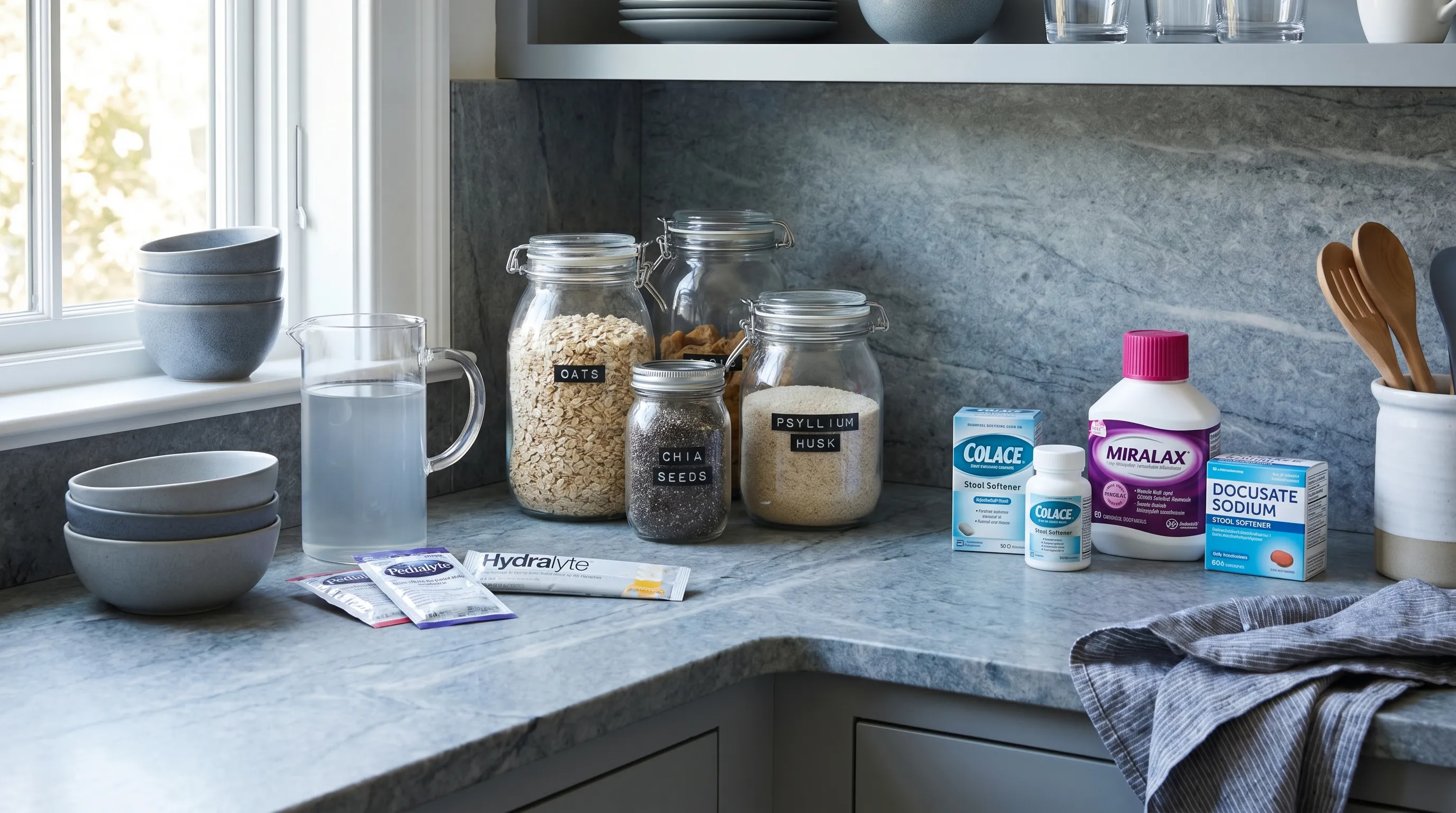
When dietary and hydration modifications require additional support, carefully selected over-the-counter products provide reliable, mechanism-driven relief. Osmotic laxatives, particularly polyethylene glycol derivatives and magnesium hydroxide formulations, function by establishing a sustained osmotic gradient that actively draws luminal water into the intestinal tract, effectively softening desiccated stool mass without triggering aggressive, uncomfortable muscular contractions. These agents remain widely recommended by board-certified gastroenterologists for short-term post-procedural management due to their excellent safety profile, minimal systemic absorption, and low potential for electrolyte disruption when used as directed (Cleveland Clinic). Stool softeners containing docusate sodium serve effectively as adjunctive therapies by reducing fecal surface tension, facilitating rapid water penetration into hardened stool, and significantly decreasing straining effort during elimination. Stimulant laxatives containing senna extract or bisacodyl should strictly be reserved for brief, limited-duration use only, as prolonged or frequent reliance can permanently disrupt enteric nerve receptor sensitivity and lead to pharmacological dependency. Always adhere meticulously to manufacturer dosing guidelines, maintain a symptom tracking log, and immediately discontinue product usage once regular elimination patterns reliably return to prevent overshooting into acute diarrhea.
Lifestyle and Dietary Adjustments
Beyond direct digestive interventions, comprehensive lifestyle modifications fundamentally determine how rapidly your gastrointestinal system recovers from procedural stress and medication-induced suppression. Physical activity patterns, strategic meal timing, targeted nutritional selections, and stress reduction techniques collectively influence neuroenteric signaling pathways that govern healthy elimination cycles. Integrating these evidence-based elements into your daily recovery routine creates a supportive physiological environment that naturally encourages efficient bowel function without artificial stimulation or harsh pharmaceutical intervention.
Physical Activity to Stimulate Peristalsis
Sedentary behavior significantly delays the restoration of normal colonic motility by reducing splanchnic blood flow and diminishing myenteric plexus activation. Light to moderate physical exercise functions as an effective mechanical and neurological stimulant for intestinal peristalsis by increasing diaphragmatic movement, enhancing parasympathetic nervous system tone, and promoting gentle visceral massage through rhythmic core engagement. Brisk walking for twenty to thirty minutes daily represents the most accessible, research-validated intervention for post-procedural constipation. The consistent, low-impact jostling motion effectively mobilizes trapped intestinal gas while encouraging coordinated smooth muscle contractions to resume their natural cadence. As physical comfort improves and abdominal tenderness diminishes, gradually incorporating gentle core stabilization exercises, restorative yoga sequences featuring spinal twists and wind-relieving postures, and stationary cycling can further amplify digestive efficiency and reduce transit lag. Avoid high-intensity interval training, heavy weightlifting, or aggressive contact sports during the first seventy-two to ninety-six hours post-procedure, as excessive intra-abdominal pressure may strain healing biopsy sites, trigger mucosal irritation, or exacerbate procedural soreness. Movement consistency fundamentally outweighs exercise intensity; establishing a predictable daily routine of moderate activity ensures sustained neurological stimulation without overwhelming recovering tissues.
Foods to Embrace and Avoid
Your daily dietary selections directly dictate both the speed and comfort level of your bowel recovery trajectory. Prioritize easily digestible, micronutrient-dense foods that deliver essential vitamins, minerals, and amino acids while minimizing mechanical digestive burden. Fermented dairy products like plain unsweetened yogurt, traditional kefir, and lightly processed kimchi deliver clinically significant probiotic strains that actively repopulate the colon microbiome temporarily disrupted during preparation. Thoroughly cooked root vegetables, lightly steamed leafy greens, lean poultry, white fish, and well-cooked legumes provide gentle macronutrient support without introducing excessive fermentable oligosaccharides, disaccharides, monosaccharides, and polyols (FODMAPs) that commonly exacerbate gas production and visceral hypersensitivity. Conversely, temporarily restrict foods scientifically documented to significantly slow gastrointestinal transit time or irritate sensitive mucosal surfaces. Heavy full-fat dairy products, deeply fried items, highly processed red meats, refined white carbohydrates, and artificial sweeteners create a dense, slow-moving digestive load that prolongs colonic residence time and worsens constipation after colonoscopy. Strictly limit commercially produced snack foods containing sorbitol, xylitol, and mannitol, which can unpredictably trigger osmotic diarrhea in some individuals while paradoxically causing severe bloating in others. Maintaining a detailed food and symptom journal during recovery allows for precise dietary refinement based on individual tolerance thresholds.
Medical Interventions and Follow-Up Care
While conservative lifestyle and dietary measures successfully resolve the vast majority of post-procedural bowel disruptions, specific clinical presentations necessitate targeted professional management and advanced therapeutic options. Understanding precisely when to escalate care, which prescription pharmacological agents exist, and how to maintain optimal digestive health through ongoing monitoring ensures comprehensive recovery and prevents chronic functional complications. Board-certified gastroenterologists meticulously tailor intervention protocols based on individual patient medical history, preexisting comorbidities, procedural complexity, and medication tolerance profiles.
Prescription Options for Persistent Cases
For patients experiencing prolonged constipation after colonoscopy that demonstrates clear resistance to conventional hydration, fiber optimization, and over-the-counter support, physicians may prescribe specialized gastrointestinal motility agents. Intestinal secretagogues such as linaclotide and lubiprostone directly enhance chloride channel activity within enterocytes, substantially increasing luminal fluid secretion while simultaneously accelerating coordinated transit velocity through secondary pain receptor modulation (NIH). These targeted medications demonstrate exceptional clinical efficacy for individuals with underlying irritable bowel syndrome with constipation (IBS-C) or chronic functional constipation temporarily exacerbated by procedural sedation and preparation stress. Novel prokinetic compounds that selectively stimulate specific serotonin receptor subtypes in the myenteric plexus may also be utilized under strict supervision to restore synchronized muscular contraction patterns. Prescription gastrointestinal regimens universally initiate at the lowest clinically effective dosage to minimize common side effects including nausea, transient abdominal cramping, and loose stools. Close clinical monitoring during the initial two to four weeks enables healthcare providers to precisely titrate dosages based on individual therapeutic response and adverse effect profiles. Patients must never self-prescribe, share medications, or abruptly discontinue prescription protocols without direct clinical guidance, as gastrointestinal pharmacology requires rigorous consideration of concurrent chronic conditions, metabolic profiles, and potential drug-drug interactions.
Communicating with Your Gastroenterologist
Maintaining transparent, detailed communication with your specialized care team remains absolutely essential for achieving optimal recovery outcomes and long-term digestive wellness. Systematically document your complete recovery timeline, carefully noting initial symptom onset, daily severity fluctuations, precise dietary and fluid intake volumes, and all pharmacological interventions attempted. This comprehensive clinical data enables your provider to accurately differentiate between normal physiological recovery variance and potential underlying structural or functional pathology requiring immediate investigation. Schedule a formal follow-up consultation if symptoms fail to improve within seven days, if you observe significant, persistent alterations in established bowel habits, or if biopsy pathology reports require detailed discussion regarding future surveillance intervals. Your gastroenterologist can order targeted cross-sectional imaging, comprehensive metabolic blood panels, fecal calprotectin testing, or specialized breath studies to definitively rule out structural abnormalities, subclinical inflammatory processes, or undiagnosed metabolic imbalances contributing to prolonged dysmotility. Additionally, sharing detailed procedural feedback actively helps your medical team refine personalized bowel preparation protocols for future screenings, significantly reducing the probability of recurrent post-procedural complications and improving overall patient experience.
| Recovery Intervention Category | Primary Physiological Mechanism | Clinical Application Guidelines | Expected Relief Timeframe | Common Adverse Effects |
|---|---|---|---|---|
| Systemic Hydration & Electrolytes | Restores plasma volume, smooth muscle membrane potential | Continuous sipping throughout waking hours | 24-48 hours | Minimal; fluid overload if excessive |
| Soluble Fiber Integration | Forms hydrophilic gel, reduces stool hardness | Gradual introduction starting at 10g daily | 48-72 hours | Initial flatulence if increased too rapidly |
| Osmotic Laxative Therapy | Establishes luminal osmotic gradient | Short-term use per package instructions | 12-48 hours | Cramping, watery diarrhea if overdosed |
| Moderate Physical Activity | Enhances vagal tone, visceral blood flow | Daily 30-minute brisk walking or gentle yoga | 24-72 hours | Fatigue if intensity exceeds recovery capacity |
| Prescription Secretagogues | Activates intestinal chloride secretion | Strictly supervised physician dosing | 3-7 days | Mild nausea, temporary loose stools |
Prevention for Future Screenings
Extracting valuable lessons from your current recovery experience fundamentally transforms future colonoscopy preparation into a significantly smoother, more predictable process. Implementing proactive preventive protocols well in advance of your next scheduled screening substantially minimizes procedural disruption, accelerates post-procedural normalization, and reduces overall patient anxiety. Initiate early discussions with your healthcare provider regarding alternative bowel preparation regimens, particularly if split-dose administration protocols or newly developed low-volume polyethylene glycol solutions better align with your physiological tolerance and daily schedule constraints.
Maintaining consistent baseline fiber consumption, optimal hydration habits, and regular cardiovascular exercise throughout the calendar year establishes a remarkably resilient digestive foundation that effortlessly withstands preparation-induced mechanical stress. Proactively creating a personalized recovery toolkit before your procedure date proves highly effective for seamless rehabilitation. Pre-stock your residence with gentle hydrating electrolyte beverages, easily digestible meal options, probiotic supplements, and clinically approved stool softeners. Schedule light movement activities during your anticipated recovery days, arrange reliable transportation, and secure domestic support if necessary. Carefully review your complete medication inventory with your prescribing physician to accurately identify prescription or over-the-counter drugs that may artificially delay bowel function, reduce motility, or dangerously interact with preparation chemical compounds. By systematically approaching future screenings with thoroughly informed preparation, strategic dietary planning, and proactive aftercare implementation, you successfully transform what previously felt unpredictable and uncomfortable into a highly manageable, streamlined healthcare experience. Consistent preventive habits guarantee that your unwavering commitment to colorectal cancer prevention remains entirely sustainable, medically effective, and comfortably integrated into your long-term wellness routine.
Frequently Asked Questions
How long should constipation after colonoscopy typically last?
Most individuals experience temporary bowel sluggishness that resolves within two to three days as sedation medications fully metabolize and normal fluid intake successfully resumes. If symptoms persist beyond four to five days despite diligent hydration adherence and appropriate dietary adjustments, it may indicate delayed enteric nervous system motility recovery that requires professional medical evaluation and potential targeted intervention.
Can the bowel preparation itself cause long-term digestive issues?
Extensive clinical evidence consistently demonstrates that modern, FDA-approved bowel preparation solutions do not cause permanent gastrointestinal mucosal damage or chronic functional impairment. The aggressive cleansing process temporarily alters microbiome diversity and thins the protective mucus lining, but both structures regenerate rapidly once normal dietary intake and hydration resume. Maintaining a consistently fiber-rich, probiotic-supported nutritional framework dramatically accelerates this natural physiological restoration process.
Is it safe to use stimulant laxatives for constipation after colonoscopy?
Stimulant laxatives can provide rapid, short-term symptom relief but must be utilized with extreme caution and strictly according to manufacturer dosage directions. Prolonged or frequent utilization may fundamentally disrupt enteric nerve receptor sensitivity and gradually create pharmacological dependency. Leading gastroenterologists universally prefer osmotic agents or stool softening medications for post-procedural recovery due to their significantly gentler physiological mechanism of action and lower dependency risk.
What dietary changes help resolve post-colonoscopy bowel delays?
Clinicians consistently recommend prioritizing easily digestible soluble fiber sources, maintaining strict hydration consistency, and incorporating probiotic-rich fermented foods while temporarily avoiding heavy lipids, highly processed items, and artificial sweeteners. Gradual, stepwise reintroduction of complex carbohydrates and fibrous vegetables prevents excessive bacterial fermentation and gas accumulation while simultaneously providing the mechanical bulk required to effectively stimulate natural elimination patterns.
When should I contact my doctor about persistent symptoms?
Immediately contact your healthcare provider or visit an urgent medical facility if you experience severe, localized abdominal pain, persistent nausea or vomiting, elevated body temperature, absolute inability to pass intestinal gas, or if constipation after colonoscopy extends beyond five to seven consecutive days without measurable improvement. These specific clinical indicators frequently signal underlying complications requiring prompt diagnostic imaging, laboratory evaluation, and targeted therapeutic intervention.
Key Takeaways
Successfully navigating the physiological aftermath of a colonoscopy requires genuine patience, thoroughly informed self-care practices, and a comprehensive understanding of your gastrointestinal system's natural healing timeline. While constipation after colonoscopy remains an exceptionally common and highly manageable temporary condition, systematically implementing evidence-based hydration protocols, gradual fiber optimization, and gentle daily physical activity substantially accelerates your return to complete digestive comfort and predictable elimination patterns. Always maintain vigilance in differentiating between expected post-procedural recovery sensations and clinical warning signs that definitively warrant professional medical evaluation. By sustaining transparent, detailed communication with your gastroenterology care team and consistently adopting proactive, preventive habits before future colorectal screenings, you actively safeguard both your immediate procedural comfort and your long-term intestinal health. Trust the documented recovery process, respectfully honor your body's individualized pacing, and consistently prioritize sustainable nutritional and lifestyle practices that continuously support optimal digestive vitality, reliable motility, and comprehensive gastrointestinal wellness throughout every stage of life.
How we work
Researched and drafted with AI assistance, then reviewed by a human editor against the cited sources.
This article is general health information, not medical advice. Consult a qualified healthcare professional about your own situation.