How Much Is Metformin Without Insurance: A Complete Cost Guide

Managing chronic health conditions often involves navigating complex medication pricing systems, and understanding the financial burden of essential treatments is a critical step toward long-term wellness. Type 2 diabetes affects millions of individuals worldwide, and metformin has remained the gold-standard first-line therapy for decades due to its proven efficacy, favorable safety profile, and relatively affordable cost. However, healthcare expenses continue to rise, and many patients find themselves asking the exact same question: how much is metformin without insurance? Whether you are newly diagnosed, transitioning between jobs, switching to a high-deductible health plan, or simply seeking ways to reduce monthly expenses, knowing the true cash price of your medication empowers you to make informed healthcare decisions. In this comprehensive guide, we will break down current market pricing, explain the factors that drive prescription costs, explore proven discount strategies, compare retail options, and provide actionable steps to ensure you never have to compromise your health due to financial constraints. By the time you finish reading, you will possess a clear, evidence-based roadmap for securing your metformin prescription at the lowest possible price while maintaining clinical safety and therapeutic effectiveness.
Understanding Metformin and Its Medical Importance
Metformin belongs to the biguanide class of antihyperglycemic agents and has been prescribed for decades to manage elevated blood glucose levels in individuals with type 2 diabetes. Unlike insulin or sulfonylureas, which directly stimulate insulin secretion, metformin operates through a multifaceted mechanism that improves insulin sensitivity, reduces hepatic glucose production, and delays intestinal glucose absorption. These combined actions help stabilize fasting and postprandial blood sugar levels without increasing the risk of hypoglycemia, making it one of the safest and most widely studied diabetes medications available.
Free calculatorLab Values Reference ChartComplete reference chart for medical lab valuesOpen the calculatorHow Metformin Works in the Body
At the cellular level, metformin activates adenosine monophosphate-activated protein kinase (AMPK), a crucial enzyme that functions as an energy sensor within cells as explained by the Mayo Clinic. When AMPK is activated, it triggers a cascade of metabolic responses that enhance glucose uptake in skeletal muscle, inhibit gluconeogenesis in the liver, and modulate lipid metabolism. This biochemical pathway not only lowers blood sugar but may also contribute to cardiovascular protection and modest weight stabilization, which is particularly beneficial for individuals managing metabolic syndrome alongside diabetes. Clinical trials consistently demonstrate that metformin reduces hemoglobin A1c levels by approximately 1.0% to 1.5% when used as monotherapy, and its synergistic effects make it an excellent foundation for combination regimens involving newer drug classes such as SGLT2 inhibitors, GLP-1 receptor agonists, or DPP-4 inhibitors.
The medication also exerts favorable effects on endothelial function and inflammatory markers, which explains why major clinical guidelines recommend metformin as the initial pharmacological intervention unless contraindicated according to NIH clinical standards. Patients with polycystic ovary syndrome (PCOS) are also frequently prescribed metformin off-label to improve ovulatory function and insulin resistance, further expanding its clinical utility beyond glycemic control.
Standard Prescribing Guidelines and Dosages
Metformin is typically initiated at a low dose to minimize gastrointestinal side effects, which include nausea, diarrhea, and abdominal discomfort. Immediate-release formulations usually begin at 500 mg once or twice daily, gradually titrated upward based on tolerance and glycemic targets. Maintenance doses commonly range from 1,500 mg to 2,000 mg daily, divided into two or three administrations. Extended-release (ER or XR) tablets allow for once-daily dosing and improved gastrointestinal tolerability, often starting at 500 mg or 1,000 mg and titrated to a maximum of 2,000 mg to 2,500 mg daily depending on regional prescribing standards.
Understanding your prescribed dosage is essential when evaluating how much is metformin without insurance, as higher strengths and tablet counts naturally impact out-of-pocket expenses. Additionally, patients with renal impairment may require dose adjustments or complete discontinuation to prevent the rare but serious complication of lactic acidosis. Routine monitoring of estimated glomerular filtration rate (eGFR) ensures safe long-term use and prevents adverse metabolic events.
Breaking Down the Cost: How Much Is Metformin Without Insurance?
When evaluating prescription expenses, it is crucial to separate list prices from actual cash costs. Many patients assume that uninsured pricing matches inflated wholesale acquisition costs, but the reality of the generic drug market tells a different story. So, how much is metformin without insurance? The straightforward answer is surprisingly affordable in most regions, but the exact figure fluctuates based on several interconnected variables including pharmacy type, geographic location, tablet strength, and discount program participation.
Generic vs. Brand-Name Pricing Differences
The original brand-name formulation, marketed as Glucophage, is rarely prescribed today due to the widespread availability of FDA-approved generic equivalents. Generic metformin contains identical active ingredients and must demonstrate bioequivalence within strict regulatory parameters. Consequently, the cash price difference between brand-name and generic versions is substantial. Brand-name metformin can cost upward of $100 to $300 per month when purchased without insurance, whereas generic alternatives consistently fall within the single-digit to low-double-digit range. This dramatic price reduction stems from pharmaceutical market competition, patent expirations, and streamlined manufacturing processes that eliminate research and development overhead.
Average Cash Prices Across Different Retailers
Pricing transparency has improved significantly over the past decade, allowing patients to compare costs across multiple pharmacy networks before filling prescriptions. Independent research consistently shows that 30-day supplies of 500 mg immediate-release tablets typically range from $4 to $12 at discount retailers, while extended-release 1,000 mg formulations may cost between $10 and $35 at standard pharmacies. Ninety-day supplies, which are often recommended for stable patients, provide additional volume discounts and can reduce the per-unit cost by 20% to 35%.
| Retail Category | Typical 30-Day Cash Price | 90-Day Cash Price | Discount Program Compatible |
|---|---|---|---|
| Big Box Retail Pharmacy | $4 – $8 | $10 – $18 | Yes (often automatic) |
| Independent Community Pharmacy | $12 – $20 | $30 – $45 | Yes |
| National Chain Pharmacy | $15 – $35 | $40 – $70 | Yes |
| Mail-Order Specialty Pharmacy | $8 – $15 | $15 – $30 | Yes |
| Warehouse Club Pharmacy | $5 – $10 | $12 – $20 | Yes (membership required) |
Factors That Influence Out-of-Pocket Expenses
Several elements contribute to the final price you pay at the register. First, pharmacy benefit manager (PBM) contracts and state-level price transparency laws create regional pricing disparities. Urban centers with high pharmacy density often feature more competitive pricing due to market saturation, whereas rural areas may experience slightly elevated costs due to limited distribution networks. Second, dosage strength and tablet quantity directly scale the price. A prescription for 1,000 mg taken twice daily requires either two 1,000 mg tablets or four 500 mg tablets daily, affecting monthly pill counts and overall expense. Third, formulation type plays a role. Extended-release tablets utilize proprietary polymer coatings and controlled-release matrices that require more sophisticated manufacturing, resulting in modest price premiums compared to immediate-release versions. Understanding these variables helps you anticipate costs and negotiate effectively with pharmacy staff when asking exactly how much is metformin without insurance at a specific location.
Proven Strategies to Lower Your Out-of-Pocket Metformin Costs
Financial barriers should never prevent patients from accessing essential medications, which is why a robust ecosystem of cost-reduction programs exists. Implementing systematic savings strategies can transform a potentially stressful financial obligation into a manageable monthly expense.
Leveraging Prescription Discount Cards and Pharmacy Apps
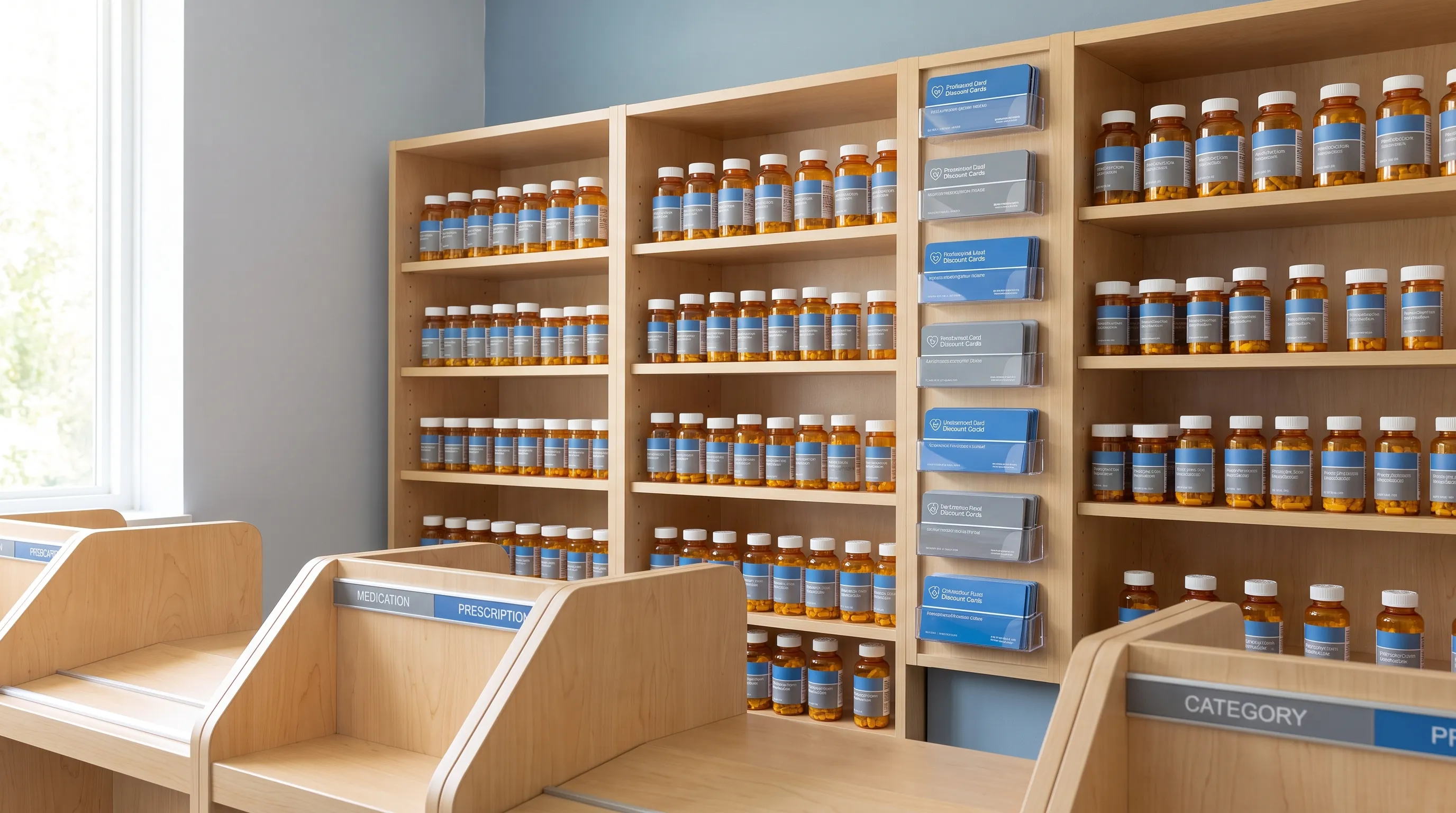
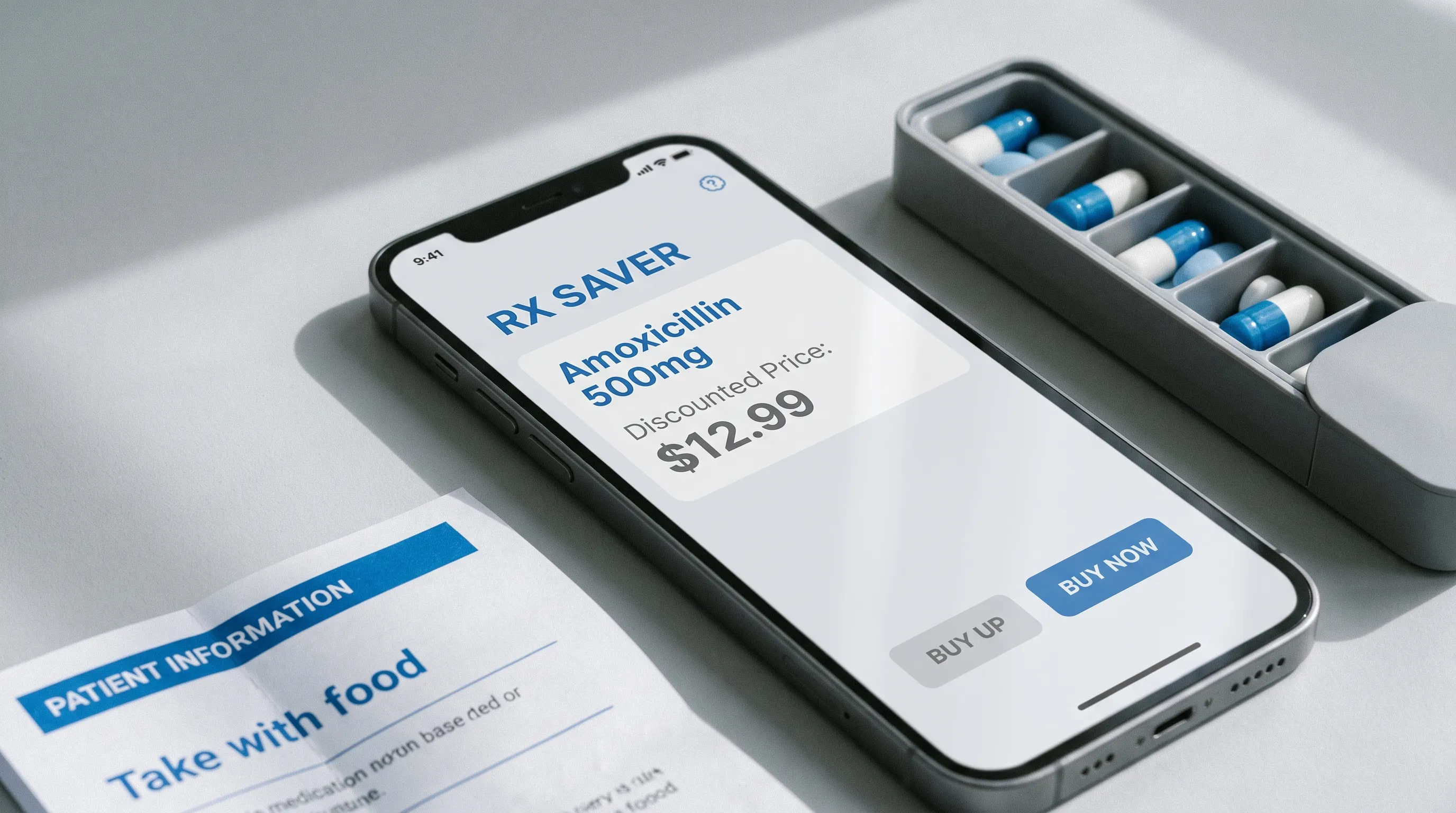
Digital coupon platforms have revolutionized prescription affordability by aggregating wholesale pricing and negotiating volume discounts directly with pharmacy networks. Applications and websites like GoodRx, SingleCare, RxSaver, and WellRx allow users to search their exact prescription details, compare local pharmacy prices in real time, and generate free digital coupons. These discounts are typically compatible with cash-paying customers and can reduce costs by 50% to 80% in many cases. To maximize savings, download multiple apps, enter your prescription details, and select the lowest available price before visiting the pharmacy. Always inform the pharmacist that you are paying cash with a discount coupon rather than processing through insurance, as discount pricing frequently undercuts copay amounts.
Exploring Patient Assistance Programs and Non-Profit Grants
While generic medications rarely offer manufacturer-sponsored assistance programs due to already low profit margins, several nonprofit organizations and state initiatives provide financial relief. Community health centers (CHCs) operating under Section 330 of the Public Health Service Act dispense medications on sliding-scale fee structures based on household income and federal poverty guidelines. Additionally, organizations like NeedyMeds.org, RxOutreach, and Partnership for Prescription Assistance maintain searchable databases of regional and national programs that assist uninsured or underinsured individuals (see Mayo Clinic guide to prescription savings). State pharmaceutical assistance programs (SPAPs) in regions like Pennsylvania (PACE/PACENET), New York (Elderly Pharmaceutical Insurance Coverage), and California (AIM Program) offer subsidized prescription coverage for qualifying residents.
Mail-Order Pharmacies and Bulk Purchasing Options
For patients with stable diabetes management, transitioning to mail-order delivery through certified pharmacies can generate significant savings. Many discount mail-order services eliminate overhead costs associated with retail locations, passing savings directly to consumers through reduced per-unit pricing. Purchasing 90-day or 180-day supplies upfront reduces transaction frequency, locks in current pricing, and prevents potential price fluctuations. When calculating how much is metformin without insurance through mail-order channels, factor in potential shipping fees, which are often waived for orders exceeding a minimum threshold. Always verify that the mail-order pharmacy is accredited by the National Association of Boards of Pharmacy (NABP) through the VIPPS certification program to ensure medication safety and regulatory compliance.
Navigating Pharmacy Pricing and Store Selection
Where you fill your prescription matters just as much as which discount program you use. Pharmacy pricing structures vary dramatically based on business models, inventory turnover rates, and regional competition levels.
Big Box Retailers vs. Independent Pharmacies
Large retail chains leverage massive purchasing power and high prescription volume to offer consistently low cash prices. Many operate generic medication lists that feature hundreds of common drugs at fixed $4 to $10 prices for 30-day supplies. These programs require no coupon or membership at participating locations, making them highly accessible. Independent community pharmacies, while sometimes slightly more expensive, often provide personalized counseling, medication therapy management, and flexible payment arrangements. Building relationships with local pharmacists can also lead to unadvertised discounts, price matching, or loyalty program benefits that online searches may not capture.
Warehouse Club Membership Benefits
Membership-based warehouse retailers maintain on-site pharmacies that frequently offer some of the lowest cash prices in the market. Notably, non-members can often utilize pharmacy services at many warehouse locations due to state regulations requiring open prescription access. These pharmacies typically feature highly competitive generic pricing, bulk purchase discounts, and extended operating hours. When evaluating how much is metformin without insurance at warehouse clubs, verify whether a membership fee offsets the annual prescription savings, as many patients find that medication discounts alone justify the membership cost within months.
Online Prescription Services and Telehealth Platforms
The digital healthcare revolution has introduced direct-to-consumer telehealth and online pharmacy services that streamline prescription refills and price transparency. Platforms that partner with licensed clinicians for virtual consultations often include prescription pricing in service packages or negotiate wholesale rates with affiliated pharmacies. These services are particularly valuable for patients seeking convenience, those residing in prescription deserts, or individuals who prefer contactless medication delivery. Always ensure that online pharmacies require a valid prescription from a licensed healthcare provider and display verification seals from LegitScript or NABP to avoid counterfeit or improperly stored medications.
Insurance Alternatives and Long-Term Financial Planning
Health insurance landscapes continue to shift, and understanding alternative coverage structures can prevent unexpected prescription expenses during transitions.
When to Consider High-Deductible Health Plans (HDHPs)
High-deductible health plans feature lower monthly premiums but require patients to pay full cash price for medications until the deductible threshold is met. For individuals taking only low-cost generics like metformin, HDHPs often make financial sense because annual prescription expenses remain minimal while premium savings accumulate. Pairing an HDHP with a health savings account (HSA) allows tax-free contributions to cover medical expenses, including prescriptions, effectively reducing your net cost through pre-tax funding.
Medicaid, Medicare Part D, and State Assistance
Low-income individuals should explore Medicaid eligibility, which varies by state but typically covers generic medications with minimal or zero copays. Seniors enrolling in Medicare Part D should carefully review formulary tiers during open enrollment periods to ensure metformin is listed as a Tier 1 generic medication. Some Medicare Advantage plans offer $0 copays for essential medications, further reducing out-of-pocket expenses. State health insurance marketplaces also provide subsidy-qualified plans that lower overall healthcare costs, including prescription coverage, for individuals meeting income thresholds.
Negotiating Directly with Pharmacists and Manufacturers
Pharmacy technicians and licensed pharmacists often have discretion to adjust cash prices within certain margins, especially when patients express financial hardship or request price matching from competing retailers. Politely asking about available cash discounts, generic substitution policies, or loyalty programs frequently yields unexpected savings. While manufacturer coupons rarely apply to generics, some pharmacies maintain internal assistance funds or partner with local charities to bridge temporary financial gaps.

Clinical Considerations: Safety, Efficacy, and Generic Equivalence
Cost optimization should never compromise therapeutic quality or patient safety. Understanding regulatory standards and clinical guidelines ensures that affordable metformin remains medically effective and properly monitored.
Understanding the NDMA Recall and Current FDA Guidelines
Between 2020 and 2021, the FDA investigated and recalled certain extended-release metformin products due to detectable levels of N-nitrosodimethylamine (NDMA), a probable carcinogen that can form during manufacturing and storage under specific conditions (Cleveland Clinic drug safety information). Comprehensive FDA safety reviews, ongoing impurity testing, and revised manufacturing standards have since addressed these concerns. Current FDA-approved metformin products meet strict NDMA threshold limits, and routine batch testing ensures ongoing compliance. Patients should verify that their pharmacy sources medication from FDA-registered facilities and report any adverse symptoms to healthcare providers or the FDA MedWatch program.
Why Generic Metformin Is Medically Equivalent to Brand Versions
Regulatory agencies mandate rigorous bioequivalence studies before approving generic medications. These studies demonstrate that generic products deliver the same amount of active ingredient into the bloodstream within an acceptable time frame compared to the reference brand (NIH MedlinePlus overview). Independent clinical analyses consistently confirm that generic metformin achieves identical glycemic control and safety outcomes, making it a reliable, cost-effective alternative for long-term management.
Important Drug Interactions and Monitoring Requirements
Metformin carries a boxed warning for lactic acidosis, a rare metabolic emergency that primarily affects patients with severe renal impairment, hepatic dysfunction, excessive alcohol consumption, or acute illness causing tissue hypoxia. Regular monitoring of serum creatinine, eGFR, and liver function tests ensures safe continuation. Drug interactions with contrast dyes, carbonic anhydrase inhibitors, and certain antihypertensives require temporary discontinuation or dose adjustment. Patients should inform all healthcare providers about metformin use before surgical procedures or imaging studies, and never abruptly stop medication without medical supervision, even when evaluating how much is metformin without insurance or switching pharmacies.
Frequently Asked Questions
How much is metformin without insurance at a typical retail pharmacy?
Without insurance, generic metformin typically costs between $4 and $25 for a 30-day supply, depending on dosage strength, tablet formulation, geographic location, and pharmacy pricing policies. Many big-box retailers and independent pharmacies participate in discount programs that reduce cash prices to the lower end of this range.
Are there hidden fees when using prescription discount coupons?
Legitimate prescription discount platforms do not charge membership fees, registration costs, or hidden processing charges. The coupons are free to generate, accepted directly at checkout, and funded through negotiated agreements between pharmacy networks and benefit managers. Patients only pay the discounted cash price displayed at the register.
Can I split higher-dose metformin tablets to save money?
Tablet splitting should only be performed if the medication is not enteric-coated or extended-release, and only under explicit direction from a healthcare provider or pharmacist. Immediate-release metformin tablets can sometimes be safely split, but extended-release formulations must never be crushed or divided, as doing so disrupts the controlled-release matrix and increases the risk of side effects.
How often do metformin cash prices change?
Pharmacy cash prices fluctuate quarterly based on wholesale cost adjustments, supply chain dynamics, and competitive market shifts. Regular price monitoring through discount apps, pharmacy websites, or direct inquiries ensures you are paying the current lowest rate before each refill.
Does paying cash for metformin count toward my deductible or out-of-pocket maximum?
Cash payments processed through standard insurance claims typically count toward deductibles, but coupon-discounted cash transactions usually do not apply toward insurance out-of-pocket thresholds. Always clarify billing policies with your pharmacy and insurer to understand how different payment methods impact annual healthcare cost tracking.
Conclusion
Navigating prescription pricing does not have to be overwhelming when armed with accurate information, verified discount tools, and a clear understanding of healthcare market dynamics. Knowing exactly how much is metformin without insurance empowers you to make financially sustainable choices while maintaining consistent, clinically effective diabetes management. Generic metformin remains one of the most affordable and extensively researched medications in modern pharmacotherapy, with robust discount programs, competitive retail pricing, and multiple financial assistance pathways available to virtually every patient. By comparing pharmacy networks, utilizing free coupon applications, exploring mail-order delivery, and leveraging state or nonprofit resources, you can consistently secure your prescription at the lowest possible cost. Always prioritize FDA-approved generic sources, maintain routine clinical monitoring, and communicate openly with your healthcare team about any financial concerns or dosing adjustments. Sustainable health management thrives at the intersection of medical adherence and financial accessibility, and with the strategies outlined in this guide, you are fully equipped to protect both your glycemic control and your budget for years to come.
How we work
Researched and drafted with AI assistance, then reviewed by a human editor against the cited sources.
This article is general health information, not medical advice. Consult a qualified healthcare professional about your own situation.