Clicky Ears: Causes, Symptoms, and Evidence-Based Management Strategies

Have you ever experienced a sudden, subtle clicking sensation deep inside your ears, leaving you wondering if it is a normal quirk or something requiring medical attention? This phenomenon is surprisingly common, yet it often flies under the radar during routine health checkups. Many individuals dismiss it as harmless background noise, while others experience persistent clicking that disrupts sleep, concentration, and overall comfort. Understanding why these sounds occur is the first step toward effective management and peace of mind. The auditory system is remarkably complex, and even minor fluctuations in pressure, muscle tension, or fluid balance can produce noticeable acoustic sensations. When you notice clicky ears, it usually signals that a protective or regulatory mechanism within your middle ear or Eustachian tube is actively engaging. In some cases, the clicking is entirely benign and self-resolving, but in others, it may point to an underlying structural or inflammatory condition that requires professional intervention. This guide explores the medical science behind ear clicking, outlines evidence-based diagnostic pathways, and provides actionable strategies to restore your auditory comfort. By combining clinical insights with practical self-care techniques, you can navigate this symptom confidently and know exactly when to seek expert medical guidance.
The Science Behind Clicky Ears: How Your Auditory System Works
To understand why clicky ears occur, it is essential to explore the intricate anatomy and physiology of the human auditory system. The ear is divided into three distinct compartments: the outer ear, which captures sound waves; the middle ear, which amplifies vibrations and regulates pressure; and the inner ear, which translates mechanical energy into neural signals. The middle ear is a small, air-filled cavity located just behind the eardrum, and it plays a critical role in maintaining acoustic balance. Within this space, tiny bones called the ossicles transmit sound, while specialized muscles contract to dampen excessively loud noises and protect delicate inner ear structures. When these components function harmoniously, you hear clearly without internal distractions. However, even minor disruptions can trigger the auditory sensations that many patients describe as clicky ears.
Free calculatorWater Intake CalculatorCalculate daily water needsOpen the calculatorThe Role of the Eustachian Tube
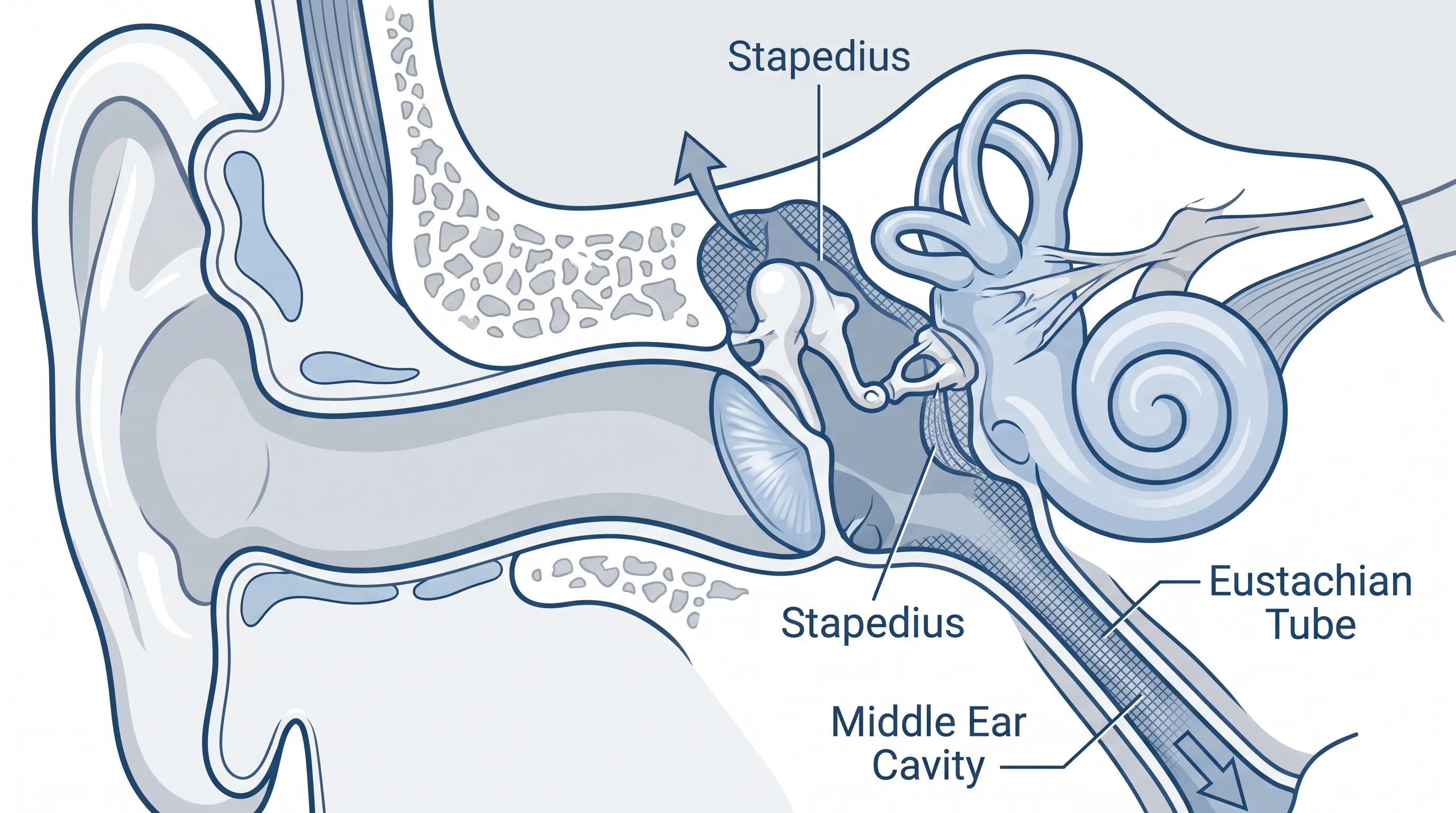
The Eustachian tube is a narrow canal connecting the middle ear to the nasopharynx, the upper part of the throat behind the nose. Its primary function is to equalize air pressure on both sides of the eardrum, ensuring that the tympanic membrane remains flexible and capable of accurate sound transmission. Under normal circumstances, this tube remains closed and only opens briefly during swallowing, yawning, or chewing. When it opens, you may hear or feel a soft pop or click. This is a natural physiological process that helps maintain homeostasis within the cranial structures. However, when the Eustachian tube becomes inflamed, blocked, or hypermobile due to allergies, sinus infections, or rapid altitude changes, its opening and closing mechanism can become erratic. Instead of a seamless pressure adjustment, the tube may snap open and shut repeatedly, generating persistent clicking sounds that align directly with the experience of clicky ears. Research from the American Academy of Otolaryngology highlights that Eustachian tube dysfunction accounts for a significant percentage of recurrent auditory clicking, particularly during seasonal allergy peaks or following upper respiratory infections.
Middle Ear Muscles and Protective Reflexes
Two small muscles reside within the middle ear cavity: the tensor tympani and the stapedius. The tensor tympani attaches to the malleus bone, while the stapedius connects to the stapes. Together, they form the acoustic reflex, a rapid contraction mechanism that dampens loud sounds to prevent cochlear damage. In some individuals, these muscles can undergo involuntary spasms known as middle ear myoclonus (MEM) or tensor tympani syndrome (TTS). These spasms produce rhythmic or irregular clicking, fluttering, or thumping sensations that can last for seconds, minutes, or even hours. Neurological studies published by Johns Hopkins Medicine suggest that stress, fatigue, caffeine consumption, and certain neurological conditions can lower the threshold for these muscular contractions. When the tensor tympani contracts without an external acoustic trigger, patients frequently report a deep, internal clicking that feels synchronized with jaw clenching or sudden movements. Understanding this neuromuscular connection is crucial for distinguishing benign reflex activity from more complex otologic disorders.
The Jaw-Ear Connection
The temporomandibular joint (TMJ) sits directly adjacent to the external auditory canal and middle ear structures, sharing ligaments, nerves, and muscular pathways with the auditory system. This anatomical proximity explains why TMJ dysfunction frequently manifests as ear-related symptoms, including clicking, popping, and pressure fullness. When the mandibular condyle shifts irregularly within the joint socket, or when surrounding masticatory muscles become hypertonic, the resulting mechanical vibrations can transmit directly into the ear canal. Dentomandibular specialists at the Mayo Clinic consistently note that bruxism (teeth grinding), malocclusion, and chronic jaw tension are leading contributors to secondary ear clicking. Many patients mistakenly attribute these sounds to primary ear pathology when the root cause actually originates in the jaw musculature. Recognizing this crossover is vital for implementing targeted interventions that address both structural alignment and muscular relaxation.
Common Causes and Triggers
Identifying the underlying driver of clicky ears is the cornerstone of effective management. While the auditory system is designed to filter out irrelevant internal noises, certain physiological and environmental conditions can amplify these signals to noticeable levels. Medical literature categorizes the most prevalent triggers into structural, inflammatory, and neuromuscular domains. Each category presents distinct symptom patterns, duration timelines, and treatment pathways. By understanding these variations, individuals can better anticipate symptom fluctuations and apply appropriate coping strategies before seeking clinical intervention.
Eustachian Tube Dysfunction
Eustachian tube dysfunction (ETD) remains the most frequently diagnosed cause of clicky ears across primary care and otolaryngology practices. When the mucosal lining of the tube swells due to viral infections, allergic rhinitis, or environmental irritants, its ability to open smoothly becomes compromised. Patients often describe a feeling of fullness, muffled hearing, and intermittent clicking that intensifies during swallowing or head movements. Chronic ETD can also lead to negative pressure within the middle ear, causing the tympanic membrane to retract inward and produce audible snapping sounds as it attempts to equalize. The Cleveland Clinic emphasizes that untreated ETD may progress to otitis media with effusion, where fluid accumulation exacerbates clicking and introduces a risk of secondary infections. Management typically focuses on reducing inflammation, promoting natural drainage, and preventing pressure imbalances through conservative therapies and targeted pharmacological support.
Tensor Tympani Syndrome and Middle Ear Myoclonus
Middle ear muscle spasms are often underrecognized but clinically significant contributors to persistent auditory clicking. Tensor tympani syndrome occurs when the muscle contracts involuntarily, producing a rapid clicking or buzzing sensation that may align with heartbeats or occur randomly throughout the day. Middle ear myoclonus involves both the tensor tympani and stapedius muscles, creating complex rhythmic patterns that can be distressing. These conditions are frequently linked to heightened sympathetic nervous system activity, anxiety disorders, or prolonged exposure to acoustic trauma. Neurological assessments have demonstrated that patients experiencing chronic stress exhibit elevated baseline muscle tension in the craniofacial region, which predisposes them to recurrent myoclonic episodes. Treatment approaches emphasize neuromuscular retraining, stress modulation, and in refractory cases, targeted muscle relaxants or botulinum toxin injections administered by specialized ENT physicians.
Temporomandibular Joint Disorders
TMJ disorders encompass a spectrum of conditions affecting the jaw joint, surrounding musculature, and dental occlusion. Clicking or popping sounds originating from the TMJ are often misidentified as ear pathology due to shared neural pathways. When the articular disc within the TMJ slips out of alignment, the condyle moves erratically, generating sharp clicking noises during chewing, speaking, or wide yawning. These sounds radiate toward the ear canal, creating the perception of clicky ears. Additionally, muscle spasms in the masseter, temporalis, and pterygoid muscles can refer pain and tension directly to the auricular region. Dentists and orofacial pain specialists utilize occlusal splints, physical therapy, and behavioral modifications to restore proper jaw mechanics. Addressing TMJ dysfunction frequently resolves associated ear symptoms without requiring direct otologic intervention.
Allergies, Sinus Congestion, and Environmental Factors
Environmental triggers play a substantial role in recurrent ear clicking. Seasonal allergies expose individuals to pollen, dust mites, and pet dander, which stimulate histamine release and subsequent mucosal swelling in the Eustachian tubes. Similarly, barometric pressure changes during flights, diving, or mountain travel force rapid pressure adjustments that can overwhelm the ear's regulatory mechanisms. Occupational exposure to irritants, poor indoor air quality, and tobacco smoke further compromise mucosal health and delay natural drainage cycles. The National Institutes of Health recommends proactive allergy management, air purifier usage, and gradual pressure acclimatization techniques to minimize environmental triggers. By controlling external irritants and supporting mucosal resilience, patients can significantly reduce the frequency and intensity of clicking episodes.
Identifying Associated Symptoms & Red Flags
While isolated clicking is often benign, accompanying symptoms provide crucial diagnostic clues that help differentiate normal physiological responses from pathological conditions. Recognizing the broader clinical picture enables patients to make informed decisions about when self-care is sufficient and when professional evaluation becomes necessary. Symptom tracking over time also assists healthcare providers in pinpointing the exact anatomical structure responsible for the disturbances.
Associated Auditory Sensations
Patients experiencing clicky ears frequently report additional auditory phenomena that provide valuable diagnostic context. Tinnitus, characterized by ringing, humming, or hissing, often accompanies clicking when middle ear inflammation or cochlear stress is present. Autophony, or heightened awareness of one's own voice and breathing, suggests patulous Eustachian tube dysfunction, where the tube remains abnormally open rather than closing properly. Fullness or a plugged sensation typically indicates fluid retention or mucosal edema within the middle ear cavity. Some individuals also experience conductive hearing loss, where sounds seem muffled or distant due to impaired sound wave transmission through the ossicular chain. These overlapping auditory changes help clinicians differentiate between muscular spasms, pressure dysregulation, and fluid-related pathologies.
Physical Discomfort & Pressure
Beyond acoustic symptoms, physical manifestations often accompany clicky ears. Mild to moderate ear pressure is common during Eustachian tube opening and closing cycles, but sharp, stabbing, or persistent pain warrants immediate evaluation. Referred jaw pain, neck stiffness, and temporal headaches frequently overlap with TMJ-related clicking, highlighting the interconnected nature of craniofacial structures. Some patients report balance disturbances or mild vertigo when middle ear pressure fluctuations affect the vestibular system. Nasal congestion, postnasal drip, and facial tenderness often accompany inflammatory causes, while isolated clicking without pain or pressure usually points toward muscular or mechanical origins. Tracking these physical markers alongside acoustic symptoms creates a comprehensive clinical profile that streamlines diagnostic accuracy.
Red Flags Requiring Immediate Evaluation
Certain symptom combinations indicate the need for urgent medical attention. Sudden hearing loss in one or both ears, accompanied by clicking or tinnitus, is considered a medical emergency that requires prompt corticosteroid intervention to preserve auditory function. Persistent fluid drainage from the ear, fever, and severe otalgia suggest acute otitis media or a ruptured tympanic membrane. Dizziness that impairs standing or walking, combined with ear pressure and neurological deficits, may indicate central vestibular pathology or superior canal dehiscence. Unilateral clicking with progressive facial asymmetry or swallowing difficulties warrants immediate neuroimaging to rule out space-occupying lesions or cranial nerve compression. Patients should seek emergency care when symptoms escalate rapidly, interfere with basic function, or present with systemic illness indicators.
Clinical Diagnosis & Professional Assessment
Accurate diagnosis of clicky ears relies on systematic clinical evaluation, specialized testing, and thorough patient history analysis. Otolaryngologists and audiologists employ evidence-based protocols to isolate the exact anatomical source of symptoms and determine appropriate treatment pathways. Understanding the diagnostic process empowers patients to participate actively in their care and set realistic expectations for recovery timelines.
Otoscopy & Hearing Tests
The initial clinical assessment begins with pneumatic otoscopy, allowing the physician to visualize the tympanic membrane while gently varying air pressure within the ear canal. A healthy eardrum moves freely and symmetrically, while restricted motion indicates Eustachian tube dysfunction or middle ear effusion. Pure-tone audiometry measures hearing thresholds across multiple frequencies, identifying conductive or sensorineural hearing loss patterns that correlate with clicking episodes. Speech discrimination testing evaluates how well patients process verbal cues in noisy environments, providing insight into central auditory processing capabilities. These foundational tests rule out structural damage, fluid accumulation, and nerve dysfunction, establishing a baseline for targeted interventions.
Tympanometry and Advanced Diagnostics
Tympanometry objectively measures middle ear compliance, eardrum mobility, and Eustachian tube function by recording acoustic reflectance across varying pressure gradients. Abnormal type B or type C tympanograms consistently correlate with Eustachian tube dysfunction and fluid-related pathology. For suspected muscular spasms, electromyography (EMG) of the tensor tympani and stapedius muscles can detect abnormal neuromuscular firing patterns. High-resolution computed tomography (CT) scans and magnetic resonance imaging (MRI) become necessary when structural abnormalities, TMJ displacement, or neurological conditions are suspected. The American Tinnitus Association recommends comprehensive diagnostic imaging when conservative treatments fail or when symptoms suggest central auditory pathway involvement. These advanced tools enable precise localization of pathological mechanisms and guide specialized treatment protocols.
Evidence-Based Treatment Options
Treatment strategies for clicky ears depend entirely on the underlying etiology, symptom severity, and patient-specific health factors. Medical professionals prioritize conservative management, escalating to pharmacological or procedural interventions only when necessary. Evidence-based protocols emphasize multimodal approaches that address inflammation, neuromuscular tension, and pressure regulation simultaneously. By following structured treatment pathways, patients can achieve lasting symptom relief while minimizing potential side effects.
Conservative Management & Self-Care
First-line treatment focuses on non-invasive techniques that promote natural Eustachian tube function and reduce middle ear tension. Gentle autoinsufflation methods, such as the modified Valsalva maneuver, encourage tube opening without excessive pressure that could damage the eardrum. Patients are instructed to pinch their nose, close their mouth, and gently blow until they feel equalization, avoiding forceful exertion. Nasal saline irrigation clears mucosal obstructions and reduces inflammatory mediators that contribute to tube swelling. Over-the-counter decongestants provide temporary relief but should be limited to three to five days to prevent rebound congestion. Staying well-hydrated thins mucosal secretions, facilitating smoother tube function. Consistent application of these conservative measures resolves mild to moderate cases within two to four weeks.
Medical Interventions & Therapies
When conservative measures prove insufficient, targeted medical therapies address persistent inflammation and muscular dysfunction. Intranasal corticosteroids reduce chronic Eustachian tube swelling and prevent recurrent dysfunction. Antihistamines manage allergy-driven symptoms, while mucolytics thin thick secretions to improve drainage. For tensor tympani syndrome and middle ear myoclonus, short courses of muscle relaxants or low-dose anxiolytics may be prescribed to calm hyperactive neuromuscular firing. Physical therapy specializing in orofacial and cervical regions provides manual myofascial release, postural correction, and therapeutic stretching to alleviate TMJ-related tension. Botulinum toxin injections into overactive middle ear muscles represent an advanced option for refractory myoclonus, administered exclusively by trained ENT specialists. These interventions require ongoing medical supervision to monitor efficacy and adjust dosages appropriately.
When Surgery Becomes Necessary
Surgical intervention remains a last resort for chronic, debilitating clicky ears that resist comprehensive medical management. Myringotomy with tympanostomy tube insertion drains persistent middle ear fluid, equalizes pressure, and prevents recurrent Eustachian tube dysfunction. Eustachian tube balloon dilation expands the cartilaginous portion of the tube, restoring natural pressure regulation in select patients with anatomical narrowing. TMJ arthrocentesis or orthognathic surgery addresses severe joint displacement causing secondary ear symptoms. Superior canal dehiscence repair utilizes bone grafting to cover abnormal cranial openings responsible for autophony and clicking. All surgical procedures require thorough preoperative imaging, risk-benefit analysis, and postoperative rehabilitation protocols to ensure optimal outcomes and prevent complications.

Lifestyle Adjustments & Prevention Strategies
Long-term management of clicky ears extends beyond clinical interventions to encompass daily habits, environmental modifications, and psychological resilience. Sustainable prevention requires consistent adherence to evidence-based lifestyle practices that support mucosal health, neuromuscular balance, and overall systemic wellness. By integrating these strategies into routine care, patients can minimize symptom recurrence and maintain optimal auditory function over time.
Daily Habits for Ear Health
Establishing consistent daily routines significantly reduces the likelihood of recurrent clicking. Avoiding rapid altitude changes during flights or elevator rides allows the Eustachian tubes to adjust gradually, preventing sudden pressure shifts that trigger spasms. Refraining from smoking and secondhand smoke exposure eliminates chronic mucosal irritation and preserves ciliary function within the respiratory tract. Maintaining proper sleeping positions with elevated head support encourages natural drainage and prevents overnight fluid accumulation. Regular dental checkups ensure proper occlusion and early detection of TMJ abnormalities. Practicing mindful chewing, avoiding hard or excessively chewy foods, and using both sides of the jaw symmetrically distribute mechanical stress and prevent joint overload.
Stress & Muscle Tension Management
Chronic stress directly amplifies middle ear muscle activity and jaw tension, making neuromuscular regulation a cornerstone of prevention. Diaphragmatic breathing exercises activate the parasympathetic nervous system, reducing sympathetic-driven muscle contractions that contribute to tensor tympani spasms. Progressive muscle relaxation techniques systematically release tension in the neck, shoulders, and facial regions, interrupting the cycle of hyperarousal that sustains myoclonic activity. Yoga, tai chi, and guided meditation cultivate body awareness and promote natural postural alignment, decreasing compensatory strain on craniofacial structures. Cognitive behavioral therapy (CBT) addresses anxiety-related symptom amplification, helping patients reframe auditory sensations and reduce catastrophic thinking that worsens perceived discomfort.
Nutritional Support & Hydration
Dietary choices significantly impact mucosal health, inflammatory pathways, and neuromuscular function. Omega-3 fatty acids from fish, flaxseeds, and walnuts modulate inflammatory responses, reducing Eustachian tube swelling and preventing recurrent congestion. Magnesium-rich foods like leafy greens, nuts, and legumes support proper muscle relaxation and prevent involuntary spasms within the middle ear and jaw compartments. Avoiding excessive caffeine, alcohol, and high-sodium diets minimizes fluid retention and prevents pressure imbalances that exacerbate clicking sensations. Maintaining optimal hydration ensures thin, mobile mucosal secretions that drain efficiently and maintain tubal patency. A balanced, anti-inflammatory diet combined with consistent hydration forms the foundation of sustainable auditory wellness and systemic resilience.
| Condition Category | Primary Mechanism | Common Symptoms | First-Line Treatment | Specialist Referral Indicators |
|---|---|---|---|---|
| Eustachian Tube Dysfunction | Mucosal swelling & pressure imbalance | Clicking, fullness, muffled hearing | Saline irrigation, nasal steroids, gentle autoinsufflation | Symptoms persist >4 weeks, recurrent otitis media, hearing decline |
| Middle Ear Myoclonus | Involuntary tensor tympani/stapedius spasms | Rhythmic clicking, fluttering, pulsatile sensations | Stress reduction, muscle relaxants, myofascial therapy | Refractory spasms, sleep disruption, significant anxiety impact |
| TMJ Disorder | Articular disc displacement & muscular hypertonicity | Clicking with jaw movement, referred ear pain, jaw stiffness | Occlusal splints, physical therapy, posture correction | Severe malocclusion, chronic bruxism, progressive joint degradation |
| Allergic Rhinitis | Histamine-driven mucosal inflammation | Seasonal clicking, congestion, postnasal drip | Antihistamines, allergen avoidance, environmental control | Anaphylaxis history, uncontrolled symptoms despite OTC therapy |
Frequently Asked Questions
Why do my ears click randomly throughout the day?
Random clicking typically stems from normal Eustachian tube opening and closing cycles, middle ear muscle microspasms, or subtle jaw movements. When pressure changes or muscles contract involuntarily, you perceive a brief acoustic signal. If episodes become frequent, loud, or accompanied by discomfort, it indicates underlying inflammation or neuromuscular hyperactivity that warrants professional evaluation.
Are clicky ears a sign of permanent hearing damage?
Most cases of ear clicking do not indicate irreversible hearing loss. The sensation usually reflects temporary pressure adjustments or muscular activity rather than cochlear or neural damage. However, sudden unilateral hearing loss, persistent tinnitus, or progressive auditory decline alongside clicking requires immediate otologic assessment to prevent permanent sensory deficits.
Can stress and anxiety make ear clicking worse?
Absolutely. Chronic psychological stress elevates sympathetic nervous system tone, increasing baseline tension in the tensor tympani, jaw, and cervical muscles. This heightened neuromuscular state predisposes individuals to more frequent and pronounced clicking, fluttering, or spasms. Implementing stress-management protocols, improving sleep hygiene, and practicing relaxation techniques often yield measurable symptom reduction within weeks.
How long does it take for Eustachian tube dysfunction to heal?
Acute Eustachian tube dysfunction typically resolves within two to four weeks with conservative measures like nasal irrigation, hydration, and gentle pressure equalization. Chronic or recurrent dysfunction may require extended management involving allergy control, prescription nasal steroids, or targeted physical therapy. Persistent cases lasting beyond six weeks should be evaluated for anatomical narrowing or secondary fluid accumulation.
Should I try home remedies for clicky ears before seeing a doctor?
For mild, intermittent clicking without pain, pressure, or hearing changes, safe home strategies like staying hydrated, practicing gentle swallowing techniques, and avoiding sudden pressure shifts are appropriate first steps. However, if symptoms persist beyond three weeks, interfere with daily activities, or escalate in intensity, scheduling a clinical evaluation ensures accurate diagnosis and prevents progression to more complex otologic conditions.
Conclusion
Clicky ears represent a complex interplay of pressure regulation, muscular activity, and structural mechanics within the auditory and craniofacial systems. While often benign and self-limiting, persistent or symptomatic clicking can significantly impact quality of life and warrants thorough clinical evaluation. By understanding the underlying anatomy, recognizing associated warning signs, and implementing evidence-based self-care strategies, patients can effectively manage this condition and restore auditory comfort. Conservative approaches focusing on inflammation reduction, neuromuscular relaxation, and environmental control resolve the majority of cases, while specialized interventions remain available for refractory or anatomically driven presentations. Prioritizing hydration, stress management, and routine preventive care creates a sustainable foundation for long-term ear health. If you experience unexplained clicking accompanied by pain, hearing changes, or dizziness, consult an otolaryngologist or audiologist for personalized assessment. Proactive care, accurate diagnosis, and consistent lifestyle modifications empower individuals to navigate clicky ears confidently, ensuring clear hearing and lasting wellness.
How we work
Researched and drafted with AI assistance, then reviewed by a human editor against the cited sources.
This article is general health information, not medical advice. Consult a qualified healthcare professional about your own situation.