How to Heal Internal Scar Tissue Naturally: Evidence-Based Strategies

Key points
- Reduce localized and systemic inflammation that drives ongoing fibroblast activity
- Enhance local microcirculation to deliver oxygen, nutrients, and remodeling enzymes to the tissue
- Improve tissue viscoelasticity, allowing fibrous bands to stretch, glide, and adapt to physiological movement
- Prevent new adhesions from forming or maturing into restrictive configurations
Discovering that you’re dealing with persistent abdominal discomfort, restricted movement, or unexplained pain following surgery or injury can be deeply frustrating. While external scars are visible reminders of healing, internal scar tissue—often overlooked—can quietly disrupt organ mobility, trigger chronic discomfort, and alter your daily quality of life. Many patients turn to conventional medicine wondering how to heal internal scar tissue naturally without resorting to repeat surgeries or aggressive pharmaceutical interventions. The truth is, while the body cannot simply erase mature fibrous bands, it possesses a remarkable capacity to remodel them, restore tissue pliability, and significantly improve function when supported by the right nutritional, physical, and lifestyle strategies. Understanding the biological mechanisms behind adhesion formation, combined with evidence-based natural interventions, empowers you to actively participate in your recovery journey. This comprehensive guide explores clinically grounded approaches to managing internal scar tissue, highlighting how targeted nutrition, specialized manual therapies, and mindful lifestyle adjustments can work synergistically to soften restrictive bands, modulate inflammatory pathways, and optimize your body’s innate healing potential.
Understanding Internal Scar Tissue: The Science of Adhesions & Fibrosis
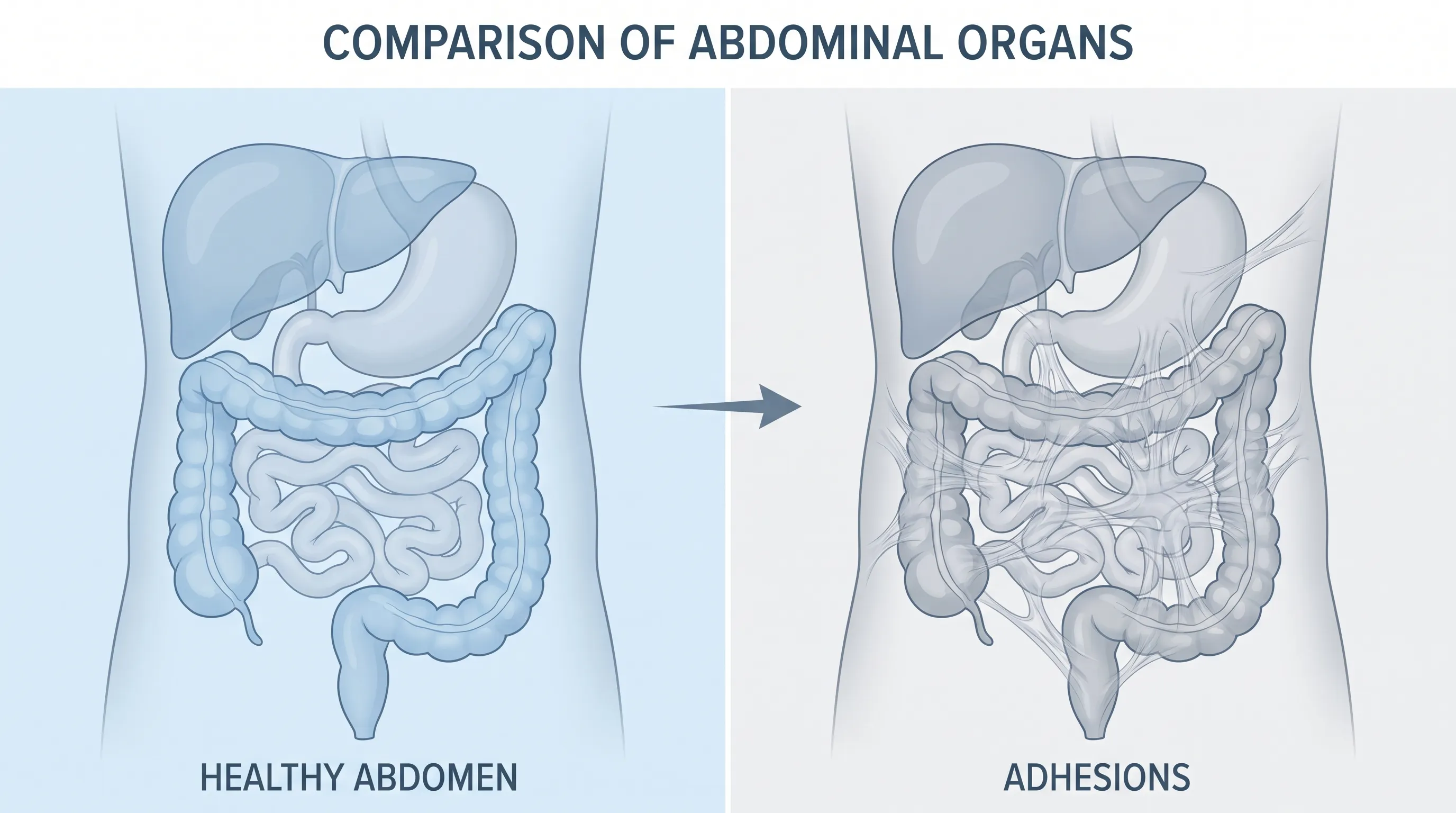
Internal scar tissue represents a complex physiological response to tissue injury, infection, or surgical intervention. Medically, these formations are categorized into two primary types: adhesions, which are fibrous bands that form between separate tissues and organs (such as the intestines, liver, or pelvic structures), and fibrosis, which refers to the excessive deposition of collagen within a specific organ or tissue matrix. Both conditions arise from the same underlying healing cascade, yet they differ in their anatomical presentation and clinical impact. Understanding this distinction is fundamental when exploring how to heal internal scar tissue naturally, as each condition requires slightly different management priorities.
Free calculatorWater Intake CalculatorCalculate daily water needsOpen the calculatorThe Biological Healing Cascade: From Fibrin to Mature Collagen
When tissue experiences trauma, the body immediately initiates a highly coordinated inflammatory response designed to restore structural integrity. According to established surgical literature and pathophysiological consensus, the first phase involves the coagulation system depositing a protein called fibrin across the damaged surfaces. Fibrin essentially acts as a biological glue, sealing micro-tears and preventing further fluid leakage or hemorrhage. Under normal circumstances, the body produces fibrinolytic enzymes that break down this temporary matrix within several days, allowing healthy tissue to regenerate.
However, when the inflammatory response becomes prolonged or overwhelming—due to severe trauma, infection, ischemia, or extensive surgical dissection—the fibrinolytic system becomes compromised. Instead of clearing away, the fibrin matrix persists and serves as a scaffold for fibroblasts and macrophages to infiltrate the area. These cells begin depositing type I collagen, a tough, highly organized protein that provides structural stability but lacks the elasticity of healthy tissue. Over weeks to months, this collagen matrix matures, cross-links, and contracts, eventually forming permanent fibrous bands. This process is why adhesions often feel restrictive and why they frequently anchor adjacent organs together. The National Institutes of Health (MedlinePlus) and Mayo Clinic both outline this cascade as a natural, albeit sometimes overactive, protective mechanism.
Clinical Impact & When Scar Tissue Becomes Problematic
Not all internal scar tissue causes symptoms. Many individuals carry asymptomatic adhesions discovered incidentally during imaging or unrelated procedures. However, when these bands form in critical locations or grow extensive enough to impede normal organ function, they can trigger significant clinical complications. In the abdomen, adhesions may tether loops of the small intestine, restricting natural peristalsis and potentially leading to small bowel obstruction (SBO)—a serious medical emergency characterized by severe cramping, nausea, vomiting, and inability to pass gas. In the pelvic region, adhesions can distort fallopian tube anatomy or uterine lining, contributing to infertility or conditions like Asherman’s syndrome. Musculoskeletal fibrosis following orthopedic surgery or deep tissue trauma can limit joint range of motion, alter biomechanics, and generate chronic myofascial pain.
Recognizing these patterns is crucial when exploring how to heal internal scar tissue naturally, as early intervention during the remodeling phase can dramatically alter long-term outcomes. Clinical guidelines emphasize that while complete adhesion prevention is challenging post-surgery, strategic management of the inflammatory environment and mechanical tissue stress can reduce severity and improve tissue glide.
The Reality of Natural Healing for Internal Scars
One of the most important concepts to grasp when learning how to heal internal scar tissue naturally is managing expectations regarding tissue remodeling. Popular wellness culture sometimes promotes the idea that fibrous adhesions can be completely "dissolved" or melted away using herbs, enzymes, or devices. While certain natural compounds can accelerate fibrin breakdown and modulate collagen deposition, mature scar tissue is structurally integrated into the body’s connective framework. It does not vanish overnight, nor does it disappear without sustained effort.
Why Mature Fibrous Adhesions Resist Complete Erasure
Once collagen cross-linking matures, the extracellular matrix becomes highly organized and resistant to simple enzymatic degradation. The body prioritizes structural stability over elasticity, meaning that dense adhesions often require mechanical intervention, prolonged nutritional support, and time to soften. Additionally, chronic low-grade inflammation can perpetuate a cycle of fibroblast activation, continuously reinforcing fibrotic tissue even years after the initial injury. This biological reality underscores why natural approaches must be viewed as a remodeling and functional optimization process rather than a quick fix.
The True Goal: Softening, Pliability & Functional Restoration
The clinical objective when addressing internal adhesions is not necessarily complete anatomical elimination, but rather functional restoration. Natural healing strategies aim to:
- Reduce localized and systemic inflammation that drives ongoing fibroblast activity
- Enhance local microcirculation to deliver oxygen, nutrients, and remodeling enzymes to the tissue
- Improve tissue viscoelasticity, allowing fibrous bands to stretch, glide, and adapt to physiological movement
- Prevent new adhesions from forming or maturing into restrictive configurations
When these mechanisms align, patients frequently report significant reductions in pain, improved digestive motility, enhanced flexibility, and a return to normal daily activities. This is the realistic, evidence-based foundation of natural adhesion management.
Nutritional Strategies to Reduce Fibrosis & Modulate Inflammation
Diet plays a foundational role in determining whether your body produces inflammatory, fibrotic tissue or supports healthy, pliable repair. Every meal either fuels the TGF-β1 (transforming growth factor beta) signaling pathway—which drives excessive collagen production—or activates anti-inflammatory cascades that encourage balanced remodeling. When exploring how to heal internal scar tissue naturally, prioritizing specific nutritional frameworks becomes your first line of intervention.
The Anti-Inflammatory Diet Framework for Tissue Repair
A targeted anti-inflammatory diet focuses on reducing systemic cytokines like interleukin-6 (IL-6) and tumor necrosis factor-alpha (TNF-α), both of which stimulate fibroblast proliferation and collagen synthesis. The cornerstone of this approach emphasizes:
- Omega-3 Fatty Acids: Found in wild-caught fatty fish (salmon, mackerel, sardines), flaxseeds, chia seeds, and walnuts, omega-3s compete with pro-inflammatory omega-6 arachidonic acid pathways. Research indicates that adequate EPA and DHA intake significantly dampens localized inflammation in healing tissues.
- Polyphenol-Rich Foods: Berries, dark leafy greens, cruciferous vegetables, extra virgin olive oil, and green tea contain thousands of bioactive compounds that neutralize free radicals and inhibit pro-fibrotic signaling. A diet rich in plant polyphenols has been consistently linked to reduced oxidative stress in post-surgical recovery models, as reviewed in PMC6133423.
- Adequate High-Quality Protein: Tissue remodeling requires amino acids. Lean poultry, eggs, legumes, and bone broth provide glycine, proline, and glutamine—essential building blocks for balanced collagen turnover. Without sufficient protein, the body may produce weaker, disorganized connective tissue.
Eliminating processed sugars, refined carbohydrates, and industrial seed oils is equally critical, as these ingredients spike insulin and cortisol, creating an internal environment that favors fibrosis over healthy repair.
Targeted Supplementation Protocol with Clinical Evidence
While whole foods provide foundational support, targeted supplementation can accelerate fibrinolysis and directly modulate the molecular pathways driving scar tissue formation. Always consult a licensed provider before initiating high-dose protocols, especially if you are on anticoagulants or managing complex health conditions.
Proteolytic Enzymes (Bromelain & Papain): Derived from pineapple and papaya, these plant-based enzymes demonstrate clinically relevant fibrinolytic activity. When taken systemically on an empty stomach, bromelain and papain help break down excess fibrin deposits in the extracellular matrix, reducing post-operative edema and limiting adhesion maturation. Meta-analyses in surgical literature confirm their efficacy in decreasing swelling and improving tissue glide when used consistently during the early remodeling phase.
Curcumin (Bioavailable Formulations): Curcumin, the primary active compound in turmeric, is one of the most extensively studied natural anti-fibrotic agents. Peer-reviewed research highlights its ability to inhibit the TGF-β1/Smad signaling pathway, directly reducing myofibroblast differentiation and excessive type I collagen deposition. For optimal absorption, choose formulations paired with piperine (black pepper extract) or liposomal delivery systems. Clinical trials suggest doses ranging from 500–1000 mg daily, divided into two doses, yield measurable anti-inflammatory and anti-fibrotic benefits.
N-Acetylcysteine (NAC) & Antioxidant Support: NAC serves as a direct precursor to glutathione, the body’s master antioxidant. Oxidative stress accelerates fibrotic progression by damaging cellular mitochondria and perpetuating inflammatory loops. Supplementation with 600–1200 mg of NAC daily has shown promise in hepatic, pulmonary, and systemic fibrosis models by restoring redox balance and protecting healthy tissue from collateral damage. Pairing NAC with vitamins C and E further supports regulated collagen cross-linking and prevents oxidative degradation of healing tissue.
Movement, Manual Therapy & Physical Rehabilitation
Mechanical stimulation is arguably the most critical non-nutritional factor in adhesion management. Tissue that remains immobilized after injury or surgery tends to heal in shortened, restrictive patterns. Conversely, carefully applied movement and targeted manual techniques signal the nervous system to promote organized collagen realignment, enhance local perfusion, and restore physiological glide between tissue planes.
The Science of Visceral Mobilization & Myofascial Release
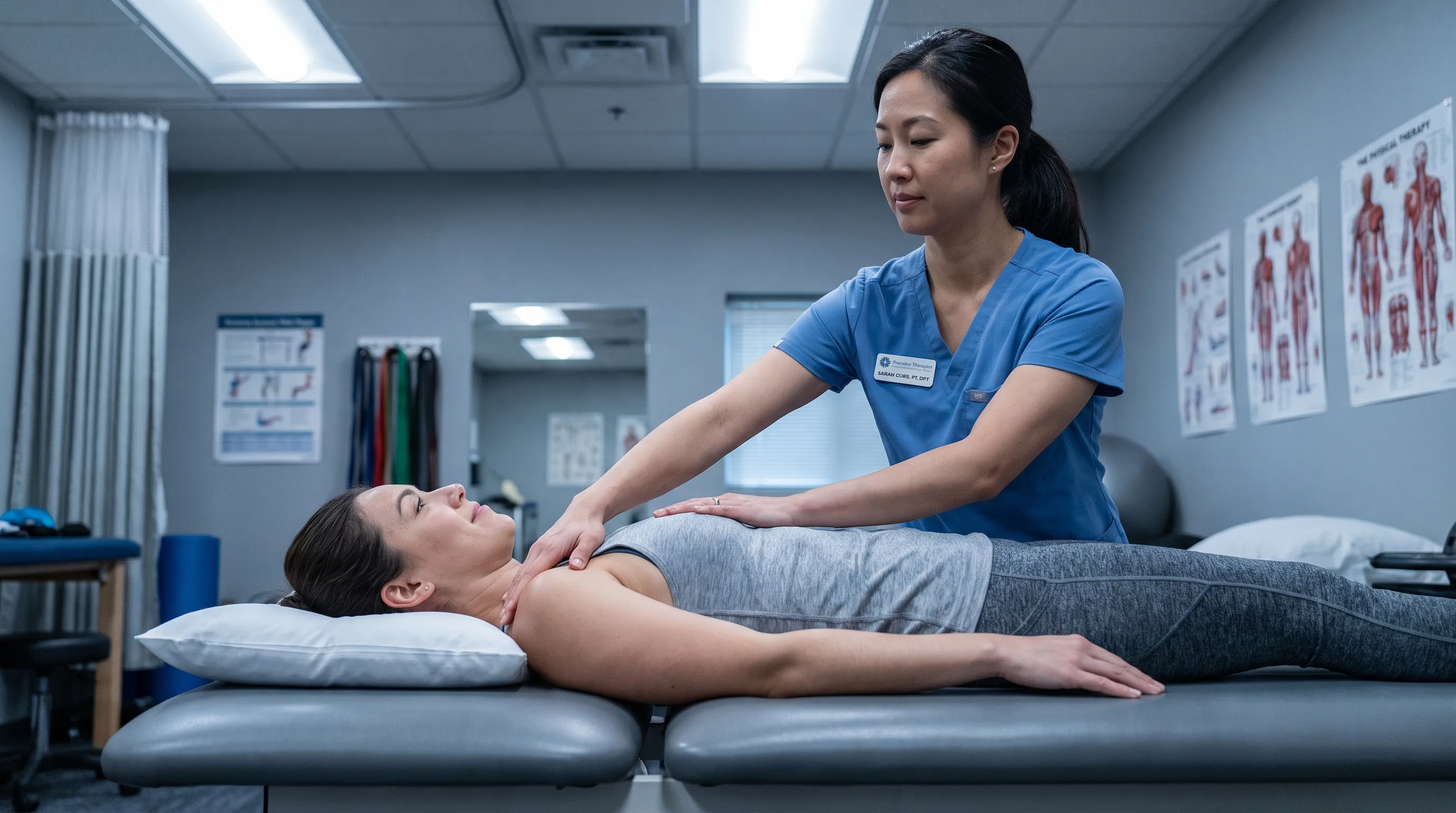
Visceral manipulation and myofascial release are specialized manual therapy techniques used by trained physical therapists, osteopathic practitioners, and massage specialists. These methods apply precise, gentle pressure to the abdominal cavity and deep fascial layers to encourage tissue sliding, break up micro-adhesions, and restore natural organ mobility. Research published in rehabilitation medicine demonstrates that manual techniques increase localized blood flow, stimulate mechanoreceptors that downregulate sympathetic nervous system tension, and physically stretch collagen fibers to improve their elastic capacity.
While professional treatment yields the most targeted results, gentle self-myofascial release using specialized tools or guided diaphragmatic breathing can support clinical therapy. The key principle is gradual, pain-free mobilization rather than aggressive tissue breakdown, which can paradoxically trigger further inflammation.
Graded Mobilization & Early Post-Surgical Movement
Modern surgical guidelines strongly advocate for early, graded mobilization following abdominal, pelvic, or orthopedic procedures. Simple activities like walking, gentle stretching, and progressive core engagement prevent stagnant fibrin deposits from solidifying into permanent bands. Movement creates micro-stress on healing tissue, stimulating fibroblasts to align collagen fibers parallel to physiological force lines rather than in chaotic, restrictive patterns.
Start with short, frequent walks within 24–48 hours post-procedure (as cleared by your surgeon). Gradually incorporate gentle rotational movements, cat-cow stretches, and pelvic tilts to encourage visceral sliding. Consistency outweighs intensity; daily low-grade movement maintains tissue hydration and prevents the "anchoring" effect characteristic of mature adhesions.
Hydration, Lymphatic Support & Systemic Healing Environment
Beyond nutrition and movement, optimizing your body’s internal environment is essential when learning how to heal internal scar tissue naturally. Tissue hydration, lymphatic circulation, and neuroendocrine balance collectively determine whether your healing cascade remains productive or devolves into chronic fibrosis.
Hydration & Tissue Viscoelasticity
Connective tissue, including fascia and scarred adhesions, relies heavily on water for pliability. The extracellular matrix contains hyaluronic acid and glycosaminoglycans that bind water molecules, creating a gel-like environment that allows fibers to slide past one another. Chronic dehydration thickens this matrix, transforming pliable tissue into stiff, adhesive-prone bands. Aim for consistent daily fluid intake (typically 2.5–3.5 liters depending on body weight, climate, and activity level), supplemented with electrolytes to ensure cellular absorption rather than rapid urinary excretion.
Lymphatic Drainage for Fibrin Clearance
The lymphatic system is the body’s primary waste-removal network, responsible for clearing metabolic byproducts, excess fibrin, and inflammatory mediators from interstitial spaces. Unlike the cardiovascular system, lymph lacks a central pump and relies entirely on muscular contraction, diaphragmatic movement, and external stimulation. Supporting lymphatic flow significantly reduces the likelihood of fibrotic tissue consolidation. Practical lymphatic support includes:
- Dry Brushing: Gentle, upward strokes toward the heart before showering stimulate superficial lymphatic vessels.
- Rebounding & Light Cardio: Low-impact bouncing or brisk walking creates rhythmic compression that accelerates lymph return.
- Diaphragmatic Breathing: Deep belly breathing generates negative intrathoracic pressure, acting as a vacuum that pulls lymph fluid toward the thoracic duct for processing. Practicing 10 minutes of structured breathwork daily can dramatically improve internal fluid dynamics.
Stress Management, Sleep & Hormonal Regulation
Chronic psychological or physiological stress elevates cortisol, which directly impairs tissue remodeling. Sustained high cortisol downregulates anti-inflammatory cytokines, prolongs the inflammatory phase of wound healing, and encourages disorganized collagen deposition. Furthermore, poor sleep disrupts human growth hormone (HGH) secretion, a critical regulator of cellular repair and extracellular matrix turnover. Prioritizing 7–9 hours of quality sleep, combined with stress-reduction practices like meditation, vagus nerve stimulation, and gentle yoga, normalizes HPA axis function. This hormonal balance shifts the body from a defensive, fibrotic state into a regenerative, remodeling state—completing the holistic approach to managing internal scar tissue.
Integrative Care & Recognizing Clinical Boundaries
While natural strategies offer profound benefits for tissue remodeling, it is essential to acknowledge their limitations and integrate them responsibly with conventional medicine. Internal adhesions are structural anatomical changes, and certain presentations require immediate professional intervention.
Warning Signs Requiring Medical Evaluation
Seek urgent medical care if you experience sudden, severe abdominal pain, persistent vomiting, inability to pass stool or gas, abdominal distension, or fever. These symptoms may indicate a small bowel obstruction, which can become life-threatening without surgical or endoscopic management. Similarly, women experiencing unexplained pelvic pain, irregular menstruation, or difficulty conceiving after pelvic surgery or infections should undergo specialized evaluation for uterine or tubal adhesions.
Synergizing Natural & Medical Approaches
The most successful recovery pathways combine natural optimization with clinical oversight. Your healthcare provider may recommend diagnostic imaging, laparoscopic evaluation, or targeted medications alongside your dietary, supplemental, and manual therapy regimens. Never discontinue prescribed treatments without professional guidance, and always disclose supplement use to avoid interactions—particularly with blood thinners, anti-inflammatories, or hormonal therapies. The Cleveland Clinic provides excellent clinical guidance on navigating adhesion-related complications safely.
| Approach | Primary Mechanism | Best Used For | Key Considerations |
|---|---|---|---|
| Anti-Inflammatory Diet | Reduces IL-6/TNF-α, modulates TGF-β1 | Systemic inflammation reduction, foundational healing | Requires long-term consistency; avoid extreme elimination diets |
| Proteolytic Enzymes | Accelerates fibrin breakdown, reduces edema | Early post-surgical phase, active adhesion softening | Take on empty stomach; avoid if on anticoagulants |
| Visceral/Manual Therapy | Restores tissue glide, improves local perfusion | Chronic adhesions, restricted mobility, pain | Seek licensed practitioners; avoid during acute inflammation |
| Hydration & Lymphatics | Maintains viscoelasticity, clears fibrin byproducts | Daily maintenance, prevention of new adhesions | Must be paired with movement for maximum efficacy |
| Medical/Surgical Intervention | Mechanical adhesion lysis, obstruction resolution | Bowel obstruction, severe infertility, acute pain | Invasive; carries risk of recurrence; requires post-op rehab |
Frequently Asked Questions
How long does it take to see results when using natural methods for internal scar tissue?
Tissue remodeling is a gradual physiological process. Most patients notice reduced stiffness, improved mobility, and decreased discomfort within 4–12 weeks of consistent dietary adjustment, targeted supplementation, and daily movement therapy. Significant softening of mature adhesions typically requires 3–6 months of sustained effort, as collagen turnover and cross-link modification operate on cellular timelines.
Can proteolytic enzymes like bromelain actually break up existing scar tissue?
Enzymes do not dissolve fully matured collagen bands, but they do accelerate the clearance of residual fibrin deposits and reduce localized swelling that traps tissue. By maintaining a low-inflammatory environment, bromelain and papain prevent existing adhesions from tightening and encourage newly forming tissue to heal in a more organized, pliable manner. Consistent use during the early healing phase yields the best outcomes.
Is it safe to perform abdominal massage or myofascial release at home?
Gentle, superficial abdominal massage and diaphragmatic breathing are generally safe for most individuals during the recovery phase, provided surgical incisions are fully closed and there is no active infection or severe pain. However, deep visceral manipulation should only be performed by trained professionals. Aggressive pressure can damage healing tissue, trigger protective muscle guarding, and worsen inflammation.
Does stretching or yoga help with internal adhesions?
Yes, but with important caveats. Gentle, sustained stretching and restorative yoga encourage tissue elongation and improve fascial glide without triggering stretch-induced microtrauma that exacerbates fibrosis. Poses like supine twists, gentle cat-cow, supported child’s pose, and deep diaphragmatic breathing promote internal sliding and parasympathetic activation. Avoid aggressive ballistic stretching or high-intensity core work until cleared by a physical therapist, as sudden tension can reinforce restrictive adhesion patterns.
When should I consider surgery for internal scar tissue instead of natural approaches?
Surgical intervention becomes necessary when adhesions cause mechanical complications like bowel obstruction, severe chronic pain unresponsive to conservative therapy, or documented infertility due to tubal or uterine distortion. Surgery itself carries a risk of forming new adhesions, which is why post-operative natural protocols—early mobilization, anti-inflammatory nutrition, and manual therapy—are critical to prevent recurrence and optimize long-term tissue health.
Conclusion
Learning how to heal internal scar tissue naturally requires patience, consistency, and a clear understanding of your body’s healing biology. While mature fibrous adhesions cannot be instantly erased, they can be profoundly transformed. Through strategic anti-inflammatory nutrition, targeted enzymatic and antioxidant support, graded movement, professional manual therapy, and systemic lifestyle optimization, you can shift your tissue environment from fibrotic rigidity toward healthy pliability. The goal is not perfection, but functional restoration—reclaiming mobility, reducing discomfort, and preventing future restrictive patterns.
As with any structural healing process, individual response varies based on genetics, surgical history, baseline inflammation, and adherence to protocol. Always partner with qualified healthcare professionals to tailor interventions to your specific anatomy and medical profile. By combining evidence-based natural strategies with clinical wisdom, you can actively guide your body toward resilient, well-remodeled tissue and restore the vibrant, unrestricted movement you deserve.
How we work
Researched and drafted with AI assistance, then reviewed by a human editor against the cited sources.
This article is general health information, not medical advice. Consult a qualified healthcare professional about your own situation.