Carpal Tunnel Massage: Evidence-Based Techniques for Pain Relief and Nerve Recovery
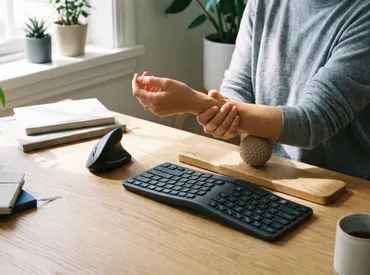
Persistent wrist pain, nocturnal numbness, and the unsettling sensation of dropping everyday objects are familiar struggles for millions dealing with median nerve compression, clinically recognized as carpal tunnel syndrome. While clinical interventions and surgical options exist, many individuals first seek non-invasive relief through manual therapy. Carpal tunnel massage has emerged as a highly accessible, evidence-supported strategy to reduce localized inflammation, restore tissue elasticity, and improve neural mobility. Unlike generic hand rubs, a targeted approach requires understanding the anatomical landscape of the wrist, the physiological mechanisms of nerve compression, and the precise pressure thresholds needed for therapeutic benefit. When performed correctly, carpal tunnel massage can serve as a powerful cornerstone of conservative management, bridging the gap between passive symptom relief and active tissue rehabilitation. This comprehensive guide will walk you through the science, step-by-step techniques, safety protocols, and integration strategies necessary to harness the full potential of manual therapy for wrist health. By the end, you will have a clear, clinically grounded roadmap for safely incorporating these methods into your daily wellness routine.
Understanding Carpal Tunnel Syndrome and the Role of Manual Therapy
The Anatomy of the Median Nerve and Wrist Complex
The carpal tunnel itself is a narrow, rigid passageway located on the palmar side of the wrist. It is bounded by the carpal bones on three sides and the thick, inflexible transverse carpal ligament (also known as the flexor retinaculum) on the roof. Within this confined space travel nine flexor tendons responsible for finger and thumb movement, along with the median nerve. The median nerve provides sensory innervation to the thumb, index finger, middle finger, and the radial half of the ring finger. It also supplies motor control to several small muscles at the base of the thumb, including the abductor pollicis brevis and the opponens pollicis.
Free calculatorFoot Reflexology ChartFoot reflexology points and corresponding organsOpen the calculatorBecause the tunnel is anatomically constrained with virtually no capacity for expansion, any swelling of the tendons, thickening of the ligament, or structural misalignment increases intracarpal pressure. Even a modest rise in pressure can compromise microcirculation within the vasa nervorum (the tiny blood vessels that nourish the nerve). Over time, reduced blood flow triggers demyelination, impaired nerve conduction, and the classic symptoms of paresthesia, aching, and grip weakness. Understanding the complex anatomy of the wrist and median nerve is essential when considering carpal tunnel massage. The goal is not to forcefully expand the rigid tunnel, but to decrease surrounding muscular tension, improve tendon glide, and reduce fascial restrictions that contribute to cumulative compression.
Pathophysiology: How Compression Develops
Carpal tunnel syndrome rarely develops in isolation. It is typically a multifactorial condition influenced by repetitive flexion and extension, sustained awkward postures, vibrational trauma, systemic conditions like diabetes or thyroid disorders, hormonal fluctuations during pregnancy, and even genetic predispositions related to wrist anatomy. When the flexor tendons are overused without adequate recovery, the synovial lining surrounding them becomes irritated and produces excess fluid. This inflammatory cascade increases the volume within an already tight space.
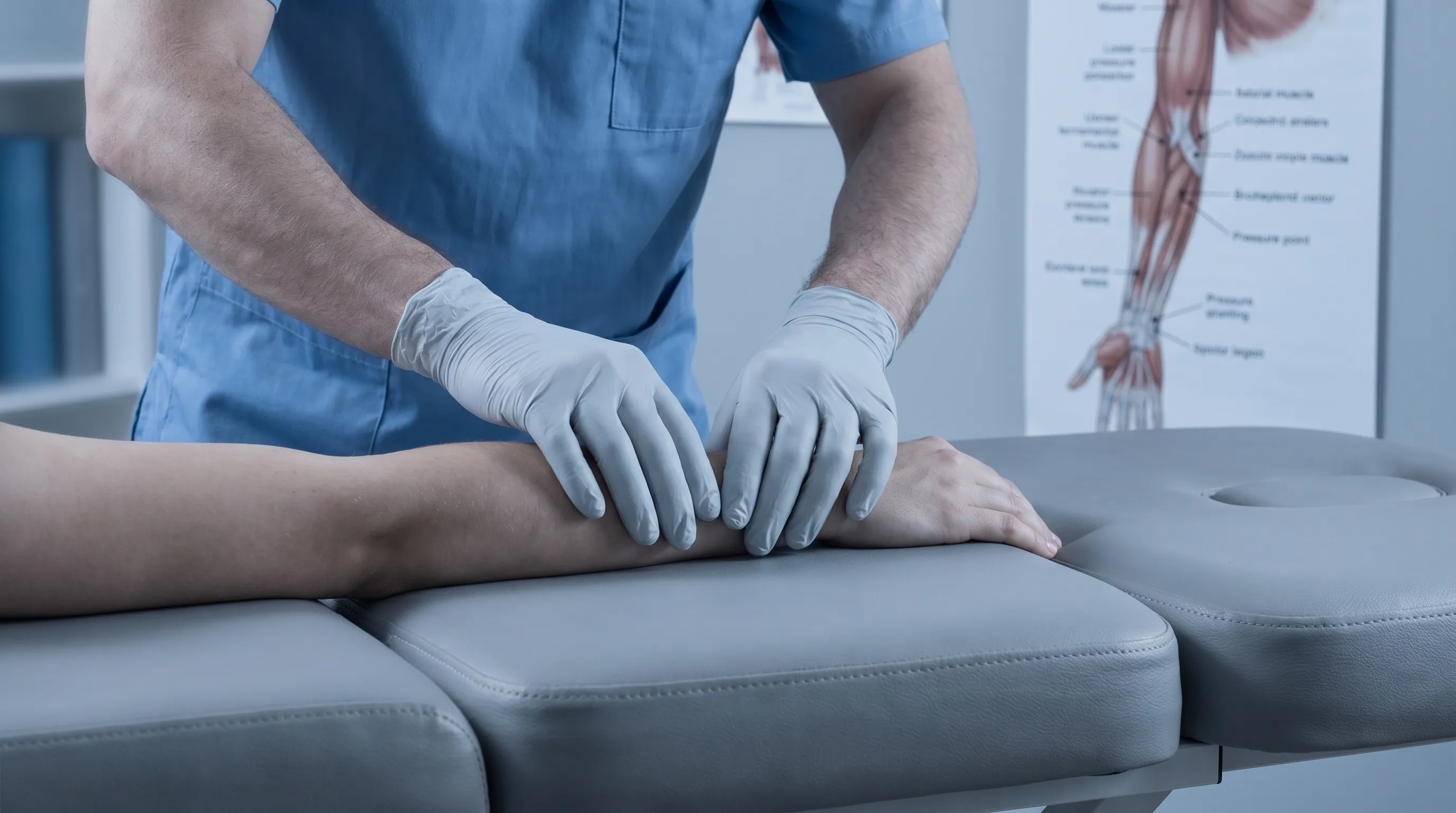
Manual therapy intervenes precisely at this juncture. By addressing the extrinsic muscles of the forearm, the fascial planes of the palm, and the superficial structures around the wrist, carpal tunnel massage helps normalize tissue tone, facilitate venous and lymphatic return, and break down early-stage adhesions. It does not treat systemic metabolic causes, but it effectively mitigates the local mechanical contributors that transform asymptomatic anatomical variation into symptomatic nerve compression.
The Science Behind Carpal Tunnel Massage
Mechanisms of Action: Blood Flow, Inflammation, and Tissue Remodeling
Therapeutic touch initiates a cascade of neurophysiological and biomechanical responses. When appropriate, sustained pressure is applied to hypertonic muscle tissue, mechanoreceptors in the fascia and muscle spindles send inhibitory signals to the central nervous system. This autogenic inhibition reduces alpha motor neuron firing, allowing chronically shortened fibers to relax. In the context of carpal tunnel massage, this relaxation primarily targets the flexor digitorum superficialis, flexor digitorum profundus, flexor pollicis longus, and pronator teres. These muscles originate in the forearm but exert continuous pull on their distal tendons, transmitting tension directly into the carpal tunnel.
Simultaneously, gentle compressive forces stimulate localized vasodilation. Increased capillary perfusion delivers oxygen and nutrients while accelerating the clearance of inflammatory mediators like bradykinin, prostaglandins, and lactic acid. Improved interstitial fluid dynamics reduces edema around the tendon sheaths, effectively lowering intratunnel pressure. Furthermore, controlled shear stress during massage stimulates fibroblasts to reorganize disordered collagen fibers, gradually restoring pliability to stiffened connective tissue.
Clinical Evidence and Research Outcomes
The efficacy of carpal tunnel massage is supported by a growing body of peer-reviewed literature. According to the National Center for Complementary and Integrative Health (NCCIH) at the NIH, structured manual therapy can significantly reduce musculoskeletal discomfort and improve functional mobility when applied correctly. Clinical trials and systematic reviews have demonstrated that structured manual therapy programs significantly reduce symptom severity scores, improve grip strength, and enhance nerve conduction velocity in mild to moderate cases. A landmark study published in the Journal of Manual & Manipulative Therapy found that participants receiving targeted massage and myofascial release experienced statistically significant improvements compared to a control group receiving only educational pamphlets. The intervention group reported fewer nighttime awakenings, less daytime discomfort, and measurable gains in pinch strength after just four weeks.
Importantly, research indicates that carpal tunnel massage works synergistically with other conservative treatments. When paired with ergonomic modification, neural mobilization exercises, and nocturnal bracing, manual therapy accelerates tissue adaptation and prolongs symptomatic relief. The evidence strongly supports a multimodal approach rather than viewing massage as a passive, isolated remedy. Understanding these physiological and clinical foundations empowers individuals to practice carpal tunnel massage with precision, patience, and purpose.
Essential Carpal Tunnel Massage Techniques
Myofascial Release for the Flexor Compartment
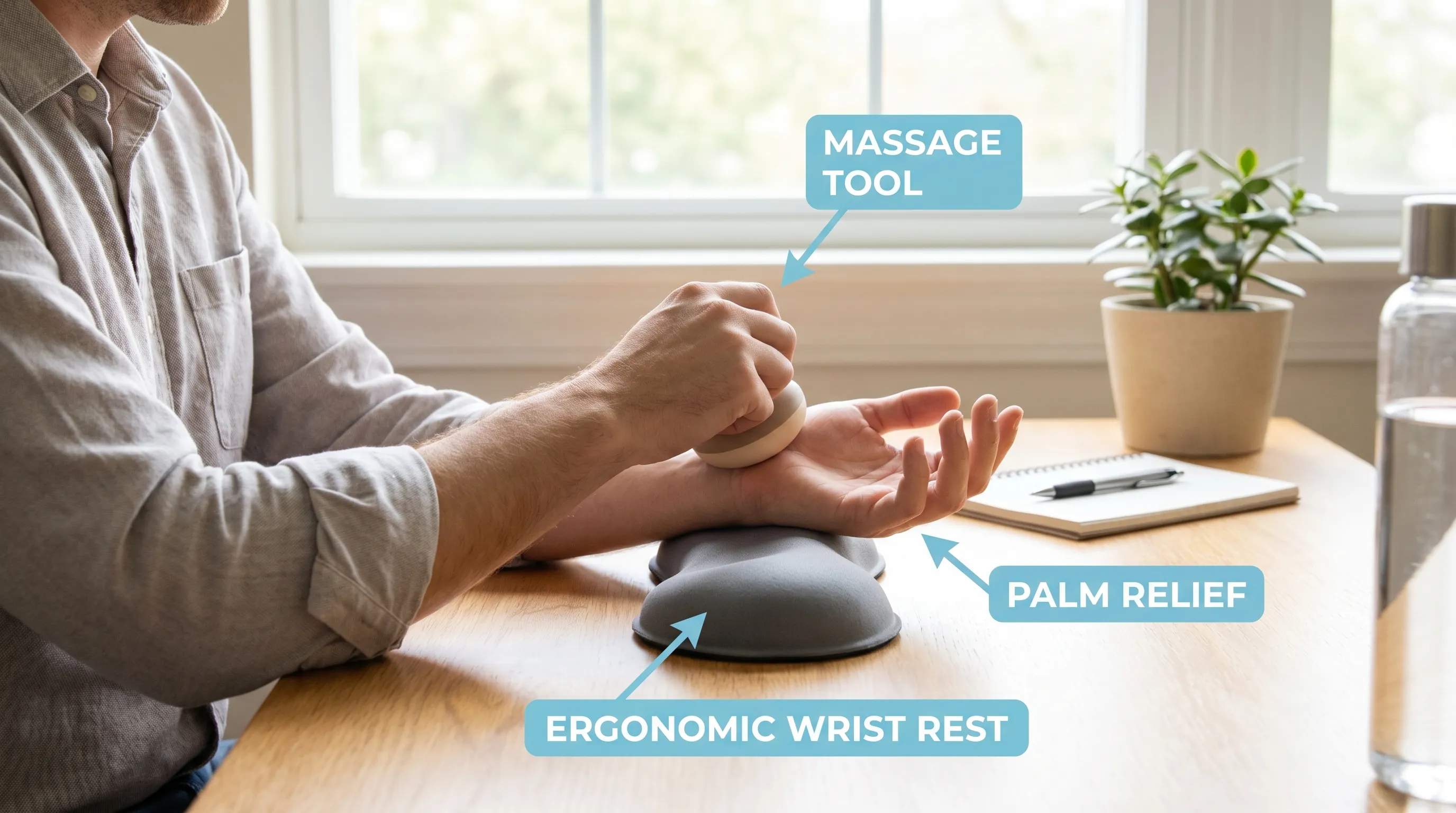
The foundation of any effective carpal tunnel massage begins with releasing tension in the forearm flexors. These muscles often become shortened and densely packed from repetitive gripping, typing, or manual labor. To perform myofascial release, extend your affected arm forward with the palm facing upward. Use the opposite thumb or a smooth massage ball to locate the muscular belly approximately two to three inches below the elbow crease. Apply gentle, sustained pressure and slowly glide the instrument or thumb distally toward the wrist. Move deliberately, allowing the tissue to soften under the pressure rather than forcing through resistance.
Hold areas of increased tension for 20 to 30 seconds without rolling quickly over the surface. This sustained compression allows the ground substance in the fascia to undergo thixotropic change, shifting from a gel-like state to a more fluid consistency. Pay particular attention to the ulnar side of the forearm, as chronic pronation often creates disproportionate strain on the ulnar flexors. Breathe deeply throughout the process to maintain parasympathetic tone and prevent involuntary muscle guarding.
Transverse Cross-Friction for Adhesion Breakdown
As inflammation persists, microscopic adhesions form between the tendon sheaths and surrounding fascial layers, restricting independent tendon movement. Cross-friction massage targets these early-stage scar tissues by applying perpendicular pressure to the muscle and tendon fibers. Using two or three fingertips, position your hands just proximal to the wrist crease. Apply moderate pressure and stroke horizontally across the longitudinal axis of the forearm tendons. The motion should be brief and focused, covering a small area with controlled back-and-forth movement.
Limit cross-friction sessions to 1 to 2 minutes per location to prevent reactive inflammation. The sensation should feel like firm pressure with mild discomfort, never sharp or radiating pain. This technique is particularly useful for individuals who experience stiffness after periods of rest or who notice a clicking sensation when moving their fingers. By restoring independent tendon glide, transverse friction directly contributes to reduced compression within the rigid carpal tunnel architecture.
Nerve Gliding and Neural Flossing Integration
While traditional massage addresses muscular and fascial restrictions, neural flossing focuses specifically on restoring median nerve mobility. Nerves are meant to slide smoothly through surrounding tissue with every joint movement. Chronic compression can cause the median nerve to adhere to the floor or walls of the carpal tunnel. Nerve gliding exercises do not stretch the nerve; rather, they create a gentle, rhythmic sliding motion that breaks micro-adhesions and normalizes axoplasmic flow.
To integrate neural mobilization with carpal tunnel massage, begin in a relaxed seated position with your elbow slightly flexed and your shoulder depressed. Slowly extend your wrist and fingers backward, then gently tilt your head toward the opposite shoulder. Return to a neutral wrist position and tilt your head away. Repeat this coordinated movement 10 to 15 times at a comfortable pace. The nerve should glide smoothly without provoking sharp pain or prolonged tingling. Performing nerve flossing immediately after myofascial release maximizes tissue compliance and enhances the overall therapeutic impact.
Step-by-Step Guide to Self-Massage at Home
Preparation and Optimal Positioning
Creating the right environment significantly influences the effectiveness of carpal tunnel massage. Begin by washing your hands with warm water to increase baseline circulation and soften superficial tissues. Dry them thoroughly and apply a dime-sized amount of hypoallergenic massage lotion or natural oil to the affected forearm, wrist, and palm. Position yourself in a quiet, supportive chair with your feet flat on the floor. Rest your arm on a table or cushion at chest level, ensuring the shoulder remains relaxed and not elevated.
Maintain a neutral spine and avoid leaning forward, as cervical tension can radiate distally and exacerbate upper extremity symptoms. If your symptoms are predominantly nocturnal, consider performing your routine 30 to 60 minutes before bedtime to allow tissue relaxation to translate into improved sleep quality. Dim the lights slightly to reduce visual stimulation and encourage parasympathetic activation, which further supports tissue recovery and pain modulation.
Daily Routine for Optimal Relief
A structured, repeatable protocol ensures consistent progress without overworking compromised tissues. Begin the session with five slow, deep breaths to lower systemic stress markers. Move to myofascial release along the forearm, spending 3 minutes gliding from the proximal muscle belly to the wrist crease. Transition to transverse friction at the distal forearm for 90 seconds, focusing only on areas that feel unusually dense or tender. Follow this with gentle palm and thenar eminence massage, using circular thumb strokes for 2 minutes to relax the intrinsic hand muscles that often compensate for weak wrist stabilizers.
Conclude with nerve gliding and passive wrist flexion-extension stretches, holding each position for 15 seconds without bouncing. The entire carpal tunnel massage routine should take approximately 7 to 10 minutes. Perform this sequence once daily for mild symptoms or twice daily (morning and evening) during flare-ups. Consistency over four to six weeks typically yields noticeable improvements in daytime comfort and nighttime symptom frequency. Track your progress in a simple symptom journal to identify patterns and adjust pressure accordingly.
Integrating Massage with Comprehensive Management Strategies
Ergonomic Adjustments and Activity Modification
Manual therapy addresses existing tension, but sustainable relief requires modifying the behaviors that generate it. Evaluate your workspace to ensure keyboards, mice, and writing surfaces keep the wrists in a neutral, un-flexed position. The CDC's ergonomic guidelines emphasize that proper workstation setup can drastically reduce repetitive strain on the median nerve. Consider vertical mice, split keyboards, and padded armrests that distribute weight across the forearm rather than concentrating it at the wrist. Maintain elbows at a 90 to 100-degree angle and avoid resting the heel of your palm on hard edges for extended periods.
During repetitive tasks, implement the 20-50 rule: for every 20 minutes of continuous hand use, take 50 seconds to stretch, shake out your hands, and reset your posture. Microbreaks prevent cumulative microtrauma and give synovial fluid time to redistribute. When carrying heavy bags or lifting objects, distribute weight evenly across the palm and avoid hooking fingers under handles, which creates disproportionate flexor tendon loading. Small behavioral shifts dramatically reduce the daily demand placed on the median nerve.
Combining Massage with Splinting and Physical Therapy
Carpal tunnel massage reaches its highest clinical utility when integrated with nighttime splinting and guided rehabilitation. Rigid or semi-rigid wrist braces worn during sleep prevent the unconscious flexion and extension that drastically increases intratunnel pressure. Consistent bracing allows inflamed tissues to rest and heal, while daytime massage maintains tissue pliability and prevents stiffness from developing during immobilization periods.
Working with a licensed hand therapist or physical therapist ensures your self-care routine remains aligned with your specific tissue tolerance. Professionals can perform joint mobilizations, provide graded loading programs, and utilize modalities like ultrasound or iontophoresis when appropriate. When combined with professional guidance, carpal tunnel massage transitions from a temporary comfort measure to an active rehabilitation strategy that supports long-term functional recovery.
Conservative Treatment Comparison
| Intervention | Primary Mechanism | Best For | Typical Frequency | Limitations |
|---|---|---|---|---|
| Carpal Tunnel Massage | Tissue relaxation, fluid drainage, adhesion reduction | Mild to moderate symptoms, daytime stiffness | 1-2x daily | Requires consistency; does not correct severe structural compression |
| Nocturnal Wrist Splinting | Maintains neutral alignment, reduces intratunnel pressure | Nighttime awakenings, acute flare-ups | Every night | Can cause muscle deconditioning if worn continuously during day |
| NSAIDs & Topical Analgesics | Chemical reduction of inflammation and pain signaling | Acute pain episodes, post-activity soreness | As needed | Masks symptoms temporarily; does not improve tissue mobility |
| Corticosteroid Injections | Powerful localized anti-inflammatory effect | Severe flare-ups, pre-surgical evaluation | 1-3 times max | Temporary relief; risk of tendon weakening or fat atrophy with overuse |
| Surgical Release | Anatomical decompression of transverse carpal ligament | Severe nerve damage, muscle wasting, failed conservative care | One-time procedure | Requires rehabilitation; carries standard surgical risks |
Safety Precautions, Contraindications, and Red Flags
When Massage May Exacerbate Symptoms
Not all wrist discomfort responds favorably to manual therapy, and recognizing inappropriate application is critical. Avoid deep tissue massage or sustained pressure directly over the carpal tunnel if you are experiencing acute inflammation, recent trauma, or severe radiating pain. Excessive force can compress an already vulnerable nerve, trigger protective muscle spasms, or aggravate tenosynovitis. Individuals with rheumatoid arthritis, gout flare-ups, or open dermatological conditions in the area should postpone massage until medical clearance is obtained.
Additionally, avoid using vibrating massage guns or high-intensity percussive devices on the wrist or proximal palm. These tools generate rapid, high-impact forces that are inappropriate for small joints and delicate neural pathways. Stick to manual pressure, smooth massage balls, or low-frequency percussion tools specifically designed for sensitive tissue. The principle of therapeutic dosage applies: gentle, sustained, and targeted consistently outperforms aggressive, rapid, and indiscriminate force.
Recognizing Severe Median Nerve Damage
Understanding when to escalate care prevents irreversible tissue compromise. While carpal tunnel massage is excellent for symptom modulation, it cannot reverse established axonal degeneration or severe thenar atrophy. Seek immediate medical evaluation if you experience constant numbness that does not improve with hand shaking, noticeable muscle wasting at the thumb base, loss of fine motor skills (like buttoning shirts or picking up coins), or symptoms that spread up the forearm or into the elbow and shoulder. According to clinical guidance from the Mayo Clinic, early intervention preserves functional capacity and expands treatment options. Persistent symptoms beyond four to six weeks of consistent conservative management warrant electrodiagnostic testing (EMG/NCS) to quantify nerve conduction velocity and determine the degree of axonal loss. Early intervention preserves functional capacity and expands treatment options. Massage remains a valuable adjunct, but it must be paired with diagnostic clarity when symptoms cross from mild discomfort into structural neurological impairment.
Frequently Asked Questions
Is carpal tunnel massage safe for everyone?
Carpal tunnel massage is generally safe for individuals experiencing mild to moderate symptoms of wrist discomfort and occasional tingling. However, it should be avoided if you have acute inflammatory conditions, open wounds, fractures, or severe neuropathic symptoms like constant numbness and muscle wasting. People with systemic conditions such as uncontrolled diabetes, rheumatoid arthritis flare-ups, or severe vascular disease should consult a physician before beginning any manual therapy routine.
How often should I perform carpal tunnel massage for best results?
For sustainable symptom management, a gentle routine can be performed one to two times daily, with each session lasting between 5 and 10 minutes. Consistency and moderate pressure yield better outcomes than infrequent, aggressive sessions. During acute flare-ups, increase frequency to twice daily while maintaining lighter pressure. Track symptom progression and adjust accordingly, tapering to maintenance frequency once daytime comfort improves and nighttime awakenings decrease.
Can massage alone cure carpal tunnel syndrome?
While highly effective at reducing pain, improving circulation, and restoring tissue mobility, massage rarely serves as a standalone cure for carpal tunnel syndrome. The condition is often multifactorial, involving repetitive strain, anatomical constraints, and systemic contributors. Long-term success requires combining carpal tunnel massage with ergonomic optimization, nighttime splinting, targeted nerve gliding exercises, and activity modification. A multimodal approach addresses both symptoms and underlying mechanical drivers.
What is the difference between nerve gliding and traditional carpal tunnel massage?
Traditional massage focuses on relaxing the surrounding musculature, improving local blood flow, and breaking down fascial restrictions in the forearm and palm. Nerve gliding, also known as neural flossing, involves specific, coordinated joint and head movements that create a gentle sliding motion along the median nerve pathway. This technique restores axoplasmic flow and prevents tethering within the carpal tunnel. Both methods are complementary: massage prepares the tissue environment, while nerve gliding restores optimal neural mobility.
Should I use massage oil or lotion for carpal tunnel massage?
Yes, applying a small amount of lubricant significantly improves comfort and therapeutic effectiveness. Oil or lotion reduces superficial friction, preventing skin irritation and allowing your hands or massage tools to glide smoothly over tissue. Opt for unscented, hypoallergenic formulations if you have sensitive skin. The lubricant also helps maintain consistent pressure without requiring excessive force, which is crucial when working near the delicate structures of the wrist and median nerve.
Conclusion
Navigating the discomfort of median nerve compression requires a balanced approach that honors both the complexity of the anatomy and the body's innate capacity for recovery. Carpal tunnel massage offers a scientifically grounded, highly accessible method to reduce localized tension, improve tissue hydration, and restore functional mobility. When practiced with precision, patience, and proper technique, it becomes an indispensable component of conservative wrist care. Success depends not on aggressive force, but on consistency, body awareness, and the willingness to pair manual therapy with ergonomic mindfulness and professional guidance when necessary. By integrating these evidence-based practices into your daily routine, you take proactive control over your nerve health and create a sustainable foundation for long-term comfort, dexterity, and functional independence.
How we work
Researched and drafted with AI assistance, then reviewed by a human editor against the cited sources.
This article is general health information, not medical advice. Consult a qualified healthcare professional about your own situation.