Can You Brush Your Teeth With Hydrogen Peroxide? A Complete Safety Guide
Key points
- Healthline: Hydrogen Peroxide Teeth Whitening Safety Guidelines
- American Dental Association (MouthHealthy): Teeth Whitening Overview
- NIDCR: Teeth Whitening Clinical Perspectives
- Cleveland Clinic: Teeth Whitening Safety Protocols
- WebMD: Oral Health Uses of Hydrogen Peroxide
If you are searching the internet to determine whether can you brush your teeth with hydrogen peroxide, you are not alone. Millions of people seeking affordable, at-home teeth whitening solutions and antimicrobial oral care routinely turn to this common household oxidizer. Found in nearly every medicine cabinet, hydrogen peroxide has earned a reputation as a versatile disinfectant, wound cleanser, and DIY beauty staple. However, the oral cavity is a highly sensitive biological ecosystem, and introducing potent oxidizing agents directly to tooth surfaces requires a nuanced, evidence-based approach. Understanding the biochemical mechanisms, concentration thresholds, and clinical warnings associated with this compound is essential before incorporating it into your daily dental routine. Dental professionals and peer-reviewed research consistently emphasize that while hydrogen peroxide holds legitimate therapeutic value, its application method drastically dictates whether it serves as a beneficial adjunct or a harmful irritant. The question is not simply whether the compound works, but how, when, and under what parameters it can be safely utilized without compromising enamel integrity, gingival health, or the delicate balance of oral microflora.
Understanding the Science Behind Hydrogen Peroxide in Dental Care
Hydrogen peroxide (H₂O₂) is a colorless, transparent liquid that functions as a powerful oxidizing agent. Its widespread inclusion in dental products stems from two primary mechanisms of action: oxidative bleaching and broad-spectrum antimicrobial disruption. When introduced to an aqueous environment, the molecule rapidly decomposes into water (H₂O) and highly reactive oxygen free radicals. These transient molecules are the driving force behind both its cosmetic whitening properties and its therapeutic antibacterial effects. The biochemical cascade begins the moment hydrogen peroxide contacts the pellicle, the thin proteinaceous film that coats enamel. Free radicals immediately seek out electron-rich targets, initiating a chain reaction that alters molecular structures within oral tissues.
Free calculatorHeadache Location ChartIdentify headache types by locationOpen the calculatorThe Oxidative Bleaching Mechanism
The whitening capability of hydrogen peroxide is rooted in its ability to penetrate the semi-permeable structure of dental enamel and reach the underlying dentin layer. Naturally occurring stains on teeth, whether from dietary chromogens in coffee, tea, and red wine, or from intrinsic factors like tetracycline exposure or aging, are composed of large, conjugated double-bond molecules. These structures absorb visible light, reflecting darker pigments that give teeth a yellowed or dingy appearance. When oxygen radicals generated by hydrogen peroxide interact with these chromogens, they break the conjugated double bonds into smaller, less complex molecular fragments. This structural alteration reduces the molecules' ability to absorb light, effectively scattering wavelengths and producing a visibly brighter, whiter tooth shade. Clinical research demonstrates that this oxidative process is dose- and time-dependent, meaning concentration and exposure duration directly influence whitening efficacy. However, this same oxidative power lacks discrimination, which is why improper application can compromise healthy dental tissues alongside stained surfaces.
Antimicrobial Action and Oral Flora Modulation
Beyond aesthetic applications, hydrogen peroxide functions as a potent antimicrobial agent by exploiting the physiological vulnerability of anaerobic bacteria. The pathogenic microorganisms primarily responsible for plaque accumulation, gingivitis, and periodontal disease thrive in low-oxygen environments beneath the gingival margin and within biofilm matrices. The rapid release of atomic oxygen during peroxide decomposition creates a hostile, hyper-oxygenated microenvironment that disrupts bacterial cell walls, denatures essential enzymes, and ultimately induces cellular lysis. This mechanism effectively reduces the overall microbial load, temporarily diminishing plaque formation, mitigating halitosis, and lowering inflammatory cytokines in gingival tissues. However, it is crucial to recognize that hydrogen peroxide does not selectively target only harmful pathogens. When applied too frequently or at excessive concentrations, it indiscriminately reduces both pathogenic and commensal bacterial populations, which can destabilize the oral ecosystem and create ecological vacuums that opportunistic pathogens may later colonize.
Addressing the Core Question: Can You Brush Your Teeth with Hydrogen Peroxide?
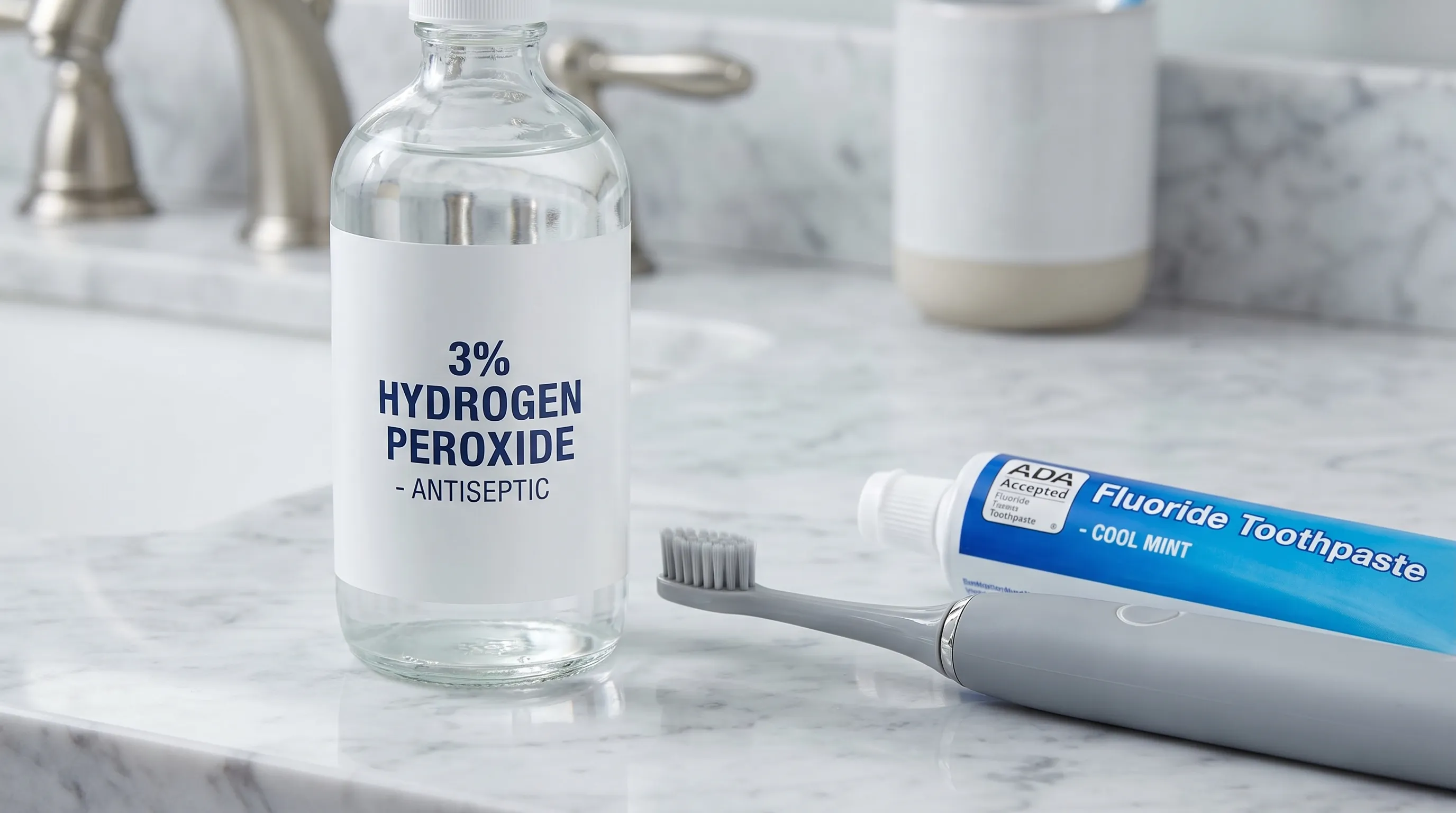
The direct answer to whether can you brush your teeth with hydrogen peroxide safely as a routine hygiene practice is a resounding no. While the compound possesses legitimate therapeutic properties, substituting it for standard fluoride toothpaste during daily brushing introduces several clinically significant risks. Toothbrush bristles are designed to facilitate the mechanical removal of plaque through friction, and when paired with a highly concentrated liquid oxidizer, the combination creates an environment prone to chemical abrasion and tissue penetration. Dental professionals universally caution against this practice because household hydrogen peroxide formulations lack the buffering agents, remineralizing components, and protective delivery matrices that make standard dentifrices safe for daily mechanical cleaning.
Why Dental Professionals Advise Against Direct Brushing
Brushing is a repetitive, high-frequency activity that inherently generates micro-abrasion on tooth surfaces. Standard toothpastes are meticulously engineered to balance mild abrasives (such as hydrated silica or calcium carbonate) with humectants, surfactants, and fluoride. These components work synergistically to polish teeth, reduce surface stains, and strengthen hydroxyapatite crystals without inducing structural fatigue. Raw hydrogen peroxide, conversely, provides no abrasive polishing action and contains zero fluoride. When you brush directly with it, you expose the enamel pellicle to sustained oxidative stress without any protective remineralization buffer. Furthermore, the foaming action of standard surfactants in toothpaste is designed to lift debris; peroxide alone does not produce this mechanical cleaning effect, meaning plaque removal becomes inefficient while chemical exposure intensifies. Clinical observations consistently show that patients who brush directly with 3% household peroxide report accelerated enamel surface softening, increased roughness, and compromised microhardness values after just a few weeks of daily use.
The Critical Role of Concentration and pH Balance
Concentration dictates safety margins more than any other variable. Household hydrogen peroxide is typically sold at a 3% concentration, which is the maximum threshold generally deemed acceptable for occasional, diluted oral rinsing. Professional dental in-office treatments utilize formulations ranging from 10% to 35%, but these are administered under strict clinical supervision with gingival barriers, precise timing protocols, and post-treatment desensitizing agents to mitigate adverse effects. When individuals attempt to replicate professional results using undiluted or poorly measured DIY solutions, they bypass critical safety parameters. Concentrations exceeding 6% applied without professional oversight significantly elevate the risk of pulpal irritation, chemical burns to the gingival margin, and irreversible alterations to the mineral content of enamel. Additionally, the pH of hydrogen peroxide solutions is naturally acidic, typically ranging between 4.0 and 4.5 depending on stabilizers used. Repeated exposure to low-pH environments accelerates acid erosion, dissolving calcium and phosphate ions from the enamel lattice and leaving teeth more susceptible to caries and thermal sensitivity.
Documented Risks, Side Effects, and Long-Term Considerations
Understanding the potential adverse outcomes is essential for anyone considering the question, can you brush your teeth with hydrogen peroxide without causing irreversible harm. While short-term, diluted application may yield mild aesthetic benefits, the physiological toll on dental and periodontal tissues can accumulate rapidly if usage guidelines are ignored. Peer-reviewed literature and clinical case studies document a consistent spectrum of side effects, ranging from transient discomfort to permanent structural compromise.
Enamel Demineralization and Dentin Tubule Exposure
The outermost layer of the tooth, enamel, is the hardest substance in the human body, yet it remains highly vulnerable to chemical degradation. Hydrogen peroxide penetrates enamel prisms and interacts with organic matrix proteins, temporarily reducing microhardness. When this softening occurs repeatedly without adequate remineralization periods, the enamel surface develops micro-pitting and increased porosity. Once the protective barrier is compromised, underlying dentin becomes exposed. Dentin contains thousands of microscopic tubules that house extensions of odontoblast cells connected directly to the dental pulp. Chemical exposure to these tubules triggers fluid displacement within them, which mechanically stimulates nerve endings and produces sharp, shooting pain in response to thermal stimuli. Research indicates that 70% to 80% of individuals using peroxide-based whitening regimens experience some degree of transient dentin hypersensitivity, a statistic that underscores the compound's potent penetrative capacity.
Gingival Irritation and Mucosal Damage
The gingival margin and oral mucosa are highly vascular, non-keratinized tissues that lack the protective mineralized structure of teeth. Direct contact with concentrated hydrogen peroxide frequently results in gingival blanching, a condition where the tissue turns temporarily white due to localized vasoconstriction and superficial epithelial cell damage. In more severe cases, prolonged exposure causes chemical burns characterized by erythema, sloughing, ulceration, and altered taste perception. Patients often mistake these symptoms for typical post-cleaning sensitivity, delaying discontinuation until mucosal breakdown becomes pronounced. The absence of protective buffering in raw peroxide solutions means that even minor splashing during brushing can cause painful tissue reactions. Additionally, the oxidative stress induced in epithelial cells can delay wound healing, making existing gingivitis or periodontal pockets more difficult to manage.
Oral Microbiome Imbalance and Opportunistic Infections
The human mouth houses over 700 distinct bacterial species that exist in a delicate ecological equilibrium. Commensal bacteria play crucial roles in maintaining pH balance, competing with pathogenic strains, and supporting local immune regulation. Daily, long-term use of hydrogen peroxide disrupts this balance by indiscriminately reducing microbial diversity. When beneficial populations are suppressed, opportunistic fungi and resistant bacterial strains can proliferate unchecked. Clinical literature has documented cases of recurrent oral candidiasis (thrush), increased prevalence of Staphylococcus and Pseudomonas colonization, and exacerbation of burning mouth syndrome following chronic peroxide rinsing. This microbiome shift not only compromises oral health but can also influence systemic inflammatory markers, highlighting the interconnected nature of local and whole-body health.
Evidence-Based Protocols for Safe and Effective Use
Despite the documented risks, hydrogen peroxide retains legitimate clinical utility when applied within established safety parameters. Dental associations and public health institutions do not advocate for complete avoidance but rather emphasize controlled, infrequent, and properly diluted application. Understanding how to navigate these boundaries ensures patients can harness the compound's benefits while minimizing tissue compromise.
Proper Dilution Ratios and Application Frequency
The cornerstone of safe peroxide use lies in strict adherence to dilution guidelines. Household 3% hydrogen peroxide must be mixed in equal parts with distilled or filtered water before any intraoral application, effectively reducing the active concentration to approximately 1.5%. This dilution maintains antimicrobial efficacy while significantly lowering oxidative stress on soft and hard tissues. Frequency should be limited to a maximum of two to three times per week, never daily. Treatment cycles should not exceed two to four consecutive weeks, followed by a mandatory rest period of at least four weeks to allow enamel remineralization and microbiome restoration. Exceeding these thresholds eliminates the safety margin and converts an occasional adjunct into a chronic irritant.
Step-by-Step Clinical Routine for At-Home Maintenance
When used correctly, hydrogen peroxide can serve as a supplementary rinse rather than a brushing medium. Begin by thoroughly brushing with an ADA-accepted fluoride toothpaste using soft-bristled manual or electric brushes for two full minutes. After spitting out the toothpaste, prepare your diluted 1.5% peroxide solution by combining 5 milliliters of 3% hydrogen peroxide with 5 milliliters of water. Swish the mixture gently around the mouth for 30 to 60 seconds, ensuring it reaches posterior molars and gingival sulci without aggressive gargling, which can drive liquid into pharyngeal tissues. Spit the solution completely into the sink; never swallow. Immediately follow with a thorough rinse of plain water to neutralize residual oxidizing agents and restore baseline salivary pH. Finally, apply a fluoride or hydroxyapatite remineralizing gel to seal the enamel surface and counteract any transient softening induced by the peroxide. This sequence maximizes antimicrobial benefits while actively protecting dental structures.
Recognizing Warning Signs That Demand Immediate Cessation
Patient self-monitoring is critical when incorporating any active oxidizing agent into oral care routines. Discontinue use immediately if you experience persistent burning or stinging during application, prolonged gum sensitivity lasting more than 72 hours, visible white patches that do not fade within an hour, unexplained metallic or altered taste perception, or increased sensitivity to hot and cold beverages. These symptoms indicate that tissue tolerance has been exceeded and that continued exposure will likely result in structural or mucosal damage. Consult a licensed dental professional for comprehensive evaluation if symptoms persist beyond a week of cessation, as delayed intervention can transform reversible irritation into chronic periodontal or endodontic complications.
Hydrogen Peroxide Compared to Standard Oral Care Formulations
Evaluating the functional differences between raw hydrogen peroxide and commercially formulated dental products clarifies why the latter remains the gold standard for daily hygiene. The following comparison outlines critical parameters that influence safety, efficacy, and long-term oral health outcomes.
| Feature | Raw/Diluted Hydrogen Peroxide | Standard ADA-Accepted Toothpaste | Professional Whitening Gel | ADA-Accepted Whitening Strips |
|---|---|---|---|---|
| Primary Mechanism | Oxidative bleaching & antimicrobial disruption | Mechanical plaque removal + fluoride remineralization | High-concentration controlled oxidation | Sustained-release peroxide delivery matrix |
| Typical Concentration | 1.5% (diluted from 3%) | 0.10% - 0.31% fluoride; 0% - 1.5% peroxide | 10% - 40% carbamide or H₂O₂ equivalent | 5% - 14% stabilized peroxide complex |
| Enamel Protection | None; may cause softening with frequent use | Contains silica abrasives + fluoride/hydroxyapatite | Desensitizing agents + pH buffers + post-treatment protocols | Built-in stabilizers + saliva-activated neutralizers |
| Antimicrobial Action | Broad-spectrum but non-selective | Targeted surfactants + zinc/stannous fluoride options | Clinical bacterial reduction during procedure | Moderate plaque disruption during wear |
| Recommended Frequency | 2-3x weekly, max 4-week cycles | Twice daily, indefinitely | In-office: 1-3x/year; take-home: per prescription | Per manufacturer instructions, usually 1x daily for 7-14 days |
| Safety Monitoring | Patient self-monitoring; high risk if misused | Standardized safety testing; low risk | Professional supervision required | OTC safety testing; moderate supervision |
The Protective Role of Fluoride and Controlled Abrasives
Standard toothpastes are formulated with calcium, phosphate, and fluoride ions that actively replenish lost minerals in enamel, repairing microscopic defects before they progress into carious lesions. Controlled abrasives like hydrated silica mechanically disrupt biofilm without stripping the pellicle, while humectants maintain optimal paste consistency and prevent tissue desiccation. When you ask yourself whether can you brush your teeth with hydrogen peroxide instead of toothpaste, recognize that you are trading a comprehensive, protective formulation for a single-purpose oxidizer that offers no structural defense. Fluoride's role in forming fluorapatite, which is significantly more acid-resistant than natural hydroxyapatite, makes daily toothpaste application non-negotiable for long-term cavity prevention. Raw peroxide cannot replicate this biochemical safeguard.
When to Choose Professional Supervision
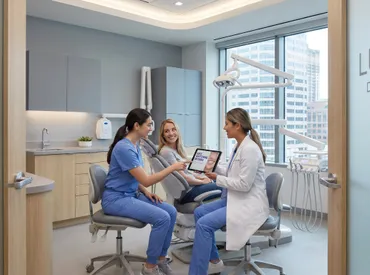
Patients with significant intrinsic staining, severe sensitivity, or pre-existing enamel defects require clinical evaluation before initiating any peroxide-based regimen. Dentists utilize protective gingival resins, custom-fitted whitening trays, and precisely calibrated LED or plasma acceleration devices to control exposure time and tissue contact. In-office protocols include pre-treatment sensitivity assessments, intraoperative desensitizer application, and post-treatment remineralization varnishes that mitigate adverse effects. If you have a history of gum recession, active periodontal disease, large restorations, or compromised pulpal vitality, professional guidance is not merely recommended; it is medically necessary to prevent irreversible damage.
Expert Consensus, Clinical Guidelines, and Trusted Resources
Major dental organizations and clinical research institutions maintain clear, unified positions regarding the safe application of hydrogen peroxide in oral care. The American Dental Association (ADA) officially recognizes hydrogen peroxide as a clinically effective whitening agent when incorporated into ADA-Accepted products that meet rigorous safety standards. However, the ADA explicitly warns against unregulated DIY mixing due to inconsistent dosing, unstable shelf-life, and the absence of enamel-protective additives. Their public health guidance consistently directs patients toward professionally supervised treatments or commercially verified OTC options rather than household bottle applications.
The National Institute of Dental and Craniofacial Research (NIDCR) emphasizes that while peroxide-based agents are scientifically validated for vital tooth bleaching, unmonitored home use carries documented risks of irreversible enamel changes and pulpal inflammation. Their clinical reviews highlight the importance of pH regulation, controlled application timeframes, and the necessity of fluoride co-administration to preserve tooth structure. Similarly, the Cleveland Clinic and Mayo Clinic advise that occasional diluted rinses are acceptable for most healthy adults, but strongly caution against brushing directly with undiluted solutions due to abrasion synergy and mucosal chemical burn risks. Both institutions recommend ADA-approved strips or professional consultation for individuals seeking predictable, long-lasting aesthetic improvements.
A 2023 comparative clinical study demonstrated that a carefully monitored 6% hydrogen peroxide regimen applied for 30 minutes daily over two weeks achieved whitening results comparable to higher-concentration in-office treatments. However, the researchers noted that strict adherence to desensitizing protocols and post-treatment remineralization was mandatory to prevent adverse outcomes. This data reinforces that efficacy and safety are not mutually exclusive, but they require disciplined protocol adherence and professional oversight.
For visual guidance on proper application techniques and risk mitigation, the following educational resources provide verified dental instruction:
Additional authoritative references for further reading include:
- Healthline: Hydrogen Peroxide Teeth Whitening Safety Guidelines
- American Dental Association (MouthHealthy): Teeth Whitening Overview
- NIDCR: Teeth Whitening Clinical Perspectives
- Cleveland Clinic: Teeth Whitening Safety Protocols
- WebMD: Oral Health Uses of Hydrogen Peroxide
Frequently Asked Questions
What happens if I accidentally swallow a small amount of diluted hydrogen peroxide?
Swallowing even small quantities of hydrogen peroxide can cause gastrointestinal irritation, nausea, bloating, and in rare cases, oxygen embolism if large volumes are ingested. The mucosal lining of the esophagus and stomach is highly sensitive to oxidative agents. If accidental ingestion occurs, drink a full glass of water or milk to dilute the compound and contact poison control or seek medical evaluation immediately. Never induce vomiting, as re-exposure can compound esophageal irritation.
Can I mix hydrogen peroxide with baking soda for brushing?
Dental professionals generally discourage combining hydrogen peroxide with baking soda for direct brushing. While baking soda acts as a mild abrasive and alkalinizing agent, the mechanical friction of brushing with this mixture still strips protective pellicle layers and bypasses fluoride remineralization. Occasional gentle rinsing with a diluted paste may be tolerated by resilient oral tissues, but daily use significantly increases enamel roughness, dentin exposure, and long-term sensitivity. Standard fluoride toothpastes remain the safest abrasive option.
Does hydrogen peroxide actually prevent gum disease?
Hydrogen peroxide reduces anaerobic bacterial load and temporarily decreases gingival inflammation by disrupting plaque biofilms. However, it does not address the primary etiological factors of periodontal disease, which include calculus accumulation, genetic predisposition, systemic health conditions, and improper oral hygiene mechanics. Relying solely on peroxide rinses without mechanical plaque removal, flossing, and professional cleanings provides inadequate protection. It serves as a supplementary antimicrobial adjunct, not a standalone therapeutic intervention for periodontal health.
Why do my gums look white after rinsing with hydrogen peroxide?
Gingival blanching is a well-documented physiological response to oxidative exposure. The temporary white appearance results from localized vasoconstriction, superficial epithelial protein denaturation, and mild tissue dehydration. In most cases, this fades within 30 to 60 minutes as blood flow normalizes and the epithelium rehydrates. However, if the whitening persists beyond two hours or is accompanied by pain, sloughing, or ulceration, it indicates a chemical burn that requires immediate cessation and potential clinical evaluation.
If can you brush your teeth with hydrogen peroxide is discouraged, what is the safest alternative for daily whitening?
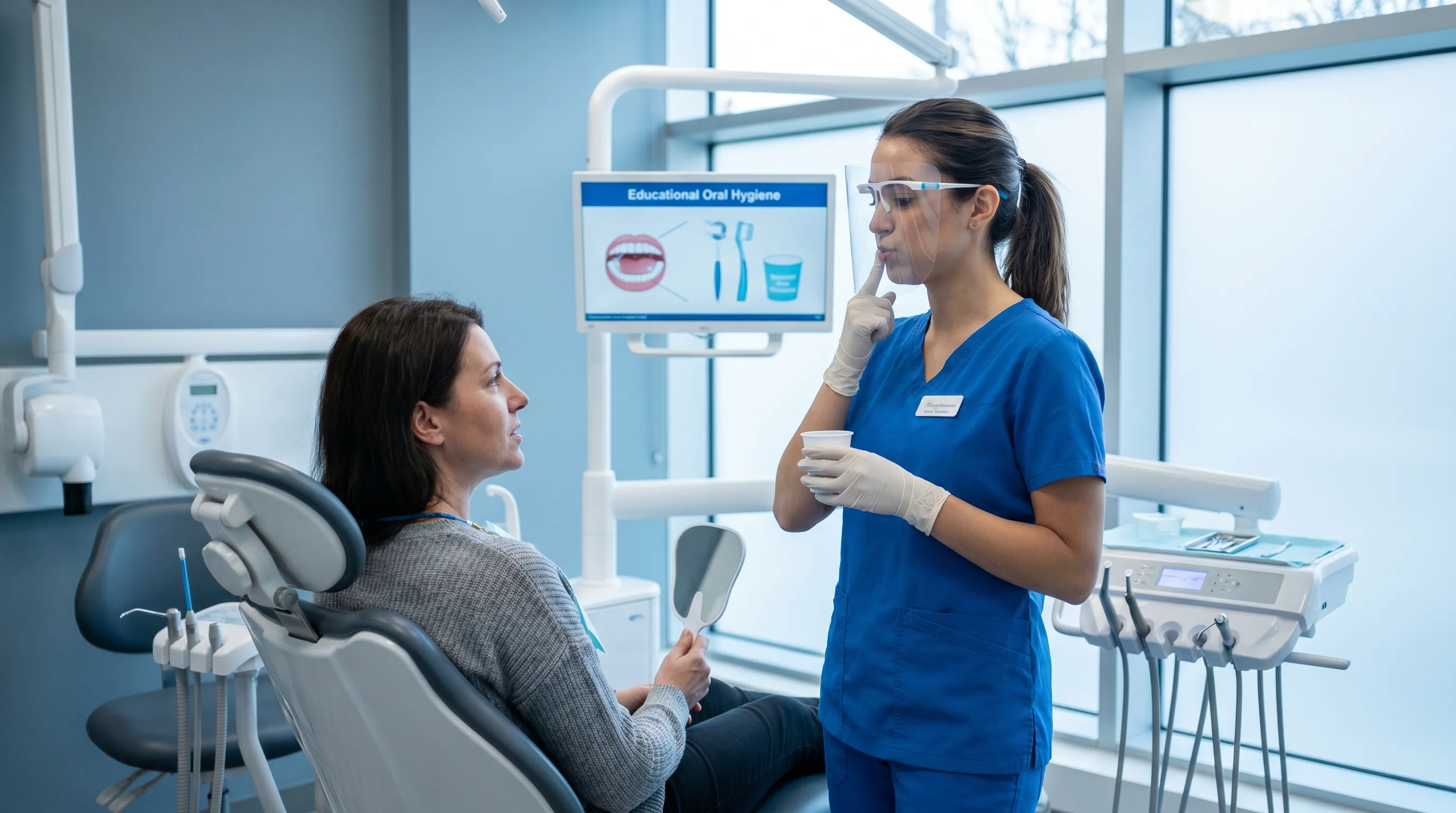
The safest daily alternatives include ADA-Accepted whitening toothpastes containing low-concentration peroxide or silica-based polishing agents, over-the-counter whitening strips formulated with stabilizing gels, and prescription-strength take-home trays dispensed by licensed dentists. These products undergo rigorous safety testing, include desensitizing compounds, and deliver controlled concentrations that minimize enamel compromise. Coupling these methods with consistent fluoride hygiene and biannual professional cleanings yields optimal aesthetic and structural outcomes.
Conclusion
Evaluating whether can you brush your teeth with hydrogen peroxide requires a clear understanding of biochemical mechanisms, clinical safety thresholds, and the fundamental differences between supplemental rinsing and daily mechanical cleaning. While hydrogen peroxide demonstrates legitimate antimicrobial and oxidizing capabilities that can temporarily reduce plaque load and diminish surface stains, it is fundamentally unsuited for direct, daily brushing applications. The absence of protective fluoride, the risk of enamel surface softening, the high incidence of dentin hypersensitivity, and the potential for oral microbiome disruption collectively outweigh the perceived benefits of unregulated DIY use. Dental professionals consistently advocate for ADA-accepted formulations, properly diluted occasional rinses, and professional supervision for higher-concentration applications. Patients seeking sustainable whitening and optimal periodontal health should prioritize fluoride-based dentifrices, controlled peroxide adjuncts used within strict frequency parameters, and routine clinical evaluations. By adhering to evidence-based guidelines and respecting the delicate physiology of the oral cavity, you can safely harness the therapeutic potential of hydrogen peroxide without compromising the long-term integrity of your teeth and gums.
How we work
Researched and drafted with AI assistance, then reviewed by a human editor against the cited sources.
This article is general health information, not medical advice. Consult a qualified healthcare professional about your own situation.