Gingival Recession Self-Care: Evidence-Based Strategies to Restore and Protect Gum Tissue
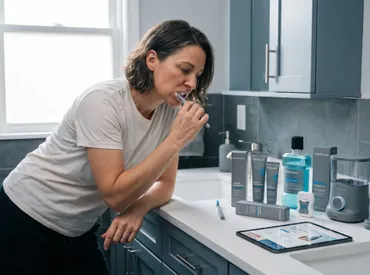
Receding gums rarely announce themselves with dramatic symptoms, yet their silent progression can compromise oral stability, trigger debilitating sensitivity, and permanently alter your smile. By the time many individuals notice exposed tooth roots or longer-looking teeth, significant periodontal attachment loss has already occurred. For context on early disease progression, review the CDC's overview of gum disease. The good news is that proactive gingival recession self-care can interrupt this trajectory, stabilize vulnerable tissue, and restore a healthy microbial balance long before surgical intervention becomes necessary. This comprehensive guide outlines clinically validated strategies, daily maintenance protocols, and evidence-based lifestyle modifications designed to protect your gingival margins and support long-term periodontal resilience.
Understanding Gingival Recession: Causes and Pathophysiology
Gingival recession occurs when the marginal gingival tissue migrates apically, exposing the underlying root surface. According to clinical guidelines from the Cleveland Clinic, this process involves complex interactions between mechanical trauma, inflammatory disease, and host susceptibility. The gingival attachment apparatus, composed of the junctional epithelium and periodontal ligament fibers, is highly specialized but remarkably vulnerable to chronic irritation and biomechanical stress. When the protective barrier is compromised, collagen degradation outpaces synthesis, leading to irreversible tissue migration.
Anatomical Changes in the Gums and Supporting Structures
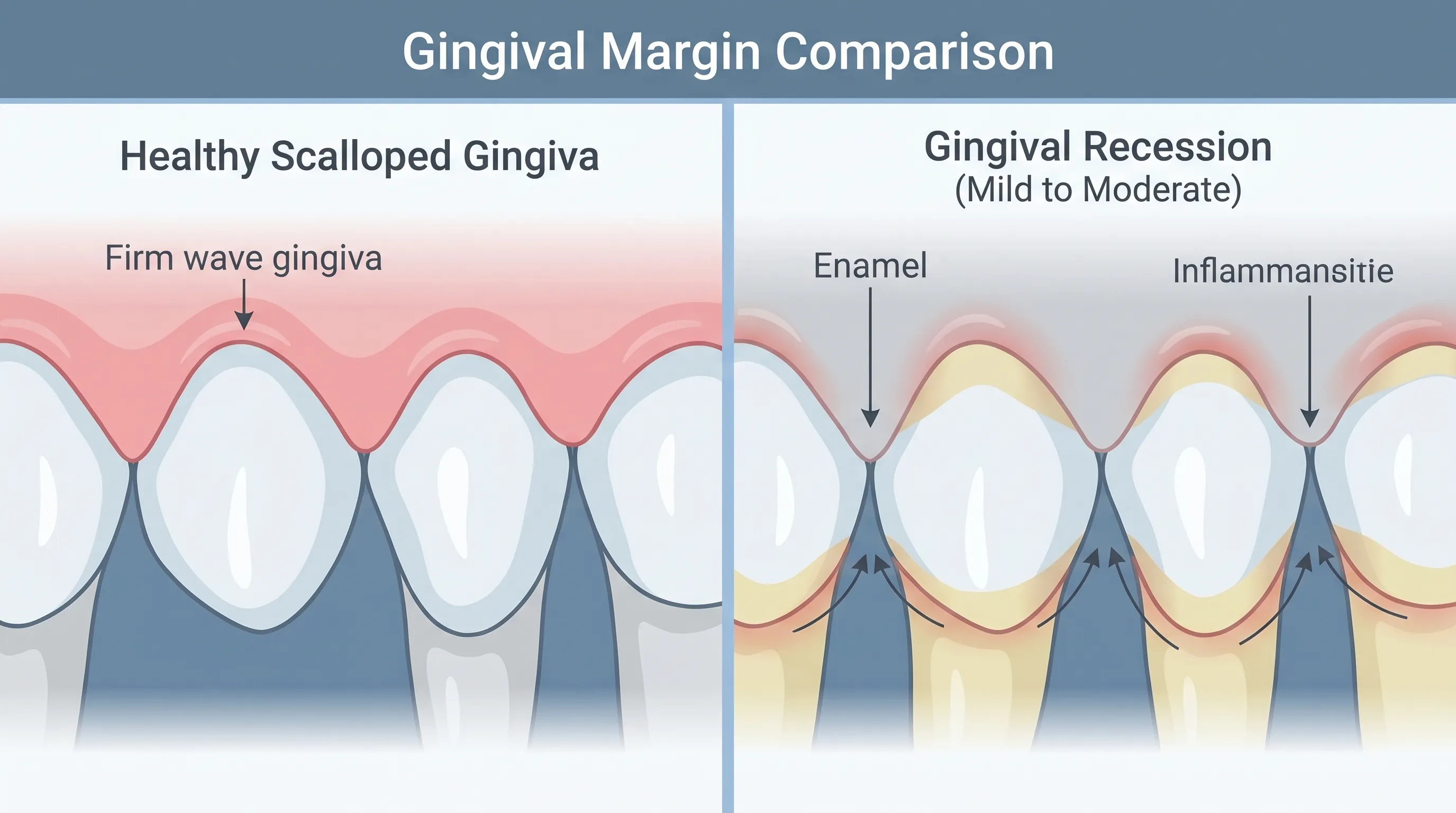
Healthy gingival tissue forms a scalloped architecture that tightly hugs the cervical portion of the teeth. This tissue receives constant vascular support and relies on a balanced subgingival microbiome. During recession, the epithelial attachment detaches from the enamel or cementum, allowing plaque and inflammatory mediators to penetrate deeper into the periodontium. The alveolar bone often resorbs concurrently, as bone follows soft tissue loss due to the biological width principle. Exposed root surfaces lack protective enamel and contain dentinal tubules that directly communicate with the dental pulp, explaining the sharp, electric sensitivity commonly reported during temperature changes or mechanical stimulation.
Primary Risk Factors and Clinical Triggers
The etiology of gum recession is multifactorial. Traumatic toothbrushing remains one of the most preventable causes, particularly when combined with abrasive dentifrices and horizontal scrubbing motions. Periodontal disease, driven by dysbiotic bacterial communities, triggers a chronic inflammatory cascade that degrades connective tissue and bone. Anatomical variations such as thin gingival biotypes, prominent root prominences, and inadequate attached gingiva significantly increase susceptibility. Parafunctional habits like nocturnal bruxism and clenching generate excessive lateral forces that cause microfractures in the alveolar crest and accelerate soft tissue recession. Systemic factors including tobacco use which the CDC confirms severely impairs periodontal healing and accelerates tissue loss, poorly controlled diabetes, hormonal fluctuations, and nutritional deficiencies further compromise tissue repair mechanisms.
Stages of Recession and Clinical Classification
Periodontists utilize standardized classification systems to assess severity. The Miller Classification system divides recession into four types based on the depth of tissue loss, interproximal bone height, and potential for complete root coverage. Type I and II defects typically involve adequate keratinized tissue and minimal interproximal bone loss, making them highly responsive to conservative management and grafting. Type III and IV indicate more advanced destruction, where partial or zero root coverage is expected without specialized surgical reconstruction. Recognizing your baseline stage helps set realistic expectations for gingival recession self-care and determines when professional escalation is warranted.
Core Principles of Gingival Recession Self-Care
Effective management of receding gums hinges on consistency, mechanical precision, and biological support. The overarching goal is to eliminate pathogenic stimuli while creating an environment conducive to tissue stabilization. Gingival recession self-care is not about aggressive intervention; rather, it emphasizes gentle, methodical maintenance that respects the delicate architecture of the periodontal apparatus.
The Golden Rules of At-Home Gum Health
First, prioritize biofilm disruption over brute force. Plaque accumulates within 24 hours, but its pathogenic transformation into subgingival calculus requires time and favorable pH conditions. Consistent, gentle removal prevents the inflammatory cascade that drives tissue loss. Second, maintain a consistent routine. Periodontal health responds poorly to intermittent care. Skipping cleaning sessions allows bacterial colonies to mature, produce endotoxins, and trigger host-mediated tissue destruction. Third, respect tissue thresholds. Over-cleaning with excessive pressure, multiple daily abrasive rinses, or frequent interproximal scraping can cause mucosal desquamation and delay healing. Finally, document your progress objectively. Use standardized photography, sensitivity journals, and bleeding assessments to track improvements and identify regression early.
When Self-Care Reaches Its Biological Limits
Home protocols excel at prevention and early stabilization, but they cannot regenerate lost collagen or rebuild resorbed bone. If recession progresses beyond the cervical third of the root, if pocket depths exceed four millimeters, or if clinical mobility develops, at-home care alone is insufficient. Professional debridement, occlusal equilibration, or soft tissue augmentation may be necessary to restore periodontal equilibrium. Understanding this boundary prevents frustration and ensures timely referral to a periodontal specialist.
Tracking Progress at Home
Establish a weekly monitoring routine. Photograph your gums under consistent lighting to assess tissue migration, redness, and swelling. Maintain a sensitivity log noting triggers, duration, and intensity. Check for bleeding after flossing or rinsing, as hemorrhage indicates active inflammation rather than mechanical trauma. Use interdental brushes to assess space stability and plaque retention. These objective metrics empower you to adjust your gingival recession self-care routine proactively rather than reactively.
Essential Tools and Techniques for Daily Maintenance
The equipment you select directly influences clinical outcomes. Suboptimal tools introduce microtrauma, disrupt the epithelial seal, and accelerate root surface wear. Investing in clinically validated devices and mastering precise techniques forms the foundation of effective periodontal preservation.
Choosing the Right Toothbrush and Mastering the Modified Bass Technique
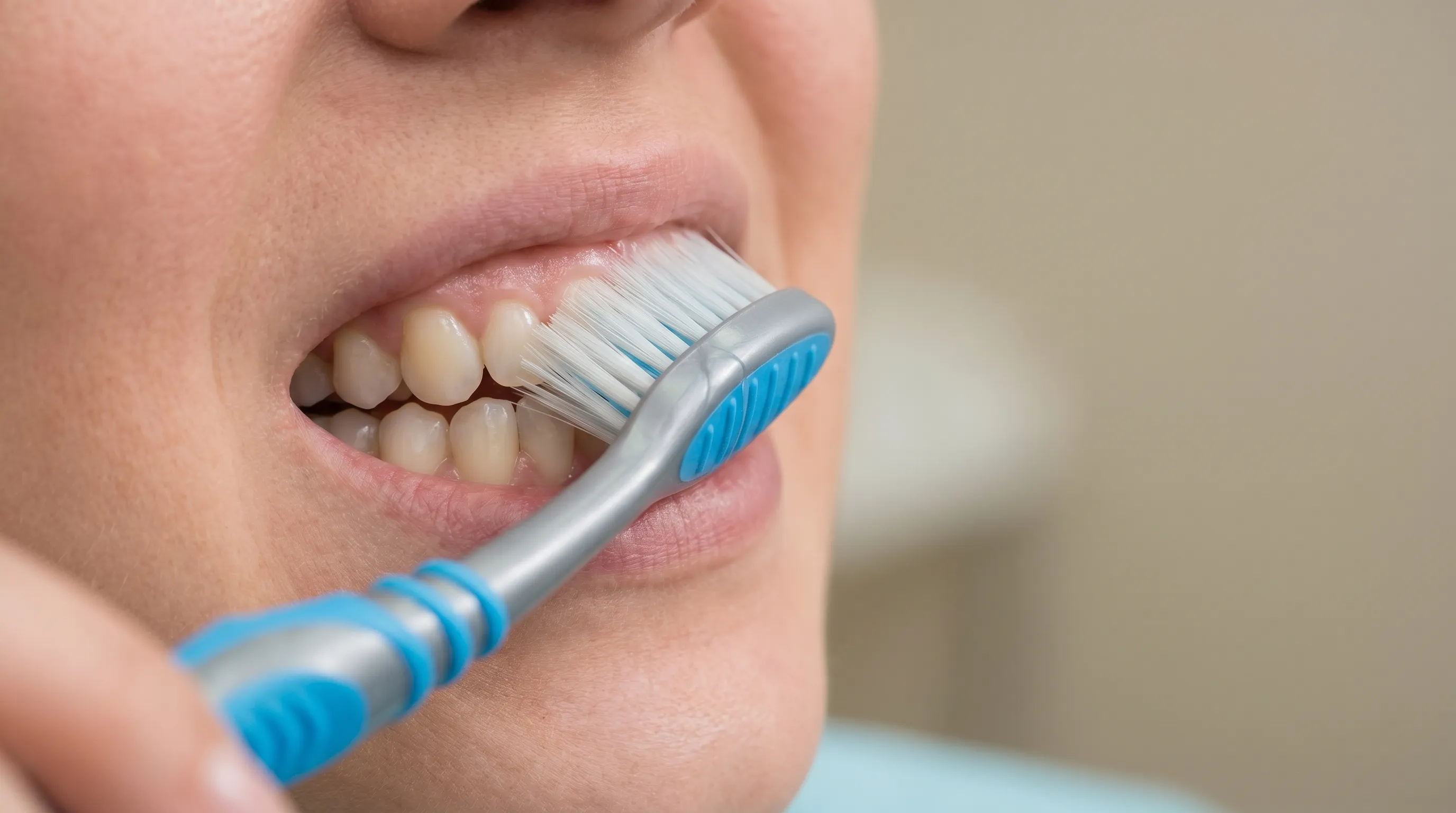
Replace medium and hard bristle brushes immediately. Extra-soft or surgical-grade soft bristles flex around the gumline, removing plaque without abrading cementum. The modified Bass technique remains the gold standard, as recommended by dental experts at the Mayo Clinic. Position bristles at a 45-degree angle toward the gingival margin, apply minimal pressure, and vibrate in small circular motions without horizontal scrubbing. Sweep away dislodged debris with a gentle downward roll. Spend two full minutes covering all quadrants, dedicating 30 seconds per arch section. Pay special attention to the buccal surfaces of molars and the lingual surfaces of mandibular incisors, where plaque stagnation and recession frequently occur.
Flossing and Interdental Cleaning Methods
Interproximal plaque removal is non-negotiable for recession management. Traditional string floss works best in tight contacts, while wider spaces require interdental brushes sized precisely to the embrasure without forcing. Insert brushes parallel to the occlusal plane, not perpendicular, to avoid piercing the papilla. For deeper pockets or dexterity limitations, water flossers with pressure-regulated tips effectively disrupt biofilm without mechanical trauma. Aim the stream perpendicular to the gumline, pause briefly at each site, and trace the sulcus without blasting directly into the tissue. Consistency matters more than intensity.
Therapeutic Mouthwashes and Chemical Adjuncts
Chemical plaque control supplements mechanical cleaning when formulated correctly per NIH oral health guidelines. Avoid alcohol-based rinses, which cause mucosal drying and increase dentinal fluid movement, exacerbating sensitivity. Instead, utilize essential oil rinses (eucalyptol, menthol, methyl salicylate, thymol) that disrupt bacterial cell membranes, or CPC-containing solutions that inhibit plaque maturation. Stannous fluoride formulations offer dual benefits by occluding dentinal tubules and providing antimicrobial activity. Reserve prescription chlorhexidine gluconate for short-term post-procedural use, as prolonged application causes extrinsic staining and alters taste perception. Always swish for 30 to 60 seconds after brushing and flossing, and avoid eating or drinking for 30 minutes to maximize substantivity.
Electric vs. Manual Brushing: What the Evidence Shows
Systematic reviews consistently demonstrate that oscillating-rotating and high-frequency sonic electric toothbrushes reduce plaque and gingivitis more effectively than manual brushing when technique compliance is variable. Built-in timers ensure adequate duration, while pressure sensors prevent excessive force that drives tissue trauma. For individuals managing gingival recession self-care, an electric brush with a specialized soft or extra-soft head and real-time feedback technology significantly reduces operator error and optimizes plaque removal efficiency.
Lifestyle and Dietary Modifications for Gum Support
Periodontal tissue does not exist in isolation. It responds dynamically to systemic nutrition, hydration status, hormonal balance, and environmental toxins. Optimizing internal physiology creates a resilient foundation that enhances the effectiveness of topical interventions.
Nutritional Building Blocks for Periodontal Tissue
Collagen constitutes approximately 70% of gingival connective tissue. Vitamin C acts as an essential cofactor for prolyl and lysyl hydroxylase enzymes required for collagen cross-linking vitamin C is critical for connective tissue repair. Deficiencies impair wound healing, increase capillary fragility, and predispose tissue to recession. Incorporate bell peppers, citrus, kiwi, and broccoli into daily meals. Vitamin D3 regulates immune response by modulating cathelicidin expression and reducing matrix metalloproteinase activity, which otherwise degrades periodontal connective tissue. Pair D3 with vitamin K2 to direct calcium into alveolar bone rather than soft tissue calcification. Omega-3 fatty acids (EPA and DHA) suppress prostaglandin E2 and interleukin-1β, directly dampening the inflammatory drivers of periodontitis. Coenzyme Q10 supports mitochondrial function in gingival fibroblasts, promoting cellular energy production and tissue repair.
Hydration and Salivary Flow Optimization
Saliva provides mechanical cleansing, buffering capacity, and immunoglobulin A delivery. Chronic dehydration concentrates bacterial metabolites, lowers pH, and accelerates enamel demineralization and gingival inflammation. Aim for consistent fluid intake throughout the day, prioritizing water over sugary or acidic beverages. Chew sugar-free xylitol gum to stimulate parasympathetic salivary secretion. Avoid alcohol and antihistamines that induce xerostomia unless medically necessary. If dry mouth persists, consult a provider regarding saliva substitutes or prescription sialogogues.
Tobacco, Alcohol, and Systemic Health Links
Nicotine induces profound vasoconstriction, masking clinical signs of inflammation while simultaneously impairing neutrophil function and fibroblast proliferation. Tobacco users experience accelerated bone loss, delayed healing, and higher recurrence rates after periodontal therapy. Smoking cessation remains the single most impactful lifestyle intervention for stabilizing receding gums. Moderate alcohol consumption correlates with mucosal irritation and microbial dysbiosis, while heavy use suppresses immune surveillance. Managing systemic conditions like diabetes mellitus through glycemic control, stress reduction techniques, and sleep optimization directly improves periodontal outcomes and reduces inflammatory burden.
Advanced Home Care Protocols and Natural Adjuncts
Beyond foundational hygiene, targeted adjuncts can enhance tissue resilience and mitigate symptoms. These protocols should complement, not replace, evidence-based mechanical cleaning and professional oversight.
Evidence-Based Remedy Integration
Aloe vera gel, when formulated without alcohol or synthetic preservatives, demonstrates anti-inflammatory and antimicrobial properties comparable to conventional rinses in clinical trials. Apply a thin layer along the gingival margin after cleaning to soothe irritation and support mucosal hydration. Hyaluronic acid oral sprays or gels promote angiogenesis and tissue regeneration by stabilizing extracellular matrix components. Clinical studies indicate measurable reductions in probing depth and gingival index scores with consistent application. Green tea polyphenols, particularly epigallocatechin gallate (EGCG), inhibit collagenase activity and reduce oxidative stress. Brew unsweetened green tea, allow it to cool to lukewarm, and use it as a final oral rinse before bed.
Oil Pulling: Myth or Medicine?
Traditional Ayurvedic oil pulling involves swishing cold-pressed sesame or coconut oil for 15 to 20 minutes. While not a replacement for brushing, emerging evidence suggests that lauric acid in coconut oil exhibits moderate antimicrobial activity against oral streptococci and porphyromonas species. The mechanical viscosity helps trap debris and reduce plaque accumulation. However, oil pulling does not remove established calculus, and excessive vigorous swishing can irritate fragile tissue. Use it as a supplementary morning routine, not a primary cleaning method, and expect modest rather than dramatic improvements.
Managing Bruxism and Occlusal Forces
Chronic clenching and grinding transmit destructive lateral forces through the periodontal ligament, causing alveolar crest resorption and soft tissue displacement. Custom-fabricated night guards redistribute occlusal load, protect enamel, and prevent further tissue migration. Stress management, biofeedback training, and myofascial massage for the masseter and temporalis muscles reduce parafunctional intensity. If you wake with jaw tenderness, headaches, or flattened tooth morphology, prioritize occlusal assessment alongside your gingival recession self-care protocol.
Monitoring Progress and Preventing Further Tissue Loss
Sustainable periodontal health requires objective tracking, adaptive routines, and clear escalation thresholds. Self-monitoring bridges the gap between professional appointments and ensures early intervention before irreversible damage occurs.
Self-Assessment Checklists
Conduct a monthly evaluation using standardized criteria. Note any visible lengthening of clinical crowns, darkening of exposed roots, or migration of gumlines. Test sensitivity by applying a cotton-tipped applicator to cervical regions; sharp pain indicates open dentinal tubules. Record plaque retention sites, particularly near restorations, orthodontic appliances, or crowded teeth. Evaluate bleeding response after gentle probing with dental floss. Persistent hemorrhage beyond mild pink tingling suggests active inflammation requiring technique adjustment or professional cleaning.
Red Flags That Demand Immediate Dental Care
Certain symptoms exceed the scope of home management. Spontaneous bleeding without provocation, rapid tissue migration over weeks, noticeable tooth mobility, suppuration (pus) from sulcular areas, or deep, persistent throbbing indicate advanced periodontitis or acute infection. Delaying treatment in these scenarios risks irreversible bone loss and tooth exfoliation. Prompt professional evaluation is mandatory in these cases. Prompt periodontal evaluation, including radiographic assessment and possible localized antibiotic therapy, becomes mandatory.
Long-Term Maintenance Schedules
Stabilized recession requires disciplined upkeep. Maintain twice-daily gentle cleaning, weekly sensitivity tracking, and biannual professional maintenance cleanings. Adjust brushing pressure if bristles splay prematurely. Replace toothbrush heads every eight weeks or when bristle integrity degrades. Update your gingival recession self-care routine seasonally or when health status changes, such as pregnancy, medication initiation, or orthodontic treatment. Consistency transforms temporary measures into lifelong protective habits.
| Tool/Method | Primary Benefit | Recommended Frequency | Clinical Consideration |
|---|---|---|---|
| Extra-soft manual brush | Precise control, low abrasion | 2x daily | Replace every 8 weeks or when splayed |
| Electric brush with pressure sensor | Automated timing, force regulation | 2x daily | Ideal for dexterity limitations or bruxism |
| Interdental brushes | Targeted plaque removal in open embrasures | 1x daily (evening) | Size to fit without forcing; avoid papilla trauma |
| Alcohol-free essential oil rinse | Biofilm disruption, mucosal soothing | 1-2x daily | Wait 30 min before eating/drinking |
| Water flosser (regulated pressure) | Subgingival irrigation, gentle debridement | 1x daily | Angle 90° to gumline, trace sulcus slowly |
| Custom night guard | Occlusal force distribution, tissue protection | Nightly during sleep | Requires professional fitting; clean daily |
Frequently Asked Questions
Can gingival recession self-care actually reverse gum loss?
True biological regeneration of lost gingival tissue is rare without professional intervention like gum grafting. However, consistent gingival recession self-care can halt further tissue destruction, reduce inflammation, stabilize the periodontal attachment, and significantly improve clinical parameters such as bleeding on probing and pocket depths. The primary goal of at-home management is stabilization and symptom control.
How do I choose the best toothbrush for receding gums?
Select an extra-soft or ultra-soft bristle brush with a small, rounded head. Medium or hard bristles increase the risk of mechanical trauma and accelerate cervical abrasion. If you use an electric toothbrush, opt for a sonic or oscillating-rotating model with a built-in pressure sensor that alerts you when excessive force is applied, which is critical for protecting vulnerable root surfaces and delicate gingival margins.
Is mouthwash safe to use with exposed tooth roots?
Yes, but formulation matters. Alcohol-based rinses can exacerbate sensitivity and cause mucosal dehydration. Opt for alcohol-free therapeutic rinses containing essential oils, cetylpyridinium chloride (CPC), or stannous fluoride, which help control pathogenic biofilm without irritating exposed dentin. Always follow manufacturer instructions and avoid prolonged chlorhexidine use unless prescribed, due to risks of staining and altered taste.
What dietary changes support gum tissue health?
Prioritize nutrient-dense foods that support collagen synthesis, bone metabolism, and immune modulation. Key nutrients include vitamin C (crucial for connective tissue integrity), vitamin D3 and K2 (for alveolar bone density), omega-3 fatty acids (to reduce inflammatory mediators), and coenzyme Q10. Minimize refined carbohydrates, acidic beverages, and tobacco, which disrupt the oral microbiome and accelerate periodontal breakdown.
When should I stop self-care and consult a periodontist?
Seek professional evaluation if you notice progressive tissue loss, deep periodontal pockets, spontaneous bleeding, mobility of teeth, severe root sensitivity, or if self-care yields no improvement after 8 to 12 weeks. Advanced recession often requires occlusal adjustment, professional debridement, or soft tissue grafting to prevent tooth loss and restore periodontal stability.
Conclusion
Gingival recession does not mandate passive acceptance. With disciplined gingival recession self-care, precise mechanical techniques, targeted nutritional support, and vigilant monitoring, you can stabilize vulnerable tissue, neutralize inflammatory triggers, and preserve functional periodontal architecture. The journey requires consistency, not intensity, and thrives on gentle, evidence-based practices that respect biological boundaries. Pair your daily routines with regular professional oversight, address systemic risk factors, and maintain realistic expectations about what home care can achieve. By integrating clinical science into everyday habits, you transform prevention from a concept into a sustainable reality, safeguarding your gums, your teeth, and your long-term oral health.

About the author
Benjamin Carter, MD, is a board-certified otolaryngologist specializing in head and neck surgery, with an expertise in treating throat cancer. He is an associate professor and the residency program director at a medical school in North Carolina.