How to Hide a Cold Sore Safely and Effectively: Tips
Navigating the sudden appearance of a facial lesion can be incredibly frustrating, especially when you need to maintain your professional presence, attend social gatherings, or simply feel confident looking in the mirror. The sudden tingling, followed by the emergence of a fluid-filled blister, is a universal experience for millions of people carrying the herpes simplex virus type one (HSV-1). Understanding how to hide a cold sore without compromising your skin barrier or delaying the natural healing process requires a careful balance of dermatological science, strategic cosmetic application, and consistent aftercare. This comprehensive guide will walk you through evidence-based concealment techniques, medical interventions, and lifestyle modifications that empower you to manage outbreaks discreetly while prioritizing optimal tissue recovery.
Understanding the Biology and Progression of Oral Herpes
Before exploring effective concealment strategies, it is crucial to understand the underlying virology and clinical stages of herpes labialis. The condition is caused by the herpes simplex virus type one (HSV-1), a neurotropic DNA virus that establishes lifelong latency in the trigeminal ganglion after initial infection, as detailed by the National Institutes of Health (NIH). Primary exposure often occurs in childhood through non-sexual close contact, though asymptomatic viral shedding and reactivation are highly individualized. When the virus reactivates, it travels down sensory nerve fibers to the epidermal layer of the lip or perioral skin, triggering localized inflammation, cellular damage, and the characteristic blister formation. Learning how to hide a cold sore safely begins with recognizing where you are in this cyclical process.
Free calculatorHeadache Location ChartIdentify headache types by locationOpen the calculatorWhat Triggers Viral Reactivation?
Reactivation does not occur randomly; it is typically precipitated by physiological stressors that temporarily suppress cellular immune surveillance. Ultraviolet radiation exposure remains the most well-documented environmental trigger, as UVB rays damage keratinocytes and disrupt local immune signaling, allowing dormant virions to replicate unchecked, a phenomenon well-documented by the Mayo Clinic. Psychological stress, sleep deprivation, and systemic illness such as influenza or common colds also elevate cortisol and catecholamine levels, which downregulate interferon-gamma production and T-cell activity. Hormonal fluctuations during menstruation, pregnancy, or perimenopause similarly alter mucosal immunity, making outbreaks more frequent during these windows. Even localized skin trauma from dental procedures, lip biting, or excessive exfoliation can disrupt the epidermal barrier and initiate viral transport to the skin surface.
The Five Clinical Stages of a Cold Sore Outbreak
Recognizing each phase allows you to adjust your concealment approach appropriately and minimize tissue damage. The prodromal stage begins twelve to twenty-four hours before visible blistering, characterized by localized itching, burning, or tingling. This is the optimal window for intervention, as antiviral medications demonstrate maximum efficacy when administered before epidermal breakdown occurs. The vesicular stage follows, where erythema develops into clusters of translucent, fluid-filled blisters containing millions of active virions. The ulcerative phase emerges when these vesicles rupture, leaving shallow, painful erosions that may ooze serous fluid and crust over. During the crusting stage, the body forms a protective yellowish or brownish scab as epithelial cells migrate to close the wound. Finally, the healing phase involves scab detachment and gradual return of normal skin architecture, though temporary post-inflammatory hyperpigmentation may persist. Knowing how to hide a cold sore depends heavily on adapting your technique to these distinct clinical phases, as outlined by the Cleveland Clinic.
Step-by-Step Dermatological Concealment Protocol
Attempting to cover an active lesion with standard cosmetics can inadvertently spread the virus, introduce secondary bacterial pathogens, or delay re-epithelialization. A medically sound approach requires meticulous preparation, strategic product selection, and precise application methodology. When executed correctly, you can achieve seamless coverage while maintaining a healthy wound environment that accelerates tissue repair.
Preparing the Perioral Skin Before Coverage
The foundation of successful concealment lies in proper lesion preparation. Begin by gently cleansing the affected area with a mild, fragrance-free, pH-balanced cleanser to remove debris and reduce microbial load without stripping essential lipids. Pat the area completely dry using a clean, single-use paper towel to avoid transferring moisture that could promote viral stability or bacterial colonization. Immediately apply a thin layer of an FDA-approved topical antiviral medication, such as docosanol or penciclovir, using a fresh cotton swab or applicator. Allow the formulation to fully absorb for approximately ten to fifteen minutes before proceeding. This waiting period ensures the active ingredients penetrate the dermal-epidermal junction while preventing cosmetic products from diluting their efficacy. If a hydrocolloid patch is preferred, apply it to the fully cleansed and dried lesion before any cosmetic products, ensuring complete adhesion around the margins.
Choosing Safe and Effective Cosmetic Products
Not all makeup formulations are suitable for compromised skin. Avoid products containing alcohol, menthol, camphor, or strong fragrances, as these ingredients cause vasodilation and chemical irritation that can exacerbate inflammation and prolong recovery. Instead, select hypoallergenic, non-comedogenic concealer sticks or creams specifically formulated for sensitive skin. Mineral-based formulations containing zinc oxide and titanium dioxide offer the added benefit of mild anti-inflammatory properties and physical sun protection, which is crucial since UV exposure worsens hyperpigmentation and triggers recurrence. High-pigment, long-wear formulas provide maximum opacity without requiring excessive layering, reducing mechanical friction on delicate healing tissue. Always verify expiration dates, as oxidized or contaminated products harbor bacteria that can infect open erosions and complicate the healing trajectory.
Precision Application Techniques for Flawless Coverage
Mechanical friction is the enemy of wound healing. When learning how to hide a cold sore effectively, you must abandon traditional rubbing or swiping motions in favor of gentle patting and stippling techniques. Load a small, dense concealer brush or damp makeup sponge with your chosen product, then lightly tap the formulation over the lesion. Use color-correcting theory to neutralize discoloration before applying your primary concealer: green correctors counteract active redness during the inflammatory phase, while peach or salmon tones neutralize bluish-purple bruising as the lesion crusted and heals. Apply color corrector sparingly, blending only the edges into surrounding healthy skin to avoid disturbing the central scab or patch. Layer your concealer using a cross-hatching stippling motion, building coverage gradually rather than applying thick, occlusive layers that trap moisture and impede oxygen exchange required for collagen synthesis. Finish by lightly dusting translucent setting powder over the perimeter to prevent creasing and minimize shine, which draws unwanted attention to the area.
Locking and Setting Without Compromising Healing
The final step in your concealment routine requires careful product selection to ensure longevity without creating a completely anaerobic environment. Avoid heavy, wax-based lip glosses or occlusive balms directly over unhealed tissue, as these can soften scabs prematurely and expose vulnerable nerve endings. Instead, use a lightweight, alcohol-free makeup setting spray applied from a distance of at least twelve inches to create a breathable, humidity-resistant film. If you must wear lipstick, apply it only to the vermilion border and intact lip skin, carefully avoiding the lesion margins. Throughout the day, refrain from touching, picking, or rubbing the covered area. When removing makeup at the end of the day, use a gentle oil-based cleanser followed by your regular routine to thoroughly eliminate all cosmetic residue without aggressive scrubbing. Reapply your antiviral treatment immediately after cleansing to maintain consistent therapeutic levels.
Evidence-Based Medical Interventions for Rapid Healing
Cosmetic concealment addresses appearance, but medical treatment targets the underlying pathology. Integrating antiviral therapy with your concealment routine significantly reduces outbreak duration, pain intensity, and viral shedding, making your coverage more comfortable and hygienic. Understanding the pharmacological options available empowers you to make informed decisions tailored to your outbreak severity and frequency.
Over-the-Counter Antiviral Formulations
Topical docosanol 10% represents the gold standard for non-prescription intervention, as it inhibits viral fusion with host cell membranes rather than merely masking symptoms. Clinical trials published in peer-reviewed dermatological journals demonstrate that applying docosanol five times daily during the prodromal or early vesicular stage reduces healing time by approximately eighteen hours compared to placebo, as supported by NIH-published research. Benzocaine-containing formulations provide temporary analgesic relief by blocking voltage-gated sodium channels in peripheral nerve endings, making them highly effective for managing pain during the ulcerative phase. However, anesthetic gels should never be used to justify delaying antiviral treatment or to enable aggressive manipulation of the lesion. Always follow manufacturer guidelines for application frequency and duration to avoid perioral dermatitis or contact sensitization. For additional support, topical zinc oxide preparations exhibit mild antiviral activity while protecting the wound bed from external irritants and ultraviolet radiation, creating an optimal microenvironment for keratinocyte migration.
Prescription Antiviral Medications for Frequent or Severe Cases
Individuals experiencing recurrent outbreaks, extensive perioral involvement, or immunocompromised status benefit significantly from systemic therapy. Oral acyclovir, valacyclovir, and famciclovir function as nucleoside analogues that selectively inhibit viral DNA polymerase, halting replication within infected keratinocytes. Valacyclovir demonstrates superior bioavailability, requiring less frequent dosing while achieving consistent therapeutic serum concentrations. When initiated within the first twenty-four hours of symptom onset, episodic prescription therapy can prevent blister progression entirely or reduce healing duration by several days. For patients experiencing more than six outbreaks annually, suppressive daily therapy may be recommended to maintain subclinical viral latency and significantly reduce transmission risk to close contacts. Discuss your medical history, renal function, and concurrent medications with a licensed healthcare provider before initiating systemic treatment, per CDC treatment guidelines. Dose adjustments may be necessary to prevent adverse effects such as nephrotoxicity or gastrointestinal distress.
Adjunctive Natural Remedies with Clinical Support
While pharmaceutical interventions remain the cornerstone of effective management, several natural compounds demonstrate promising adjunctive benefits when used alongside standard care. Topical application of high-purity tea tree oil diluted to one percent concentration exhibits antiviral and antimicrobial properties, though undiluted formulations risk severe contact dermatitis and should be avoided near mucosal surfaces. Lysine supplementation remains controversial, with some randomized controlled trials showing modest reduction in outbreak frequency when combined with arginine restriction, while larger systematic reviews indicate inconsistent efficacy across diverse populations (Mayo Clinic). Aloe vera gel containing acemannan supports wound hydration and reduces local inflammation without interfering with epithelial migration. Propolis extract and lemon balm (Melissa officinalis) topical preparations have demonstrated in vitro antiviral activity against HSV-1, with clinical studies suggesting reduced pain scores and accelerated crusting when applied during early stages. Always consult your dermatologist before integrating botanical preparations, particularly if you experience allergic reactions to pollen or bee products, or if you are pregnant, nursing, or taking anticoagulant medications.
Lifestyle Optimization and Long-Term Prevention Strategies
Concealment and acute treatment address immediate concerns, but sustainable outbreak management requires comprehensive lifestyle modification. Understanding how to hide a cold sore effectively becomes easier when recurrence frequency decreases through targeted immune support and trigger avoidance. Implementing these evidence-based strategies into your daily routine minimizes viral reactivation and promotes resilient skin barrier function.
Identifying and Neutralizing Common Reactivation Triggers
Maintaining a detailed symptom journal enables you to recognize personal triggers before they manifest clinically. Track sleep duration, dietary intake, stress levels, menstrual cycles, sun exposure, and recent illnesses alongside outbreak timing to identify consistent patterns. Implement strict UV protection by applying broad-spectrum SPF 30 or higher lip balm daily, reapplying every two hours during outdoor activities or high-altitude exposure, a recommendation aligned with WHO guidelines. Prioritize stress reduction through mindfulness meditation, progressive muscle relaxation, or structured physical exercise, which downregulates hypothalamic-pituitary-adrenal axis hyperactivity and restores immune competence. Maintain a consistent sleep schedule targeting seven to nine hours nightly, as circadian disruption directly impairs natural killer cell activity and cytokine production. Avoid shared personal items including lip balms, toothbrushes, eating utensils, and towels to prevent autoinoculation to other facial sites or transmission to household members during subclinical shedding periods.
Building a Resilient Daily Lip Care Routine
The perioral region lacks sebaceous glands, making it highly susceptible to transepidermal water loss and environmental damage. Establish a baseline protective routine using fragrance-free occlusive moisturizers containing ceramides, squalane, or shea butter to reinforce the stratum corneum. Apply these formulations immediately after cleansing and before bedtime to maximize barrier repair during sleep cycles. Incorporate a gentle chemical exfoliant such as lactic acid or polyhydroxy acid once weekly only when completely healed, avoiding mechanical scrubs that cause microtrauma and provoke latent virus migration. Maintain optimal hydration by consuming adequate water throughout the day and limiting excessive caffeine or alcohol intake, which contribute to systemic dehydration and mucosal dryness. If you wear dental appliances or utilize continuous positive airway pressure therapy for sleep apnea, discuss barrier-enhancing lubricants with your provider to minimize friction-induced lesions around the lip margins.
When to Seek Professional Medical Evaluation
While most herpes labialis episodes resolve spontaneously within ten to fourteen days, certain clinical presentations warrant immediate dermatological assessment. Seek urgent care if lesions persist beyond three weeks, expand rapidly, or develop signs of secondary bacterial infection including increasing erythema, warmth, purulent drainage, or systemic fever. Immunocompromised individuals, neonates, and pregnant patients experiencing outbreaks require specialized management to prevent disseminated infection or perinatal transmission, as advised by the Cleveland Clinic. Frequent recurrences interfering with daily function or causing significant psychological distress may indicate the need for long-term suppressive therapy, alternative antiviral regimens, or evaluation for underlying autoimmune conditions or nutritional deficiencies. A board-certified dermatologist can perform viral culture, polymerase chain reaction testing, or Tzanck smear when atypical presentations mimic impetigo, aphthous stomatitis, or syphilitic chancre, ensuring accurate diagnosis and targeted intervention.
Comparative Analysis: Makeup, Patches, and Antiviral Sticks
Selecting the right concealment method depends on your specific outbreak stage, lifestyle demands, and healing priorities. Each approach offers distinct advantages and limitations that should be evaluated against your individual circumstances.
Makeup Versus Medical Patches Versus Antiviral Sticks
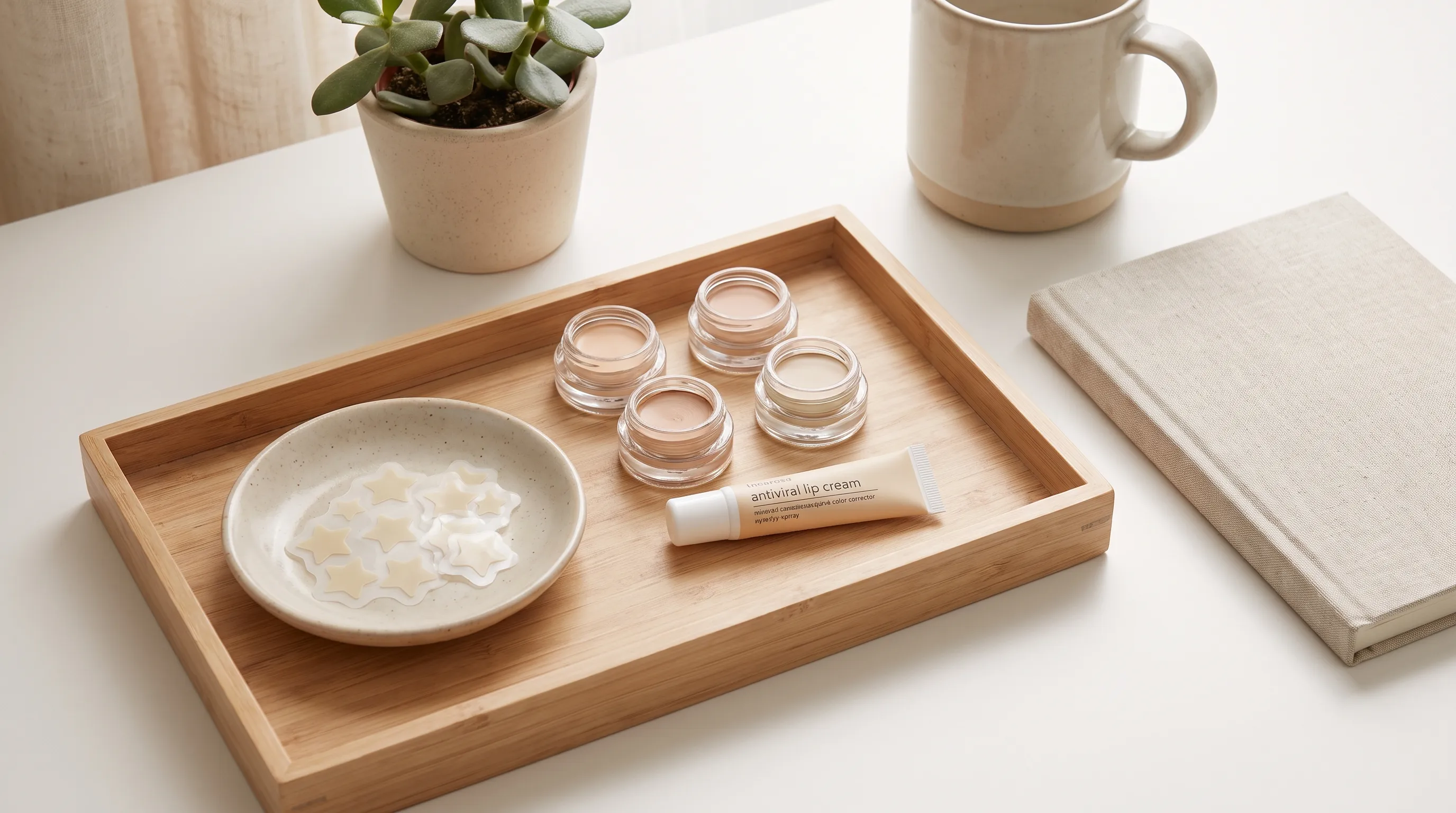
Makeup concealment provides immediate, customizable coverage but requires meticulous hygiene, frequent touch-ups, and carries a higher risk of cross-contamination if applicators are not properly sanitized or replaced. Hydrocolloid patches offer superior wound protection, absorb exudate, prevent accidental picking, and serve as a sterile base for makeup application, though they remain visible upon close inspection and may not adhere well to highly mobile lip margins. Antiviral sticks with built-in applicators deliver targeted treatment without hand contact, reduce mechanical irritation, and some include light tinting for minor discoloration, but they provide minimal coverage for large or crusted lesions and require frequent reapplication to maintain therapeutic efficacy.
Quick Reference Comparison Table
| Feature | Cosmetic Concealer | Hydrocolloid Patch | Antiviral Stick Applicator |
|---|---|---|---|
| Primary Function | Visual coverage and color correction | Wound protection and moisture absorption | Targeted antiviral delivery and hygiene |
| Best Stage for Use | Prodromal to crusting phase | Vesicular to early crusting phase | Prodromal and active blister phase |
| Healing Interference Risk | Moderate (if removed aggressively) | Low (promotes moist wound healing) | Very Low (minimizes contact) |
| Visibility | Highly concealable when properly applied | Noticeable but transparent when thin | Visible only as slight tint or gloss |
| Cross-Contamination Risk | High if shared or improperly cleaned | None (sealed single-use application) | Low (direct-contact applicator) |
| Reapplication Frequency | Every 6-8 hours or after meals | Every 24-72 hours until healed | Every 2-4 hours per product guidelines |
Frequently Asked Questions
Can you safely wear makeup over an active cold sore?
Yes, you can wear makeup over an active cold sore if done carefully. Apply an FDA-approved antiviral cream first, allow it to fully absorb, and use a fresh, disposable applicator to avoid cross-contamination. Opt for mineral-based, non-comedogenic concealer and avoid heavy rubbing to prevent further irritation or delayed healing.
What is the fastest way to shrink a cold sore before it fully surfaces?
The fastest method is to initiate treatment during the prodrome phase, when tingling or itching begins. Applying topical docosanol 10% cream or prescription antiviral tablets like valacyclovir immediately can reduce outbreak duration by 24 to 48 hours. Consistent use of SPF 30+ lip balm also prevents UV-induced flare-ups that trigger rapid blister formation.
Are hydrocolloid cold sore patches effective for concealment and healing?
Hydrocolloid patches create a moist wound-healing environment that absorbs exudate, reduces crusting, and minimizes scarring. They also serve as an excellent physical barrier for makeup, allowing you to apply foundation over the patch without transferring virus particles or irritating the lesion. Clinical studies confirm they accelerate healing by protecting against secondary bacterial infections.
Should you use green or peach color corrector for cold sores?
The choice depends on the lesion's coloration and skin tone. For reddish, inflamed blisters, a green color corrector neutralizes redness through complementary color theory. For darker, bruised, or post-inflammatory hyperpigmentation stages, a peach or salmon-toned corrector effectively cancels out bluish-purple discoloration. Always layer a minimal amount under a high-coverage concealer matched to your natural skin tone.
How long should you wait before kissing someone after a cold sore?
Medical guidelines recommend waiting until the scab has completely fallen off and the skin has fully healed, typically 10 to 14 days after symptom onset. HSV-1 remains highly transmissible through direct contact during blistering, ulceration, and crusting phases (CDC). Using antiviral medication and maintaining strict hygiene reduces but does not eliminate transmission risk during the healing window.
Key Takeaways
Mastering how to hide a cold sore requires a strategic blend of medical treatment, hygienic cosmetic application, and proactive lifestyle management. Prioritize early intervention with antiviral medications during the tingling phase to minimize tissue damage and accelerate re-epithelialization. When applying coverage, always use clean disposable tools, select hypoallergenic and non-comedogenic formulations, and employ gentle patting techniques to avoid disrupting fragile healing tissue. Hydrocolloid patches remain an excellent adjunct for wound protection and makeup priming, while mineral-based color correctors and high-pigment concealers deliver professional-grade opacity without compromising skin barrier integrity. Consistent daily sun protection, stress management, and adequate sleep significantly reduce recurrence frequency, transforming outbreak management from reactive concealment to proactive skin resilience. Always consult a board-certified dermatologist if lesions persist, worsen, or occur frequently, ensuring your treatment plan remains optimized for long-term dermatological health and confident self-presentation.
How we work
Researched and drafted with AI assistance, then reviewed by a human editor against the cited sources.
This article is general health information, not medical advice. Consult a qualified healthcare professional about your own situation.