Chin Filler Before and After: A Comprehensive Medical Guide to Facial Rejuvenation

The pursuit of facial harmony has evolved significantly over the past decade, moving away from dramatic transformations toward subtle, anatomically precise enhancements. Among the most sought-after non-surgical interventions is chin augmentation using dermal fillers, a procedure that addresses structural imbalances, improves facial proportions, and restores youthful definition. Patients consistently search for chin filler before and after results to understand realistic outcomes, recovery timelines, and aesthetic possibilities. The journey from initial consultation to final integration involves careful anatomical assessment, strategic product selection, and disciplined aftercare. Understanding the physiological changes, potential complications, and long-term maintenance requirements is essential for making an informed, evidence-based decision about this treatment. This comprehensive guide explores every dimension of chin filler therapy, providing medically sound information to help you navigate the process safely and effectively.
Understanding Chin Fillers: The Science Behind Facial Rejuvenation
Dermal fillers represent a cornerstone of modern aesthetic medicine, offering a non-invasive solution to age-related volume loss, congenital deficiencies, and acquired structural asymmetries. The chin, or mental region, plays a foundational role in facial balance. A weak, receding, or asymmetrical chin can disrupt the aesthetic harmony of the lower third, making the nose appear disproportionately large, the jawline less defined, and the neck contour softer. By strategically augmenting this area, providers can create a stronger mandibular base, improve the cervicomental angle, and establish a more youthful, balanced facial silhouette. The chin filler before and after documentation consistently demonstrates how targeted volumization can dramatically alter facial perception without surgical intervention.
Free calculatorBMI CalculatorCalculate Body Mass IndexOpen the calculatorThe chin region contains multiple tissue layers, including the epidermis, dermis, subcutaneous fat compartments, mentalis muscle, and the underlying periosteum of the mandibular bone. Successful augmentation requires precise product placement within the deep supraperiosteal or submental fat compartments, where high-viscosity fillers can anchor securely to bone and provide structural support. Superficial placement, conversely, may result in visible irregularities, mobility issues, or unnatural contours. Understanding the anatomical depth, vascular pathways, and muscular attachments in this region is critical for providers aiming to deliver predictable, safe, and aesthetically pleasing results.
Types of Dermal Fillers Used for Chin Augmentation
Not all dermal fillers are created equal, and selecting the appropriate product for chin augmentation requires an understanding of rheological properties, particularly G-prime (elastic modulus), viscosity, and cohesivity. Hyaluronic acid (HA) fillers remain the gold standard due to their reversibility, biocompatibility, and extensive safety profile. Products with high G-prime, such as those specifically engineered for structural augmentation, are ideal for chin projection because they resist deformation under muscular pressure and maintain their shape over time. These formulations utilize highly cross-linked HA molecules that create a robust, three-dimensional matrix capable of withstanding the constant mechanical stress of the mentalis muscle and masticatory movements.
Calcium hydroxylapatite (CaHA) fillers represent another evidence-based option for chin enhancement. Unlike HA, CaHA is a semi-permanent filler that stimulates neocollagenesis through microsphere-mediated fibroblast activation. This dual-action approach provides immediate volume replacement followed by long-term tissue remodeling. However, CaHA is irreversible, which means providers must exercise heightened precision during placement and carefully evaluate patient suitability. Polylactic acid fillers are occasionally utilized for broader jawline definition but are generally less favored for precise chin projection due to their gradual onset and non-reversible nature.
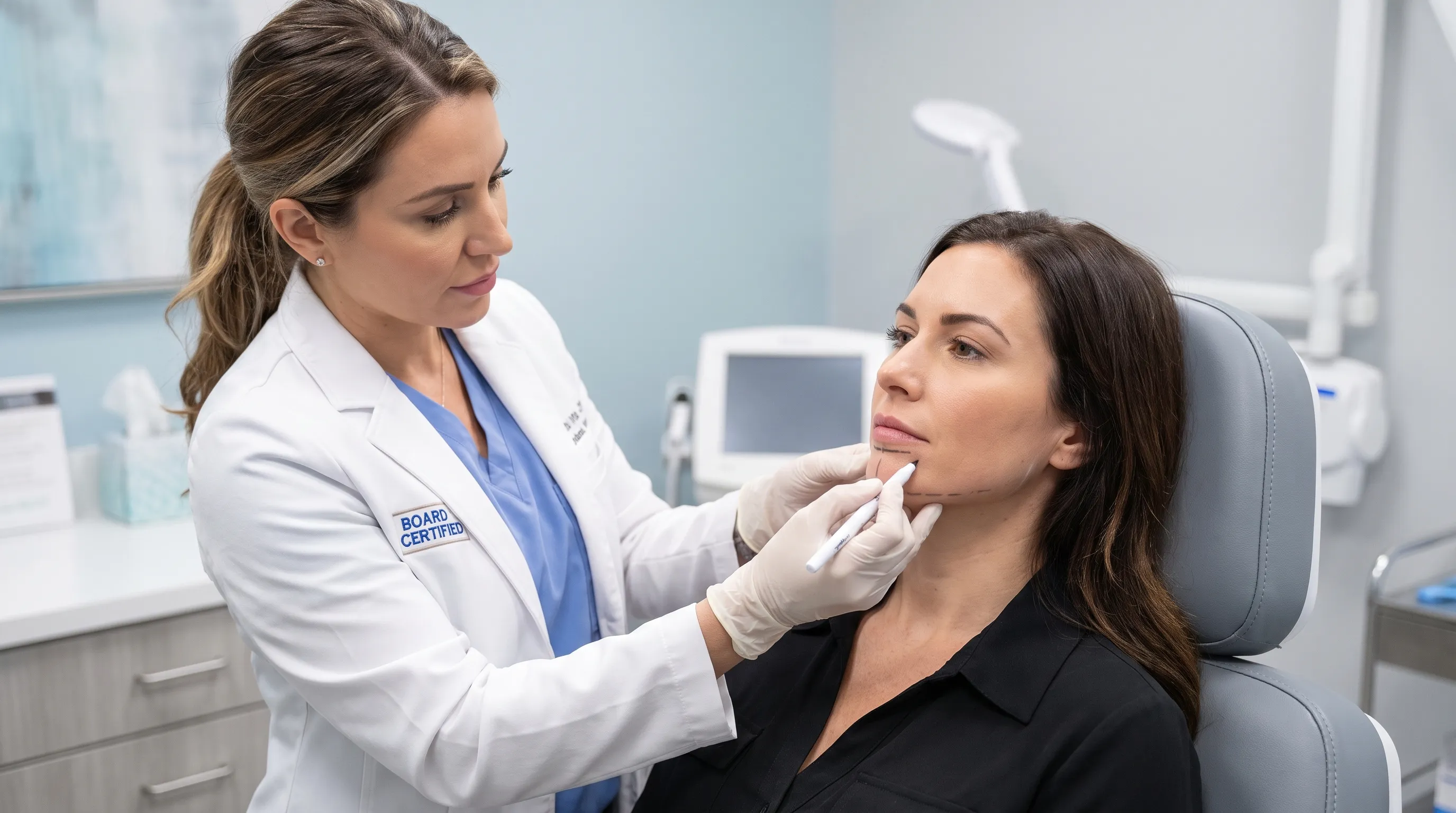
Regulatory oversight plays a significant role in filler safety and efficacy. The United States Food and Drug Administration (FDA) evaluates dermal fillers based on biocompatibility, degradation rates, clinical trial data, and adverse event reporting, with comprehensive patient safety guidelines available through the Cleveland Clinic. Patients should only receive FDA-approved products administered by licensed, board-certified professionals who understand the pharmacological properties and anatomical contraindications of each formulation. Comprehensive product knowledge, combined with advanced injection training, minimizes complication rates and maximizes aesthetic predictability.
How Chin Fillers Work at the Cellular Level
At the microscopic level, hyaluronic acid functions as a glycosaminoglycan that naturally occurs in the extracellular matrix of connective tissues, as documented by National Institutes of Health (NIH) research. It possesses remarkable hydrophilic properties, binding up to 1000 times its weight in water, which contributes to tissue turgor, hydration, and structural support. When injected into the chin region, HA fillers restore lost volume, reposition displaced soft tissue, and create a supportive scaffold that enhances overlying skin elasticity. The cross-linking process stabilizes HA chains, extending their clinical lifespan while maintaining biocompatibility and enzymatic degradability by hyaluronidase.
Beyond volumetric restoration, chin fillers indirectly stimulate fibroblast activity. Mechanical stretching of the dermal tissue during injection triggers a wound-healing response, prompting collagen and elastin synthesis. This secondary neocollagenesis continues for several weeks post-treatment, gradually improving skin quality and structural integrity. The combination of immediate volume replacement and delayed tissue remodeling explains why patients often report continued improvement in skin tightness and definition during the first two to three months following treatment. Understanding these physiological mechanisms helps set realistic expectations and underscores the importance of allowing adequate integration time before assessing final results.
Evaluating the Chin Filler Before and After Journey
The transformation timeline for chin augmentation follows a predictable biological course, characterized by immediate volume changes, progressive tissue settling, and eventual metabolic integration. Reviewing documented chin filler before and after cases reveals that while structural projection is visible immediately post-procedure, the final aesthetic outcome emerges only after edema resolves, filler integrates with native tissue, and the mentalis muscle adapts to the new anatomical landscape. This gradual evolution requires patience, realistic goal-setting, and consistent post-treatment monitoring.
During the initial 48 hours, localized swelling is a normal physiological response to needle or cannula penetration, product deposition, and tissue manipulation. The body’s inflammatory cascade increases vascular permeability, drawing fluid into the extracellular space. This transient edema can temporarily exaggerate projection or create mild asymmetry that should not be mistaken for permanent results. Clinicians routinely advise patients to avoid evaluating outcomes prematurely, as swelling typically resolves by 50 to 70 percent within the first week. Proper positioning, cold therapy, and hydration significantly influence the speed and quality of recovery.
What to Expect in the First 24 Hours
Immediately following injection, patients may experience tenderness, mild erythema, and subtle swelling at the treatment sites. Providers typically apply immediate pressure molding to ensure symmetrical distribution and optimal contour integration. Ice application, administered in 10-minute intervals with protective barriers, reduces capillary dilation and minimizes bruising potential. Patients should maintain an elevated head position during sleep and avoid bending, heavy lifting, or strenuous activity for at least 24 to 48 hours to prevent increased blood pressure in the treatment zone.
Pain management during this phase generally requires only over-the-counter analgesics, preferably acetaminophen rather than nonsteroidal anti-inflammatory drugs (NSAIDs), which can exacerbate bleeding and bruising. Hydration remains critical, as adequate systemic water intake supports lymphatic drainage and accelerates the resolution of post-procedural edema. Patients should also refrain from applying heat, massaging the treated area, or using active topical ingredients that could disrupt early healing. Documenting high-resolution photographs on day one provides a baseline reference for tracking progress and identifying any atypical developments.
The 1-Week and 1-Month Milestones
By the end of the first week, approximately 80 percent of swelling typically subsides, revealing a more refined contour. Bruising, if present, transitions through predictable color changes as hemoglobin degrades, usually fading completely within 7 to 10 days. Gentle lymphatic massage may be introduced during this phase if recommended by the provider, encouraging fluid mobilization and product smoothing. However, excessive pressure should be avoided to prevent displacement or premature degradation of the filler matrix.
At the four-week mark, the filler has fully integrated into the surrounding tissue, and the final structural outcome becomes apparent. Any residual asymmetry should be evaluated by the treating provider before considering touch-up injections, as overcorrection is a common cause of unnatural aesthetics or complications. The mentalis muscle often requires several weeks to adapt to the new projection, reducing tension and establishing natural movement patterns. Patients who follow evidence-based aftercare protocols consistently demonstrate smoother integration, fewer complications, and higher satisfaction rates with their chin filler before and after outcomes.
Realistic Expectations for Long-Term Results
Long-term success depends heavily on baseline anatomy, product selection, injection technique, and metabolic factors. While fillers provide immediate structural improvement, they do not alter bone architecture, replace surgical intervention for severe skeletal deficiencies, or halt the natural aging process. Patients with significant microgenia or severe retrognathia may require surgical genioplasty or orthodontic evaluation for comprehensive correction. Fillers excel at enhancing mild to moderate deficiencies, refining proportions, and creating subtle definition rather than dramatic transformation.
Maintenance sessions are typically required every 12 to 18 months to preserve optimal projection and counteract gradual metabolic breakdown. Factors that accelerate degradation include high metabolic rates, frequent intense exercise, excessive sun exposure, and smoking, all of which increase collagen breakdown and hyaluronic acid clearance. Patients should view chin augmentation as a dynamic process requiring periodic evaluation, lifestyle adjustments, and ongoing communication with their aesthetic provider to maintain balanced, natural-looking results over time.
Are You a Suitable Candidate for Chin Filler Treatment?
Determining candidacy for chin augmentation requires comprehensive facial analysis, medical history review, and psychological assessment. Ideal candidates present with mild to moderate chin retrusion, desire improved facial harmony without surgical downtime, possess realistic expectations, and demonstrate healthy skin integrity in the treatment area. During consultation, providers evaluate facial thirds, mandibular angle, dental occlusion, and soft tissue thickness to determine whether filler therapy aligns with the patient’s aesthetic goals. A thorough chin filler before and after analysis during this phase helps establish achievable outcomes and prevents inappropriate treatment selection.
Medical screening identifies contraindications that could compromise safety or outcomes. Active infections, autoimmune flare-ups, uncontrolled coagulopathies, and known allergies to filler components or local anesthetics require postponement or alternative treatment strategies. Providers also assess medication regimens, particularly anticoagulants, immunosuppressants, and supplements that increase bleeding risk. A collaborative approach ensures that treatment plans align with physiological realities, minimizing complications while maximizing aesthetic satisfaction.
Ideal Facial Anatomy for Chin Augmentation
Facial harmony follows established proportional principles, including the rule of thirds and the golden ratio. The chin should align vertically with the lower lip and nasal base when viewed in profile. A weak chin disrupts this alignment, creating an imbalanced silhouette that can make the nose appear prominent, the neck appear heavy, or the jawline appear undefined. Candidates with adequate soft tissue coverage, intact mentalis function, and realistic proportion goals benefit most from non-surgical augmentation.
Three-dimensional facial analysis further refines candidate selection. Providers assess frontal width, vertical height, and projection degree using caliper measurements, photographic analysis, and digital simulation. Patients with thin skin may require conservative product volumes to avoid visible irregularities, while those with thicker subcutaneous layers can tolerate higher concentrations without compromising surface smoothness. Anatomical mapping ensures precise placement, optimal distribution, and natural integration with surrounding structures.
Contraindications and Medical Considerations
Certain medical conditions necessitate caution or exclusion from filler therapy. Active dermatological conditions, including eczema, psoriasis, herpes simplex outbreaks, or cystic acne in the treatment zone, increase infection risk and should be resolved before proceeding. Pregnancy and lactation remain absolute contraindications due to limited safety data and potential physiological fluctuations that affect product metabolism and tissue response, consistent with Mayo Clinic recommendations regarding elective cosmetic procedures.
Autoimmune disorders, particularly those affecting connective tissue or requiring chronic immunosuppression, may alter inflammatory responses and increase the likelihood of delayed hypersensitivity or granuloma formation. Patients with a history of severe anaphylaxis, multiple severe allergies, or previous adverse reactions to hyaluronic acid or lidocaine require allergist clearance before treatment. Comprehensive screening protocols protect patient health, ensure regulatory compliance, and maintain the highest standards of aesthetic care.
Chin Filler vs. Surgical Genioplasty: A Detailed Comparison
Choosing between non-surgical augmentation and surgical genioplasty depends on anatomical severity, desired longevity, downtime tolerance, and budget considerations. Surgical intervention involves osteotomy, bone repositioning, fixation hardware, and extended recovery, making it appropriate for severe skeletal deficiencies or functional occlusion issues. Chin fillers, conversely, provide immediate volume replacement with minimal downtime, reversible options, and customizable refinement. Evaluating chin filler before and after outcomes alongside surgical recovery timelines helps patients select the most appropriate intervention for their unique needs.
The decision-making process should prioritize anatomical reality over aesthetic preference. Mild to moderate projection deficits, soft tissue laxity, and desire for gradual enhancement favor non-surgical approaches. Severe retrogenia, asymmetrical bone structure, or need for permanent correction warrant surgical evaluation. Both modalities possess distinct advantages, limitations, and risk profiles that require careful consideration by qualified professionals and patients alike.
| Feature | Chin Filler Augmentation | Surgical Genioplasty |
|---|---|---|
| Invasiveness | Minimally invasive (injection only) | Surgical (osteotomy, bone fixation) |
| Anesthesia | Topical/local with optional sedation | General anesthesia or deep sedation |
| Procedure Time | 15 to 30 minutes | 1 to 2 hours |
| Recovery Period | 2 to 7 days for normal activities | 4 to 6 weeks for full healing |
| Longevity | 12 to 24 months depending on product | Permanent bone repositioning |
| Reversibility | Yes (hyaluronidase for HA products) | No (permanent structural alteration) |
| Primary Risks | Bruising, swelling, rare vascular events | Infection, hardware complications, nerve injury |
| Cost Range | $600 to $2,500 per session | $8,000 to $15,000+ (includes facility/anesthesia fees) |
Procedure Time and Recovery
Chin filler appointments are streamlined for efficiency, typically lasting 15 to 30 minutes from preparation to completion. Patients experience minimal downtime, with most returning to professional duties within 24 hours after swelling subsides. Recovery protocols emphasize gentle care, hydration, and activity modification to prevent displacement or excessive inflammation. The non-invasive nature eliminates surgical risks, anesthesia complications, and extended convalescence periods.
Surgical genioplasty requires extensive preparation, operating room time, and postoperative monitoring. Bone healing follows predictable but lengthy phases, including initial stabilization, callus formation, and complete remodeling over 6 to 12 months. Nerve function, particularly in the mental nerve distribution, requires careful monitoring due to surgical proximity. Patients must commit to extended recovery, dietary modifications, and potential physical therapy for optimal functional and aesthetic restoration.
Cost Analysis and Longevity
Financial considerations significantly influence treatment selection. Chin fillers present lower upfront costs but require periodic maintenance to sustain results. Annual expenditures typically range between $600 and $2,000, depending on product volume, geographic location, and provider expertise. While recurring expenses accumulate over time, they remain substantially lower than surgical fees and avoid long-term complication management costs.
Genioplasty involves higher initial investment, covering surgeon fees, facility charges, anesthesia, imaging, and postoperative care. Once healed, results are permanent, eliminating future maintenance costs. However, revision surgery, hardware complications, or dissatisfaction may require additional financial commitments. Patients must weigh immediate affordability against long-term value, recognizing that both options offer distinct economic and aesthetic trade-offs requiring individualized financial planning.
Step-by-Step Procedure: What Happens During Your Appointment
The chin filler appointment follows a standardized clinical pathway designed to maximize safety, precision, and patient comfort. From initial assessment to final contour evaluation, each phase incorporates evidence-based protocols that minimize complications and enhance outcomes. Understanding the procedural sequence demystifies the experience, reduces anxiety, and empowers patients to actively participate in their care. A comprehensive chin filler before and after evaluation begins long before the needle enters the skin, establishing clear goals, anatomical boundaries, and realistic expectations.
Clinical preparation involves sterile technique, anatomical mapping, and strategic product selection. Providers utilize surgical markers to outline injection points, projection vectors, and depth zones while avoiding critical vascular structures, including the facial artery branches and mental foramen. Digital simulation or photographic analysis often supplements physical marking, creating a visual roadmap for treatment execution. This meticulous planning phase ensures symmetrical distribution, optimal volume allocation, and proportional enhancement aligned with facial harmony principles.
Pre-Treatment Preparation Guidelines
Patient preparation begins two weeks before the scheduled appointment. Individuals are advised to discontinue blood-thinning supplements, including fish oil, vitamin E, ginkgo biloba, garlic, and ginseng, to reduce bruising potential. Prescription anticoagulants should only be modified under physician supervision, as abrupt cessation may pose significant health risks. Alcohol consumption should be avoided for at least 48 hours prior to treatment, as ethanol induces vasodilation and increases capillary fragility.
Topical numbing cream application occurs 30 to 45 minutes before injection, ensuring adequate anesthetic penetration into the dermal layer. Providers cleanse the treatment zone with medical-grade antiseptic solutions, establish a sterile field, and prepare all necessary equipment, including cannulas, needles, syringes, and emergency reversal agents. Verifying patient identity, reviewing consent documentation, and confirming medical history complete the pre-procedure checklist. This systematic approach guarantees regulatory compliance, patient safety, and clinical excellence.
The Injection Technique and Artist Precision
Injection methodology significantly influences safety, comfort, and aesthetic results. Experienced providers utilize blunt-tip microcannulas whenever possible, reducing vascular injury risk, minimizing tissue trauma, and improving product distribution across broader anatomical planes. The deep supraperiosteal approach remains the gold standard for structural augmentation, allowing high-G prime fillers to anchor securely to the mandibular bone while avoiding superficial irregularities or muscular interference.
Providers deposit small, controlled aliquots during injection, continuously assessing tissue resistance, patient feedback, and contour symmetry. Dynamic molding techniques follow product placement, ensuring smooth integration, eliminating focal nodules, and aligning projection with natural facial vectors. The mentalis muscle requires particular attention, as excessive superficial volume can cause puckering, stiffness, or unnatural movement during speech and expression. Precision, patience, and anatomical expertise converge during this phase to deliver predictable, harmonious outcomes.
Immediate Aftercare and Monitoring
Post-injection monitoring occurs for 10 to 15 minutes before patient discharge, allowing providers to identify immediate complications such as hematoma formation, vascular compromise, or allergic response. Ice application, pressure molding, and patient education conclude the appointment. Individuals receive detailed aftercare instructions, emergency contact information, and follow-up scheduling options to support optimal recovery and address any concerns promptly.
Patients are instructed to avoid strenuous exercise, excessive facial manipulation, heat exposure, and alcohol consumption for 24 to 48 hours. Sleeping positions should prioritize back-lying or elevated head placement to reduce gravitational fluid accumulation. Gentle cleansing, hydration, and sun protection support tissue healing and product integration. Providers typically schedule a 2 to 4-week follow-up appointment to evaluate symmetry, assess settling, and determine whether touch-up intervention is clinically indicated.
Minimizing Risks and Managing Common Side Effects
While chin filler therapy demonstrates an excellent safety profile when administered by qualified professionals, all medical interventions carry inherent risks. Understanding potential complications, recognizing early warning signs, and implementing preventive strategies ensures optimal outcomes and rapid intervention when necessary. The chin filler before and after documentation emphasizes transparency, patient education, and clinical responsibility as foundational components of aesthetic medicine.
Evidence-based practice requires adherence to established safety protocols, continuous provider training, and emergency preparedness. Patients should prioritize board-certified practitioners who maintain comprehensive malpractice coverage, stock hyaluronidase reversal agents, and follow current injection guidelines published by recognized aesthetic societies. Informed consent, thorough anatomical knowledge, and meticulous technique form the cornerstone of complication prevention.
Bruising, Swelling, and Pain Management
Post-procedural bruising results from capillary disruption during needle or cannula penetration, with severity influenced by individual vascularity, skin thickness, and technique selection. Arnica montana, bromelain supplementation, and vitamin K cream may accelerate bruise resolution, though clinical evidence remains mixed. Cold compress application during the first 48 hours significantly reduces edema and discomfort while protecting the integrity of the filler matrix.
Pain typically remains mild and transient, managed effectively with acetaminophen and positional elevation. Patients should avoid NSAIDs, aspirin, and herbal blood thinners unless medically necessary, as these compounds prolong bleeding and delay healing. Persistent pain, localized heat, or expanding erythema beyond 72 hours warrants immediate provider evaluation to rule out infection, inflammatory response, or early ischemic changes.
Recognizing Vascular Complications
Vascular occlusion represents the most serious potential complication, occurring when filler inadvertently enters or compresses an arterial structure, interrupting tissue perfusion. The chin region contains critical anastomotic networks connecting to the facial artery, mental artery, and inferior labial vessels. Early recognition of blanching, severe disproportionate pain, delayed capillary refill, or skin mottling enables rapid intervention before irreversible damage occurs, a critical safety topic highlighted in NIH peer-reviewed literature.
Emergency management includes immediate injection cessation, vigorous massage of the affected area, warm compress application, and subcutaneous or intradermal hyaluronidase administration. Supplemental aspirin therapy and referral to vascular specialists may be required for severe cases. Providers must maintain current resuscitation training, stock reversal agents, and establish clear emergency protocols. Patient vigilance during the first 48 hours, combined with prompt communication, dramatically improves outcomes and prevents long-term sequelae.
The Importance of Choosing a Board-Certified Provider
Provider selection remains the single most influential factor in treatment safety and aesthetic success. Board certification in dermatology, plastic surgery, facial plastic surgery, or ophthalmology ensures rigorous training, anatomical mastery, and adherence to evidence-based standards. Practitioners should demonstrate comprehensive knowledge of facial vasculature, emergency management protocols, and product-specific contraindications.
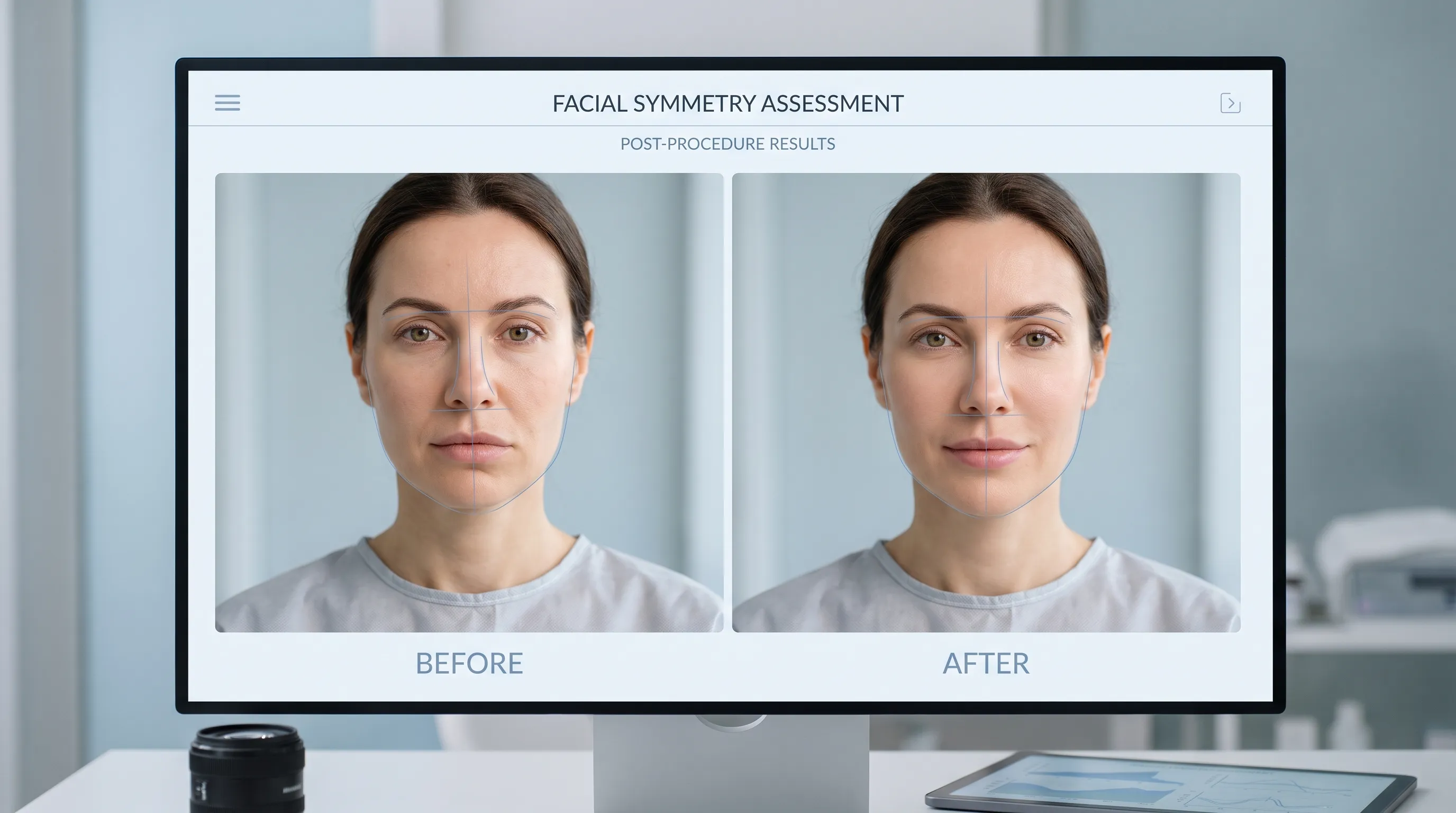
Patients should verify credentials through official medical board databases, review before-and-after galleries for consistency and realism, and inquire about complication management experience. Discounted treatments, unlicensed practitioners, or unregulated settings significantly increase complication risks and should be avoided at all costs. Investing in qualified expertise protects health, ensures predictable outcomes, and maintains the highest standards of aesthetic care.
Frequently Asked Questions
How long do chin fillers last?
Hyaluronic acid-based chin fillers typically maintain optimal projection for 12 to 18 months, though metabolic factors, product selection, and injection depth influence individual longevity. Calcium hydroxylapatite formulations may extend duration to 24 months through continuous collagen stimulation. Patients with higher metabolic rates, frequent intense exercise, or smoking habits often experience faster degradation, requiring more frequent maintenance sessions. Regular follow-up appointments allow providers to assess tissue integration, recommend touch-up volumes, and adjust treatment intervals based on clinical response and aesthetic goals.
Is chin filler painful?
Most patients tolerate the procedure exceptionally well due to strategic anesthetic integration and refined injection techniques. Topical lidocaine cream numbs the treatment zone before injection, while modern filler formulations contain built-in anesthetic compounds for additional comfort. Sensation typically manifests as brief pressure or mild pinching during deposition, with intensity decreasing as tissue accommodates the product. Providers may utilize nerve-blocking techniques, vibration distraction, or ice application for anxious patients. Post-procedural tenderness usually resolves within 24 to 48 hours with appropriate care and over-the-counter pain management.
Can chin filler migrate or shift over time?
Properly administered chin filler using high-G prime products placed in the deep supraperiosteal plane demonstrates exceptional stability and minimal migration potential. Displacement typically occurs due to overfilling, superficial placement, inappropriate product selection, or aggressive external pressure during early recovery. Maintaining recommended volumes, utilizing structural augmentation formulations, and adhering to post-treatment restrictions significantly reduce migration risk. Patients who notice asymmetry, mobility issues, or contour irregularities should consult their provider for professional assessment and potential correction rather than attempting manual manipulation.
How soon can I wear a mask after treatment?
Loose-fitting, breathable masks can be worn 24 hours after treatment, provided they do not compress the chin region or create friction against injection sites. Tight masks, athletic gear, or prolonged facial coverage should be avoided for at least 48 to 72 hours to prevent pressure-induced displacement or delayed healing. If mask usage is medically or occupationally required, patients should ensure proper ventilation, adjust positioning to minimize direct contact, and monitor skin response for irritation or delayed swelling. Communication with providers ensures personalized guidance aligned with clinical circumstances.
What is the average cost of chin filler?
Pricing varies significantly based on geographic location, provider expertise, product brand, and required volume. Most patients require 1 to 2 syringes for optimal projection, with costs typically ranging between $600 and $2,500 per session. Board-certified practitioners in metropolitan areas generally charge higher fees reflecting advanced training, premium facilities, and comprehensive safety protocols. Patients should prioritize quality and safety over cost reduction, as unregulated pricing often correlates with inexperienced providers, counterfeit products, or inadequate emergency preparedness. Transparent consultation pricing and realistic budget planning ensure sustainable, satisfactory treatment experiences.
Conclusion
Chin augmentation through dermal fillers represents a sophisticated, evidence-based approach to facial harmonization, offering structural enhancement with minimal downtime and customizable results. The documented chin filler before and after transformations consistently demonstrate how targeted volumization improves proportions, restores youthful definition, and enhances overall aesthetic balance without surgical intervention. However, successful outcomes require comprehensive anatomical understanding, strategic product selection, meticulous technique, and disciplined aftercare adherence.
Patients considering this treatment should prioritize board-certified providers who maintain rigorous training standards, emergency preparedness, and transparent communication practices. Realistic expectations, thorough medical screening, and commitment to post-procedural guidelines significantly influence safety, longevity, and satisfaction. While non-invasive chin augmentation cannot replace surgical intervention for severe skeletal deficiencies, it excels at refining contours, correcting mild to moderate retrusion, and creating natural-looking facial harmony.
Ongoing research continues to refine filler rheology, injection methodologies, and complication management protocols, further enhancing patient safety and clinical predictability. By staying informed, consulting qualified professionals, and adhering to evidence-based care pathways, individuals can confidently navigate their aesthetic journey. Ultimately, the goal of any facial enhancement procedure extends beyond temporary improvement, focusing instead on sustainable health, natural proportionality, and long-term confidence. Understanding every phase of the chin filler experience empowers patients to make educated decisions, optimize outcomes, and maintain facial balance safely and effectively over time.
How we work
Researched and drafted with AI assistance, then reviewed by a human editor against the cited sources.
This article is general health information, not medical advice. Consult a qualified healthcare professional about your own situation.