Baby's Lips Dry: Causes, Safe Treatments & Expert Care Tips
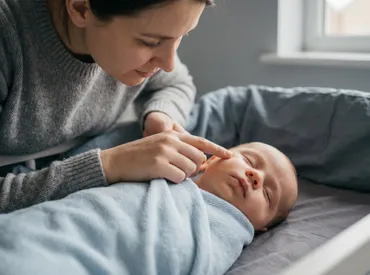
When you notice your baby's lips dry, it is completely natural to feel concerned. Infant skin is remarkably delicate, and even minor environmental shifts can quickly lead to visible discomfort. Chapped, peeling, or irritated lips are among the most frequently reported dermatological concerns in early infancy, yet many parents find themselves overwhelmed by conflicting advice, unsuitable commercial products, and uncertainty about when simple dryness might indicate something more serious. Understanding the underlying physiology of newborn skin, recognizing the precise triggers of moisture loss, and implementing gentle, medically sound interventions are essential steps in restoring comfort. This comprehensive guide explores everything you need to know about managing and preventing dry lips in infants, drawing directly from pediatric dermatology guidelines, clinical research, and recommendations. By learning the science behind lip hydration, mastering safe application techniques, and knowing exactly when to seek professional evaluation, you can confidently navigate this common issue while prioritizing your child's overall well-being and developmental comfort.
The Science Behind Infant Skin and Lip Moisture
To effectively address why baby's lips dry so frequently, it is crucial to first understand the unique biological architecture of newborn epidermis. Infant skin is fundamentally different from adult skin in both thickness and barrier function. At birth, the stratum corneum—the outermost protective layer of the skin—is significantly thinner, measuring roughly twenty to thirty percent of the thickness found in mature adults (Cleveland Clinic). This structural difference means that transepidermal water loss occurs at a much faster rate, making infants highly susceptible to environmental desiccation.
Free calculatorWater Intake CalculatorCalculate daily water needsOpen the calculatorThe Unique Physiology of Newborn Skin
Newborns enter the world with several built-in protective mechanisms, but these systems are temporary. During gestation, the fetus is coated in a waxy, cheese-like substance called vernix caseosa. This remarkable biological coating serves as a natural moisturizer, barrier against amniotic fluid maceration, and a first line of defense against external pathogens (NIH). Shortly after birth, however, vernix begins to absorb and shed, leaving the underlying epidermis directly exposed to atmospheric conditions. Without this protective shield, the infant's skin must rapidly adapt to air temperature fluctuations, varying humidity levels, and mechanical contact. Additionally, baby lips lack the robust sebaceous (oil) glands that adults rely upon to maintain surface lubrication. Adult lips already possess fewer oil glands compared to the rest of the face, but infant lips are essentially devoid of meaningful sebum production in the early months. Consequently, baby's lips dry out because they cannot self-lubricate and depend entirely on external moisture retention strategies. The natural lipid matrix that prevents evaporation in older children and adults is still under development, creating a physiological vulnerability that requires careful, consistent parental support.
Environmental Influences on Lip Hydration
External conditions play a massive role in accelerating moisture depletion. Cold winter air holds significantly less moisture, and indoor heating systems further strip humidity from living spaces, creating a perfect storm for epidermal dehydration. Wind exposure mechanically strips the thin hydrolipidic film from the lip surface, while direct ultraviolet radiation from the sun damages superficial cells and compromises barrier integrity. Even seemingly mild seasonal transitions can trigger noticeable dryness because infants lack the behavioral coping mechanisms adults use, such as instinctively applying lip balm or seeking shade. Indoor environments are equally impactful. Central heating, forced-air cooling systems, and poorly ventilated rooms drastically reduce ambient relative humidity, forcing the delicate mucocutaneous junction of the lips to surrender moisture to the surrounding atmosphere (Mayo Clinic). Understanding these environmental dynamics is the first step toward proactive management. When you recognize why baby's lips dry in specific conditions, you can strategically modify surroundings, implement protective barriers, and establish routines that minimize unnecessary stress on developing tissues.
Primary Causes and Triggers of Dry Lips
While environmental exposure is a universal contributor, several internal and behavioral factors compound the problem. Identifying the precise triggers allows caregivers to implement targeted interventions rather than relying on trial-and-error approaches. Chapped lips rarely stem from a single source; instead, they typically emerge from a combination of anatomical vulnerability, habitual behaviors, feeding dynamics, and systemic hydration status.
Behavioral Habits and Mechanical Friction
One of the most pervasive causes of lip irritation in infants is repetitive saliva exposure. Babies naturally explore oral sensations and frequently lick their lips when they feel parched. Unfortunately, saliva is not a hydrating substance in this context. It contains enzymes like amylase and lysozyme that break down food and defend against microbes, but these same compounds aggressively disrupt the skin barrier when left to evaporate on delicate tissue. This creates a vicious cycle known as irritant contact dermatitis, where temporary relief from licking is quickly replaced by increased cracking, inflammation, and heightened discomfort (Cleveland Clinic). Mouth breathing represents another significant behavioral trigger. Infants who breathe primarily through their mouths during sleep, feeding, or periods of nasal congestion lose moisture at an accelerated rate. The continuous flow of air across the lip surface bypasses the natural humidification process that occurs when breathing through the nasal passages, leaving tissues exposed to desiccating currents. Additionally, mechanical friction from constant contact with clothing, pacifiers, and feeding equipment can micro-traumatize the surface, stripping away protective cells and delaying natural repair processes.
Nutritional Intake and Systemic Hydration
Feeding dynamics directly influence lip health. Breastfed infants often develop a temporary friction-induced dryness or even a mild "nursing blister" due to sustained suction and skin-to-skin contact during latch. While usually harmless, this localized trauma can mimic generalized chapping and requires gentle management to prevent secondary cracking. Insufficient fluid intake remains a primary systemic trigger. Infants have higher metabolic water requirements relative to their body weight and cannot verbally communicate thirst. In hot climates or during illness, fluid needs increase substantially (Mayo Clinic). When internal hydration drops, the body prioritizes vital organs and reduces peripheral fluid allocation to the skin and mucous membranes, causing visible dryness, flaking, and tightening. Vitamin deficiencies, though less common in exclusively breastfed or properly fortified formula-fed infants, can also contribute to impaired epithelial turnover and compromised barrier function. Recognizing these multifaceted triggers helps parents move beyond superficial treatments and address the root causes effectively.
Identifying Symptoms and Warning Signs
Not all lip dryness presents identically, and distinguishing between mild environmental irritation and clinically significant conditions is essential for appropriate management. Parents should develop the observational skills needed to assess severity accurately and respond proportionately. Early recognition prevents minor irritation from progressing into painful fissures or secondary complications.
Visible Changes on the Lips
The initial presentation typically involves mild tightness, a slightly dull or ashen appearance, and subtle roughness when gently touched. As moisture loss progresses, the lip surface becomes noticeably flaky, with fine white scales forming along the vermilion border. In more advanced stages, transverse cracks or fissures appear, often extending into the surrounding perioral skin. These fissures can deepen over time, particularly if the infant continues to lick or stretch their mouth during crying or feeding. Bleeding occurs when cracks penetrate the superficial capillary network, introducing significant pain and raising the risk of bacterial or fungal colonization. Some infants develop hyperpigmentation or darkening around the mouth as a post-inflammatory response, which usually resolves gradually once the barrier is restored. Skin texture changes are often accompanied by behavioral cues, including increased fussiness, feeding reluctance, or heightened sensitivity to touch.
Distinguishing Mild Dryness from Serious Conditions
While environmental and behavioral factors account for the vast majority of cases, certain systemic conditions manifest prominently through lip changes. Dehydration remains the most critical differential to rule out. When fluid deficits become moderate to severe, the body's compensatory mechanisms trigger unmistakable warning signs: reduced urine output (fewer than six wet diapers in a twenty-four-hour period), absence of tear production during crying, sunken anterior fontanelle, dry oral mucosa, and in extreme cases, lethargy or rapid breathing (CDC). Vitamin deficiencies, particularly involving B-complex vitamins and essential fatty acids, can cause persistent peeling, angular cheilitis (cracking at the corners of the mouth), and delayed wound healing. Rare but serious inflammatory conditions like Kawasaki disease present with striking oral symptoms, including intensely red, cracked lips, a "strawberry tongue," and high fever (CDC). Autoimmune or allergic reactions may also cause sudden swelling, blistering, or severe erythema that extends beyond typical chapping. Understanding these distinctions ensures that caregivers apply appropriate interventions without delaying necessary medical evaluation when red flags emerge.
| Symptom Category | Mild/Environmental Indicators | Moderate/Systemic Warning Signs |
|---|---|---|
| Lip Appearance | Slight dullness, fine flaking, mild tightness | Deep fissures, bleeding cracks, swelling, intense redness |
| Skin Texture | Rough to touch, minor peeling | Leathery feel, angular cracking, blistering, hyperpigmentation |
| Associated Behaviors | Occasional fussiness, normal feeding patterns | Refusal to feed, excessive crying, mouth breathing dominance |
| Hydration Status | Normal diaper count, present tears | Fewer than 6 wet diapers/24h, absent tears, dry mouth/tongue |
| Systemic Signs | None, resolves with topical care | Sunken soft spot, rapid breathing, fever, lethargy |
Evidence-Based Home Treatments and Remedies
Once the underlying triggers are identified, implementing safe, effective treatments becomes the priority. Pediatric dermatologists consistently emphasize a minimalist, barrier-focused approach that prioritizes moisture retention, gentle cleansing, and avoidance of irritating compounds. The goal is not to force artificial hydration but to seal in existing moisture and support the skin's natural repair mechanisms (Mayo Clinic).
Pediatrician-Approved Natural Solutions
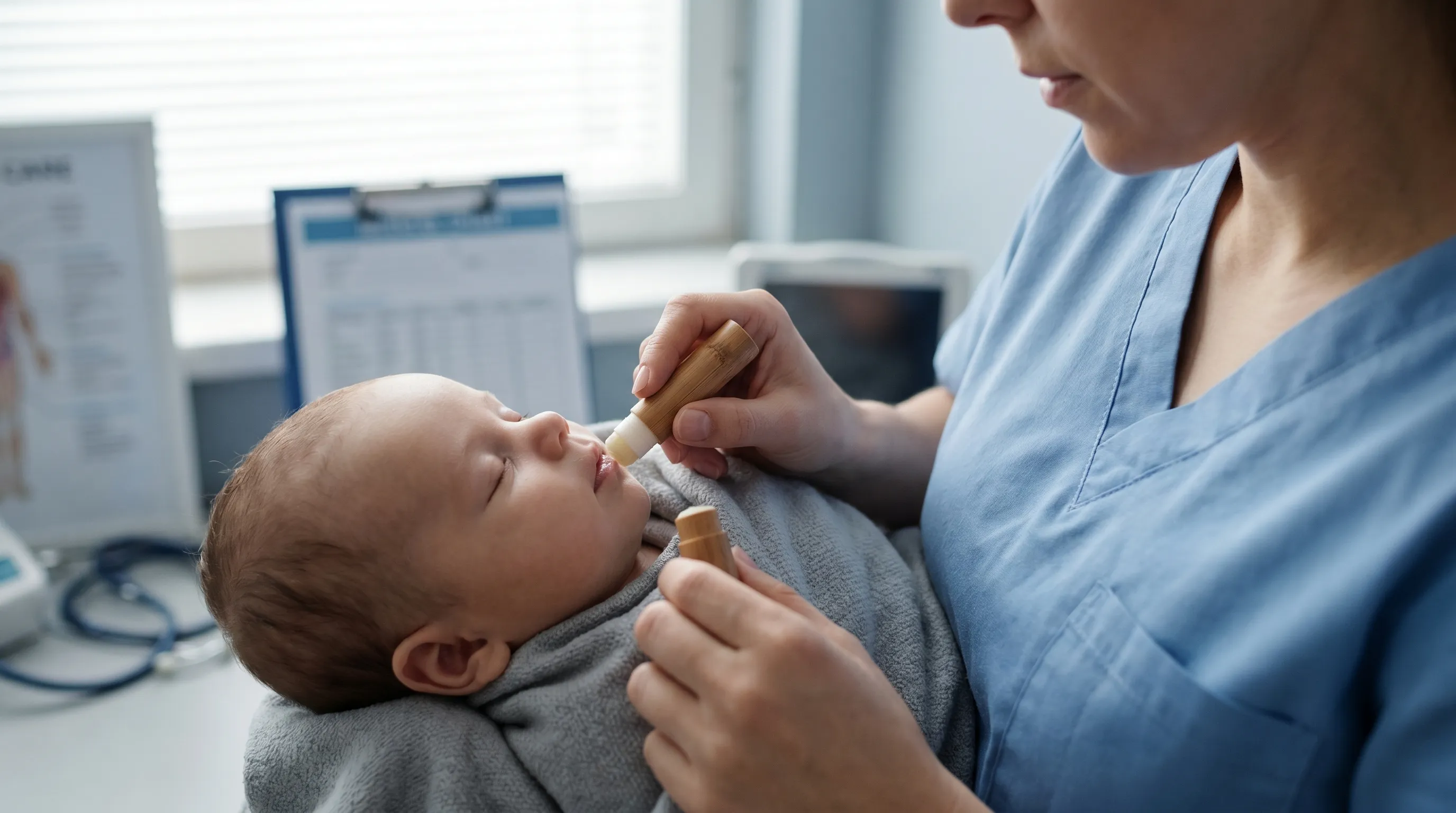
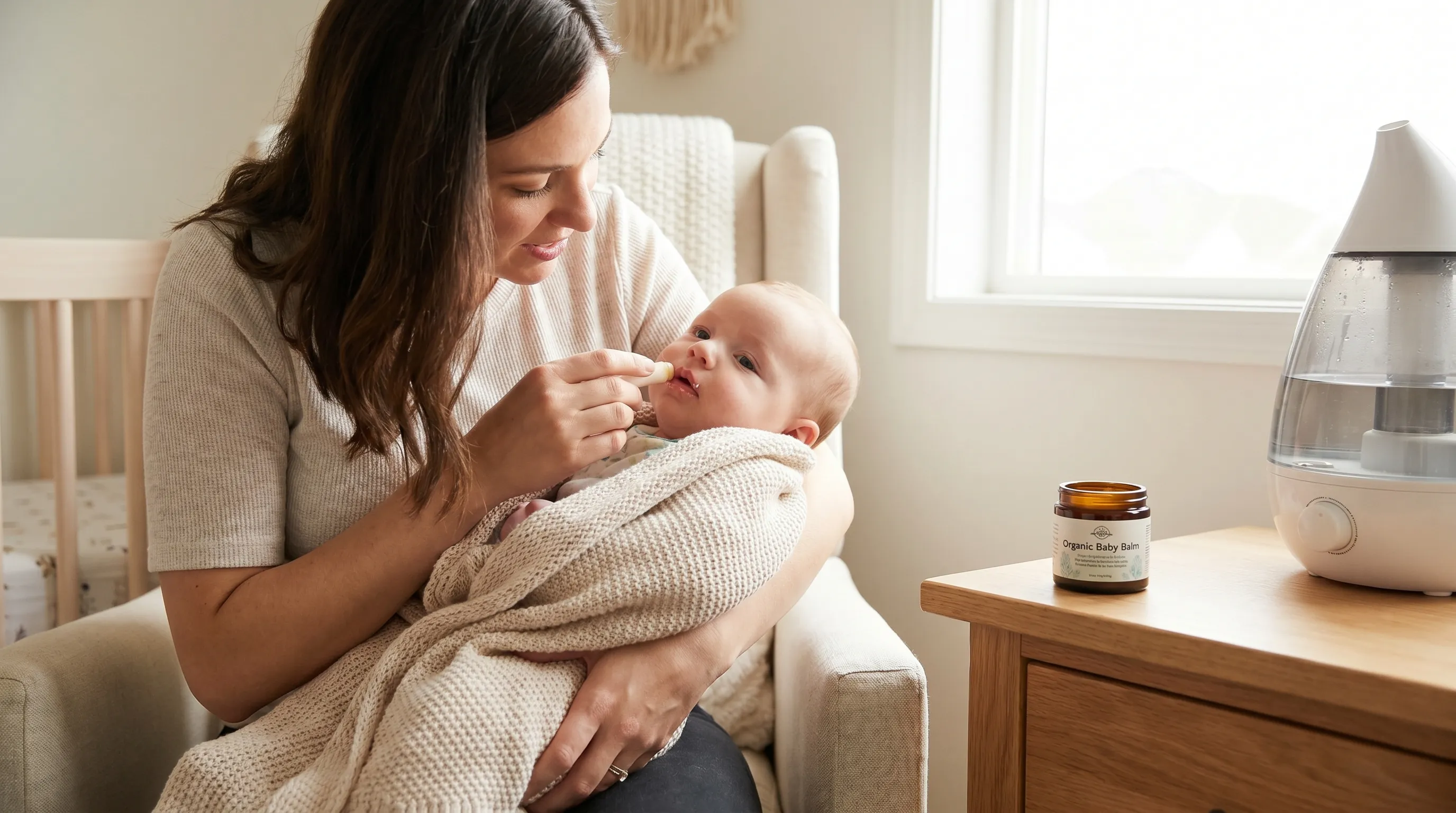
Breast milk stands out as one of the most accessible and scientifically supported remedies. Its composition includes immunoglobulins, growth factors, and natural lipids that gently soothe inflammation while reinforcing the microbial balance of the skin. Applying one to two drops directly onto the lips after feeding provides immediate comfort without requiring specialized products. Pure lanolin, derived from sheep's wool, offers exceptional occlusive properties that mimic natural sebum. Highly purified, medical-grade lanolin creates a breathable barrier that prevents water evaporation while remaining non-irritating for most infants. Parents should patch-test on the forearm first, as a small percentage of babies exhibit mild sensitivity. Plant-based oils like virgin coconut oil and extra-virgin olive oil contain medium-chain fatty acids that demonstrate antimicrobial and barrier-repairing properties. A microscopic application rubbed gently between the fingers until warm ensures even distribution without greasiness. Petroleum jelly remains a gold standard in occlusive therapy. A single, pea-sized amount warmed between fingertips and applied sparingly before sleep locks in ambient moisture and shields against overnight drool. However, pediatric guidelines stress strict moderation. Excessive ingestion of petroleum-based products can lead to gastrointestinal discomfort, mild diarrhea, or respiratory irritation if aspirated, so application should remain minimal and strictly superficial.
Navigating Commercial Lip Care Products Safely
The commercial lip care market is heavily saturated with adult-formulated products that contain potent actives entirely unsuitable for infants. When selecting a balm for a baby, ingredient transparency is non-negotiable. Pediatric dermatologists consistently warn against formulations containing camphor, menthol, phenol, and eucalyptus oil, as these compounds act as counterirritants that temporarily numb discomfort while simultaneously compromising barrier function and posing toxicity risks if ingested in large quantities (NIH). Chemical sunscreens like octinoxate and oxybenzone should be avoided due to systemic absorption concerns in developing physiology. Preservatives such as propyl gallate, active exfoliants like salicylic acid, and added flavorings (cinnamon, peppermint, citrus, or artificial fruit blends) frequently trigger contact dermatitis in sensitive perioral tissue. The safest commercial products are fragrance-free, hypoallergenic, and specifically tested for infant use. Look for formulations with simple occlusive bases like beeswax, shea butter, and mineral oil, and always verify that packaging displays clear age recommendations and pediatric safety certifications. Consistent application frequency matters just as much as product selection. Once dryness is established, applying a protective barrier three to five times daily—particularly after feeding, before naps, and after gentle cleansing—creates a cumulative healing effect that accelerates tissue recovery.
Proactive Prevention and Daily Care Routines
Treating existing dryness is only half the equation. Establishing consistent, preventive habits dramatically reduces recurrence frequency and builds long-term resilience in developing skin. Prevention requires integrating environmental management, routine barrier maintenance, and mindful behavioral redirection into daily caregiving.
Optimizing the Indoor Environment
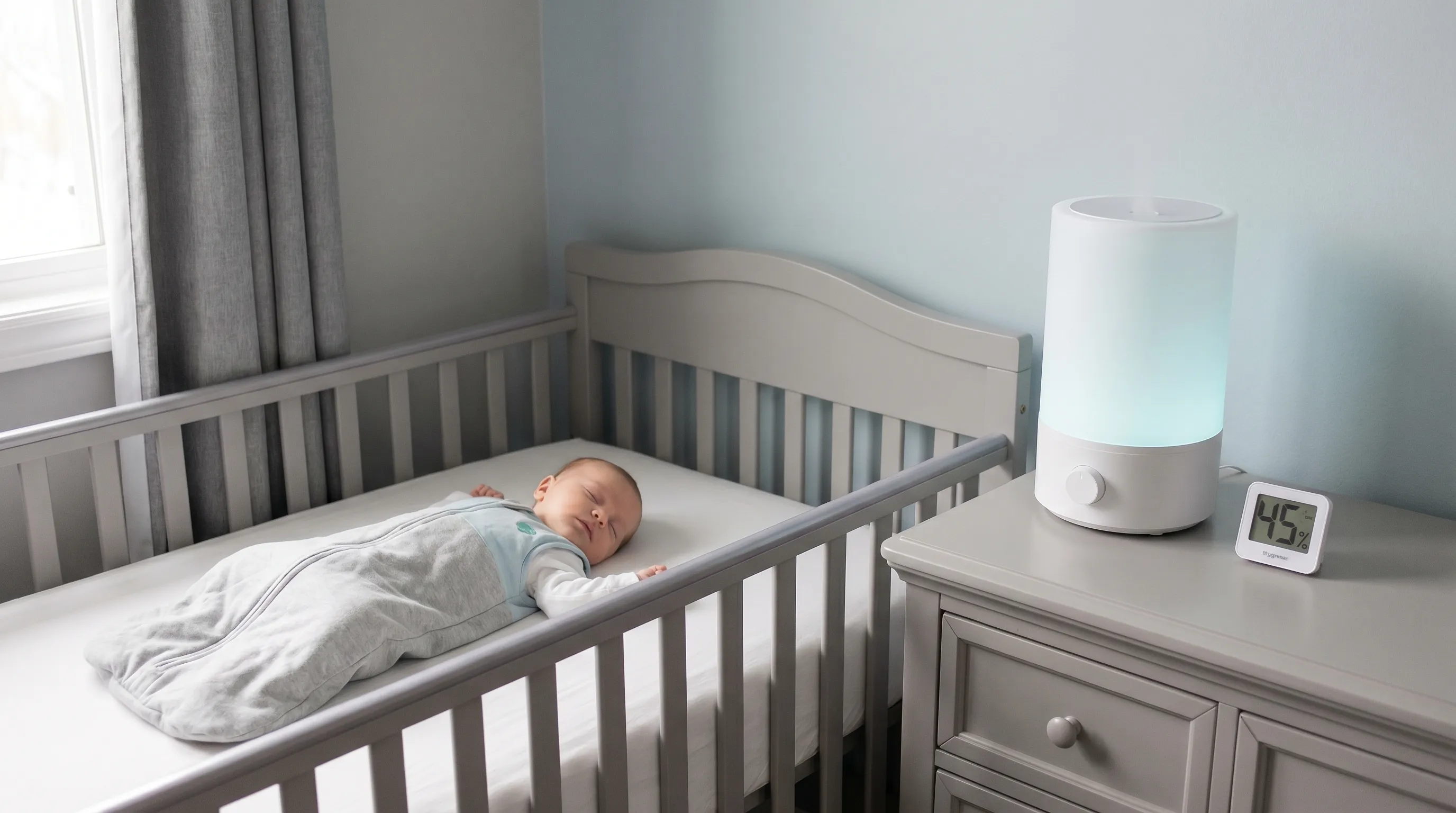
Climate control represents the foundation of lip health maintenance. Maintaining indoor relative humidity between forty and fifty percent creates an optimal microenvironment that minimizes transepidermal water loss without promoting mold growth or dust mite proliferation (Mayo Clinic). Cool-mist humidifiers positioned safely away from the crib and cleaned regularly according to manufacturer guidelines prevent bacterial colonization while delivering consistent atmospheric moisture. During winter months or periods of heavy heating, running a humidifier in the nursery and primary play area provides continuous passive protection. Temperature regulation matters equally. Overheating accelerates fluid loss through insensible perspiration and increases respiratory rate, both of which compound lip dryness. Dressing infants in breathable, layered cotton garments allows for quick adjustments without triggering excessive sweating. Air filtration also plays an underrated role. Particulate matter, pollen, and indoor chemical vapors can subtly irritate mucosal tissues, prompting inflammatory responses that manifest as dryness or perioral redness. Using high-efficiency particulate air filters and avoiding harsh cleaning aerosols near the nursery maintains a cleaner respiratory and dermatological environment.
Outdoor Protection and Seasonal Adjustments
External exposure requires strategic modification based on weather conditions. In cold or windy environments, a soft, breathable muslin barrier or specially designed infant face shield prevents direct air contact while allowing normal breathing. Sun protection remains equally critical. Ultraviolet radiation damages collagen structures and disrupts lipid barriers even on overcast days. Applying a mineral-based, infant-safe sunscreen to exposed facial areas and utilizing wide-brimmed sun hats provides dual protection against desiccating UV exposure (CDC). During hot weather, prioritizing frequent feeding sessions ensures adequate systemic hydration, which naturally supports mucosal moisture levels. Gentle behavioral redirection helps break the licking cycle. When parents observe repetitive lip-smacking or licking, offering a pacifier, engaging in tactile play, or gently wiping the mouth with a soft, damp cloth interrupts the habit without causing distress. Daily preventive application of a mild, unscented occlusive balm—even on perfectly healthy days—builds a baseline barrier that withstands environmental fluctuations. Consistency transforms prevention from a reactive chore into an automatic care standard.
When to Consult a Pediatrician
While most cases resolve rapidly with consistent home management, certain clinical presentations require professional evaluation. Parents should schedule a pediatric consultation if dryness persists beyond two to three weeks despite diligent moisturizing, as chronic irritation may indicate underlying allergic contact dermatitis, eczema flare-ups, or nutritional imbalances. Any sign of secondary infection, including yellow crusting, pus discharge, expanding redness, warmth to the touch, or foul odor, warrants immediate medical attention. Cracked, bleeding lips that refuse to close or that significantly interfere with feeding and weight gain also require clinical assessment to rule out anatomical anomalies or systemic illness. The presence of systemic red flags—such as unexplained fever, extreme lethargy, refusal to drink, or dehydration markers previously outlined—demands urgent evaluation (WHO). Kawasaki disease, though rare, presents with dramatic oral changes and requires time-sensitive intervention to prevent cardiovascular complications. Pediatricians may prescribe topical barrier creams with mild anti-inflammatory properties, recommend allergy testing, or conduct hydration assessments through clinical examination and laboratory analysis. Early professional involvement ensures that transient discomfort does not mask treatable medical conditions while providing parents with evidence-based reassurance and tailored management protocols.
Frequently Asked Questions
Is it safe to use Vaseline on a newborn's chapped lips?
Applying a minimal amount of pure petroleum jelly is widely considered safe by pediatric dermatologists. It creates an effective occlusive seal that prevents moisture evaporation and protects against environmental irritants (Cleveland Clinic). The primary precaution involves application quantity; excessive use can lead to accidental ingestion, which may cause mild gastrointestinal upset or coughing in sensitive infants. Always use a clean finger, warm a rice-grain-sized amount between your fingertips, and apply only a translucent layer directly to the lips.
Can breast milk help heal dry or cracked lips in babies?
Yes, breast milk is highly effective for mild to moderate chapping. Its natural composition includes immunoglobulins, lauric acid, and growth factors that reduce inflammation, support skin barrier repair, and inhibit pathogenic bacterial growth. Express one to two drops onto a clean fingertip or cotton pad and gently dab it onto the affected area after feedings. Allow it to absorb naturally without wiping, and follow with a light occlusive layer if needed. This method is sterile, cost-free, and perfectly aligned with infant physiology.
When should I worry about dehydration if my baby has dry lips?
Dry lips alone rarely indicate dangerous fluid deficits, but they become concerning when paired with systemic dehydration markers. Seek immediate medical care if your infant displays fewer than six wet diapers in twenty-four hours, produces no tears when crying, exhibits a visibly sunken anterior fontanelle or sunken eyes, has a dry tongue or cracked oral mucosa, or demonstrates unusually rapid/deep breathing, cool extremities, or lethargy. These signs indicate that oral rehydration strategies are insufficient and clinical intervention is necessary (CDC).
Why do babies lick their lips more when they are dry?
Lip licking is a natural self-soothing response to discomfort, but saliva is inherently counterproductive for lip hydration. Saliva contains digestive enzymes that break down protective lipids on the skin surface. When saliva evaporates, it pulls additional moisture from the underlying tissues through a process called evaporative cooling, leaving the area drier than before. This repetitive cycle triggers irritant contact dermatitis, causing increased redness, scaling, and micro-fissures. Breaking the habit requires barrier protection, hydration management, and gentle behavioral redirection.
What ingredients in lip balms should be avoided for infants?
Infant lip care requires strict ingredient filtering. Avoid products containing camphor, eucalyptus oil, menthol, phenol (or phenyl), salicylic acid, propyl gallate, and chemical UV filters like octinoxate or oxybenzone. These compounds can trigger allergic reactions, cause neurotoxicity if ingested, or actively disrupt the developing skin barrier (NIH). Additionally, steer clear of added flavorings and fragrances, particularly cinnamon, peppermint, and citrus extracts, as these are common irritants that cause burning sensations and prolonged inflammation in sensitive perioral tissue.
Conclusion
Noticing your baby's lips dry can initially trigger anxiety, but with a clear understanding of infant skin physiology, environmental triggers, and safe treatment protocols, parents can confidently restore comfort and prevent recurrence. The foundation of effective management lies in gentle barrier support, consistent hydration practices, and vigilant observation of systemic warning signs. By utilizing pediatrician-approved natural remedies, avoiding harmful commercial additives, maintaining optimal indoor humidity, and recognizing when professional evaluation is necessary, caregivers transform a common developmental challenge into an opportunity for proactive health maintenance. Infant skin matures rapidly, and with mindful, evidence-based care, those delicate lips will quickly regain their natural softness and resilience. Prioritize simplicity, consistency, and medical safety above all else, and rest assured that most cases resolve smoothly with routine, compassionate intervention.
How we work
Researched and drafted with AI assistance, then reviewed by a human editor against the cited sources.
This article is general health information, not medical advice. Consult a qualified healthcare professional about your own situation.