Debunking the Smoking Dry Socket Myth: What You Need to Know for Safe Recovery
Dental extractions are routine procedures that millions of patients undergo annually, yet the post-operative recovery phase often breeds confusion, misinformation, and unnecessary anxiety. Among the most persistent and widely discussed concerns is the relationship between tobacco use and a painful complication known as alveolar osteitis, commonly referred to as dry socket. The internet, social media forums, and even outdated dental pamphlets have amplified a pervasive misconception that has shaped patient behavior for decades. Understanding the smoking dry socket myth requires separating anecdotal fear from peer-reviewed clinical science, physiological mechanisms, and evidence-based post-operative guidelines. This article provides a comprehensive, medically sound exploration of what actually happens inside your mouth after a tooth is removed, how nicotine and combustion byproducts interact with the healing cascade, and why the widely circulated warnings, while well-intentioned, often misrepresent the true biological and mechanical risks involved. Whether you are preparing for an extraction, recovering from one, or simply navigating the complex landscape of dental health information, the insights presented here will empower you to make informed, clinically backed decisions that prioritize optimal healing and long-term oral wellness.
Understanding Dry Socket and the Smoking Connection
What Exactly Is a Dry Socket?
Dry socket, or alveolar osteitis, occurs when the protective blood clot that forms in the tooth socket either fails to develop properly or becomes prematurely dislodged or dissolved. This clot serves as a critical biological scaffold for new tissue growth, acting as a natural bandage that shields underlying nerve endings and alveolar bone from oral bacteria, food debris, and environmental exposure. When the clot is compromised, the exposed bone and nerve become directly vulnerable to inflammation, leading to severe, radiating pain that typically peaks three to five days after the extraction. According to clinical data reviewed by the Mayo Clinic, dry socket affects approximately 2% to 5% of all routine extractions, with incidence rates climbing significantly for impacted third molars (wisdom teeth). The condition is characterized by intense, throbbing discomfort that often radiates to the jaw, ear, or temple, accompanied by a distinct foul odor or taste, localized swelling, and occasionally visible bone exposure within the socket. While it is undeniably painful, it is crucial to understand that dry socket is not an infection but rather a localized inflammatory and delayed-healing response. The absence of bacterial invasion differentiates it from alveolitis with suppuration, requiring targeted palliative care and socket debridement rather than systemic antibiotics.
Free calculatorHeadache Location ChartIdentify headache types by locationOpen the calculatorHow Smoking Actually Affects Oral Healing
Tobacco use introduces a complex cocktail of pharmacological agents into the oral environment, each interacting differently with the delicate post-extraction healing cascade. The primary culprits are nicotine, carbon monoxide, and various alkaloids that collectively disrupt vascular function, cellular migration, and tissue regeneration. When a patient smokes, the inhaled compounds rapidly enter the bloodstream, triggering a systemic sympathetic nervous system response that causes peripheral vasoconstriction. This narrowing of the microvasculature reduces blood flow to the extraction site by up to 25%, depriving the wound of oxygen, nutrients, and essential immune cells required for granulation tissue formation. Simultaneously, carbon monoxide binds irreversibly to hemoglobin, forming carboxyhemoglobin and further impairing oxygen delivery to hypoxic wound tissues. Research published by the National Institutes of Health highlights that this hypoxic environment significantly delays fibroblast proliferation, collagen synthesis, and epithelial migration, extending the inflammatory phase and compromising the structural integrity of the newly forming clot. The combination of reduced perfusion and chemical irritation creates a perfect storm that predisposes smokers to delayed healing, increased susceptibility to localized inflammation, and a higher statistical likelihood of clot failure compared to non-smokers.
Breaking Down the Smoking Dry Socket Myth
Where Did the Myth Originate?
The pervasive belief that smoking automatically causes dry socket traces its roots to mid-20th century clinical observations, early case-control studies, and simplified patient education materials designed to deter tobacco use during recovery. In the absence of modern statistical modeling and multivariate risk analysis, early dental literature frequently presented correlative data as direct causation. Over time, this evolved into a categorical warning: smoking equals dry socket. The smoking dry socket myth gained momentum through word-of-mouth transmission, well-meaning but scientifically imprecise dental brochures, and internet forums where patients shared anecdotal horror stories without clinical context. While the intention behind these warnings was undeniably protective, the oversimplification stripped away the nuanced understanding of multifactorial healing. It ignored variables such as surgical trauma severity, pre-existing periodontal disease, hormonal fluctuations, oral hygiene practices, and the specific timing and frequency of tobacco use. Consequently, patients who followed every other instruction but smoked once on day four were led to believe they had doomed themselves to weeks of excruciating pain, even though their actual physiological outcome might have been perfectly normal. Recognizing the historical context of this warning allows us to approach post-extraction care with clarity rather than fear.
Separating Fact from Fiction
To dismantle the smoking dry socket myth, we must evaluate what the evidence actually demonstrates versus what is culturally assumed. Scientific literature confirms that smoking increases the risk of dry socket by two to threefold, particularly within the first 48 to 72 hours post-extraction, as documented by the Cleveland Clinic. However, increased risk does not equate to guaranteed complication. A substantial percentage of smokers recover without any dry socket development, especially when they employ protective strategies, adhere to strict timing windows, and maintain rigorous oral hygiene protocols. Conversely, some non-smokers develop dry socket due to excessive rinsing, straw use, vigorous spitting, or underlying systemic conditions like diabetes or osteoporosis that impair healing. The myth falsely positions smoking as the sole determinant of clot failure, ignoring the biomechanical and biochemical realities that actually drive the complication. Modern clinical guidelines emphasize that while abstinence remains the gold standard for optimal recovery, risk mitigation is achievable through informed behavior modification. Patients who understand that the danger lies in the combination of suction, nicotine exposure, and chemical irritation rather than mere tobacco consumption can navigate their recovery with precision rather than panic. Dispelling this misconception does not minimize the risks of smoking; rather, it reframes them within an evidence-based framework that empowers patients to make smarter, clinically aligned choices.
The Real Science Behind Smoking and Extraction Recovery
The Impact of Nicotine on Blood Flow
Nicotine is a potent vasoactive alkaloid that exerts rapid and profound effects on the cardiovascular and microvascular systems. Upon absorption through the pulmonary alveoli, it triggers the release of catecholamines, primarily epinephrine and norepinephrine, which bind to alpha-adrenergic receptors on vascular smooth muscle. This interaction induces sustained vasoconstriction, particularly in the peripheral and gingival microcirculation. In the context of a fresh extraction socket, reduced blood flow translates directly to delayed fibrin mesh formation, impaired platelet aggregation, and compromised oxygenation of the granulation tissue. Studies from the Mayo Clinic demonstrate that even low-dose nicotine exposure can reduce gingival capillary density for several hours post-consumption, creating a prolonged ischemic window during which the healing cascade is vulnerable to disruption. Furthermore, nicotine alters fibroblast function, reducing collagen deposition and delaying the transition from inflammatory to proliferative healing phases. These physiological changes are dose-dependent, meaning heavy or frequent smoking amplifies the negative impact, while occasional or delayed use allows partial physiological recovery. Understanding this mechanism clarifies why timing and quantity matter more than binary abstinence in clinical risk assessment.
Suction Mechanics vs. Chemical Exposure
The physical act of drawing smoke into the mouth creates negative intraoral pressure, commonly referred to as suction or intraoral vacuum. This mechanical force is one of the most potent disruptors of a fragile post-extraction blood clot. The pressure differential between the oral cavity and the alveolar socket can easily overcome the tensile strength of a newly formed fibrin network, physically pulling the clot loose and exposing the underlying bone. While nicotine and combustion byproducts contribute chemical stress, the suction component remains a primary mechanical trigger for dry socket development. Interestingly, this suction risk extends far beyond traditional cigarettes. Drinking through a straw, forcefully spitting, rinsing vigorously, or playing wind instruments can generate similar negative pressures capable of clot dislodgement. Clinical observations and research indexed by the National Institutes of Health indicate that the risk of dry socket correlates strongly with activities that generate intraoral vacuum, regardless of whether tobacco is involved. Therefore, the smoking dry socket myth often conflates two distinct pathways: chemical vasoconstriction and mechanical suction. Effective post-operative care requires addressing both. Patients who avoid the suction action while managing nicotine delivery through non-inhalation methods often experience smoother recovery trajectories compared to those who inadvertently compromise the socket through vigorous mechanical manipulation.
Vaping and Alternatives: Are They Safer?
The rise of electronic cigarettes and heated tobacco products has introduced new variables into the post-extraction recovery paradigm. Many patients mistakenly assume that because vaping eliminates tar and combustion, it poses minimal risk to healing sockets. This assumption is dangerously flawed. E-liquids typically contain nicotine, propylene glycol, vegetable glycerin, and flavoring agents that collectively create an alkaline and potentially irritating oral environment. While the absence of carbon monoxide reduces systemic hypoxia, the presence of nicotine still triggers vasoconstriction and delays angiogenesis. More critically, the inhalation mechanics required for vaping replicate the exact suction forces that threaten clot stability. Clinical observations suggest that vaping may carry a comparable, if not slightly higher, risk profile for dry socket development due to the deeper and more sustained inhalation patterns often employed by users. Additionally, the aerosolized particles can dehydrate the oral mucosa, impairing salivary flow that naturally bathes and protects healing tissues. As highlighted by the CDC, alternative nicotine delivery methods still carry risks. Alternative nicotine replacement therapies, such as transdermal patches, sublingual lozenges, or gum, eliminate the suction component entirely but still deliver nicotine systemically. While patches are generally considered the safest option during the initial 72-hour window, gum and lozenges require careful placement away from the surgical site to avoid local irritation. Consulting with your healthcare provider about the safest nicotine management strategy during recovery is essential for balancing withdrawal management with optimal wound healing.
Recognizing Symptoms and When to Seek Help
Early Warning Signs
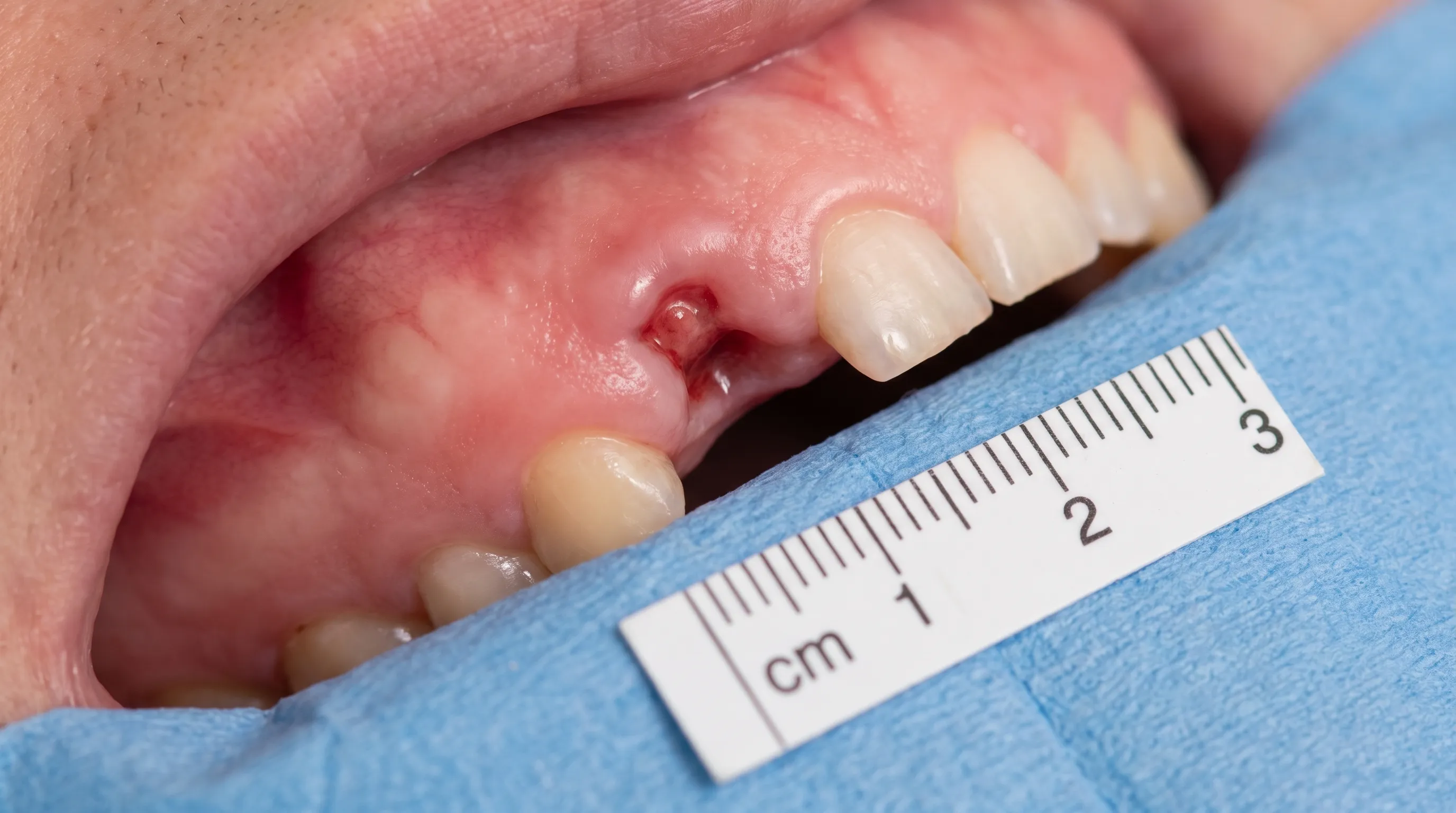
Identifying dry socket in its initial stages is critical for timely intervention and pain mitigation. The hallmark symptom is severe, throbbing pain that emerges or intensifies between the third and fifth days post-extraction. Unlike normal post-operative discomfort, which gradually subsides, dry socket pain often radiates along the trigeminal nerve pathways to the ipsilateral ear, temple, or neck. Patients frequently report a sudden escalation in discomfort despite adherence to prescribed analgesic regimens. Visual inspection may reveal an empty, dry-looking socket with exposed alveolar bone, which appears grayish or whitish rather than the expected dark red or black clot. A foul odor or persistent metallic taste is another common indicator, resulting from bacterial colonization and tissue breakdown within the compromised socket. Localized lymphadenopathy, mild edema, and difficulty opening the mouth fully may accompany these primary symptoms. It is important to differentiate dry socket from normal post-operative inflammation, which typically presents with mild swelling, manageable pain that responds to over-the-counter medications, and gradual improvement over the first week. Understanding these distinctions prevents unnecessary alarm while ensuring that genuine complications are addressed promptly.
When to Contact Your Dentist Immediately
Professional evaluation is warranted if pain escalates beyond day three, becomes unmanageable with standard analgesics, or is accompanied by visible bone exposure and foul discharge, according to Cleveland Clinic treatment guidelines. Delaying treatment can prolong discomfort, increase the risk of secondary infection, and delay the overall healing timeline. Dental professionals treat dry socket through gentle irrigation of the socket with warm saline or chlorhexidine solutions to remove debris and bacterial biofilm, followed by the placement of a medicated dressing containing eugenol, benzocaine, or iodoform to provide immediate pain relief and protect the exposed bone. Multiple dressing changes may be required over several days as the socket begins to granulate from the base upward. Patients should never attempt to self-treat dry socket by inserting home remedies, applying undiluted essential oils, or aggressively cleaning the site, as these actions can exacerbate inflammation and introduce pathogens. Immediate clinical intervention not only provides rapid symptomatic relief but also establishes a sterile, protected environment that accelerates natural tissue regeneration. Maintaining open communication with your dental provider ensures that any deviation from the expected healing curve is addressed swiftly and effectively.
Actionable Tips for a Safe and Smooth Recovery
The First 48 Hours: Critical Guidelines
The initial two days following an extraction are the most vulnerable period for clot stabilization and early tissue formation. During this window, patients should strictly avoid any activity that generates negative intraoral pressure, including smoking, vaping, straw use, and forceful spitting. If a cough or sneeze occurs, it should be managed gently with the mouth partially open to equalize pressure. Ice packs applied to the external facial region for 15-minute intervals can effectively minimize edema and reduce post-operative bleeding. Patients should adhere to prescribed analgesics before pain peaks, typically taking the first dose as the local anesthetic begins to wear off. Oral hygiene should be gentle; brushing can resume on the evening of surgery, avoiding the surgical site directly, while saltwater rinses should not be initiated until 24 hours post-procedure. A soft, cool, and non-acidic diet minimizes mechanical disruption to the clot, with options like yogurt, mashed potatoes, smoothies (eaten with a spoon), and lukewarm broths providing adequate nutrition without compromising healing. Resting in an elevated position during the first night reduces venous congestion and minimizes throbbing discomfort.
Nutritional and Lifestyle Adjustments
Optimal nutrition plays a foundational role in supporting the inflammatory and proliferative phases of wound healing. Diets rich in vitamin C, zinc, and high-quality protein accelerate collagen synthesis and immune function, while hydration maintains salivary flow and tissue elasticity. Patients should avoid alcohol, carbonated beverages, and spicy foods for at least five to seven days, as these can irritate healing tissues and disrupt clot integrity. Caffeine intake should be moderated, as it can elevate heart rate and exacerbate vascular fluctuations. Light walking and routine daily activities can generally resume within 24 to 48 hours, provided they do not involve heavy lifting, straining, or high-intensity exertion that increases systemic blood pressure and bleeding risk. Sleep hygiene should be prioritized, with patients aiming for seven to nine hours of uninterrupted rest to allow hormonal and cellular repair processes to function optimally. Maintaining a clean environment, avoiding exposure to dust or airborne irritants, and managing stress through mindfulness or breathing exercises further supports the body's natural healing capacity during this critical recovery window.
Managing Withdrawal Without Compromising Healing
Nicotine withdrawal symptoms typically emerge within the first 24 hours of cessation and can peak between days two and four, coinciding exactly with the most vulnerable healing period. Common symptoms include irritability, difficulty concentrating, increased appetite, anxiety, and strong cravings. Successfully navigating this phase requires proactive planning and evidence-based strategies. Transdermal nicotine patches provide steady, controlled delivery without suction or oral irritation, significantly reducing withdrawal severity while minimizing local impact on the extraction site. Behavioral modifications, such as keeping hands occupied with stress balls or fidget devices, engaging in mild distraction techniques, and scheduling short walks, help rewire habitual smoking triggers. Hydration with herbal teas or infused water alleviates oral dryness and reduces the psychological urge to smoke. Patients should inform family members and close contacts about their temporary abstinence to build a supportive environment that reinforces commitment to healing. If cravings become overwhelming, consulting a healthcare provider about short-term cessation aids or counseling resources, such as those offered by the World Health Organization, can provide additional structure. Successfully managing withdrawal not only prevents dry socket but also establishes a foundation for long-term tobacco reduction or cessation.

Comparing Recovery Scenarios: Smokers vs. Non-Smokers
Understanding how smoking impacts recovery trajectories requires examining clinical outcomes across diverse patient populations. The table below synthesizes peer-reviewed data and clinical guidelines to illustrate key differences in healing timelines, complication rates, and recovery experiences between smokers and non-smokers following routine dental extractions.
| Factor | Non-Smokers | Smokers (Active Tobacco Users) | Impact on Healing |
|---|---|---|---|
| Blood Clot Stability | High (>95% intact formation) | Moderate to Low (~80% intact) | Reduced stability increases dry socket risk |
| Initial Pain Duration | Peaks at 48 hours, resolves by day 5 | Peaks at days 3-5, may persist beyond day 7 | Prolonged discomfort due to delayed tissue regeneration |
| Vascular Perfusion to Site | Normal baseline oxygenation | Reduced 20-30% due to vasoconstriction | Slower nutrient delivery and cellular migration |
| Infection Susceptibility | Low (normal immune response) | Moderate to High (impaired neutrophil function) | Greater need for prophylactic rinses and monitoring |
| Recommended Abstinence Period | Not applicable | 72 to 120 hours minimum | Extended window allows initial granulation tissue formation |
The data clearly demonstrates that while smoking significantly elevates complication risks, it does not universally guarantee adverse outcomes. Patient adherence to post-operative protocols, surgical complexity, and individual physiological factors all modulate the final recovery experience. Non-smokers benefit from robust baseline vascular health, while smokers require extended abstinence and meticulous oral care to mitigate pharmacological interference. Recognizing these differences allows clinicians to tailor post-operative instructions and patients to set realistic, evidence-based expectations. Ultimately, the smoking dry socket myth persists because it oversimplifies a complex biological process, but modern dental science provides nuanced, actionable pathways for safe and effective recovery regardless of tobacco history.
Frequently Asked Questions
How long should I wait before smoking after a wisdom tooth removal?
Dental professionals universally recommend abstaining from smoking for a minimum of 72 to 120 hours following any tooth extraction, with impacted wisdom teeth requiring the upper end of that range, per Mayo Clinic post-operative guidelines. The first three days represent the critical period of fibrin clot stabilization and early inflammatory resolution. Smoking before this window closes introduces suction forces that physically dislodge the fragile clot, while nicotine simultaneously constricts blood vessels, starving the wound of oxygen and healing nutrients. If you find the waiting period challenging, consider using nicotine patches, engaging in distraction techniques, or consulting your provider about temporary cessation strategies. Waiting the full five days dramatically reduces dry socket incidence and allows granulation tissue to begin forming from the socket base, creating a more resilient foundation for subsequent healing phases.
Can one puff of a cigarette really cause dry socket?
The idea that a single puff guarantees dry socket is a core component of the smoking dry socket myth. While even one inhalation introduces suction and nicotine into a highly vulnerable environment, it does not automatically trigger complication development. Clinical studies show that dry socket is multifactorial, influenced by surgical technique, anatomical complexity, pre-existing oral health, and individual healing capacity. However, the probability of clot disruption increases proportionally with each exposure. Early consumption is particularly dangerous because the fibrin matrix is still immature and easily disturbed. Rather than fixating on the myth of absolute certainty, patients should focus on risk mitigation by strictly adhering to the 72 to 120-hour abstinence guideline and employing protective strategies if they choose to resume use afterward. This evidence-based approach replaces fear with informed decision-making.
What can I do if I accidentally smoke too soon after extraction?
If you inadvertently smoke within the critical healing window, do not panic, but take immediate protective measures. First, discontinue smoking immediately and avoid further suction-based activities. Gently rinse with warm saline solution (without vigorous swishing) to clear debris and reduce chemical irritation. Apply ice externally to manage potential swelling and maintain elevated head positioning to reduce vascular pressure in the oral cavity. Monitor your symptoms closely over the next 48 hours for signs of dry socket, such as escalating pain, foul odor, or visible bone exposure. If symptoms develop, contact your dentist promptly for professional evaluation and medicated dressing placement. Early intervention prevents secondary inflammation and significantly shortens the discomfort duration. Remember that accidental exposure does not mean inevitable complication, but it does require heightened vigilance and proactive care.
Is it safe to use mouthwash containing alcohol after extraction?
Alcohol-based mouthwashes should be strictly avoided for at least seven to ten days post-extraction. Alcohol acts as a potent desiccant and irritant, disrupting the delicate fibrin network and dehydrating healing mucosal tissues. Additionally, the antiseptic strength of alcohol can trigger excessive inflammation and delay epithelial migration over the socket. Instead, dental professionals recommend chlorhexidine gluconate rinses (0.12%) or warm saline solutions, which provide antimicrobial protection without compromising clot integrity. These alternatives should be used gently, starting 24 hours after surgery, by allowing the solution to pool passively in the mouth rather than vigorously rinsing. Proper rinsing technique ensures bacterial reduction while preserving the physiological environment necessary for uneventful healing.
How do dentists treat dry socket once it develops?
Dry socket management follows a standardized clinical protocol focused on pain relief, socket protection, and secondary healing acceleration. The dentist will gently irrigate the extraction site with sterile saline or antiseptic solution to remove food debris, necrotic tissue, and bacterial biofilm. Following irrigation, a medicated dressing impregnated with eugenol, benzocaine, or iodoform gauze is carefully packed into the socket. This dressing provides immediate analgesic effects by neutralizing exposed nerve endings and creates a physical barrier against environmental irritants and pathogens. Patients are typically prescribed non-steroidal anti-inflammatory drugs (NSAIDs) or short-course analgesics for pain management. The dressing is usually left in place for 3 to 5 days and replaced if necessary until granulation tissue begins to cover the exposed bone. Antibiotics are rarely indicated unless secondary infection is confirmed, as dry socket itself is a localized inflammatory condition rather than an infectious process. With proper clinical intervention, most patients experience significant symptom relief within 24 to 48 hours.
Conclusion
Navigating post-extraction recovery requires balancing clinical guidance with personal habits, and few topics generate as much confusion as the relationship between tobacco use and alveolar osteitis. The smoking dry socket myth has persisted for generations, often obscuring the nuanced biological and mechanical realities that actually determine healing outcomes. While smoking undeniably introduces significant risks through vasoconstriction, impaired oxygen delivery, and destructive suction forces, it is not an automatic trigger for complication. Evidence-based recovery strategies, precise timing of abstinence, and proactive symptom monitoring empower patients to mitigate risks and support optimal tissue regeneration. By understanding the difference between cultural oversimplification and peer-reviewed science, individuals can approach their recovery with confidence rather than unnecessary fear. Whether you are preparing for a routine extraction or managing the aftermath of a more complex procedure, prioritizing gentle oral hygiene, adhering to protective timelines, and maintaining open communication with your dental care team will consistently yield the best long-term outcomes. Healing is a dynamic, multifactorial process, and informed, deliberate choices remain the most reliable pathway to a smooth, pain-free recovery. Always consult with a qualified dental professional for personalized post-operative instructions, especially when navigating nicotine use, underlying health conditions, or complex surgical histories.
How we work
Researched and drafted with AI assistance, then reviewed by a human editor against the cited sources.
This article is general health information, not medical advice. Consult a qualified healthcare professional about your own situation.