If You Smoke Can You Give Blood: Eligibility, Guidelines, and Health Insights

The decision to donate blood is one of the most impactful ways to support community health, save lives, and strengthen the medical supply chain. However, many individuals with tobacco habits wonder about the intersection of their lifestyle and donation eligibility. If you smoke can you give blood, and if so, are there specific precautions you should take before stepping into a collection center? Understanding the physiological impact of nicotine and carbon monoxide on your circulatory system, alongside official eligibility standards, provides clarity and ensures both donor safety and recipient wellbeing. This comprehensive guide explores the medical science behind blood donation for smokers, reviews guidelines from leading health authorities, and offers actionable preparation strategies to help you donate confidently and safely. For foundational information on donor safety, visit the CDC Blood Donation Guidelines.
Understanding Blood Donation Eligibility
Blood donation eligibility is determined by a rigorous set of medical and regulatory criteria designed to protect both the donor and the patient receiving the transfusion. When evaluating whether smoking affects eligibility, it is essential to recognize that tobacco use itself is not classified as a disqualifying factor by major regulatory bodies. Instead, donation centers focus on real-time physiological markers such as heart rate, blood pressure, hemoglobin concentration, and overall cardiovascular stability. The question of if you smoke can you give blood ultimately depends on how your body responds to nicotine and how closely your current vital signs align with established safety thresholds. For detailed criteria, review the Mayo Clinic Blood Donation Eligibility Standards.
Free calculatorWater Intake CalculatorCalculate daily water needsOpen the calculatorGeneral Health Requirements
Every donor must meet baseline health standards regardless of lifestyle habits. These standards typically include being at least 16 or 18 years old depending on regional laws, weighing a minimum of 110 pounds, and maintaining adequate hemoglobin levels (usually above 12.5 g/dL for females and 13.0 g/dL for males). Donors must also be free of active infections, certain chronic illnesses, and medications that could compromise blood safety. Smoking does not interfere with these baseline metrics directly, but it can indirectly influence blood pressure regulation, vascular tone, and respiratory function. Prospective donors are encouraged to disclose all substance use during the confidential health screening so staff can provide appropriate guidance.
How Smoking Factors Into the Screening Process
During the pre-donation assessment, a trained phlebotomist or medical technician will measure your pulse and blood pressure. Nicotine is a potent stimulant that temporarily elevates both metrics, which can occasionally push otherwise healthy donors into a deferred category if readings exceed safety limits (typically systolic pressure over 180 mmHg or diastolic over 100 mmHg, though exact thresholds vary by facility). Additionally, carbon monoxide from tobacco combustion binds to hemoglobin with an affinity roughly 200 times greater than oxygen, forming carboxyhemoglobin. While short-term exposure rarely drops hemoglobin below acceptable thresholds, chronic smokers may experience subtle alterations in oxygen delivery that warrant closer monitoring. Learn more about how carbon monoxide affects blood chemistry at the NIH. Understanding if you smoke can you give blood requires acknowledging that donation centers prioritize immediate physiological readiness over lifestyle history alone.

How Smoking Affects Your Blood and Circulation
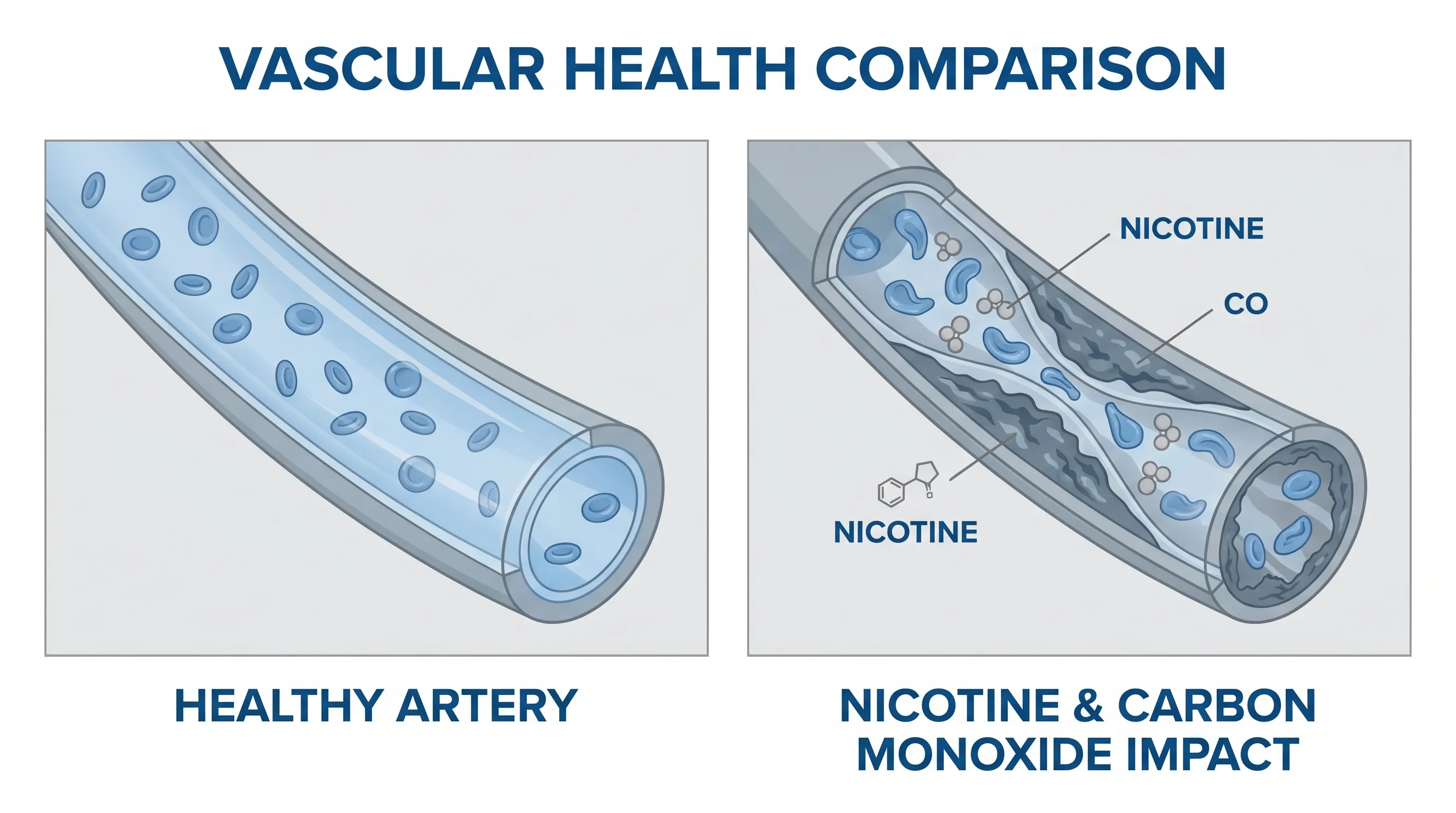
To fully grasp the medical rationale behind donation guidelines, it is necessary to examine how tobacco interacts with the circulatory system. Nicotine triggers a cascade of neurovascular responses, including adrenaline release, vasoconstriction, and increased myocardial oxygen demand. These effects are generally transient in healthy individuals, but they become clinically relevant when paired with the mild hypovolemic stress of blood collection. For an in-depth look at cardiovascular impacts, refer to the Cleveland Clinic Guide on Smoking and Blood Vessels. Recognizing these mechanisms helps answer the practical question of if you smoke can you give blood without compromising safety or recovery.
Nicotine and Carbon Monoxide Impact
When inhaled, nicotine reaches the brain within seconds, activating nicotinic acetylcholine receptors that stimulate the sympathetic nervous system. This results in transient tachycardia and peripheral vasoconstriction, which can make vein access more challenging during phlebotomy. Carbon monoxide, a toxic byproduct of combustion, competes with oxygen for binding sites on red blood cells. Even a single cigarette can elevate carboxyhemoglobin levels by 3 to 5 percent for up to an hour. While donation staff do not routinely screen for carboxyhemoglobin, elevated levels may slightly reduce oxygen-carrying capacity during the post-donation recovery phase. For those asking if you smoke can you give blood, the physiological takeaway is that temporary abstention allows your cardiovascular metrics to normalize, reducing deferral risk. Review nicotine metabolism timelines from NIH research to better plan your donation window.
Hemoglobin Levels and Oxygen Transport
Hemoglobin is the primary protein responsible for oxygen transport, and donation centers must ensure donors have sufficient reserves before removing approximately 500 milliliters of whole blood. Chronic smokers often exhibit compensatory polycythemia, where the body produces additional red blood cells to offset chronic mild hypoxia caused by carbon monoxide exposure. While higher hemoglobin levels might seem advantageous for donation eligibility, they can mask underlying vascular inflammation or endothelial dysfunction. Conversely, heavy smoking may contribute to oxidative stress that impairs iron metabolism, occasionally leading to iron deficiency over time. Consult the NIH Office of Dietary Supplements on Iron and Hemoglobin to understand how nutrition supports donation readiness. Donation staff will perform a quick hemoglobin screening using a finger-stick blood test, ensuring your levels meet the minimum requirement regardless of smoking status.
Cardiovascular Strain During Donation
Blood donation removes roughly 10 percent of total circulating volume, triggering compensatory mechanisms to maintain perfusion. In smokers, pre-existing vascular stiffness or endothelial impairment can delay the compensatory vasodilation needed to stabilize blood pressure post-donation. This delayed response increases the likelihood of lightheadedness, dizziness, or vasovagal syncope. Medical literature consistently recommends that donors with cardiovascular risk factors optimize hydration, avoid stimulants prior to collection, and rest adequately after the procedure. When evaluating if you smoke can you give blood, the clinical emphasis shifts from prohibition to preparation, ensuring your cardiovascular system can tolerate the minor physiological stress of donation.
Official Guidelines from Major Health Organizations
National and international health authorities establish standardized eligibility frameworks to maintain blood safety and donor wellbeing. These guidelines are evidence-based, regularly updated, and uniformly applied across accredited collection centers. Reviewing official stances clarifies whether tobacco use creates barriers to participation and provides authoritative answers to the recurring question of if you smoke can you give blood.
American Red Cross Protocols
The American Red Cross, one of the largest blood service providers globally, explicitly states that smoking does not disqualify individuals from donating. According to their donor eligibility guidelines, tobacco use is permitted provided the donor is in good overall health, meets weight and hemoglobin requirements, and has not smoked immediately prior to appointment. The organization strongly advises waiting at least two to three hours after smoking to allow nicotine and carbon monoxide levels to dissipate. This recommendation aligns with clinical best practices for minimizing vasovagal reactions and ensuring accurate vital sign readings. You can review their full donor guidelines at https://www.redcrossblood.org/donate-blood/how-to-donate.html.
FDA and International Standards
The U.S. Food and Drug Administration regulates blood collection centers under 21 CFR Part 640, which emphasizes donor safety and blood product integrity. The FDA does not list tobacco or nicotine use as a contraindication for donation, nor does it mandate specific abstinence periods. International bodies such as the World Health Organization and the European Blood Alliance share this consensus, focusing instead on infectious disease screening, hemoglobin thresholds, and hemodynamic stability. While regulatory frameworks differ slightly across jurisdictions, the core principle remains consistent: smoking alone does not prohibit donation, but transient cardiovascular effects require prudent timing. Explore the WHO Blood Safety and Availability Fact Sheet for global context.
Comparing Policies Across Regions
Despite global alignment, minor variations exist in how regional blood services interpret eligibility. Some facilities in highly regulated healthcare markets may implement stricter internal policies regarding stimulants or recent nicotine exposure, particularly for plateletpheresis procedures that require longer collection times. Others prioritize donor education over restriction, providing counseling resources for individuals interested in tobacco cessation alongside donation participation. The following table summarizes key eligibility parameters across major donation types to clarify how smoking influences different collection processes.
| Donation Type | Approximate Collection Time | Hemoglobin Requirement | Smoking-Related Considerations | Recommended Abstinence Window |
|---|---|---|---|---|
| Whole Blood | 10–15 minutes | ≥12.5–13.0 g/dL | Minimal impact if vitals stable | 2–3 hours post-smoke |
| Platelets | 45–90 minutes | ≥12.5 g/dL | Prolonged sitting increases syncope risk | 12 hours pre-donation |
| Plasma (Apheresis) | 30–60 minutes | ≥12.5 g/dL | Similar to platelets, requires stable vascular tone | 6–12 hours pre-donation |
| Double Red Cells | 25–40 minutes | ≥13.0 g/dL | Higher iron demand, smoking may affect absorption | 3–4 hours pre-donation |
Data reflects general clinical standards; always consult your local collection center for facility-specific requirements. Learn more about component eligibility at https://www.who.int/news-room/fact-sheets/detail/blood-safety-and-availability.
Practical Steps to Prepare for Blood Donation as a Smoker
Preparation is the single most influential factor in ensuring a successful donation experience for individuals who use tobacco. By implementing targeted lifestyle adjustments in the hours leading up to your appointment, you can mitigate physiological stressors, improve vein accessibility, and accelerate post-donation recovery. Addressing if you smoke can you give blood effectively involves strategic timing, nutritional optimization, and symptom management.
Timing Your Last Cigarette
As previously outlined, nicotine peaks in the bloodstream within five to ten minutes of inhalation and gradually declines over several hours. To ensure accurate blood pressure and pulse readings, schedule your last cigarette or vaping session at least three to four hours before donation. If you participate in extended procedures like plateletpheresis, extending this window to twelve hours provides additional cardiovascular stability. Consider aligning your donation appointment with a natural low-point in your daily nicotine craving cycle to reduce withdrawal discomfort during collection. For detailed guidance on managing cravings, visit the Mayo Clinic Nicotine Addiction Resource.
Hydration and Nutritional Readiness
Adequate fluid intake is critical for maintaining blood volume and facilitating smooth venous access. Smokers should increase water consumption to at least 64 ounces in the 24 hours preceding donation. Electrolyte-rich beverages or oral rehydration solutions can further stabilize plasma volume. Regarding nutrition, avoid fasting; instead, consume iron-rich meals paired with vitamin C to enhance absorption. A balanced meal containing lean protein, complex carbohydrates, and leafy greens should be eaten two to three hours before your appointment. Heavy, greasy foods or excessive caffeine can compound cardiovascular strain and should be avoided. Follow CDC recommendations for healthy hydration practices to optimize your pre-donation state.
Managing Nicotine Withdrawal Symptoms
Abstaining before donation may trigger mild withdrawal symptoms such as irritability, headaches, or increased appetite. These responses are temporary and manageable. Practice deep breathing exercises, use nicotine replacement therapy if medically appropriate, and distract yourself with light reading or music during the pre-donation waiting period. Inform the donation staff if you experience unusual dizziness or anxiety, as they can adjust your positioning, provide additional fluids, or monitor your vitals more closely. Remember that short-term abstinence does not equate to permanent cessation, but it does optimize your immediate eligibility and comfort.
Types of Blood Components You Can Donate
Blood is not a single homogeneous product; it consists of red cells, platelets, plasma, and cryoprecipitate, each serving distinct clinical purposes. Understanding how different donation types interact with physiological factors helps donors make informed choices. For those wondering if you smoke can you give blood, component selection can influence both the collection experience and recovery timeline. Review the NIH National Heart, Lung, and Blood Institute Guide to Blood Components for clinical insights.
Whole Blood vs. Platelets vs. Plasma
Whole blood donation remains the most common procedure, typically completed in under fifteen minutes. It removes red cells, white cells, platelets, and plasma in standard proportions, making it highly versatile for trauma, surgery, and anemia treatment. Plateletpheresis isolates platelets while returning red cells and plasma to the donor, requiring longer needle dwell times and anticoagulant infusion. Plasma donation extracts plasma components for use in clotting disorders, immunodeficiency therapies, and burn treatment. Each type imposes different hemodynamic demands, and smoking-related vasoconstriction can affect longer procedures more significantly than brief whole blood draws.
How Smoking Impacts Each Donation Type
For whole blood donation, transient nicotine effects usually resolve before the collection begins, minimizing complications. Platelet and plasma procedures, however, last significantly longer, increasing the likelihood of citrate-induced reactions or mild hypotension if cardiovascular tone is compromised by recent tobacco use. Additionally, prolonged vasoconstriction can reduce blood flow rate during apheresis, potentially extending collection time or requiring arm repositioning. Smokers opting for apheresis donations should prioritize extended abstinence periods and optimal hydration to maintain consistent flow dynamics throughout the process.
Special Considerations for Frequent Donors
Individuals who donate regularly often develop excellent venous access and cardiovascular tolerance over time. However, frequent smokers must monitor iron stores closely, as tobacco-related oxidative stress can impair duodenal iron absorption. Donation staff will track cumulative hemoglobin and ferritin trends, occasionally recommending temporary deferrals if iron reserves decline. Incorporating iron supplementation under medical supervision, alongside scheduled donation intervals, ensures long-term eligibility. Whether you smoke can you give blood consistently depends largely on maintaining nutritional balance and cardiovascular resilience across multiple donation cycles.
Watch this educational overview from the American Red Cross explaining the complete blood donation process and what donors should expect:
Health Benefits of Combining Donation and Cessation
While tobacco use does not prevent blood donation, the act of donating can serve as a powerful catalyst for long-term lifestyle improvements. Many smokers report using donation milestones as motivational anchors for reducing nicotine dependence. Exploring the physiological and psychological synergy between donation and cessation reveals why this combination supports holistic wellness.
Physiological Improvements After Your First Donation
Donating blood temporarily reduces total circulating volume and stimulates erythropoiesis, prompting the bone marrow to produce fresh, healthy red blood cells over the subsequent weeks. This regenerative process can improve microcirculatory efficiency and reduce blood viscosity, particularly in individuals with elevated baseline hematocrit. Combined with tobacco cessation, these improvements compound rapidly, enhancing oxygen delivery, endothelial function, and metabolic efficiency within just four to six weeks. For those questioning if you smoke can you give blood while actively working toward healthier habits, the physiological feedback loop strongly supports simultaneous participation.
Using Donation Milestones as Motivation to Quit
Behavioral psychology demonstrates that tangible milestones reinforce habit change. Each successful donation provides a concrete reminder of bodily resilience and community impact. Setting goals to donate smoke-free, tracking abstinence periods, and celebrating eligibility milestones can reframe smoking cessation from a restrictive requirement to an empowering achievement. Many collection centers partner with tobacco cessation programs, offering educational pamphlets, quitline referrals, and nicotine replacement counseling. Leveraging donation schedules as accountability checkpoints transforms routine eligibility into a structured wellness framework.
Resources and Support for Long-Term Health
Sustained tobacco cessation requires multidimensional support. The Centers for Disease Control and Prevention provides evidence-based strategies, including pharmacotherapy guidance, behavioral counseling frameworks, and peer support networks. Access comprehensive cessation tools at https://www.cdc.gov/tobacco/campaign/tips/resources.html and explore clinical guidelines for donor wellness at https://www.aabb.org/standards-accreditation/standards/standards-for-blood-banks-and-blood-collection-facilities. Integrating these resources with donation participation creates a comprehensive health optimization plan. Whether you smoke can you give blood safely hinges on informed preparation, but choosing to quit amplifies long-term donation capacity and overall longevity.
Frequently Asked Questions
Can you donate blood the day after smoking a cigarette?
Yes, donating the day after smoking is generally permitted. Major health organizations do not enforce mandatory waiting periods specifically for tobacco use, provided your vitals remain within acceptable ranges and you feel physically well. Abstaining for a few hours prior to your appointment further minimizes cardiovascular stress and improves vein access.
Does smoking reduce hemoglobin levels needed for blood donation?
Chronic smoking typically triggers compensatory increases in hemoglobin and red blood cell production rather than reductions. However, it can contribute to vascular inflammation and altered iron metabolism, which may indirectly affect long-term donation eligibility. Regular screening ensures your hemoglobin meets minimum safety thresholds regardless of smoking history. Refer to Mayo Clinic's guidance on hemoglobin testing for clinical context.
Are e-cigarettes and vaping allowed before donating blood?
Vaping is treated similarly to traditional smoking by most collection centers. Nicotine causes vasoconstriction and elevated heart rate, which can complicate phlebotomy or increase fainting risk. Most facilities recommend abstaining from vaping for at least twelve hours before donation to ensure stable hemodynamics during the procedure.
Will smoking cause a failed blood donation screening?
Smoking alone rarely results in automatic disqualification. Deferrals typically occur only if smoking has contributed to hypertension, tachycardia, anemia, or other measurable deviations from eligibility standards. Accurate disclosure and proper preparation usually allow smokers to pass screening without complications.
How long should I wait after smoking to safely donate blood?
Medical professionals recommend waiting a minimum of two to three hours after your last cigarette or vaping session. For extended apheresis procedures or donors prone to lightheadedness, extending abstinence to twelve hours significantly improves cardiovascular stability and reduces post-donation recovery time.
Conclusion
The question of if you smoke can you give blood ultimately resolves to a clear, evidence-based affirmative, provided proper preparation and adherence to safety guidelines. Tobacco use does not disqualify donors under FDA, American Red Cross, or international standards, but it does introduce transient cardiovascular variables that require mindful management. By timing your last cigarette strategically, optimizing hydration and nutrition, and communicating openly with donation staff, you can safely contribute to life-saving transfusions. Furthermore, viewing donation eligibility as a catalyst for long-term wellness transforms routine participation into a sustainable health milestone. Whether you are preparing for your first whole blood draw or considering apheresis donation, the guidelines outlined here ensure both your safety and the integrity of the blood supply. Take control of your donation experience, leverage professional cessation resources, and become a consistent, healthy donor who makes a tangible difference in community healthcare every year.
For additional visual guidance on proper donation preparation and post-donation recovery, watch this comprehensive health education segment:
How we work
Researched and drafted with AI assistance, then reviewed by a human editor against the cited sources.
This article is general health information, not medical advice. Consult a qualified healthcare professional about your own situation.