Symptoms of a Gas Leak: Warning Signs and What to Do

Key points
- Smell of "Rotten Eggs": The added odorant is the most reliable indicator of a natural gas leak.
- Hissing or Whistling Sound: A hissing noise near a gas line or appliance can indicate escaping gas.
- Visible Signs: Look for damaged gas lines, dust blowing from a pipe connection, or bubbles in standing water over an underground line. Dead or dying vegetation in a specific area outdoors can also signal an underground leak.
- Irregular Appliance Flames: The flame on your gas stove or furnace should be blue. A yellow or orange flame can signal incomplete combustion and potential carbon monoxide production.
Gas leaks are a serious hazard, often called a "silent danger" because they can occur without obvious signs. Understanding the symptoms of gas leak exposure and knowing how to identify a leak are critical for preventing poisoning, fires, and explosions.
This guide covers the signs of a gas leak, the health symptoms it can cause in adults, children, and pets, and the immediate steps to take to protect your family.
Gas leaks are not isolated incidents; they represent a significant public health concern affecting residential, commercial, and industrial properties alike. According to fire and public safety agencies, thousands of structural fires and emergency response calls occur annually due to undetected gas accumulation. The insidious nature of these leaks lies in their ability to compromise indoor air quality gradually or suddenly, depending on the source and environmental factors. Medical professionals emphasize that early recognition of exposure symptoms can be the difference between a minor health episode and severe, irreversible organ damage or fatality. By understanding the chemical properties of the gases involved, the physiological mechanisms of poisoning, and the standard emergency protocols, households can dramatically reduce their risk.
What is a Gas Leak?
A gas leak happens when natural gas or propane escapes from a pipe or appliance into your home. Natural gas, primarily composed of odorless and colorless methane, is used for stoves, furnaces, and water heaters. To make leaks detectable, utility companies add a sulfur-based odorant called mercaptan, which gives the gas a distinct "rotten egg" smell.
Free calculatorLab Values Reference ChartComplete reference chart for medical lab valuesOpen the calculatorLeaks can result from cracked gas lines, faulty appliances, or pilot lights that have gone out. Incomplete combustion in gas appliances can also produce carbon monoxide (CO), an equally dangerous and odorless gas.
From a chemical engineering standpoint, the infrastructure delivering natural gas operates under carefully calibrated pressure gradients. Over time, pipes can degrade due to soil corrosion, seismic shifting, ground freezing, or improper installation of fittings. Propane, which is often stored in tanks for off-grid or rural heating, behaves differently than methane. Propane is heavier than air and tends to pool near floors or in basements, while methane is lighter and rises toward ceilings and upper levels. This density difference directly impacts how quickly symptoms manifest and which areas of a home become hazardous first. The mercaptan additive (typically tert-butylthiol or thiophane) is deliberately chosen for its low olfactory threshold, meaning the human nose can detect it at concentrations as low as 0.0001 parts per million (ppm), far below dangerous accumulation levels. However, individuals with chronic sinus conditions, severe allergies, or diminished olfactory function may not detect the odor, making mechanical detectors absolutely essential for household safety.
Why Gas Leaks Are Dangerous
Gas leaks pose two primary threats: the risk of fire and explosion, and significant health risks, including asphyxiation and poisoning.
Fire and Explosion Hazard
Natural gas is extremely flammable. If enough gas accumulates in an enclosed area, a tiny spark from a light switch or appliance can trigger a devastating fire or explosion.
The explosion risk follows strict combustion chemistry principles. Natural gas has a Lower Explosive Limit (LEL) of approximately 5% by volume in air and an Upper Explosive Limit (UEL) of about 15%. Once the concentration enters this flammable range, even a minuscule ignition source—static electricity, a refrigerator compressor cycling on, or flipping a light switch—can initiate rapid oxidation. The resulting pressure wave can cause catastrophic structural failure. This is why emergency responders strictly prohibit any electrical device usage during evacuation protocols. Understanding this narrow explosive window underscores why immediate ventilation and evacuation, rather than troubleshooting, must be the primary response.
Health Risks and Asphyxiation
High concentrations of natural gas can displace oxygen in the air, leading to suffocation (asphyxiation). More commonly, malfunctioning gas appliances produce carbon monoxide (CO), a toxic gas that prevents your blood from carrying oxygen. The Centers for Disease Control and Prevention (CDC) reports that over 400 Americans die each year from unintentional CO poisoning.
The physiological impact of asphyxiation and CO poisoning operates through distinct but equally dangerous pathways. Pure asphyxiation occurs when methane displaces breathable oxygen, reducing ambient O₂ levels below the 19.5% threshold considered safe by occupational health standards. Brain tissue, which consumes roughly 20% of the body's oxygen, begins to suffer hypoxic injury within minutes. Carbon monoxide poisoning, however, is a chemical asphyxiant. CO binds to hemoglobin with an affinity 200 to 250 times greater than oxygen, forming carboxyhemoglobin (COHb). This binding not only blocks oxygen transport but also shifts the oxygen-hemoglobin dissociation curve to the left, meaning the hemoglobin that does carry oxygen is less likely to release it into tissues and organs. The result is systemic cellular hypoxia, beginning in oxygen-sensitive organs like the heart and brain. Prolonged exposure leads to lactic acidosis, myocardial ischemia, and eventual neuronal death.
"Carbon monoxide is called the ‘silent killer’ because it is odorless, colorless, and can cause fatal poisoning before you even realize there’s a problem. We’ve seen too many tragedies where families didn’t realize they had a gas leak until it was too late." – John Drengenberg, Director of Consumer Safety at UL (Underwriters Laboratories)
Medical literature consistently shows that public awareness remains the strongest predictor of survival. Many households mistake CO symptoms for viral illnesses, leading to dangerous delays in evacuation and treatment. Recognizing the difference between a respiratory infection and toxic gas exposure can save lives. Furthermore, individuals with pre-existing cardiovascular conditions, pregnant women, and those with anemia are at disproportionately higher risk for severe complications at lower exposure thresholds.
How to Detect a Gas Leak in Your Home
Early detection is key to safety. Watch for these common signs:
- Smell of "Rotten Eggs": The added odorant is the most reliable indicator of a natural gas leak.
- Hissing or Whistling Sound: A hissing noise near a gas line or appliance can indicate escaping gas.
- Visible Signs: Look for damaged gas lines, dust blowing from a pipe connection, or bubbles in standing water over an underground line. Dead or dying vegetation in a specific area outdoors can also signal an underground leak.
- Irregular Appliance Flames: The flame on your gas stove or furnace should be blue. A yellow or orange flame can signal incomplete combustion and potential carbon monoxide production.
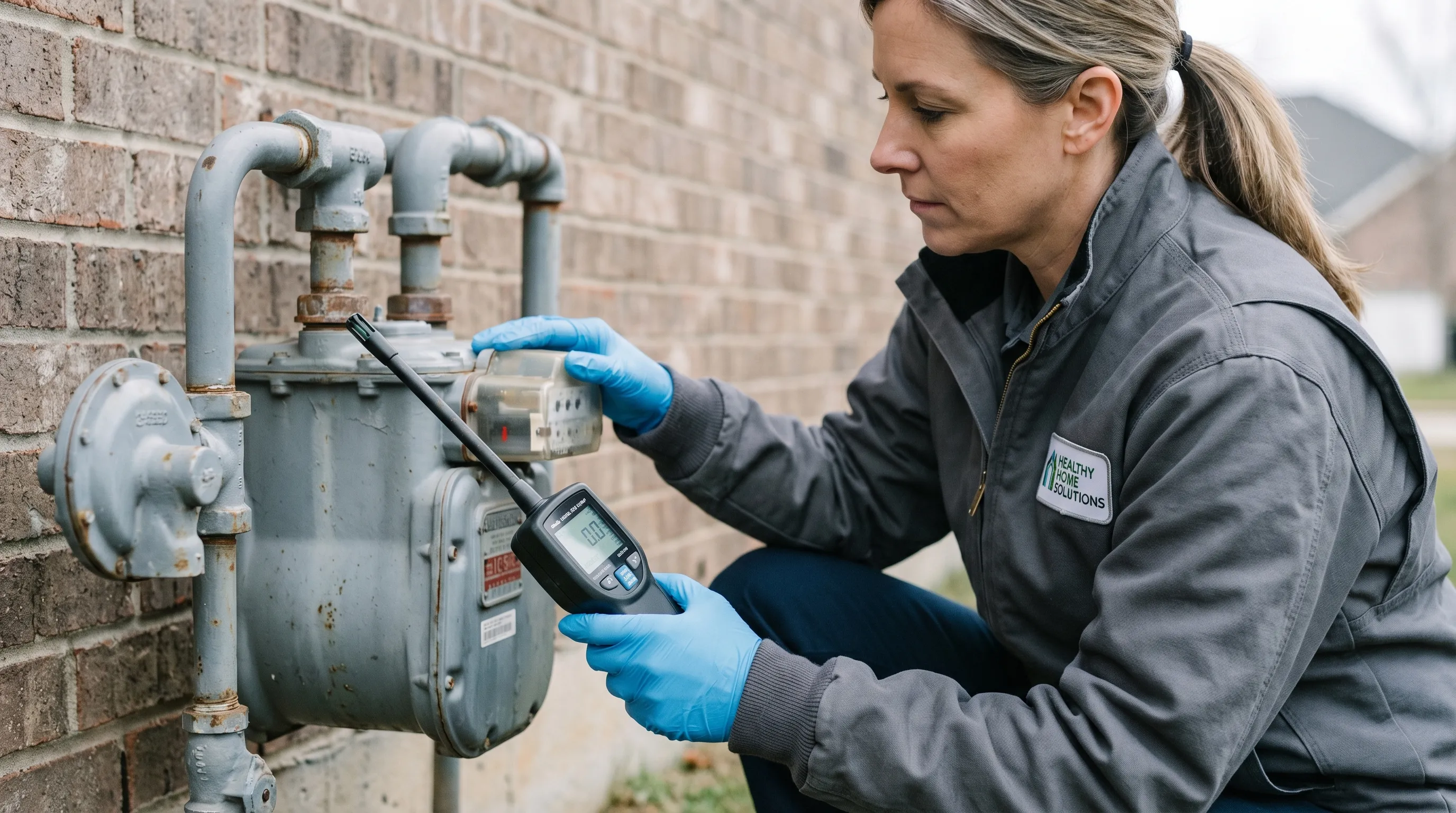 Gas company technicians use specialized detectors to locate leaks. If you suspect a leak, evacuate and let professionals handle the inspection and repair.
Beyond these primary indicators, modern homeowners can employ additional detection strategies. Professional gas technicians utilize electronic sniffers equipped with catalytic bead sensors or semiconductor sensors that react to hydrocarbon molecules, providing quantitative ppm readings. Ultrasonic detectors are also increasingly common for identifying high-pressure micro-leaks that escape audible human range. For underground lines, the dead vegetation clue works because methane disrupts root respiration and soil microbiology, literally suffocating plant roots from below. Indoors, pay attention to condensation patterns or unexplained soot accumulation near furnace vents, as these can indicate venting failures. Smart home gas sensors now integrate with mobile alerts, offering 24/7 monitoring even when you're away. However, consumer-grade detectors should be certified to meet UL 2034 (for CO) or UL 1484 (for residential gas leak detectors) standards. If your detector sounds or you notice any combination of the above signs, do not attempt to locate the exact leak source yourself. Natural gas accumulation can reach explosive limits rapidly, and disturbing pipes or using unapproved sealants can worsen the hazard. Always assume the situation is critical and prioritize immediate evacuation.
Health Symptoms of Gas Leak Exposure
Inhaling natural gas or carbon monoxide can cause a range of physical symptoms, which are often mistaken for the flu or food poisoning.
- Headaches: A dull, persistent, or throbbing headache is one of the most common early symptoms.
- Dizziness and Lightheadedness: Feeling unsteady or dizzy occurs as oxygen levels in your brain decrease.
- Nausea and Vomiting: You may feel sick to your stomach, similar to a stomach bug.
- Fatigue and Drowsiness: Unexplained, extreme tiredness, weakness, or confusion is a major red flag.
- Breathing Problems: Shortness of breath, chest pain, or worsening of conditions like asthma.
- Eye and Throat Irritation: Natural gas can irritate mucous membranes, causing watery eyes or a sore throat.
- Confusion and Disorientation: As exposure increases, you may have trouble concentrating or feel disoriented.
- Flu-like Symptoms Without Fever: A key sign of CO poisoning is experiencing flu-like symptoms (headache, body aches, fatigue) but with a normal body temperature.
- Loss of Consciousness: In severe cases, high concentrations of gas or CO can cause fainting. This is a medical emergency.
Understanding the progression of these symptoms requires a grasp of toxicology and pulmonary physiology. In the initial stage of exposure, the body compensates for mild hypoxia by increasing respiratory rate and cardiac output. This compensatory phase often produces subtle symptoms like mild fatigue, slight headache, or vague malaise. As carboxyhemoglobin levels rise above 10-20% in non-smokers, neurological function begins to degrade. Headaches intensify due to cerebral vasodilation—the brain's attempt to increase blood flow in response to oxygen deprivation. Dizziness and nausea follow as the vestibular system and gastrointestinal tract become hypoxic. Chest pain or tightness is particularly alarming in older adults or individuals with coronary artery disease, as CO-induced hypoxia can precipitate angina or myocardial infarction. At COHb levels exceeding 30-40%, confusion, ataxia (loss of coordination), and syncope become likely. Beyond 50%, seizures, coma, and cardiorespiratory arrest may occur rapidly.
It is crucial to note that pulse oximeters, which are standard in many homes and clinics, are notoriously unreliable for detecting carbon monoxide poisoning. Standard devices cannot differentiate between oxyhemoglobin and carboxyhemoglobin, potentially displaying falsely normal oxygen saturation readings (SpO₂) while the patient is actively suffocating at the cellular level. Only a co-oximetry blood gas analysis or a dedicated multi-gas clinical pulse oximeter can accurately measure COHb levels. This medical nuance explains why some patients arrive at emergency departments in critical condition despite having "normal" home oximeter readings. Immediate removal to fresh air remains the single most effective first-aid intervention, followed by administration of 100% normobaric oxygen, which reduces the half-life of carboxyhemoglobin from approximately 4-5 hours (on room air) to roughly 40-60 minutes.
A critical clue is context. If multiple people or pets in the same area develop these symptoms simultaneously, and they improve after leaving the building, suspect a gas leak or CO poisoning.
Symptoms in Children and Pets
Children and pets are often more sensitive to gas exposure due to their smaller bodies. Pets may become lethargic, have difficulty walking, vomit, or collapse. They are often the first to show signs.
The heightened vulnerability of children and animals stems from several physiological and environmental factors. Children have higher metabolic rates and greater minute ventilation relative to their body weight, meaning they inhale more contaminated air per kilogram of tissue. Their developing nervous systems and rapidly dividing cells are also more susceptible to hypoxic injury. Furthermore, infants and toddlers cannot articulate symptoms like "I feel dizzy" or "my head hurts," often manifesting distress through irritability, inconsolable crying, refusal to feed, or abnormal sleepiness.
For pets, the behavioral signs are frequently misinterpreted as general illness or aging. Dogs may exhibit excessive drooling, vomiting, rapid shallow breathing, or collapse while on a walk near home. Birds are exceptionally sensitive to airborne toxins and may succumb within minutes due to their highly efficient respiratory systems, which are adapted for flight and absorb gases at a rapid rate. Additionally, natural gas's physical properties play a role: because methane rises, pets that sleep on elevated beds may be affected later than those resting on carpets or basement floors, whereas propane leaks will immediately impact ground-dwelling animals. Veterinarians strongly recommend that any unexplained cluster of gastrointestinal or neurological signs in household animals should prompt an environmental hazard assessment before pursuing costly diagnostic workups for infections or metabolic diseases. If you suspect exposure, remove the animal to fresh air immediately and seek veterinary emergency care, informing them of the potential toxic inhalation.
Natural Gas vs. Carbon Monoxide Leaks
While related, it's important to understand the difference between these two dangers.
- Natural Gas Leak: This is a leak of unburned fuel (methane). Its primary dangers are flammability and oxygen displacement (asphyxiation). It typically has an added "rotten egg" smell.
- Carbon Monoxide (CO) Leak: This is a buildup of toxic gas produced by the incomplete burning of fuel. CO is odorless and invisible. It is poisonous because it binds to red blood cells, preventing them from carrying oxygen.
Both are life-threatening and can cause similar symptoms, but the lack of a warning smell makes carbon monoxide particularly dangerous. This is why CO detectors are essential.
The fundamental distinction lies in the combustion state. Natural gas leaks involve the fuel itself escaping the delivery system. It poses a dual threat: atmospheric oxygen depletion and explosive accumulation. In contrast, carbon monoxide is a byproduct. Complete combustion of hydrocarbons yields only carbon dioxide (CO₂) and water vapor (H₂O). However, when combustion is inefficient—due to restricted oxygen intake, dirty burners, blocked flues, or malfunctioning heat exchangers—the chemical reaction stalls midway, releasing CO instead of fully oxidizing to CO₂. This distinction dictates prevention and response strategies. Natural gas leaks are addressed by sealing the distribution line and purging the environment, whereas CO poisoning requires addressing the appliance's combustion mechanics, venting pathways, and the physiological detoxification of affected individuals. Homeowners must recognize that running a generator in an attached garage, using a charcoal grill indoors, or idling a car in a closed space can produce lethal CO levels in under 15 minutes, independent of any natural gas piping. Regulatory codes mandate separate detectors because the sensing technologies differ: catalytic or metal-oxide-semiconductor sensors detect hydrocarbons, while electrochemical fuel-cell sensors are required to accurately measure CO. Interchangeable devices exist, but understanding their distinct purposes ensures comprehensive home coverage.
What to Do If You Suspect a Gas Leak
If you notice any signs or symptoms, act quickly and calmly.
- Do NOT Create a Spark: Do not turn lights on or off, use a phone, or operate any electrical appliance.
- Ventilate (If Safe): If you can do so quickly on your way out, open doors and windows to let in fresh air. Do not delay your evacuation to do this.
- Evacuate Immediately: Get everyone, including pets, out of the building.
- Call for Help from a Safe Location: Once you are a safe distance away, call 911 or your gas utility’s emergency number.
- Do Not Re-Enter: Wait for emergency responders to tell you it is safe to go back inside.
- Seek Medical Attention: If anyone is experiencing symptoms of gas exposure, seek medical care immediately, even if they feel better in fresh air.
Executing this protocol effectively requires practice and household coordination. The prohibition against electrical switches is non-negotiable. Standard residential switches and outlets are not explosion-proof; the moment you break or make contact inside a switch, a microscopic arc can ignite a vapor cloud. This includes cordless phones, which can generate sparks during charging, and garage door openers. Leave interior doors closed behind you as you exit to slow the spread of gas into unaffected areas, but prioritize speed over perfect sealing.
When calling for help from a safe distance (ideally a neighbor's driveway or across the street), provide clear information: the address, the suspected substance (natural gas smell or CO detector alarm), the number of occupants, and any observed symptoms. If someone has collapsed or is not breathing, inform dispatch immediately so they can prioritize advanced life support units. Emergency medical technicians (EMTs) are trained in hazardous materials awareness and will not enter an unventilated gas-filled environment without proper equipment, which underscores why your initial evacuation must be complete. In the hospital or urgent care setting, inform the medical team of your exposure history. Treatment for moderate to severe CO poisoning may include hyperbaric oxygen therapy (HBOT), where patients breathe 100% oxygen in a pressurized chamber to accelerate CO elimination and reduce the risk of delayed neurological damage. Do not assume that feeling better outside means you are medically clear; hypoxia can leave silent inflammatory and oxidative stress on cardiac and neural tissue that requires clinical evaluation. Keep a written record of exposure duration, symptom onset, and symptom progression to assist physicians in your assessment.
Health Effects of Long-Term, Low-Level Exposure
A slow, chronic leak may not cause immediate, severe symptoms but can still damage your health over time. Symptoms of long-term, low-level exposure include:
- Persistent headaches
- Chronic fatigue or drowsiness
- Memory problems or difficulty concentrating
- Mood changes, such as irritability or depression
- Recurring nausea
If you suspect a slow leak, have your home and appliances inspected by a qualified professional.
The medical community increasingly recognizes that chronic, low-concentration exposure to carbon monoxide and natural gas can lead to insidious, cumulative health deterioration. This is often termed "sick building syndrome" when the root cause remains undiagnosed. Low-level CO exposure (typically maintaining COHb levels between 2-5% in non-smokers, compared to the normal baseline of <1%) places constant oxidative stress on endothelial tissues and impairs mitochondrial function. Over weeks or months, this can manifest as cognitive decline, particularly affecting working memory, executive function, and processing speed. Studies have linked chronic CO exposure to an increased risk of cardiovascular events in susceptible individuals due to persistent myocardial hypoxia and platelet activation.
Neurologically, carbon monoxide is neurotoxic. It triggers lipid peroxidation in the brain, particularly affecting the basal ganglia and white matter tracts. This can lead to Delayed Neurological Sequelae (DNS), a phenomenon where patients appear to recover fully after acute exposure, only to experience a sudden onset of severe cognitive impairment, personality changes, or movement disorders weeks later. While DNS is more commonly associated with acute high-level poisoning, emerging research suggests that prolonged subclinical exposure may produce milder but functionally significant variants, including chronic headaches that mimic tension or migraine disorders, unexplained anxiety, and sleep architecture disruption. For households with chronic, unexplained fatigue, brain fog, or mood disorders that don't respond to standard treatments, an environmental inspection should be considered alongside medical evaluation. Replacing aging appliances, ensuring chimney integrity, and verifying detector functionality are critical public health interventions. If a chronic leak is confirmed, affected individuals should undergo baseline neurological and cardiopulmonary assessments, and follow-up testing may be recommended to ensure no long-term tissue damage has occurred.
How to Prevent Gas Leaks and Carbon Monoxide Buildup
Prevention is the best strategy for staying safe.
- Install Detectors: Install carbon monoxide (CO) detectors on every level of your home, especially near sleeping areas. Consider installing an explosive gas (natural gas) detector as well.
- Schedule Regular Maintenance: Have a qualified technician inspect your gas appliances (furnace, water heater, stove) annually.
- Ensure Proper Ventilation: Keep vents and chimneys for fuel-burning appliances clear of obstructions.
- Use Appliances Properly: Never use a gas oven to heat your home or use outdoor grills or generators indoors.
- Know Your Shut-Off Valve: Learn where your main gas shut-off valve is located and how to turn it off in an emergency, but only do so if it is safe and you know how.
- Educate Your Family: Ensure everyone in your household recognizes the smell of gas and knows the evacuation plan.
Effective prevention requires a multi-layered approach combining technology, maintenance, and behavioral habits. Detector placement is governed by national fire codes (such as NFPA 720). CO detectors should be installed at least 5-20 feet from fuel-burning appliances to avoid nuisance alarms from startup combustion, while also being placed on each level and outside every sleeping area. Because CO mixes evenly with air, detector height is less critical than for smoke or methane, but ceiling or high-wall mounting is standard per manufacturer guidelines. Natural gas detectors, conversely, must be placed near the ceiling (within 12-18 inches) due to methane's low density, while propane detectors belong near the floor. Regularly test alarms monthly and replace batteries as needed. Sensors degrade over time; most CO detectors have a 5-7 year lifespan, while natural gas detectors typically last 3-5 years. Replace the entire unit when it reaches end-of-life or fails a self-test.
Maintenance goes beyond surface cleaning. Professional HVAC technicians use combustion analyzers to measure flue gas ratios, ensuring your system is burning fuel efficiently and venting properly. They check heat exchangers for microscopic cracks that can leak CO into the airstream, clean burner assemblies to prevent incomplete combustion, and verify draft inducer motors are functioning correctly. Homeowners should visually inspect flexible appliance connectors (corrugated stainless steel tubing or CSST) for kinks, corrosion, or loose fittings. Never block air intake grilles, and avoid storing flammable materials near water heaters or furnaces.
Regarding the main shut-off valve: locate it near the gas meter. You will need a dedicated wrench. Turn it a quarter turn so that the lever is perpendicular to the pipe. Only attempt this if you smell gas strongly, hear a massive leak, or if authorities instruct you to. Improper handling can cause further damage or injury. After any significant event or if you've shut off the gas, the utility company must relight pilot appliances and pressure-test the line. Never attempt this yourself. Finally, create a written household emergency plan that includes meeting points, contact numbers, and a checklist. Drill it biannually. When children understand the protocol, they react faster and with less panic. Prevention is an active, ongoing process, not a one-time checklist.
*This video from the Centers for Disease Control and Prevention (CDC) explains how to protect your family from carbon monoxide poisoning.*Frequently Asked Questions
How long does it take for a gas leak to become dangerous?
The timeline for danger depends heavily on the leak rate, room size, ventilation, and the specific gas involved. A major rupture in an enclosed space can reach explosive or lethal concentrations within minutes. Conversely, a slow leak from a loose fitting might take hours or days to accumulate to symptomatic levels. For carbon monoxide, concentrations as low as 50 ppm can cause mild symptoms after 8 hours of continuous exposure, while levels above 1,000 ppm can lead to unconsciousness and death in under two hours. Because accumulation is non-linear and heavily influenced by airflow, any suspected leak should be treated as an immediate emergency.
Can carbon monoxide poisoning be detected with a blood test at home?
No. Standard home medical equipment, including fingertip pulse oximeters, cannot measure carboxyhemoglobin (COHb) levels. They only measure the percentage of hemoglobin bound to oxygen, and because CO binds similarly, the device will falsely read as normal or high. Diagnosis requires arterial or venous blood gas analysis with co-oximetry performed in a clinical laboratory or emergency department. If you suspect CO poisoning, do not wait for confirmation; evacuate immediately and seek emergency medical evaluation. Clinical assessment, symptom history, and exposure context will guide testing and treatment.
Should I buy a combination smoke, natural gas, and carbon monoxide detector?
Combination detectors can be convenient and space-saving, but it is critical to verify they are independently certified for each hazard you want to monitor. Look for dual or triple-listed devices that carry separate UL certifications for each gas type (e.g., UL 217 for smoke, UL 1484 for natural gas, and UL 2034 for CO). Some cheaper combination units share sensors or lack independent power backups, which can compromise reliability. For optimal safety, many fire safety experts recommend dedicated, properly placed detectors for each specific threat, especially in homes with multiple fuel types or complex layouts.
What should I do if my carbon monoxide detector goes off but no one has symptoms?
Always treat a CO alarm activation as a real emergency until proven otherwise. Symptoms can take time to develop, and individuals may be sleeping or have varying tolerance thresholds. Do not ignore the alarm or assume it's false. Evacuate immediately, call your fire department or gas utility to perform a metered inspection, and do not re-enter until they declare the environment safe. If the fire department determines levels were elevated but no one is symptomatic, you will still need to identify and repair the source before resetting the detector. Fresh air and clinical observation remain the standard protocol.
Are gas leaks more common in older homes?
While older homes with aging galvanized steel pipes, deteriorating rubber connectors, or outdated appliances are at statistically higher risk for leaks, no property is immune. Newer homes can experience installation defects, contractor damage to buried lines, or manufacturing recalls affecting specific appliance models. The primary risk factor is not the home's age alone, but rather maintenance history, appliance lifecycle management, and adherence to modern venting and detection codes. Regular professional inspections, timely replacement of flexible connectors, and installation of modern detectors are effective risk mitigators for homes of any construction era.
Conclusion
Gas leaks represent a severe, multifaceted threat to household safety, combining the immediate dangers of fire and explosion with the insidious health risks of oxygen displacement and toxic gas poisoning. Natural gas and propane, while heavily used for their energy efficiency, demand rigorous respect and careful management. The addition of mercaptan provides a crucial olfactory warning, but reliance on smell alone is insufficient, particularly for vulnerable populations or individuals with olfactory impairments. Carbon monoxide, a byproduct of incomplete combustion, removes even that basic warning system, relying instead on mechanical detection and public education to prevent tragedy.
Recognizing the early symptoms of exposure—headaches, dizziness, nausea, unexplained fatigue, and flu-like presentations without fever—can facilitate life-saving early intervention. The physiological reality of carboxyhemoglobin formation and systemic hypoxia means that prompt evacuation to fresh air, followed by emergency medical evaluation, is the gold standard of care. Long-term, low-level exposure carries its own hidden dangers, potentially leading to chronic cognitive deficits, mood disturbances, and cardiovascular strain, underscoring the need for thorough environmental assessments when symptoms persist unexplained.
Prevention remains the most effective strategy. Installing UL-certified detectors on every level, adhering to strict placement guidelines, scheduling annual professional appliance maintenance, ensuring proper ventilation, and educating every household member on evacuation protocols create a robust safety net. Never underestimate the hazard of a faint odor or a single alarm chirp. In gas leak scenarios, hesitation can be fatal. By staying vigilant, maintaining equipment properly, and acting decisively at the first sign of danger, you can ensure your home remains a safe, healthy environment for your family and pets.
How we work
Researched and drafted with AI assistance, then reviewed by a human editor against the cited sources.
This article is general health information, not medical advice. Consult a qualified healthcare professional about your own situation.