Horizontal Crack in Tooth: Causes, Symptoms, and Treatment Options

Imagine biting into a crisp apple or enjoying a hot cup of coffee, only to be struck by a sudden, sharp jolt of pain or a strange sensation in your mouth. You might notice a visible line across one of your molars, or perhaps the discomfort is subtle, lingering only when you release bite pressure. This scenario is all too common for individuals dealing with a horizontal crack in tooth structure. While teeth are remarkably durable, designed to withstand thousands of pounds of pressure over a lifetime, they are not invincible.
A horizontal fracture, distinct from vertical splits or minor surface craze lines, represents a significant structural compromise. It traverses the tooth horizontally, often affecting the integrity of the enamel, dentin, and potentially the sensitive pulp tissue inside. Ignoring this issue can lead to severe complications, including deep infection, abscess formation, and ultimately, the loss of the tooth. Understanding the nature of this injury, recognizing the early warning signs, and seeking timely professional care are crucial steps in preserving your oral health. This comprehensive guide delves into the complexities of horizontal tooth cracks, exploring their causes, diagnostic methods, treatment options, and preventive strategies to ensure you maintain a healthy, functional smile.
Understanding the Anatomy of a Horizontal Tooth Fracture
To fully grasp the implications of a horizontal crack in tooth structure, it is essential to understand the anatomy of the tooth itself. A tooth is composed of three primary layers: the enamel, the dentin, and the pulp. The enamel is the hard, outermost layer that protects the tooth from decay and wear. Beneath the enamel lies the dentin, a softer, yellowish tissue that contains microscopic tubules leading to the nerve. At the center is the pulp, a soft tissue containing blood vessels and nerves that keep the tooth alive and responsive (National Institute of Dental and Craniofacial Research).
Free calculatorHeadache Location ChartIdentify headache types by locationOpen the calculator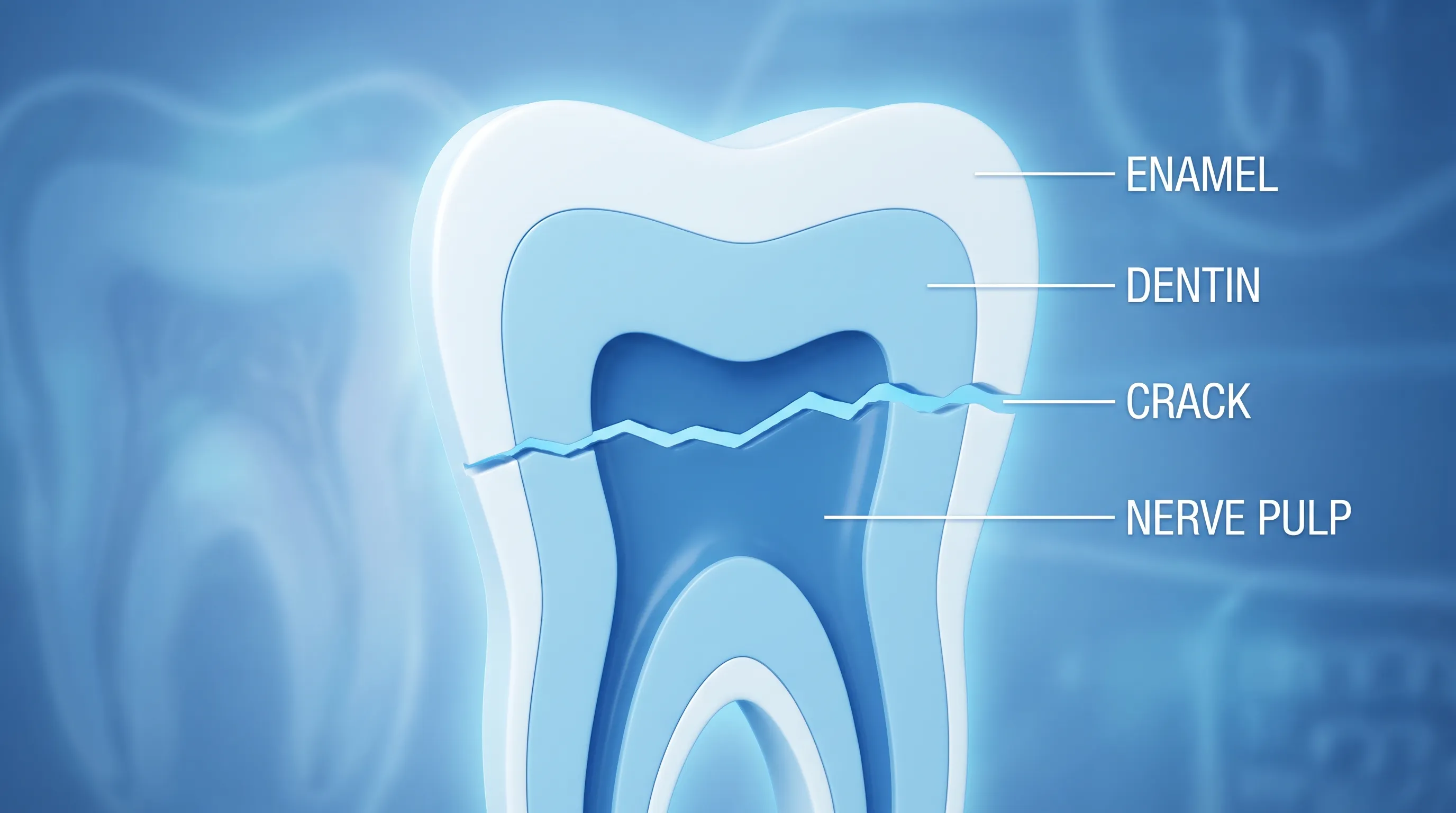
When a horizontal crack occurs, it typically starts in the enamel and propagates inward. The severity of the damage depends on how deep the crack extends. If the fracture remains within the enamel, it may be purely cosmetic or cause minor sensitivity. However, if it breaches the dentin, bacteria can infiltrate the tooth, leading to decay and inflammation of the pulp. In severe cases, the crack may reach the pulp chamber, causing intense pain and necessitating root canal therapy.
Unlike vertical cracks, which often split the tooth from the chewing surface down to the root, horizontal cracks run parallel to the gum line or across the crown. This orientation can sometimes make them more challenging to detect visually but equally damaging functionally. The structural integrity of the tooth is compromised because the horizontal plane is where significant shear forces are applied during chewing. A horizontal crack in tooth structure essentially weakens the tooth's ability to withstand these forces, making it prone to further fragmentation.
Types of Horizontal Fractures
Not all horizontal cracks are created equal. Dentists classify them based on their depth and location.
- Enamel Infraction: These are incomplete fractures limited to the enamel. They are often asymptomatic and may only be detected during a routine exam. While not immediately dangerous, they can indicate underlying stress on the tooth.
- Uncomplicated Crown Fracture: This involves a loss of tooth structure that includes enamel and dentin but does not expose the pulp. Patients often experience sensitivity to temperature and sweets.
- Complicated Crown Fracture: This severe form exposes the pulp tissue. It is usually associated with significant trauma and results in immediate, intense pain and bleeding from the tooth interior.
- Root Fracture: Although less common in the horizontal plane of the crown, horizontal root fractures can occur due to severe impact. These are particularly problematic as they may require extraction if the fracture line is too deep below the gum line (American Association of Endodontists).
Understanding which type of fracture you have is critical for determining the appropriate treatment path. A minor enamel infraction might only require monitoring or bonding, while a complicated crown fracture demands immediate endodontic intervention.
Common Causes and Risk Factors
Identifying the root cause of a horizontal crack in tooth is vital for both treatment and prevention. While accidents happen, many cracks result from cumulative stress or specific habits that weaken tooth structure over time.
Physical Trauma
The most obvious cause is acute physical trauma. This can include sports injuries, falls, car accidents, or biting down on something unexpectedly hard, such as a popcorn kernel, olive pit, or ice cube. The sudden impact creates a shockwave through the tooth, causing the brittle enamel to fracture. In children and adolescents, falls during play are a frequent culprit. For adults, contact sports without proper mouthguard protection significantly increase the risk (Centers for Disease Control and Prevention).
Bruxism and Clenching
Bruxism, the habit of grinding or clenching teeth, is a leading cause of horizontal fractures. Many people grind their teeth at night (sleep bruxism) or clench them during periods of stress (awake bruxism). This generates excessive force—far beyond what teeth are designed to handle—leading to fatigue fractures in the enamel. Over time, these micro-fractures can coalesce into a visible horizontal crack in tooth structure. The repetitive lateral forces exerted during grinding are particularly damaging, as they create shear stress across the tooth's horizontal axis (Mayo Clinic).
Large Existing Fillings
Teeth with large amalgam or composite fillings are structurally weaker than natural teeth. The process of removing decay and placing a filling removes some of the tooth's natural support. Additionally, different materials expand and contract at different rates than natural tooth structure in response to temperature changes. This differential movement can create stress points, leading to cracks. A tooth that has undergone multiple restorations is at higher risk for fracturing horizontally under normal chewing loads.
Age and Wear
As we age, our teeth undergo natural wear and tear. Enamel becomes thinner and more brittle, and dentin becomes less flexible. This makes older teeth more susceptible to cracking. Furthermore, long-term exposure to acidic foods and beverages can erode enamel, weakening the tooth's defense against mechanical stress. A horizontal crack in tooth structure is more common in individuals over 50, although it can occur at any age given sufficient force or predisposing factors.
Temperature Fluctuations
Rapid temperature changes, known as thermal shock, can also contribute to cracking. Consuming very hot food followed immediately by ice-cold water causes the tooth structure to expand and contract rapidly. While rare, extreme thermal cycling can weaken the enamel-dentin bond, making the tooth more prone to fracture.
Recognizing the Symptoms
Early detection of a horizontal crack in tooth is key to preventing extensive damage. However, symptoms can be elusive, varying greatly depending on the depth and location of the crack. Some individuals may experience no pain at all, while others suffer from debilitating discomfort.
Sensitivity to Temperature and Sweets
One of the earliest signs is heightened sensitivity. If the crack has penetrated the dentin, the microscopic tubules allow stimuli to reach the nerve endings. You may feel a sharp zing when drinking cold water, hot coffee, or eating sugary foods. This sensitivity is often transient, disappearing once the stimulus is removed, but it serves as a warning sign that the protective enamel barrier has been breached.
Pain Upon Chewing
Pain that occurs specifically when biting down or releasing bite pressure is a hallmark symptom of cracked tooth syndrome. This happens because the crack opens slightly under pressure, irritating the pulp, and then snaps back shut when the pressure is released. This "rebound" pain can be sharp and localized. If you find yourself avoiding chewing on one side of your mouth, it may be due to an undiagnosed horizontal fracture (Cleveland Clinic).
Visible Lines or Discoloration
In some cases, the crack is visible to the naked eye. Look for a thin, horizontal line running across the tooth surface. It may appear darker than the surrounding enamel due to staining from food and drink accumulating in the fissure. However, not all cracks are visible. Some are sub-surface or located on the back of the tooth, requiring professional tools for detection.
Swelling and Gum Tenderness
If the crack allows bacteria to infect the pulp, the infection can spread to the surrounding bone and gum tissue. This may result in swelling, redness, or a pimple-like bump on the gums near the affected tooth (a dental abscess). You might also experience a bad taste in your mouth or persistent bad breath. These are signs of advanced infection and require immediate dental attention.
Intermittent Pain
Unlike the constant throbbing of a toothache caused by deep decay, pain from a crack can be intermittent. It may flare up during certain activities, such as eating hard foods, and then subside. This unpredictability often leads patients to delay treatment, mistakenly believing the problem has resolved itself. However, the structural damage remains and continues to worsen with each use.
Diagnostic Methods Used by Dentists
Diagnosing a horizontal crack in tooth can be challenging, as standard X-rays often fail to reveal fine fracture lines. Dentists employ a combination of clinical examination techniques and advanced imaging to confirm the diagnosis.
Visual Examination and Transillumination
The dentist will begin with a thorough visual inspection, using magnification loupes to spot fine lines. Transillumination is a highly effective technique where a bright light is shone through the tooth. Cracks interrupt the passage of light, appearing as dark lines against the illuminated tooth structure. This method is particularly useful for detecting anterior (front) tooth cracks.
Bite Tests
To reproduce the pain associated with chewing, the dentist may ask you to bite down on a special stick or tool called a Tooth Slope. By isolating specific cusps, the dentist can determine which part of the tooth is causing the pain. If biting on a particular cusp triggers sharp pain, it suggests a crack extending into that area.
Dye Staining
Applying a dental dye to the tooth can help highlight cracks. The dye seeps into the fissures, making them more visible against the white enamel. After rinsing, the stained lines provide a clear map of the fracture's extent.
Advanced Imaging
While traditional 2D X-rays may miss horizontal cracks, Cone Beam Computed Tomography (CBCT) offers a 3D view of the tooth and surrounding structures. CBCT can reveal the depth and direction of the crack, helping the dentist plan the appropriate treatment. In some cases, exploratory surgery may be necessary to visualize the root surface if a root fracture is suspected (American Dental Association).
Treatment Options for Horizontal Cracks
The treatment for a horizontal crack in tooth depends on the severity of the fracture, the location, and the health of the pulp. The goal is to preserve the natural tooth whenever possible while eliminating pain and preventing infection.
Dental Bonding
For minor cracks confined to the enamel, dental bonding may be sufficient. The dentist applies a tooth-colored resin material to the cracked area, sealing it and restoring the tooth's appearance. This is a minimally invasive and cost-effective option, but it does not provide significant structural reinforcement. It is best suited for cosmetic improvements or very superficial fractures.
Dental Crowns
A dental crown is the most common treatment for moderate to severe horizontal cracks. A crown is a cap that covers the entire visible portion of the tooth, holding the fractured pieces together and protecting the tooth from further damage. Before placing the crown, the dentist may need to perform a root canal if the pulp is infected. Crowns restore the tooth's strength and function, allowing you to chew normally again. Materials range from porcelain-fused-to-metal to all-ceramic, offering both durability and aesthetics (Academy of General Dentistry).
Root Canal Therapy
If the crack has exposed the pulp or caused irreversible inflammation, root canal therapy is necessary. This procedure involves removing the infected or damaged pulp, cleaning and disinfecting the inner chambers, and sealing them with a biocompatible material. Root canal therapy saves the tooth from extraction and alleviates pain. It is almost always followed by the placement of a crown to protect the now-brittle tooth.
Extraction and Replacement
In cases where the crack extends below the gum line or splits the root, the tooth may not be salvageable. Extraction becomes the only option. After removal, the missing tooth can be replaced with a dental implant, bridge, or partial denture. Dental implants are considered the gold standard for replacement, as they mimic the natural tooth root and prevent bone loss.
| Treatment Option | Indication | Pros | Cons | Estimated Cost (USD) |
|---|---|---|---|---|
| Dental Bonding | Minor enamel cracks | Minimally invasive, affordable, quick | Less durable, cosmetic only | $100 - $300 |
| Dental Crown | Moderate to severe cracks | Strong, protective, aesthetic | Requires tooth reduction, higher cost | $800 - $1,500 |
| Root Canal + Crown | Pulp involvement | Saves tooth, eliminates pain | Complex procedure, multiple visits | $1,500 - $2,500 |
| Extraction + Implant | Unsalvageable tooth | Permanent solution, prevents bone loss | Surgical, expensive, longer timeline | $3,000 - $5,000 |
Preventive Measures and Long-Term Care
Preventing a horizontal crack in tooth involves addressing the underlying risk factors and adopting healthy oral habits. While not all fractures can be prevented, you can significantly reduce your risk.
Wear a Mouthguard
If you participate in contact sports, wearing a custom-fitted mouthguard is non-negotiable. It absorbs impact forces and distributes them evenly, protecting your teeth from traumatic fractures. For those who grind their teeth, a night guard (occlusal splint) prescribed by your dentist can prevent the excessive forces that lead to fatigue cracks (Centers for Disease Control and Prevention).
Avoid Hard Foods
Be mindful of what you chew. Avoid biting directly on hard objects like ice, hard candy, popcorn kernels, or nutshells. Cut tough foods into smaller pieces to reduce the load on individual teeth. Using your teeth as tools to open packages or bottles is a major risk factor for fractures and should be strictly avoided.
Manage Bruxism
If you suspect you grind your teeth, consult your dentist. Stress management techniques, such as meditation, exercise, and cognitive behavioral therapy, can help reduce awake bruxism. In some cases, muscle relaxants or Botox injections may be recommended to reduce the force of grinding (Mayo Clinic).
Regular Dental Checkups
Routine dental visits allow for early detection of micro-cracks and other issues. Your dentist can identify weak spots and recommend preventive measures, such as sealants or early bonding, before a minor issue becomes a major fracture. Professional cleanings also remove plaque and tartar that can contribute to decay and weaken tooth structure.
Maintain Good Oral Hygiene
Strong teeth start with good hygiene. Brush twice daily with fluoride toothpaste and floss daily to remove plaque. A diet rich in calcium and vitamin D supports strong enamel and bone health. Limit acidic foods and drinks that erode enamel, making teeth more susceptible to cracking.

Frequently Asked Questions
Can a horizontal crack in a tooth heal on its own?
No, teeth do not have the biological ability to heal or regenerate cracked enamel or dentin. Unlike bones, which have a blood supply that facilitates healing, tooth enamel is avascular and inert. Once a horizontal crack in tooth structure occurs, it is permanent. Without professional intervention, the crack will likely propagate deeper due to daily chewing forces, potentially leading to pulp infection or tooth loss. Early treatment is essential to stabilize the tooth and prevent further damage.
Is a horizontal crack in a tooth considered a dental emergency?
It depends on the severity of the symptoms. If the crack is accompanied by severe pain, swelling, fever, or bleeding from the tooth, it is considered a dental emergency and requires immediate attention. Even if the crack is painless, it should be evaluated by a dentist as soon as possible. Delaying treatment can allow bacteria to enter the crack, leading to infection and complicating the eventual repair. A prompt evaluation can determine if the tooth can be saved with a crown or if more extensive treatment is needed.
What is the difference between a craze line and a horizontal crack?
Craze lines are superficial, vertical cracks that affect only the outer enamel layer. They are common in adults, usually harmless, and primarily a cosmetic concern. In contrast, a horizontal crack in tooth structure is a deeper fracture that extends through the enamel and into the dentin, and potentially the pulp. Horizontal cracks compromise the structural integrity of the tooth, cause sensitivity or pain, and require restorative treatment. While craze lines rarely progress, horizontal cracks can worsen over time if left untreated.
How much does it cost to fix a cracked tooth?
The cost varies significantly based on the extent of the damage and the chosen treatment. Simple dental bonding for minor cracks may cost between $100 and $300. A dental crown, which is the standard treatment for moderate cracks, typically ranges from $800 to $1,500 per tooth. If root canal therapy is required due to pulp involvement, add $700 to $1,200 to the total. In cases where extraction and replacement with a dental implant are necessary, costs can exceed $3,000 to $5,000. Dental insurance may cover a portion of these costs, depending on your plan.
Can I chew on a tooth with a horizontal crack?
It is strongly advised to avoid chewing on the affected side. Applying pressure to a cracked tooth can cause the fracture to deepen or the tooth to split vertically. A vertical split often renders the tooth unsalvageable, necessitating extraction. Until you can see a dentist, stick to soft foods and chew on the opposite side of your mouth. If the tooth is painful, avoid extreme temperatures and sugary foods to minimize sensitivity. Prompt professional care is the only way to restore safe function.
Conclusion
Dealing with a horizontal crack in tooth structure can be unsettling, but with modern dental techniques, effective solutions are available. From minor bonding to full crowns and root canals, dentists have the tools to restore both function and aesthetics. The key to a successful outcome lies in early detection and prompt treatment. Ignoring the signs—such as sensitivity, pain upon chewing, or visible lines—can lead to irreversible damage and tooth loss.
By understanding the causes, recognizing the symptoms, and adopting preventive habits like wearing mouthguards and avoiding hard foods, you can protect your teeth from future fractures. Regular dental checkups remain your best defense, allowing for early intervention before a small crack becomes a major problem. If you suspect you have a cracked tooth, do not wait. Schedule an appointment with your dentist today to preserve your smile and your oral health for years to come.
How we work
Researched and drafted with AI assistance, then reviewed by a human editor against the cited sources.
This article is general health information, not medical advice. Consult a qualified healthcare professional about your own situation.