Swollen Gums Around a Crown: Causes, Treatments, and Prevention Guide

Noticing that your gums around crown swollen can be a distressing experience, especially after investing time and money into restoring your smile. Dental crowns are designed to protect damaged teeth and enhance aesthetics, but when the surrounding gum tissue becomes inflamed, it can lead to discomfort, pain, and concern about the longevity of the restoration. Whether you have just had a crown placed or have been wearing one for years, sudden or persistent swelling is a signal that something requires attention.
Understanding the root causes of this inflammation is crucial for effective treatment. From minor irritation due to recent dental work to more serious issues like bacterial infection or allergic reactions, the reasons for swollen gums vary widely. Ignoring these signs can lead to periodontal disease, bone loss, or even the failure of the crown itself. This comprehensive guide explores the myriad reasons why your gums around crown swollen might occur, offering evidence-based strategies for relief, prevention, and when to seek professional dental care. By empowering yourself with knowledge, you can ensure your oral health remains robust and your dental investments last a lifetime.
Understanding the Anatomy: Why Gums React to Crowns
To fully grasp why inflammation occurs, it is helpful to understand the relationship between a dental crown and the surrounding periodontal structures. A dental crown is a cap that covers the entire visible portion of the tooth above the gum line. The margin, or edge, of the crown sits precisely at or slightly below the gum line. This area is a critical zone where the hard surface of the crown meets the soft tissue of the gingiva.
Free calculatorHeadache Location ChartIdentify headache types by locationOpen the calculator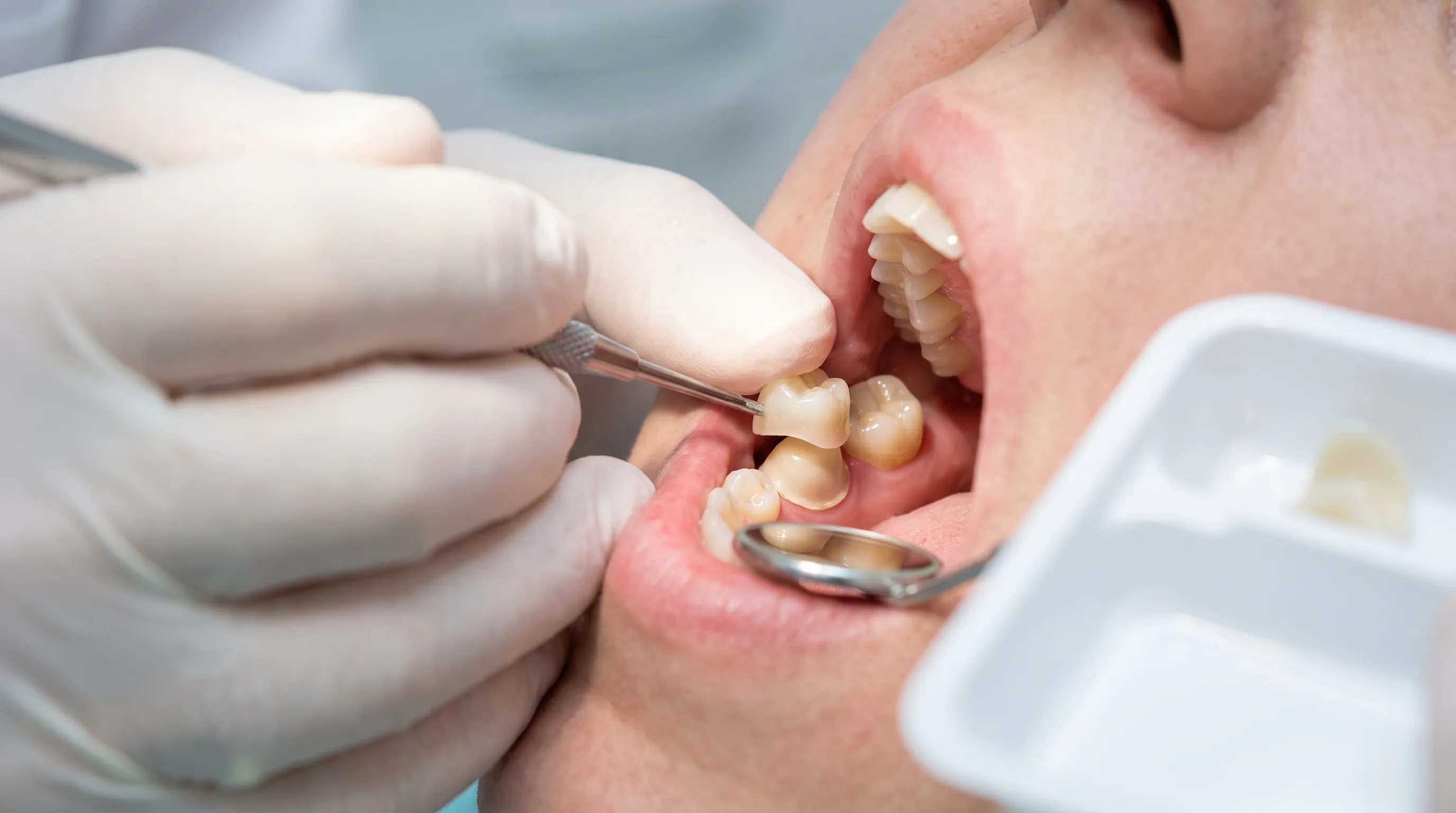
The gums are highly vascular and sensitive tissues designed to form a tight seal around the tooth, protecting the underlying bone and ligaments from bacterial invasion. When a crown is introduced, the body must adapt to this new foreign object. Ideally, the crown should be smooth, well-contoured, and fitted so precisely that the gums remain healthy and unaffected. However, any disruption in this delicate balance—whether mechanical, chemical, or biological—can trigger an inflammatory response. This response manifests as redness, swelling, tenderness, and sometimes bleeding, collectively described by patients as having gums around crown swollen.
The Role of the Biological Width
One of the most critical concepts in restorative dentistry is "biological width." This refers to the dimension of the soft tissue attachment to the tooth above the alveolar bone. If a crown margin impinges on this space—meaning it is placed too deep under the gum—it violates the biological width. The body perceives this as a constant irritant and responds with chronic inflammation and swelling. This is a common technical error that can lead to persistent gums around crown swollen issues long after the anesthesia has worn off.
Immediate vs. Delayed Swelling
It is important to distinguish between immediate post-operative swelling and delayed swelling. Immediate swelling is often a result of the physical trauma of the procedure itself. The retraction cords used to push gums back for impression taking, the drilling, and the cementation process can all cause temporary edema. This type of swelling typically resolves within a few days. Delayed swelling, occurring weeks, months, or years later, usually points to hygiene issues, decay, or structural problems with the crown.
Common Causes of Swollen Gums Around a Crown
Identifying the specific cause of your discomfort is the first step toward resolution. While only a dentist can provide a definitive diagnosis through examination and X-rays, understanding the common culprits can help you communicate effectively with your provider and manage expectations.
Poor Fit or Overhanging Margins
A perfectly fitted crown should have margins that are flush with the tooth structure. If the crown is too large or has an "overhang"—a ledge of material extending beyond the tooth—it creates a trap for food particles and plaque. Bacteria thrive in these protected areas, leading to localized gingivitis. The immune system sends blood and white blood cells to fight the bacteria, resulting in swelling. Patients often describe this sensation as having gums around crown swollen and tender to the touch, especially when flossing.
Trapped Food Debris and Plaque Accumulation
Even a well-fitted crown can contribute to swelling if oral hygiene is neglected. The junction between the crown and the natural tooth is a prime spot for plaque buildup. If flossing is inconsistent, plaque hardens into tartar (calculus), which cannot be removed by brushing alone. Tartar is rough and porous, harboring more bacteria and irritating the gum tissue. This chronic irritation leads to persistent inflammation. For many individuals, the realization that their gums around crown swollen is due to hygiene gaps is a wake-up call to improve their daily routine.
Cement Irritation and Allergic Reactions
The cements used to bond crowns to teeth contain various chemicals. While rare, some patients may have a sensitivity or allergic reaction to components in resin cements or even certain metals used in the crown itself, such as nickel in some gold alloys or base metals. This allergic contact dermatitis can manifest as red, swollen, and itchy gums specifically around the restored tooth. If you suspect an allergy, discuss alternative materials like zirconia or porcelain with your dentist.
Underlying Tooth Decay or Infection
Sometimes, the issue is not the crown itself but what lies beneath it. If decay develops at the margin of the crown or if the nerve inside the tooth dies (necrosis), an abscess can form at the root tip. This infection can drain through the gum tissue, causing a swollen bump or generalized swelling around the crown. This is a serious condition that requires immediate intervention, such as root canal therapy or extraction, to prevent the spread of infection.
Trauma from Occlusion (Bad Bite)
If a crown is too "high," meaning it hits the opposing teeth before the rest of your teeth come together, it places excessive force on the tooth and its supporting structures. This traumatic occlusion can cause the periodontal ligament to become inflamed, leading to swelling and pain. Patients often notice this when chewing, feeling that the crowned tooth hits first. Adjusting the bite usually resolves the gums around crown swollen symptom quickly.
Symptoms Associated with Gum Inflammation
Swelling is rarely an isolated symptom. It is often accompanied by other signs that help pinpoint the severity and cause of the problem. Recognizing these accompanying symptoms can help you determine the urgency of your situation.
| Symptom | Possible Cause | Severity Level |
|---|---|---|
| Mild Redness & Swelling | Minor irritation, early gingivitis | Low |
| Bleeding on Flossing | Plaque buildup, overhanging margin | Moderate |
| Throbbing Pain | Infection, abscess, high bite | High |
| Bad Taste/Odor | Infection, trapped food decay | Moderate to High |
| Pus Discharge | Abscess, advanced periodontal disease | Critical |
| Sensitivity to Hot/Cold | Exposed margin, nerve inflammation | Moderate |
Pain and Tenderness
Pain levels can range from a dull ache to sharp, shooting pains. Tenderness upon touching the gum or chewing suggests inflammation of the periodontal ligament or gum tissue. If the pain is spontaneous and throbbing, it may indicate nerve involvement or an abscess.
Bleeding
Healthy gums do not bleed during normal brushing or flossing. If you notice blood when cleaning around your crown, it is a classic sign of gingivitis. This indicates that the body is fighting bacteria in that specific area. Persistent bleeding should never be ignored, as it can progress to periodontitis, which involves bone loss.
Bad Breath and Taste
Halitosis (bad breath) or a foul taste in the mouth associated with a specific crown often indicates trapped food rotting under an overhang or an active infection producing pus. This is a strong indicator that professional cleaning or treatment is needed.
Home Remedies and Self-Care Strategies
While professional dental care is essential for resolving structural issues, there are several effective home remedies to manage mild swelling and discomfort while you wait for your appointment. These strategies focus on reducing bacterial load and soothing inflamed tissues.
Salt Water Rinses
One of the oldest and most effective remedies for oral inflammation is a warm salt water rinse. Salt acts as a natural antiseptic and helps draw out fluid from swollen tissues, reducing edema. Mix half a teaspoon of salt in a glass of warm water and swish gently for 30 seconds, two to three times a day. This simple practice can significantly alleviate the sensation of having gums around crown swollen.
Proper Brushing and Flossing Techniques
Maintaining meticulous hygiene is paramount. Use a soft-bristled toothbrush to avoid further traumatizing the swollen gums. Angle the brush at 45 degrees toward the gum line and use gentle circular motions.
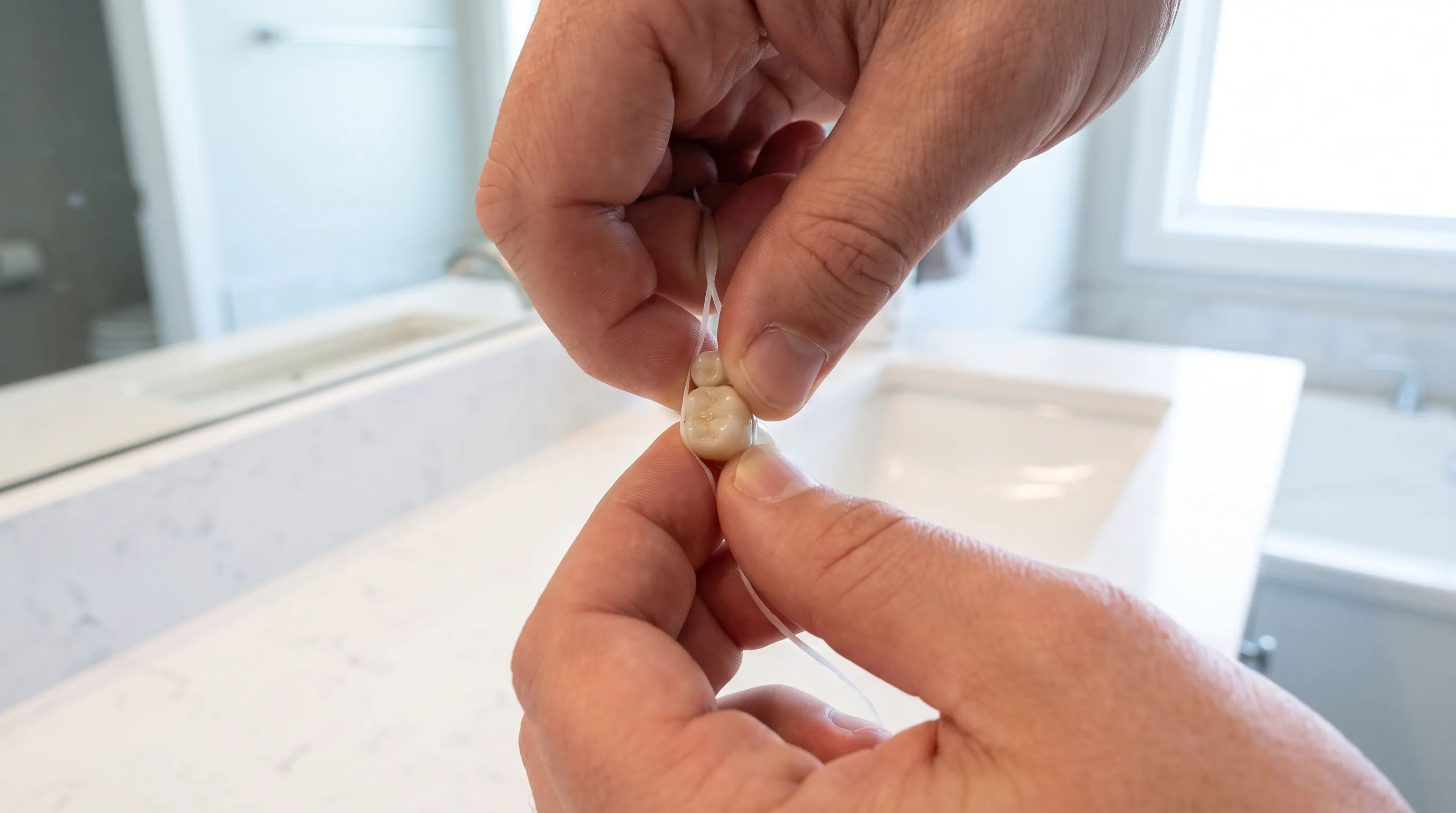
Flossing is equally critical but must be done carefully. Use a sawing motion to get the floss between the teeth, then curve it around the base of the crown in a C-shape. Gently slide it up and down beneath the gum line. If standard floss is difficult to use, consider water flossers or interdental brushes, which can be more effective at cleaning around crowns.
Anti-Inflammatory Mouthwashes
Over-the-counter antimicrobial mouthwashes containing chlorhexidine (if prescribed) or essential oils (like thymol and eucalyptol) can help reduce bacterial counts. Avoid alcohol-based rinses if your gums are raw or sensitive, as alcohol can dry out and irritate the tissue further.
Cold Compresses
If the swelling is accompanied by external facial swelling or significant pain, applying a cold compress to the outside of the cheek for 15-minute intervals can help constrict blood vessels and reduce inflammation. This is particularly useful in the first 24-48 hours after crown placement.
Dietary Adjustments
Avoid hard, crunchy, or sticky foods that could dislodge the crown or irritate the gums. Stick to a soft diet and avoid extreme temperatures if sensitivity is present. Staying hydrated helps maintain saliva flow, which naturally cleanses the mouth and neutralizes acids.
Professional Dental Treatments
If home care does not resolve the swelling within a week, or if symptoms worsen, professional intervention is necessary. Dentists have a variety of tools and techniques to address the underlying causes of gums around crown swollen.
Crown Adjustment and Polishing
If the cause is a high bite or rough margins, the dentist can adjust the occlusion by grinding down high spots on the crown. They can also polish rough edges that may be irritating the gum tissue. This is a quick, painless procedure that often provides immediate relief.
Deep Cleaning (Scaling and Root Planing)
If tartar buildup is the culprit, a professional cleaning is required. For deeper pockets, scaling and root planing may be necessary to remove bacteria and calculus from below the gum line. This allows the gum tissue to heal and reattach to the tooth surface.
Crown Replacement
In cases where the crown is poorly fitted, has an overhang that cannot be polished away, or is causing chronic biological width violation, replacement is the best option. A new crown, fabricated with precise digital impressions, can restore proper contour and fit, eliminating the source of irritation.
Root Canal Therapy
If diagnostic tests reveal that the tooth's nerve is dead or infected, root canal therapy will be recommended. This procedure removes the infected pulp, cleans the inside of the tooth, and seals it. Often, the existing crown can be preserved by accessing it through the top, though sometimes a new crown is needed afterward.
Periodontal Surgery
In severe cases of periodontal disease where bone loss has occurred, surgical interventions such as flap surgery or gum grafts may be necessary to restore the health of the supporting structures. This is less common for isolated crown issues but may be required if the patient has generalized gum disease.
Prevention: Keeping Your Crowns and Gums Healthy
Prevention is always better than cure. Adopting a proactive approach to oral health can prevent the recurrence of gums around crown swollen and extend the life of your dental restorations.
Regular Dental Check-ups
Visit your dentist every six months for professional cleanings and examinations. Your dentist can detect early signs of decay, marginal gaps, or gum disease before they become symptomatic. Early detection of a small cavity under a crown can save the tooth from needing a root canal.
Invest in Quality Oral Hygiene Tools
Consider using an electric toothbrush with a pressure sensor to ensure you are not brushing too hard. Water flossers are excellent adjuncts for cleaning around crowns and bridges, as they can flush out debris from areas that string floss might miss. Interdental brushes are also highly effective for larger spaces.
Address Bruxism (Teeth Grinding)
If you grind or clench your teeth at night, you place immense stress on your crowns and gums. This can lead to fracture of the crown or recession of the gums. Ask your dentist about a custom-made night guard to protect your restorations and reduce muscle strain.
Healthy Lifestyle Choices
Smoking is a major risk factor for gum disease and can impair healing around dental crowns. Quitting smoking improves blood flow to the gums and enhances the body's ability to fight infection. Additionally, a diet low in sugar and high in vitamins C and D supports gum health and immune function.
Frequently Asked Questions
Why are my gums swollen around my new crown?
Swelling around a new crown is often due to temporary irritation from the dental procedure, minor trauma to the gum tissue during placement, or the body's reaction to the cement used. It usually subsides within a few days to a week. However, if it persists, it may indicate an ill-fitting crown or trapped debris.
Can a bad bite cause swollen gums around a crown?
Yes, an improper bite (occlusion) can place excessive pressure on the tooth and surrounding tissues. This trauma can lead to inflammation and swelling of the gums around the crown. If your bite feels uneven or high, consult your dentist for an adjustment.
How do I know if my crown is infected?
Signs of infection include persistent throbbing pain, significant swelling that does not improve with home care, pus discharge, a bad taste in the mouth, or fever. If you experience these symptoms, seek immediate dental attention as it may indicate an abscess.
Is it normal for gums to bleed around a crown?
Minor bleeding immediately after placement is common due to tissue manipulation. However, persistent bleeding during brushing or flossing suggests gingivitis or an ill-fitting crown margin that traps plaque. Improved hygiene and a dental check-up are recommended.
Can I use mouthwash for swollen gums around a crown?
Yes, using an antimicrobial or saltwater rinse can help reduce bacteria and soothe inflammation. Avoid alcohol-based mouthwashes if the gums are sensitive, as they may cause further irritation. Consult your dentist for specific product recommendations.
What should I do if my crown feels loose and my gums are swollen?
If your crown feels loose, do not try to glue it back yourself. See your dentist immediately. A loose crown can allow bacteria to enter, leading to decay and swelling. Keep the area clean and avoid chewing on that side until you are seen.
How long does it take for gums to heal after crown placement?
Most minor gum irritation heals within 3 to 7 days. If swelling persists beyond two weeks, it is not considered normal healing and should be evaluated by a dentist to rule out underlying issues such as poor fit or infection.
Conclusion
Dealing with gums around crown swollen is a common but manageable issue. While it can be alarming, understanding the potential causes—from simple hygiene lapses to complex fitting issues—empowers you to take the right steps. Immediate self-care measures like salt water rinses and improved flossing can often resolve mild cases. However, persistent swelling, pain, or bleeding warrants a professional evaluation to prevent long-term damage to your tooth and supporting bone.
Remember, a dental crown is a long-term investment in your oral health. Protecting it requires a partnership between your daily hygiene habits and regular professional care. By staying vigilant and addressing issues early, you can ensure your smile remains healthy, functional, and beautiful for years to come. Do not hesitate to reach out to your dental provider if you have concerns; early intervention is key to preserving your dental health.
For more information on maintaining optimal oral health, visit authoritative resources like the American Dental Association or MedlinePlus.
How we work
Researched and drafted with AI assistance, then reviewed by a human editor against the cited sources.
This article is general health information, not medical advice. Consult a qualified healthcare professional about your own situation.