Floss Teeth Sensitivity: Causes, Solutions, and Expert Dental Advice
Understanding the underlying mechanisms of floss teeth sensitivity is essential for maintaining optimal oral health while avoiding unnecessary discomfort during your daily hygiene routine. Many individuals experience unexpected sharp twinges, lingering tenderness, or mild aching when cleaning between their teeth, yet they often dismiss it as a normal part of oral care or assume they simply have naturally fragile teeth. In reality, this sensation is a physiological response triggered by specific changes within the tooth structure and surrounding periodontal tissues. By recognizing the biological pathways that lead to discomfort, you can implement targeted strategies that preserve your smile, strengthen your gums, and transform your cleaning routine into a pain-free habit.
Understanding Dental Flossing and Sensitivity
Dental flossing has been universally recognized by dental professionals as a cornerstone of preventive oral care. The Centers for Disease Control and Prevention (CDC) notes that mechanical disruption of plaque biofilm between teeth and beneath the gumline prevents the accumulation of bacterial colonies that lead to decay and periodontal disease. However, the very process that protects your oral health can sometimes trigger a noticeable reaction known as floss teeth sensitivity. This condition manifests as a transient or persistent sharp response when cleaning agents or the floss itself make contact with vulnerable areas of the dentition.
Free calculatorHeadache Location ChartIdentify headache types by locationOpen the calculatorThe human mouth hosts a complex microbiome that constantly interacts with enamel, cementum, and gingival tissues. When plaque is not adequately removed, it mineralizes into calculus, creating a rough surface that harbors harmful bacteria. Flossing physically removes this buildup, but in doing so, it can temporarily expose nerve-rich areas if protective barriers have already been compromised. Understanding this dynamic helps patients navigate their oral care routines without fear or hesitation.
The Anatomy of Tooth Sensitivity
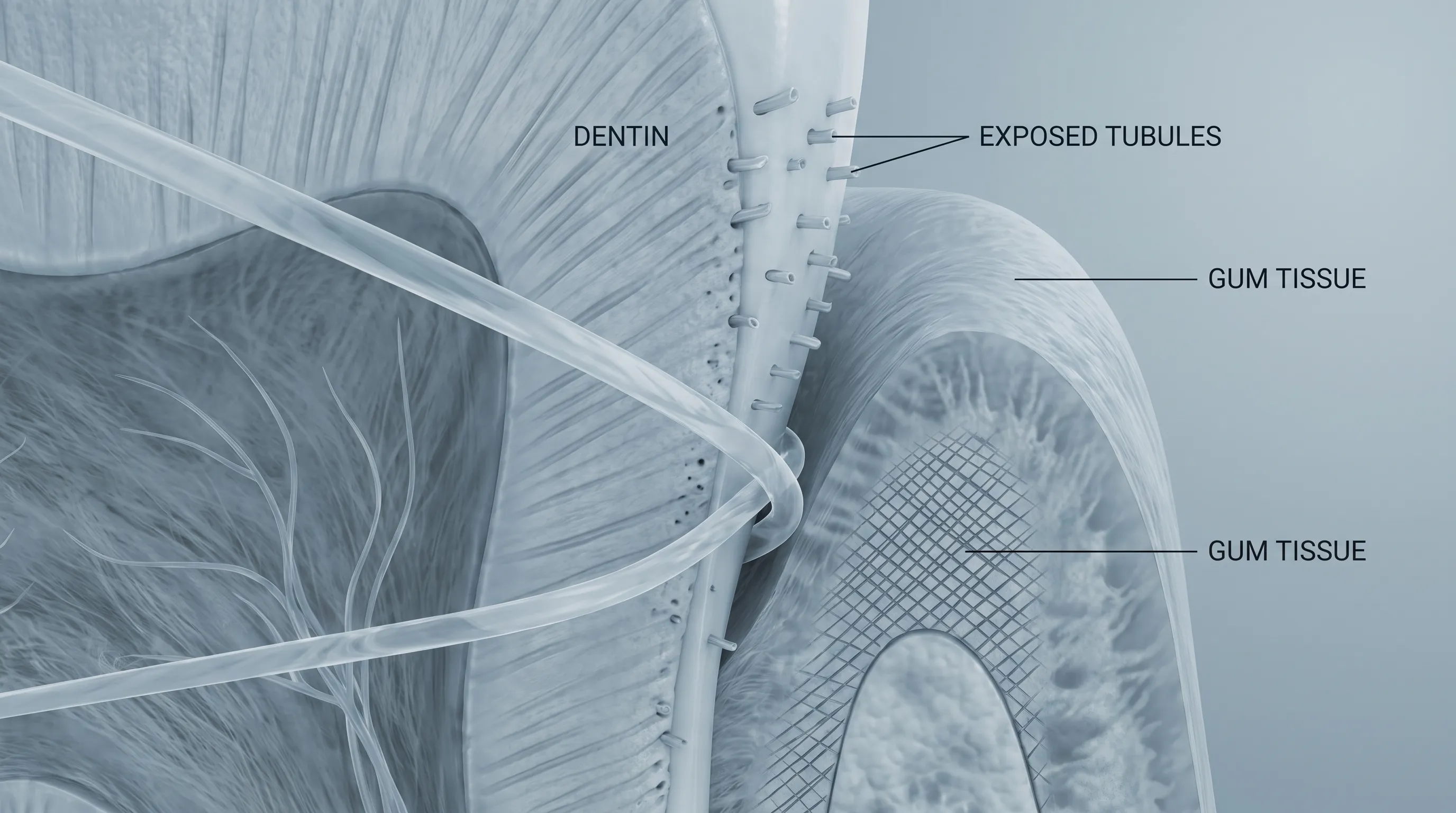
Tooth sensitivity, clinically referred to as dentin hypersensitivity, occurs when the underlying dentin becomes exposed and its microscopic tubules communicate directly with the dental pulp. Each tooth consists of multiple structural layers. The outermost crown is protected by enamel, the hardest substance in the human body. Beneath the enamel lies dentin, a porous material filled with millions of fluid-filled microtubules. These tubules converge toward the pulp chamber, which houses nerves, blood vessels, and connective tissue.
When the protective enamel layer thins due to acidic erosion, abrasive brushing, or natural aging, or when gum tissue recedes and exposes the root surface covered only by thin cementum, external stimuli such as cold air, mechanical friction from floss, or sweet substances can trigger rapid fluid movement within the dentinal tubules. According to the hydrodynamic theory widely accepted by the medical community, this fluid shift stimulates mechanoreceptors at the pulp-dentin border, transmitting pain signals through the trigeminal nerve. Recognizing this anatomical reality is crucial when addressing floss teeth sensitivity, as it highlights why even gentle mechanical cleaning can provoke discomfort in structurally vulnerable teeth.
Research published by the National Institute of Dental and Craniofacial Research (NIDCR) confirms that dentin exposure is the primary pathway for sensitivity responses. The microscopic architecture of the tooth means that once protective layers are breached, routine oral hygiene practices can temporarily stimulate nerve endings until the area stabilizes or receives therapeutic intervention. The Mayo Clinic further explains that this physiological mechanism is highly responsive to thermal, chemical, and tactile triggers, making proper interproximal cleaning a delicate balance.
Why Flossing Can Cause Temporary Discomfort
The act of flossing introduces mechanical pressure directly into the interproximal spaces where teeth touch. These areas are naturally tight and often accumulate plaque more densely than facial or lingual surfaces. When floss is maneuvered correctly, it scrapes away bacterial biofilm, but if the gingival tissue is already inflamed or if the root surface is partially exposed, the friction can provoke a localized sensitivity response. Additionally, individuals who have recently resumed flossing after a period of neglect may experience temporary tenderness as the body responds to the sudden removal of plaque accumulation and the stimulation of previously dormant nerve pathways.
Temporary floss teeth sensitivity is frequently a sign of gingival inflammation rather than permanent damage. Inflamed gums are hyperemic, meaning they have increased blood flow and heightened nerve sensitivity. As flossing continues, inflammation typically subsides, and sensitivity diminishes. However, if the discomfort persists or intensifies, it may indicate underlying enamel erosion, cervical abrasion, or periodontal attachment loss. Distinguishing between adaptive tenderness and pathological pain is essential for determining whether self-care adjustments or professional evaluation are necessary.
Common Causes of Floss Teeth Sensitivity
Identifying the root triggers of floss teeth sensitivity allows patients to tailor their oral hygiene practices effectively. While sensitivity can sometimes feel unpredictable, clinical evidence consistently points to several primary contributors that interact with mechanical cleaning routines. Understanding these causes transforms uncertainty into actionable knowledge.
Gum Recession and Exposed Roots
Gum recession is one of the most prevalent anatomical changes that precipitate floss teeth sensitivity. As explained by Cleveland Clinic, as the marginal gingiva migrates apically, it uncovers the cementum layer of the root. Unlike enamel, cementum is significantly softer and thinner, offering minimal protection against external stimuli. Once exposed, root surfaces become highly responsive to mechanical friction, temperature changes, and osmotic shifts caused by dietary sugars.
Recession can result from multiple factors, including aggressive brushing, genetic predisposition, bruxism, and chronic periodontal inflammation. When flossing contacts these exposed areas, the mechanical action can temporarily open dentinal tubules or irritate the thin tissue covering the root canal system. Addressing gum recession often requires a combination of modified oral hygiene habits, desensitizing agents, and in some cases, periodontal surgical intervention to restore protective tissue architecture.
Inflammation and Gingivitis
Active gingival inflammation dramatically lowers the threshold for pain perception during routine cleaning. Gingivitis occurs when plaque biofilm accumulates along the gumline, triggering an immune response that increases capillary permeability, tissue swelling, and nerve sensitivity. In this hyperemic state, even light pressure from dental floss can provoke sharp discomfort or bleeding.
Many individuals mistakenly interpret this inflammation-related sensitivity as a reason to avoid flossing altogether, but this approach inadvertently worsens the condition. Consistent, gentle flossing disrupts the bacterial colonies responsible for inflammation, gradually restoring tissue health and reducing floss teeth sensitivity over time. The CDC emphasizes that plaque removal is the definitive treatment for early-stage periodontal disease, and temporary discomfort is a normal part of the healing trajectory.
Overzealous or Improper Flossing Technique
One of the most overlooked causes of sensitivity is user technique. Flossing is a precise mechanical procedure that requires controlled tension and proper curvature around each tooth. Snapping the floss forcefully into the interproximal space, using sawing motions, or pressing the floss deeply into the gingival sulcus can traumatize the tissue and expose sensitive dentin.
Excessive pressure can cause micro-abrasions on the cementoenamel junction and compress the periodontal ligament, both of which transmit immediate pain signals. Furthermore, using coarse or unwaxed floss on tight contacts increases friction and raises the likelihood of tissue irritation. Mastering proper flossing mechanics is often the fastest and most cost-effective way to eliminate discomfort without requiring additional products or treatments.
How to Properly Floss Without Triggering Discomfort
Transforming your flossing routine from a source of discomfort to a protective habit begins with technique refinement. Dental professionals emphasize that flossing should never feel like a struggle or cause bleeding when performed correctly. By following evidence-based protocols and selecting appropriate materials, you can clean between your teeth safely while preserving sensitive structures.
The Correct Step-by-Step Technique
Proper flossing follows a deliberate sequence that minimizes trauma and maximizes plaque removal. Start by cutting approximately eighteen to twenty-four inches of floss and winding the ends around your middle fingers, leaving one to two inches of working length. Use your thumbs and index fingers to guide the floss with light, controlled tension.
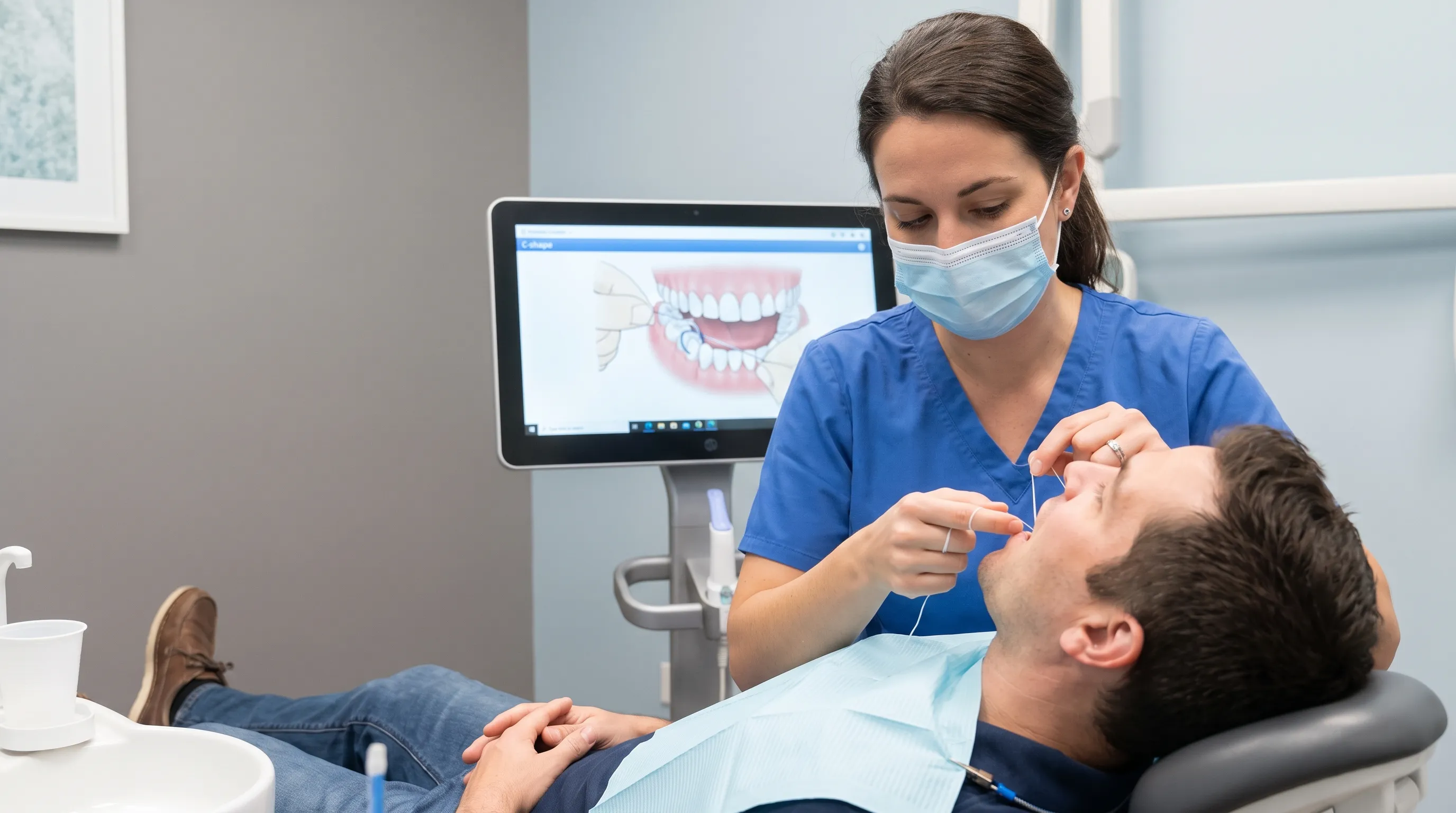
Gently slide the floss between teeth using a zigzag motion, avoiding sudden downward snapping that can bruise the gingiva. Once the floss passes through the contact point, curve it into a C-shape against one tooth and slide it carefully beneath the gumline, moving up and down along the tooth surface. Repeat on the adjacent tooth before withdrawing the floss using the same gentle upward motion. This method ensures that both interproximal walls and subgingival plaque are removed without irritating the tissue. Consistent application of this technique has been shown to significantly reduce floss teeth sensitivity within days, as the gums acclimate to mechanical cleaning and inflammation subsides.
For additional visual guidance, many dental educators recommend reviewing professional demonstrations that highlight hand positioning and tension control. You can also reference the American Dental Association's step-by-step flossing guide for authoritative instructions. Additionally, here is a professional tutorial video:
Choosing the Right Floss Type
Not all floss is created equal, and selecting the appropriate product for your dental anatomy plays a crucial role in preventing discomfort. Traditional nylon multifilament floss is effective but can shred on rough restorations or tight contacts. Waxed floss contains a light coating that reduces friction and glides more easily between teeth, making it ideal for individuals experiencing discomfort.
PTFE-based monofilament floss, often marketed as glide-style products, is particularly beneficial for patients with narrow embrasures or orthodontic work, as it resists fraying and applies minimal pressure to the gums. For those with wider spaces or gum recession, soft interdental brushes may serve as a more comfortable alternative, providing gentle mechanical cleaning without the snapping force of traditional string. Experimenting with different materials under professional guidance helps patients find the optimal balance between efficacy and comfort.
Managing and Reducing Sensitivity
Once you have refined your flossing technique, implementing targeted sensitivity management strategies can further enhance your comfort and accelerate tissue recovery. A multi-modal approach that combines topical treatments, dietary adjustments, and habit modification yields the most sustainable results for patients dealing with persistent dental discomfort.
At-Home Desensitizing Strategies
Over-the-counter desensitizing toothpastes are clinically proven to alleviate dentin hypersensitivity through active ingredients that block nerve signaling or occlude dentinal tubules. Potassium nitrate works by depolarizing nerve endings, reducing their ability to transmit pain signals, while stannous fluoride and arginine-calcium carbonate formulations create a physical barrier over exposed tubules.
To maximize effectiveness, apply a small amount of desensitizing toothpaste directly to sensitive areas and leave it undisturbed for several minutes before rinsing. This extended contact time allows the active ingredients to penetrate the dentin and form a protective matrix. Additionally, using an alcohol-free fluoride mouthwash can strengthen enamel and support overall structural resilience, indirectly reducing discomfort by improving the tooth's natural defense mechanisms. Consistency is critical, as clinical studies indicate that significant improvement typically requires two to four weeks of uninterrupted use. The Mayo Clinic recommends consistent use alongside gentle brushing to achieve optimal results.
Dietary Adjustments for Sensitive Teeth
Your daily nutritional choices profoundly impact enamel integrity and periodontal health, both of which influence sensitivity thresholds. Acidic foods and beverages, including citrus fruits, carbonated drinks, and wine, lower oral pH and accelerate enamel erosion. When the protective outer layer thins, underlying dentin becomes increasingly vulnerable to mechanical stimulation from flossing.
To mitigate dietary acid exposure, avoid swishing acidic drinks, use a straw when consuming citrus or carbonated beverages, and rinse with water immediately after meals. Incorporating calcium-rich foods such as dairy products, leafy greens, and almonds supports remineralization, while xylitol-containing products help neutralize bacterial acid production. Reducing frequent snacking also limits acid attacks, giving saliva ample time to restore neutral pH levels. These adjustments, combined with gentle flossing, create a stable oral environment where discomfort gradually resolves without professional intervention.
When to See a Dental Professional
While most cases of interproximal sensitivity respond well to improved hygiene practices and home care, certain symptoms indicate underlying conditions that require expert diagnosis and intervention. Knowing when to transition from self-management to professional care prevents minor issues from progressing into irreversible periodontal or structural damage.
Warning Signs That Require Immediate Attention
Persistent sharp pain lasting more than thirty seconds after cleaning, visible gum recession, spontaneous bleeding, or sensitivity accompanied by swelling and bad breath are red flags that warrant prompt dental evaluation. These symptoms often point to advanced gingivitis, periodontitis, cracked tooth syndrome, or deep caries that cannot be resolved through routine cleaning alone. Additionally, localized pain around a single tooth may indicate a failing restoration, root fracture, or pulp inflammation that necessitates radiographic assessment.
Delayed treatment allows bacterial invasion to penetrate deeper into the periodontal ligament and alveolar bone, increasing the risk of attachment loss and tooth mobility. Early intervention not only preserves natural dentition but also reduces the complexity and cost of future procedures. If you notice these warning signs, schedule a comprehensive examination with a licensed dentist or periodontist as soon as possible. You can review the CDC's guidelines on recognizing advanced gum disease to better understand clinical progression.
Professional Treatments for Persistent Issues
Dental professionals have access to advanced therapeutic modalities that directly address sensitivity at its source. In-office fluoride varnishes and desensitizing agents penetrate deeply into dentinal tubules, providing immediate and long-lasting relief. For patients with significant gum recession, soft tissue grafting procedures restore protective coverage over exposed roots, eliminating mechanical vulnerability.
In cases where occlusal trauma or bruxism contributes to cervical abrasion and sensitivity, custom-fabricated night guards redistribute biting forces and prevent further structural wear. Laser therapy has also emerged as a minimally invasive option, sealing exposed tubules and stimulating gingival tissue regeneration. These targeted interventions, combined with professional prophylaxis, effectively resolve stubborn sensitivity when conservative measures fall short. You can explore additional clinical perspectives on periodontal therapy through this educational resource:
Comparison of Dental Care Options for Sensitivity Management
Choosing the right products and techniques requires understanding how different materials perform across various dental conditions. The table below outlines common floss types, their interaction with sensitive structures, and their suitability for individuals experiencing floss teeth sensitivity. This comparative overview helps patients make informed decisions aligned with their specific anatomical needs and comfort levels.
| Floss Type | Material Composition | Friction Level | Suitability for Sensitive Teeth | Best Use Case |
|---|---|---|---|---|
| Traditional Nylon Multifilament | Braided nylon fibers | Moderate to High | Low | General cleaning, wide contacts, robust gum tissue |
| Waxed Floss | Nylon with microcrystalline wax coating | Low | High | Tight contacts, early-stage recession, mild sensitivity |
| PTFE Monofilament | Expanded polytetrafluoroethylene | Very Low | Very High | Orthodontic appliances, narrow embrasures, pronounced floss teeth sensitivity |
| Dental Tape | Broad, flat woven fibers | Low | High | Larger gaps, exposed root surfaces, reduced trauma tolerance |
| Interdental Brushes | Soft plastic bristles with wire core | Low (with correct sizing) | Moderate to High | Moderate to severe gum recession, bridge maintenance, post-treatment care |
Selecting the appropriate option should be guided by clinical evaluation and personal comfort. Many dental professionals recommend starting with waxed or PTFE floss for patients managing sensitivity, then transitioning to standard materials as tissue health stabilizes and inflammation resolves. Combining the right floss with consistent desensitizing toothpaste and professional maintenance creates a comprehensive defense against long-term dental discomfort.
Frequently Asked Questions
Many patients experience uncertainty when navigating floss teeth sensitivity, leading to questions about technique, product selection, and long-term management. The following evidence-based answers address the most common concerns, providing clear guidance backed by clinical consensus.
Is it normal for my teeth to feel sensitive after flossing?
Mild, temporary sensitivity after flossing is common, especially if you are new to flossing or have existing gum inflammation. The discomfort usually resolves within a week as your gums adapt to regular cleaning. Persistent pain may indicate improper technique or underlying dental issues.
Should I stop flossing if I experience sharp pain?
Sharp pain during flossing should never be ignored. While mild tenderness can occur initially, sharp pain often signals exposed dentin, gum recession, or improper flossing pressure. It is best to adjust your technique, switch to a gentler floss, and consult a dental professional if the pain continues.
What is the best type of floss for sensitive teeth?
Dental professionals typically recommend soft, waxed floss or PTFE (polytetrafluoroethylene) monofilament floss for sensitive teeth. These glide smoothly between tight contacts without shredding or snapping, reducing trauma to the gums and minimizing discomfort during daily use.
How long does it take for gums to stop bleeding and feeling sensitive?
With consistent, gentle daily flossing and proper oral hygiene, gum bleeding and sensitivity typically improve within 7 to 14 days. If symptoms persist beyond two weeks despite correct technique, professional evaluation is necessary to rule out periodontal disease or enamel erosion.
Can desensitizing toothpaste completely fix floss-induced sensitivity?
Desensitizing toothpaste containing potassium nitrate or stannous fluoride can significantly reduce sensitivity by blocking dentinal tubules, but it does not address the root cause. Long-term management requires addressing flossing technique, treating gum disease, and maintaining regular dental cleanings.
Conclusion
Managing floss teeth sensitivity requires a blend of anatomical awareness, technique refinement, and consistent self-care. While temporary tenderness often signals gum healing and bacterial disruption, persistent discomfort points to underlying structural vulnerability or improper cleaning habits. By mastering gentle flossing mechanics, selecting appropriate materials, and integrating clinically proven desensitizing agents, you can protect your periodontal tissues while maintaining the interproximal cleanliness that prevents decay and gum disease. Remember that oral health is a dynamic process; regular dental evaluations, timely professional interventions, and mindful daily habits form the foundation of lifelong comfort and function. Prioritize gentle consistency over aggressive cleaning, trust the body's natural healing capacity, and allow evidence-based practices to guide your routine toward sustainable results.
How we work
Researched and drafted with AI assistance, then reviewed by a human editor against the cited sources.
This article is general health information, not medical advice. Consult a qualified healthcare professional about your own situation.