Sinus Augmentation Cost: Complete Guide to Pricing, Insurance, and Value

Losing upper back teeth is far more common than many patients realize, and the consequences extend well beyond cosmetic concerns. When molars and premolars are missing for extended periods, the underlying jawbone naturally begins to resorb due to lack of mechanical stimulation from chewing NIH: Dental Implants & Bone Health. In the upper jaw, this bone loss is complicated by the proximity of the maxillary sinus cavity, which naturally expands downward as the jawbone shrinks. This anatomical shift often leaves insufficient bone volume to securely place dental implants, making a restorative procedure essential for long-term oral function. A sinus lift, medically known as a sinus augmentation, addresses this exact challenge by carefully elevating the sinus membrane and grafting new bone into the created space. However, navigating the financial aspects of this procedure can feel overwhelming for patients who are already dealing with the stress of tooth loss and complex treatment planning. Understanding the true sinus augmentation cost requires more than just looking at a baseline surgical fee; it involves evaluating materials, surgeon expertise, geographic variables, and long-term value. By breaking down each financial and clinical component, patients can make informed, confident decisions that prioritize both oral health and financial stability. This comprehensive guide examines every dimension of the procedure, from anatomical considerations and surgical techniques to insurance navigation, payment strategies, and evidence-based recovery protocols. Whether you are exploring treatment options for the first time or comparing quotes from multiple specialists, the information below provides the clinical depth and financial clarity needed to move forward with confidence.
Understanding Sinus Augmentation: What It Is and Why It Is Done
Sinus augmentation is a highly specialized oral surgery designed to increase bone volume in the posterior maxilla, the region directly beneath the maxillary sinus. The maxillary sinus is an air-filled cavity located above the upper back teeth and below the eyes and cheeks Cleveland Clinic: Maxillary Sinus Anatomy. When upper molars or premolars are extracted or lost, the bone that previously supported those teeth gradually deteriorates. Over months or years, the floor of the sinus cavity drops downward, a process known as pneumatisation, which significantly reduces the vertical bone height required to anchor dental implants securely. Without adequate bone, implants cannot achieve primary stability, leading to high failure rates. By gently lifting the Schneiderian membrane, which lines the sinus, surgeons create a protected space to place bone graft material. This graft acts as a scaffold that the body gradually replaces with native bone tissue, ultimately restoring the vertical dimension necessary for successful implant placement. The procedure has evolved significantly over the past three decades, transitioning from highly invasive techniques to minimally invasive, guided approaches that improve healing times and reduce complications. Understanding why this procedure is clinically necessary helps patients appreciate the precision, expertise, and resources involved, all of which directly influence the final sinus augmentation cost.
Free calculatorHeadache Location ChartIdentify headache types by locationOpen the calculatorThe Anatomy Behind the Procedure
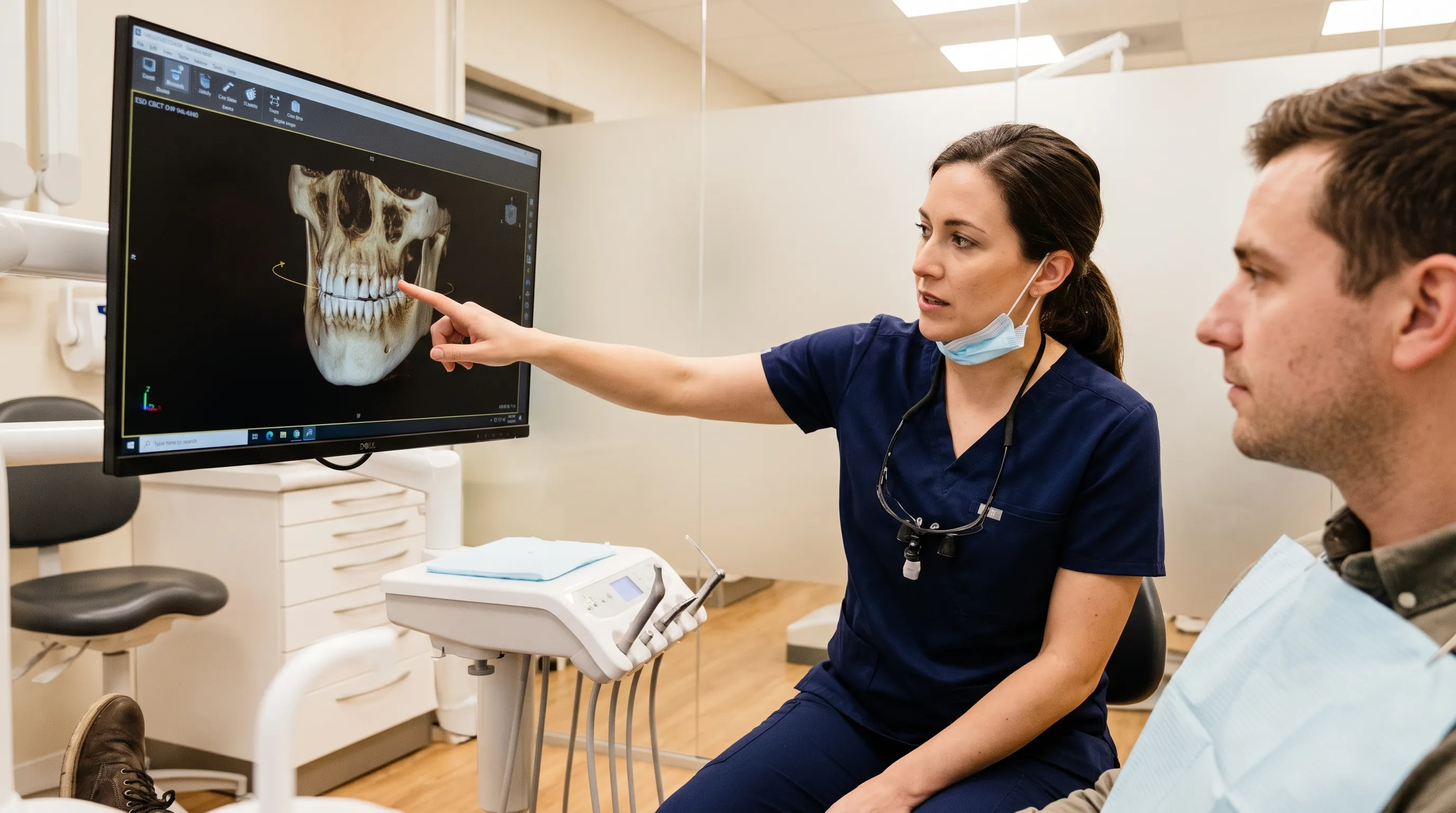
The human skull contains four paired paranasal sinuses, with the maxillary sinuses being the largest. Each sinus is lined with a thin, highly vascularized membrane that produces mucus and helps filter inhaled air. During a sinus lift, the surgeon must carefully access the lateral or crestal aspect of the maxilla, drill a precise window into the bone, and use specialized elevators to gently detach the membrane from the bony floor without tearing it. Even minor perforations can compromise the graft and increase infection risks, which is why the procedure demands exceptional surgical dexterity and advanced imaging. Pre-operative cone beam computed tomography (CBCT) scans provide three-dimensional visualization of the sinus floor, residual bone height, and membrane thickness, allowing surgeons to plan incisions and elevation angles with millimeter accuracy Cleveland Clinic: Cone Beam Computed Tomography. The anatomical complexity directly impacts the sinus augmentation cost, as it requires specialized diagnostic equipment, advanced surgical training, and strict adherence to aseptic protocols. Patients with deviated septums, chronic sinusitis, or prior facial trauma may require additional modifications, further influencing procedural complexity and pricing.
Who Needs Sinus Augmentation?
Not every patient who needs upper dental implants requires a sinus lift. The necessity is primarily determined by the remaining vertical bone height measured from the sinus floor to the alveolar crest. Generally, if less than eight to ten millimeters of bone remains, augmentation becomes highly recommended. Candidates typically include individuals with long-standing tooth loss, advanced periodontal disease that caused significant alveolar bone resorption, congenital missing teeth, or those who wear full or partial dentures and wish to transition to fixed implant-supported prostheses. Smokers and patients with uncontrolled diabetes may face higher complication rates and are often advised to optimize systemic health before surgery CDC: Smoking & Oral Health. Conversely, patients with adequate bone volume, healthy periodontal tissues, and no active sinus infections can proceed directly to implant placement. The decision process involves a thorough clinical examination, diagnostic imaging, and a personalized risk assessment. Understanding whether you qualify for the procedure helps contextualize the sinus augmentation cost as an investment in predictable, long-term restorative success rather than an unnecessary expense.
Breaking Down the Sinus Augmentation Cost
The financial landscape of dental procedures can be confusing, especially when multiple line items are bundled together. The sinus augmentation cost is never a single flat fee; instead, it is a composite of several distinct clinical, material, and administrative components. Patients often receive a single quoted number without realizing what it encompasses, which can lead to misunderstandings and unexpected financial strain. Breaking down the pricing structure reveals the true value and clinical necessity behind each charge. By understanding how each element contributes to the final total, patients can evaluate quotes more accurately, ask informed questions, and avoid hidden fees. The average range for a unilateral procedure typically falls between $1,500 and $5,000, but bilateral lifts naturally double the expense. Below is a detailed examination of the primary cost drivers and how they interact to shape the final treatment investment.
Base Procedure Fees vs. Additional Expenses
The core surgical fee covers the actual operative time, anesthesia administration, and the technical execution of the membrane elevation. However, this baseline rarely includes diagnostic imaging, pre-surgical blood work, prescription medications, or post-operative follow-ups. Facility fees, particularly for procedures performed in accredited ambulatory surgical centers rather than private dental offices, can add hundreds to thousands of dollars due to enhanced sterilization standards, advanced monitoring equipment, and specialized nursing staff. Additionally, if the surgeon discovers significant bone loss during the procedure or encounters membrane perforation that requires immediate intervention with resorbable collagen membranes, the complexity and time required increase accordingly. These variables are often outlined in treatment consent forms but are not always reflected in initial estimates. When evaluating the sinus augmentation cost, always request a detailed, itemized treatment plan that clearly separates surgical, diagnostic, material, and facility expenses.
Geographic Location and Facility Type Impact
Healthcare pricing varies dramatically by region due to differences in overhead costs, local economic conditions, and regulatory environments. Major metropolitan areas with high commercial rent, elevated staffing salaries, and stringent licensing requirements typically command higher procedural fees compared to rural or suburban practices. For example, the same sinus augmentation cost in California or New York may exceed $4,500 per side, whereas comparable procedures in the Midwest or Southeast might range between $2,000 and $3,200. Facility type also plays a crucial role. In-office surgical suites generally offer lower pricing due to reduced administrative overhead, while hospital-affiliated outpatient centers provide enhanced safety protocols for complex medical histories but at a premium. Patients should weigh geographic and facility variables carefully, prioritizing surgical expertise and facility accreditation over marginal price differences.
Surgeon Expertise and Technology Costs
Oral and maxillofacial surgeons with advanced fellowship training, board certification, and extensive sinus augmentation experience typically charge higher fees than general dentists or less specialized practitioners. This premium reflects years of postdoctoral education, refined surgical techniques, lower complication rates, and access to cutting-edge technology. Modern sinus lifts frequently incorporate piezoelectric ultrasonic scalpels that cut bone while preserving soft tissue, significantly reducing membrane tear risks. Computer-guided surgical navigation and 3D-printed surgical stents further enhance precision and reduce operative time. While the upfront sinus augmentation cost may be higher with highly trained specialists utilizing advanced technology, the long-term financial benefit often lies in reduced complication rates, fewer revision surgeries, and higher implant success rates. Investing in expertise and precision ultimately protects both clinical outcomes and long-term financial health.
Insurance Coverage and Financial Planning Strategies
Dental and medical insurance frameworks rarely align perfectly with specialized surgical procedures like sinus augmentation. Navigating coverage requirements, understanding policy limitations, and exploring alternative financing options can dramatically reduce out-of-pocket expenses. Many patients assume the procedure will be fully covered, only to discover strict annual maximums, waiting periods, or classification as a cosmetic or major restorative service. Proactive financial planning is essential to avoid unexpected burdens and ensure treatment continuity. By understanding how insurance networks evaluate sinus lifts, patients can strategically leverage available benefits, explore tax-advantaged accounts, and secure manageable payment structures.
Navigating Dental and Medical Insurance
Most dental insurance policies categorize sinus augmentation under major surgical or prosthetic benefits, which typically reimburse at 30% to 50% of the allowable charge after deductibles are met. Annual maximums often cap at $1,500 to $2,000, meaning patients frequently cover the remaining balance. Some plans require staged billing, where diagnostic imaging and grafting are billed separately to maximize coverage across calendar years. Medical insurance rarely covers dental bone grafting unless it stems from trauma, congenital anomalies, or tumor resection. Pre-authorization is almost always required, and submitting detailed clinical notes, CBCT measurements, and a clear treatment narrative increases approval odds. Patients should verify network status, understand co-payment structures, and clarify whether sinus-related CDT and CPT codes are processed under dental or medical benefits before scheduling surgery.
Payment Plans and Healthcare Financing
For patients without sufficient insurance coverage or upfront savings, dental financing options provide structured, predictable payment pathways. Third-party medical credit companies offer promotional periods with zero interest for six to twelve months, provided the balance is paid within the promotional window. CareCredit, Alphaeon Credit, and similar platforms are widely accepted by oral surgeons and allow applications with minimal impact on credit scores for pre-qualification. In-house payment plans arranged directly with the surgical practice may offer flexible terms without hard credit checks, though interest rates and repayment schedules vary. When evaluating the sinus augmentation cost through financing, calculate the total interest burden over the repayment period to avoid paying significantly more than the original quoted price. Transparent communication with the practice financial coordinator ensures alignment between clinical timelines and payment schedules.
Health Savings Accounts (HSAs) and FSAs
Tax-advantaged accounts offer one of the most efficient ways to offset out-of-pocket surgical expenses. Health Savings Accounts allow patients to contribute pre-tax dollars, withdraw tax-free for qualified medical procedures, and roll over unused funds indefinitely. Flexible Spending Accounts operate similarly but follow a use-it-or-lose-it annual structure, requiring careful treatment timing to maximize benefits. Since sinus augmentation is classified as a medically necessary procedure to restore masticatory function and prevent progressive bone resorption, it typically qualifies as an eligible expense under IRS guidelines. Patients should verify coverage with their plan administrator and retain all itemized invoices and clinical documentation. Utilizing these accounts can effectively reduce the real sinus augmentation cost by 20% to 35%, depending on marginal tax rates and state regulations.
The Step-by-Step Procedure: What to Expect
Understanding the clinical workflow demystifies the surgical experience and helps patients prepare physically and logistically. Modern sinus augmentation follows a highly standardized protocol designed to maximize safety, minimize discomfort, and optimize bone regeneration. From initial consultation to graft placement, each phase requires precise execution and patient cooperation. Recognizing what occurs during each stage reduces anxiety, improves compliance with pre-operative instructions, and sets realistic expectations for healing. The following breakdown outlines the complete clinical journey, highlighting how procedural complexity influences both clinical outcomes and financial considerations.
Pre-Surgical Assessment and Imaging
The initial consultation involves a comprehensive clinical examination, medical history review, and diagnostic imaging. Panoramic radiographs provide a broad overview, but CBCT scanning remains the gold standard for evaluating sinus anatomy, residual bone height, membrane thickness, and proximity to adjacent structures. Surgeons use volumetric software to simulate graft placement and determine the most appropriate surgical approach. Blood tests may be ordered to assess clotting function, immune status, and systemic conditions that could impair healing. Patients receive detailed pre-operative instructions, including medication adjustments, fasting guidelines for sedation, and hygiene protocols. This diagnostic phase ensures accurate treatment planning, reduces intraoperative surprises, and provides the documentation necessary for insurance approvals and accurate sinus augmentation cost estimates.
The Surgical Process Explained
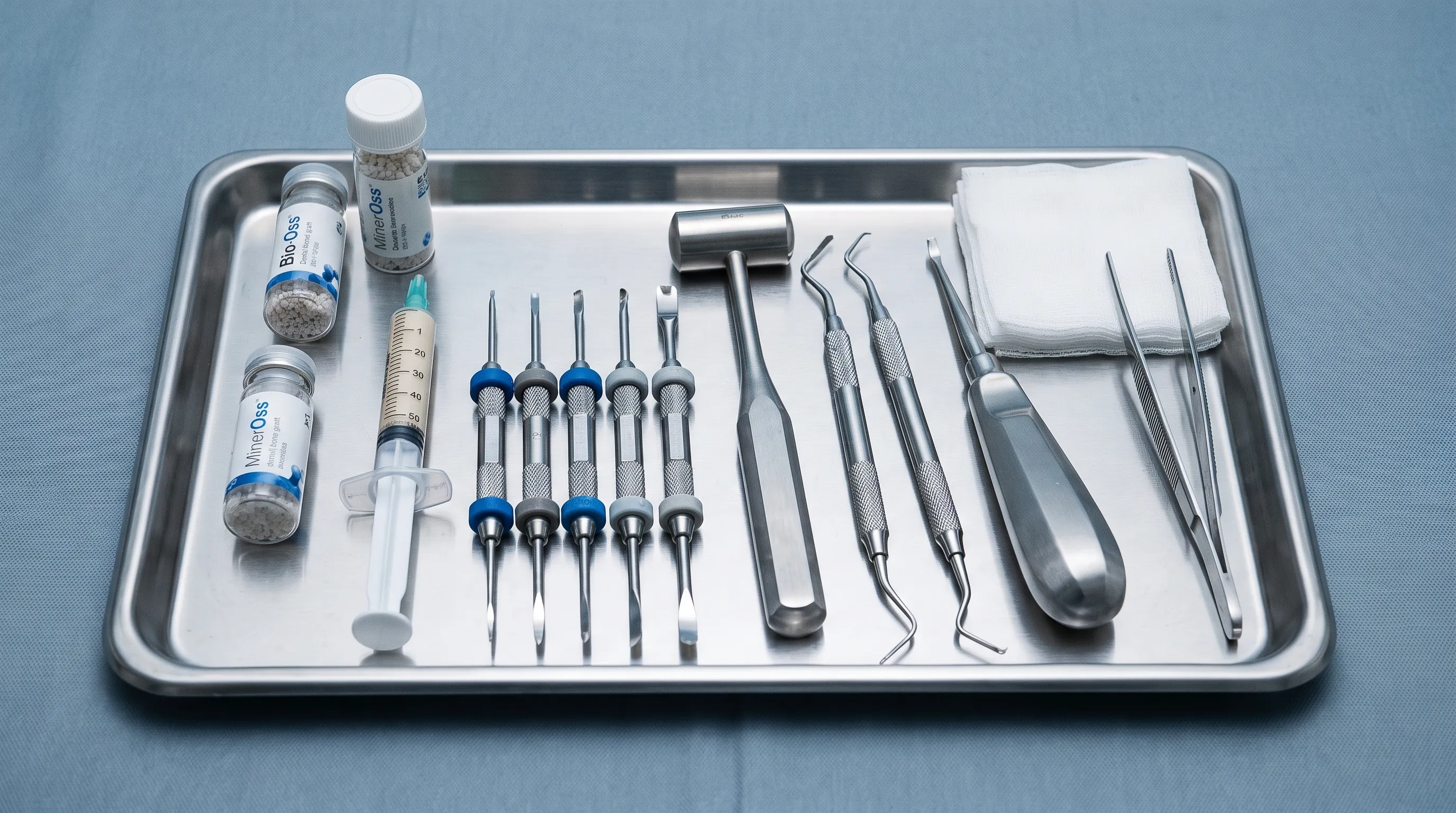
The procedure typically begins with local anesthesia, often supplemented by nitrous oxide, oral sedation, or intravenous sedation depending on patient anxiety and case complexity. The surgeon makes a precise crestal incision to expose the alveolar ridge and creates a small osteotomy to access the sinus floor. Using specialized elevators, the Schneiderian membrane is carefully detached from the underlying bone, forming a tent-like space. Graft material is then packed into the elevated area, ensuring gentle compression without overpacking, which could compromise vascularization. The site is closed with resorbable sutures, and a protective dressing or sinus protocol splint may be applied. The lateral window technique is preferred when less than four millimeters of bone remains, while the crestal osteotome approach suits patients with moderate bone volume and minimal elevation needs Mayo Clinic: Dental Implants & Grafting. Each method carries distinct surgical time requirements, instrument costs, and skill demands that factor into the overall sinus augmentation cost.
Graft Materials: Autogenous, Allograft, Xenograft, and Synthetic
The choice of bone graft material significantly influences healing timelines, success rates, and procedural pricing. Autogenous grafts harvested from the patient’s chin, ramus, or iliac crest offer the highest osteogenic potential but require a secondary surgical site and longer operative time, increasing costs. Allografts from accredited human tissue banks provide excellent structural support without donor-site morbidity and are widely used in routine sinus lifts. Xenografts derived from bovine or porcine sources act as a slow-resorbing scaffold that integrates well with native bone, making them ideal for long-term volume maintenance. Synthetic calcium phosphate and bioactive glass materials offer consistent quality and eliminate biological compatibility concerns but may carry higher procurement costs. Surgeons often blend materials to optimize handling properties and regenerative capacity. Understanding these options helps patients evaluate why one quote may differ significantly from another and clarifies how material selection impacts the final sinus augmentation cost.
Recovery, Aftercare, and Long-Term Success
The post-operative phase is equally as critical as the surgery itself. Proper aftercare dictates graft integration, minimizes complications, and determines whether the implant timeline proceeds smoothly or requires intervention. Sinus healing follows a predictable biological sequence that demands patience, strict adherence to clinical instructions, and proactive symptom monitoring. Patients who rush recovery or ignore warning signs risk graft failure, infection, or implant loss, which ultimately increases the true sinus augmentation cost through revision procedures. The following guidelines outline evidence-based recovery protocols and long-term maintenance strategies.
Immediate Post-Operative Guidelines
The first seventy-two hours are the most critical for initial healing. Patients should maintain an elevated head position to reduce swelling, apply cold compresses intermittently, and stick to a soft, cool diet. Biting, chewing, or applying pressure to the surgical site must be avoided. Nasal blowing, sneezing with the mouth closed, smoking, and using straws create negative pressure that can disrupt the membrane seal and displace the graft. Surgeons typically prescribe antibiotics, anti-inflammatory medications, and antimicrobial rinses to prevent infection. Following these protocols meticulously reduces inflammation, supports clot stabilization, and creates an optimal environment for early bone regeneration. Deviating from these instructions is a leading cause of preventable complications and unexpected follow-up expenses.
Managing Pain, Swelling, and Infection Risks
Moderate pain and swelling peak around day two or three before gradually subsiding. Over-the-counter analgesics combined with prescribed medications usually provide adequate relief. If pain intensifies, fever develops, or purulent discharge emerges, patients must contact the surgical team immediately. Early infection requires prompt intervention, often involving targeted antibiotics and wound irrigation. Smoking dramatically increases failure rates by constricting blood vessels, reducing oxygen delivery, and impairing osteoblast activity. Patients who smoke should commit to cessation at least two weeks before and after surgery. Managing these variables proactively ensures smooth healing, protects the financial investment, and prevents the sinus augmentation cost from escalating due to corrective interventions.
Follow-Up Appointments and Bone Healing Timeline
Healing is a gradual biological process that cannot be rushed. Sutures are typically removed within seven to fourteen days, while CBCT scans assess graft maturation at three to four months. Complete bone remodeling and vascularization usually take four to nine months, depending on graft composition and patient health NIH: Bone Regeneration & Healing Timelines. Once radiographic evidence confirms adequate density, the patient proceeds to implant placement. Skipping follow-up appointments delays treatment, extends recovery timelines, and increases long-term costs. Maintaining scheduled visits allows the surgical team to monitor progress, adjust healing protocols if necessary, and ensure the sinus augmentation cost translates directly into predictable, long-lasting implant success.
Alternatives to Traditional Sinus Lift Surgery
While sinus augmentation remains the most predictable method for restoring posterior maxillary bone, it is not the only option. Advancements in implant design, surgical techniques, and prosthetic engineering have created viable alternatives that bypass the maxillary sinus entirely or leverage existing bone differently. These alternatives may reduce upfront surgical expenses, shorten treatment timelines, or eliminate the need for grafting altogether. However, they require specific anatomical conditions, advanced surgical expertise, and careful case selection. Evaluating these options helps patients understand whether the sinus augmentation cost represents the best value for their unique clinical situation.
Zygomatic Implants as a Cost-Effective Option
Zygomatic implants anchor into the dense zygomatic bone rather than the atrophic maxilla, completely eliminating the need for sinus grafting in severely resorbed cases. These extra-long implants require specialized surgical training and precise angulation but offer immediate stability and faster prosthetic loading Cleveland Clinic: Advanced Dental Implants. While the initial surgical fee may rival or exceed traditional sinus lifts, the elimination of grafting materials, extended healing periods, and multiple surgical stages often results in comparable or lower total treatment costs. Zygomatic protocols are particularly advantageous for patients with extreme bone loss who would otherwise face multiple revision grafts. Consulting with a maxillofacial specialist experienced in zygomatic rehabilitation ensures accurate case selection and realistic pricing.
Tilted Implants and All-on-4 Techniques
The All-on-4 protocol strategically angles implants to maximize available anterior maxillary bone, distributing occlusal forces across fewer fixtures while avoiding the sinus cavity entirely. This approach eliminates the need for posterior augmentation in many full-arch rehabilitation cases. By tilting distal implants, surgeons achieve longer engagement in native bone and reduce cantilever forces. While primarily used for edentulous patients, the principle demonstrates how surgical planning can bypass the sinus and reduce procedural complexity. When viable, these techniques can significantly lower the cumulative sinus augmentation cost by consolidating treatment into fewer surgical sessions and reducing material expenses.
Non-Surgical Approaches and When to Avoid Them
Some marketing materials promote non-surgical sinus lifts using minimally invasive drills or hydraulic techniques. While crestal osteotome methods reduce invasiveness, they still involve surgical intervention and cannot fully replace lateral window procedures in cases with minimal bone height. Patients with active sinus infections, uncontrolled allergies, or severe anatomical variations may require medical sinus treatment before any implant surgery. Delaying surgical intervention until systemic or local pathologies are resolved prevents catastrophic complications and avoids the long-term financial drain of failed grafts. Recognizing when to proceed, when to modify, and when to pause ensures that the sinus augmentation cost aligns with safe, predictable outcomes.
Frequently Asked Questions
What factors most influence the sinus augmentation cost?
The sinus augmentation cost is primarily driven by geographic location, the type of graft material used, the surgical approach (lateral window vs. osteotome), surgeon experience, and facility fees. Additional variables include pre-operative 3D imaging, anesthesia type, and whether multiple procedures are combined. Comprehensive treatment plans often range between $1,500 and $5,000 per side, but precise pricing requires a clinical evaluation.
Does dental insurance typically cover sinus lift procedures?
Most standard dental insurance plans classify sinus augmentation as a major or surgical procedure, typically covering 30% to 50% of the cost after deductibles. Coverage limits often cap at $1,500 to $2,000 annually. Medical insurance may cover the procedure if deemed medically necessary due to trauma or congenital defects, but cosmetic or purely dental cases are usually excluded. Always verify pre-authorization requirements with your provider.
How long does full bone integration take after the procedure?
Complete bone graft maturation and integration typically require four to nine months, depending on the graft material and patient health factors like smoking status, age, and systemic conditions. During this period, the sinus membrane heals and new bone forms around the graft particles. Regular follow-up CBCT scans are recommended to confirm adequate bone density before dental implant placement.
Are there safer, non-surgical alternatives to sinus augmentation?
While the lateral window and crestal approaches remain the gold standards, alternatives like zygomatic implants or pterygoid implants bypass the maxillary sinus entirely and can eliminate the need for grafting. Tilted implant techniques like All-on-4 also leverage available bone in the anterior maxilla, avoiding sinus surgery altogether. However, these alternatives require specialized surgical expertise and are not suitable for every anatomical situation.
What are the signs of a failed sinus lift, and how is it managed?
Warning signs include persistent nasal congestion, foul-tasting discharge, severe facial pain, fever, or visible implant mobility. Acute complications may involve sinus membrane perforation, graft migration, or infection. Management depends on severity but often involves antibiotics, debridement, saline irrigation, and sometimes a secondary grafting procedure. Early intervention significantly improves outcomes and reduces the need for revision surgery.
Conclusion
Navigating the sinus augmentation cost requires more than comparing quotes; it demands a clear understanding of clinical complexity, material science, surgical expertise, and long-term financial planning. The procedure is a cornerstone of modern implant dentistry, restoring the anatomical foundation necessary for predictable, lifelong tooth replacement. By recognizing how diagnostic imaging, graft selection, facility type, and surgeon experience influence pricing, patients can evaluate treatment proposals with confidence. Proactive insurance verification, strategic use of tax-advantaged accounts, and disciplined post-operative care protect both clinical outcomes and financial investments. While alternative techniques like zygomatic or tilted implants offer pathways for select cases, traditional sinus augmentation remains the most widely validated solution for posterior maxillary rehabilitation. Ultimately, the true value of the procedure lies not in the upfront price tag, but in the restoration of chewing function, prevention of progressive bone loss, and preservation of facial structure. Consulting with a board-certified oral surgeon, requesting detailed itemized estimates, and adhering strictly to evidence-based recovery protocols ensures that your investment translates into lasting, life-changing results. Prioritize expertise over discounts, verify coverage thoroughly, and commit to the healing timeline—your smile and your wallet will benefit from informed, disciplined decision-making.
| Procedure Component | Estimated Cost Range (Per Side) | Insurance Coverage Potential | Notes |
|---|---|---|---|
| Diagnostic CBCT Scan | $200 - $400 | Low (often excluded) | Required for 3D planning |
| Lateral Window Sinus Lift | $1,800 - $3,500 | Moderate (major service) | Higher bone deficit cases |
| Crestal Osteotome Lift | $1,200 - $2,500 | Moderate (major service) | Minimal bone loss cases |
| Bone Graft Material | $300 - $800 | Low (often considered supply) | Xenograft most common |
| Anesthesia & Facility Fee | $400 - $1,200 | Varies widely | Sedation increases cost |
| Total Average Range | $3,500 - $6,000 | Capped at $1,500-$2,500 | Bilateral doubles estimates |
How we work
Researched and drafted with AI assistance, then reviewed by a human editor against the cited sources.
This article is general health information, not medical advice. Consult a qualified healthcare professional about your own situation.