Balloon Sinuplasty Cost: A Comprehensive Financial Guide

Living with chronic sinus inflammation, persistent congestion, and recurrent infections can severely impact your quality of life. When conservative treatments like nasal sprays, antibiotics, and allergy medications fail to provide lasting relief, surgical intervention often becomes the next logical step. Among modern minimally invasive options, balloon sinuplasty has emerged as a highly effective solution for reopening blocked sinus pathways. However, before committing to any medical procedure, understanding the financial commitment is just as crucial as evaluating the clinical benefits. The balloon sinuplasty cost can vary significantly based on multiple factors, including geographic location, facility type, insurance coverage, and the complexity of your individual anatomy. Navigating healthcare billing, deciphering insurance terminology, and identifying hidden fees requires careful planning. This comprehensive guide breaks down everything you need to know about financing your procedure, comparing pricing models, exploring payment alternatives, and ensuring you receive high-quality care without unexpected financial strain. By examining real-world pricing data, insurance guidelines, and patient budgeting strategies, you will gain the knowledge necessary to make a confident, informed decision about your sinus health journey.
Understanding Balloon Sinuplasty and Its Financial Implications
To fully grasp the financial landscape of this procedure, it is essential to first understand what the treatment entails and why it commands its specific pricing structure. Unlike traditional sinus surgery, which often involves cutting bone and tissue to create new drainage pathways, balloon sinuplasty utilizes a flexible catheter equipped with a small, inflatable balloon to gently expand narrowed sinus openings. This minimally invasive dilation technique preserves healthy mucosal tissue, minimizes bleeding, and typically allows for a much faster recovery. Because the procedure is less invasive, it fundamentally alters the billing structure compared to historical surgical standards. Understanding the medical mechanics behind the balloon sinuplasty cost helps patients recognize why certain line items appear on their bills and why facility choices dramatically influence the final price tag. The procedure is FDA-approved and has been performed on millions of patients worldwide, establishing a standardized yet variable pricing model that depends heavily on clinical setting and regional market forces.
Free calculatorDosage CalculatorCalculate medication dosageOpen the calculatorWhat Is Balloon Sinuplasty?
Balloon sinuplasty, clinically referred to as balloon catheter dilation of paranasal sinus ostia, is an outpatient procedure designed to restore normal sinus ventilation and drainage. During the treatment, an ear, nose, and throat specialist inserts a thin, flexible catheter through the nostril and navigates it into the blocked sinus cavity using image guidance or endoscopic visualization. Once properly positioned, the balloon is inflated for a few seconds to remodel the bony and tissue structures, then deflated and removed. The entire process typically takes between fifteen and forty-five minutes when performed in isolation. Because it preserves tissue integrity, post-operative pain is significantly reduced compared to traditional tissue-removing surgeries. The preservation of healthy mucosa also lowers the risk of scar tissue formation, which can sometimes lead to recurrent blockages. Clinicians often combine the balloon sinuplasty cost with other interventions, such as septoplasty or turbinate reduction, if structural abnormalities contribute to the patient's symptoms. Understanding these clinical nuances is vital when requesting itemized estimates, as combined procedures will naturally increase the baseline pricing.
Who Is a Good Candidate for the Procedure?
Not every patient with sinus issues is automatically qualified for balloon dilation. Insurance carriers and surgical centers evaluate medical necessity based on strict criteria. Ideal candidates typically suffer from chronic sinusitis that has persisted for at least twelve weeks despite optimal medical therapy, including topical corticosteroids, saline irrigations, and targeted antibiotic courses (NIH Clinical Guidelines). Additionally, patients with recurrent acute sinusitis episodes, isolated frontal or maxillary sinus blockages, and those who cannot tolerate prolonged general anesthesia often benefit most. Contraindications include severe anatomical deformations requiring structural reconstruction, extensive nasal polyposis (which usually requires tissue excision), or active fungal sinus infections. When evaluating your candidacy, your specialist will review CT imaging, nasal endoscopy findings, and your treatment history to determine the appropriate clinical pathway. This diagnostic phase is factored into the overall balloon sinuplasty cost, as imaging studies, consultations, and pre-operative clearance appointments generate separate billing codes. Recognizing whether you are a true candidate helps prevent financial losses associated with scheduling a procedure that insurance may later deem elective or non-essential.
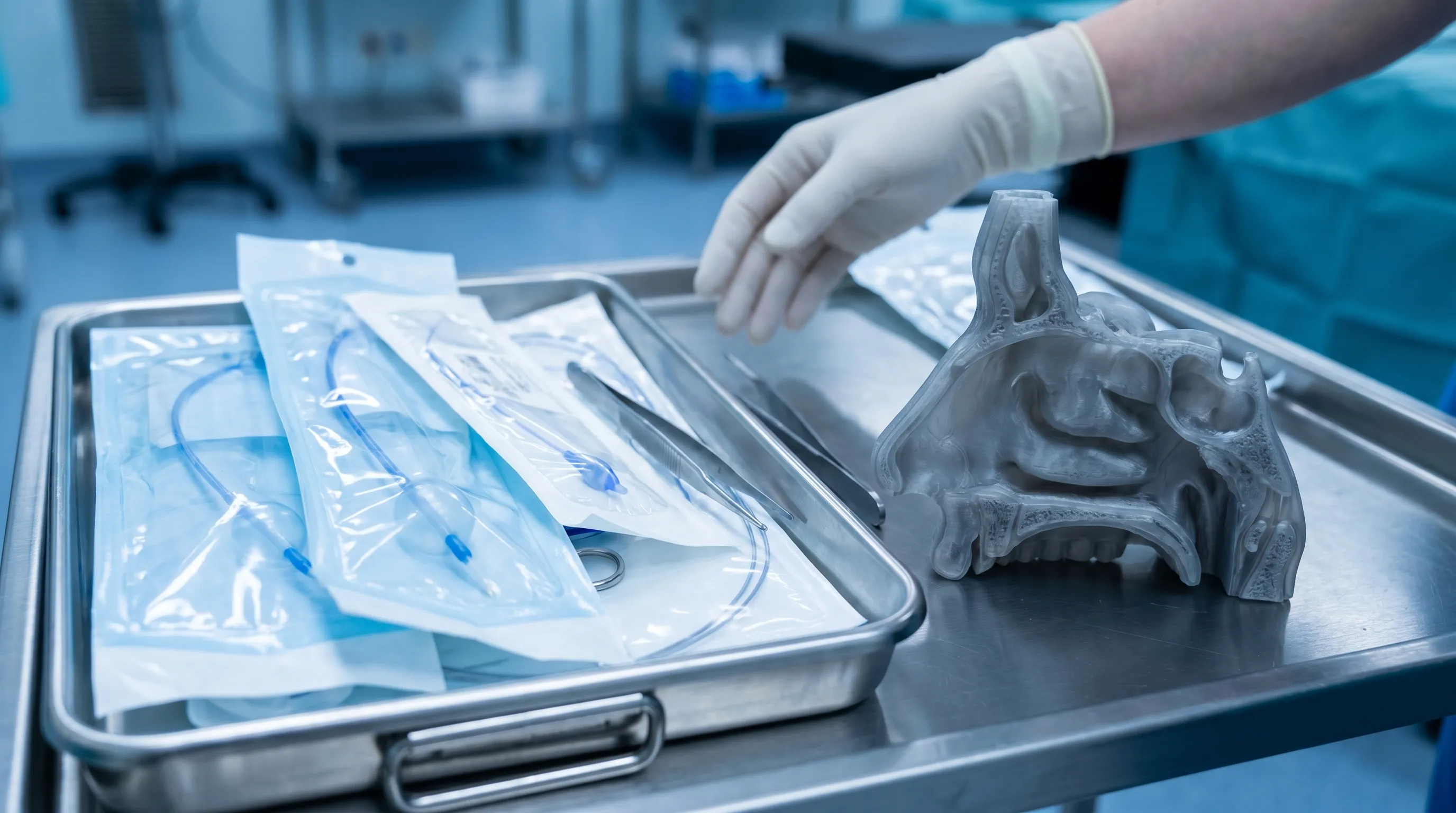
Breaking Down the Balloon Sinuplasty Cost
Medical billing can appear opaque, but surgical expenses generally fall into predictable categories. Deconstructing the total invoice allows patients to identify where their money is allocated and which line items offer the most flexibility for negotiation. The average national balloon sinuplasty cost ranges from $3,000 to $12,000, though this broad spectrum reflects significant regional disparities and facility variations. By understanding how surgeon fees, facility charges, and ancillary expenses interact, you can better anticipate your financial responsibility and ask the right questions during your pre-operative consultations.
Average Price Range Nationwide
National healthcare databases consistently show that standalone balloon sinuplasty procedures average between $5,000 and $8,000 when accounting for all clinical components. However, self-pay or cash-pay patients often encounter promotional pricing from specialized ENT clinics, which may reduce the total to the $3,000 to $4,500 range. These discounted rates usually apply when the procedure is performed in an accredited office-based surgical suite rather than a hospital. The baseline cost covers the surgical device kit, physician time, standard post-operative care, and routine follow-up visits. It is important to note that device manufacturers set wholesale prices for the catheter systems, which directly influences the surgeon's purchase cost and, subsequently, the patient's final invoice. Supply chain fluctuations, FDA regulatory updates, and institutional group purchasing agreements can all cause the baseline balloon sinuplasty cost to shift upward or downward over time.
Facility Fees Versus Physician Fees
The largest variable in surgical pricing typically comes from the facility fee. Hospitals charge significantly more for operating room access, sterilization protocols, nursing staff, and administrative overhead than outpatient surgery centers or physician-owned clinics. Physician fees compensate the surgeon for their expertise, procedural execution, and post-operative management, usually accounting for thirty to forty percent of the total invoice. Facility fees can represent fifty to sixty percent, especially when general anesthesia is administered in a hospital environment. When comparing quotes, always request a clear breakdown between professional fees and facility charges. Some clinics offer all-inclusive pricing that bundles both components, which simplifies budgeting. Understanding this separation is crucial when evaluating whether your insurance network covers specific facilities, as out-of-network hospital charges can trigger surprise billing even if your surgeon is in-network.
Anesthesia, Imaging, and Ancillary Expenses
Anesthesia administration adds another layer to the balloon sinuplasty cost structure. Procedures performed under local anesthesia with mild sedation in an office setting typically cost $300 to $800 less than those requiring general anesthesia administered by a certified anesthesiologist. Pre-operative imaging, specifically high-resolution CT scans of the paranasal sinuses, ranges from $250 to $1,200 depending on whether it is read by a radiologist or the surgeon directly. Additional ancillary expenses include pre-surgical laboratory work, prescription medications, specialized saline irrigation systems, and potential allergy testing. Patients with complex comorbidities may require cardiology clearance or advanced airway management consultations, further increasing the baseline investment. Always verify whether your quoted price includes these ancillary services, as they are frequently billed separately and can unexpectedly inflate your final out-of-pocket responsibility.
Insurance Coverage and Out-of-Pocket Expenses
Health insurance dramatically alters the financial landscape of sinus surgery. Navigating policy language, meeting medical necessity thresholds, and understanding your benefit structure are essential steps in predicting your actual financial obligation. While balloon sinuplasty is widely recognized by major carriers, coverage is never guaranteed until authorization is formally approved. Misunderstanding your plan's specific requirements is the leading cause of denied claims and unexpected medical debt.
Does Health Insurance Cover Balloon Sinuplasty?
The vast majority of commercial health insurance plans, Medicare Advantage, and employer-sponsored policies cover balloon sinuplasty when specific clinical criteria are met. Payers typically require documentation of chronic sinusitis lasting longer than three months, failure of at least three months of maximal medical therapy, and confirmatory CT imaging demonstrating mucosal thickening or ostial obstruction. Once these thresholds are satisfied, the balloon sinuplasty cost is classified as a covered medical benefit rather than a cosmetic or elective procedure. However, coverage percentages vary widely. Standard PPO and HMO plans often cover 70 to 80 percent of the allowable amount after deductibles are met, while high-tier platinum plans may cover 90 percent. It is critical to verify that both your surgeon and the chosen surgical facility are contracted with your specific network tier, as out-of-network services can trigger coinsurance rates as high as 40 to 50 percent of the total billed charge. For comprehensive guidance on managing healthcare costs and insurance navigation, consult resources like the Mayo Clinic health insurance guide.
Navigating Prior Authorization and Medical Necessity
Prior authorization serves as the gatekeeping mechanism for insurance coverage. Your physician's billing department submits clinical documentation, including progress notes, medication histories, imaging reports, and diagnostic codes, to your insurance carrier for review. This process typically takes seven to fourteen business days. Delays occur when documentation lacks sufficient detail regarding conservative treatment failures or when diagnosis codes do not align with current medical necessity guidelines. Patients can proactively reduce authorization denials by ensuring their medical records accurately reflect symptom severity, frequency of infections, and documented lack of response to previous therapies. If an initial request is denied, your provider can appeal the decision with additional peer-reviewed literature and clinical justifications. Understanding that the balloon sinuplasty cost will not be reimbursed without formal pre-approval is essential; proceeding without authorization shifts the entire financial burden to the patient.
High-Deductible Plans, Copayments, and Coinsurance
Modern health plans increasingly rely on high-deductible health plans (HDHPs), which require patients to pay the full negotiated rate until their annual deductible is satisfied. If your deductible is $3,000 and the negotiated balloon sinuplasty cost is $6,500, you will likely pay the first $3,000 out-of-pocket, after which coinsurance (typically 20 percent) applies to the remaining $3,500. This results in a total patient responsibility of $3,700, compared to a flat copayment under a traditional PPO. Patients must contact their insurer to obtain exact deductible balances, accumulated payments, and coinsurance percentages before scheduling. Many providers now offer good faith estimates, as mandated by federal transparency laws, which outline your expected financial responsibility based on current deductibles and plan design. Utilizing these tools prevents billing surprises and allows you to explore financing options before undergoing treatment.
Geographic Variations in Balloon Sinuplasty Cost
Healthcare pricing in the United States is heavily influenced by regional economic factors, market competition, and cost of living adjustments. The same procedure can cost drastically different amounts depending on the state, county, or even neighborhood where it is performed. Understanding these geographic disparities empowers patients to make strategic decisions about where to seek care.
Regional Pricing Differences Across the United States
Coastal metropolitan areas and regions with high concentrations of academic medical centers typically report the highest balloon sinuplasty cost figures. Northeast corridors and West Coast markets often see total charges exceeding $10,000 due to elevated operational expenses, higher physician salary benchmarks, and increased facility accreditation fees. Conversely, Midwest and Southern states frequently report pricing between $3,500 and $6,000, reflecting lower real estate costs, reduced nursing wage demands, and competitive market pricing among independent ENT groups. Medicare regional fee schedules heavily influence commercial payer negotiations, meaning areas with higher Medicare geographic practice cost indices (GPCIs) naturally experience inflated private insurance and self-pay rates. Patients with flexible travel arrangements or those enrolled in telehealth consultation networks sometimes successfully schedule procedures in lower-cost regions to maximize savings, though this strategy must be carefully weighed against post-operative follow-up logistics.
Urban Medical Centers Versus Rural Clinics
Urban teaching hospitals often charge premium rates due to their comprehensive trauma capabilities, advanced imaging infrastructure, and research affiliations. While these centers excel at handling complex, high-risk cases, they are rarely the most cost-effective option for straightforward balloon dilation procedures. Rural clinics and suburban outpatient surgery centers typically operate with leaner overhead, passing those savings directly to patients and insurers. Independent physician-owned facilities frequently negotiate better bulk purchasing agreements for surgical supplies, further reducing the baseline balloon sinuplasty cost. However, rural patients must verify that their chosen facility maintains proper accreditation from organizations like the AAAASF or Joint Commission, ensuring safety standards match those of metropolitan hospitals. Evaluating facility credentials alongside pricing data guarantees that cost savings do not compromise clinical quality.
Financing Options and Cost-Saving Strategies
When insurance coverage falls short or deductibles remain high, patients have numerous financial pathways to secure treatment. Proactive budgeting, strategic account utilization, and direct negotiations with providers can significantly reduce the immediate financial burden. Understanding these mechanisms transforms a potentially overwhelming expense into a manageable healthcare investment.
Medical Loans, Credit Lines, and Payment Plans
Specialized medical financing companies, such as CareCredit and Alphaeon Credit, offer revolving credit lines exclusively for healthcare expenses. These programs frequently feature promotional periods ranging from six to twenty-four months with zero percent interest, provided the balance is paid in full by the maturity date. Traditional bank personal loans represent another viable alternative, offering fixed interest rates and predictable monthly installments. Many ENT practices partner directly with financing vendors to streamline the application process, often approving patients with average credit scores in minutes. When evaluating these options, always read the deferred interest clauses carefully; failing to pay off the balance before the promotional window expires can trigger retroactive interest rates exceeding 25 percent. Establishing a structured payment plan directly with your surgeon's billing office is another reliable strategy, as many clinics offer interest-free in-house financing for qualified patients, keeping the balloon sinuplasty cost within manageable monthly budgets.
Leveraging Health Savings Accounts and Flexible Spending Accounts
Tax-advantaged medical accounts provide immediate financial relief by allowing patients to pay for qualified procedures with pre-tax dollars. Contributions to Health Savings Accounts (HSAs) and Flexible Spending Accounts (FSAs) reduce your taxable income, effectively discounting the balloon sinuplasty cost by your marginal tax bracket percentage. For example, a $5,000 procedure paid through an HSA saves approximately $1,000 to $1,500 in federal and state taxes for many middle-income earners. FSAs operate under a use-it-or-lose-it annual framework, making them ideal for patients who have already contributed funds and need to utilize them before the plan year ends. HSAs offer superior flexibility, allowing unused balances to roll over indefinitely and accrue investment growth. Maximizing these accounts before scheduling your procedure ensures you capture the full tax benefit while maintaining liquidity for post-operative care expenses.
Negotiating Cash-Pay Discounts and Hospital Billing
Healthcare providers are increasingly transparent about self-pay pricing due to federal transparency mandates and competitive market pressures. Patients who do not intend to use insurance or who face high-deductible barriers should always inquire about cash-pay discounts. Independent surgery centers and private ENT practices frequently reduce their balloon sinuplasty cost by 15 to 30 percent for patients who pay in full upfront, bypassing insurance administrative fees and delayed reimbursement cycles. Requesting an itemized superbill allows you to scrutinize every line charge and dispute inaccuracies such as duplicate imaging fees or unbundled surgical codes. Additionally, nonprofit hospitals are legally required to offer financial assistance programs for qualifying low-to-moderate income patients. Applying for charity care or sliding-scale discounts can dramatically reduce or entirely eliminate your financial obligation, making it imperative to submit the required documentation before finalizing your payment arrangement.

Comparing Balloon Sinuplasty Cost to Traditional Surgery
Historical treatment protocols relied heavily on tissue-removing techniques that, while effective, carried higher financial and recovery burdens. Modern balloon dilation offers a streamlined alternative, but understanding how its pricing compares to functional endoscopic surgery provides crucial context for long-term value assessment.
Functional Endoscopic Sinus Surgery (FESS) Pricing Overview
Traditional Functional Endoscopic Sinus Surgery (FESS) typically costs between $10,000 and $25,000 depending on surgical complexity, extent of tissue resection, and anesthesia duration. The higher price reflects longer operating room utilization, specialized surgical instrumentation, increased staffing requirements, and higher complication monitoring protocols. FESS often requires inpatient observation or extended outpatient recovery, further inflating facility charges. Insurance carriers generally classify FESS as a medically necessary intervention for severe polyposis or extensive fungal disease, but the out-of-pocket responsibility remains substantially higher for most patients. When evaluating the balloon sinuplasty cost against FESS pricing, patients should consider that balloon dilation eliminates the need for tissue packing, reduces post-operative clinic debridement visits, and minimizes prescription medication requirements, creating additional downstream savings.
Long-Term Value, Recovery Time, and Hidden Expenses
Beyond the immediate procedural fee, hidden costs significantly impact the true financial burden of sinus surgery. Traditional approaches typically require one to three weeks away from work due to post-operative fatigue, pain management, and mandatory debridement appointments. Balloon sinuplasty patients frequently return to normal activities within two to three days, preserving income and reducing indirect financial strain. Additionally, lower post-operative infection rates and minimal bleeding reduce emergency room visits and additional medication costs. While balloon dilation may not resolve extensive nasal polyps or severe structural deviations requiring septal reconstruction, its minimally invasive nature makes it highly cost-effective for patients with isolated ostial obstruction. Evaluating the total cost of ownership, including lost wages, follow-up visits, and medication expenses, demonstrates why the balloon sinuplasty cost often represents a superior long-term financial investment for appropriate candidates.
Practical Steps to Budget and Prepare
Financial preparation requires systematic action. Patients who approach the scheduling process with organized documentation, verified benefit information, and clear communication with billing departments consistently experience fewer billing disputes and smoother payment processes. Implementing these actionable strategies ensures you maintain full control over your healthcare expenditures.
Understanding CPT Codes and Requesting Itemized Estimates
Medical billing relies on Current Procedural Terminology (CPT) codes to communicate services to insurance carriers and billing departments. The primary codes for balloon sinuplasty include 31295 (nasal/sinus endoscopy, surgical; with dilation of frontal sinus ostium), 31296 (maxillary sinus ostium), 31297 (sphenoid sinus ostium), and 31298 (ethmoid sinus ostium). Requesting an estimate that lists each applicable CPT code allows you to verify coverage tiers accurately. Insurance plans may apply different reimbursement rates to each code, especially when multiple sinus cavities are treated during a single session. Always ask your provider's financial coordinator to run a benefits investigation using these exact codes before signing surgical consents. Comparing the estimate against your Explanation of Benefits (EOB) guarantees alignment between projected and actual charges.
Verifying Network Status and Avoiding Surprise Billing
Federal and state consumer protection laws now restrict surprise billing for emergency and certain scheduled services, but loopholes still exist when anesthesia or assistant surgeons are contracted out-of-network. Always confirm that your surgeon, surgical facility, and anesthesiology group participate in your insurance network. Request written confirmation from each provider and retain the documentation. If any provider operates outside your network, negotiate a single-case agreement or request that your insurer process the claim at in-network rates. Documenting every phone call, saving written estimates, and reviewing your plan's summary of benefits creates a protective paper trail. Proactive verification ensures the balloon sinuplasty cost remains within your anticipated budget and prevents devastating post-operative invoice surprises.
Frequently Asked Questions
How much does balloon sinuplasty typically cost without insurance?
Without insurance, the total balloon sinuplasty cost typically ranges from $3,000 to $12,000, depending on geographic location, facility type, and anesthesia requirements. Office-based procedures often fall on the lower end of this spectrum, while hospital-based surgeries with general anesthesia trend higher. Patients paying cash should request bundled pricing to secure the best possible rate.
Does health insurance cover balloon sinuplasty?
Most major health insurance providers cover balloon sinuplasty when it is deemed medically necessary. Coverage usually requires documented failure of conservative treatments, a formal diagnosis of chronic sinusitis, and prior authorization. Patients should verify their specific plan's deductible, coinsurance rates, and network status before scheduling to avoid unexpected financial liability.
Is balloon sinuplasty more expensive than traditional FESS surgery?
Balloon sinuplasty is generally more affordable than Functional Endoscopic Sinus Surgery (FESS). FESS often costs between $10,000 and $25,000 due to longer operating room times, higher anesthesia requirements, and extended recovery protocols. Balloon sinuplasty's minimally invasive nature reduces facility fees, medication costs, and indirect expenses like lost wages, making it a cost-effective alternative for eligible patients.
Can I use an HSA or FSA to pay for balloon sinuplasty?
Yes, balloon sinuplasty qualifies as a medically necessary procedure under IRS guidelines, making it eligible for tax-free payment through Health Savings Accounts (HSAs) and Flexible Spending Accounts (FSAs). Using these accounts can reduce your effective out-of-pocket expense by up to 30 percent depending on your marginal tax bracket. Ensure your account administrator classifies the procedure as eligible before making payments.
What financing options are available if I cannot pay upfront?
Patients can utilize medical credit cards like CareCredit, in-house clinic payment plans, or traditional personal loans. Many ENT practices offer 12 to 24 month interest-free financing for qualified applicants. It is also worth negotiating cash-pay discounts, requesting payment scheduling extensions, or inquiring about hospital financial assistance programs if you meet income-based qualification criteria.
Conclusion
Navigating the financial aspects of sinus surgery requires careful planning, transparent communication, and a clear understanding of your insurance benefits. While the balloon sinuplasty cost varies widely based on location, facility type, and individual clinical needs, proactive budgeting and strategic use of tax-advantaged accounts can significantly reduce your financial burden. Always prioritize clinical expertise and accredited facilities over the lowest available price, as surgical quality directly impacts your long-term sinus health and recovery trajectory. By requesting detailed estimates, verifying network participation, utilizing medical financing responsibly, and understanding your coverage parameters, you can confidently invest in your respiratory wellness without compromising financial stability. Consult your ENT specialist, run a comprehensive benefits verification, and develop a personalized payment strategy to ensure your journey toward clear, unobstructed breathing remains both medically effective and financially sustainable.
How we work
Researched and drafted with AI assistance, then reviewed by a human editor against the cited sources.
This article is general health information, not medical advice. Consult a qualified healthcare professional about your own situation.