Hole in Gum Between Teeth: Causes, Treatments, and Prevention Guide
Key points
- Redness and Swelling: Healthy gums are pale pink and firm. Inflamed gums appear red, swollen, and shiny.
- Bleeding: Gums that bleed during brushing or flossing are a primary sign of gingivitis. This bleeding indicates that the tissue is compromised and inflamed.
- Bad Breath: Persistent bad breath (halitosis) or a bad taste in the mouth can indicate the presence of bacteria in deep gum pockets.
- Sensitivity: As gums recede, the tooth roots become exposed. Roots do not have the protective enamel layer, making them sensitive to hot, cold, or sweet stimuli.
Noticing a change in your smile can be alarming, especially when you spot what appears to be a hole in gum between teeth. This unsettling discovery often raises immediate questions about oral health, potential pain, and the long-term viability of your teeth. While it might seem like a minor cosmetic issue at first glance, a gap or void in the gum tissue is frequently a sign of underlying biological processes that require attention. Whether it is a small indentation or a more significant void known as a "black triangle," understanding the root cause is the first step toward effective treatment and prevention.
The mouth is a complex ecosystem, and the gums play a critical role in anchoring teeth and protecting the underlying bone structure. When a hole in gum between teeth develops, it indicates that the delicate balance of this ecosystem has been disrupted. This disruption can stem from various factors, ranging from inadequate oral hygiene and bacterial buildup to traumatic injury or genetic predisposition. Ignoring these signs can lead to progressive damage, including tooth mobility and eventual loss. However, with modern dental advancements and a proactive approach to oral care, many of these issues are manageable and even reversible in their early stages.
In this comprehensive guide, we will delve deep into the causes, symptoms, and treatments associated with gum holes. We will explore the difference between temporary inflammation and permanent structural changes, discuss professional interventions, and provide actionable home care tips to maintain optimal gum health. By arming yourself with knowledge, you can take control of your oral health journey and ensure your smile remains healthy and vibrant for years to come.
Understanding the Anatomy of Gum Gaps
To fully grasp why a hole in gum between teeth occurs, it is essential to understand the anatomy of the periodontium—the supporting structure of the teeth. The gums, or gingiva, are not just passive covers; they are dynamic tissues that form a tight seal around each tooth. This seal prevents food particles and bacteria from entering the deeper structures of the jaw.
Free calculatorHeadache Location ChartIdentify headache types by locationOpen the calculatorThe Role of the Interdental Papilla
The specific area between two teeth is occupied by a triangular piece of gum tissue called the interdental papilla. In a healthy mouth, this papilla fills the space completely, creating a smooth contour. When this tissue recedes or is destroyed, it leaves behind a void. This void is often what patients describe as a hole in gum between teeth. Visually, it may appear as a dark space, commonly referred to in dentistry as a "black triangle," because the shadow of the mouth shows through the gap.
The loss of the interdental papilla is rarely an isolated event. It is usually accompanied by the loss of the underlying alveolar bone. The height of the gum tissue is directly supported by the height of the bone beneath it. Therefore, when bone levels drop due to disease or trauma, the gum tissue follows suit, creating the appearance of a hole. Understanding this relationship is crucial because treating the gum alone without addressing the bone support is often ineffective.
Periodontal Pockets vs. Recession
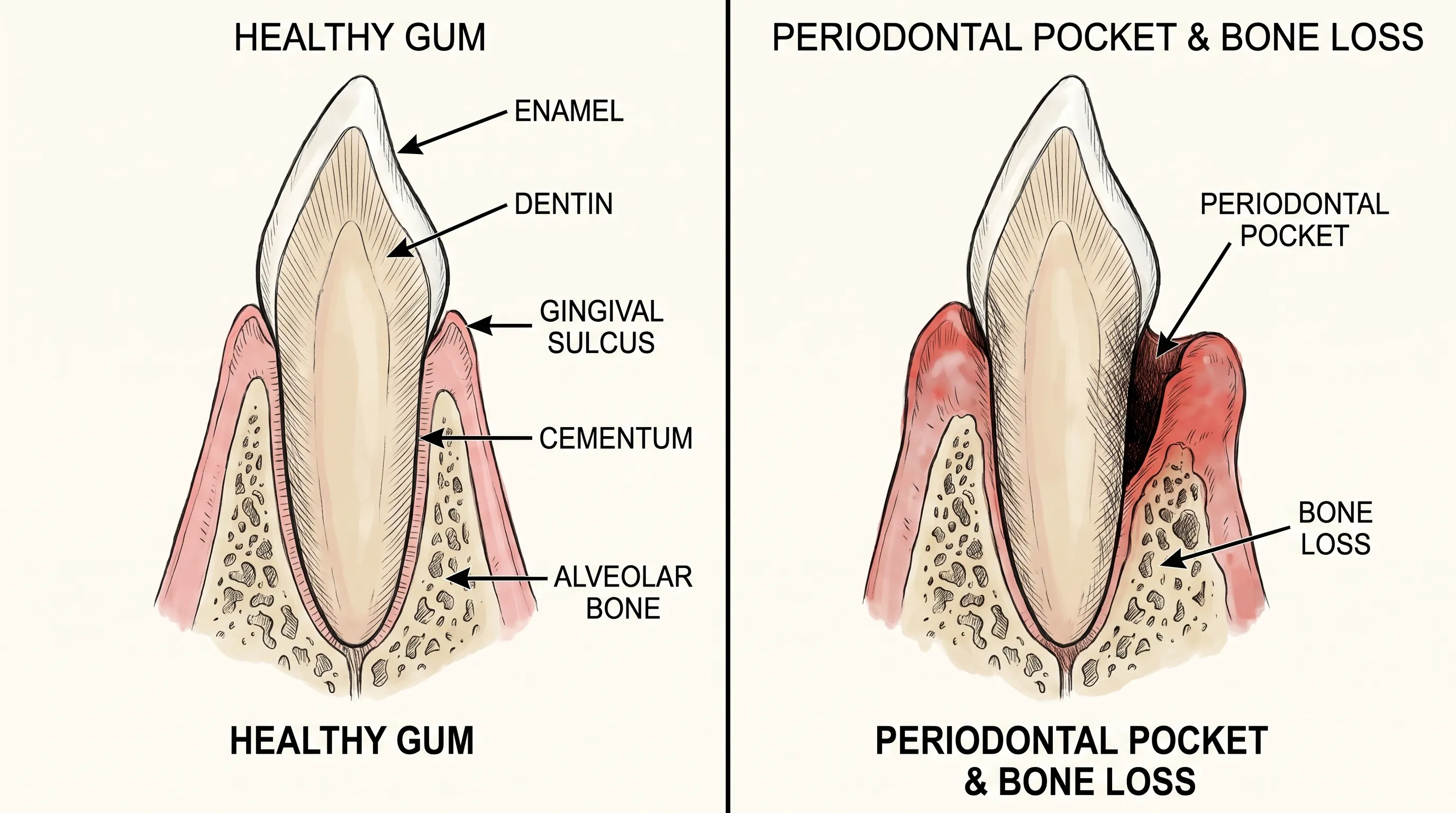
It is important to distinguish between two common conditions that present as gaps: periodontal pockets and gum recession. A periodontal pocket is a deepened space between the tooth and the gum that extends below the gum line. This is a hallmark of periodontitis. The gum may still look relatively high, but it has detached from the tooth, creating a hidden "hole" that traps bacteria.
Gum recession, on the other hand, involves the marginal gum tissue moving down the root surface. This exposes the root of the tooth and creates a visible gap between the teeth at the neck. Both conditions can coexist, and both contribute to the sensation or visual confirmation of a hole in gum between teeth. While recession is visible to the naked eye, periodontal pockets require professional probing to detect, making regular dental check-ups vital for early diagnosis.
Primary Causes of Holes in Gums
Identifying the root cause of a hole in gum between teeth is the cornerstone of effective treatment. While poor oral hygiene is a leading culprit, it is not the only factor. A multifactorial approach is necessary to understand why this condition develops in some individuals and not others.
Periodontal Disease: The Leading Culprit
Periodontal disease, commonly known as gum disease, is the most frequent cause of gum holes. It begins with gingivitis, an inflammation of the gums caused by plaque buildup. Plaque is a sticky film of bacteria that forms on teeth. If not removed daily through brushing and flossing, plaque hardens into tartar (calculus), which can only be removed by a dental professional.
As the disease progresses to periodontitis, the inner layer of the gum and bone pull away from the teeth, forming pockets. These pockets collect more debris and become infected. The body's immune system fights the bacteria, but the bacterial toxins and the enzymes produced by the body's response start to break down the bone and connective tissue that hold teeth in place. Eventually, the pockets deepen, and the gum tissue dies or recedes, leaving a noticeable hole in gum between teeth. According to the Centers for Disease Control and Prevention (CDC), nearly half of adults aged 30 years and older have some form of periodontal disease.
Aggressive Oral Hygiene Practices
Paradoxically, trying too hard to keep teeth clean can cause damage. Brushing with excessive force or using a toothbrush with hard bristles can erode the gum tissue over time. This mechanical trauma causes the gums to recede, exposing the roots and creating gaps between teeth. Similarly, improper flossing techniques, such as snapping the floss down into the gums rather than sliding it gently along the tooth surface, can cut into the interdental papilla, leading to localized recession and the formation of a small hole.
Anatomical Factors and Tooth Shape
Some individuals are predisposed to developing black triangles due to their natural anatomy. The shape of the teeth plays a significant role. Teeth that are triangular or have a narrow contact point near the chewing surface leave a larger open space near the gum line. If the interdental papilla is not robust enough to fill this space, a black triangle forms naturally. Additionally, if teeth are crowded or misaligned, the bone support between them may be thinner, making it more susceptible to loss and subsequent gum recession.
Hormonal Changes and Systemic Health
Hormonal fluctuations during puberty, pregnancy, and menopause can make gums more sensitive and vulnerable to irritation. This increased sensitivity can exacerbate existing gum issues, leading to faster recession or pocket formation. Furthermore, systemic conditions such as diabetes can impair the body's ability to fight infection, including gum infections. Smokers are also at a significantly higher risk for periodontal disease and gum recession due to reduced blood flow to the gum tissue, which impairs healing and immune response.
Symptoms and Warning Signs
Recognizing the early signs of gum issues can prevent the progression to severe damage. While a visible hole is a clear indicator, other symptoms often precede or accompany it. Being attuned to these changes allows for timely intervention.
Visual and Sensory Changes
The most obvious sign is the visual appearance of a gap or dark space between teeth. However, before the hole becomes prominent, you may notice:
- Redness and Swelling: Healthy gums are pale pink and firm. Inflamed gums appear red, swollen, and shiny.
- Bleeding: Gums that bleed during brushing or flossing are a primary sign of gingivitis. This bleeding indicates that the tissue is compromised and inflamed.
- Bad Breath: Persistent bad breath (halitosis) or a bad taste in the mouth can indicate the presence of bacteria in deep gum pockets.
- Sensitivity: As gums recede, the tooth roots become exposed. Roots do not have the protective enamel layer, making them sensitive to hot, cold, or sweet stimuli.
Functional Issues
As the condition worsens, functional problems may arise:
- Loose Teeth: Significant bone loss can cause teeth to shift or feel loose.
- Painful Chewing: Inflammation and infection can make chewing uncomfortable.
- Pus Discharge: In advanced cases of periodontitis, pus may ooze from the gum pockets, indicating a serious infection.
If you experience any of these symptoms, especially in conjunction with a visible hole in gum between teeth, it is crucial to consult a dental professional immediately. Early detection is key to preserving the natural teeth and preventing extensive surgical interventions.
Professional Treatment Options
Treating a hole in gum between teeth requires a tailored approach based on the severity of the condition, the underlying cause, and the patient's overall health. Dental professionals offer a range of treatments from non-invasive cleaning procedures to surgical reconstruction.
Non-Surgical Therapies
For early-stage gum disease and mild recession, non-surgical treatments are often effective in halting progression and improving gum health.
Scaling and Root Planing: This deep cleaning procedure is the gold standard for treating periodontitis. Scaling removes plaque and tartar from above and below the gum line. Root planing smooths the root surfaces, removing bacterial toxins and helping the gum tissue reattach to the tooth. While this does not regrow lost gum tissue, it reduces the depth of periodontal pockets and stops the formation of new holes.
Antibiotic Therapy: In cases of active infection, dentists may prescribe topical or oral antibiotics to control bacterial growth. Localized antibiotic gels or chips can be placed directly into the gum pockets to target infection specifically.
Surgical Interventions
When gum loss is significant, or aesthetic concerns are paramount, surgical options may be necessary.
Gum Graft Surgery: This procedure involves taking tissue from another part of the mouth (usually the palate) or using donor tissue and attaching it to the area with gum recession. This covers the exposed root and reduces the appearance of the hole. There are several types of grafts, including connective tissue grafts, free gingival grafts, and pedicle grafts.
Pinhole Surgical Technique (PST): A minimally invasive alternative to traditional grafting, PST involves making a small hole in the gum tissue and using special instruments to loosen the gum and slide it over the exposed root. This technique offers faster recovery times and less discomfort compared to traditional grafting.
Bone Regeneration: If bone loss is severe, procedures such as bone grafting or guided tissue regeneration may be performed. These techniques encourage the body to regenerate lost bone and tissue, providing a stronger foundation for the gums.
Home Care and Prevention Strategies
While professional treatment is essential for existing damage, daily home care is the most powerful tool for preventing further issues and maintaining gum health. Preventing a hole in gum between teeth starts with consistent, gentle, and thorough oral hygiene practices.
Proper Brushing Techniques
Switch to a soft-bristled toothbrush to avoid damaging delicate gum tissue. Use gentle, circular motions rather than harsh scrubbing. Electric toothbrushes with pressure sensors can be particularly helpful in preventing aggressive brushing. Aim to brush for two minutes, twice a day, ensuring you clean along the gum line where plaque tends to accumulate.
The Importance of Interdental Cleaning
Brushing alone cannot clean between teeth. Flossing or using interdental cleaners is critical for removing plaque from these tight spaces. If traditional floss is difficult to use, consider:
- Water Flossers: These devices use a stream of pulsating water to remove debris and bacteria from between teeth and below the gum line. They are particularly effective for people with braces, bridges, or deep gum pockets.
- Interdental Brushes: These small brushes are designed to fit between teeth. They are often more effective than floss for larger gaps or black triangles.

Lifestyle Modifications
Certain lifestyle choices significantly impact gum health:
- Quit Smoking: Smoking is one of the most significant risk factors for gum disease. Quitting improves blood flow to the gums and enhances the body's ability to heal.
- Balanced Diet: A diet rich in vitamins C and D, calcium, and antioxidants supports gum health. Limit sugary foods and drinks, which feed harmful bacteria.
- Stress Management: High stress levels can weaken the immune system, making it harder for the body to fight off gum infections.
Regular Dental Check-ups
Visit your dentist every six months for professional cleanings and examinations. Regular check-ups allow for early detection of gum issues before they progress to severe recession or bone loss. Your dentist can also provide personalized advice on oral hygiene techniques based on your specific needs.
Comparing Treatment Modalities
Choosing the right treatment for a hole in gum between teeth can be overwhelming. The following table compares common treatment options to help you understand their benefits and limitations.
| Treatment Option | Best For | Invasiveness | Recovery Time | Cost Estimate | Longevity |
|---|---|---|---|---|---|
| Scaling & Root Planing | Early periodontitis, shallow pockets | Non-surgical | 1-2 days | $ | Maintenance required |
| Gum Grafting | Severe recession, exposed roots | Surgical | 1-2 weeks | $$$ | Long-lasting if maintained |
| Pinhole Surgery | Moderate recession, multiple teeth | Minimally Invasive | 1-2 days | $$ | Long-lasting |
| Composite Bonding | Cosmetic closure of black triangles | Non-surgical | None | $ | May need replacement |
| Orthodontics | Gaps due to tooth shape/movement | Non-surgical | Months/Years | $$ | Permanent |
Note: Costs are relative indicators and vary by location and provider. Always consult with your dental insurance and provider for specific estimates.
Frequently Asked Questions
Can a hole in the gum between teeth heal on its own?
No, once gum tissue has receded or bone has been lost, it does not grow back on its own. While minor inflammation (gingivitis) can be reversed with improved hygiene, structural changes like a hole or deep pocket require professional intervention to stop progression and potentially restore tissue through surgical means.
What is the black triangle between my teeth?
A black triangle is a visible gap between teeth near the gum line. It occurs when the interdental papilla, the gum tissue that normally fills the space between teeth, recedes or is destroyed. This is often caused by gum disease, aggressive brushing, or natural tooth shape.
Is a hole in the gum a sign of gum disease?
Yes, it is a common sign of periodontitis. As bacteria accumulate, they cause the gums to detach from the teeth, forming pockets. Over time, this leads to bone loss and gum recession, creating visible holes or gaps. Early stages may present as bleeding or swelling before visible holes appear.
How do dentists fix holes in gums?
Dentists use various methods depending on severity. Non-surgical options include deep cleaning (scaling and root planing). Surgical options include gum grafts, where tissue is taken from elsewhere in the mouth to cover the exposed area, or the pinhole surgical technique, which repositions existing gum tissue.
Can aggressive brushing cause holes in gums?
Yes, brushing too hard or using a hard-bristled toothbrush can wear away gum tissue over time, leading to recession. This mechanical trauma exposes the root and creates gaps between teeth. It is recommended to use a soft-bristled brush and gentle circular motions.
Does flossing create holes in gums?
No, proper flossing does not create holes. However, snapping floss aggressively into the gums can injure the tissue. Correct flossing involves gently sliding the floss up and down the side of the tooth, curving it around the base. If you notice bleeding, it is likely a sign of existing gum disease, not damage from flossing.
Conclusion
Discovering a hole in gum between teeth can be a distressing experience, but it serves as a critical warning sign from your body. Whether caused by periodontal disease, aggressive hygiene, or anatomical factors, this condition highlights the need for immediate attention and care. Ignoring these signs can lead to irreversible bone loss and tooth mobility, but proactive management can preserve your oral health and smile aesthetics.
The path to resolution involves a combination of professional dental care and diligent home hygiene. From deep cleaning procedures to advanced surgical techniques like gum grafting, modern dentistry offers effective solutions for restoring gum health. Equally important is the adoption of gentle brushing habits, regular interdental cleaning, and a healthy lifestyle that supports immune function.
Remember, your gums are the foundation of your teeth. Protecting them ensures not only a beautiful smile but also overall systemic health. If you notice any changes in your gum tissue, do not wait. Schedule an appointment with your dentist to assess the situation and develop a personalized treatment plan. With the right care, you can prevent further damage and maintain a healthy, confident smile for life.
How we work
Researched and drafted with AI assistance, then reviewed by a human editor against the cited sources.
This article is general health information, not medical advice. Consult a qualified healthcare professional about your own situation.