Does Emergen-C Expire? A Comprehensive Guide to Shelf Life, Safety, and Storage
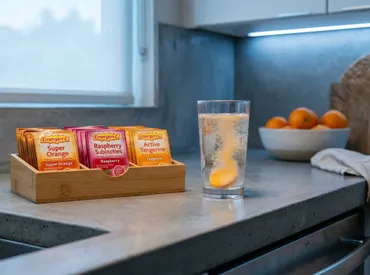
Navigating the supplement aisle can feel overwhelming, especially when it comes to understanding how long your favorite immune-support products actually last. Emergen-C has been a household staple for decades, widely recognized for its convenient effervescent powder formula that delivers high-dose vitamin C, B vitamins, and essential electrolytes in a single serving. Yet, as packets accumulate at the back of pantries, travel bags, and medicine cabinets, a common question inevitably arises among consumers: does emergen c expire? The answer requires a nuanced understanding of pharmaceutical manufacturing standards, chemical stability, and real-world storage conditions. Unlike prescription medications, which undergo rigorous stability testing mandated by federal agencies, dietary supplements operate under a different regulatory framework. This distinction means that while the printed expiration date is a critical benchmark for guaranteed potency, it does not automatically signify that the product becomes unsafe the day after that date passes. Understanding the science behind nutrient degradation, recognizing the visual and olfactory indicators of compromised quality, and implementing evidence-based storage strategies will empower you to make informed health decisions. In this comprehensive guide, we will explore the exact mechanisms that determine shelf life, clarify what regulatory bodies require from manufacturers, and provide actionable tips to maximize both safety and efficacy. Whether you are managing a chronic condition, optimizing athletic recovery, or simply seeking reliable cold-season support, knowing precisely how your supplements age is essential for maintaining optimal wellness.
The Composition of Emergen-C and Its Active Ingredients
To fully grasp the expiration dynamics of any dietary supplement, it is essential to first analyze its chemical architecture. Emergen-C is not merely a single-compound product; it is a carefully engineered blend of water-soluble vitamins, buffering agents, and flavoring systems designed to dissolve rapidly and enhance bioavailability. The primary active ingredient across all standard formulations is ascorbic acid, typically delivering 1000 milligrams per serving. This high concentration serves as the foundational antioxidant that supports collagen synthesis, immune cell function, and iron absorption. However, vitamin C is inherently unstable when exposed to heat, light, oxygen, and moisture. Alongside ascorbic acid, each packet contains a robust B-vitamin complex, including B1 (thiamine), B2 (riboflavin), B3 (niacin), B6 (pyridoxine), B12 (cobalamin), biotin, pantothenic acid, and folic acid. These coenzymes play critical roles in energy metabolism, neurological function, and red blood cell formation. Additionally, the formula incorporates electrolytes such as potassium, magnesium, and sodium, which assist in hydration balance and muscle function. The effervescent mechanism itself relies on a precise ratio of citric acid and sodium bicarbonate, which react upon contact with water to create carbonation. This reaction not only improves palatability but also aids in rapid gastrointestinal absorption. Each of these components follows distinct degradation pathways, meaning that when asking does emergen c expire, we must consider how multiple chemical matrices interact over time. Manufacturers formulate these blends with overages, meaning they initially add slightly more active ingredients than labeled to account for predictable losses during shelf life. However, these overages are calculated based on optimal storage conditions and the specific degradation half-lives of each nutrient.
Free calculatorBMI CalculatorCalculate Body Mass IndexOpen the calculatorVitamin C: The Primary Active Compound
Ascorbic acid is notoriously sensitive to environmental stressors. Its molecular structure contains an enediol group that readily donates electrons, making it an excellent antioxidant but also highly prone to oxidation. When exposed to atmospheric oxygen, ascorbic acid converts into dehydroascorbic acid, which retains some biological activity but eventually breaks down into 2,3-diketogulonic acid, an inactive compound. This oxidative cascade accelerates significantly in the presence of metal ions like copper or iron, elevated temperatures, and high humidity. In effervescent powder formats, the dry state inherently slows this process, which is why powdered supplements generally outlast liquid or gummy counterparts. Nevertheless, once the foil or plastic packaging is compromised or permeable, oxygen infiltration begins the degradation clock. The United States Pharmacopeia (USP) and the National Institutes of Health Office of Dietary Supplements consistently note that vitamin C potency can drop by 10-20% annually even under ideal conditions. When consumers store products in humid bathrooms or sunlit car dashboards, this timeline compresses dramatically. Understanding this chemical vulnerability is crucial when evaluating whether an expired product remains viable for your health goals.
B-Complex Vitamins and Electrolytes
While vitamin C dominates the formulation, the B-vitamin complex exhibits varied stability profiles. Thiamine and pyridoxine are particularly moisture-sensitive and degrade rapidly when exposed to damp environments. Riboflavin, while more stable, is highly photolabile, meaning exposure to ultraviolet or bright artificial light rapidly diminishes its potency. Vitamin B12 is relatively robust in dry powder form but requires a tightly controlled pH environment to prevent structural alteration. Electrolytes like magnesium and potassium are mineral salts, which do not oxidize like vitamins, but they can absorb atmospheric moisture, leading to clumping and reduced dissolution rates. When the powder begins to absorb humidity, it creates microenvironments that accelerate the degradation of adjacent organic compounds. This synergistic degradation explains why properly sealed packaging is non-negotiable for maintaining product integrity. Manufacturers use aluminum-lined foil packets specifically to block light, moisture, and oxygen transmission. Once these barriers fail, the entire matrix becomes vulnerable. Consequently, evaluating the shelf life requires assessing not just individual nutrient half-lives, but the holistic stability of the blended matrix.
Regulatory Standards for Supplement Expiration Dates
The dietary supplement industry in the United States operates under the Food, Drug, and Cosmetic Act, which classifies these products differently from prescription or over-the-counter pharmaceuticals. This regulatory distinction has profound implications for how expiration dates are determined, communicated, and enforced. The Food and Drug Administration (FDA) does not strictly mandate expiration dates on supplement labels, but it strongly encourages manufacturers to include them to ensure consumer safety and product transparency. Industry best practices, aligned with Good Manufacturing Practices (GMP) outlined in 21 CFR Part 111, require companies to establish expiration dates based on stability testing data. This means that before a product reaches retail shelves, the manufacturer must conduct real-time and accelerated stability studies to determine the exact timeframe during which the product meets its labeled specifications. When you ask does emergen c expire, you are essentially asking about the boundaries of this scientifically validated testing period. Manufacturers typically test for assay (potency), microbial limits, dissolution rate, physical appearance, and packaging integrity. The expiration date represents the final month through which the product is guaranteed to contain not less than 100% of the labeled nutrient amounts while remaining free from harmful degradation byproducts. Once that date passes, the manufacturer's liability and quality assurance guarantees expire, even if the chemical breakdown has not yet reached a point where the product becomes unsafe.
FDA Guidelines and Industry Practices
The FDA expects supplement manufacturers to maintain comprehensive stability data for a minimum of three years post-market, and many reputable brands conduct ongoing testing throughout the product lifecycle. This data includes exposure to controlled temperature ranges (typically 25°C with 60% relative humidity for real-time testing, and 40°C with 75% relative humidity for accelerated testing). The results dictate the printed expiration date, which is usually set conservatively to provide a safety buffer. Unlike prescription medications, where expiration guarantees strict potency for therapeutic dosing, supplements are often consumed for general wellness, meaning minor potency fluctuations may be less clinically significant. However, regulatory compliance still requires manufacturers to remove products from the market that show significant degradation or microbial contamination beyond labeled dates. Consumers should verify that the packaging includes a clear lot number, manufacturing date, and expiration stamp. The presence of these identifiers indicates adherence to GMP standards and traceability protocols. For detailed regulatory insights, refer to the FDA's Dietary Supplement Labeling Guide.
The Difference Between Best By and Expiration Dates
In the supplement and food industries, terminology matters significantly. A Best By or Best Before date indicates the timeframe during which the manufacturer expects optimal quality, flavor, and nutrient retention. An Expiration or Use By date typically carries stricter implications, particularly for products where degradation could compromise safety or efficacy. Emergen-C packages generally utilize a Best By or Expiration date interchangeably depending on the specific product line and regional labeling laws, but the underlying principle remains the same: after the stated date, the company cannot guarantee full potency. It is important to note that these dates assume unopened, intact packaging. Once a packet is opened, the stability timeline collapses to hours or days due to immediate exposure to atmospheric moisture and oxygen. This distinction is vital when evaluating inventory stored in bulk versus single-serve usage patterns. Understanding this terminology prevents unnecessary waste while ensuring you do not consume products that have degraded beyond their therapeutic value. Always prioritize products with at least 12-18 months remaining on the expiration window when making purchases for long-term storage or emergency preparedness kits.
Does Emergen C Expire? A Scientific Breakdown
The core question remains: does emergen c expire? Scientifically, yes, all dietary supplements degrade over time. The effervescent powder matrix is engineered for rapid dissolution and high bioavailability, but these very properties make it susceptible to environmental wear. The expiration date printed on each packet is not an arbitrary marketing tactic; it is a calculated threshold derived from chemical kinetics, stability modeling, and real-world testing data. When stored correctly, the sealed aluminum barrier prevents moisture ingress, oxygen penetration, and light exposure. Under these ideal conditions, ascorbic acid and B vitamins degrade at predictable, slow rates. However, once the expiration date passes, several measurable changes occur. The most immediate shift is the gradual loss of vitamin C potency. Studies on dry vitamin C formulations indicate that after 24-36 months, potency can decline by 15-30%, depending on storage variables. The B-vitamin complex follows similar trajectories, with thiamine and riboflavin showing the most pronounced sensitivity to prolonged storage. Additionally, the citric acid and sodium bicarbonate components may undergo premature reaction if microscopic moisture breaches the packaging, leading to reduced effervescence when mixed. This scientific reality underscores why relying on expired products for targeted nutritional support may yield suboptimal results. While degradation does not inherently produce toxic compounds in dry powder formats, it fundamentally alters the product's intended purpose. For individuals relying on precise dosing for clinical or athletic purposes, consuming expired Emergen-C undermines the therapeutic intent of the supplement.
Chemical Degradation Pathways Over Time
Nutrient degradation follows first-order kinetics, meaning the rate of breakdown is proportional to the concentration of the active compound remaining. For ascorbic acid, the primary degradation pathway involves oxidation followed by hydrolysis, ultimately yielding diketogulonic acid and oxalic acid. Oxalic acid, in high concentrations, can contribute to kidney stone formation in susceptible individuals, though the quantities formed in properly stored Emergen-C remain clinically negligible (Mayo Clinic). The B vitamins degrade via distinct mechanisms: thiamine undergoes hydrolysis under acidic conditions, while pyridoxine is susceptible to photodegradation. When these compounds break down, they do not transform into acutely toxic substances, but they lose their cofactor functionality. This means the metabolic pathways that rely on these vitamins for energy production, neurotransmitter synthesis, and redox balance receive diminished support. The degradation process is cumulative and irreversible. Once the molecular structure is altered, no storage method can restore the original potency. This is why the expiration date serves as a critical boundary for guaranteed efficacy. Manufacturers design their stability curves to ensure that at the expiration date, the product still contains 100% of the labeled ingredients within acceptable variance margins. Beyond that point, the variance widens, and the product falls outside its certified specifications.
Moisture Sensitivity and Effervescent Mechanics
The effervescent reaction is the hallmark of the Emergen-C experience, but it is also the most vulnerable aspect of the formulation. The reaction requires precise stoichiometry between citric acid and sodium bicarbonate. When moisture enters the packet prematurely, even in microscopic amounts, it triggers a slow, partial reaction before the product is ever mixed with water. This premature activation depletes the effervescent agents, resulting in flat, sluggish dissolution. More critically, moisture creates an environment conducive to microbial proliferation and enzymatic breakdown. Water acts as a solvent that accelerates chemical interactions between vitamins, acids, and mineral salts. This is why humidity is the single greatest enemy of dry supplement storage. When consumers store packets in bathrooms, kitchens near sinks, or gym bags with damp towels, they drastically accelerate the expiration timeline. The moisture sensitivity of effervescent formulations means that the physical appearance of the powder serves as an early warning system. Properly formulated powder should flow freely, appear uniformly granulated, and exhibit no clumping or discoloration. Any deviation from this baseline indicates that the expiration threshold has been breached or exceeded, regardless of the printed date. Understanding this moisture-effervescence relationship empowers consumers to make rapid, accurate assessments of product viability without relying solely on calendar dates.
Potency vs. Safety: What Happens When You Take Expired Emergen-C
When evaluating whether to consume a product past its expiration date, consumers must differentiate between potency and safety. Potency refers to the concentration and bioavailability of active ingredients, while safety encompasses the absence of harmful degradation byproducts, microbial contamination, or toxicological risks. For dry, sealed supplements like Emergen-C, the primary consequence of expiration is potency loss rather than acute safety hazards. Unlike perishable foods that harbor pathogenic bacteria or prescription medications that degrade into nephrotoxic or hepatotoxic compounds, dry vitamin powders generally do not produce dangerous substances as they age. However, this does not mean expired products are universally safe to consume. The risk profile shifts significantly when storage conditions have been suboptimal or when packaging integrity has been compromised. Consuming expired Emergen-C that has been exposed to heat, moisture, or physical damage can lead to gastrointestinal discomfort, reduced immune support, or unintended metabolic effects in sensitive populations. Furthermore, relying on expired products for therapeutic purposes undermines the clinical intent of supplementation. If you are using Emergen-C to address a documented vitamin C deficiency, support intense athletic recovery, or bolster immune function during cold season, compromised potency directly contradicts your health objectives. Always weigh the intended benefit against the certainty of degradation. For general wellness maintenance, a slightly expired packet may provide marginal benefits, but for targeted nutritional support, fresh inventory is non-negotiable. When asking does emergen c expire, it is crucial to recognize that expiration is primarily an efficacy boundary, not an immediate safety hazard, provided the product has been stored correctly.
Loss of Efficacy and Nutrient Breakdown
The most measurable impact of consuming expired Emergen-C is diminished nutritional support. Ascorbic acid degrades predictably, meaning a 1000 mg dose may only deliver 700-800 mg of active vitamin C after significant shelf life extension. While this reduction may seem minor, it impacts collagen synthesis rates, leukocyte function, and antioxidant capacity. The B-vitamin complex follows similar degradation curves, with some vitamins losing potency faster than others. This uneven breakdown creates an imbalanced nutritional profile that no longer aligns with the manufacturer's specifications. For athletes, this means reduced energy metabolism and slower muscle recovery. For individuals managing stress or fatigue, it means diminished neurological and metabolic support. The clinical implications of potency loss depend entirely on the user's baseline nutritional status and physiological demands. Healthy adults with balanced diets may notice minimal effects, while those with restricted dietary intake, malabsorption issues, or increased metabolic demands will experience more pronounced impacts. Always align supplement usage with current health goals rather than convenience. Tracking expiration dates and rotating inventory ensures that every serving delivers the intended physiological benefits. When potency declines, the cost-benefit ratio shifts, making it more practical to invest in fresh stock rather than relying on degraded products.
Microbial Risks and Physical Changes
While dry powders inherently resist microbial growth, moisture exposure fundamentally alters this dynamic. Water activity (aw) measures the availability of free water in a product for microbial metabolism. Properly sealed Emergen-C maintains an aw below 0.6, which inhibits bacterial, yeast, and mold proliferation. When humidity breaches the packaging, aw rises, creating an environment where microorganisms can colonize and multiply. Visible indicators include clumping, discoloration, off-odors, or unusual texture changes. These physical transformations signal that the expiration boundary has been exceeded and microbial risk has increased. Consuming contaminated powder can trigger gastrointestinal distress, nausea, or allergic reactions, particularly in immunocompromised individuals (Cleveland Clinic). Additionally, degraded citric acid and altered pH levels may cause mild gastric irritation upon ingestion. The safety threshold is not defined by the expiration date alone, but by the intersection of time, temperature, humidity, and packaging integrity. Always conduct a sensory evaluation before consumption: inspect the packet for punctures or swelling, examine the powder for uniformity, and note any unusual smells. If any red flags appear, discard the product immediately. Safety should always supersede convenience, particularly when managing long-term wellness protocols.
How to Properly Assess and Store Your Supplements
Maximizing the shelf life and safety of Emergen-C requires proactive assessment and disciplined storage practices. Environmental control is the most effective strategy for delaying nutrient degradation and maintaining packaging integrity. The Centers for Disease Control and Prevention (CDC) and FDA consistently recommend storing dry supplements in climate-controlled environments that remain stable throughout seasonal shifts. Temperature fluctuations cause repeated expansion and contraction of packaging materials, which can compromise microscopic seals and allow moisture ingress. High humidity accelerates hydrolysis and promotes clumping. Direct ultraviolet light triggers photodegradation, particularly affecting riboflavin and ascorbic acid. By addressing these variables systematically, consumers can extend the effective lifespan of their supplements well beyond average expectations. Implementing a structured inventory management system ensures that older packets are used first, minimizing the likelihood of accidental expiration. When organizing your supplement cabinet, prioritize visibility, accessibility, and environmental shielding. Avoid placing packets near heat sources, plumbing, or exterior walls that experience temperature extremes. Instead, utilize interior cabinets, climate-controlled drawers, or dedicated storage containers with desiccant packets. These simple adjustments dramatically reduce degradation velocity and preserve product integrity until the intended use date.
Optimal Environmental Conditions for Maximum Shelf Life
Ideal storage conditions for Emergen-C include a consistent temperature range of 60°F to 75°F (15°C to 24°C) and relative humidity below 50%. Maintain the product in a dark, dry location away from direct sunlight and artificial heat lamps. Store packets upright and avoid stacking heavy items on top, which can cause micro-tears in the packaging. If you purchase bulk quantities or travel-sized multipacks, transfer them to airtight, opaque containers with silica gel desiccants to control ambient moisture. Never store supplements in vehicles, garages, or attics where temperatures routinely exceed 85°F or drop below freezing. Extreme heat accelerates chemical oxidation, while freezing can cause condensation inside sealed packets when they are returned to warmer environments. Implement a first-in, first-out (FIFO) rotation system to ensure older stock is consumed before newer inventory. Regularly inspect your storage area for signs of pest activity, water leaks, or ventilation issues. For additional guidance on supplement storage standards, consult the National Institutes of Health Dietary Supplement Information portal.
Recognizing the Signs of Degradation
Before consuming any expired or near-expiration packet, conduct a thorough visual, tactile, and olfactory assessment. Check the exterior packaging for tears, punctures, swelling, or faded print, which indicate compromised barrier integrity. Open the packet carefully and examine the powder's texture and color. Fresh Emergen-C should appear uniformly granulated with consistent coloring specific to the flavor variant. Discoloration, dark spots, or uneven granulation signal oxidation or moisture exposure. Test for clumping by gently shaking the powder; it should flow freely without adhering to itself or the packet walls. Note any unusual odors, such as sour, metallic, or musty notes, which indicate chemical breakdown or microbial activity. Perform a small test mix with water to evaluate effervescence. A vigorous, rapid fizz indicates intact buffering agents, while sluggish or flat dissolution suggests premature reaction. If any of these indicators are present, discard the product. Physical assessment remains the most reliable method for determining real-world viability beyond printed dates. Trust your sensory evaluation over arbitrary calendar extensions.
Practical Strategies for Consumers
Effective supplement management extends beyond proper storage; it requires intentional purchasing habits, accurate inventory tracking, and strategic usage planning. Many consumers accumulate excess stock during seasonal promotions, bulk purchases, or subscription deliveries, inadvertently creating inventory that expires before consumption. To avoid waste and maintain optimal potency, implement a structured tracking system using digital calendars, inventory spreadsheets, or dedicated supplement management apps. Set automated reminders 30-60 days before expiration dates to prompt timely usage or responsible disposal. When planning purchases, align order quantities with realistic consumption rates rather than bulk discounts. Calculate your daily or weekly usage patterns to determine optimal reorder intervals. For households managing multiple supplements, organize products by expiration date and category to streamline rotation. Consider purchasing from authorized retailers with high inventory turnover to ensure you receive fresh stock. Avoid third-party marketplaces where storage conditions cannot be verified. Finally, maintain a backup supply chain for critical wellness products, ensuring that you never rely on near-expiration inventory during high-demand periods like cold season or athletic competitions. Strategic planning transforms supplement management from a reactive chore into a proactive health optimization protocol.
| Storage Condition | Expected Potency Retention (12 Months) | Risk of Clumping/Degradation | Recommended Environment |
|---|---|---|---|
| Cool, dry, airtight cabinet | 95-100% | Low | Interior pantry or bedroom drawer |
| Humid bathroom or kitchen | 70-85% | High | Not recommended |
| Vehicle dashboard/glovebox | 50-70% | Very High | Avoid entirely |
| Refrigerated with desiccant | 98-100% | Minimal | Airtight container away from food moisture |
Inventory Management and Rotation
Implement a first-expire, first-out (FEFO) protocol for all supplement stock. When new shipments arrive, place them behind existing inventory rather than replacing it entirely. Use a permanent marker to record the purchase date and intended consumption window directly on storage containers. Conduct monthly visual audits to identify approaching expiration dates and adjust consumption priorities accordingly. For families or shared households, establish a designated supplement zone with clear labeling and rotation schedules. If you discover multiple expired packets, dispose of them responsibly by recycling the outer packaging and discarding powder contents in sealed waste containers. Do not flush supplements down drains, as concentrated nutrients can disrupt municipal water treatment systems and local aquatic ecosystems. Proper inventory management ensures consistent quality, reduces financial waste, and maintains reliable access to fully potent nutritional support.
Alternatives and Fresh Sourcing
If you consistently struggle with expiration management, consider transitioning to alternative vitamin C delivery formats that offer extended stability or single-dose convenience. Chewable tablets, delayed-release capsules, or fresh citrus-based dietary approaches may align better with your consumption patterns. When purchasing new stock, verify the manufacturer's reputation, review third-party testing certifications like NSF or USP verification, and confirm the packaging includes tamper-evident seals and desiccant indicators. Prioritize retailers with climate-controlled warehouses and transparent supply chain documentation. For individuals requiring consistent high-dose vitamin C, discuss fresh-sourcing protocols with a healthcare provider to ensure alignment with clinical needs. Fresh inventory guarantees predictable potency, minimizes degradation uncertainty, and supports reliable wellness outcomes. When evaluating does emergen c expire, recognize that proactive sourcing and disciplined storage eliminate expiration anxiety and optimize long-term health investments.
Frequently Asked Questions
Can taking expired Emergen-C cause illness or toxicity?
Consuming expired Emergen-C is highly unlikely to cause toxicity or serious illness under normal storage conditions. The primary consequence is reduced nutrient potency rather than the formation of harmful compounds. However, if the packet has been exposed to moisture and exhibits clumping, discoloration, or off-odors, it should be discarded to avoid gastrointestinal discomfort or potential microbial contamination. Always perform a sensory evaluation before consuming any product past its printed date.
How long does Emergen-C remain effective past the printed date?
Most properly stored, unopened packets retain approximately 80-90% of their original vitamin C and B-vitamin content for 6 to 12 months beyond the expiration date. Exact retention varies based on ambient temperature, humidity levels, and packaging integrity. For clinical or athletic purposes, it is strongly recommended to consume products within the guaranteed expiration window to ensure predictable dosing and optimal efficacy.
Does the fizz reaction indicate whether the product is still good?
Yes, the effervescent reaction serves as a reliable indicator of chemical integrity. A vigorous, rapid fizz confirms that citric acid and sodium bicarbonate remain reactive and properly balanced. Weak, delayed, or absent fizz suggests premature moisture exposure, degraded buffering agents, or compromised packaging. While a flat reaction does not automatically indicate toxicity, it strongly signals reduced potency and accelerated nutrient breakdown.
What is the best way to store Emergen-C for maximum shelf life?
Store packets in a cool, dry, dark environment with stable temperatures between 60°F and 75°F and relative humidity below 50%. Keep them in original packaging until immediate use, avoid transferring to unsealed containers, and never place them in bathrooms, vehicles, or near heat sources. Use airtight bins with silica gel desiccants for bulk storage and implement a FIFO rotation system to ensure older stock is consumed first.
Are there specific groups who should avoid expired Emergen-C?
Immunocompromised individuals, pregnant or breastfeeding women, elderly adults, and patients managing chronic kidney disease or oxalate-related kidney stones should strictly avoid expired Emergen-C. These populations require precise nutrient dosing, possess reduced detoxification capacity, or face elevated risks of microbial complications. Consulting a healthcare provider before consuming any expired supplement is strongly advised for these demographics.
Conclusion
Understanding the expiration dynamics of dietary supplements requires a balance of scientific literacy, practical vigilance, and responsible inventory management. The answer to whether does emergen c expire is unequivocally yes, as all organic compounds degrade predictably over time when exposed to environmental stressors. However, expiration represents primarily an efficacy boundary rather than an immediate safety hazard, provided the product has been stored correctly and remains physically intact. By recognizing the chemical vulnerabilities of ascorbic acid and B vitamins, adhering to optimal storage parameters, and conducting routine sensory evaluations, consumers can confidently navigate supplement longevity while minimizing waste. Prioritize fresh inventory for clinical or athletic applications, implement structured rotation protocols, and dispose of compromised products responsibly. Ultimately, treating expiration dates as actionable guidelines rather than arbitrary markers empowers you to maintain consistent nutritional support and safeguard your long-term wellness. For personalized guidance regarding supplement regimens, always consult a licensed healthcare professional or registered dietitian who can align your nutritional strategy with your unique physiological needs.
How we work
Researched and drafted with AI assistance, then reviewed by a human editor against the cited sources.
This article is general health information, not medical advice. Consult a qualified healthcare professional about your own situation.