The Truth About Pasteurized Honey: Safety, Nutrition, and Health Benefits

Pasteurized honey has long been a staple in modern pantries, offering consumers a familiar, consistent, and widely accessible natural sweetener. Yet, as health trends increasingly champion minimally processed foods, many shoppers find themselves wondering whether the heating process strips this golden elixir of its renowned benefits. The debate between raw and heat-treated honey often centers on enzyme activity, antioxidant preservation, and microbial safety. Understanding the science behind honey processing is essential for making informed dietary choices that align with your wellness goals. Whether you are looking to soothe a seasonal cough, enhance your morning tea, or simply replace refined sugar with a more nutrient-dense alternative, knowing what happens to honey during pasteurization reveals both its strengths and its limitations. This comprehensive guide will walk you through the biochemical transformations that occur during heating, compare the nutritional profiles side by side, examine clinical evidence for its therapeutic uses, and provide actionable storage and usage recommendations. By the time you finish reading, you will have a clear, evidence-based understanding of where pasteurized honey fits into a balanced, health-conscious diet.
What Exactly Is Pasteurized Honey?
To understand the true nature of this widely consumed product, we must first define what happens to honey after it leaves the beehive. Raw honey is extracted directly from the comb, lightly strained to remove beeswax and debris, and bottled. It retains its natural pollen, propolis, enzymes, and varying degrees of moisture depending on the floral source and seasonal harvest. In contrast, commercial producers often heat their honey to a specific temperature range, typically between 145°F and 150°F (63°C to 65°C), for roughly fifteen to thirty minutes before rapidly cooling it. This controlled thermal treatment is designed to eliminate osmophilic yeasts, dissolve existing glucose crystals, reduce moisture content slightly, and ensure product uniformity across batches.
Free calculatorA1C CalculatorA1C to average blood glucoseOpen the calculatorThe primary goal of this process is not sterilization, but rather stabilization. Honey naturally contains dormant yeast spores that can trigger fermentation if the moisture level rises above 17-18%. Fermentation alters flavor, creates alcohol, and can eventually spoil the product, leading to costly returns and compromised shelf life for retailers. By applying gentle heat, manufacturers neutralize these microorganisms while maintaining the honey's characteristic sweetness and viscosity. The result is a smoother, more translucent product that pours effortlessly from squeeze bottles and remains visually appealing for extended periods on supermarket shelves. This consistency is particularly valued by food service operators and large-scale bakeries that require reliable performance in their recipes.
It is also important to distinguish true pasteurized honey from ultra-filtered or highly processed variants that may strip away nearly all trace nutrients. Legitimate pasteurization focuses solely on microbial control and crystal dissolution, leaving the core sugar composition intact. Regulatory agencies monitor labeling practices to prevent consumer confusion, ensuring that products marketed as pure honey contain only the natural sugars produced by bees, regardless of whether they have undergone mild thermal treatment.
The Pasteurization Process Explained
The thermal treatment follows strict industry guidelines designed to balance microbial safety with nutritional preservation. During heating, the honey passes through stainless steel plates or heat exchangers that ensure even temperature distribution. Once the target temperature is reached, a rapid cooling phase prevents prolonged thermal exposure that could trigger excessive Maillard browning or hydroxymethylfurfural (HMF) formation. HMF is a compound that naturally increases as honey ages or is overheated, serving as a chemical marker for thermal degradation. Quality control laboratories routinely test HMF levels to verify compliance with international trade standards, which typically cap concentrations at 40 milligrams per kilogram.
Modern facilities often employ vacuum-assisted heating to lower the effective processing temperature. By reducing atmospheric pressure, water evaporates at lower heat thresholds, allowing manufacturers to achieve moisture control and yeast deactivation without pushing temperatures high enough to severely damage delicate enzymes. This technological advancement has significantly improved the nutritional profile of commercially available heat-treated honey compared to decades-old production methods.
How Pasteurized Honey Differs From Raw Honey
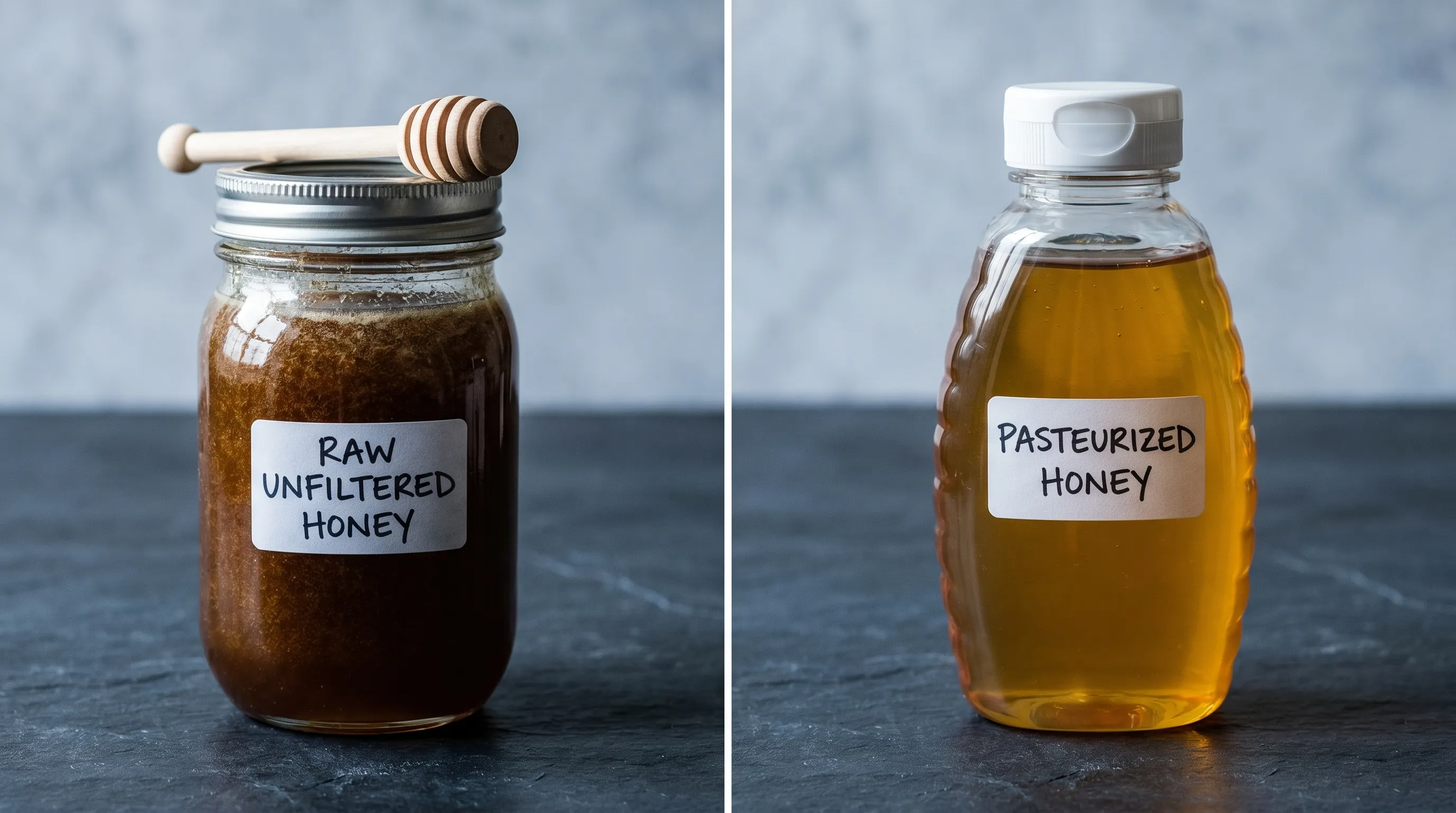
The most noticeable difference lies in texture and appearance. Raw honey often appears cloudy, thicker, or partially solidified due to suspended pollen, bee bread, and microcrystals. Its flavor profile tends to be more robust, complex, and directly reflective of its botanical origin. Pasteurized honey, conversely, exhibits a clear, glossy appearance with a smoother pour and a milder, more uniform taste. From a nutritional standpoint, both varieties share identical carbohydrate structures, water content, and trace mineral baselines. The divergence occurs in heat-sensitive compounds like diastase, invertase, and certain polyphenols. While raw honey preserves these in their native state, the heat-treated version experiences measurable reductions in enzymatic activity and antioxidant potency. Neither is inherently harmful, but the choice ultimately depends on whether you prioritize culinary consistency and extended shelf life or maximum preservation of native bioactive compounds.
The Science Behind Honey Processing
Honey is a supersaturated sugar solution primarily composed of fructose and glucose, alongside roughly seventeen percent water and a complex matrix of organic acids, proteins, and trace elements. When heat is introduced, several physicochemical reactions occur simultaneously. Understanding these transformations provides valuable insight into why the product behaves the way it does in your pantry and how your body processes it.
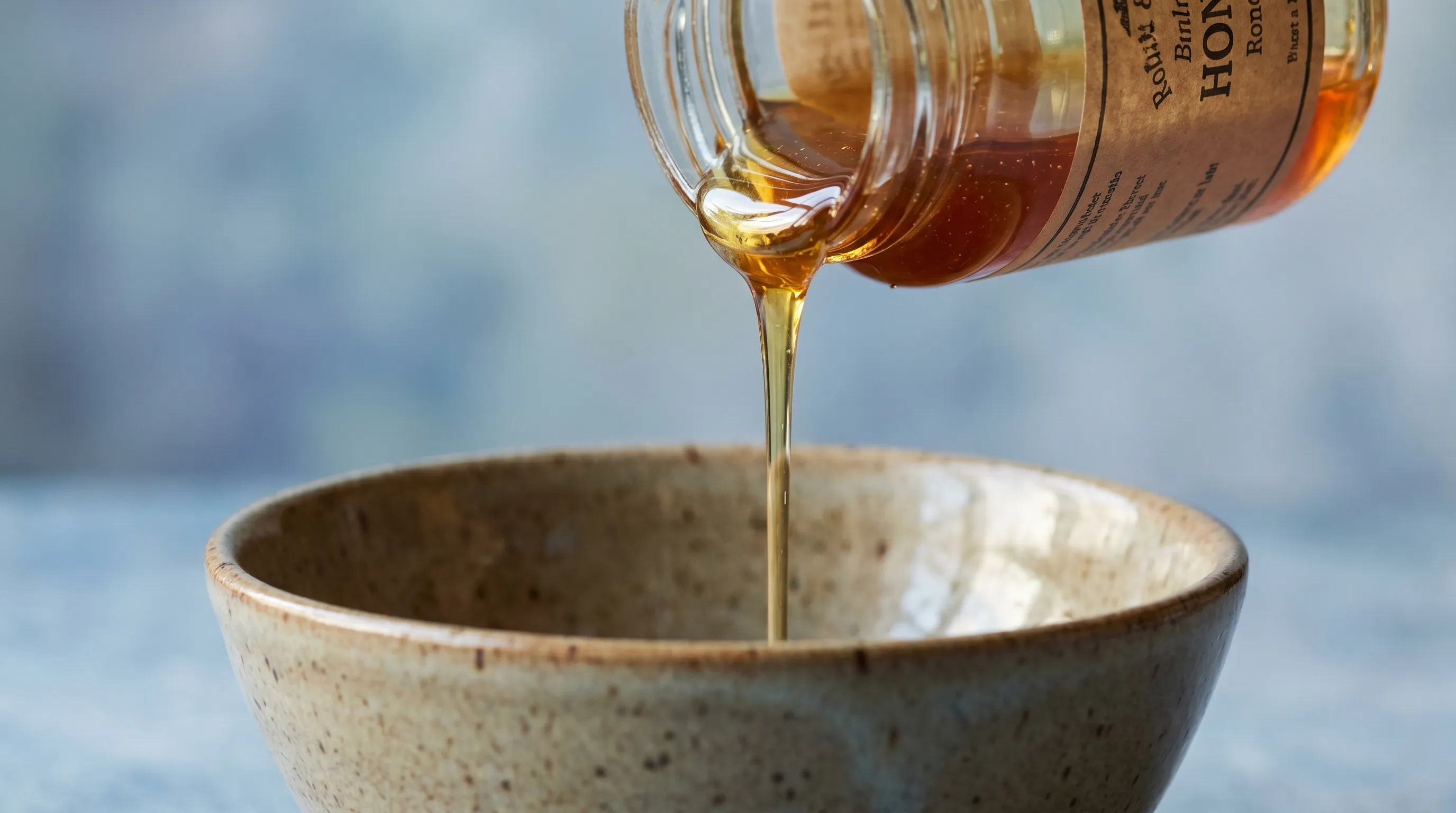
During thermal treatment, the kinetic energy disrupts hydrogen bonds holding glucose molecules in crystalline form. As temperatures rise past 104°F (40°C), the lattice structures begin to dissolve, returning the sugars to a free-flowing liquid state. Simultaneously, yeast cells experience thermal shock. The proteins within their cellular walls denature, rendering them metabolically inactive. This prevents the fermentation cycle from initiating during long-term storage.
Heat Treatment and Enzyme Degradation
Enzymes are biological catalysts produced by honeybees that convert sucrose into fructose and glucose while generating hydrogen peroxide, a mild natural antiseptic. Key enzymes include invertase, glucose oxidase, and diastase. Glucose oxidase is particularly sensitive to heat, beginning to lose functionality around 118°F (48°C). By the time processing reaches standard pasteurization temperatures, approximately thirty to sixty percent of its activity may be diminished. This reduction impacts the honey's capacity to produce hydrogen peroxide over time, which explains why raw varieties often demonstrate stronger laboratory-measured antimicrobial effects. However, even partially degraded enzymes retain enough structural integrity to support basic carbohydrate digestion, and the primary antimicrobial mechanism in most commercial products remains the high osmotic pressure created by concentrated sugars.
Impact on Antioxidants and Phytonutrients
Honey contains over two hundred different phenolic compounds, including flavonoids like quercetin, kaempferol, and pinocembrin. These molecules scavenge free radicals and reduce oxidative stress in cellular environments. Research published by the National Institutes of Health indicates that mild heating can reduce total polyphenol content by up to twenty percent, depending on the initial floral source and processing duration. Interestingly, some antioxidant activity may temporarily appear higher immediately after heating due to the release of bound phenolics from protein matrices, but this effect typically declines during storage. Despite these fluctuations, the overall antioxidant capacity of heat-treated honey remains clinically meaningful, especially when consumed as part of a whole-food diet rich in fruits, vegetables, and legumes.
Microbial Safety and Botulism Prevention
A common misconception is that heating honey makes it completely sterile. The reality is that Clostridium botulinum endospores can survive temperatures well beyond standard processing thresholds, requiring autoclave-level conditions exceeding 250°F (121°C) for extended periods to ensure destruction. Fortunately, the acidic pH of honey (typically between 3.4 and 4.0) and its low water activity naturally inhibit vegetative bacterial growth. The real danger applies exclusively to infants under twelve months whose immature gastrointestinal tracts cannot outcompete botulinum spores, potentially leading to infant botulism (CDC guidelines on infant botulism). For adults and older children, pasteurized honey presents negligible microbiological risk when stored properly.
Nutritional Profile: Pasteurized vs. Raw Honey
Macronutrient composition remains largely identical across both varieties. A standard tablespoon contains approximately sixty-four calories, seventeen grams of carbohydrates, primarily fructose and glucose, less than one gram of protein, and zero fat. The glycemic index typically ranges between fifty and sixty-four, making it a moderate-impact sweetener compared to table sugar. Water content usually hovers around seventeen percent, contributing to its thick consistency and natural preservation capabilities.
Macronutrient Breakdown
The carbohydrate fraction drives both the rapid energy delivery and the osmotic properties responsible for moisture extraction from wounds or bacterial environments. Fructose provides a slower, more sustained release of glucose into the bloodstream, while direct glucose offers immediate fuel for muscular and cerebral tissues. This dual-sugar mechanism makes honey a preferred recovery carbohydrate among endurance athletes seeking to replenish glycogen stores without experiencing the rapid insulin spike associated with pure dextrose or high-fructose corn syrup.
Vitamin and Mineral Content
Honey contains trace amounts of potassium, calcium, magnesium, zinc, and B-complex vitamins. While these quantities are too small to meet daily recommended allowances, they contribute marginally to overall micronutrient intake. The exact mineral composition depends heavily on the nectar source and soil composition where bees forage. Buckwheat and manuka varieties typically exhibit higher ash content, reflecting richer mineral profiles, whereas lighter clover or acacia honeys tend to be lower in these elements.
| Nutrient Component | Raw Honey (per 1 tbsp) | Pasteurized Honey (per 1 tbsp) | Clinical Significance |
|---|---|---|---|
| Calories | 64 kcal | 64 kcal | Baseline energy density remains identical |
| Total Carbohydrates | 17.2g | 17.2g | Primary fuel source for cellular metabolism |
| Fructose/Glucose Ratio | ~38%/31% | ~38%/31% | Unaffected by thermal processing |
| Active Enzymes (Diastase) | 8.2 DN | 4.1 DN | Reduced by heat, impacts peroxide production |
| Total Polyphenols | 45 mg | 32 mg | Decreases moderately, still provides antioxidant support |
| Moisture Content | 17.2% | 17.5% | Slight evaporation during heating extends stability |
This comparison demonstrates that while specific bioactive compounds experience measurable reductions, the foundational nutritional architecture remains stable. Consumers seeking maximal enzyme activity may prefer raw varieties, but those prioritizing consistency and extended usability will find the heat-treated option highly practical.
Health Benefits of Consuming Pasteurized Honey
Despite the reduction in certain native enzymes, clinical research continues to validate numerous therapeutic applications for commercially processed honey. The high sugar concentration, acidic environment, and residual phytochemicals work synergistically to support various physiological processes.
Soothing Sore Throats and Coughs
One of the most well-documented benefits involves respiratory symptom management. The viscous nature of honey creates a demulcent coating over irritated mucosal membranes in the pharynx and esophagus, reducing the cough reflex sensitivity. A systematic review published in pediatric literature demonstrated that honey outperformed placebo and certain over-the-counter suppressants in reducing cough frequency and severity among children over the age of two (Cleveland Clinic guidance on using honey for coughs). The World Health Organization recommends honey as a first-line home intervention for mild upper respiratory infections (WHO respiratory infection guidelines). Even when enzymes are partially degraded by heat, the osmotic drawing of excess fluid from inflamed tissues remains intact, providing rapid, localized comfort.
Wound Healing and Antimicrobial Properties
Topical application of honey has gained traction in clinical wound care, particularly for chronic ulcers and partial-thickness burns. The low pH inhibits pathogen proliferation, while residual hydrogen peroxide generation and high osmolarity create an environment hostile to Staphylococcus aureus and Escherichia coli. Although pasteurized varieties exhibit lower peroxide activity than raw medical-grade honey, they still deliver measurable antibacterial effects. When combined with standard sterile dressings, honey can accelerate epithelialization, reduce malodor, and minimize scarring in superficial injuries (Mayo Clinic overview of honey in wound care).
Energy Source for Athletes
Endurance athletes frequently utilize honey as a natural carbohydrate source during prolonged training sessions or competitive events. The combination of fructose and glucose allows for dual intestinal absorption pathways, maximizing carbohydrate oxidation rates without triggering gastrointestinal distress. Consuming one to two tablespoons before or during activity provides sustained energy release, while post-exercise intake aids glycogen resynthesis. The convenient squeeze-bottle packaging of many heat-treated products makes them highly practical for race-day fueling stations and travel bags.
Potential Drawbacks and Considerations
While honey offers numerous advantages, it is not a universal superfood. Recognizing its limitations ensures safe and effective integration into your daily routine.
Crystallization and Shelf Stability
Consumers often mistake crystallization for spoilage, viewing it as a quality defect. In reality, crystal formation is a natural physical process indicating genuine honey composition. Pasteurization significantly delays this phase by dissolving initial nucleation points and eliminating particulate matter. However, given enough time, glucose will eventually separate and form visible crystals. This does not compromise safety or nutritional value. Gently warming the container in a water bath below 100°F will restore liquid consistency without triggering further enzymatic degradation. Never microwave honey, as localized overheating can create hot spots that accelerate nutrient loss and alter flavor profiles.
Added Sugars and Ultra-Processing Risks
Not all commercial products are created equal. Some brands labeled simply as honey may contain added high-fructose corn syrup, rice syrup, or inverted sugar to reduce production costs and mimic viscosity. Always verify the ingredient list, which should contain only the word honey. Additionally, avoid products marketed as honey blends unless they explicitly state the percentage of real honey versus added sweeteners. The USDA maintains strict grading standards, but independent testing has occasionally identified adulterated batches entering global supply chains. Purchasing from reputable distributors who participate in third-party purity verification programs minimizes these risks.
Infant Botulism Warning
As previously noted, pasteurization does not eradicate Clostridium botulinum spores. The mature digestive system produces sufficient stomach acid and competitive gut flora to prevent spore germination, but infants under twelve months lack this protective microbiome. Even microscopic exposure can lead to severe neuromuscular paralysis requiring intensive medical intervention (CDC warnings on honey and infant botulism). Strict adherence to pediatric guidelines ensures complete avoidance of honey-containing foods, baked goods, or throat remedies during the first year of life.
Practical Guide to Buying and Using Pasteurized Honey
Maximizing the benefits of heat-treated honey requires informed purchasing decisions and proper handling techniques. The following recommendations will help you integrate this natural sweetener safely and effectively.
How to Read Labels and Identify True Pasteurization
Look for clear terminology on the front label such as pasteurized, heat-treated, or ultra-filtered. These designations indicate thermal processing. The ingredient list must state only honey, without added syrups or preservatives. Check for quality seals from recognized beekeeping associations or third-party laboratories that test for authenticity and moisture content. If a product remains perfectly liquid for years at room temperature, it may indicate ultra-filtration rather than standard pasteurization, potentially stripping beneficial pollen and trace minerals. Balance your choice between convenience and nutritional retention based on your intended use.
Storage Tips for Maximum Longevity
Proper storage dramatically extends usability. Keep containers tightly sealed in a cool, dry cabinet away from direct sunlight. Glass jars are preferable to plastic for long-term preservation, as they prevent moisture exchange and odor absorption. Never store honey in the refrigerator, as cold temperatures accelerate crystallization and alter texture. If mold appears on the surface, which is exceptionally rare due to low water activity, discard the entire jar immediately. Otherwise, properly stored heat-treated honey remains safe and palatable indefinitely, though flavor may gradually mellow over several years.
Culinary Uses and Substitution Guidelines
When baking, substitute honey at a ratio of three-quarters cup per cup of granulated sugar, reducing other liquids by approximately three tablespoons to account for honey's moisture content. Lower oven temperature by twenty-five degrees Fahrenheit to prevent excessive browning. For beverages, stir honey into liquids cooled below 140°F to preserve residual antioxidants. If using pasteurized honey in marinades or salad dressings, whisk vigorously to prevent separation. Its smooth consistency blends effortlessly into cold preparations, making it an ideal replacement for liquid sweeteners in health-conscious meal prep routines.
Frequently Asked Questions
Is pasteurized honey still healthy compared to raw honey?
Yes, it remains a nutritious option that delivers identical macronutrients, including fast-digesting carbohydrates and trace minerals. While heating reduces some enzyme activity and antioxidants, it still provides meaningful soothing, antimicrobial, and energy-sustaining properties. For everyday culinary use, it is a completely safe and health-supportive choice.
Can you revert crystallized pasteurized honey?
Absolutely. Crystallization is a natural physical process. Simply place the sealed jar in a warm water bath set between 95°F and 100°F for fifteen to twenty minutes, stirring occasionally until the liquid returns to its clear state. Avoid boiling water or microwaves, as excessive heat degrades beneficial compounds and alters flavor.
Does pasteurization kill the beneficial probiotics in honey?
Honey is not a significant source of live probiotics regardless of processing method. Its high sugar concentration and low pH create an environment where live bacterial cultures cannot survive long-term. Any claimed probiotic benefits typically stem from prebiotic oligosaccharides that feed existing gut flora, which remain largely stable after mild heating.
Is pasteurized honey safe for individuals managing diabetes?
Honey should be consumed with the same caution as any other carbohydrate source. Although it has a slightly lower glycemic index than table sugar due to higher fructose content, it still significantly impacts blood glucose levels. Diabetics should monitor portion sizes carefully, ideally limiting intake to one teaspoon per serving and pairing it with protein or healthy fats to slow absorption (Mayo Clinic advice on sweeteners and blood sugar).
Why does pasteurized honey stay clearer than raw honey?
The heating process dissolves microcrystals and removes fine pollen particles, propolis fragments, and air bubbles that naturally occur in unfiltered varieties. These suspended solids typically cause cloudiness and serve as starting points for crystallization. By eliminating them through controlled heat and filtration, manufacturers achieve a transparent, visually consistent product.
Conclusion
Navigating the sweetener aisle can feel overwhelming when every jar promises superior health benefits, yet the truth about pasteurized honey is far more balanced than marketing slogans suggest. This widely available product delivers reliable energy, soothing respiratory relief, and measurable antimicrobial support while offering unmatched consistency and shelf stability. The thermal processing inevitably reduces certain heat-sensitive enzymes and polyphenols, but the core nutritional architecture remains intact, making it a practical choice for everyday use. By understanding how pasteurized honey is produced, recognizing the difference between quality control and overprocessing, and applying proper storage and culinary techniques, you can confidently incorporate it into a nutrient-dense diet. Whether you are soothing a winter cough, fueling a long run, or simply seeking a natural replacement for refined sugar, the science supports its role as a safe, effective, and versatile pantry staple. Make informed purchasing decisions, read labels carefully, and remember that moderation remains the cornerstone of any healthy dietary pattern. With this knowledge, you can enjoy the timeless benefits of bee-derived sweetness without compromising your wellness goals or culinary preferences.
How we work
Researched and drafted with AI assistance, then reviewed by a human editor against the cited sources.
This article is general health information, not medical advice. Consult a qualified healthcare professional about your own situation.