What Causes Veins to Pop Out in Arms and Hands: Complete Guide

If you have ever glanced at your forearms or hands and noticed your veins standing out more prominently than usual, you are not alone. Visible veins are an incredibly common physiological occurrence that affects individuals across all age groups, fitness levels, and backgrounds. While many people initially wonder what causes veins to pop out in arms and hands, the answer is rarely alarming. In fact, venous prominence is typically a natural reflection of how your circulatory system adapts to environmental changes, physical activity, and biological aging. Understanding the underlying mechanisms behind vein visibility can help you distinguish between harmless physiological responses and situations that may warrant professional medical evaluation. This comprehensive guide will explore the anatomical, environmental, lifestyle, and pathological factors that influence upper extremity vein appearance, while providing practical, evidence-based strategies for maintaining optimal vascular health and managing concerns confidently.
Understanding Venous Anatomy in the Upper Extremities
To fully grasp what causes veins to pop out in arms and hands, it is essential to understand how blood vessels are structured and function within the upper limbs. The human circulatory system operates through a highly organized network of arteries, capillaries, and veins, each serving distinct roles in nutrient delivery, oxygen exchange, and waste removal. Veins, specifically, are responsible for returning deoxygenated blood from the peripheral tissues back toward the heart (Cleveland Clinic). Unlike arteries, which maintain consistent internal pressure from cardiac contraction, veins operate within a low-pressure system that relies heavily on skeletal muscle movement, one-way valves, and respiratory pressure gradients to facilitate upward blood flow against gravity.
Free calculatorWater Intake CalculatorCalculate daily water needsOpen the calculatorSuperficial vs. Deep Veins
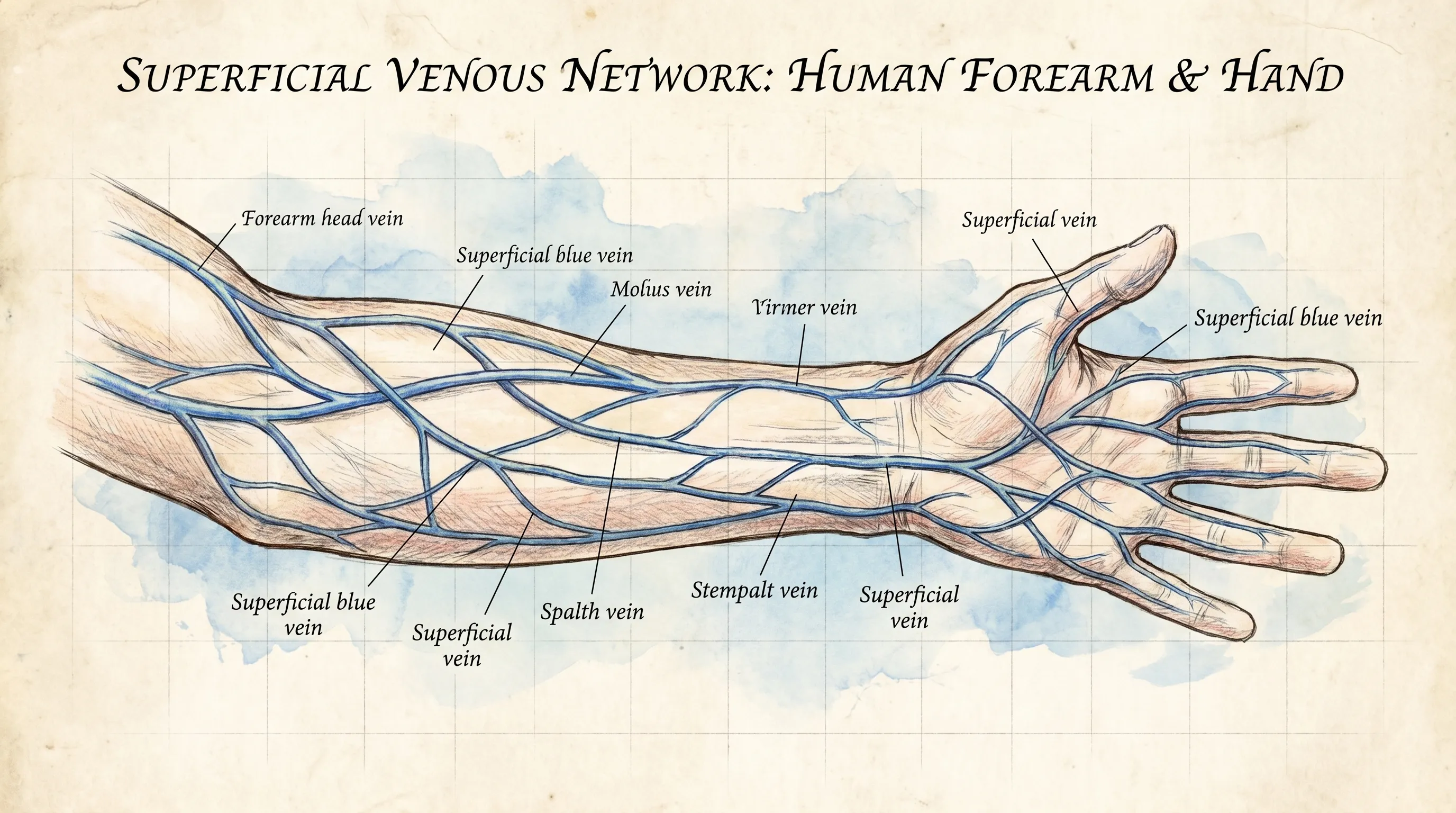
The venous system in the arms and hands is divided into two primary networks: superficial and deep veins. Superficial veins run just beneath the skin within the subcutaneous tissue layer. These are the vessels most commonly visible to the naked eye, including the cephalic vein along the lateral forearm and the basilic vein tracking medially. Because they lack robust muscular support and reside closer to the skin surface, superficial veins naturally expand and contract in response to temperature, blood volume, and hydrostatic pressure. Deep veins, conversely, run alongside major arteries within the muscular compartments. They are insulated by surrounding tissue, making them largely invisible externally. The superficial system connects to the deep system through perforating veins, which contain critical one-way valves that prevent backflow. When these valves function optimally, blood moves efficiently toward the central circulation. However, minor valve fatigue or temporary pressure changes can cause superficial veins to distend temporarily, creating the visible bulging effect many individuals notice.
Valves and Blood Flow Mechanics
Venous valves are delicate, bicuspid structures composed of connective tissue and endothelial lining. Their primary function is to maintain unidirectional flow. Every time you flex your fingers, grip an object, or swing your arms, the surrounding skeletal muscles compress the deep veins, pushing blood upward. Simultaneously, the valves close to prevent retrograde flow. This mechanism, known as the muscle pump, is highly effective in the lower extremities but also plays a supportive role in the arms. When blood volume increases, or when external heat dilates peripheral vessels, superficial veins must accommodate additional flow. This physiological adaptation explains why veins often appear more prominent after prolonged physical exertion or exposure to warm environments (Mayo Clinic). Recognizing this natural vascular flexibility helps contextualize what causes veins to pop out in arms and hands under normal, everyday conditions.
What Causes Veins to Pop Out in Arms and Hands: Primary Physiological Factors
The visibility of arm and hand veins fluctuates constantly due to a combination of immediate physiological triggers and long-term biological traits. While many assume prominent veins indicate a vascular problem, the vast majority of cases stem from perfectly healthy adaptive responses. Examining these primary drivers provides clarity on why certain individuals notice pronounced venous patterns while others do not.
Exercise and Increased Blood Demand
Physical activity is arguably the most common temporary trigger for vein prominence. When you engage in resistance training, cardiovascular workouts, or manual labor, your muscles require significantly more oxygenated blood. To meet this demand, the heart increases cardiac output, and systemic blood flow rises substantially. Simultaneously, working muscles generate metabolic heat, prompting local vasodilation. This process relaxes the smooth muscle surrounding superficial veins, allowing them to expand and accommodate the heightened blood volume returning from the extremities. Athletes, weightlifters, and individuals who perform frequent upper-body exercises often display consistently visible forearm and hand veins due to repeated vascular adaptation and improved muscular circulation. This phenomenon is entirely benign and often reflects excellent cardiovascular fitness rather than underlying pathology.
Ambient Temperature and Thermoregulation
Your body maintains a tightly regulated internal temperature through a process called thermoregulation, which heavily involves the vascular system. In warm environments, the hypothalamus signals peripheral blood vessels to dilate, directing excess heat toward the skin surface where it can dissipate through radiation and convection (CDC). This vasodilation increases blood flow to superficial veins in the arms and hands, making them appear fuller and more prominent. Conversely, in cold temperatures, vasoconstriction occurs to preserve core heat, causing veins to temporarily recede beneath the skin. This daily temperature-driven fluctuation is a normal autonomic response. If you frequently work outdoors, use saunas, or live in consistently warm climates, you will naturally observe greater venous visibility. Understanding this thermoregulatory link helps demystify what causes veins to pop out in arms and hands during seasonal transitions or climate exposure.
Body Fat Percentage and Skin Thickness
Subcutaneous fat acts as a natural insulating and masking layer over superficial structures, including blood vessels, nerves, and muscles. Individuals with lower body fat percentages, particularly in the upper extremities, often have visibly prominent veins simply because there is less tissue obscuring them from the surface. Similarly, skin thickness varies genetically and ethnically. Thinner epidermal and dermal layers allow vascular structures to appear more defined, while thicker skin naturally diffuses their outline. This explains why lean individuals frequently ask what causes veins to pop out in arms and hands despite having no cardiovascular complaints. It is purely a matter of anatomical layering and optical transparency rather than vascular dysfunction.
Genetic Predisposition and Skin Tone
Genetics play a substantial role in venous visibility. Some individuals inherit naturally thinner skin, reduced subcutaneous fat distribution in the forearms, or inherently more compliant vein walls. These inherited traits are completely benign but significantly influence how prominent veins appear across the lifespan. Skin tone also affects perception. Lighter skin tones provide higher contrast against blue-green superficial veins, making them more noticeable to the eye. Meanwhile, melanin-rich skin can naturally diffuse light differently, sometimes making veins appear less pronounced despite similar underlying blood flow. Familial patterns are common, so if your parents or siblings have naturally visible hand and forearm veins, it is highly likely your vascular presentation follows a similar genetic blueprint.
Age-Related Changes and Venous Prominence
As the human body progresses through different life stages, structural and physiological shifts inevitably alter how blood vessels appear on the surface of the skin. Aging is a primary driver of long-term vein visibility in the upper extremities, and understanding the biological mechanisms behind these changes can help set realistic expectations for vascular aging.
Loss of Collagen and Subcutaneous Fat
Beginning in our late twenties and accelerating into our forties and fifties, collagen and elastin production naturally declines (National Institute on Aging). Collagen provides structural integrity to the skin, while elastin maintains its ability to snap back after stretching. Concurrently, the fat pads in the hands and forearms gradually thin. This dual process reduces the cushioning effect that once kept superficial veins subtly embedded beneath the skin. As the dermal matrix thins, veins lose their supportive tissue buffer and naturally settle closer to the epidermis. Over time, they may appear more tortuous, raised, or distinctly outlined. This age-related transition is universal, though its timing and severity depend heavily on genetics, sun exposure, and overall skin health. Many individuals seeking to understand what causes veins to pop out in arms and hands later in life are simply observing normal integumentary and vascular aging.
Hormonal Shifts Across the Lifespan
Hormones significantly influence vascular tone, skin elasticity, and fluid retention. During puberty, pregnancy, and menopause, fluctuating levels of estrogen, progesterone, and cortisol affect blood vessel compliance and tissue hydration. Estrogen, for example, promotes vasodilation and increases blood volume, which can temporarily enhance vein visibility during certain hormonal windows. Pregnancy often triggers increased blood volume and peripheral vasodilation, sometimes causing temporary hand and forearm vein prominence that resolves postpartum. During menopause, declining estrogen levels reduce skin hydration and collagen synthesis, potentially making existing veins appear more defined over time. These hormonal transitions are natural and typically benign, though maintaining balanced nutrition, stress management, and consistent hydration can support vascular and skin resilience throughout these phases.
Pathological and Medical Causes to Monitor
While physiological factors account for the vast majority of visible vein cases, certain medical conditions can also alter venous appearance in the arms and hands. Recognizing the difference between normal adaptation and pathological changes is crucial for timely intervention and peace of mind.
Superficial Thrombophlebitis
Superficial thrombophlebitis occurs when a blood clot forms within a superficial vein, triggering localized inflammation. Unlike deep vein thrombosis, this condition affects veins close to the skin surface and typically presents with redness, tenderness, warmth, and a firm, cord-like structure along the affected vessel. It can result from intravenous catheter placement, minor trauma, prolonged immobilization, or underlying hypercoagulable states. While generally self-limiting, superficial phlebitis requires medical evaluation to ensure the clot does not extend into the deep venous system. Persistent, painful, or discolored bulging veins warrant professional assessment.
Deep Vein Thrombosis (DVT) and Complications
Deep vein thrombosis primarily affects the lower extremities but can occasionally involve the upper venous system, particularly in individuals with central venous catheters, repetitive overhead strain, or inherited clotting disorders. Upper extremity DVT may cause swelling, heaviness, aching, and occasionally secondary superficial vein distension as collateral circulation attempts to bypass a blocked pathway. Though less common than leg DVT, arm DVT is a serious medical condition requiring prompt imaging, anticoagulation therapy, and specialist follow-up (CDC). Sudden, unilateral arm swelling combined with vein prominence should never be ignored.
Varicose Veins in the Upper Extremities
Varicose veins are more commonly associated with the legs due to the significant hydrostatic pressure required to return blood against gravity. However, they can occasionally develop in the arms and hands, particularly in individuals with connective tissue disorders, chronic venous insufficiency, or a strong familial predisposition. Upper extremity varicosities appear as enlarged, twisted, and sometimes painful veins. While rarely dangerous, they may cause discomfort during temperature fluctuations or after prolonged arm elevation. Conservative management, including compression therapy and activity modification, is usually sufficient, though minimally invasive treatments exist for persistent cases (Mayo Clinic).
Underlying Vascular Conditions
Certain systemic conditions, such as vasculitis, autoimmune disorders, or thoracic outlet syndrome, can indirectly influence upper extremity vein visibility. Thoracic outlet syndrome, for instance, involves compression of nerves or blood vessels between the collarbone and first rib, sometimes causing collateral vein enlargement in the arm as the body reroutes blood flow. Vasculitis triggers inflammation of blood vessel walls, potentially altering their structure and surface appearance. If vein prominence is accompanied by systemic symptoms like unexplained fatigue, joint pain, rashes, or neurological tingling, a comprehensive vascular and rheumatological evaluation is warranted.
Practical Management and Daily Prevention Strategies
Understanding what causes veins to pop out in arms and hands naturally leads to the next logical question: how can you manage their appearance and support overall vascular wellness? While you cannot fundamentally change your anatomy, several evidence-based lifestyle modifications, daily habits, and gentle therapeutic techniques can promote healthy circulation, reduce excessive vein distension, and improve skin resilience over time.
Hydration, Diet, and Circulation Support
Optimal hydration is foundational for healthy blood viscosity and vascular tone. Dehydration increases hematocrit levels, making blood thicker and harder for veins to transport efficiently, which can sometimes cause compensatory vessel dilation. Aim for at least eight to ten glasses of water daily, adjusting for activity level and climate. Incorporate foods rich in antioxidants, omega-3 fatty acids, and vitamin C, which support endothelial function and collagen synthesis. Berries, leafy greens, fatty fish, citrus fruits, and nuts provide essential micronutrients that maintain vessel wall integrity. Limiting excessive sodium intake helps prevent fluid retention, which can sometimes exacerbate temporary vein swelling. A balanced, anti-inflammatory diet consistently outperforms quick fixes for long-term vascular health (WHO)).
Targeted Exercises and Mobility Routines
Strategic movement enhances venous return without overloading superficial vessels. Incorporate gentle forearm and hand mobility routines, such as wrist circles, finger extensions, and light grip exercises, to activate the muscle pump and encourage steady blood flow. Avoid excessive heavy lifting without proper recovery, as chronic strain can increase baseline intravenous pressure. Stretching routines focusing on the shoulders, neck, and upper back improve thoracic outlet alignment, reducing potential compression points that might indirectly affect arm circulation. Consistency matters more than intensity; ten to fifteen minutes of daily upper-extremity mobility can yield noticeable improvements in vascular comfort over several months.
Compression Garments and Elevation Techniques
For individuals whose prominent veins cause discomfort or cosmetic concern, graduated compression sleeves offer a practical, non-invasive solution. Mild compression (typically 15-20 mmHg) gently supports superficial veins, prevents excessive pooling, and promotes directional blood flow toward the heart. These sleeves are widely available, breathable, and suitable for daily wear during work, travel, or exercise. Elevation is equally effective. When resting, positioning your arms slightly above heart level leverages gravity to reduce hydrostatic pressure and encourage venous return. Even simple habits like resting your hands on a pillow while reading or elevating your forearms after a long day can noticeably reduce temporary bulging.

When to Seek Medical Attention: Warning Signs
Distinguishing between normal venous adaptation and potential vascular issues is essential for proactive health management. Most visible vein scenarios are entirely benign, but specific clinical indicators should prompt timely professional evaluation.
Red Flag Symptoms Requiring Immediate Evaluation
Seek prompt medical care if vein prominence is accompanied by any of the following: persistent localized pain or throbbing, warmth or redness along the vein track, noticeable swelling in one arm or hand, sudden changes in skin color or texture, hard or immovable cord-like structures under the skin, or difficulty moving fingers or gripping objects normally. These symptoms may indicate inflammation, clot formation, or compromised circulation that requires diagnostic imaging and targeted intervention. Additionally, if vein bulging progresses rapidly without an obvious trigger, or if you develop unexplained bruising, petechiae, or systemic fatigue, consult a healthcare provider to rule out underlying hematological or autoimmune conditions.
Diagnostic Procedures and What to Expect
If clinical evaluation is warranted, your provider will likely perform a comprehensive vascular assessment. This typically begins with a physical examination, including palpation, temperature assessment, and capillary refill testing. Doppler ultrasound is the gold standard for evaluating venous blood flow, detecting clots, and assessing valve function in both superficial and deep systems (Mayo Clinic). In some cases, blood work may be ordered to check for inflammatory markers, coagulation factors, or hormonal imbalances. These diagnostic steps are non-invasive, highly accurate, and designed to provide clear answers without unnecessary intervention. Knowing what causes veins to pop out in arms and hands often resolves anxiety once clinical correlation confirms physiological normalcy.
| Factor | Physiological Effect on Veins | Typical Duration | When to Consult |
|---|---|---|---|
| Exercise/Physical Activity | Vasodilation, increased return flow, muscle pump activation | Hours post-activity | Only if pain, swelling, or prolonged distension persists |
| Heat Exposure | Thermoregulatory dilation, surface cooling | Temporary (resolves when cooled) | If accompanied by dizziness, dehydration signs |
| Low Body Fat | Reduced subcutaneous masking, higher contrast visibility | Long-term/structural | Never concerning without symptoms |
| Aging | Collagen loss, fat pad thinning, skin transparency | Progressive/chronic | Only if sudden changes, pain, or functional issues |
| Inflammation/Clot | Localized swelling, redness, hardened texture | Days to weeks (requires treatment) | Immediate evaluation for unilateral or painful changes |
Frequently Asked Questions
Are bulging veins in the arms and hands a sign of a serious medical condition?
In most cases, visible or bulging veins in the arms and hands are completely normal and result from factors like low body fat, exercise, heat, or genetics. However, if the veins are suddenly painful, swollen, red, hard to the touch, or accompanied by warmth, discoloration, or swelling in the hand, it could indicate superficial thrombophlebitis or a vascular condition requiring medical evaluation. Consulting a healthcare provider ensures accurate diagnosis and rules out underlying circulatory issues.
Does dehydration make hand and arm veins more visible?
Yes, dehydration reduces overall blood volume and can cause the skin to lose elasticity temporarily. When plasma volume drops, veins may appear more prominent or cord-like because there is less surrounding tissue and fluid to mask them. Proper hydration supports healthy blood viscosity and skin plumpness, which can reduce excessive vein prominence. Drinking adequate water throughout the day, especially before and after physical activity, maintains optimal vascular tone.
Can I reduce the appearance of arm and hand veins naturally?
While you cannot permanently alter your vascular anatomy, natural strategies like maintaining a healthy weight, staying hydrated, avoiding prolonged heat exposure, elevating your hands when resting, and performing gentle upper-extremity circulation exercises can minimize excessive bulging. Compression sleeves and topical skincare may also improve the overall appearance. Consistency is key, as vascular and skin health respond gradually to sustained lifestyle modifications.
Do aging and collagen loss permanently make hand veins more visible?
Yes. As we age, collagen and elastin production naturally decline, and subcutaneous fat in the hands and forearms gradually thin. This structural change reduces the cushioning layer over superficial veins, making them permanently more visible. While this process is natural, maintaining skin hydration, sun protection, and overall vascular health can support long-term skin elasticity and comfort. Topical retinoids and vitamin C serums, when approved by a dermatologist, may also help preserve dermal thickness over time.
Should I be concerned if only one arm shows suddenly prominent veins?
Asymmetrical or unilateral vein bulging can sometimes occur due to localized injury, repetitive strain, or a temporary blood flow shift. However, sudden, one-sided vein prominence accompanied by pain, swelling, heaviness, or skin changes warrants prompt medical assessment to rule out deep vein thrombosis, localized clot, or venous compression syndromes. Early imaging and professional guidance prevent complications and provide targeted management when necessary.
Conclusion
Understanding what causes veins to pop out in arms and hands demystifies a phenomenon that affects millions of people across all demographics. In the vast majority of cases, prominent veins are a harmless reflection of healthy circulatory adaptation, driven by exercise, temperature regulation, low body fat, genetic traits, and natural aging. The human vascular system is remarkably dynamic, constantly adjusting to internal demands and external environments to maintain optimal perfusion and homeostasis. While cosmetic concerns or sudden changes can understandably cause anxiety, knowledge remains the most effective tool for differentiating physiological normalcy from clinical warning signs. By prioritizing hydration, balanced nutrition, gentle mobility routines, and appropriate use of compression therapy, you can support long-term vein comfort and skin resilience. Always remain attentive to your body's signals, and consult a qualified healthcare provider if you notice pain, asymmetrical swelling, or persistent changes. With proactive care and evidence-based awareness, you can maintain healthy circulation and approach vein visibility with confidence and clarity.
How we work
Researched and drafted with AI assistance, then reviewed by a human editor against the cited sources.
This article is general health information, not medical advice. Consult a qualified healthcare professional about your own situation.