Can Sinus Infection Cause Fever: Symptoms, Causes, and Treatment Guide

Waking up with a pounding headache, heavy facial pressure, and a persistent runny nose is uncomfortable enough on its own, but many patients are caught off guard when a thermometer reveals an elevated temperature. If you have been wondering can sinus infection cause fever, you are not alone. This question frequently surfaces in clinical settings, especially as seasonal respiratory illnesses begin to circulate. Understanding the relationship between sinus inflammation and your body's thermal response requires a clear look at how the immune system reacts to localized infections in the nasal passages and facial cavities. While fever is not a guaranteed symptom of every sinus condition, it plays a significant role in how your body identifies and combats invading pathogens. Navigating the differences between mild viral irritation, serious bacterial progression, and allergy-driven congestion can be challenging without proper guidance. This comprehensive guide breaks down the medical science behind sinus-related fevers, outlines evidence-based treatment protocols, and provides actionable strategies to help you manage symptoms safely and effectively at home. Whether you are currently experiencing a spike in temperature or preparing for seasonal vulnerability, the information below will empower you with clinical clarity and practical wellness tools.
Understanding the Anatomy and Pathophysiology of Sinusitis
To fully grasp the physiological mechanisms behind can sinus infection cause fever, it is essential to first examine the complex structure of the paranasal sinuses and how they interact with your body's immune defenses. The human skull contains four pairs of air-filled cavities known as the frontal, ethmoid, sphenoid, and maxillary sinuses. These delicate spaces are lined with a specialized mucosal membrane that continuously produces thin, clear mucus. Under normal conditions, this mucus traps airborne particles, allergens, and microorganisms, while tiny hair-like structures called cilia sweep the debris toward the nasal passages for expulsion. When this highly efficient drainage system becomes obstructed due to environmental irritants, viral exposure, or structural abnormalities, fluid accumulates and creates an ideal breeding ground for microbial proliferation.
Free calculatorWater Intake CalculatorCalculate daily water needsOpen the calculatorWhat Exactly Happens Inside Your Sinuses
When inflammation takes hold, the mucosal tissue swells significantly, narrowing the natural drainage pathways and trapping stagnant fluid within the sinus cavities. This stagnation reduces local oxygen levels and alters the pH balance, conditions that favor rapid bacterial colonization if viruses initially compromise the tissue barrier. The immune system responds by deploying white blood cells, primarily neutrophils and macrophages, to the infected area. These cells release a cascade of signaling proteins known as cytokines, including interleukins and tumor necrosis factor. These chemical messengers not only attract additional immune resources but also initiate the systemic processes that often lead to the classic signs patients ask about when researching can sinus infection cause fever. The localized swelling, increased vascular permeability, and heightened neural sensitivity collectively produce facial tenderness, thick discolored discharge, and the characteristic headache that many associate with acute sinus disease.
The Immune System's Pyrogenic Response
The development of an elevated body temperature is not a malfunction but a highly evolved defensive strategy orchestrated by the hypothalamus. When cytokines and bacterial endotoxins enter the systemic circulation, they act as exogenous and endogenous pyrogens. These substances travel through the bloodstream to the brain, where they stimulate the production of prostaglandin E2 in the preoptic area of the hypothalamus. Prostaglandin E2 effectively raises the body's thermal set point, signaling muscles to contract and shiver to generate heat while simultaneously triggering peripheral vasoconstriction to conserve core temperature. This orchestrated response creates an internal environment that is less hospitable to many common respiratory pathogens, while simultaneously accelerating cellular repair and enhancing the activity of T-lymphocytes and antibody production. Medical professionals at institutions like the National Institute of Health consistently emphasize that this thermoregulatory shift is a natural byproduct of immune activation, which is precisely why the question of can sinus infection cause fever has a definitive physiological answer rooted in immunology.
The Direct Answer: Can Sinus Infection Cause Fever?
The straightforward answer is yes. When clinicians address patient inquiries about can sinus infection cause fever, they consistently confirm that elevated body temperature is a recognized clinical marker, particularly during the acute phase of the condition. However, the presence, intensity, and duration of the fever depend heavily on the underlying etiology, the patient's baseline immune status, and the specific pathogens involved. Viral sinusitis, which accounts for the vast majority of acute cases, typically triggers a mild to moderate febrile response. In contrast, bacterial superinfections often produce more pronounced systemic symptoms, including higher temperatures, chills, and profound fatigue. It is crucial to understand that not every individual will experience thermal elevation, as immune responses vary widely based on age, genetic factors, and prior exposure to similar pathogens.
Why Fevers Develop During Acute Sinusitis
During an acute sinus episode, the rapid replication of viruses or bacteria overwhelms local defenses, prompting a robust systemic reaction. The release of inflammatory mediators into the bloodstream acts as a direct trigger for hypothalamic reprogramming. As the immune system works to isolate and eliminate the offending organisms, metabolic demand increases significantly. This heightened metabolic state naturally generates excess heat, which the body must regulate to prevent cellular damage. Additionally, many of the viruses responsible for upper respiratory infections possess inherent pyrogenic properties that directly stimulate fever pathways independent of secondary bacterial involvement. Patients investigating can sinus infection cause fever should recognize that the thermal spike is usually a transient phase, peaking within the first 48 to 72 hours of symptom onset before gradually declining as immune clearance progresses.
Low-Grade vs. High-Grade Fever Patterns
Distinguishing between low-grade and high-grade fevers provides valuable diagnostic insight into the severity and nature of the underlying condition. A low-grade fever, generally defined as a temperature between 99°F and 101°F (37.2°C to 38.3°C), is the most common presentation in uncomplicated viral sinusitis. This range indicates active immune engagement without suggesting systemic complication or tissue invasion. High-grade fevers, exceeding 102°F (38.9°C) and often accompanied by rigors, tachycardia, and malaise, raise clinical suspicion for bacterial sinusitis or concurrent infections such as streptococcal pharyngitis or influenza. According to guidelines from the Infectious Diseases Society of America (IDSA), persistent high temperatures beyond five days, or a fever that subsides only to return abruptly, warrant prompt medical evaluation to rule out abscess formation, orbital involvement, or meningitis. Understanding these thermal patterns helps patients differentiate routine inflammatory processes from situations requiring immediate clinical intervention.
Differentiating Viral from Bacterial Triggers
A critical component of effective management lies in accurately identifying the causative agent, as treatment pathways diverge significantly based on this distinction. When patients ask whether can sinus infection cause fever, the answer depends entirely on whether the trigger is viral, bacterial, or occasionally fungal. Viral pathogens such as rhinovirus, coronavirus, and adenovirus initiate a self-limiting cascade that typically resolves within 7 to 10 days with supportive care. Bacterial infections, frequently caused by Streptococcus pneumoniae, Haemophilus influenzae, and Moraxella catarrhalis, emerge when prolonged mucosal edema allows secondary colonization of the stagnant sinus cavities. Recognizing the clinical hallmarks of each category prevents unnecessary antibiotic use and promotes targeted, evidence-based interventions.
Timeline and Symptom Progression
The clinical timeline serves as a reliable diagnostic marker. Viral sinusitis usually follows a predictable pattern: nasal congestion and clear discharge appear first, followed by facial pressure, mild headache, and a possible low-grade temperature that peaks early in the illness. Symptoms gradually improve after day 4 or 5. Bacterial sinusitis, however, demonstrates a different trajectory. Patients often experience initial viral-like symptoms that persist beyond 10 days without meaningful improvement, or they may suffer from a temporary resolution followed by a sudden exacerbation of facial pain, thick purulent nasal discharge, and a noticeable spike in body temperature. This double-sickening pattern is a hallmark of bacterial progression. The American Academy of Otolaryngology–Head and Neck Surgery recommends using these temporal markers alongside symptom severity to guide treatment decisions rather than relying solely on mucus color, which can change during normal viral resolution.
When Antibiotics Are Actually Needed
Antimicrobial therapy remains a cornerstone of bacterial infection management, but it must be deployed judiciously to preserve efficacy and minimize adverse effects. Current clinical consensus indicates that antibiotics should be reserved for patients meeting specific criteria: symptoms lasting more than 10 days without improvement, severe onset with high fever and purulent discharge lasting at least 3 to 4 consecutive days, or clear clinical worsening after initial improvement. Amoxicillin-clavulanate is generally considered first-line therapy due to its broad-spectrum coverage against common sinus pathogens, including beta-lactamase-producing strains. Patients who question whether can sinus infection cause fever and automatically request antibiotics should be counseled that thermal elevation in viral cases is self-resolving and will not respond to antimicrobial agents. Proper prescribing practices rely on clinical judgment, symptom duration, and physical findings rather than isolated thermal measurements.
Comprehensive Symptom Breakdown
Accurate symptom recognition is fundamental to determining appropriate next steps in care. While thermal elevation captures significant attention, it rarely occurs in isolation. A holistic assessment requires evaluating the constellation of local and systemic indicators that accompany sinus inflammation. Understanding how these symptoms interact provides clarity when exploring whether can sinus infection cause fever in conjunction with other clinical signs, and helps patients differentiate between routine respiratory discomfort and conditions requiring urgent medical evaluation.
Primary Facial and Respiratory Indicators
The hallmark features of sinus involvement center around facial discomfort and nasal dysfunction. Patients commonly report aching or pressure across the forehead, cheeks, bridge of the nose, and upper teeth, which intensifies when bending forward. Nasal obstruction often forces mouth breathing, particularly during sleep, leading to dry throat and disrupted rest cycles. Thick, yellow-green nasal discharge or post-nasal drip frequently accompanies these sensations, though clear secretions do not rule out infection. Halitosis and reduced olfactory function are also prevalent due to stagnant mucus and inflamed mucosal tissue. These localized manifestations directly correlate with the degree of ostiomeatal complex blockage and mucosal swelling. When evaluating if can sinus infection cause fever alongside these primary symptoms, clinicians observe that thermal elevation typically coincides with peak congestion and maximal inflammatory mediator release, usually during days 2 through 4 of acute illness.
Systemic Signs That Require Immediate Attention
Beyond localized nasal and facial symptoms, systemic involvement manifests as fatigue, myalgia, decreased appetite, and mild dehydration from increased respiratory water loss. While these are expected during acute illness, certain warning signs indicate potential complications or alternative diagnoses. A temperature exceeding 103°F (39.4°C), severe unilateral facial swelling, visual disturbances, diplopia, periorbital edema, stiff neck, photophobia, or neurological changes such as confusion warrant emergency medical assessment. These red flags may suggest orbital cellulitis, cavernous sinus thrombosis, or intracranial spread, which are rare but life-threatening complications of untreated or severe sinusitis. The Cleveland Clinic emphasizes that recognizing these systemic alarms early can prevent severe morbidity. Patients should never dismiss high fevers as routine when accompanied by these severe neurological or ocular indicators, as timely intervention is critical for preserving vision and neurological function.
Diagnostic Pathways and Clinical Evaluation
When symptoms persist, escalate, or fail to align with typical viral trajectories, professional diagnostic evaluation becomes essential. Clinicians employ a systematic approach to determine whether can sinus infection cause fever in a specific clinical context, rule out alternative respiratory conditions, and identify structural or anatomical contributing factors that may predispose an individual to recurrent episodes. Modern diagnostic protocols prioritize patient history, physical examination, and targeted investigations over unnecessary imaging, ensuring cost-effective and accurate care.
Physical Examination and Nasal Endoscopy
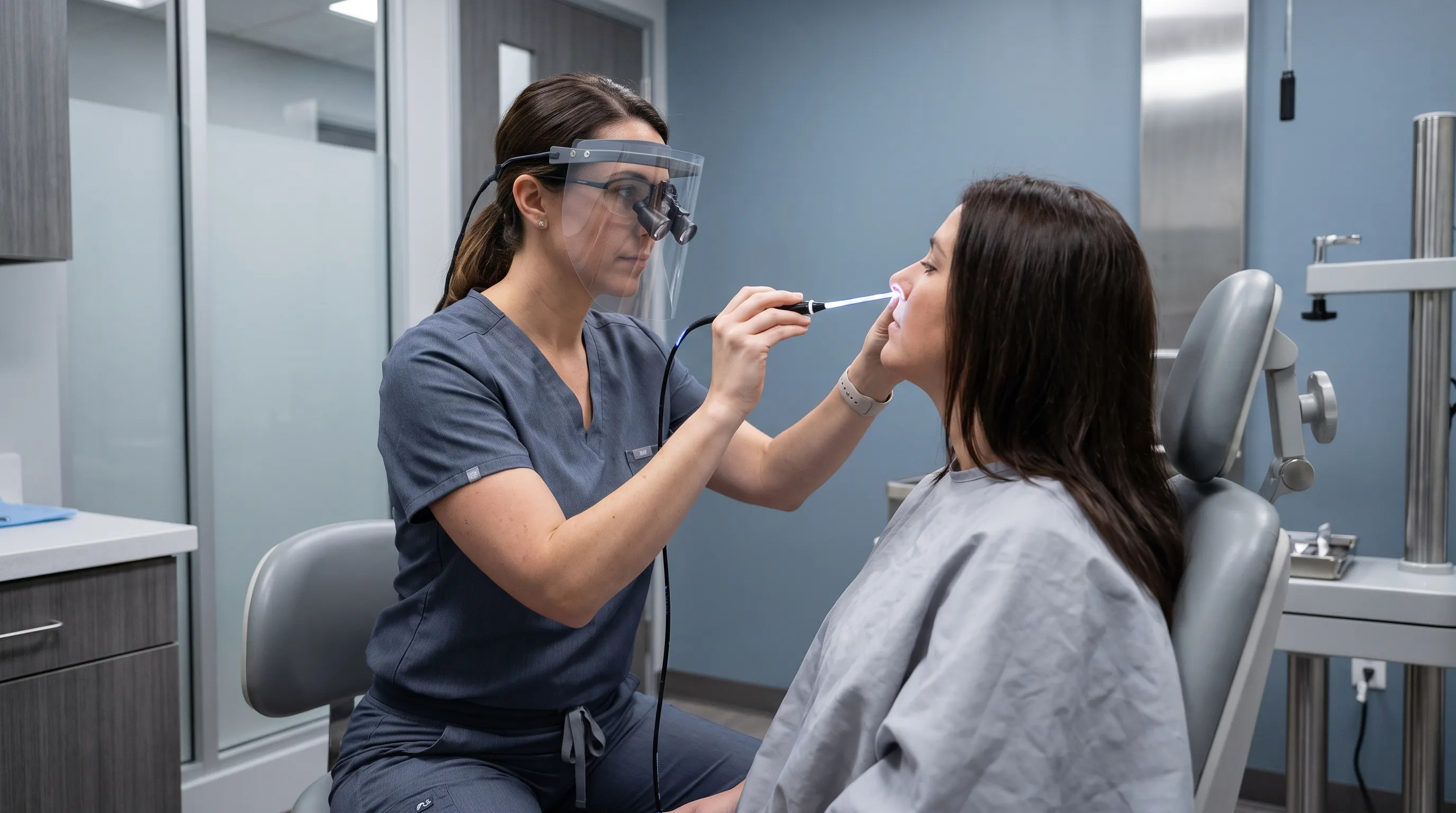
The initial clinical encounter focuses on a thorough history and physical assessment. Providers evaluate nasal mucosa appearance, septal alignment, turbinate hypertrophy, and the presence of purulent discharge in the middle meatus. Anterior rhinoscopy with a nasal speculum provides basic visualization, while flexible fiber-optic endoscopy offers a magnified, high-definition view of the osteomeatal complex, sinus drainage pathways, and posterior nasal cavity. This minimally invasive procedure allows specialists to directly observe polypoid changes, mucosal erythema, crusting, and obstructive anatomical variations. During the examination, clinicians also assess dental health, as upper molar infections can directly invade the maxillary sinus and mimic primary sinus disease. Endoscopic findings combined with fever history and symptom duration guide definitive diagnostic classification and inform personalized treatment strategies.
Imaging Protocols and Laboratory Analysis
Imaging studies are not routinely recommended for uncomplicated acute cases but become invaluable when chronicity, treatment resistance, or complications are suspected. Computed tomography (CT) of the paranasal sinuses remains the gold standard for evaluating mucosal thickening, air-fluid levels, bony erosion, and sinus opacification. Magnetic resonance imaging (MRI) is reserved for cases where intracranial or soft tissue extension is a concern. Laboratory analysis, including complete blood counts with differential, C-reactive protein levels, and targeted nasal cultures, may be ordered for immunocompromised patients, those with recurrent infections, or when atypical pathogens are suspected. Culture-guided therapy ensures precise antimicrobial selection, particularly in treatment-resistant cases. These diagnostic tools help providers determine if the thermal elevation stems from localized sinus pathology, systemic infection, or an unrelated inflammatory condition.
Evidence-Based Treatment Strategies
Effective management of sinusitis-related fever relies on a tiered, evidence-driven approach that prioritizes symptom relief, pathogen clearance, and mucosal restoration. Treatment protocols vary based on etiology, severity, and patient comorbidities. The overarching goal is to reduce inflammation, restore normal drainage, alleviate systemic discomfort, and prevent unnecessary complications. When addressing whether can sinus infection cause fever, treatment must target both the local inflammatory cascade and the systemic febrile response to ensure comprehensive recovery and minimize symptom duration.
First-Line Medical Interventions
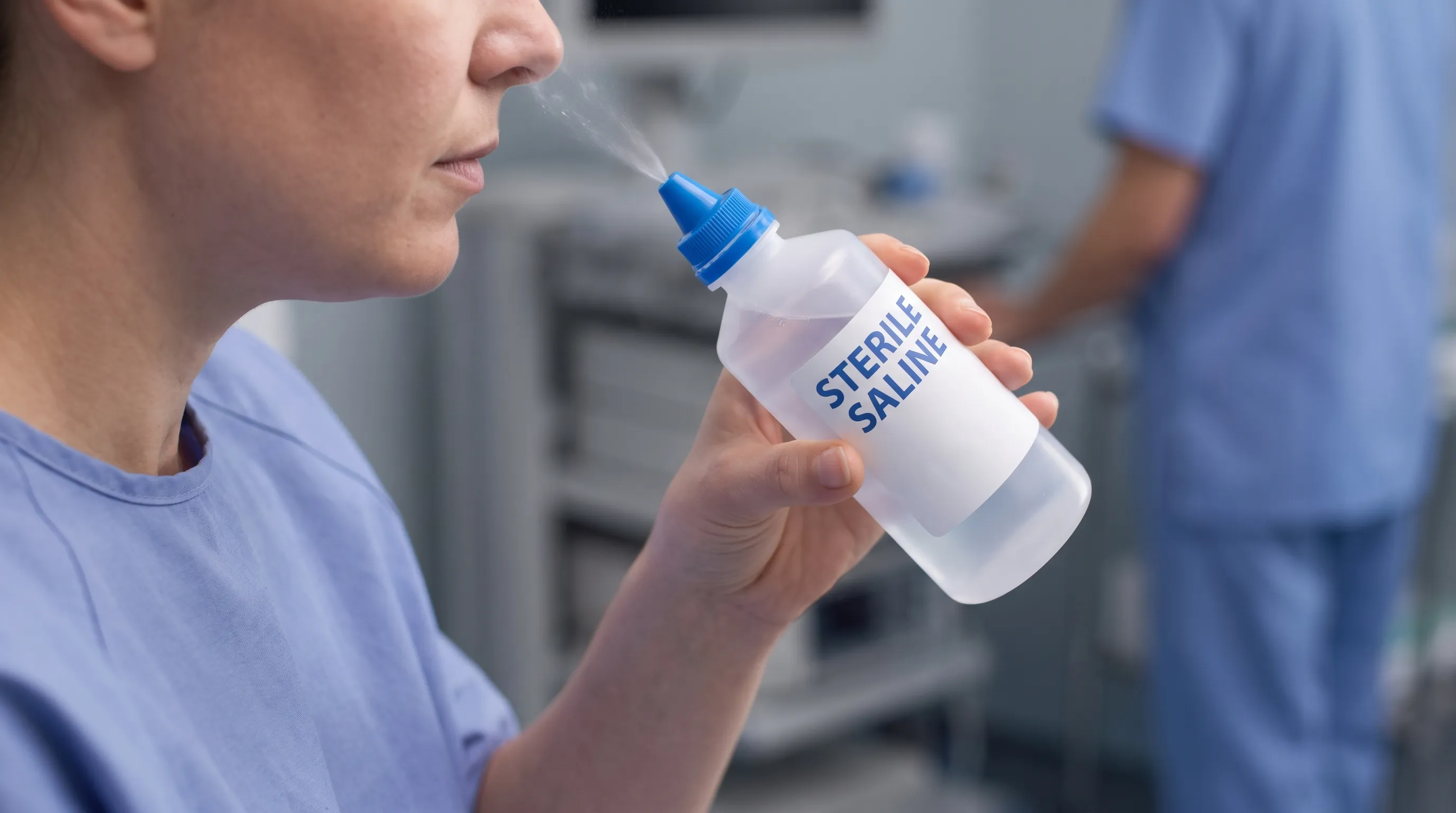
Initial management centers on supportive therapies and over-the-counter medications that address both local congestion and thermal discomfort. Acetaminophen and nonsteroidal anti-inflammatory drugs (NSAIDs) like ibuprofen effectively reduce fever by inhibiting cyclooxygenase enzymes, thereby decreasing prostaglandin synthesis and lowering the hypothalamic thermal set point. Nasal saline irrigation using sterile, distilled, or previously boiled water helps mechanically flush stagnant mucus, allergens, and inflammatory mediators from the nasal passages. Intranasal corticosteroid sprays such as fluticasone or mometasone significantly reduce mucosal edema, improve airflow, and enhance natural drainage pathways. Oral decongestants containing pseudoephedrine provide temporary relief for severe congestion but should be used cautiously in patients with hypertension, cardiovascular disease, or glaucoma. Antihistamines are primarily indicated when allergic rhinitis coexists, as first-generation agents can thicken mucus and impair clearance if used inappropriately during non-allergic infections.
The Role of Prescription Medications
When bacterial etiology is confirmed or highly suspected, targeted antimicrobial therapy becomes necessary. First-line regimens typically involve amoxicillin-clavulanate for 5 to 10 days, with adjustments for penicillin-allergic patients using doxycycline or respiratory fluoroquinolones under guidance. Short courses of oral corticosteroids may be prescribed for severe mucosal swelling or patients with concurrent asthma, though their use requires careful risk-benefit evaluation. Mucolytic agents such as guaifenesin can thin secretions, though clinical evidence regarding their efficacy remains mixed, and hydration remains the most effective natural mucolytic. For patients experiencing recurrent episodes, immunomodulators or long-term prophylactic strategies may be explored under specialist supervision. It is vital that medication decisions align with current clinical guidelines from organizations like the American Family Physician to prevent antimicrobial resistance and ensure optimal therapeutic outcomes.
When to Consider Surgical Intervention
Surgical intervention is reserved for patients with chronic sinusitis refractory to maximal medical therapy, anatomical abnormalities causing persistent obstruction, or complications such as mucoceles and severe polyposis. Endoscopic sinus surgery (ESS) restores natural drainage pathways by carefully removing obstructive tissue, enlarging sinus ostia, and correcting deviated septa when necessary. Functional endoscopic approaches preserve healthy mucosa while improving ventilation. Postoperative care includes rigorous saline irrigation and topical medication regimens to prevent scarring and recurrence. Surgery does not prevent future infections but significantly reduces frequency, severity, and symptom burden in carefully selected candidates. Patients exploring whether can sinus infection cause fever and seeking long-term solutions should consult an otolaryngologist to determine if structural correction aligns with their clinical profile.
Practical Home Care and Recovery Protocols
While medical treatments address the underlying pathology, diligent home care accelerates recovery, minimizes discomfort, and reduces the likelihood of complications. Implementing structured self-management strategies empowers patients to actively participate in their healing process. Understanding how daily habits influence sinus health and thermal regulation provides a practical framework for answering whether can sinus infection cause fever and how to manage it effectively without unnecessary medical intervention.
Step-by-Step Fever Management at Home
Managing a sinus-related fever requires a balance between comfort measures and physiological support. Begin by accurately monitoring temperature using a digital oral or tympanic thermometer, recording readings every 4 to 6 hours to track trends. If the temperature exceeds 101°F (38.3°C) or causes significant discomfort, administer acetaminophen or ibuprofen according to package instructions, ensuring adequate dosing intervals to prevent toxicity. Maintain a comfortably cool room environment around 68-70°F (20-21°C) and wear lightweight, breathable clothing to facilitate heat dissipation. Apply lukewarm compresses to the forehead and neck, avoiding ice-cold water which can trigger shivering and paradoxically increase core temperature. Prioritize rest to conserve metabolic energy for immune function. Crucially, monitor hydration closely, as fever increases insensible fluid loss. Aim for at least 8 to 10 glasses of water daily, supplemented with electrolyte solutions if sweating is profuse. Avoid alcohol and caffeinated beverages, as they promote diuresis and exacerbate dehydration.
Nasal Hygiene and Environmental Modifications
Optimizing the nasal environment significantly reduces symptom duration and prevents secondary complications. Perform saline irrigation twice daily using a sterile squeeze bottle or bulb syringe, ensuring water is previously boiled, distilled, or filtered to eliminate Naegleria fowleri and other contaminants. Follow each rinse with a 10-minute upright posture to prevent residual fluid from entering the Eustachian tubes. Utilize a clean cool-mist humidifier to maintain indoor humidity between 40% and 50%, preventing mucosal drying and ciliary dysfunction. Elevate your head during sleep using an extra pillow to promote gravitational drainage and reduce overnight congestion. Avoid exposure to cigarette smoke, chemical fumes, and strong perfumes, which paralyze cilia and increase mucus viscosity. Regularly clean HVAC filters, wash bedding in hot water weekly, and vacuum with a HEPA filter to minimize airborne irritants. These environmental adjustments create a supportive ecosystem that naturally resolves inflammation and addresses the root causes behind why can sinus infection cause fever in susceptible individuals.
Long-Term Prevention and Immune Support
Recurrence prevention hinges on strengthening mucosal resilience, optimizing immune competence, and eliminating chronic inflammatory triggers. A proactive approach to sinus health reduces the frequency of acute episodes and diminishes the likelihood of experiencing severe systemic symptoms. Implementing sustainable lifestyle modifications provides lasting protection and enhances overall respiratory wellness.
Lifestyle Adjustments for Sinus Resilience
Consistent physical activity improves cardiopulmonary circulation, enhances mucociliary clearance, and modulates systemic inflammation. Aim for at least 150 minutes of moderate aerobic exercise weekly, paired with twice-weekly strength training. Practice stress management techniques such as diaphragmatic breathing, mindfulness meditation, and progressive muscle relaxation, as chronic cortisol elevation impairs immune function and increases mucosal permeability to allergens and pathogens. Prioritize 7 to 9 hours of uninterrupted sleep nightly, as restorative sleep cycles are essential for cytokine regulation, T-cell proliferation, and memory B-cell formation. Quit smoking and avoid secondhand smoke entirely, as tobacco toxins permanently damage ciliary architecture and increase susceptibility to chronic infections. Establish a consistent nasal hygiene routine, even during symptom-free periods, using gentle saline sprays to maintain mucosal moisture and clear accumulated environmental debris.
Dietary and Hydration Guidelines
Nutrition directly influences immune responsiveness and mucosal integrity. Consume a balanced diet rich in antioxidants, omega-3 fatty acids, and phytonutrients found in colorful vegetables, berries, leafy greens, nuts, and fatty fish like salmon and mackerel. Incorporate fermented foods such as yogurt, kefir, sauerkraut, and kimchi to support a healthy gut microbiome, which plays a critical role in systemic immune regulation and inflammatory balance. Limit refined sugars and processed carbohydrates, which promote inflammatory pathways and impair neutrophil phagocytic function. Maintain optimal hydration by consuming at least half your body weight in ounces of water daily, adjusting upward during illness, exercise, or dry climates. Herbal teas containing ginger, peppermint, and turmeric provide natural anti-inflammatory and mild decongestant properties. Adequate zinc, vitamin C, and vitamin D levels are essential for epithelial barrier function and antiviral defense; consider targeted supplementation only after consulting a healthcare provider and confirming nutritional deficiencies through laboratory testing.
Frequently Asked Questions
Can sinus infection cause fever in children?
Children frequently experience fevers during acute sinusitis due to their developing immune systems and smaller, more easily obstructed nasal passages. Pediatric fever thresholds and management strategies differ slightly from adults, and parents should monitor for lethargy, poor feeding, or respiratory distress. The American Academy of Pediatrics recommends age-appropriate fever reducers and prompt evaluation for high or persistent temperatures in infants under three months.
How quickly should fever resolve after starting treatment?
With appropriate antiviral support and symptomatic management, fever from a viral sinus infection typically subsides within 3 to 4 days. Bacterial fevers usually begin improving within 48 hours of initiating correct antibiotic therapy. If thermal elevation persists beyond 72 hours of targeted treatment or worsens despite interventions, clinical reassessment is necessary to adjust the therapeutic approach.
Can allergies cause fever alongside sinus symptoms?
Allergic rhinitis triggers histamine release and mucosal inflammation, leading to congestion, sneezing, and itchy eyes, but it does not inherently cause fever. Fever indicates an infectious or inflammatory process beyond typical allergy pathways. However, untreated allergies frequently lead to secondary bacterial sinusitis, which then introduces pyrogenic symptoms. Distinguishing the primary driver requires evaluating symptom onset, duration, and response to antihistamines versus antimicrobials.
Are home remedies effective for lowering sinus fever?
Supportive home care plays a crucial role in fever management. Hydration, saline irrigation, lukewarm baths, and over-the-counter antipyretics effectively reduce thermal elevation and improve comfort. While herbal supplements like echinacea or elderberry show mild immunomodulatory potential, they lack robust clinical evidence for rapid fever reduction and should complement, not replace, standard symptomatic therapies.
Can sinus infection cause fever after dental procedures?
Yes. The maxillary sinuses sit directly above the upper molars, and dental infections, extractions, or root canals can introduce oral bacteria into the sinus cavity, causing odontogenic sinusitis. This bacterial invasion frequently triggers a pronounced febrile response alongside unilateral facial pain and foul-tasting discharge. Dental professionals and ENT specialists often collaborate on these cases to address both the dental source and sinus inflammation simultaneously.
Conclusion
Understanding the complex interplay between sinus inflammation and systemic thermal regulation provides clarity for anyone asking whether can sinus infection cause fever. The answer lies in recognizing that fever is a natural, protective immune response rather than a standalone disease. While mild to moderate temperature elevations are common during acute episodes, persistent high fevers or concerning systemic symptoms require prompt clinical evaluation. By combining evidence-based medical interventions with structured home care protocols, patients can safely navigate the recovery process and minimize complications. Prioritizing nasal hygiene, maintaining optimal hydration, and supporting immune function through balanced nutrition and stress management form the foundation of long-term sinus resilience. If symptoms persist beyond ten days, worsen significantly, or fail to respond to appropriate care, consulting an ear, nose, and throat specialist or primary care provider ensures timely diagnosis and targeted treatment. Proactive health management, informed symptom tracking, and adherence to medical guidance remain the most effective strategies for overcoming sinus-related discomfort and restoring overall respiratory wellness.
How we work
Researched and drafted with AI assistance, then reviewed by a human editor against the cited sources.
This article is general health information, not medical advice. Consult a qualified healthcare professional about your own situation.