Can Yeast Infection Stop My Period? Understanding Vaginal Health and Menstrual Cycles

It is a common and deeply frustrating scenario: you notice familiar signs of a vaginal yeast infection, such as intense itching, thick white discharge, and localized swelling, only to realize your expected menstrual period has not arrived on schedule. This sudden overlap of symptoms naturally leads many individuals to wonder whether a localized fungal issue could somehow interfere with the complex hormonal machinery that drives menstruation. The short answer is no, a yeast infection cannot directly stop or delay your period, but the relationship between vaginal health, systemic stress, and reproductive hormones is far more nuanced than a simple yes or no can capture. When your body experiences localized inflammation, immune responses activate, and the psychological stress of discomfort can subtly influence your hypothalamic signaling pathways. Understanding exactly how these systems interact, why symptoms seem to coincide, and what truly drives menstrual irregularities is essential for taking control of your reproductive wellness. In this comprehensive guide, we will explore the physiological boundaries between candidiasis and your menstrual cycle, debunk common myths, examine evidence-based triggers for delayed periods, and provide actionable, clinically supported strategies to maintain both vaginal and menstrual health.
The Biology of Vaginal Yeast Infections and the Menstrual Cycle
To properly address the question of whether an infection can halt menstruation, it is crucial to first understand the distinct biological pathways involved in each process. Vaginal yeast infections, medically known as vulvovaginal candidiasis, occur when there is an overgrowth of Candida species, most commonly Candida albicans. This fungus naturally resides in the vaginal microbiome in small, harmless quantities alongside beneficial bacteria like Lactobacillus. The delicate balance of this ecosystem is primarily maintained by estrogen levels, vaginal pH, and glycogen availability. When this equilibrium is disrupted by factors such as antibiotic use, elevated blood sugar, high-estrogen states, or compromised immunity, Candida can proliferate unchecked, leading to the characteristic inflammatory response that causes itching, erythema, and cottage cheese-like discharge. You can read more about the microbiome dynamics at Mayo Clinic's comprehensive guide to yeast infections.
Free calculatorWater Intake CalculatorCalculate daily water needsOpen the calculatorConversely, the menstrual cycle is governed by a highly synchronized neuroendocrine axis. The hypothalamus releases gonadotropin-releasing hormone (GnRH), which stimulates the pituitary gland to secrete follicle-stimulating hormone (FSH) and luteinizing hormone (LH). These hormones orchestrate ovarian follicular development, ovulation, and the subsequent production of estrogen and progesterone. The rise and fall of these two primary sex hormones directly dictate the thickening and shedding of the uterine endometrium, resulting in menstruation. Because yeast infections are localized to the vulvovaginal tissue and do not interfere with the pituitary-ovarian axis or endometrial lining, they lack the physiological mechanism to pause or halt menstrual bleeding. However, recognizing the distinct roles these systems play helps clarify why symptoms often overlap and why people frequently associate the two.
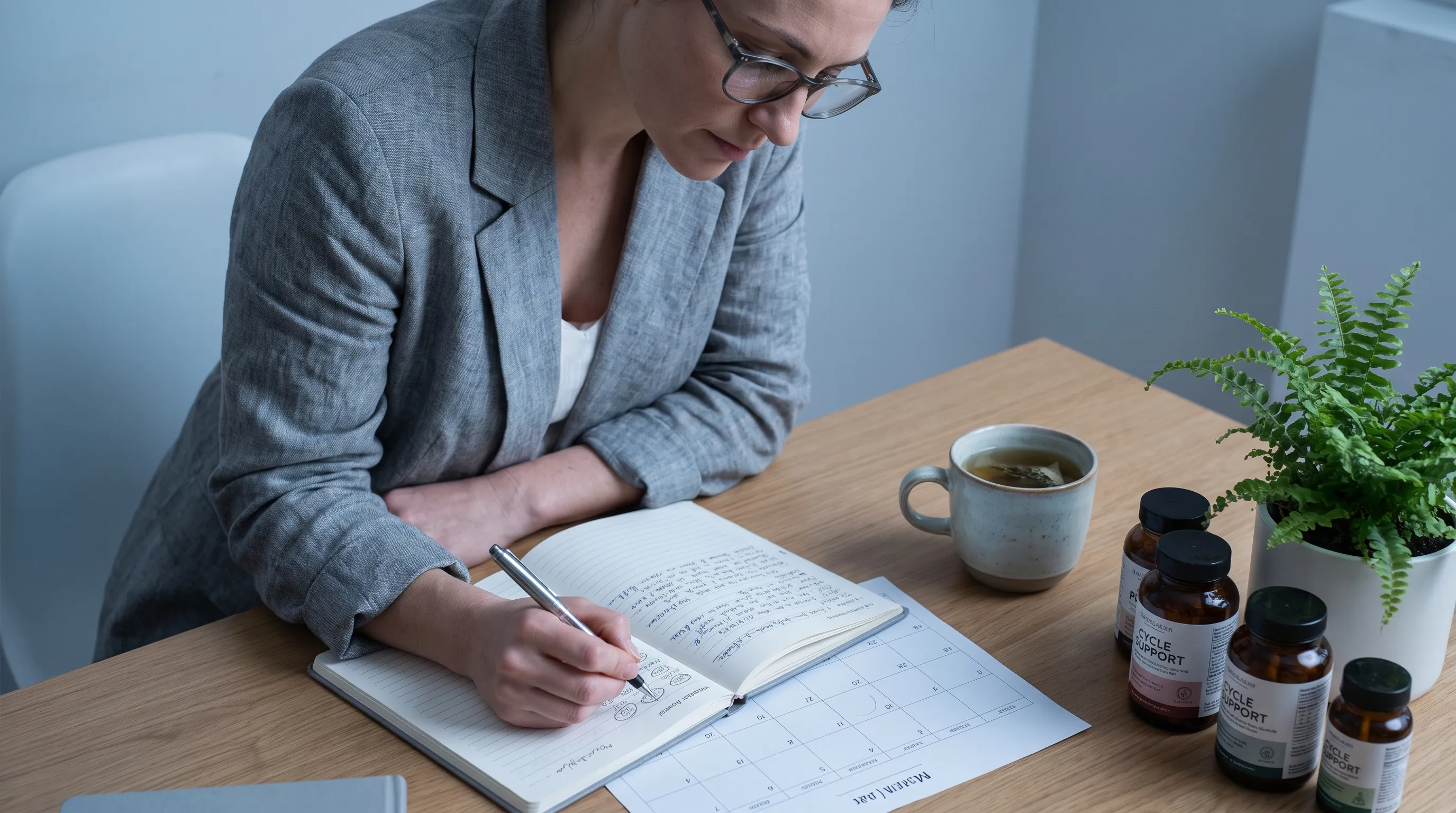
Hormonal Fluctuations During Different Cycle Phases
Your reproductive hormones do not remain static; they fluctuate predictably throughout a typical 28-day cycle. Understanding these phases is critical when evaluating whether an external factor like an infection could influence timing. During the follicular phase, estrogen gradually rises, stimulating endometrial proliferation and creating a glycogen-rich environment in the vagina. This high-estrogen state naturally increases vaginal moisture and can create a temporary environment where Candida thrives if Lactobacillus populations are diminished. After ovulation, progesterone becomes dominant, thickening cervical mucus and lowering vaginal pH. While progesterone typically offers some protective benefits against overgrowth, it also suppresses certain immune responses, which can allow a pre-existing yeast imbalance to manifest clinically right before menstruation. This explains why many individuals consistently experience yeast infection flare-ups in the late luteal phase, immediately preceding their period. The proximity of these events often creates the illusion that the infection is causing the delay, when in reality, both are responding to the same underlying hormonal shift.
Why the Perception of Interference Exists
Medical professionals frequently encounter patients asking whether candidiasis can halt menstruation. This perception stems from several overlapping factors. First, severe vaginal inflammation can make the physical experience of menstruation feel more burdensome, with increased pelvic pressure, exacerbated cramping, and heightened sensitivity. Second, the psychological stress of dealing with persistent discomfort, disrupted sleep, and daily management challenges can activate the body's stress response system, which we know independently affects cycle timing. Third, individuals sometimes confuse different types of vaginal infections. Bacterial vaginosis, trichomoniasis, or pelvic inflammatory disease can sometimes present with systemic symptoms or be linked to broader reproductive health issues that genuinely influence menstrual patterns. Distinguishing between localized candidiasis and systemic reproductive disruptions is essential for accurate self-assessment and appropriate treatment.
Direct Medical Evidence: What Research Actually Says
Extensive clinical research has consistently demonstrated that localized vaginal candidiasis does not interfere with endometrial shedding or ovulation timing. Peer-reviewed studies published in reproductive endocrinology and gynecology journals have examined the effects of vulvovaginal inflammation on the hypothalamic-pituitary-ovarian axis, concluding that localized tissue responses do not produce sufficient cytokine release or hormonal feedback to disrupt GnRH pulsatility. In other words, the immune response triggered by Candida remains confined to the vulvovaginal mucosa and does not generate the systemic hormonal interference required to delay a period. The American College of Obstetricians and Gynecologists (ACOG) explicitly states in their clinical practice guidelines that vaginal infections, including yeast infections, do not alter menstrual cycle length or regularity. You can explore ACOG's patient resources on menstrual health at ACOG.org.
That said, researchers do acknowledge that severe, recurrent, or untreated chronic infections can contribute to a generalized inflammatory state. Chronic inflammation elevates circulating cortisol and pro-inflammatory cytokines like interleukin-6 and tumor necrosis factor-alpha. Prolonged elevation of these markers has been linked to hypothalamic suppression in extreme cases, which can lead to functional hypothalamic amenorrhea or delayed ovulation. However, this is not a direct effect of the yeast infection itself, but rather a downstream consequence of chronic physiological stress. For the vast majority of individuals experiencing a standard, acute episode of vulvovaginal candidiasis, there is zero clinical mechanism by which the fungus could pause menstruation. The question of can yeast infection stop my period is consistently answered in the negative by reproductive endocrinologists, who emphasize that any coinciding delay is almost certainly driven by a separate underlying factor.
Differentiating Localized Inflammation from Systemic Disruption
It is vital to distinguish between localized inflammation and systemic reproductive disruption. Localized inflammation involves the release of histamine, prostaglandins, and localized immune cells in the vaginal mucosa to combat fungal overgrowth. This process does not cross the blood-brain barrier or interfere with pituitary hormone secretion. Systemic disruption, on the other hand, involves widespread immune activation, significant weight changes, extreme physical exertion, or endocrine disorders that genuinely alter GnRH and gonadotropin release. When evaluating whether can yeast infection stop my period, clinicians look for these systemic markers. If your period is delayed alongside a yeast infection, medical providers will first rule out pregnancy, thyroid dysfunction, polycystic ovary syndrome (PCOS), or significant lifestyle changes before attributing the delay to the infection.
The Role of Misattributed Symptoms
Many individuals experiencing both delayed menstruation and vaginal symptoms assume a causal relationship. In reality, the timing is often coincidental or driven by a shared upstream trigger. For example, a high-stress period at work or school can simultaneously weaken local immune defenses, triggering Candida overgrowth, while also suppressing GnRH pulses, delaying ovulation, and postponing your period. The infection and the delayed period are siblings sharing the same parent (stress), not a cause-and-effect pair. Recognizing this distinction prevents unnecessary anxiety and ensures that treatment focuses on the actual root causes rather than misdirected interventions.
Common Factors That Genuinely Delay Menstruation
If a localized fungal infection is not responsible for a missed or late period, what actually is? Understanding the true drivers of menstrual irregularities is the most effective way to address the concern and take actionable steps toward cycle regulation. The menstrual cycle is highly sensitive to internal and external influences, functioning almost as a biological dashboard for your overall health. When your body detects significant physiological or environmental stress, it temporarily downregulates non-essential functions like reproduction to conserve energy and prioritize survival.
Stress and the Hypothalamic-Pituitary-Adrenal Axis
Psychological and physical stress is arguably the most common non-pregnancy cause of delayed periods. When you experience chronic stress, your adrenal glands release cortisol. Elevated cortisol directly suppresses the pulsatile release of GnRH from the hypothalamus. Without consistent GnRH signaling, the pituitary reduces FSH and LH secretion, which delays follicular maturation and ovulation. If ovulation is postponed, your period will naturally arrive later. This physiological pathway is completely independent of vaginal flora, yet it frequently occurs alongside immune fluctuations that make you more susceptible to yeast overgrowth. Managing stress through cognitive behavioral techniques, structured sleep hygiene, and regular moderate exercise can significantly improve both cycle regularity and immune resilience.
Significant Weight Changes and Nutritional Deficiencies
Body fat percentage plays a crucial role in estrogen metabolism and cycle regulation. Leptin, a hormone produced by adipose tissue, signals the hypothalamus regarding energy stores. Rapid weight loss, eating disorders, or extremely low body fat can drop leptin levels below the threshold needed to sustain regular ovulation. Conversely, sudden weight gain or high insulin resistance can elevate estrogen and disrupt the delicate balance required for timely endometrial shedding. Furthermore, deficiencies in key micronutrients like iron, zinc, magnesium, and B vitamins can impair cellular hormone receptor function. Ensuring adequate caloric intake and a nutrient-dense diet is foundational for maintaining a predictable menstrual rhythm.
Thyroid Dysfunction and Endocrine Disorders
The thyroid gland regulates basal metabolic rate and works in tandem with reproductive hormones. Both hypothyroidism and hyperthyroidism can cause profound menstrual disturbances, including amenorrhea, oligomenorrhea, or heavy bleeding. Thyroid imbalances often coincide with immune dysregulation, making individuals with autoimmune thyroid conditions more prone to recurrent mucosal infections. Similarly, conditions like PCOS, characterized by hyperandrogenism and insulin resistance, directly disrupt ovulation patterns. If your periods have been irregular for three or more consecutive months, endocrine testing should be a priority. The National Institutes of Health provides extensive resources on endocrine impacts at NIH.gov.
Medication Effects and Lifestyle Shifts
Certain medications are well-documented to alter menstrual timing. Emergency contraceptives, certain antidepressants, antipsychotics, chemotherapy agents, and long-term corticosteroid use can all temporarily suppress ovulation or alter endometrial development. Additionally, drastic changes in sleep patterns, intense athletic training, or cross-time zone travel disrupt circadian rhythms, which are intrinsically linked to GnRH secretion. When evaluating whether can yeast infection stop my period, it is important to consider these more impactful lifestyle and pharmacological variables that directly interact with your endocrine system.
| Factor | Mechanism of Cycle Disruption | Typical Impact on Period | Primary Intervention |
|---|---|---|---|
| Chronic Stress | Elevated cortisol suppresses GnRH pulsatility | Delayed or missed period | Stress management, sleep optimization, therapy |
| Rapid Weight Loss | Low leptin signals energy conservation to hypothalamus | Amenorrhea or irregular cycles | Balanced caloric intake, nutritional counseling |
| Thyroid Imbalance | Altered T3/T4 disrupts estrogen metabolism and feedback loops | Heavy, light, or absent periods | Thyroid medication, regular blood monitoring |
| PCOS/Insulin Resistance | Hyperandrogenism and high insulin block follicular maturation | Infrequent, unpredictable cycles | Lifestyle modification, metformin, hormonal regulation |
| High-Intensity Exercise | Physical stress elevates cortisol and alters GnRH signaling | Delayed ovulation and luteal phase shortening | Periodized training, adequate recovery, caloric support |
How Over-the-Counter Treatments and Self-Care Intersect
While treating candidiasis is important, understanding how interventions interact with your body is equally critical. Many individuals worry that antifungal medications might alter their hormonal baseline or menstrual timing. Standard OTC treatments, including clotrimazole, miconazole, and oral fluconazole, work by inhibiting ergosterol synthesis in the fungal cell wall, a pathway completely absent in human cells and entirely unrelated to steroid hormone production. Therefore, these medications do not contain synthetic hormones and will not delay your period or alter cycle length.
Timing Treatment with Your Cycle
Although antifungals do not affect menstruation, their delivery method can be impacted by it. Vaginal creams and suppositories are most effective when retained in the vaginal canal for several hours. During heavy menstrual flow, blood can physically wash away the medication before it has time to penetrate the mucosal tissue and eradicate the fungal overgrowth. For this reason, many gynecologists recommend using oral fluconazole during menstruation or waiting until bleeding lightens to begin topical therapy. If you are using OTC treatments, carefully read the packaging instructions regarding menstrual use. Applying treatment during light spotting is generally safe and effective, but heavy flow significantly reduces efficacy.
Probiotics and Microbiome Restoration
A growing body of research supports the use of specific probiotic strains, particularly Lactobacillus rhamnosus GR-1 and Lactobacillus reuteri RC-14, in restoring vaginal flora and preventing recurrent candidiasis. These strains produce hydrogen peroxide and lactic acid, which lower vaginal pH and create a hostile environment for Candida. While probiotics do not regulate menstruation, maintaining a balanced microbiome reduces chronic inflammation and supports overall pelvic health, which indirectly creates a more stable environment for hormonal signaling. You can learn more about microbiome science at NCBI Bookshelf.
When to Seek Professional Medical Evaluation
Knowing when to self-manage and when to consult a healthcare provider is essential for both vaginal and menstrual health. Most acute yeast infections resolve quickly with appropriate OTC antifungal therapy, but certain patterns warrant clinical evaluation. If you are asking yourself whether can yeast infection stop my period and experiencing cycle irregularities alongside recurrent infections, a comprehensive diagnostic approach is necessary to identify underlying contributors.
Recognizing Warning Signs
Red flags that require prompt medical attention include pelvic pain that extends beyond typical menstrual cramps, foul-smelling or grayish discharge, bleeding between periods, fever, or symptoms that persist beyond a week of OTC treatment. These signs may indicate bacterial vaginosis, sexually transmitted infections, pelvic inflammatory disease, or endocrine disorders that genuinely impact menstruation. Additionally, if your period is more than seven days late and pregnancy is a possibility, a home test or clinical serum hCG test should be your first step. Pregnancy dramatically alters both immune tolerance and vaginal pH, frequently triggering yeast overgrowth while simultaneously halting menstruation.
Diagnostic Expectations and Clinical Testing
During a clinical visit, your provider will likely perform a pelvic examination, collect a vaginal swab for microscopy or culture, and possibly order blood tests to evaluate thyroid function, prolactin levels, and reproductive hormones. These tests help differentiate between isolated mucosal infections and systemic reproductive disruptions. If recurrent candidiasis is confirmed alongside irregular cycles, your clinician may investigate underlying insulin resistance, immune deficiencies, or hormonal imbalances. Early and accurate diagnosis prevents unnecessary delays and ensures that you receive targeted, effective treatment rather than generalized self-care that fails to address the root cause.
Actionable Strategies for Optimal Reproductive Health
Managing both vaginal wellness and menstrual regularity requires a holistic, evidence-based approach. While understanding the science is important, translating that knowledge into daily habits is where real transformation occurs. By implementing targeted lifestyle modifications, dietary adjustments, and preventive practices, you can significantly reduce the frequency of infections and promote consistent, predictable cycles.
Dietary and Hydration Adjustments
What you eat directly impacts both your immune system and your hormonal balance. High sugar intake and refined carbohydrates spike insulin and blood glucose, providing abundant fuel for Candida growth. Reducing added sugars, prioritizing complex carbohydrates, and incorporating anti-inflammatory foods like leafy greens, omega-3 rich fish, and fermented products supports both metabolic health and mucosal immunity. Additionally, chronic dehydration concentrates vaginal secretions and impairs cellular detoxification. Aim for at least eight glasses of water daily, and consider herbal teas like chamomile or ginger, which offer mild anti-inflammatory benefits without disrupting hormone pathways.
Stress Management and Sleep Optimization
Since chronic stress is a primary driver of both delayed ovulation and immune suppression, proactive stress management is non-negotiable for cycle health. Implement daily practices such as guided meditation, diaphragmatic breathing exercises, journaling, or gentle yoga. Equally important is prioritizing 7 to 9 hours of quality sleep each night. Sleep deprivation elevates cortisol and disrupts melatonin production, which in turn impairs GnRH signaling and reduces natural killer cell activity. Creating a consistent sleep schedule and a dark, cool sleep environment can profoundly impact both your cycle regularity and infection resistance.
Safe Self-Monitoring and Cycle Tracking
Empowering yourself with accurate data is one of the most effective ways to understand your body. Use evidence-based menstrual tracking apps or traditional journals to monitor flow intensity, symptom onset, and cycle length. Track basal body temperature or cervical mucus changes to confirm ovulation timing. This data helps you identify patterns, predict infection flare-ups related to hormonal phases, and provide your healthcare provider with comprehensive information if you require clinical evaluation. Remember, tracking your cycle does not replace professional medical advice, but it provides valuable context for personalized care.
Frequently Asked Questions
Can yeast infection stop my period completely?
No, a localized vaginal yeast infection does not possess the physiological mechanism to halt menstrual bleeding. Menstruation is controlled by the hypothalamic-pituitary-ovarian axis and endometrial dynamics, which are unaffected by localized Candida overgrowth. Any coinciding delay is typically caused by stress, hormonal fluctuations, pregnancy, or unrelated medical conditions.
Does using antifungal medication delay my next period?
Standard antifungal medications, including topical azoles and oral fluconazole, do not contain hormones and do not interfere with the hypothalamic-pituitary axis. They target fungal cell wall synthesis and will not delay ovulation or alter your menstrual cycle timing.
Why do I always get a yeast infection right before my period?
In the late luteal phase, progesterone levels rise and slightly suppress certain local immune responses, while estrogen fluctuations alter vaginal glycogen levels. This combination can create a temporary environment where Candida thrives, leading to premenstrual flare-ups that are frequently mistaken for cycle disruption.
Can stress from dealing with an infection cause my period to be late?
Yes, while the infection itself does not delay your period, the psychological and physiological stress of managing persistent discomfort, disrupted sleep, and anxiety can elevate cortisol levels. Chronic cortisol elevation suppresses GnRH release, potentially delaying ovulation and pushing your period later.
Should I wait until my period ends to treat a yeast infection?
It depends on the severity and medication type. Oral antifungals can be taken safely during menstruation. Topical creams and suppositories are less effective during heavy flow due to washout, so many clinicians recommend starting treatment when bleeding lightens or using oral formulations during peak days. Always follow your provider's specific guidance.
Conclusion
Navigating the intersection of vaginal discomfort and menstrual irregularities can be confusing, but the medical evidence is clear and consistent: a yeast infection cannot directly stop or delay your period. The menstrual cycle and vulvovaginal microbiome operate through entirely separate physiological pathways, with the former governed by complex neuroendocrine signaling and the latter driven by localized microbial balance and pH regulation. When these two experiences overlap, it is typically due to shared underlying factors like hormonal fluctuations, elevated stress, lifestyle disruptions, or unrelated reproductive health conditions rather than a direct cause-and-effect relationship. By understanding this distinction, you can shift your focus from misattributed fears toward actionable, evidence-based strategies that address the true root causes of your symptoms. Prioritize balanced nutrition, proactive stress management, proper sleep hygiene, and targeted medical evaluation when necessary. Your reproductive health thrives on holistic care, informed decisions, and a proactive partnership with your healthcare provider. If you continue to experience recurrent infections alongside persistent menstrual irregularities, do not hesitate to seek comprehensive diagnostic testing. Your body communicates through symptoms, and listening to those signals with clarity and scientific understanding is the foundation of lasting wellness.
How we work
Researched and drafted with AI assistance, then reviewed by a human editor against the cited sources.
This article is general health information, not medical advice. Consult a qualified healthcare professional about your own situation.