Can a Yeast Infection Cause Cramping? Medical Insights & Relief Strategies

Vaginal discomfort and unexplained pelvic aches are among the most frequently searched health concerns, yet many individuals struggle to distinguish between routine menstrual symptoms, minor irritations, and clinically significant conditions. If you have been experiencing unusual lower abdominal pain alongside vaginal itching or discharge, you are likely wondering whether can a yeast infection cause cramping or if these symptoms point to something entirely different. Understanding the precise mechanisms behind fungal overgrowth, pelvic inflammation, and nerve signaling is essential for making informed healthcare decisions. This comprehensive guide will walk you through the clinical realities, differential diagnostics, and evidence-based management strategies recommended by gynecologists and infectious disease specialists. By exploring the intersection of microbiome balance, immune response, and muscular contractions, you will gain a clearer picture of your symptoms and learn when self-care is appropriate versus when professional medical intervention becomes necessary.
Understanding Yeast Infections: More Than Just Itching and Discharge
What Exactly Is a Yeast Infection?
A vaginal yeast infection, medically classified as vulvovaginal candidiasis (VVC), occurs when the fungal organism Candida albicans proliferates uncontrollably within the vaginal environment. Under optimal conditions, Candida species exist harmlessly as part of the natural microbiome, kept in check by beneficial bacteria, primarily Lactobacillus strains, which maintain an acidic pH ranging between 3.8 and 4.5. When this ecological equilibrium is disrupted by factors such as antibiotic use, elevated estrogen levels, uncontrolled diabetes, stress, or compromised immune function, Candida shifts from a commensal organism to a pathogenic one. The resulting infection triggers a localized inflammatory cascade, characterized by increased vascular permeability, white blood cell recruitment, and the release of cytokines that sensitize nerve endings in the vulvovaginal region. This pathophysiological process explains why the most prominent symptoms typically include intense pruritus, erythema, edema, and the characteristic thick, white, cottage cheese-like discharge that clings to the vaginal walls. While these manifestations are widely recognized, the systemic and referred pain patterns associated with localized inflammation are often overlooked or misattributed to routine gynecological fluctuations.
Common Symptoms vs. Atypical Signs
The classic presentation of vulvovaginal candidiasis is well-documented in clinical literature, with the American College of Obstetricians and Gynecologists noting that over 90% of cases exhibit hallmark signs. However, atypical presentations do occur, particularly in recurrent or complicated VVC. Common symptoms include external vulvar itching, burning sensations exacerbated by urination, dyspareunia (pain during intercourse), and noticeable redness or swelling. Less frequently discussed are the radiating discomfort patterns that can manifest as lower back stiffness, mild thigh muscle tension, or subtle pelvic pressure. These atypical signs arise because the pelvic region shares a complex network of autonomic and somatic nerves. When localized inflammation becomes pronounced, referred pain can travel along the pudendal nerve and lumbosacral plexus, creating the sensation of deep internal aching or mild contractions. Patients often describe this as a heavy, pulling sensation rather than acute pain. Recognizing these secondary symptoms prevents unnecessary anxiety and ensures that individuals seek appropriate care rather than relying on trial-and-error home remedies that may delay effective treatment.
Why Cramping Isn’t Always the First Sign
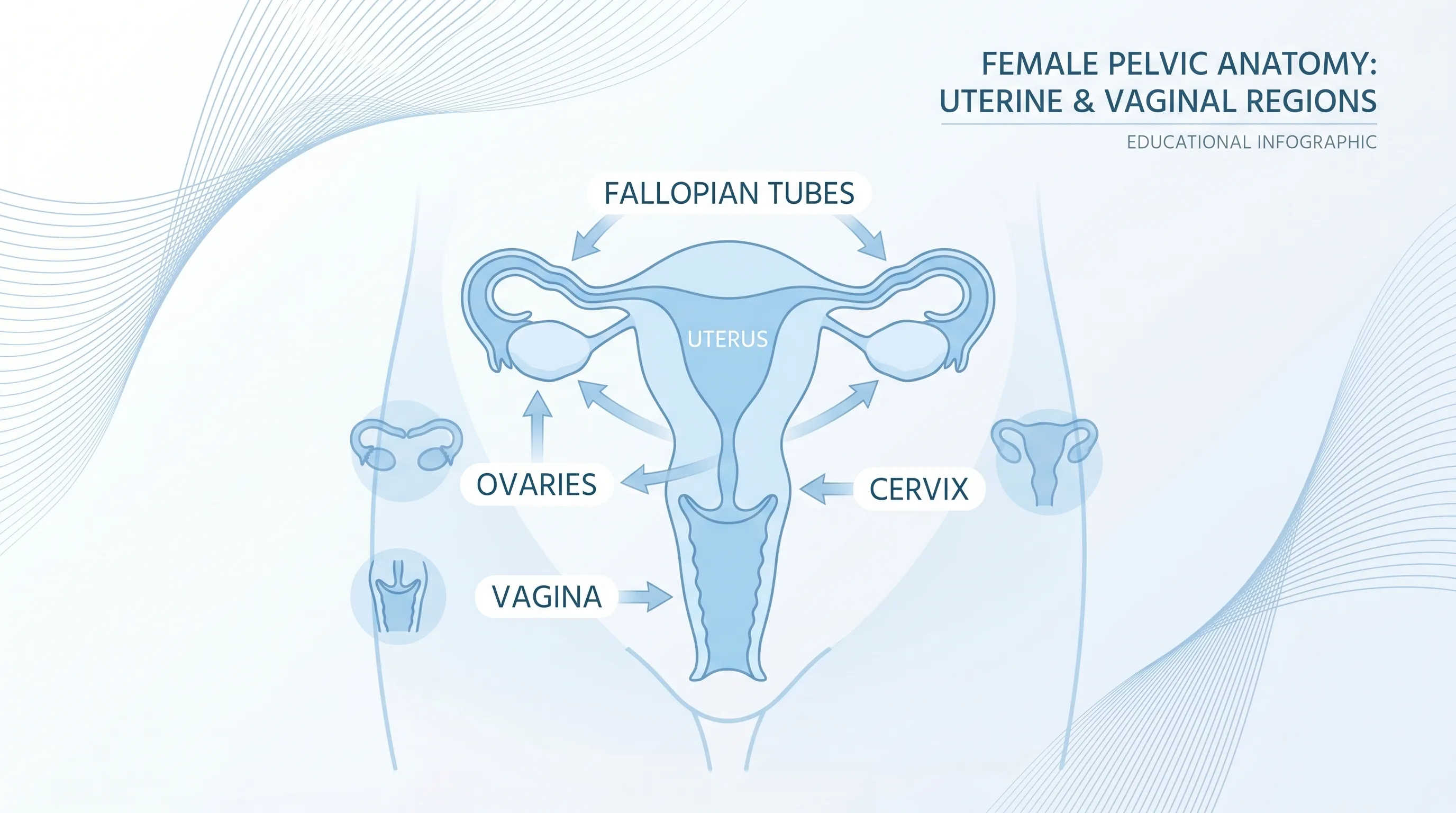
While many assume that pelvic discomfort automatically indicates muscular contractions, the anatomical reality is more nuanced. The vagina itself lacks the thick muscular layers found in the uterus, meaning direct fungal irritation rarely generates true cramping sensations. Instead, what many interpret as cramping is actually inflammatory pressure, edema-induced tissue tightness, or reactive pelvic floor muscle guarding. When the vulvovaginal tissues become inflamed, the surrounding musculature instinctively tenses as a protective reflex, which can mimic the rhythmic tightening associated with menstrual cramps. Additionally, prolonged itching and discomfort can lead to unconscious clenching of the pelvic diaphragm and levator ani muscles, further contributing to that familiar aching sensation. Understanding this distinction is crucial when evaluating whether can a yeast infection cause cramping that genuinely originates from uterine or intestinal muscle activity versus secondary musculoskeletal tension. In most uncomplicated cases, the discomfort remains localized and resolves alongside the primary fungal symptoms once appropriate antifungal therapy is initiated and tissue healing begins.
Can a Yeast Infection Cause Cramping? The Medical Explanation
How Fungal Inflammation Triggers Pelvic Discomfort
To address the central question of whether can a yeast infection cause cramping, we must examine the biochemical pathways activated during localized infection. When Candida overgrowth occurs, fungal cell walls release beta-glucans and mannoproteins that are recognized by pattern recognition receptors on mucosal epithelial cells and resident immune cells. This recognition initiates a signaling cascade that upregulates the production of interleukins, tumor necrosis factor-alpha, and chemokines. These inflammatory mediators do more than cause surface-level redness and swelling; they sensitize C-fiber nociceptors, which transmit slow, burning, or aching pain signals to the spinal cord. Simultaneously, vascular dilation increases fluid accumulation in the interstitial spaces of the pelvic floor. The resulting tissue expansion presses against adjacent structures, including the urethra, rectum, and lower pelvic organs, creating a diffuse sensation of pressure and dull aching that many describe as cramping. This inflammatory response is particularly pronounced during the first 48 to 72 hours of an active infection, correlating with peak immune activity. Medical guidelines from the Centers for Disease Control and Prevention emphasize that while mild aching can accompany VVC, it should not be confused with the sharp, intermittent, or cyclical pain patterns associated with reproductive or gastrointestinal pathologies.
The Role of Prostaglandins and Muscle Contractions
Prostaglandins are lipid compounds that play a pivotal role in pain perception, inflammation, and smooth muscle contraction. During a yeast infection, the localized tissue damage and immune response trigger cyclooxygenase (COX) enzymes to synthesize prostaglandins, particularly PGE2 and PGF2alpha, at the infection site. While prostaglandins are best known for their role in menstrual cramping and labor contractions, their presence in the vaginal and cervical microenvironment during candidiasis can contribute to subtle uterine and pelvic floor irritability. Research published in clinical microbiology and immunology journals indicates that localized prostaglandin elevation can induce low-grade myometrial sensitivity, especially if the infection occurs near the cervical os. This does not mean the yeast fungus directly infects the uterus, but rather that inflammatory byproducts can cross-react with nearby smooth muscle tissue, creating a mild, cramp-like sensation. Additionally, individuals with pre-existing conditions like dysmenorrhea or endometriosis may experience amplified cramping when a yeast infection coexists, as their baseline prostaglandin levels and nerve sensitivity are already elevated. Recognizing this interconnected mechanism helps explain why some patients report overlapping symptoms, even when the primary pathology remains strictly fungal in nature.
Distinguishing Yeast-Related Cramps from Other Causes
Accurate symptom differentiation requires a systematic approach that considers timing, intensity, associated manifestations, and response to initial interventions. If you are asking whether can a yeast infection cause cramping severe enough to limit daily activities, the answer is generally no. True yeast-related discomfort tends to be dull, constant, and closely tied to visible vulvovaginal symptoms. In contrast, severe or debilitating cramping often points to alternative etiologies such as pelvic inflammatory disease, ovarian cyst rupture, ectopic pregnancy, or gastrointestinal disturbances like irritable bowel syndrome or diverticulitis. Urinary tract infections, which frequently co-occur or mimic vaginal symptoms, typically produce suprapubic cramping, urgency, and dysuria without the characteristic thick discharge of candidiasis. A practical self-assessment involves monitoring whether the cramping improves alongside antifungal treatment. If the itching and discharge resolve within three to four days but the pelvic pain persists or worsens, it strongly suggests that the cramping originates from a separate anatomical or physiological source. Tracking symptom progression in a dedicated journal, noting cycle timing, bowel habits, and medication responses, provides invaluable data for healthcare providers during clinical evaluation and reduces the likelihood of misdiagnosis or delayed treatment.
When Cramping Points to a Different Condition
Bacterial Vaginosis vs. Yeast Infections
Bacterial vaginosis (BV) represents one of the most common differential diagnoses when patients report pelvic discomfort alongside vaginal symptoms. Unlike yeast infections, BV results from a shift in vaginal flora where anaerobic bacteria such as Gardnerella vaginalis and Prevotella species overgrow, displacing protective Lactobacillus. The hallmark of BV is a thin, grayish-white discharge with a distinct fishy odor, particularly noticeable after intercourse or during menstruation. While BV is frequently less irritating than candidiasis, it carries a higher risk of ascending infection, which can lead to endometritis, salpingitis, or pelvic inflammatory disease. These upper reproductive tract infections routinely generate moderate to severe lower abdominal cramping, fever, and abnormal bleeding. Medical literature consistently highlights that BV-associated cramping stems from mucosal inflammation and potential cervical involvement rather than localized vulvar irritation. Misidentifying BV as a yeast infection and treating it with OTC antifungals will not resolve the bacterial imbalance, potentially allowing the condition to progress. Clinicians rely on Nugent scoring, vaginal pH testing, and wet mount microscopy to differentiate these conditions accurately. If cramping accompanies a foul-smelling discharge, thin consistency, or elevated vaginal pH above 4.5, bacterial vaginosis or a mixed infection should be suspected (CDC Guidelines on Bacterial Vaginosis).
Urinary Tract Infections and Lower Abdominal Pain
The proximity of the urethra, bladder, and vagina creates significant symptom overlap that often confuses patients. Urinary tract infections, particularly cystitis and urethritis, frequently present with lower abdominal cramping, pelvic pressure, frequent urination, and a burning sensation that many mistake for vaginal discomfort. The bladder sits directly anterior to the vaginal canal, meaning inflammation of the urinary mucosa can refer pain to identical pelvic nerve pathways activated during vulvovaginal infections. Furthermore, wiping techniques, sexual activity, and anatomical variations can simultaneously introduce both Candida and uropathogenic Escherichia coli into the perineal region, leading to concurrent infections. When cramping is accompanied by hematuria, cloudy urine, flank pain, or fever, a urinary tract infection requires immediate attention, as untreated pyelonephritis can result in serious systemic complications. Distinguishing features include the absence of thick, clumpy vaginal discharge and the presence of urinary urgency that persists regardless of antifungal therapy. A simple urinalysis and urine culture provide rapid confirmation, allowing clinicians to prescribe targeted antibiotics such as nitrofurantoin or fosfomycin. Patients experiencing simultaneous vaginal itching and urinary cramping should request comprehensive dual-pathogen testing rather than assuming a single etiology (Cleveland Clinic).
Gynecological Conditions That Mimic Yeast Infection Symptoms
Several gynecological disorders produce overlapping presentations that complicate self-diagnosis, particularly when cramping becomes a prominent feature. Endometriosis, adenomyosis, uterine fibroids, and ovarian cysts frequently manifest with cyclical or chronic pelvic pain, dysmenorrhea, and abnormal bleeding patterns. While these conditions do not typically cause intense vulvar itching or cottage cheese discharge, they can coexist with yeast infections, especially during hormonal fluctuations or stress-induced immune suppression. Cervicitis, often triggered by chlamydia or gonorrhea, generates purulent discharge, postcoital bleeding, and deep pelvic cramping that may be mistaken for complicated candidiasis. Pelvic inflammatory disease remains a critical consideration, as it arises from untreated sexually transmitted infections ascending through the cervix into the uterus, fallopian tubes, and ovaries. PID routinely produces bilateral lower abdominal tenderness, cervical motion pain, and systemic symptoms like fever and nausea. The Mayo Clinic emphasizes that any cramping unresponsive to standard yeast treatments, or accompanied by fever, severe pain, or irregular bleeding, warrants prompt pelvic examination and transvaginal ultrasound. Relying exclusively on symptom checklists without clinical confirmation increases the risk of overlooking progressive reproductive pathology. Integrative diagnostic approaches ensure that both infectious and structural contributors are evaluated simultaneously.
Evidence-Based Diagnosis: How Healthcare Providers Assess Your Symptoms
The Clinical Examination Process
A thorough gynecological evaluation forms the foundation of accurate diagnosis when patients present with pelvic discomfort and suspected candidiasis. Healthcare providers begin with a detailed medical history, documenting symptom onset, duration, previous infections, contraceptive use, sexual activity, and recent medication courses. The physical examination includes an external inspection of the vulva for erythema, fissures, or excoriation from scratching, followed by a speculum examination to visualize vaginal walls and cervical status. During this procedure, clinicians assess discharge characteristics, mucosal integrity, and signs of concurrent inflammation or ulceration. A bimanual examination evaluates uterine size, adnexal tenderness, and cervical mobility, helping rule out upper reproductive tract involvement. If cervical motion tenderness or palpable adnexal masses are detected, further imaging or laboratory workup becomes necessary. The clinical process prioritizes patient comfort and privacy, utilizing warm speculums, clear communication, and consent-driven positioning. Patients are encouraged to disclose all over-the-counter treatments attempted prior to the visit, as residual creams or antifungals can alter pH readings and culture results, potentially skewing diagnostic accuracy.
Laboratory Testing and pH Swabs
Microscopic and chemical testing provide definitive confirmation when clinical presentation alone remains ambiguous. Vaginal pH measurement serves as a rapid, reliable screening tool, with healthy vaginal environments maintaining an acidic range between 3.8 and 4.5. Candida infections typically preserve normal pH levels, whereas bacterial vaginosis and trichomoniasis elevate pH above 4.5. A wet mount preparation involves collecting a sample of discharge, mixing it with saline and potassium hydroxide, and examining it under a microscope. The presence of budding yeast, pseudohyphae, or spores confirms candidiasis, while clue cells indicate BV. Trichomonas vaginalis manifests as motile flagellated organisms. In recurrent or treatment-resistant cases, fungal culture or polymerase chain reaction testing identifies specific Candida species and detects antifungal resistance markers. Some clinics also utilize nucleic acid amplification tests to simultaneously screen for sexually transmitted pathogens, ensuring comprehensive pathogen profiling. These laboratory protocols adhere to guidelines published by the American Academy of Family Physicians and the CDC, minimizing diagnostic uncertainty and streamlining targeted therapy selection.
When to Seek Immediate Medical Attention
While most yeast infections resolve with standard care, specific red flags necessitate urgent clinical intervention. High-grade fever, chills, or systemic malaise alongside pelvic cramping suggests possible sepsis or ascending infection requiring intravenous antibiotics and hospital monitoring. Severe, sudden-onset lower abdominal pain that worsens with movement or palpation may indicate ovarian torsion, ectopic pregnancy, or appendicitis, all of which demand emergency evaluation. Persistent vomiting, fainting, dizziness, or inability to tolerate oral fluids further escalates care urgency. Patients who are pregnant, immunocompromised, or managing uncontrolled diabetes should never self-diagnose, as altered immune responses and hormonal shifts increase the risk of complicated VVC and atypical pathogen behavior. Clinical guidelines recommend immediate consultation if symptoms recur four or more times annually, as recurrent vulvovaginal candidiasis requires extended maintenance therapy, underlying metabolic screening, and specialized microbiological analysis (CDC Recurrent Candidiasis Guidelines). Early intervention prevents chronic pelvic floor dysfunction, reduces antibiotic or antifungal overuse, and preserves long-term reproductive health. Tracking symptom severity on a standardized scale and photographing visible discharge changes can expedite clinical triage.
Safe and Effective Treatment Strategies
Over-the-Counter Antifungal Options
The majority of uncomplicated yeast infections respond rapidly to over-the-counter intravaginal antifungal agents, which belong primarily to the azole family. Common active ingredients include clotrimazole, miconazole, butoconazole, and tioconazole, available in one-day, three-day, and seven-day formulations. Clinical studies demonstrate comparable efficacy across duration protocols, though extended courses often provide more gradual symptom relief and reduced tissue irritation for sensitive patients. Suppositories and creams deliver medication directly to the vaginal mucosa, achieving high local concentrations while minimizing systemic absorption. Application techniques significantly influence treatment success; patients should insert suppositories or cream at bedtime, lie supine for several minutes to prevent leakage, wear breathable cotton underwear, and use unscented panty liners to manage residual discharge. Avoiding douching, scented hygiene products, and sexual intercourse during treatment prevents further mucosal disruption and ensures optimal medication retention. Most individuals notice symptomatic improvement within 24 to 48 hours, with complete resolution typically occurring by day seven. If symptoms persist beyond the treatment window or worsen immediately after application, discontinuation and clinical follow-up are advised to exclude allergic contact dermatitis or misdiagnosed pathology.
Prescription Medications for Recurrent Cases
When over-the-counter options prove insufficient, prescription therapies offer targeted, systemic, or extended-release interventions tailored to complex presentations. Oral fluconazole, a single 150 mg dose, remains the gold standard for uncomplicated VVC, achieving rapid symptom clearance and convenient administration. For recurrent vulvovaginal candidiasis defined as four or more confirmed episodes within twelve months, clinicians often prescribe an induction regimen followed by weekly fluconazole maintenance therapy for six months. Alternative oral options include itraconazole and longer-acting boric acid suppositories, which demonstrate efficacy against non-albicans Candida species that frequently resist standard azole treatments. Prescription compounding pharmacies also offer customized nystatin formulations or combination therapies for patients with severe hypersensitivity reactions. Healthcare providers carefully evaluate liver function, drug interactions, and pregnancy status before initiating systemic antifungals, as fluconazole crosses the placental barrier and carries teratogenic risks in high first-trimester doses. Patients receiving maintenance therapy require periodic monitoring to assess microbiome recovery, adjust dosing schedules, and rule out underlying contributors such as endocrine dysfunction or undiagnosed diabetes mellitus.
Home Remedies and Supportive Self-Care
Complementary self-care practices play a vital role in symptom management, tissue healing, and microbiome restoration, though they should never replace evidence-based antifungal therapy. Sitz baths infused with colloidal oatmeal or diluted apple cider vinegar provide temporary soothing effects for external vulvar irritation, though internal application or undiluted solutions risk further pH disruption and chemical burns. Cold compresses applied externally reduce edema and numb overactive nerve endings, offering immediate relief during acute flare-ups. Dietary modifications focusing on reduced refined sugar intake, increased hydration, and fermented foods like kefir and unsweetened yogurt support systemic immune function and promote lactobacilli proliferation. Some patients incorporate oral Lactobacillus rhamnosus GR-1 and Lactobacillus reuteri RC-14 supplements, which clinical trials suggest may reduce recurrence rates by competitively inhibiting Candida adhesion to epithelial cells (NIH Office of Dietary Supplements). Stress management techniques, including diaphragmatic breathing, pelvic floor relaxation exercises, and adequate sleep hygiene, mitigate cortisol-driven immune suppression that frequently triggers fungal overgrowth. Integrating these supportive measures alongside conventional treatment creates a comprehensive recovery framework that addresses both acute symptoms and long-term vaginal health optimization.

Prevention and Long-Term Vaginal Health
Lifestyle Adjustments for a Balanced Microbiome
Sustaining a resilient vaginal ecosystem requires intentional lifestyle modifications that prioritize microbial diversity and pH stability. Chronic stress, poor sleep architecture, and sedentary behavior dysregulate hypothalamic-pituitary-adrenal axis function, elevating cortisol and impairing mucosal immune surveillance. Incorporating regular moderate exercise, such as brisk walking, swimming, or yoga, enhances circulation, reduces systemic inflammation, and supports hormonal equilibrium. Sleep hygiene practices, including consistent bedtime routines, reduced evening screen exposure, and cool, dark sleeping environments, optimize melatonin production and cellular repair mechanisms. Smoking cessation and moderation of alcohol consumption further protect vascular health and epithelial integrity in the pelvic region. Patients frequently overlook the impact of prolonged sitting and tight clothing on perineal ventilation; taking frequent standing breaks and opting for loose-fitting garments reduces moisture accumulation and thermal stress that foster anaerobic and fungal proliferation. Building daily routines around these physiological principles establishes a sustainable foundation for microbial balance and reduces vulnerability to opportunistic pathogens.
Diet, Probiotics, and Immune Support
Nutritional choices directly influence glycemic control, systemic inflammation, and gut-vaginal axis communication. High-glycemic diets spike blood glucose and insulin levels, creating an environment where Candida thrives on circulating sugars and epithelial glycogen stores. Shifting toward a whole-food diet rich in non-starchy vegetables, lean proteins, healthy fats, and complex carbohydrates stabilizes metabolic markers and reduces fungal substrate availability. Specific probiotic strains, particularly Lactobacillus crispatus, Lactobacillus jensenii, and Lactobacillus gasseri, colonize the vaginal epithelium and secrete hydrogen peroxide, bacteriocins, and lactic acid that inhibit pathogen adhesion and virulence factor expression. Clinical nutrition research recommends consuming 10 to 20 billion CFU daily during active infection, transitioning to 5 to 10 billion CFU for maintenance. Pairing prebiotic fibers like inulin, garlic, and onions with probiotics enhances colonization efficiency and short-chain fatty acid production. Vitamin D, zinc, and omega-3 fatty acid supplementation further modulate immune responses and strengthen mucosal barrier function. Consistency in nutritional and supplemental protocols yields cumulative benefits, transforming transient symptom management into enduring microbiome resilience.
Clothing and Hygiene Best Practices
Daily hygiene routines significantly impact vaginal health outcomes, yet many common practices inadvertently disrupt natural protective mechanisms. The vulvovaginal region is self-cleaning, relying on continuous mucus secretion and epithelial shedding to expel pathogens and cellular debris. Introducing harsh soaps, scented washes, or antibacterial cleansers strips beneficial lipids, alters pH gradients, and strips protective microbiota. Cleansing should be limited to warm water applied externally, with gentle pat-drying to prevent friction-induced microabrasions. Menstrual product selection matters; tampons, pads, and menstrual cups should be changed frequently, and fragrance-free, organic cotton options minimize chemical exposure and moisture trapping. Exercise routines necessitate prompt changing out of damp workout attire, as prolonged sweat accumulation creates an ideal incubation environment for Candida and bacteria. Swimming and bathing habits should incorporate post-activity rinsing with fresh water and immediate drying before dressing. Wearing breathable, loose-fitting underwear and avoiding continuous panty liner use promotes air circulation and reduces thermal-moisture synergy that drives dysbiosis. Establishing these evidence-based hygiene standards protects mucosal integrity and prevents recurrent fungal colonization.
| Category | Recommended Practices | Practices to Avoid |
|---|---|---|
| Clothing | Cotton underwear, loose trousers, breathable sleepwear | Synthetic fabrics, tight leggings, thongs |
| Hygiene | Warm water rinsing, pat drying, fragrance-free products | Douching, scented body washes, antibacterial soaps |
| Menstrual Care | Frequent changing, organic cotton pads, clean menstrual cups | Extended wear, plastic-lined products, scented tampons |
| Activity Habits | Immediate post-workout clothing change, post-swim rinse | Staying in damp clothes, continuous panty liner use |
Frequently Asked Questions
Is mild cramping normal with a yeast infection?
Mild pelvic discomfort or low-grade cramping can occasionally accompany a yeast infection due to localized inflammation and tissue irritation. However, severe or persistent cramping usually signals an alternative condition such as pelvic inflammatory disease, endometriosis, or a urinary tract infection. Consulting a healthcare provider is recommended for accurate diagnosis.
How do you differentiate yeast infection cramps from menstrual cramps?
Menstrual cramps typically align with your cycle and are often accompanied by systemic symptoms like bloating, lower back pain, and breast tenderness. Yeast-related discomfort usually presents alongside localized vaginal symptoms such as intense itching, thick white discharge, and burning during urination. The timing and associated symptoms are key differentiators.
Can over-the-counter antifungal creams worsen pelvic cramping?
OTC antifungal suppositories or creams rarely worsen cramping, but they may cause temporary vaginal burning, increased discharge, or mild irritation during application. If cramping intensifies after treatment begins, discontinue use and consult a clinician to rule out allergic reactions or misdiagnosis of another condition.
Should I take a pregnancy test if I experience cramping and a suspected yeast infection?
Pregnancy significantly alters vaginal pH and hormone levels, increasing yeast infection susceptibility. Early pregnancy cramping mimics mild menstrual pain. If your period is delayed, cramping occurs, or you have unprotected intercourse, taking a home pregnancy test is a prudent step before initiating self-treatment.
How long should yeast infection cramping last after treatment begins?
Most treatment-related discomfort resolves within 3 to 7 days as inflammation decreases and the vaginal microbiome rebalances. If cramping persists beyond one week, intensifies, or is accompanied by fever or foul-smelling discharge, seek medical evaluation to exclude secondary infections or alternative pelvic conditions.
Key Takeaways
Understanding whether can a yeast infection cause cramping requires distinguishing between localized inflammatory pressure, reactive muscle tension, and genuine uterine or intestinal contractions. While mild aching or pelvic heaviness frequently accompanies vulvovaginal candidiasis due to tissue edema and prostaglandin activity, severe or persistent cramping warrants comprehensive clinical evaluation to exclude bacterial vaginosis, urinary tract infections, endometriosis, or pelvic inflammatory disease. Evidence-based treatment relies on accurate diagnosis through pH testing, wet mount microscopy, and appropriate antifungal selection, whether over-the-counter azoles or prescription systemic therapies. Long-term vaginal health depends on sustained microbiome support through targeted probiotics, balanced nutrition, breathable clothing, and gentle hygiene practices that preserve natural pH and lactobacilli dominance. Tracking symptom patterns, avoiding douching and scented products, and seeking prompt care for red flag indicators ensure optimal reproductive wellness. By integrating medical guidelines with proactive self-care strategies, individuals can effectively manage acute flare-ups, prevent recurrence, and maintain resilient pelvic health year after year.

About the author
Sofia Rossi, MD, is a board-certified obstetrician-gynecologist with over 15 years of experience in high-risk pregnancies and reproductive health. She is a clinical professor at a top New York medical school and an attending physician at a university hospital.