Chances of Getting Pregnant After One Time Unprotected: Medical Guide

Have you ever found yourself anxiously scrolling through health forums late at night, wondering about your exact chances of getting pregnant after one time unprotected? You are not alone. Millions of individuals experience a sudden surge of physiological and psychological anxiety after an unplanned encounter, especially when the complexities of cycle tracking, hormonal fluctuations, and reproductive biology feel overwhelming to decode without clinical guidance. The reality is that human conception is a remarkably efficient biological process, but it is also highly dependent on specific physiological windows and intricate cellular interactions. Understanding exactly how fertility works, when ovulation typically occurs, and how sperm viability intersects with egg release can help demystify the numbers and replace fear with factual clarity. In this comprehensive, evidence-based guide, we will explore the scientific probabilities behind spontaneous conception, break down how precise timing impacts your personal risk profile, and provide actionable, medically sound steps for emergency prevention, accurate testing, and long-term family planning. Whether you are hoping to conceive or actively trying to avoid pregnancy, having peer-reviewed, clinical information is your most powerful tool for reproductive autonomy. Let us dive into what modern obstetrics and reproductive medicine tell us about your actual odds and how you can make informed, confident decisions moving forward.
Understanding Fertility and Conception
Conception is a multi-step biological cascade that begins with the release of a mature oocyte from the ovary and culminates in the successful fertilization and subsequent implantation of that egg in the highly specialized uterine lining. Each menstrual cycle, the hypothalamus signals the anterior pituitary gland to release follicle-stimulating hormone (FSH), prompting the ovaries to mature a cohort of antral follicles. Through a carefully regulated feedback loop, one dominant follicle typically outcompetes the others, culminating in a luteinizing hormone (LH) surge that triggers ovulation. This mature egg is only viable for approximately 12 to 24 hours after its release into the fallopian tube. However, the female reproductive tract is uniquely adapted to support male gamete survival for significantly longer periods. Cervical mucus undergoes dramatic rheological changes around ovulation, becoming more alkaline, stretchy (spinnbarkeit), and rich in glycoproteins that protect sperm from the naturally acidic vaginal environment. This optimized medium can sustain viable, motile sperm for up to five days as they navigate through the cervix and into the uterine cavity.
Free calculatorOvulation CalculatorCalculate ovulation periodOpen the calculatorHow Conception Actually Works
When unprotected vaginal intercourse occurs, millions of sperm are deposited in the upper vagina. The journey to fertilization is highly selective; only a fraction of a percent will successfully bypass the cervical os, travel through the uterine cavity, and reach the ampulla of the fallopian tube where fertilization typically occurs. During transit, sperm undergo a biochemical transformation known as capacitation, which modifies their membrane composition and activates motility patterns required for the final penetration of the egg. When a single sperm successfully breaches the zona pellucida, it triggers the cortical reaction, a rapid biochemical block that prevents polyspermy and ensures normal chromosomal development. The newly formed zygote begins rapid mitotic divisions as it travels toward the uterus, eventually forming a blastocyst that must attach to a receptive, progesterone-primed endometrium to establish a viable pregnancy. This intricate, tightly coordinated process highlights exactly why timing, hormonal balance, and anatomical health are so critical when evaluating the chances of getting pregnant after one time unprotected.
The Fertile Window Explained
The fertile window represents the specific days within your menstrual cycle when pregnancy is biologically possible. Because male gametes can survive for up to five days in optimal cervical fluid, and the female oocyte survives for roughly one day, the fertile window spans approximately six days per cycle. It encompasses the five days leading up to ovulation, the day of ovulation itself, and occasionally extends a day beyond if ovulation is slightly delayed. For individuals with a textbook 28-day cycle, ovulation typically occurs around day 14. However, cycle length and ovulation timing vary dramatically among healthy populations. Stress, travel, acute illness, significant weight changes, or underlying endocrine conditions can shift ovulation earlier or later in a given month. Tracking methods such as basal body temperature (BBT) charting, ovulation predictor kits (OPKs) that detect urinary LH surges, and daily cervical mucus observation can help pinpoint this window with greater clinical accuracy. Recognizing that your fertile window is not a static calendar date but a dynamic physiological timeframe is essential for accurate reproductive risk assessment.

Calculating the Chances of Getting Pregnant After One Time Unprotected
When reproductive endocrinologists discuss conception probabilities, they typically reference per-cycle pregnancy rates rather than isolated per-act statistics. However, estimating the chances of getting pregnant after one time unprotected requires analyzing several overlapping variables, including exact cycle timing, semen parameters, age, baseline ovarian reserve, and overall systemic health. According to comprehensive reproductive health data published by major obstetric organizations, the probability of conception during a single unprotected intercourse event ranges widely depending on precisely where the act occurs within the menstrual cycle.
Statistical Probabilities by Cycle Day
If unprotected intercourse happens during the early follicular phase, shortly after menstruation concludes, the likelihood of pregnancy is generally low but never completely zero. Sperm longevity can easily bridge shorter cycle lengths, meaning that even if you are not actively ovulating on the day of intercourse, viable gametes may still be present when the dominant follicle ruptures a few days later. As you approach the mid-cycle, the probability increases exponentially. Peer-reviewed studies in reproductive biology indicate that the highest daily probability of conception occurs on the two to three days preceding ovulation, with rates hovering between 20% and 30% per act in healthy, reproductive-aged individuals. On the actual day of ovulation, the chance remains elevated but drops sharply within 24 to 48 hours as the oocyte degenerates if unfertilized. These statistical models underscore why understanding the chances of getting pregnant after one time unprotected heavily depends on precise biological timing rather than calendar arithmetic alone.
How Sperm Survival Impacts the Odds
Male gamete longevity is a critical but frequently underestimated factor in overall conception risk. While clinical textbooks state that sperm can live for up to five days in fertile cervical mucus, real-world viability is heavily influenced by semen quality, vaginal pH balance, and the presence of reproductive tract inflammation. Research demonstrates that in highly fertile, estrogen-dominant mucus, the median survival time averages two to three days, though exceptional outliers can persist slightly longer. Conversely, highly acidic vaginal environments, bacterial vaginosis, or localized immune responses can reduce sperm viability to mere hours. Sperm viability and survival parameters also play decisive roles; higher baseline counts with strong forward propulsion increase the mathematical likelihood that at least one gamete will successfully navigate the reproductive tract and reach the fallopian tube. Therefore, when evaluating the chances of getting pregnant after one time unprotected, it is vital to recognize that even a single exposure carries the potential for extended biological activity that spans multiple days within the reproductive system.
Factors That Influence Your Pregnancy Risk
Human fertility is not a uniform biological constant. Individual physiology, daily lifestyle habits, environmental exposures, and documented medical history all interact synergistically to raise or lower your baseline risk of conception from any single unprotected encounter.
Age and Ovarian Reserve
Chronological age remains the most significant, universally recognized factor influencing conception probability. Individuals in their early to mid-twenties typically experience peak ovarian function, characterized by regular ovulation patterns and high oocyte quality. As individuals transition into their early thirties, both egg quantity and mitochondrial efficiency begin a natural, gradual decline. After age 35, this decline accelerates, which means that while spontaneous pregnancy remains highly possible, the per-cycle conception rate gradually decreases. However, it is crucial to emphasize that reduced fertility with advancing age does not equate to absolute sterility. Many individuals conceive spontaneously well into their late thirties and early forties, meaning the chances of getting pregnant after one time unprotected remain clinically relevant and should not be dismissed as impossible. Clinical markers like anti-Müllerian hormone (AMH) levels and transvaginal ultrasound antral follicle counts can provide personalized insight into remaining reproductive potential, but routine cycle tracking remains the most accessible and cost-effective predictor for the general population.
Reproductive Health History and Medical Conditions
Pre-existing gynecological conditions can dramatically shift your personal conception risk. Polycystic ovary syndrome (PCOS) frequently causes irregular, delayed, or entirely absent ovulation, theoretically lowering the statistical chances of spontaneous pregnancy in any given month. However, individuals with PCOS can still ovulate unpredictably, making strict reliance on calendar-based predictions highly unreliable and potentially dangerous for those wishing to avoid pregnancy. Endometriosis, large uterine fibroids, pelvic adhesions from prior surgeries, and untreated sexually transmitted infections that lead to pelvic inflammatory disease (PID) can alter tubal patency, disrupt normal peristalsis, or impair endometrial receptivity, but they rarely eliminate fertility entirely. Furthermore, hormonal imbalances caused by thyroid dysfunction, hyperprolactinemia, or extreme athletic training can temporarily suppress ovulation in one cycle while allowing it to return in the next. If you are managing a diagnosed reproductive or endocrine condition, discussing your specific statistical risk profile with a board-certified healthcare provider is essential for accurate family planning and targeted contraceptive counseling.
What to Do After Unprotected Sex
If you experienced unprotected vaginal intercourse and are actively trying to prevent pregnancy, immediate action is crucial. Time-sensitive emergency contraception (EC) is highly effective when administered promptly, and understanding your available options can significantly reduce your chances of getting pregnant after one time unprotected.
Emergency Contraception Options
There are three primary, clinically validated methods of emergency contraception: the copper intrauterine device (IUD), the levonorgestrel-only pill, and the ulipristal acetate pill. The copper IUD stands as the most effective EC method available, maintaining over 99% effectiveness up to five days after unprotected intercourse while simultaneously providing a decade of highly reliable ongoing contraception. It functions primarily by inducing a localized, sterile inflammatory response within the uterine cavity that is cytotoxic to both sperm and unfertilized ova, effectively preventing fertilization and creating an unreceptive endometrial environment. Oral pharmacological options include levonorgestrel (commonly available over the counter), which achieves optimal results within 72 hours but demonstrates reduced efficacy in individuals with a body mass index (BMI) exceeding 25. Ulipristal acetate, typically requiring a prescription, maintains high clinical effectiveness for up to 120 hours and demonstrates more consistent performance across varying BMI ranges. The effectiveness of emergency contraception varies based on timing and individual physiology. Both oral medications operate primarily by delaying or completely inhibiting the LH surge and subsequent ovulation; they do not disrupt an already established pregnancy and pose no teratogenic risk to a developing fetus if EC fails. Acting swiftly, understanding pharmacological limitations, and consulting a licensed pharmacist or clinician will maximize your protective outcomes.
When to Take a Pregnancy Test
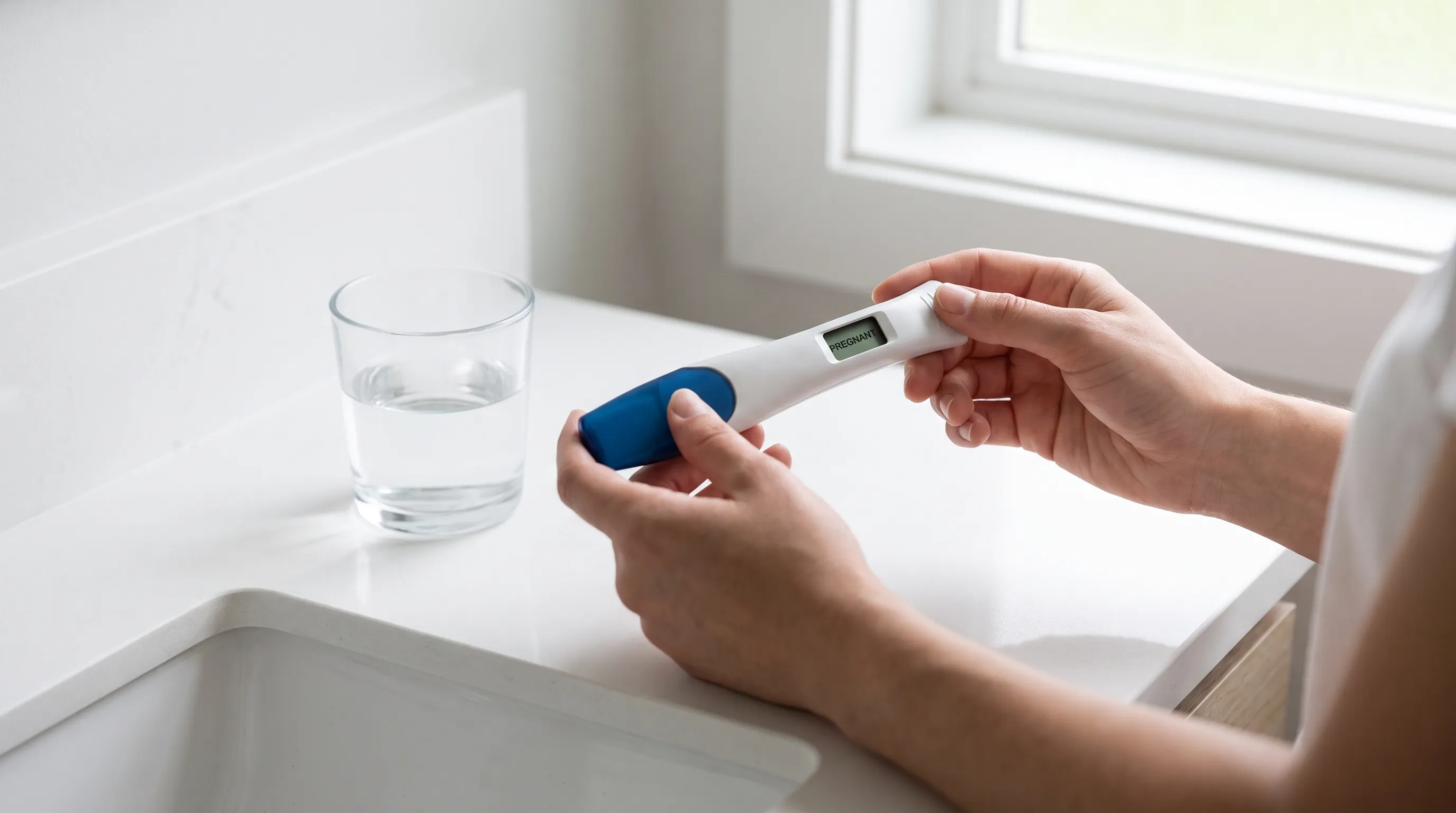
Following unprotected intercourse or emergency medication use, it is critically important to know precisely when to test. Modern pregnancy assays detect human chorionic gonadotropin (hCG), a glycoprotein hormone secreted by the trophoblastic cells of the developing placenta shortly after blastocyst attachment. Implantation typically occurs six to ten days post-fertilization, and circulating hCG levels double approximately every 48 to 72 hours during early gestation. Administering a test too early frequently yields false-negative results, even if successful conception has already occurred. Pregnancy testing guidelines strongly recommend waiting at least 14 days after the unprotected encounter for a reasonably accurate home assay result, and a full 21 days for a definitive negative confirmation. If you begin experiencing symptoms like persistent nausea, significant breast tenderness, or profound fatigue, those can easily be attributed to luteal phase progesterone fluctuations or the high-dose progestin delivered by emergency contraception rather than pregnancy itself. Using concentrated first-morning urine, verifying kit expiration dates, and strictly following manufacturer protocols will optimize diagnostic accuracy. If results remain ambiguous or menstruation is delayed beyond seven days past your expected date, a quantitative serum hCG blood test ordered by a licensed medical professional offers the highest diagnostic precision available.
Signs of Early Pregnancy vs. PMS
One of the most pervasive sources of psychological stress following unprotected sex is the difficulty of accurately distinguishing between classic premenstrual syndrome (PMS) and the earliest clinical signs of pregnancy. Both physiological states are heavily driven by fluctuating levels of progesterone and estrogen, making subjective physical sensations remarkably similar during the luteal phase of the cycle.
Physical Symptoms to Watch For
Common overlapping manifestations include mammary gland swelling or heightened sensitivity, mild pelvic cramping, profound fatigue, emotional lability, food aversions or cravings, and light spotting. However, certain nuanced patterns may provide subtle clinical clues. Early pregnancy symptoms vs PMS can be differentiated through timing and severity. Early pregnancy spotting, universally known as implantation bleeding, typically presents six to twelve days after conception and is characteristically much lighter, shorter, and less voluminous than a standard menstrual period. Cervical fluid in early pregnancy often transitions to a thicker, more opaque consistency as hormonal shifts actively work to seal the cervical os and prevent ascending infection. While personal symptom tracking can offer anecdotal hints, it should never replace laboratory confirmation. Over-reliance on subjective interpretation frequently triggers unnecessary psychological distress or false reassurance, which is precisely why standardized clinical testing protocols remain the gold standard recommended by all major reproductive health organizations.
Hormonal Changes and Their Effects
Immediately following ovulation, the ruptured follicle transforms into the corpus luteum, a transient endocrine structure that secretes high levels of progesterone to maintain endometrial thickness. If fertilization and successful attachment occur, the rapidly dividing embryo produces hCG, which binds to LH receptors on the corpus luteum, signaling it to continue progesterone production indefinitely and preventing menstrual shedding. If attachment does not occur, the corpus luteum undergoes programmed apoptosis, progesterone levels plummet, and the prepared uterine lining detaches and sheds as menstruation. This cyclical hormonal rollercoaster elegantly explains why both viable conception and impending menses produce nearly identical physical feedback. External variables such as psychological stress, chronic sleep deprivation, acute dietary changes, and recent high-dose hormonal medication can further amplify, mask, or completely distort these baseline symptoms. Maintaining a detailed symptom log alongside validated cycle tracking applications can help you identify your unique physiological baseline and recognize meaningful deviations over time. When uncertainty persists, clinical evaluation and quantitative laboratory testing remain the definitive pathways to accurate diagnosis.
Preventative Strategies and Future Family Planning
Understanding the exact chances of getting pregnant after one time unprotected is undeniably valuable for immediate decision-making, but sustainable reproductive wellness relies heavily on consistent, personalized family planning methodologies. Whether your long-term goal is successful conception or reliable prevention, adopting evidence-based clinical practices will empower you to maintain complete autonomy over your reproductive timeline.
Effective Birth Control Methods
Modern reproductive medicine offers a comprehensive array of contraceptive modalities specifically engineered to accommodate different lifestyle demands, medical histories, and efficacy thresholds. Long-acting reversible contraceptives (LARCs), including hormonal and copper intrauterine devices and subdermal implants, consistently boast over 99% clinical effectiveness while requiring virtually zero daily maintenance. Physical barrier methods, such as male and female condoms, provide the unique dual advantage of preventing conception while significantly reducing the transmission risk of sexually transmitted infections, though they demand consistent and strictly correct application to maintain their typical-use effectiveness range of 85% to 98%. Combined oral contraceptive pills, transdermal patches, and intravaginal rings function by centrally suppressing the hypothalamic-pituitary-ovarian axis to prevent follicular maturation, simultaneously thickening cervical mucus to create a hostile environment for ascending sperm, achieving over 91% typical-use effectiveness when administered correctly. Fertility awareness-based behavioral methods can work effectively for highly disciplined individuals with exceptionally regular cycles, but they demand rigorous daily tracking, abstinence during fertile days, and generally demonstrate lower typical-use effectiveness rates compared to pharmacological or mechanical interventions. Scheduling a comprehensive consultation with a licensed gynecologist to thoroughly review your complete medical history, evaluate lifestyle compatibility, and discuss potential side effect profiles will help you confidently select the contraceptive modality that aligns perfectly with your personal reproductive objectives.
Communication and Consent in Sexual Health
Effective long-term family planning extends far beyond clinical prescriptions and pharmaceutical interventions. Open, transparent, and ongoing communication with your sexual partner regarding contraceptive preferences, reproductive intentions, and mutual health boundaries forms the absolute foundation for reducing anxiety and successfully preventing unintended pregnancies. Regularly discussing STI screening frequency, openly sharing laboratory results, and collaboratively establishing clear, pre-agreed emergency response protocols foster deep relational trust and distribute contraceptive responsibility equitably. Comprehensive sexual education, consistent access to affordable and regulated contraceptives, and prioritizing routine gynecological wellness examinations create a proactive, highly protective framework for lifelong physiological health. Reproductive autonomy is deeply personal, and consistently empowering yourself with clinically validated, science-backed information ensures that every intimate encounter aligns seamlessly with your core values and long-term life plans.

Comparison of Common Contraceptive Methods
Understanding the relative effectiveness, underlying mechanisms, and practical considerations of different birth control modalities is absolutely critical when weighing your long-term options after carefully evaluating your chances of getting pregnant after one time unprotected. The comparative table below systematically outlines typical-use effectiveness rates, primary physiological mechanisms, and essential clinical considerations for the most widely prescribed and utilized contraceptive methods in modern reproductive medicine.
| Method | Typical-Use Effectiveness | Primary Mechanism of Action | Key Clinical Considerations |
|---|---|---|---|
| Copper IUD | >99% | Creates localized copper ions toxic to sperm and ova; alters endometrial receptivity | Lasts 10-12 years, completely non-hormonal, may temporarily increase menstrual cramping and flow |
| Hormonal IUD | >99% | Steady local progestin release thickens cervical mucus and thins endometrial lining | Lasts 3-8 years depending on brand, often significantly reduces or eliminates menstrual bleeding |
| Contraceptive Implant | >99% | Continuous systemic progestin release reliably suppresses ovulation and thickens mucus | Lasts up to 3 years, irregular spotting patterns are highly common during the first few months |
| Combined Oral Contraceptives | 93% | Systemic estrogen and progestin prevent LH surge and ovulation | Requires strict daily adherence at the same time, may cause temporary nausea or mood fluctuations |
| Male Condoms | 87% | Physical latex barrier blocks sperm deposition and fluid exchange | Provides critical STI protection, requires correct application and storage, must be replaced if damaged |
| Fertility Awareness | 76-88% | Strategic avoidance of intercourse during predicted fertile window | Highly dependent on strict daily tracking, less reliable with irregular cycles or acute illness |
Frequently Asked Questions
Can I get pregnant from unprotected sex during my period?
Yes, while statistically less common, it is biologically possible. Sperm can remain viable within the reproductive tract for up to five days. If your menstrual cycle is naturally shorter than average, ovulation can occur very shortly after your bleeding stops. Sperm present from intercourse during menstruation can easily survive long enough to fertilize an egg released during an early ovulation window.
How soon after unprotected sex can I tell if I am pregnant?
Clinical guidelines recommend waiting a minimum of 14 days after the encounter to use a home pregnancy test for a reasonably accurate result, and a full 21 days to definitively rule out pregnancy. Testing too early frequently produces false-negative outcomes because implantation takes several days, and your body requires additional time to produce detectable concentrations of hCG in urine.
Does emergency contraception work if I already ovulated?
Oral emergency pills like levonorgestrel and ulipristal acetate function primarily by delaying or entirely inhibiting the LH surge that triggers ovulation. If ovulation has already occurred prior to taking the medication, their effectiveness decreases substantially. The copper IUD remains the most reliable option up to five days after unprotected intercourse regardless of cycle timing, as it prevents fertilization through copper toxicity rather than relying on ovulation suppression.
What increases my chances of getting pregnant after one time unprotected?
Having unprotected intercourse during the five days leading up to and including ovulation dramatically elevates your conception probability. Additional contributing factors include younger reproductive age, highly regular menstrual cycles, optimal body weight maintenance, absence of structural or hormonal reproductive disorders, healthy cervical mucus production, and high sperm concentration and progressive motility in the ejaculating partner.
Are online pregnancy calculators reliable for predicting my risk?
Web-based calculators generate broad statistical estimates based on standardized, average cycle models, but they fundamentally cannot account for individual hormonal variations, irregular ovulation patterns, acute illness, or the natural cycle variability experienced by millions of individuals. They should only be used as broad educational tools, not as diagnostic predictors or contraceptive guarantees. For truly accurate family planning, combine validated tracking applications with professional clinical guidance.
Conclusion
Navigating the complex intersection of human biology and reproductive decision-making requires accurate, peer-reviewed, and evidence-based information. The chances of getting pregnant after one time unprotected depend on a highly dynamic interplay of precise cycle timing, sperm viability parameters, chronological age, and unique individual physiology. While population-level statistical probabilities provide a useful clinical framework, human reproductive biology is inherently variable, meaning that no single sexual act is ever completely risk-free or entirely guaranteed to result in conception. Taking proactive, clinically supported steps—such as accessing time-appropriate emergency contraception, deeply understanding your personal menstrual patterns, consistently using highly effective contraceptive methods, and administering pregnancy tests at the scientifically recommended intervals—empowers you to manage your reproductive trajectory with confidence and clarity. Whether your immediate goal is expanding your family or actively preventing pregnancy, scheduling regular consultations with qualified healthcare professionals and maintaining transparent communication with your partner(s) will consistently ensure that your daily choices align seamlessly with your long-term physiological wellness objectives. Reproductive health is a lifelong journey, and consistently arming yourself with rigorous, science-backed knowledge remains the single most effective strategy for making empowered, informed, and deeply personal healthcare decisions.
For further reading on cycle tracking, emergency protocols, and fertility planning, consult the comprehensive resources available through the National Institutes of Health (NIH), the Mayo Clinic Fertility & Pregnancy Section, and the Centers for Disease Control and Prevention (CDC) Reproductive Health Guidelines.
How we work
Researched and drafted with AI assistance, then reviewed by a human editor against the cited sources.
This article is general health information, not medical advice. Consult a qualified healthcare professional about your own situation.