What Are Positive Signs of Implantation: A Comprehensive Medical Guide

Navigating the two-week wait between ovulation and a missed period is one of the most anticipated yet uncertain phases of the reproductive journey. For individuals actively trying to conceive, recognizing subtle physiological shifts can provide clarity and peace of mind. Many wonder what are positive signs of implantation and how to distinguish them from routine premenstrual changes. Implantation marks the critical moment when a fertilized egg, now transformed into a microscopic blastocyst, securely attaches to the nutrient-rich endometrial lining of the uterus. This biological event triggers a cascade of hormonal adjustments, primarily involving progesterone, estrogen, and the newly produced pregnancy hormone human chorionic gonadotropin (hCG) (CDC). While not every person will experience noticeable symptoms during this delicate window, understanding the clinical markers can help you track your body’s signals more effectively. By learning what are positive signs of implantation, you can make informed decisions about testing timelines, lifestyle adjustments, and when to consult a reproductive specialist. This comprehensive, evidence-based guide explores the physiological mechanisms behind early conception, breaks down the most common and medically recognized indicators, and provides actionable strategies to support your reproductive wellness during this pivotal phase.
Understanding the Implantation Process
Before diving into symptom recognition, it is essential to understand the underlying biological framework. Implantation is not an instantaneous event but a multi-step cellular process that requires precise timing, optimal hormonal conditions, and a receptive uterine environment. After fertilization occurs in the fallopian tube, the single-celled zygote begins dividing rapidly as it travels toward the uterus. By day four, it develops into a blastocyst, characterized by an inner cell mass (which eventually becomes the fetus) and an outer layer called the trophoblast (which forms the placenta). The blastocyst floats within the uterine cavity until it identifies a suitable area of thickened endometrium. This window of receptivity is heavily influenced by progesterone, which transforms the endometrial lining into a spongy, vascular-rich tissue capable of nourishing the early embryo (Mayo Clinic).
Free calculatorImplantation CalculatorCalculate implantation dateOpen the calculatorHow Fertilization Leads to Implantation
The journey from conception to successful attachment involves intricate cellular communication. The trophoblast layer secretes enzymes that gently break down the surface epithelial cells of the endometrium, allowing the blastocyst to embed itself beneath the tissue layer. This process, known as decidualization, triggers localized inflammatory responses and angiogenesis (the formation of new blood vessels) to support the growing embryo. Medical research published by the American College of Obstetricians and Gynecologists highlights that successful implantation depends on both embryonic viability and endometrial readiness (Cleveland Clinic). Factors such as age, hormonal balance, uterine anatomy, and systemic inflammation can all influence the likelihood of attachment. Understanding what are positive signs of implantation requires recognizing that these physical cues are essentially your body’s visible response to these microscopic cellular changes. As the embryo burrows into the lining, minor capillary disruption can cause light spotting, while rising hormone levels can trigger systemic symptoms that feel distinct from typical menstrual cycles.
The Timeline of Early Embryonic Development
Timing is everything when tracking early pregnancy indicators. Implantation typically occurs between days 6 and 12 after ovulation, with day 9 being the most commonly observed midpoint. This timeline varies based on ovulation timing, cycle regularity, and individual metabolic rates (NIH). Once attachment begins, hCG production commences almost immediately, though levels remain extremely low in the first 24 to 48 hours. hCG doubles approximately every 48 to 72 hours in early pregnancy, which explains why symptoms gradually intensify rather than appear overnight. If you are monitoring basal body temperature, you may notice it remains elevated past the typical 14-day luteal phase due to sustained progesterone secretion. Knowing this developmental timeline helps contextualize what are positive signs of implantation and prevents premature testing or misinterpretation of normal mid-luteal symptoms. For a deeper visual explanation of early embryonic development, you can reference this educational resource from a reputable reproductive health channel:
Understanding the sequential nature of these biological processes empowers you to track your cycle with clinical precision rather than guesswork.What Are Positive Signs of Implantation?
Recognizing the physical manifestations of early pregnancy requires a nuanced approach, as many symptoms overlap with normal luteal phase fluctuations. However, certain physiological shifts tend to align closely with the implantation window. Medical professionals and fertility specialists emphasize tracking symptom clusters rather than isolated indicators, as hormonal synergy often produces a recognizable pattern. When evaluating what are positive signs of implantation, it is crucial to consider onset timing, symptom intensity, and duration relative to your expected menstrual cycle.
Light Spotting and Implantation Bleeding
One of the most frequently discussed early indicators is implantation bleeding, which occurs when the blastocyst disrupts small capillaries within the endometrial lining during attachment. Unlike menstrual bleeding, implantation spotting is typically very light, appearing as pinkish or brownish discharge rather than bright red flow. It generally lasts anywhere from a few hours to two or three days and does not intensify or contain heavy clots. The color difference is clinically significant: brown or pale pink indicates older blood that took longer to exit the reproductive tract, consistent with minor, localized tissue disruption rather than full endometrial shedding. Studies suggest that approximately one-quarter of pregnant individuals experience this phenomenon (Mayo Clinic). If you are wondering what are positive signs of implantation, tracking discharge consistency alongside cycle days provides valuable insight. However, heavy bleeding, bright red flow, or severe pelvic pain should prompt immediate medical evaluation, as these may indicate early pregnancy complications or an impending period.
Mild Cramping vs. Menstrual Pain
Cramping during early conception is extremely common and stems from uterine expansion, increased blood flow to the pelvic region, and the physical process of embryonic embedding. Implantation-related cramping is typically described as mild, intermittent, and localized to the lower abdomen or one side of the pelvis. Unlike premenstrual cramps, which often intensify and spread across the lower back and abdomen, implantation discomfort remains subtle and does not progressively worsen. Some individuals report a pulling or tingling sensation, which aligns with localized inflammatory responses in the endometrium. Keeping a symptom journal helps differentiate between typical luteal phase tension and early pregnancy signals. When assessing what are positive signs of implantation, pay close attention to pain intensity and duration. Mild discomfort that resolves within a day or two, without requiring strong analgesics, generally aligns with healthy early conception. Conversely, sharp, persistent, or radiating pain warrants professional evaluation to rule out conditions like ovarian cysts or ectopic pregnancy.
Breast Changes and Tenderness
Hormonal fluctuations immediately following implantation trigger rapid changes in breast tissue. Rising progesterone and estrogen levels increase blood flow to the mammary glands, stimulate ductal growth, and prepare the body for potential lactation (Cleveland Clinic). Individuals often report breasts feeling heavier, fuller, or unusually sensitive to touch within a few days of conception. The areolas may darken slightly, and Montgomery glands (small bumps around the nipple) can become more prominent. Unlike PMS-related breast tenderness, which typically resolves once menstruation begins, pregnancy-induced breast changes persist and gradually intensify. Clinical endocrinology resources confirm that these tissue adaptations are directly mediated by early pregnancy hormones. If you are trying to identify what are positive signs of implantation, monitoring breast sensitivity alongside your cycle timeline offers a reliable secondary indicator. Wearing supportive, wire-free bras and applying warm compresses can alleviate discomfort while your body adjusts to elevated hormone levels.
Shift in Basal Body Temperature
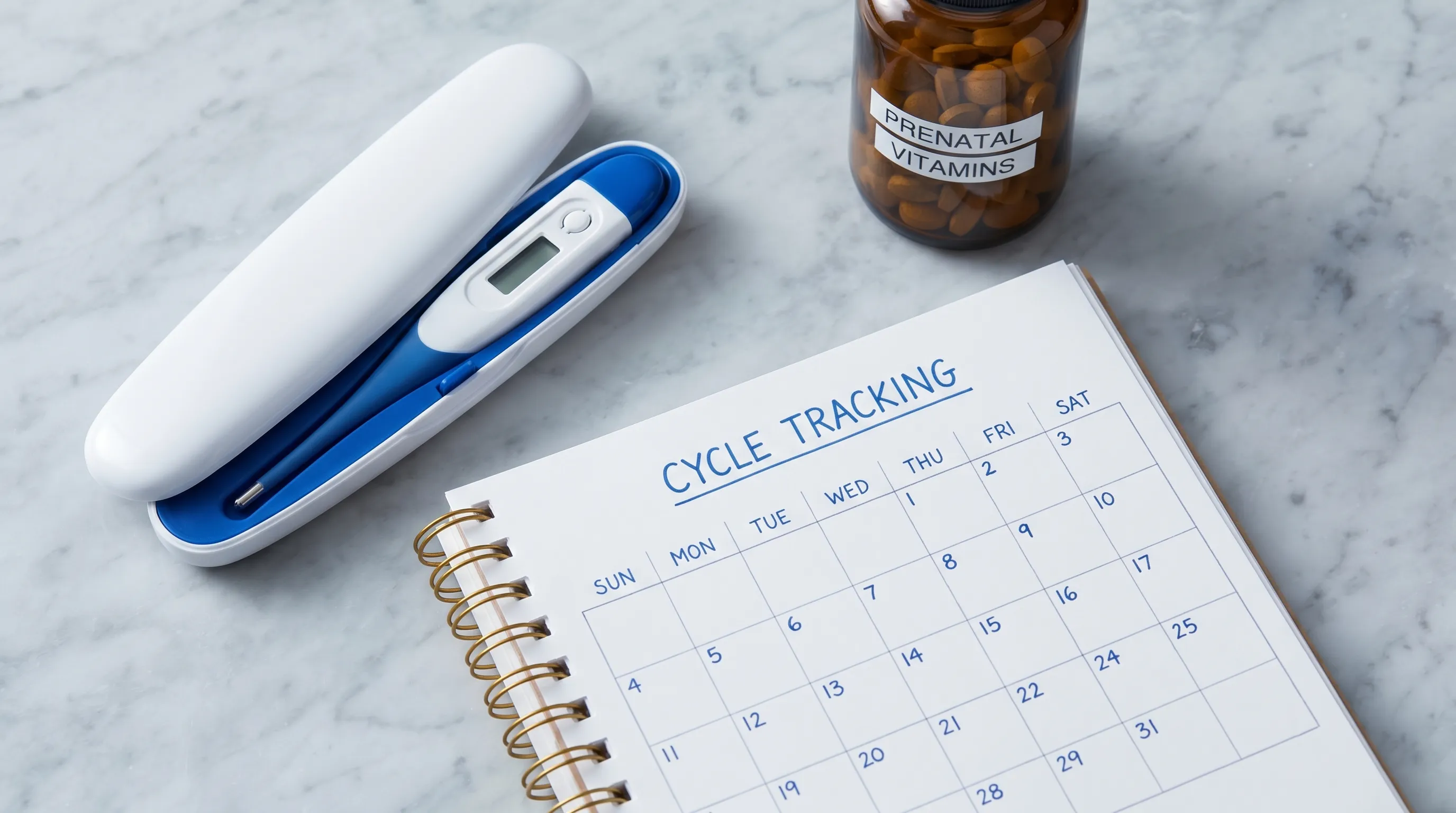
Tracking basal body temperature (BBT) remains one of the most scientifically validated methods for confirming ovulation and detecting early pregnancy. After ovulation, progesterone naturally raises BBT by approximately 0.5 to 1.0 degrees Fahrenheit, creating a sustained thermal shift throughout the luteal phase. If conception occurs, this elevated temperature persists beyond the typical 12 to 14 days rather than dropping sharply as menstruation approaches. A continuous high-temperature phase lasting 16 days or more is widely regarded by fertility specialists as a strong clinical indicator of implantation (NIH Office on Women’s Health). The sustained thermal shift reflects uninterrupted progesterone production, which is maintained by the developing corpus luteum and later the placenta. When exploring what are positive signs of implantation, maintaining a consistent BBT chart using a sensitive digital thermometer provides objective data that symptom tracking alone cannot offer. Ensure measurements are taken at the same time each morning before any physical activity to guarantee accuracy.
Cervical Mucus and Discharge Patterns
Cervical fluid undergoes dynamic changes throughout the menstrual cycle, and early pregnancy can alter these patterns noticeably. Following implantation, increased estrogen and progesterone stimulate greater cervical mucus production, resulting in a creamy, white, or pale-yellow discharge that is noticeably thicker and more abundant than premenstrual fluid. This protective discharge helps seal the cervical canal and prevent bacterial ascension into the uterus during early development. Unlike ovulation mucus, which is clear, stretchy, and egg-white-like, early pregnancy discharge remains consistently opaque and non-irritating. Monitoring discharge characteristics alongside other symptoms provides a holistic view of reproductive health. If you are tracking what are positive signs of implantation, noting persistent changes in cervical fluid volume and consistency can serve as a valuable supplementary marker. Always practice proper hygiene and avoid douching or using scented products, which can disrupt natural vaginal flora and increase infection risk.
Fatigue and Hormonal Shifts
Profound, unexplained fatigue is frequently reported within the first one to two weeks after conception. This exhaustion stems from the rapid metabolic demands of embryonic development, increased blood volume expansion, and the sedative effects of rising progesterone levels. Progesterone acts on the central nervous system to promote relaxation and energy conservation, which many interpret as sudden drowsiness or a persistent lack of stamina. Unlike typical afternoon slumps, pregnancy-related fatigue often manifests as deep-seated tiredness that does not fully resolve with rest. Nutritional shifts, such as dropping iron or folate stores, can compound this symptom. Recognizing what are positive signs of implantation involves distinguishing between lifestyle-induced tiredness and hormonally driven exhaustion. Prioritizing rest, maintaining balanced macronutrient intake, and staying hydrated can help mitigate early pregnancy fatigue while your body undergoes significant physiological restructuring.
Early Nausea and Food Sensitivities
While morning sickness is traditionally associated with weeks 6 through 12, some individuals experience subtle nausea or food aversions shortly after implantation. Rapid hCG elevation and heightened olfactory sensitivity can trigger queasiness, particularly upon waking or when exposed to strong odors. Food preferences may shift abruptly, with previously enjoyed meals becoming unappealing or triggering mild stomach discomfort. Early nausea differs from gastrointestinal illness in its intermittent nature and association with hormonal fluctuations rather than pathogen exposure. Eating small, frequent meals rich in complex carbohydrates and lean proteins can stabilize blood sugar and reduce queasiness. Ginger tea, acupressure wristbands, and avoiding greasy or heavily spiced foods are evidence-based strategies for managing early digestive sensitivity. When evaluating what are positive signs of implantation, tracking sudden changes in appetite or food tolerance alongside other luteal-phase shifts can provide meaningful insight into your reproductive status.
Differentiating Implantation Symptoms from Premenstrual Syndrome (PMS)
One of the most challenging aspects of early cycle tracking is distinguishing between premenstrual symptoms and genuine pregnancy indicators. Both conditions are mediated by fluctuating hormones, particularly progesterone and estrogen, which explains why they share overlapping clinical features. However, key physiological and temporal differences exist that can help clarify what you are experiencing (CDC). Medical guidelines emphasize evaluating symptom clusters rather than relying on a single marker, as individual hormonal baselines vary significantly.
Hormonal Differences Between the Two
PMS occurs when progesterone and estrogen levels drop sharply at the end of the luteal phase if fertilization does not take place. This sudden hormonal withdrawal triggers prostaglandin release, which stimulates uterine contractions, mood fluctuations, and fluid retention. In contrast, early pregnancy maintains elevated hormone levels, particularly progesterone and hCG, which sustain endometrial thickness and prevent menstruation. This hormonal divergence explains why PMS symptoms typically intensify right before bleeding begins, while early pregnancy indicators persist or gradually evolve. Understanding these endocrine differences is crucial when determining what are positive signs of implantation versus expected menstrual changes. Salivary hormone testing or consistent BBT tracking can reveal whether your endocrine profile aligns with a sustained luteal phase (pregnancy) or a declining phase (PMS).
Timing and Duration of Symptoms
The temporal pattern of symptom onset provides another reliable differentiating factor. PMS manifestations usually begin 3 to 7 days before expected menstruation and resolve within the first few days of bleeding. Implantation symptoms, however, typically emerge 6 to 12 days after ovulation and remain stable or slowly progress rather than dissipating. Bleeding associated with PMS transitions quickly from light spotting to a full menstrual flow, whereas implantation spotting remains light, brief, and does not escalate. Additionally, symptoms like sustained high basal temperature, persistent breast fullness, and unrelenting fatigue align more closely with conception. If your discomfort resolves abruptly once heavy bleeding starts, it is highly likely a standard menstrual cycle. When assessing what are positive signs of implantation, mapping symptoms on a cycle-tracking calendar reveals patterns that raw sensation alone cannot provide.
| Feature | Implantation Signs | Premenstrual Syndrome (PMS) | Normal Menstruation |
|---|---|---|---|
| Bleeding Characteristics | Light pink/brown spotting, 1-3 days duration | Minimal to none, occasionally heavy spotting precedes flow | Steady red flow, heavy days 2-3, clots common |
| Cramping Intensity | Mild, intermittent, localized to lower pelvis | Moderate, radiates to lower back, intensifies before flow | Strong, rhythmic, peaks during first 48 hours of bleeding |
| Basal Body Temperature | Remains elevated beyond 14 days post-ovulation | Drops sharply 1-2 days before bleeding starts | Stays consistently low during follicular phase |
| Symptom Trajectory | Gradual onset, stable or slowly intensifying | Peaks right before period, resolves with bleeding onset | Replaces all luteal symptoms within first 2 days |
| Hormonal Profile | Sustained progesterone, rising hCG | Rapid progesterone/estrogen decline | Low progesterone/estrogen, rising FSH |
When to Take a Pregnancy Test for Accurate Results
Testing too early is the most common cause of false-negative results, leading to unnecessary stress and repeated purchases of home pregnancy kits. Understanding the biological timeline of hCG production and test sensitivity is essential for accurate confirmation. While symptom tracking provides valuable clues, biochemical verification remains the gold standard for confirming early pregnancy (Mayo Clinic).
The Role of hCG in Early Detection
Human chorionic gonadotropin is produced exclusively by the syncytiotrophoblast cells of the implanted embryo. Immediately after attachment, hCG levels are extremely low and undetectable by standard urine tests. Within the first 10 days, hCG begins entering the maternal bloodstream and eventually the renal system, but concentrations must reach approximately 20 to 50 mIU/mL before most home tests can register a positive result. Blood tests conducted in clinical settings can detect hCG as low as 5 mIU/mL, making them more sensitive but requiring a healthcare visit. Waiting until your expected period has arrived or passed by at least two days significantly improves accuracy. If you are tracking what are positive signs of implantation, remember that biochemical confirmation should only follow once your body has had sufficient time to accumulate detectable hormone levels.
Best Practices for Home Pregnancy Testing
To maximize test reliability, follow evidence-based testing protocols. Use first-morning urine, which contains the most concentrated hCG after overnight accumulation. Read the package instructions carefully, as different brands require varying wait times for result development. Avoid excessive fluid intake before testing, as hydration dilutes urine and temporarily lowers hCG concentration. If the initial test is negative but your period remains absent, retest 48 to 72 hours later, allowing hCG to double if pregnancy has occurred. Digital tests eliminate interpretation ambiguity by displaying clear text results, reducing anxiety caused by faint lines. Store tests at room temperature and check expiration dates, as degraded reagents yield inaccurate readings. When exploring what are positive signs of implantation, pairing symptom awareness with disciplined testing protocols ensures you receive reliable, actionable information.
Actionable Tips for Supporting Healthy Implantation
While implantation is largely governed by natural biological processes, certain evidence-based lifestyle and nutritional strategies can optimize uterine receptivity and create a more favorable environment for embryo attachment. These practices support overall reproductive wellness rather than forcing an outcome (WHO).
Nutrition and Supplementation Strategies
A nutrient-dense, anti-inflammatory diet provides the biochemical building blocks necessary for endometrial health and hormonal regulation. Prioritize omega-3 fatty acids from wild-caught salmon, walnuts, and chia seeds to support cellular membrane fluidity and reduce systemic inflammation. Complex carbohydrates like quinoa, oats, and sweet potatoes stabilize insulin levels, which is particularly important for individuals managing polycystic ovary syndrome (PCOS) or luteal phase defects. Adequate folate intake (at least 400 mcg daily) is critical before and during early pregnancy to support neural tube development. Iron-rich foods such as lentils, spinach, and lean poultry help maintain optimal oxygen transport and energy levels. Some individuals benefit from targeted supplementation under medical supervision, including CoQ10 for mitochondrial function, vitamin D for immune modulation, and myo-inositol for hormonal balance. When considering what are positive signs of implantation, remember that consistent, high-quality nutrition sustains the endocrine and vascular systems that facilitate successful conception.
Lifestyle Modifications to Enhance Uterine Receptivity
Daily habits significantly influence blood flow, stress hormone regulation, and overall reproductive function. Engaging in gentle, low-impact movement such as walking, prenatal yoga, or swimming promotes pelvic circulation without elevating cortisol excessively. Chronic stress triggers hypothalamic-pituitary-adrenal (HPA) axis activation, which can disrupt progesterone production and delay ovulation. Incorporating mindfulness practices, deep breathing exercises, or guided meditation helps modulate cortisol and supports parasympathetic nervous system dominance. Prioritizing 7 to 9 hours of quality sleep each night allows for natural hormone regulation and cellular repair. Avoid smoking, recreational drug use, and excessive alcohol consumption, as these substances impair vascular integrity and endometrial development. Limit caffeine intake to under 200 mg daily, as higher amounts have been associated with delayed conception and altered hormone metabolism. Maintaining a healthy body weight reduces estrogen dominance and supports balanced luteal function. For visual guidance on stress reduction and fertility-friendly movement, you can watch this instructional session:
When reflecting on what are positive signs of implantation, aligning daily habits with evidence-based wellness practices creates a sustainable foundation for reproductive success.When to Consult a Healthcare Provider
While tracking symptoms is empowering, certain scenarios require professional medical guidance. If you experience severe pelvic pain, heavy bleeding, or dizziness alongside suspected implantation, seek immediate evaluation to rule out ectopic pregnancy or miscarriage (Mayo Clinic). Individuals who have been actively trying to conceive for over 12 months (or 6 months if over age 35) should schedule a fertility assessment. Recurrent early pregnancy loss, irregular menstrual cycles, diagnosed endometriosis, or known thyroid dysfunction warrant specialized care. A reproductive endocrinologist or OB-GYN can order serum hCG testing, transvaginal ultrasounds, and comprehensive hormone panels to evaluate uterine health and ovulatory function. They can also recommend evidence-based interventions such as progesterone support, targeted fertility medications, or surgical correction of uterine anomalies. Understanding what are positive signs of implantation is a valuable starting point, but partnering with a qualified healthcare provider ensures personalized, medically sound guidance throughout your conception journey.

Frequently Asked Questions
How soon after ovulation do positive signs of implantation typically appear?
Implantation generally occurs 6 to 12 days post-ovulation, with most individuals noticing subtle physiological shifts around days 7 to 10. These changes align with the blastocyst attaching to the endometrium and initiating early hCG production.
Is implantation bleeding always present during early pregnancy?
No, only about 20% to 30% of pregnant individuals experience implantation spotting. The absence of bleeding is completely normal and does not indicate a compromised pregnancy or failed conception.
What are positive signs of implantation versus premenstrual syndrome (PMS)?
Key differentiators include symptom duration, bleeding intensity, and basal body temperature patterns. Implantation signs typically feature sustained high temperatures, lighter and shorter bleeding, and gradual symptom progression, whereas PMS peaks right before menstruation and resolves quickly once flow begins.
When is the best time to take a home pregnancy test after suspected implantation?
Wait until the first day of your missed period or at least 10 to 14 days after suspected attachment. Early testing often yields false negatives due to insufficient hCG levels. First-morning urine and highly sensitive tests improve accuracy.
Can lifestyle changes genuinely support the implantation process?
Absolutely. Nutritional optimization, stress reduction, gentle physical activity, adequate sleep, and avoiding reproductive toxins collectively enhance endometrial receptivity, stabilize hormone levels, and improve overall conception likelihood.
Conclusion
Recognizing what are positive signs of implantation requires a balanced approach that combines physiological awareness, disciplined tracking, and evidence-based lifestyle practices. While early pregnancy indicators often mirror premenstrual symptoms, subtle differences in timing, intensity, and hormonal patterns can provide meaningful clarity. By understanding the biological timeline of blastocyst attachment, monitoring basal body temperature shifts, and observing changes in discharge or energy levels, you can navigate the two-week wait with greater confidence and less anxiety. Remember that symptom variability is normal, and not every individual will experience noticeable markers during this delicate window. Prioritizing nutrient-dense nutrition, managing stress effectively, and partnering with qualified healthcare providers when needed creates the most supportive environment for reproductive success. Whether your journey concludes with a positive test or another cycle, maintaining compassionate self-care and informed tracking habits empowers you to advocate for your fertility wellness at every stage. Stay patient, trust your body’s signals, and rely on clinically validated methods to guide your next steps forward.
How we work
Researched and drafted with AI assistance, then reviewed by a human editor against the cited sources.
This article is general health information, not medical advice. Consult a qualified healthcare professional about your own situation.