Does Cranberry Juice Help with Cramps? Science-Based Insights & Alternatives

When menstruation begins, millions of people experience varying degrees of pelvic discomfort, and the search for accessible, natural relief often leads to common household remedies. One question that consistently surfaces in wellness discussions and online searches is whether does cranberry juice help with cramps. The appeal is understandable: cranberry beverages are widely marketed for health benefits, carry a reputation for supporting urinary tract wellness, and are rich in vibrant phytochemicals. However, when evaluating menstrual health through an evidence-based medical lens, it is crucial to separate popular assumptions from clinically verified outcomes. Understanding the physiological mechanisms behind period pain, analyzing the actual scientific literature on cranberry compounds, and exploring proven therapeutic strategies can empower individuals to make informed decisions about their menstrual wellness. This comprehensive guide will examine exactly how menstrual cramps develop, review what authoritative health organizations and clinical research say about cranberry consumption, and provide actionable, medically supported protocols for managing period discomfort safely and effectively.
Understanding Menstrual Cramps: The Science Behind the Pain
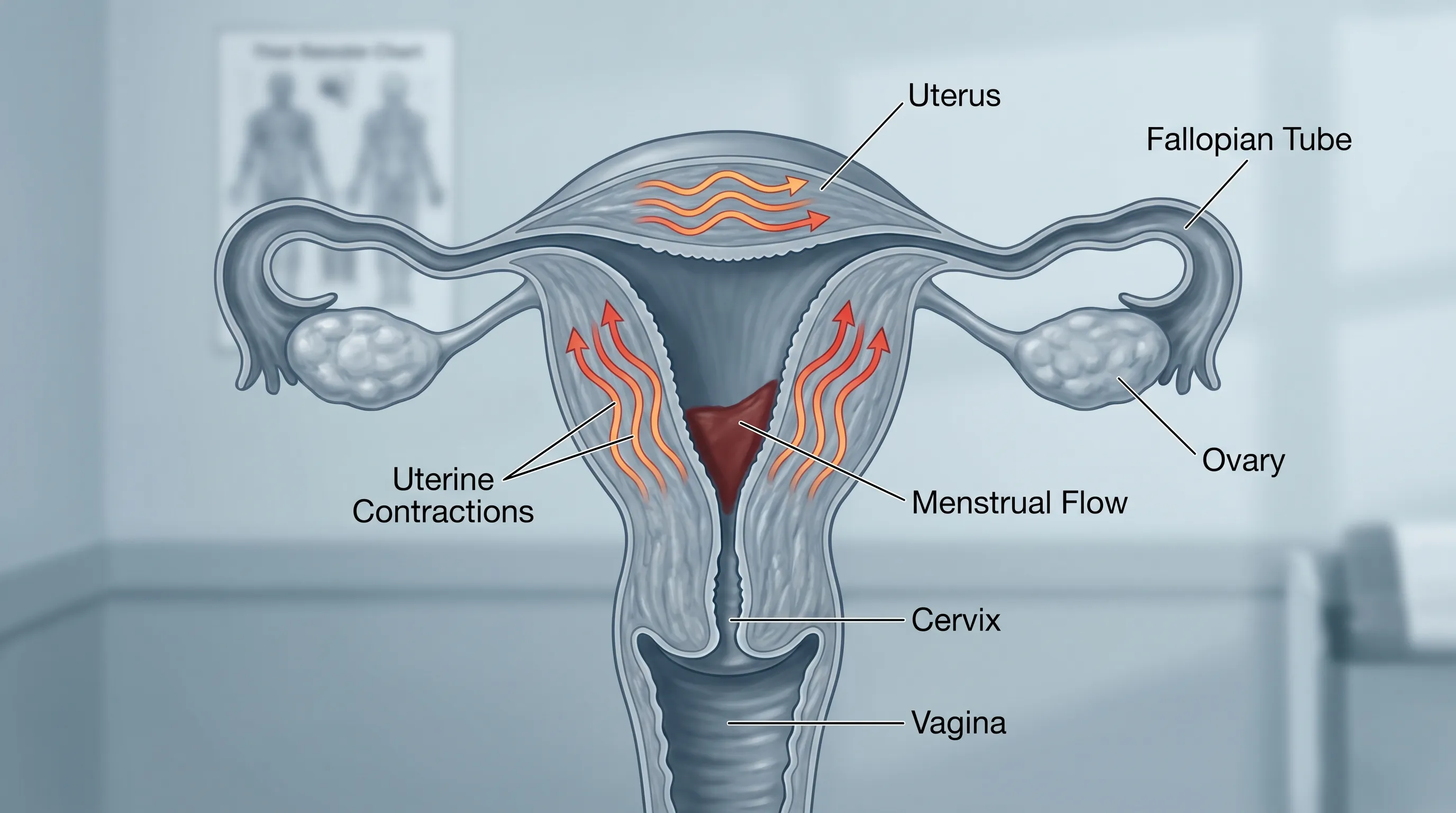
Menstrual cramps, medically termed dysmenorrhea, represent one of the most frequently reported gynecological complaints worldwide. While cultural narratives often frame period pain as a normal or unavoidable part of womanhood, modern reproductive medicine recognizes that understanding the underlying pathophysiology is the first step toward effective management. Dysmenorrhea is generally categorized into two types: primary and secondary. Primary dysmenorrhea refers to recurrent, cramp-like pain occurring during menstruation in the absence of identifiable pelvic pathology. Secondary dysmenorrhea, on the other hand, is linked to underlying conditions such as endometriosis, uterine fibroids, adenomyosis, or pelvic inflammatory disease. For the purpose of evaluating dietary interventions, this guide focuses primarily on primary dysmenorrhea, which affects the majority of menstruating individuals and follows a predictable biochemical pathway.
Free calculatorWater Intake CalculatorCalculate daily water needsOpen the calculatorWhat Causes Primary Dysmenorrhea?
According to clinical guidelines from the Mayo Clinic, primary dysmenorrhea typically begins one to two days before menstrual bleeding starts and peaks during the first twenty-four to forty-eight hours of flow. The pain is usually described as a dull, aching, or cramping sensation localized in the lower abdomen, though it can radiate to the lower back or thighs. The severity ranges widely, from mild discomfort that requires little intervention to debilitating pain that interferes with work, education, and daily routines. More than half of individuals who menstruate report experiencing some degree of pain for one to two days each cycle, highlighting the widespread nature of this physiological process. Recognizing the biochemical trigger is essential because it dictates which interventions will actually provide relief.
The Role of Prostaglandins in Uterine Contractions
The primary driver of menstrual cramps is a group of lipid compounds known as prostaglandins, as detailed by the National Institutes of Health (NIH). These hormone-like substances are synthesized in the endometrium, or the inner lining of the uterus. When menstruation begins, the endometrial cells break down and release elevated levels of prostaglandins into the surrounding tissue and bloodstream. These compounds serve a biological purpose: they stimulate smooth muscle contractions in the uterine wall to help shed the lining efficiently. However, when prostaglandin concentrations are excessively high, they cause intense, prolonged, and sometimes spasmodic contractions. These contractions temporarily compress the blood vessels supplying the uterine muscle, reducing oxygen flow and triggering ischemic pain. The severity of cramping directly correlates with prostaglandin levels, which explains why pain is typically worst at the onset of bleeding and gradually diminishes as the endometrium is cleared. This physiological mechanism is critical to understanding why certain anti-inflammatory compounds are theorized to help, while others, like cranberry juice, lack direct clinical validation.
What Does the Research Say About Cranberry Juice?
When evaluating the question of whether does cranberry juice help with cramps, it is necessary to examine the robust body of scientific literature that actually exists. Cranberries have been extensively studied, particularly for their role in urological health and metabolic wellness. However, translating findings from one clinical domain to another requires careful scrutiny of the evidence, methodology, and biological plausibility. Several authoritative institutions have compiled comprehensive reviews on cranberry supplementation and juice consumption. According to the NIH Office of Dietary Supplements, none of these reviews list menstrual pain or dysmenorrhea as a recognized or clinically supported indication.
Proven Health Benefits of Cranberries
The most well-established and scientifically validated benefit of cranberries relates to urinary tract health. A comprehensive analysis of peer-reviewed studies confirmed that cranberry products, particularly those rich in proanthocyanidins, significantly reduce the incidence of recurrent urinary tract infections in specific populations, a finding extensively documented by the Cleveland Clinic. These specialized plant compounds prevent pathogenic Escherichia coli bacteria from adhering to the epithelial cells lining the bladder, facilitating natural clearance through urination. Beyond UTIs, research indicates that cranberry compounds may also inhibit Helicobacter pylori from attaching to the stomach lining, potentially reducing ulcer formation. Additionally, cranberry polyphenols have demonstrated mild inhibitory effects against dental plaque accumulation and possess notable cardiovascular protective properties through lipid modulation and endothelial function improvement. These benefits are firmly rooted in clinical data, but they do not extend to gynecological pain management.
Anti-Inflammatory and Antioxidant Compounds
Despite the lack of direct evidence for period pain, cranberries do possess a complex phytochemical profile that exhibits systemic anti-inflammatory and antioxidant activity, as reviewed by NIH. The fruit is particularly rich in anthocyanins, which are responsible for its characteristic deep red color and function as potent free-radical scavengers. Cranberries also contain substantial amounts of quercetin, a flavonoid studied for its ability to modulate inflammatory cytokines and stabilize mast cells. Combined with a high vitamin C concentration, these compounds theoretically contribute to reducing oxidative stress and calming low-grade systemic inflammation. Some researchers have hypothesized that since chronic inflammation can exacerbate menstrual discomfort, consuming anti-inflammatory foods might offer minor symptomatic relief. However, theoretical mechanisms do not equate to clinical efficacy, and no randomized controlled trials have evaluated whether these compounds reach therapeutic concentrations in the uterine tissue or significantly alter prostaglandin synthesis.
The Missing Link: Clinical Trials on Menstrual Pain
If we look closely at the current scientific literature, a clear gap emerges: there are zero published clinical trials investigating cranberry juice or cranberry extract as a targeted intervention for primary dysmenorrhea. The FDA has only authorized a qualified health claim for cranberry and its potential to reduce the risk of recurrent UTIs, explicitly stating that the evidence remains limited. Reputable databases like PubMed and the NIH Office of Dietary Supplements do not catalog period cramps among the studied or supported uses for cranberry. This absence of direct research means that anyone claiming cranberry juice is a proven cramp remedy is relying on anecdotal reports or extrapolating from unrelated anti-inflammatory studies. Understanding this distinction is vital for maintaining realistic expectations and avoiding the substitution of evidence-based treatments with unproven dietary approaches.
Potential Indirect Benefits for Cramp Relief
Although direct clinical validation is absent, there are several plausible indirect pathways through which cranberry juice consumption might theoretically influence period discomfort. These mechanisms are not curative, but they represent legitimate physiological considerations that individuals often experience subjectively. Evaluating these indirect benefits requires balancing optimism with scientific realism.
Hydration and Bloating Reduction
One of the most straightforward benefits of drinking cranberry juice is simply increasing daily fluid intake. Menstruation often triggers fluid shifts within the body, leading to temporary water retention, abdominal distension, and a sensation of heaviness that amplifies discomfort. Proper hydration supports healthy circulation, facilitates the efficient removal of metabolic waste, and can help mitigate the severity of bloating. When individuals substitute sugary sodas or caffeinated beverages with diluted cranberry juice, they may notice a reduction in overall pelvic pressure. While this does not directly inhibit prostaglandin-driven contractions, improved hydration status can make baseline cramping feel less intense and improve overall period-related comfort.
Theoretical Anti-Inflammatory Effects
Given that prostaglandins are inflammatory mediators, consuming foods rich in polyphenols and flavonoids is often recommended in integrative nutrition circles. Cranberries contain measurable levels of quercetin and anthocyanins, which have demonstrated modest anti-inflammatory effects in vitro and in animal models. Some practitioners suggest that a diet consistently rich in antioxidant-dense fruits may lower baseline systemic inflammation, potentially softening the severity of acute inflammatory responses during menstruation. However, this remains a generalized nutritional principle rather than a targeted therapy. The concentration of active compounds achieved through typical dietary consumption is unlikely to replicate the targeted cyclooxygenase inhibition provided by pharmaceutical NSAIDs.
The Placebo Effect in Pain Management
The mind-body connection plays a documented role in pain perception, and the placebo effect is a well-researched phenomenon in clinical medicine. If an individual firmly believes that a specific beverage provides comfort, the neurological pathways associated with pain modulation can temporarily downregulate pain signaling. This does not mean the cramps are imaginary or that the juice is ineffective; rather, it highlights that subjective comfort is a valid and multifaceted experience. Drinking a familiar, soothing beverage in a calm environment can activate the parasympathetic nervous system, reducing stress hormones that often exacerbate muscle tension and pain sensitivity. While not a substitute for medical treatment, psychological comfort remains a legitimate component of holistic menstrual care.
Important Caveats and Risks to Consider
Before incorporating any new dietary element into a menstrual wellness routine, it is critical to evaluate potential drawbacks and contraindications. The assumption that a natural beverage is universally safe overlooks important biochemical interactions and individual health variables.
Sugar Content and Inflammation
A significant concern with commercial cranberry products is the addition of high-fructose corn syrup, sucrose, or other concentrated sweeteners. Cranberries are naturally extremely tart, so manufacturers frequently dilute the juice and add substantial sugar to make it palatable. These sugar-laden beverages, often marketed as cranberry juice cocktails, can spike blood glucose levels and trigger the release of pro-inflammatory cytokines. Elevated sugar intake is clinically associated with worsened bloating, fatigue, and heightened pain sensitivity, which directly counteracts any theoretical anti-inflammatory benefit. As highlighted by the CDC, excessive added sugars promote systemic inflammation that can exacerbate menstrual symptoms. Individuals seeking menstrual relief should strictly opt for 100% unsweetened cranberry juice and consider diluting it with water to balance flavor without introducing inflammatory sweeteners.
Kidney Stone Risks
While beneficial for urinary tract lining, cranberries contain measurable amounts of oxalates, organic compounds that can crystallize in the kidneys. The Cleveland Clinic explicitly warns that individuals with a history of calcium oxalate kidney stones should avoid regular cranberry consumption. During menstruation, fluid balance and electrolyte levels naturally fluctuate, potentially altering urinary composition. For susceptible individuals, consuming concentrated cranberry products could inadvertently increase stone formation risk, adding renal discomfort to an already painful cycle. Consulting a healthcare provider or nephrologist is essential for those with a personal or family history of nephrolithiasis.
Drug Interactions
Cranberry compounds are metabolized through hepatic pathways that overlap with several common medications. Pharmacological databases and the Mayo Clinic note that cranberry juice may potentiate the effects of blood-thinning medications like warfarin, increasing the risk of abnormal bleeding. Additionally, interactions have been documented with certain antibiotics, statins, and drugs metabolized by cytochrome P450 enzymes. Since many individuals take NSAIDs, oral contraceptives, or other prescription medications alongside menstrual care routines, failing to account for these interactions could compromise treatment efficacy or introduce adverse effects. Always disclose dietary supplement or juice consumption to a prescribing physician to ensure safe therapeutic coordination.
Evidence-Based Treatments for Menstrual Cramps
Given the limitations of cranberry juice as a primary intervention, understanding clinically validated treatments becomes essential. Clinical guidelines from the NIH and major gynecological societies provide clear, graded recommendations for managing dysmenorrhea, focusing on therapies that directly target the prostaglandin-driven mechanism of uterine contractions.
Over-the-Counter Medications
First-line pharmacological treatment for primary dysmenorrhea involves nonsteroidal anti-inflammatory drugs (NSAIDs) such as ibuprofen, naproxen, and mefenamic acid. These medications work by inhibiting cyclooxygenase enzymes, directly reducing the synthesis of prostaglandins in the endometrial tissue. Clinical guidelines emphasize starting NSAIDs at the very first sign of cramping or one day before expected onset to preemptively lower prostaglandin accumulation, rather than waiting for pain to peak. Acetaminophen (paracetamol) can serve as an alternative for those who cannot tolerate NSAIDs, though it addresses pain perception rather than inflammation itself.
Non-Pharmacological Therapies
Non-drug interventions carry strong clinical support and carry minimal risk of adverse effects. Localized heat therapy, applied via heating pads, hot water bottles, or adhesive heat wraps, increases local blood flow, relaxes smooth muscle fibers, and interrupts pain signaling pathways. Studies consistently demonstrate that continuous low-level heat can be as effective as mild analgesics for moderate cramping. Additionally, gentle physical activities like walking, swimming, or restorative yoga stimulate endorphin release, improve pelvic circulation, and reduce muscle tension. Abdominal massage and warm baths activate mechanoreceptors that compete with pain fibers for neural processing, providing accessible, immediate relief.
Medical Interventions for Severe Cases
When cramps persist despite conservative measures, hormonal contraception becomes a highly effective intervention, as endorsed by the World Health Organization (WHO) for safe menstrual management. Combined oral contraceptives, progestin-only pills, hormonal IUDs, and contraceptive patches suppress ovulation and significantly thin the endometrial lining, resulting in dramatically lower prostaglandin production during menstruation. For individuals with refractory dysmenorrhea, healthcare providers may prescribe targeted nerve blocks, recommend transcutaneous electrical nerve stimulation (TENS) devices, or investigate underlying secondary causes through pelvic imaging. Early medical consultation is crucial to prevent chronic pain conditioning and ensure appropriate diagnostic evaluation.

| Intervention Type | Mechanism of Action | Clinical Efficacy | Recommended Usage |
|---|---|---|---|
| NSAIDs (Ibuprofen, Naproxen) | Inhibits prostaglandin synthesis | High (First-line) | Start at cramp onset or 24h prior |
| Localized Heat Therapy | Increases blood flow, relaxes muscle | Moderate-High | Apply continuously to lower abdomen |
| Gentle Exercise | Endorphin release, improved circulation | Moderate | Low-impact movement, 20-30 min daily |
| Hormonal Contraception | Suppresses ovulation, thins endometrium | High (Preventive) | Daily/Long-term as prescribed |
| Cranberry Juice | Theoretical anti-inflammatory, hydration | Unproven/Minimal | Unsweetened only; adjunctive use only |
Practical Tips for Managing Period Discomfort Naturally
While cranberry juice should not be positioned as a primary cramp solution, incorporating it safely into a broader menstrual wellness routine can complement proven strategies. Choose 100% pure, unsweetened cranberry juice and dilute it with still or sparkling water to reduce tartness without adding sugar. Consume it alongside balanced meals containing omega-3 fatty acids, magnesium-rich leafy greens, and complex carbohydrates to stabilize blood sugar and support muscle relaxation. Maintain consistent hydration throughout the cycle, as dehydration heightens pain sensitivity and exacerbates fatigue. Pair beverage consumption with localized heat application, diaphragmatic breathing, and a short walk to engage multiple pain-modulation pathways simultaneously. Track your symptoms over several cycles to identify patterns, noting which combinations of diet, movement, and rest yield the most sustainable relief. When evaluating whether does cranberry juice help with cramps, remember that holistic comfort arises from consistent, evidence-aligned habits rather than isolated beverages.
Frequently Asked Questions
Does cranberry juice help with cramps during your period?
Clinical research does not support cranberry juice as a direct treatment for menstrual cramps. While it contains antioxidants and anti-inflammatory phytochemicals, no peer-reviewed trials have demonstrated a significant reduction in prostaglandin-mediated period pain. It may contribute to hydration and provide mild comfort, but it should not replace proven therapies.
Can cranberry juice interact with menstrual medications?
Yes. Cranberry contains compounds that can affect liver metabolism enzymes, potentially altering how the body processes blood thinners like warfarin, certain antibiotics, and statins. Additionally, its mild anticoagulant properties could theoretically amplify bleeding when combined with NSAIDs. Always consult your prescribing physician before making significant dietary changes during your cycle.
Is there a specific time to drink cranberry juice for period relief?
Since cranberry juice does not directly inhibit uterine contractions, timing does not provide clinical advantages for cramp reduction. However, if using it for general hydration or urinary tract support during menstruation, consuming it consistently throughout the day alongside water and electrolytes is more effective than waiting for acute pain to develop.
Are there better natural alternatives for menstrual cramp relief?
Absolutely. Ginger root has demonstrated moderate efficacy in clinical trials for reducing period pain by modulating inflammatory pathways. Magnesium supplementation supports smooth muscle relaxation, while omega-3 fatty acids help balance prostaglandin production ratios. Chamomile tea and peppermint provide mild antispasmodic effects, and consistent heat application remains the most reliably effective non-pharmacological intervention.
When should I consult a doctor instead of relying on dietary remedies?
Seek professional medical evaluation if your cramps consistently interfere with work or daily activities, worsen progressively over months, resist OTC pain medication, or are accompanied by heavy clotting, irregular bleeding, pain during intercourse, or gastrointestinal distress. These symptoms may indicate secondary dysmenorrhea, endometriosis, fibroids, or pelvic infections requiring targeted medical intervention.
Does diluting cranberry juice reduce its potential benefits?
Dilution does not significantly impact hydration benefits or phytochemical delivery when using pure, unsweetened juice. In fact, diluting highly concentrated cranberry liquid with water reduces gastrointestinal irritation and minimizes sugar-related inflammation spikes. Maintaining a balanced fluid intake is far more important than consuming concentrated extracts for theoretical benefits.
Conclusion
The question of whether does cranberry juice help with cramps highlights a common intersection of popular wellness trends and clinical reality. While cranberries offer well-documented benefits for urinary tract health, cardiovascular support, and antioxidant protection, current medical literature provides no evidence that they effectively reduce menstrual pain. Period cramps are driven by specific prostaglandin pathways that respond best to targeted anti-inflammatory medications, localized heat therapy, gentle movement, and, when necessary, hormonal regulation. Cranberry juice can certainly be part of a healthy, hydrated diet during menstruation, provided it is unsweetened, consumed in moderation, and paired with proven symptom management strategies. Individuals experiencing debilitating or worsening cycle pain should prioritize consulting healthcare professionals to rule out underlying conditions and establish a personalized, evidence-based relief plan. By focusing on scientifically validated interventions and maintaining realistic expectations about dietary remedies, menstruating individuals can achieve safer, more consistent comfort month after month.
Disclaimer: This article is for informational and educational purposes only and does not constitute personalized medical advice. Always consult with a qualified healthcare provider, gynecologist, or licensed pharmacist before starting new dietary regimens, supplements, or modifying prescribed treatment plans for menstrual pain.
How we work
Researched and drafted with AI assistance, then reviewed by a human editor against the cited sources.
This article is general health information, not medical advice. Consult a qualified healthcare professional about your own situation.