Bladder Infection Itch: Symptoms, Causes & Evidence-Based Relief

If you have ever experienced a sudden, uncomfortable urge to urinate accompanied by a persistent, irritating sensation, you are not alone in wondering whether a bladder issue could be responsible for external discomfort. Many patients report unexpected itching when dealing with urinary tract concerns, leading to confusion about whether the problem is localized to the urinary system or involves the surrounding tissues. Understanding the relationship between urinary inflammation and cutaneous irritation is essential for accurate diagnosis, effective treatment, and long-term relief. When bacteria infiltrate the urinary tract, the resulting immune response can trigger widespread inflammation, sometimes extending beyond the bladder neck and urethra to affect nearby genital skin. This phenomenon explains why bladder infection itch occurs so frequently, even though the primary infection remains internal. Recognizing this connection early can help you navigate your symptoms with confidence, avoid unnecessary self-treatment, and seek the right medical intervention. In this comprehensive guide, we will explore the underlying mechanisms, differentiate similar conditions, review evidence-based treatment protocols, and provide actionable lifestyle strategies to restore comfort and protect your urinary health.
Understanding the Connection Between Urinary Tract Infections and Itching
The urinary system is a highly sensitive network designed to filter waste, regulate fluid balance, and protect against pathogenic invasion. When harmful microorganisms breach the body’s natural defenses, the immune system launches a targeted inflammatory response to eliminate the threat. While this process is fundamentally protective, it frequently produces uncomfortable side effects that extend far beyond the bladder itself. The phenomenon of bladder infection itch is primarily driven by localized inflammation, mucosal swelling, and neurochemical signaling pathways that cross-reference adjacent anatomical regions. For more on how infections trigger systemic and localized responses, refer to resources from the National Institutes of Health (NIH).
Free calculatorWater Intake CalculatorCalculate daily water needsOpen the calculatorThe Anatomy of Discomfort
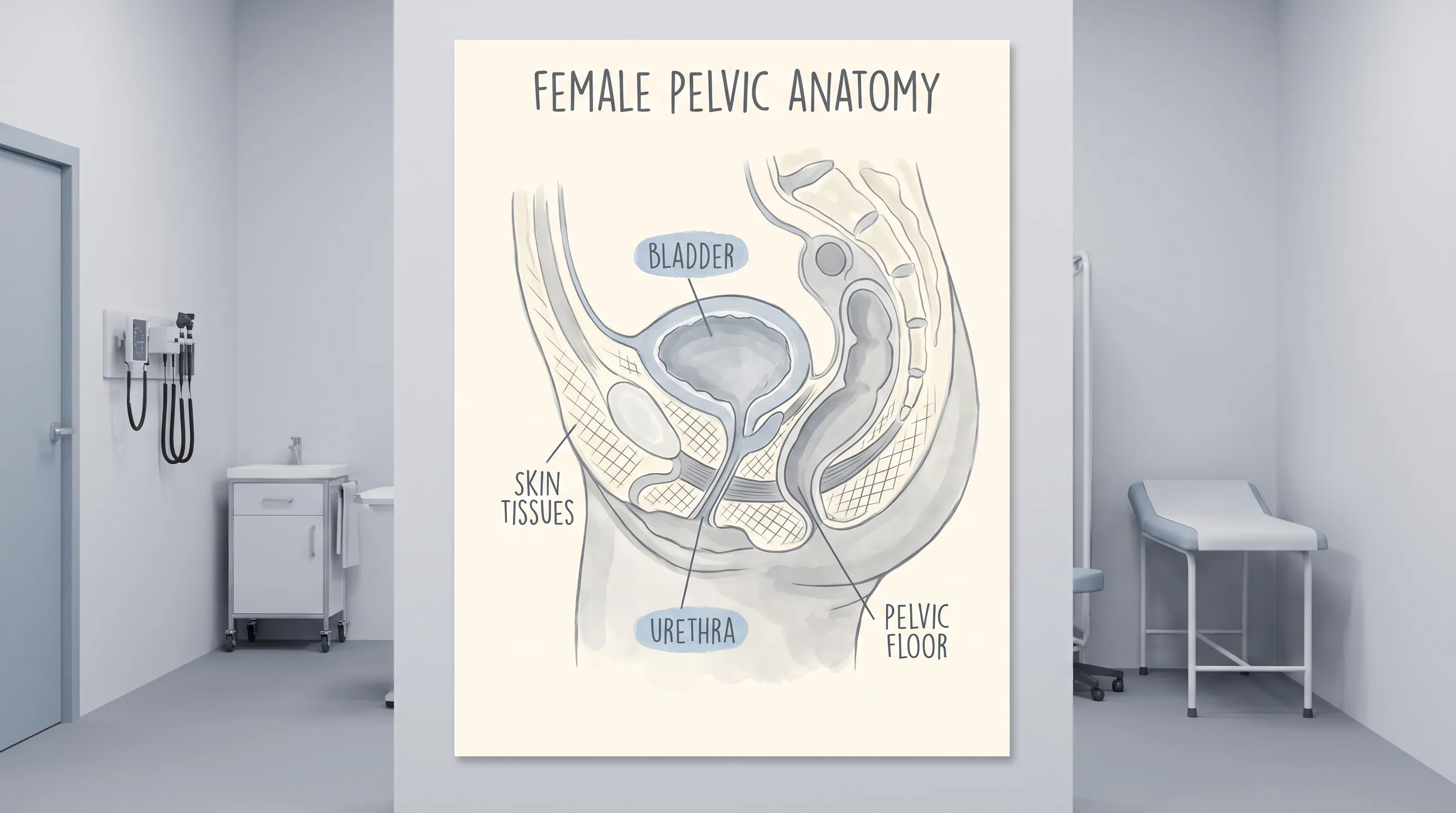
The female urethra, which is notably shorter than the male urethra, sits in close proximity to the vaginal introitus, labia, and perineal tissues. This anatomical arrangement means that any swelling or irritation within the lower urinary tract can easily radiate outward, creating sensations that feel distinctly external. Nerve endings in the pelvic floor are highly interconnected, sharing pathways that serve both the bladder mucosa and the surrounding cutaneous tissues. When inflammatory mediators such as histamines, prostaglandins, and cytokines accumulate during an active infection, they can stimulate these shared nerve pathways, resulting in a persistent, crawling, or burning sensation that patients frequently describe as itching.
Furthermore, increased urinary frequency and urgency often lead to more frequent wiping, moisture exposure, and potential micro-abrasions on delicate perineal skin. The constant presence of urine on external tissues can disrupt the natural pH balance, strip protective lipids, and create an environment where friction and chemical irritation compound the inflammatory response. This secondary irritation frequently mimics primary dermatological conditions, making bladder infection itch a challenging symptom to self-diagnose without proper clinical evaluation.
Why Bladder Infections Sometimes Trigger Itching
Not every urinary tract infection produces noticeable external discomfort, but certain factors increase the likelihood of experiencing this symptom. Bacterial strains such as Escherichia coli produce fimbriae that adhere aggressively to urothelial cells, triggering intense local inflammation. As the bladder attempts to flush out these pathogens, it releases signaling molecules that can diffuse into surrounding tissues. Additionally, the body’s attempt to clear the infection often results in concentrated, highly acidic urine, which further aggravates sensitive skin during voiding.
Another contributing factor involves the use of over-the-counter pain relief products and hygiene routines. Patients frequently reach for antiseptic washes, scented wipes, or topical numbing creams to manage discomfort. However, many of these products contain harsh chemicals, alcohol, or fragrances that compromise the skin barrier, exacerbate dryness, and intensify itching. Recognizing the difference between infection-driven inflammation and iatrogenic irritation is crucial for developing a safe, effective management plan. Evidence consistently demonstrates that avoiding unnecessary chemical exposure while addressing the root bacterial cause significantly improves symptom resolution and prevents secondary dermatitis, as outlined in Mayo Clinic guidelines on UTI management.
Differentiating Bladder Infection Itch from Other Conditions
One of the most common clinical challenges is distinguishing urinary tract inflammation from other pelvic or dermatological conditions. Because symptoms frequently overlap, patients often misattribute itching to the wrong source, leading to delayed treatment or inappropriate self-management. Understanding the nuanced differences between urinary infections, vaginal microbiome disruptions, and external skin reactions can save valuable time and reduce unnecessary discomfort.
Vaginal Infections vs. Bladder Infections
Vaginal yeast infections and bacterial vaginosis are frequently confused with urinary tract issues, yet their underlying mechanisms and symptom profiles differ significantly. Candida overgrowth typically produces intense vulvar itching, thick white discharge resembling cottage cheese, and erythema of the labial tissues. In contrast, bacterial vaginosis presents with a distinct fishy odor, thin grayish discharge, and mild irritation, but rarely causes significant urinary urgency. When bladder infection itch occurs alongside typical urinary symptoms such as suprapubic pressure, burning with urination, and cloudy or malodorous urine, the primary pathology likely resides in the urinary tract rather than the vaginal canal. CDC resources on vaginal health can help clarify these distinctions.
However, co-infections are entirely possible. Antibiotic therapy prescribed for a urinary tract infection can inadvertently disrupt vaginal flora, increasing susceptibility to candidiasis. This secondary shift in microbiome balance frequently introduces new itching episodes days into antibiotic treatment. Clinicians routinely monitor for this pattern and may recommend prophylactic probiotic supplementation or targeted antifungal therapy if fungal overgrowth develops during or immediately after antibacterial treatment.
Contact Dermatitis and Hygiene Products
External itching frequently stems from contact dermatitis triggered by everyday personal care items. Soaps, bubble baths, spermicides, lubricants, detergents, and synthetic underwear fabrics all contain compounds that can strip the skin’s acid mantle and provoke immune-mediated itching. When a patient experiences concurrent urinary symptoms and external irritation, it is essential to evaluate recent product introductions or changes in hygiene routines.
The principle of patch testing remains a cornerstone of dermatological assessment. If itching persists after the urinary infection has been clinically resolved and antibiotic therapy completed, a thorough review of topical exposures is warranted. Transitioning to hypoallergenic, fragrance-free cleansing products, avoiding douching entirely, and allowing the skin barrier time to regenerate typically resolves contact-mediated irritation within several days.
Sexually Transmitted Infections (STIs)
Certain sexually transmitted infections, including chlamydia, gonorrhea, and herpes simplex virus, can produce symptoms that closely mimic urinary tract infections. These pathogens frequently cause dysuria, pelvic discomfort, and localized itching or tingling. Unlike typical cystitis, STI-related symptoms often involve visible mucosal changes, ulcerations, or persistent discharge that does not improve with standard urinary antibiotics. Routine screening remains the gold standard for ruling out sexually transmitted pathogens when urinary symptoms present alongside unexplained genital itching. World Health Organization (WHO) STI guidelines provide comprehensive diagnostic frameworks for these overlapping presentations.
| Feature | Bladder Infection (Cystitis) | Vaginal Yeast Infection | Bacterial Vaginosis | Contact Dermatitis |
|---|---|---|---|---|
| Primary Symptom | Urinary urgency, burning, frequency | Intense vulvar itching, thick discharge | Thin discharge, fishy odor, mild irritation | External redness, dryness, localized itching |
| Discharge Characteristics | Cloudy or bloody urine | White, clumpy, cottage-cheese texture | Thin, grayish, homogeneous | None or clear fluid from weeping skin |
| Odor Profile | Strong, ammonia-like, foul | Minimal to mild yeast-like scent | Distinctive fishy smell | None unless secondary infection occurs |
| Itching Location | Internal urethra, perineum, radiating outward | Labia majora/minora, vaginal vestibule | External vulva, occasionally internal | Exactly where irritant contacted skin |
| Response to Antibiotics | Rapid symptom relief within 24-48 hrs | Often worsens without antifungal treatment | May require targeted metronidazole therapy | No improvement until irritant removed |
Recognizing Key Symptoms and Warning Signs
Early identification of symptom patterns plays a vital role in preventing complications and ensuring timely intervention. While bladder infection itch is frequently mild, it can escalate rapidly if the underlying infection ascends to the kidneys or triggers systemic inflammation. Learning to recognize both typical presentations and clinical red flags empowers patients to make informed decisions about self-care and professional consultation.
Classic Urinary Tract Symptoms
The hallmark triad of lower urinary tract involvement includes urgency, frequency, and dysuria. Patients often describe a persistent pressure in the lower abdomen, accompanied by a strong, uncontrollable need to urinate even when bladder volume is minimal. Voiding typically produces a sharp, burning sensation along the urethra, while urine may appear cloudy, concentrated, or tinged with blood. Hematuria, even in trace amounts, signals significant mucosal inflammation and requires prompt medical evaluation. When these core symptoms coincide with bladder infection itch, the clinical picture strongly points toward bacterial cystitis.
Fever, however, is not a typical feature of uncomplicated lower tract infections. The presence of elevated temperature, chills, nausea, vomiting, or flank pain immediately shifts the diagnostic focus toward pyelonephritis, an upper urinary tract infection that demands urgent antibiotic intervention and possible hospitalization.
The Itch Factor: When It Appears and Where
The timing and distribution of itching provide valuable diagnostic clues. Early-stage bladder infection itch often manifests as a low-grade irritation around the urethral meatus and perineum, intensifying after urination due to contact with acidic or concentrated urine. As inflammation progresses, patients may report a creeping sensation that extends to the labia, inner thighs, or perianal region. This radiation pattern reflects the interconnected neural pathways of the pelvic floor and the diffuse nature of localized inflammatory mediators.
If itching remains isolated to external tissues without concurrent urinary symptoms, the etiology likely shifts toward dermatological or microbiome-related causes. Conversely, persistent internal urethral itching coupled with urinary hesitation may indicate chronic bladder inflammation or interstitial cystitis, conditions that require specialized urological assessment and long-term management strategies.
Red Flags That Require Immediate Medical Attention
Not all urinary discomfort can be safely managed at home. Several clinical indicators warrant immediate professional evaluation to prevent serious complications. Persistent high fever exceeding 101°F (38.3°C) combined with chills suggests bacterial dissemination. Severe flank or back pain localized to one or both sides typically indicates renal involvement. Visible blood clots in the urine, inability to urinate despite intense urgency, or symptoms that rapidly worsen within hours all require urgent care.
Additionally, immunocompromised individuals, pregnant patients, and those with underlying diabetes or recurrent urinary tract histories face elevated risks of complicated infections. For these populations, delayed treatment can quickly progress to urosepsis, a life-threatening systemic infection characterized by hypotension, altered mental status, and rapid organ dysfunction. Prompt recognition of these warning signs and immediate medical consultation remain essential for optimal outcomes, as detailed by the NIH on kidney infection risks.
Medical Diagnosis and Testing Procedures
Accurate diagnosis is the foundation of effective treatment. While symptom patterns provide strong clinical clues, laboratory confirmation ensures appropriate antibiotic selection, minimizes antimicrobial resistance, and identifies coexisting conditions that may require parallel management. Understanding the diagnostic workflow helps patients navigate their care journey with confidence and compliance.
Urinalysis and Culture Tests
The initial diagnostic step typically involves a point-of-care urinalysis using reagent strips that detect leukocyte esterase, nitrites, blood, protein, and pH abnormalities. Positive results strongly suggest bacterial presence and active inflammation, prompting clinicians to proceed with microscopic examination for white and red blood cell quantification. If the dipstick analysis indicates infection, a urine culture becomes the definitive diagnostic tool.
Urine culture involves incubating a sterile specimen in specialized media to isolate and identify the exact bacterial strain. This process typically requires 48 to 72 hours to complete, but it provides critical susceptibility data that guides targeted antibiotic therapy. Empiric prescribing based on local resistance patterns remains standard while awaiting culture results, with adjustments made once laboratory data confirms pathogen identity and antimicrobial sensitivity. Adhering strictly to CDC antibiotic use guidelines ensures optimal efficacy and reduced resistance risk.
When a Pelvic Exam or Swab Is Necessary
If symptom presentation suggests overlapping pathology or if itching persists despite appropriate urinary antibiotic therapy, clinicians frequently perform a pelvic examination with targeted swabbing. Vaginal pH testing, wet mount microscopy, and NAAT (nucleic acid amplification testing) help differentiate candidiasis, bacterial vaginosis, and sexually transmitted infections from primary cystitis. Swab samples are collected using sterile technique, minimizing contamination while maximizing diagnostic accuracy.
This dual-testing approach is particularly valuable in patients experiencing recurrent symptoms, as it identifies microbiome imbalances, resistant bacterial strains, or chronic dermatological conditions that may masquerade as urinary infections. Coordinated care between primary care providers, gynecologists, and urologists ensures comprehensive evaluation and personalized treatment planning.
Interpreting Your Results Accurately
Laboratory reports contain standardized metrics that guide clinical decision-making. Colony-forming units exceeding 10^5 per milliliter typically confirm active infection, though symptomatic patients may exhibit lower counts that still warrant treatment. The presence of mixed flora often indicates contamination during collection, requiring a repeat midstream clean-catch specimen under strict hygienic guidelines.
Understanding antibiotic susceptibility reports empowers patients to comprehend why certain medications are prescribed over others. Broad-spectrum agents may initially be used, but narrow-spectrum alternatives are preferred once specific sensitivities are identified. Open communication with healthcare providers regarding medication allergies, previous adverse reactions, and current prescriptions ensures safe, effective, and individualized therapy (Mayo Clinic Diagnosis Guide).
Evidence-Based Treatment Strategies
Effective management of bladder infection itch requires a multifaceted approach that addresses the underlying infection while providing symptomatic relief and protecting surrounding tissues. Relying on targeted medical interventions, validated over-the-counter options, and safe supportive care accelerates recovery and minimizes the risk of recurrence.
Antibiotics for Confirmed Bacterial Infections
Antimicrobial therapy remains the cornerstone of bacterial cystitis treatment. First-line agents typically include nitrofurantoin, trimethoprim-sulfamethoxazole, fosfomycin, and beta-lactam antibiotics, selected based on regional resistance data and patient-specific factors. Treatment durations generally range from three to seven days for uncomplicated infections, with symptoms often improving within twenty-four hours of initiation.
Completing the full prescribed course is non-negotiable, even if discomfort resolves prematurely. Premature discontinuation significantly increases the likelihood of bacterial persistence, symptom relapse, and antimicrobial resistance development. For patients experiencing frequent recurrences, prophylactic low-dose antibiotic regimens or post-coital single-dose strategies may be recommended under strict urological supervision (ACOG Clinical Guidelines).
Over-the-Counter Relief for Temporary Comfort
While antibiotics eradicate the pathogen, they do not provide immediate symptom relief. Phenazopyridine, a widely recognized urinary analgesic, effectively numbs the urinary tract lining, reducing dysuria, urgency, and the associated external irritation. Available without prescription in many regions, it should be used strictly according to package instructions and limited to two days to avoid masking worsening symptoms or delaying appropriate medical care. FDA recommendations outline safe usage parameters for OTC urinary pain relievers.
Topical barrier creams containing zinc oxide or petroleum jelly can protect perineal skin from further urine exposure, reducing friction-induced itching. Cool compresses applied to the external genital region provide vasoconstriction and temporary nerve desensitization, offering immediate comfort during acute flare-ups. These supportive measures complement pharmacological treatment without interfering with antibiotic efficacy.
Targeted Topical Treatments for Associated Irritation
When bladder infection itch extends to surrounding tissues and mimics dermatological inflammation, mild topical corticosteroids or soothing emollients may provide targeted relief. Hydrocortisone one percent cream, applied sparingly to external skin only, reduces localized immune response and alleviates persistent crawling sensations. However, internal application or prolonged use beyond seven days should be strictly avoided, as it can thin epithelial tissues and increase infection susceptibility.
Oat-based soothing washes and fragrance-free moisturizers restore lipid barriers and calm reactive skin. Avoiding hot water during cleansing, using lukewarm temperatures instead, and patting rather than rubbing the area dry prevents further mechanical irritation. Integrating these gentle skincare practices into your daily routine significantly enhances comfort and supports the body’s natural healing processes.

Lifestyle Adjustments and Preventative Care
Long-term urinary health depends heavily on daily habits, dietary choices, and behavioral modifications. Implementing sustainable lifestyle adjustments reduces infection frequency, minimizes mucosal irritation, and creates a resilient internal environment that naturally resists pathogenic colonization.
Hydration and Bladder Hygiene
Adequate fluid intake remains the most fundamental preventive measure. Consuming six to eight glasses of water daily ensures consistent urinary dilution, frequent bladder flushing, and reduced bacterial adhesion to urothelial surfaces. Concentrated urine irritates the bladder lining, while dilute urine minimizes contact time between pathogens and mucosal tissue. Establishing a hydration schedule, especially during physical activity or hot weather, maintains optimal urinary volume and flow.
Bladder hygiene extends beyond fluid intake. Urinating immediately after sexual intercourse mechanically expels bacteria that may have migrated toward the urethral opening. Wiping from front to back prevents fecal flora contamination, while avoiding prolonged exposure to damp swimwear or exercise clothing reduces moisture accumulation. These simple, consistent practices dramatically lower recurrence rates and protect against bladder infection itch triggers. Cleveland Clinic prevention tips emphasize these behavioral modifications.
Dietary Considerations That Support Urinary Health
Certain dietary components actively support urinary tract defense mechanisms. Unsweetened cranberry juice contains proanthocyanidins that inhibit bacterial fimbriae attachment to bladder walls, while D-mannose supplements offer similar anti-adhesion benefits specifically against Escherichia coli strains. Incorporating these natural compounds into a balanced diet, alongside probiotic-rich foods like yogurt and kefir, promotes a resilient microbiome and reduces inflammatory triggers.
Conversely, limiting bladder irritants such as caffeine, alcohol, carbonated beverages, and highly spiced foods prevents mucosal aggravation and reduces urgency episodes. Maintaining stable blood glucose levels through complex carbohydrates and lean protein supports immune function and minimizes fungal overgrowth risk. A nutrient-dense, anti-inflammatory diet provides the foundational support necessary for sustained urinary wellness.
Clothing Choices and Breathable Fabrics
Fabric selection significantly impacts perineal microclimate and moisture regulation. Synthetic materials like polyester, nylon, and spandex trap heat and sweat, creating an environment conducive to bacterial and fungal proliferation. Transitioning to natural, breathable fabrics such as organic cotton, bamboo, or moisture-wicking blends allows proper ventilation, reduces friction, and maintains optimal skin barrier integrity.
Avoiding excessively tight clothing, particularly around the pelvic and hip regions, prevents mechanical compression of urethral and vaginal tissues. Loose-fitting dresses, wide-leg trousers, and relaxed-fit loungewear promote circulation, reduce sweat accumulation, and minimize the conditions that frequently trigger bladder infection itch and secondary dermatitis.
Frequently Asked Questions
Can a bladder infection directly cause external itching?
While the primary infection resides within the bladder and urethra, the resulting inflammatory response frequently radiates to surrounding pelvic tissues. Shared nerve pathways, concentrated acidic urine exposure, and increased wiping frequency all contribute to external skin irritation that manifests as bladder infection itch. Addressing the underlying bacterial cause while protecting the skin barrier typically resolves both internal and external discomfort.
How long does the itching last after starting antibiotics?
Most patients experience noticeable symptom improvement within twenty-four to forty-eight hours of beginning appropriate antibiotic therapy. However, complete resolution of bladder infection itch may take three to five days as mucosal inflammation gradually subsides and the skin barrier repairs itself. If itching persists beyond one week after finishing your prescription, consult your healthcare provider to evaluate potential secondary infections, medication reactions, or underlying dermatological conditions.
Are there safe home remedies for bladder infection itch?
Yes, several evidence-supported home measures provide temporary relief without compromising medical treatment. Drinking ample water, applying cool compresses externally, using fragrance-free barrier ointments, and taking warm (not hot) sitz baths can soothe irritated tissues. Avoid inserting any products internally, using harsh soaps, or relying solely on home remedies instead of prescribed antibiotics for confirmed bacterial infections.
Should I stop using scented soaps if I experience itching during a UTI?
Absolutely. Fragranced cleansers, antiseptic washes, bubble baths, and scented wipes contain chemical compounds that disrupt the natural pH balance and strip protective skin lipids. During an active infection, when tissues are already inflamed and hypersensitive, these products significantly worsen irritation and prolong healing. Switching to plain, lukewarm water or a certified hypoallergenic, fragrance-free cleanser until symptoms fully resolve supports optimal tissue recovery.
When should I seek medical help instead of treating this at home?
Immediate medical evaluation is necessary if you experience fever exceeding 101°F, severe back or flank pain, visible blood clots, nausea or vomiting, or symptoms that rapidly worsen despite home care. Pregnant individuals, patients with diabetes, those with compromised immune systems, and anyone experiencing recurrent infections should never self-treat and must seek prompt professional assessment to prevent serious complications.
Conclusion
Navigating the discomfort of bladder infection itch requires a clear understanding of how urinary inflammation interacts with surrounding pelvic tissues. By recognizing symptom patterns, differentiating overlapping conditions, adhering to targeted medical treatments, and implementing sustainable lifestyle habits, you can effectively manage acute episodes and significantly reduce future occurrences. Prioritizing proper hydration, selecting breathable fabrics, avoiding chemical irritants, and maintaining open communication with your healthcare provider ensures comprehensive, long-term urinary wellness. Remember that persistent or worsening symptoms always warrant professional evaluation, as timely intervention remains the most reliable pathway to lasting relief and optimal health (NHS UTI Guidelines).
How we work
Researched and drafted with AI assistance, then reviewed by a human editor against the cited sources.
This article is general health information, not medical advice. Consult a qualified healthcare professional about your own situation.