How Long Does Egg Last Once Ovulated: Fertility Window Explained

Understanding your reproductive timeline is one of the most critical steps in family planning, whether you are actively trying to conceive or seeking to prevent pregnancy. At the heart of this biological calendar lies a fundamental question that impacts countless individuals each month: how long does egg last once ovulated? The straightforward medical answer is between 12 and 24 hours, according to clinical guidelines from the Mayo Clinic. Yet, behind this brief window lies a complex cascade of hormonal signals, cellular maturation processes, and environmental factors that dictate reproductive success. Knowing exactly how long does egg last once ovulated transforms vague cycle tracking into precise, evidence-based family planning. In this comprehensive guide, we will explore the physiological journey of the released oocyte, the factors that influence its brief viability, the clinical methods used to pinpoint ovulation, and actionable strategies to align your lifestyle with optimal reproductive health. By integrating current research from leading reproductive endocrinology organizations with practical preconception advice, you will gain the clarity needed to navigate your fertility journey with confidence and scientific accuracy.
The Biological Timeline of an Ovulated Egg
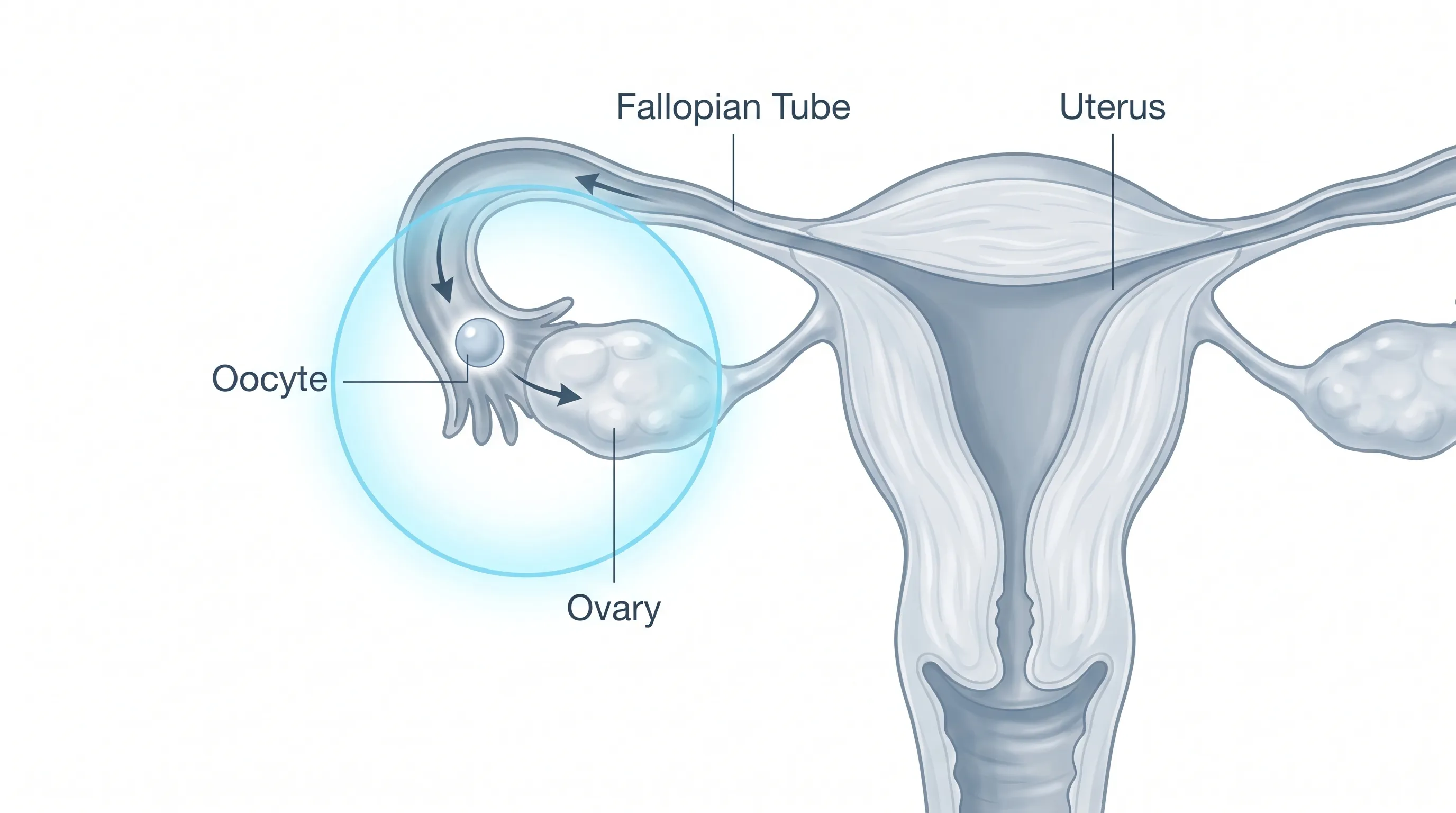
Ovulation is a highly orchestrated event driven by the hypothalamic-pituitary-ovarian axis, as detailed in reproductive physiology literature from the NIH. Each menstrual cycle begins with the recruitment of multiple immature follicles in the ovaries, but typically only one dominant follicle reaches full maturity. When estrogen levels peak, they trigger a sudden surge in luteinizing hormone (LH) from the pituitary gland. This LH surge initiates the final maturation of the oocyte, ruptures the follicular wall, and releases the egg into the peritoneal cavity, where it is swiftly captured by the fimbriae of the fallopian tube, according to the Cleveland Clinic. This is the precise moment ovulation occurs, and from this point forward, the biological clock starts ticking.
Free calculatorOvulation CalculatorCalculate ovulation periodOpen the calculatorWhat Happens During the First 12 Hours
Immediately after release, the ovulated egg is suspended in follicular fluid, which provides temporary nourishment and protection. The egg is in metaphase II of meiosis, meaning it has completed the first division but awaits fertilization to complete the second. During these initial hours, the oocyte relies on mitochondrial ATP reserves to maintain cellular integrity and signaling pathways. If sperm are present in the fallopian tube during this phase, capacitated sperm can penetrate the cumulus oophorus and bind to the zona pellucida, triggering the acrosome reaction and potential fertilization. This early window is why understanding how long does egg last once ovulated is essential for timing intercourse or clinical procedures.
The Critical 12-to-24-Hour Viability Window
Human oocytes lack the robust regenerative mechanisms found in somatic cells. Once isolated from the ovarian microenvironment, they begin a programmed decline. Between 12 and 24 hours post-release, the egg experiences progressive depletion of energy stores, oxidative stress accumulation, and hardening of the zona pellucida. This zona hardening is a natural protective mechanism that prevents polyspermy, but it also permanently blocks sperm entry after the viability threshold passes. Clinical studies consistently demonstrate that fertilization rates drop to near zero beyond this 24-hour mark, confirming that the reproductive system operates on a strict biological deadline.
Why the Reproductive System Limits Egg Longevity
From an evolutionary and physiological standpoint, prolonged egg survival would increase the risk of chromosomal abnormalities and cellular degradation. The 12-to-24-hour limit ensures that only high-quality, recently released oocytes participate in potential conception. Additionally, the fallopian tube environment is highly specialized; its ciliary movement, fluid composition, and secretory cells are optimized to support the egg for exactly this duration before shifting to the luteal phase preparation. This precise timing underscores why the question of how long does egg last once ovulated is not merely academic but foundational to reproductive success.
How Egg Viability Directly Impacts Conception Chances
The 12-to-24-hour lifespan of the ovulated egg fundamentally shapes the human fertile window. Because the egg dies so quickly, conception relies heavily on the survival capabilities of sperm, which can live in optimal cervical mucus for up to five days, as noted by the CDC. This biological asymmetry means that the most fertile days of your cycle are actually the five days leading up to ovulation and the day of ovulation itself. Understanding how long does egg last once ovulated allows you to reverse-engineer your timing strategy, prioritizing sperm presence before the egg is even released.
Sperm Survival and the Overlapping Fertile Window
While the egg operates on a strict 24-hour timeline, sperm undergo capacitation in the female reproductive tract, a process that enhances motility and fertilization capacity over time. When fertile-quality cervical mucus is present, sperm can navigate through the cervix, uterus, and into the fallopian tubes within minutes to hours. However, they must be waiting when the egg arrives. If intercourse occurs after ovulation, the chances of conception decline rapidly with each passing hour. By day two post-ovulation, the likelihood of pregnancy drops to less than one percent. This stark contrast highlights why tracking methods are essential for aligning sperm delivery with egg release.
Optimal Timing for Natural Conception and IUI
For couples attempting natural conception, clinical guidelines recommend intercourse every two to three days during the follicular phase, with increased frequency (daily or every other day) during the five-day pre-ovulatory window. In clinical settings like intrauterine insemination (IUI), timing is even more precise. IUI is typically scheduled 36 hours after an LH surge detection or administered hCG trigger shot to ensure sperm are placed exactly when the egg enters the 12-to-24-hour viability phase. Misalignment by even a few hours can significantly reduce success rates, reinforcing the importance of accurate ovulation prediction.
The Role of Cervical Mucus and Uterine Environment
Cervical mucus acts as a biological filter and transport medium. During the pre-ovulatory phase, estrogen transforms cervical secretions into a clear, stretchy, egg-white consistency that supports sperm survival and filters out abnormal cells. Without this protective medium, sperm survival drops dramatically, making timely intercourse even more critical. Additionally, uterine and tubal health influence how well the egg and sperm meet. Conditions like hydrosalpinx, chronic endometritis, or pelvic inflammatory disease can alter the fluid dynamics in the fallopian tubes, reducing the already narrow window for successful fertilization.
Key Factors That Influence Egg Longevity and Cellular Quality
While the 12-to-24-hour post-ovulation lifespan is biologically fixed, the internal and external environment during follicular development significantly impacts the egg's structural integrity and fertilization potential. Factors such as maternal age, oxidative stress, nutritional status, and underlying endocrine conditions determine whether an ovulated egg is robust enough to survive the entire viability window and successfully initiate embryogenesis.
Maternal Age and Ovarian Reserve Dynamics
Age is the most significant predictor of oocyte quality. Women are born with a finite number of primordial follicles, and both quantity and quality decline over time. By the mid-thirties, the rate of follicular atresia accelerates, and chromosomal segregation errors become more common during meiosis. While aging does not change how long does egg last once ovulated, it drastically reduces the proportion of eggs capable of completing fertilization and developing into a healthy blastocyst. Diminished ovarian reserve (DOR) may also correlate with irregular ovulation, making timing even more unpredictable and requiring more precise tracking methods.
Oxidative Stress and Mitochondrial Function
Every ovulated egg relies on mitochondrial ATP to sustain cellular processes during its brief journey. Mitochondria are highly susceptible to oxidative damage from reactive oxygen species (ROS). Chronic inflammation, exposure to environmental toxins (such as phthalates, bisphenol A, and heavy metals), poor dietary patterns, and excessive alcohol or tobacco use increase ROS production. Elevated oxidative stress compromises mitochondrial DNA integrity, reduces ATP synthesis, and accelerates cellular senescence in the oocyte. Antioxidant-rich diets and lifestyle modifications can mitigate this damage, preserving the egg's ability to function optimally during its 24-hour window.
Endocrine and Gynecological Conditions
Hormonal imbalances and structural reproductive disorders can disrupt the ovulatory process. Polycystic ovary syndrome (PCOS) often causes anovulatory cycles or delayed ovulation due to insulin resistance and elevated androgens. Endometriosis creates a pro-inflammatory pelvic environment that may damage the egg surface or alter tubal motility. Thyroid dysfunction (hypothyroidism or hyperthyroidism) interferes with LH and FSH signaling, potentially leading to inadequate luteinization or premature follicular collapse. Managing these conditions under the guidance of a reproductive endocrinologist ensures that when ovulation does occur, the released egg has the highest possible chance of viability and successful conception.
Accurate Methods to Track Your Ovulation Window
Because the egg survives for only 12 to 24 hours, precise ovulation tracking is non-negotiable for effective family planning. Modern fertility tracking combines physiological biomarkers, digital technology, and clinical diagnostics to pinpoint the exact day of release. Understanding how long does egg last once ovulated makes it clear that predicting ovulation before it happens is far more valuable than confirming it after the fact.
Basal Body Temperature and LH Surge Detection
Basal body temperature (BBT) tracking involves measuring your resting temperature each morning before any activity. After ovulation, rising progesterone levels cause a sustained temperature increase of 0.4 to 1.0 degrees Fahrenheit. While BBT confirms ovulation has occurred, it does not predict it in real-time, making it less ideal for conception timing. Conversely, ovulation predictor kits (OPKs) detect the LH surge in urine 24 to 36 hours before the egg is released. This predictive capability allows individuals to schedule intercourse precisely when the egg will soon enter its viability window, maximizing alignment with the biological timeline.
Cervical Mucus Observation and Cycle Tracking Apps
Daily monitoring of cervical secretions provides real-time feedback on estrogen levels. The transition from dry or sticky discharge to clear, slippery, and elastic mucus indicates peak fertility. Digital fertility apps integrate mucus observations, BBT data, OPK results, and cycle history to generate personalized fertility calendars. However, algorithmic predictions alone are not medically validated. They should be used as supplementary tools alongside physiological tracking. Relying solely on app estimates without biological confirmation can lead to timing miscalculations, especially for individuals with irregular cycles.
Transvaginal Ultrasound and Hormone Blood Testing
For individuals undergoing fertility treatment or those with complex cycle irregularities, clinical monitoring offers the highest accuracy. Serial transvaginal ultrasounds track follicular growth, with mature follicles typically measuring 18 to 24 millimeters before rupture. Concurrent blood tests measure estradiol, LH, and progesterone levels to confirm the impending or completed ovulation. This medical-grade approach eliminates guesswork, ensuring that timed intercourse, IUI, or IVF trigger injections are administered at the exact moment the egg will begin its 12-to-24-hour lifespan.

Actionable Strategies to Maximize Fertility During the 24-Hour Period
Knowing how long does egg last once ovulated is only half the equation; optimizing your body's readiness for conception is equally important. Evidence-based preconception strategies focus on enhancing gamete quality, reducing inflammatory burden, and aligning lifestyle habits with your natural circadian and hormonal rhythms.
Nutritional Foundations for Oocyte Health
A Mediterranean-style diet rich in monounsaturated fats, leafy greens, legumes, fatty fish, and whole grains has been consistently linked to improved ovulatory function and higher fertilization rates. Key nutrients include folate (400-800 mcg daily), omega-3 fatty acids (DHA and EPA), coenzyme Q10 (100-300 mg daily), vitamin D (maintaining serum levels above 30 ng/mL), and myo-inositol (particularly beneficial for PCOS management). These compounds support mitochondrial function, reduce oxidative stress, and improve insulin sensitivity, all of which contribute to robust follicular development.
Stress Management, Sleep Hygiene, and Exercise Balance
Chronic psychological stress elevates cortisol and prolactin, which can suppress GnRH secretion and disrupt the LH surge. Implementing stress-reduction techniques such as mindfulness meditation, yoga, or cognitive behavioral therapy improves hormonal balance. Sleep is equally critical; circadian misalignment alters melatonin production, which acts as a potent ovarian antioxidant. Aim for seven to nine hours of quality sleep per night in a dark, cool environment. Regarding exercise, moderate aerobic and resistance training supports metabolic health, but excessive high-intensity training can increase oxidative stress and delay ovulation. Balance is key.
When to Seek a Fertility Specialist
If you are under 35 and have been trying to conceive for 12 months without success, or over 35 and trying for 6 months, schedule an evaluation with a reproductive endocrinologist per CDC fertility evaluation guidelines. Diagnostic testing includes semen analysis, ovarian reserve testing (AMH, antral follicle count, FSH), tubal patency evaluation (HSG), and cycle monitoring. Early intervention prevents unnecessary delays and provides personalized protocols tailored to your specific physiological profile. Remember, understanding how long does egg last once ovulated is a foundational concept, but comprehensive fertility optimization requires professional guidance.
Common Myths and Medical Realities About Post-Ovulation Egg Survival
Misinformation surrounding female reproduction persists despite decades of clinical research. These myths often lead to mistimed intercourse, unnecessary anxiety, and delayed medical consultation. Debunking common misconceptions about how long does egg last once ovulated empowers individuals to make informed, scientifically sound decisions.
Myth 1: The Egg Can Survive for Several Days Waiting for Sperm
This widespread misconception contradicts established reproductive physiology. While sperm can live for up to five days in the female reproductive tract, the egg does not possess this longevity. Once released, the oocyte begins a rapid decline in viability, and fertilization must occur within 12 to 24 hours. Believing the egg can wait leads to delayed intercourse timing and significantly reduced conception probabilities.
Myth 2: Late Ovulation Automatically Extends Egg Viability
Ovulation timing varies based on cycle length, stress, illness, or hormonal fluctuations. However, a late ovulation on day 18 or 20 of a cycle does not change the egg's biological clock. Regardless of when it is released, the 12-to-24-hour viability window remains constant. What changes is the length of the follicular phase, not the luteal phase or oocyte lifespan. Tracking confirms ovulation timing, but does not alter post-ovulatory egg survival.
Myth 3: Fertility Medications Change the Natural Egg Lifespan
Clomiphene citrate, letrozole, and gonadotropin injections stimulate follicular development and increase the number of mature eggs released in some cases, but they do not extend how long does egg last once ovulated. The 24-hour limit remains unchanged because it is dictated by cellular metabolism and zona pellucida hardening, not by hormonal stimulation. Fertility treatments simply increase the probability that at least one viable egg will be present at the optimal time for fertilization.
| Tracking Method | Predictive vs. Confirmatory | Accuracy Rate | Best Used For | Cost & Accessibility |
|---|---|---|---|---|
| Ovulation Predictor Kits (LH) | Predictive (24-36 hrs prior) | 85-90% | Natural conception timing | Low, widely available |
| Basal Body Temperature | Confirmatory (post-ovulation) | 95% for confirmation | Cycle pattern analysis | Low, requires consistency |
| Cervical Mucus Monitoring | Real-time physiological | Variable (80-90% with practice) | Daily fertility awareness | Free, requires training |
| Transvaginal Ultrasound | Clinical predictive | 98%+ | IUI/IVF timing, irregular cycles | High, requires clinic visit |
Frequently Asked Questions
What are the signs that ovulation has already occurred?
Physical signs that ovulation has passed include a sustained rise in basal body temperature, a return of thick or dry cervical mucus, mild mid-cycle pelvic discomfort (mittelschmerz) that subsides, and sometimes light spotting. Commercial OPKs turning negative after a surge also confirm that the LH peak has passed and the egg has likely been released within the past 24 hours.
Can you get pregnant the day after ovulation?
The probability is extremely low but not entirely zero in rare cases where ovulation occurs later than tracked. Since the egg survives 12 to 24 hours, conception the day after confirmed ovulation is biologically unlikely. Most clinical data shows pregnancy rates drop to near zero after 24 hours post-release, making pre-ovulatory intercourse the most reliable approach.
How do irregular periods affect the fertile window?
Irregular cycles make predicting ovulation difficult because follicular phase length varies. However, the luteal phase typically remains consistent (12 to 14 days) once ovulation occurs. Individuals with irregular cycles should rely on daily LH testing, BBT tracking, and ultrasound monitoring rather than calendar predictions to accurately identify when the egg is released and begins its brief viability period.
Does using birth control affect future egg viability?
Hormonal contraceptives temporarily suppress ovulation by inhibiting the LH and FSH surge, as explained by the CDC. Once discontinued, the hypothalamic-pituitary-ovarian axis resumes normal function. Birth control does not damage eggs or permanently alter how long does egg last once ovulated in the future. Most individuals regain regular ovulatory cycles within one to three months after discontinuation.
What should I do if I consistently miss the 12-24 hour window?
If you struggle to time intercourse accurately, consider switching to daily LH testing, incorporating transvaginal ultrasound monitoring, or consulting a fertility specialist. In clinical settings, timed IUI or IVF bypasses the natural timing constraints by placing sperm or embryos directly into the uterus at optimal stages, significantly improving success rates without relying on natural ovulation timing alone.
Conclusion
Reproductive biology operates on precise, non-negotiable timelines. The answer to how long does egg last once ovulated remains firmly anchored in the 12-to-24-hour window, a biological reality that shapes every aspect of fertility planning. By understanding this brief viability period, you can shift from guesswork to strategic, evidence-based timing. Combining accurate ovulation tracking, preconception nutritional support, stress management, and timely medical consultation creates the optimal environment for successful conception. Whether you are actively trying to build your family or simply seeking to understand your body's natural rhythms, mastering the science behind egg longevity empowers you to make informed, confident reproductive health decisions. For personalized guidance tailored to your cycle and medical history, always consult a licensed reproductive endocrinologist or board-certified OB-GYN. Your fertility journey is unique, but the science that guides it is clear, reliable, and within your reach.
How we work
Researched and drafted with AI assistance, then reviewed by a human editor against the cited sources.
This article is general health information, not medical advice. Consult a qualified healthcare professional about your own situation.