Understanding 9 dpo symptoms: What to Expect During the Two-Week Wait

Navigating the anticipation of the two-week wait can be both emotionally taxing and physically confusing, especially when you are closely monitoring your cycle for signs of conception. If you have recently ovulated, tracking early changes is natural, but it is essential to understand what your body is actually doing behind the scenes. Many women search for guidance on 9 dpo symptoms, hoping to differentiate between early pregnancy indicators and normal premenstrual shifts. The luteal phase, which spans from ovulation until menstruation, is governed by delicate hormonal fluctuations that can produce remarkably similar sensations regardless of whether fertilization occurs. Understanding the physiological timeline, recognizing subtle physical changes, and knowing when to test will help you navigate this period with clarity and reduced anxiety. Evidence-based tracking and patience remain your most valuable tools during this critical window.
The Biological Timeline of the Luteal Phase
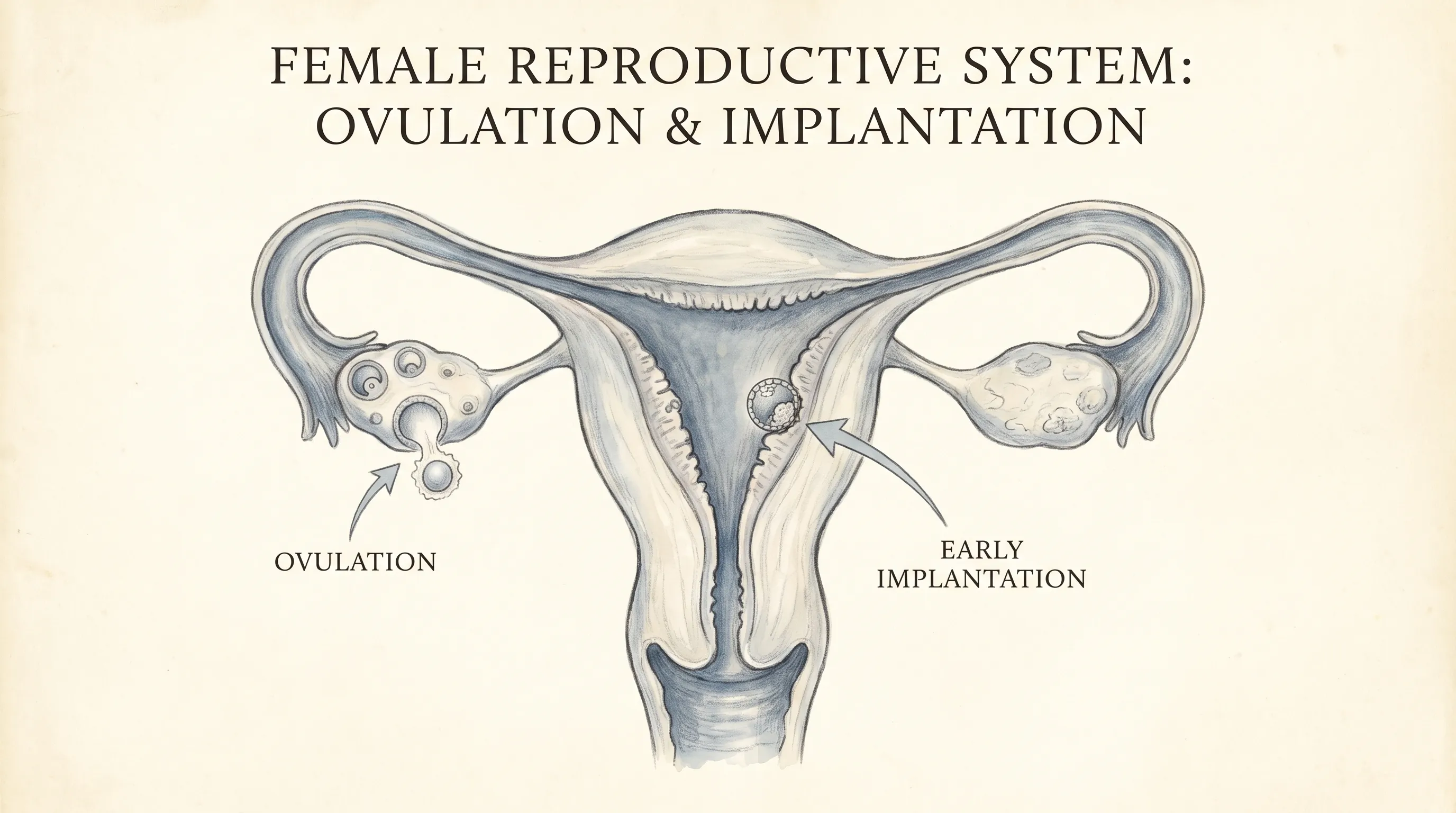
To truly comprehend what happens during the second half of your menstrual cycle, you must first understand the hormonal cascade triggered by ovulation. Once a mature follicle releases an egg from the ovary, the remaining follicular tissue transforms into a temporary endocrine structure known as the corpus luteum. This glandular mass immediately begins secreting substantial amounts of progesterone, alongside smaller quantities of estrogen, inhibin A, and relaxin. Progesterone is the dominant hormone of the luteal phase, responsible for thickening and vascularizing the endometrial lining to create an optimal environment for potential embryo implantation.
Free calculatorImplantation CalculatorCalculate implantation dateOpen the calculatorBy the time you reach day nine post-ovulation, the corpus luteum is functioning at peak capacity. If fertilization has not occurred, progesterone and estrogen levels will begin a gradual decline around days ten to twelve, eventually triggering the release of prostaglandins that initiate endometrial shedding. However, if a viable embryo successfully travels through the fallopian tube and embeds into the uterine wall, it will secrete human chorionic gonadotropin (hCG). This glycoprotein hormone signals the corpus luteum to persist, maintaining elevated progesterone levels to sustain the pregnancy until the placenta fully develops and takes over hormonal production around weeks eight to ten. Understanding this biological checkpoint explains why physical sensations at day nine often sit at the exact crossroads between two potential cycle outcomes.
Tracking your cycle with precision tools such as ovulation predictor kits, cervical mucus observation, and basal body temperature charting provides valuable context for interpreting these days accurately. Medical research consistently demonstrates that the corpus luteum typically reaches maximum size and progesterone output between seven and nine days post-ovulation, making this timeframe the peak of luteal activity regardless of conception status. https://www.acog.org/womens-health/faqs/menstruation-in-teens provides foundational guidance on cycle tracking, while clinical endocrinology literature emphasizes that symptom interpretation during this phase requires careful, evidence-based observation rather than assumption.
The Science Behind Early Pregnancy Signs at 9 DPO
When exploring how early conception manifests physically, it is crucial to distinguish between progesterone-driven changes and hCG-triggered developments. Human chorionic gonadotropin is not produced until trophoblast cells differentiate and begin invading the maternal endometrium, a process that typically initiates between six and ten days after fertilization. At exactly 9 dpo, hCG concentrations in maternal serum generally range from 10 to 25 mIU/mL, which remains below the detection threshold of many over-the-counter pregnancy tests that require 25 to 50 mIU/mL for reliable results. Consequently, many physiological responses observed at this stage are still primarily mediated by progesterone rather than embryonic signaling.
Progesterone acts as a systemic smooth muscle relaxant, slows gastrointestinal motility, increases core body temperature by approximately 0.5 degrees Fahrenheit, and promotes breast glandular proliferation. These widespread effects explain why so many individuals report physical shifts that closely mirror early pregnancy experiences, even during cycles that ultimately result in menstruation. The phenomenon is rooted in endocrine physiology rather than psychological suggestion. Studies published in reproductive endocrinology journals confirm that luteal phase progesterone peaks create a physiological state nearly indistinguishable from early gestation for several days, which is why medical professionals consistently advise waiting until at least 12 to 14 days post-ovulation before interpreting test results.
Despite these scientific realities, the body does initiate localized changes that some individuals recognize as distinct from their typical premenstrual patterns. Implantation, when it occurs, involves subtle vascular remodeling and localized inflammatory responses as the blastocyst attaches to the decidua. This process can generate mild, transient sensations that differ from standard luteal discomfort. Understanding these mechanisms helps contextualize what you experience without premature conclusions. Clinical resources from institutions like https://www.mayoclinic.org/healthy-lifestyle/getting-pregnant/in-depth/menstrual-cycle/art-20047186 emphasize that biological variability means every cycle presents unique symptomatology, making personalized tracking essential for accurate interpretation.
Recognizing Common 9 dpo symptoms
Tracking your cycle effectively requires knowing what physical changes typically emerge during this specific window. While individual experiences vary significantly due to genetic, lifestyle, and hormonal factors, certain patterns consistently appear in clinical observations and reproductive health literature. Learning to identify these markers helps you maintain objective records and communicate effectively with healthcare providers.
Implantation Bleeding and Spotting
Light vaginal spotting between days six and twelve post-ovulation is frequently reported by individuals attempting conception. This occurrence happens when the developing embryo disrupts minor endometrial blood vessels during the attachment process. The bleeding is characteristically lighter than menstruation, often appearing pink, brown, or light red, and typically lasts only one to three days. Unlike menstrual flow, it does not progressively intensify and usually requires only light pantyliners. Medical guidelines recommend monitoring spotting carefully, as excessive bleeding or prolonged duration warrants clinical evaluation to rule out other gynecological conditions. Keeping a symptom log with color, duration, and flow intensity provides valuable documentation for future fertility assessments.
Lower Abdominal Cramping and Pelvic Pressure
Mild to moderate cramping localized to the lower abdomen or pelvic region is another frequently observed marker. These sensations are typically described as pulling, tingling, or light aching rather than the intense, rhythmic contractions associated with menstruation. Progesterone-induced smooth muscle relaxation and localized prostaglandin release during embryo embedding contribute to these feelings. Some individuals experience unilateral discomfort corresponding to the ovulating ovary, while others report generalized pelvic heaviness. Gentle heating pads, hydration, and light stretching can effectively manage discomfort. If cramping becomes severe, sharp, or asymmetrical, prompt medical consultation is advised to exclude complications such as ovarian cyst rupture or ectopic gestation.
Breast Changes and Nipple Sensitivity
Hormonal shifts during the luteal phase directly impact mammary gland tissue. Increased progesterone stimulates alveolar development, while estrogen promotes ductal proliferation. This combination frequently results in breast fullness, tenderness, and heightened nipple sensitivity. The areolae may darken slightly or exhibit more prominent Montgomery glands, which are sebaceous structures that prepare the breast for potential lactation. These changes typically peak between eight and ten days post-ovulation. Supportive bras, warm compresses, and reducing caffeine intake often alleviate discomfort. Tracking breast changes alongside other physiological markers provides a more comprehensive view of luteal activity and helps differentiate between normal cyclic responses and atypical patterns requiring evaluation.
Fatigue, Brain Fog, and Sleep Disruptions
Elevated progesterone has a recognized soporific effect on the central nervous system, frequently manifesting as pronounced fatigue, mental cloudiness, or altered sleep architecture. Core body temperature remains elevated during this phase, which can interfere with sleep onset and reduce deep sleep cycles. Additionally, metabolic shifts increase caloric demand and alter glucose regulation, contributing to energy fluctuations. Prioritizing consistent sleep schedules, incorporating light aerobic activity, and consuming complex carbohydrates with lean protein helps stabilize energy levels. Avoiding excessive screen time before bed and maintaining a cool sleeping environment can further improve rest quality. Recognizing fatigue as a physiological response rather than a sign of poor health reduces unnecessary stress during this sensitive period.
Digestive Upset and Nausea
Progesterone slows gastrointestinal transit time by relaxing intestinal smooth muscle, which commonly results in bloating, constipation, or mild reflux. Some individuals experience heightened olfactory sensitivity and low-grade nausea, even before hCG reaches clinically detectable levels. This occurs because hormonal fluctuations alter neurotransmitter activity in the gut-brain axis, particularly affecting serotonin and dopamine pathways. Small, frequent meals rich in fiber, adequate hydration, and gentle post-meal movement support healthy digestion. Ginger tea, peppermint supplements, and probiotic-rich foods often provide relief. If nausea progresses to persistent vomiting or weight loss, clinical evaluation ensures appropriate management and nutritional support.
Shifts in Cervical Mucus and Basal Body Temperature
Monitoring cervical secretions and basal temperature provides objective, measurable data throughout the luteal phase. After ovulation, cervical mucus typically transitions from clear and stretchy to thicker, creamier, or completely dry as progesterone rises. Some individuals notice a secondary creamy or slightly sticky discharge around nine days post-ovulation, which reflects normal luteal secretions or early endometrial changes. Basal body temperature remains elevated above the follicular phase baseline throughout this window. A sustained triphasic temperature pattern, characterized by a third temperature rise following an initial post-ovulation spike, is occasionally observed during successful implantation but remains uncommon and not universally indicative of pregnancy. Consistent morning measurement before physical activity ensures accurate tracking. https://www.clevelandclinic.org/health/diseases/25414-what-is-the-luteal-phase offers comprehensive guidance on interpreting these physiological markers accurately.
Comparing 9 dpo symptoms With Premenstrual Syndrome
Differentiating early conception indicators from impending menstruation remains one of the most challenging aspects of cycle tracking. Both scenarios involve elevated progesterone during the luteal phase, meaning the underlying physiological drivers overlap significantly. However, subtle differences in timing, intensity, and pattern recognition often provide valuable clues. Clinical observations suggest that while premenstrual symptoms typically intensify steadily until bleeding begins, early conception markers may plateau, fluctuate, or resolve abruptly as hCG production alters hormonal equilibrium.
| Feature | 9 DPO Indicators | Premenstrual Indicators |
|---|---|---|
| Cramping | Mild, intermittent, localized | Progressive, rhythmic, diffuse |
| Bleeding/Spotting | Light, pink/brown, 1-3 days | Gradually increases, bright red, sustained |
| Breast Sensitivity | Pronounced areolar darkening, glandular swelling | Generalized tenderness, resolves with onset |
| Fatigue | Sudden onset, persistent, sleep-resistant | Gradual increase, improves with rest |
| Nausea/Digestion | Heightened smell sensitivity, mild reflux | Appetite changes, mild bloating |
| Mood Patterns | Emotional sensitivity, heightened awareness | Irritability, anxiety, tension |
Recognizing these distinctions requires consistent tracking across multiple cycles. Hormonal sensitivity varies widely among individuals, making personalized baselines essential. Some people experience pronounced premenstrual changes every month, while others notice entirely new patterns only during conception cycles. Documenting symptoms alongside lifestyle factors, stress levels, and sleep quality provides a comprehensive dataset that healthcare providers can use to identify underlying imbalances, optimize fertility, or diagnose conditions like premenstrual dysphoric disorder. Maintaining objectivity during this window reduces emotional strain and supports informed decision-making.
When and How to Test for Pregnancy
Accurate timing and proper technique significantly impact pregnancy test reliability. Testing too early frequently results in false negatives due to insufficient hCG concentration in urine, leading to unnecessary distress or premature discontinuation of preconception care. Understanding test sensitivity, hCG doubling times, and optimal testing conditions empowers you to make evidence-based choices.
Choosing the Right Home Pregnancy Test
Modern home pregnancy tests utilize lateral flow immunochromatography to detect hCG in urine. Sensitivity ranges from 10 to 50 mIU/mL, with lower thresholds capable of detecting pregnancy earlier but sometimes producing faint lines that cause confusion. Early result tests generally advertise accuracy several days before a missed period, but clinical validation confirms that reliability increases substantially after 12 days post-ovulation. Selecting a reputable brand with FDA clearance, checking expiration dates, and storing tests at room temperature ensures optimal performance. Digital tests eliminate line-reading ambiguity but require higher hCG concentrations for positive results. Always follow manufacturer instructions regarding sample collection, timing windows, and result interpretation to avoid false readings caused by evaporation lines or improper handling.
Best Testing Practices for Accuracy
Testing accuracy improves dramatically when using first-morning urine, which contains the highest concentration of hCG due to overnight fluid restriction. Hydration levels directly impact hormone dilution, so reducing excessive fluid intake before testing prevents artificially lowered concentrations. Follow testing instructions precisely, typically involving holding the absorbent tip in the stream or dipping it into collected urine for the specified duration. Wait the full recommended timeframe before interpreting results, usually three to five minutes, but avoid reading beyond ten minutes to prevent evaporation artifacts. If results are negative but menstruation remains delayed, retesting after 48 hours aligns with hCG doubling kinetics. Persistent negative results with absent bleeding warrant clinical evaluation to assess thyroid function, prolactin levels, and ovarian reserve. https://www.nhs.uk/pregnancy/trying-for-a-baby/during-pregnancy/pregnancy-tests/ provides standardized guidance on testing protocols and interpretation.
Practical Wellness Strategies for the Two-Week Wait
Maintaining physical and emotional equilibrium during the waiting period requires intentional lifestyle adjustments and evidence-based self-care practices. Stress management, nutritional support, and moderate activity levels directly influence hormonal balance, immune function, and reproductive system health. Implementing sustainable routines reduces anxiety while optimizing conditions for potential implantation.
Nutrition plays a foundational role in luteal phase support. Consuming anti-inflammatory foods rich in omega-3 fatty acids, zinc, magnesium, and B vitamins helps regulate progesterone metabolism and reduce cellular oxidative stress. Incorporating leafy greens, fatty fish, nuts, seeds, and whole grains provides essential micronutrients without excessive caloric density. Limiting refined sugars, trans fats, and excessive caffeine stabilizes insulin response and minimizes hormonal fluctuations. Hydration remains critical, as adequate water intake supports cervical mucus consistency, nutrient transport, and thermoregulation. Aiming for eight to ten glasses daily, supplemented with electrolyte-rich beverages during active days, maintains optimal physiological function.
Gentle movement improves circulation, reduces pelvic congestion, and modulates stress hormone levels. Yoga, walking, swimming, and light Pilates promote parasympathetic nervous system activation without triggering excessive cortisol release. High-intensity interval training, heavy resistance lifting, or prolonged endurance exercise may temporarily elevate cortisol, potentially affecting implantation windows. Prioritizing recovery, incorporating rest days, and listening to your body ensures physical activity remains supportive rather than disruptive. Mindfulness practices such as diaphragmatic breathing, progressive muscle relaxation, and guided meditation effectively lower sympathetic arousal and improve sleep quality. Clinical studies consistently demonstrate that structured stress-reduction programs correlate with improved cycle regularity and conception rates among individuals undergoing fertility journeys. https://www.ncbi.nlm.nih.gov/pmc/articles/PMC6848207/ outlines evidence-based approaches to stress management during preconception phases.

Creating a balanced daily routine prevents obsessive symptom monitoring while maintaining awareness of meaningful changes. Setting designated tracking times rather than constant checking reduces anxiety and prevents misinterpretation of normal physiological variations. Engaging in hobbies, maintaining social connections, and practicing cognitive reframing techniques support emotional resilience regardless of cycle outcome. Professional counseling or support groups provide valuable outlets for processing uncertainty and building coping strategies. Remember that reproductive health is a long-term journey, and each cycle offers valuable data that contributes to overall wellness and future family planning success.
Frequently Asked Questions
How accurate are home pregnancy tests at 9 dpo?
At 9 days past ovulation, pregnancy tests can detect hCG in some cases, but accuracy remains around 40-60%. hCG levels typically double every 48 hours in early pregnancy, so waiting until 12-14 dpo significantly improves reliability. Testing too early may yield a false negative even if implantation occurred.
Can 9 dpo symptoms reliably indicate pregnancy?
While certain signs like implantation spotting, breast changes, and heightened fatigue are associated with early conception, they cannot definitively confirm pregnancy. Progesterone rises naturally after ovulation whether conception occurs or not, making early symptoms nearly identical to premenstrual changes. A clinical or laboratory test is required for confirmation.
What is the difference between implantation cramps and menstrual cramps?
Implantation cramping typically occurs 6-12 days post-ovulation and is often described as mild, intermittent pulling or tingling sensations localized to the lower abdomen or pelvis. Menstrual cramps are usually stronger, more rhythmic, and accompanied by the gradual onset of uterine contractions as the endometrium sheds. Duration and intensity are key differentiators.
Should I continue taking prenatal vitamins during the two-week wait?
Yes, continuing a daily prenatal vitamin containing at least 400-800 mcg of folic acid is highly recommended. Neural tube development begins shortly after conception, often before pregnancy is confirmed. Maintaining adequate folate, iron, and vitamin D levels supports healthy embryonic development regardless of cycle outcome.
When should I consult a healthcare provider about unusual 9 dpo symptoms?
Seek medical guidance if you experience severe unilateral pelvic pain, heavy bleeding with clots, fever, dizziness, or fainting. These may indicate conditions requiring evaluation, such as an ectopic pregnancy or pelvic infection. Otherwise, mild spotting and cramping are generally considered within normal physiological ranges during early conception windows.
Conclusion
Navigating the complexities of early cycle tracking requires patience, scientific literacy, and compassionate self-care. Understanding the physiological realities behind hormonal shifts, recognizing that progesterone drives many early physical changes, and acknowledging the limitations of premature testing will help you approach each cycle with confidence and clarity. Rather than fixating on isolated sensations, focus on building sustainable wellness routines that support reproductive health, emotional resilience, and long-term vitality. Whether you are actively trying to conceive or simply becoming more attuned to your body's natural rhythms, tracking your experiences with objectivity and professional guidance yields the most reliable outcomes. Remember that each cycle provides valuable data, and consistent self-awareness empowers informed healthcare decisions. Consult licensed reproductive health specialists for personalized assessments, and prioritize evidence-based resources over anecdotal information. Your body's signaling is nuanced, and honoring its natural timeline remains the most reliable path to clarity and peace of mind.
How we work
Researched and drafted with AI assistance, then reviewed by a human editor against the cited sources.
This article is general health information, not medical advice. Consult a qualified healthcare professional about your own situation.