Can Sex Make Your Period Come Early: Medical Insights & Cycle Tracking

Many women experience unexpected changes in their menstrual timing and naturally wonder whether their recent intimate encounters played a role. The question of whether intimacy can influence cycle arrival is one of the most common concerns brought to primary care and gynecology clinics. Hormones, physiological stressors, and lifestyle factors constantly interact with the delicate endocrine system that governs reproductive timing. Understanding how the body responds to physical arousal, hormonal shifts, and muscular contractions provides clarity on why some individuals notice early flow or unexpected spotting. By exploring the scientific mechanisms behind menstrual regulation and examining how sexual activity intersects with these processes, you can gain practical, evidence-based insights into cycle management. This guide breaks down the physiology, separates myth from medical reality, and offers actionable strategies for tracking and maintaining optimal reproductive wellness.
Understanding the Menstrual Cycle and Its Natural Variability
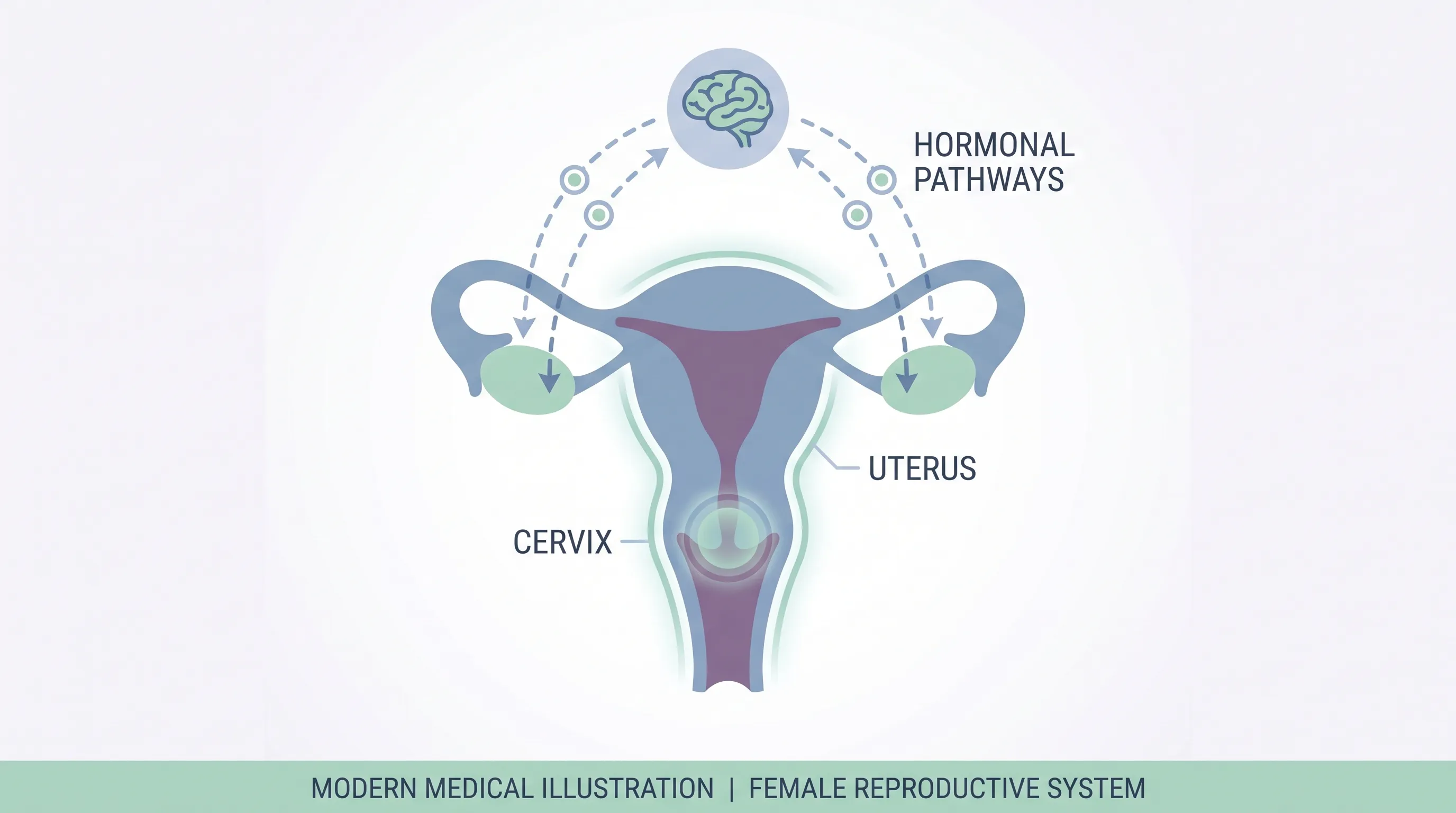
The menstrual cycle is a complex, highly coordinated biological process orchestrated by the hypothalamic-pituitary-ovarian (HPO) axis. This neuroendocrine pathway regulates the production and release of gonadotropin-releasing hormone (GnRH), which stimulates the anterior pituitary gland to secrete follicle-stimulating hormone (FSH) and luteinizing hormone (LH). These hormones, in turn, direct ovarian follicular development, estrogen synthesis, progesterone production, and ultimately, the timing of ovulation and endometrial shedding. A typical cycle ranges from twenty-one to thirty-five days, though individual variation is entirely normal. The length and flow characteristics can shift throughout a woman’s reproductive years due to age, stress, metabolic changes, and environmental influences.
Free calculatorOvulation CalculatorCalculate ovulation periodOpen the calculatorThe Four Core Phases of the Menstrual Cycle
To understand how external factors like intimacy might interact with your cycle, it is essential to recognize the foundational phases that govern menstrual timing. The first phase, the follicular phase, begins on day one of bleeding and continues until ovulation. During this window, FSH promotes the maturation of ovarian follicles, while rising estrogen levels stimulate the thickening of the endometrial lining. Estrogen peaks just before the LH surge, triggering ovulation. Following ovulation, the luteal phase commences. The ruptured follicle transforms into the corpus luteum, which secretes progesterone to stabilize the uterine lining and prepare for potential implantation. If fertilization does not occur, progesterone and estrogen levels decline sharply, initiating the breakdown of the endometrium and leading to menstruation. This predictable hormonal sequence explains why true menstrual bleeding is tightly controlled by systemic hormone fluctuations rather than isolated physical events.
What Actually Triggers Menstruation?
Menstruation is fundamentally a hormone-withdrawal phenomenon. When the corpus luteum regresses, circulating progesterone drops significantly. This withdrawal removes the stabilizing effect progesterone has on the endometrial vasculature. The spiral arteries constrict and then dilate irregularly, leading to localized tissue breakdown, platelet activation, and the release of inflammatory mediators. Prostaglandins, specifically PGF2α and PGE2, surge during this process, driving uterine smooth muscle contractions to expel the shedding lining. The intensity of these contractions correlates directly with menstrual cramping and flow volume. Because the entire cascade depends on sustained hormonal programming, isolated events like sexual intercourse rarely override the established endometrial timeline unless they interact with pre-existing hormonal imbalances or occur during a highly transitional window in the cycle.

The Physiological Connection Between Intimacy and Cycle Timing
While sexual activity does not reprogram the hypothalamic-pituitary axis or prematurely trigger the hormonal withdrawal required for menstruation, it does produce measurable physiological changes that can influence uterine activity and vaginal environment. These responses are primarily mediated by autonomic nervous system activation, neurochemical release, and mechanical stimulation. Understanding these pathways helps clarify why some women experience cycle shifts or unexpected bleeding following intimacy.
Hormonal Surges During Sexual Activity
Sexual arousal initiates a cascade of neurotransmitter and hormone releases. Dopamine and oxytocin levels rise, enhancing pleasure and emotional bonding, while cortisol and adrenaline may fluctuate depending on stress levels and context. Oxytocin, often called the "bonding hormone," plays a direct role in smooth muscle contraction, particularly in the reproductive tract. Estrogen and testosterone also see temporary elevations during arousal and orgasm, which can influence cervical mucus production and vaginal lubrication. However, these transient hormonal spikes are short-lived and typically normalize within hours. They do not alter the systemic progesterone dominance or follicular maturation required to shift your actual period date. The body’s endocrine system is designed to maintain cycle stability despite brief physiological fluctuations, which is why most individuals will not experience a true early period solely from arousal-related hormonal changes.
Prostaglandins, Orgasm, and Uterine Muscle Activity
One of the most discussed physiological links between intimacy and menstrual timing involves prostaglandins and uterine contractions. Seminal fluid contains measurable concentrations of prostaglandins, particularly PGE2, which facilitate cervical ripening and uterine smooth muscle activity. During orgasm, the pelvic floor and uterine musculature undergo rhythmic contractions mediated by oxytocin and neural reflexes. In women who are already near their menstrual window, these contractions can potentially dislodge the very first layer of the endometrial lining, resulting in light bleeding or accelerated onset of flow. This phenomenon is most commonly observed in the late luteal phase when the lining is already primed to shed. For those further from their period, orgasm-induced contractions rarely trigger bleeding because the endometrium remains stable and progesterone levels remain sufficiently high. Research from the American College of Obstetricians and Gynecologists (ACOG) supports the notion that uterine activity during orgasm is a normal physiological response but does not fundamentally alter endometrial hormone dependency or cycle length.
Cervical Positioning and Semen Interaction
Cervical mucus and positioning shift dramatically throughout the menstrual cycle. During the follicular phase, estrogen promotes thin, watery mucus that facilitates sperm motility. Post-ovulation, progesterone thickens mucus to form a protective barrier. Sexual activity, particularly without barrier protection, introduces semen directly into the vaginal vault. The alkaline pH of semen temporarily neutralizes the naturally acidic vaginal environment, while prostaglandins may cause mild cervical canal dilation. In some cases, this combination can trigger light spotting, especially if the cervix is highly vascular or sensitive. Cervical ectropion (where glandular cells extend onto the outer cervix) is another benign condition that increases post-coital spotting risk. These localized responses are frequently mistaken for early periods, but they lack the systemic hormonal trigger and sustained flow pattern that define true menstruation.
Examining the Core Question: Can Sex Make Your Period Come Early?
The short clinical answer is no, sexual intercourse does not directly cause your period to arrive early through hormonal manipulation. However, the physiological responses it triggers can occasionally accelerate an already imminent cycle or produce bleeding that mimics an early period. This distinction is critical for accurate symptom tracking and avoiding unnecessary anxiety. Many individuals notice light pink or brown discharge within twenty-four to forty-eight hours of intimacy, especially if they are approaching their expected window. The release of prostaglandins and oxytocin-driven contractions may simply nudge a prepared endometrium into earlier shedding. When evaluating whether intimacy genuinely altered your timeline, consider baseline cycle variability, stress levels, recent lifestyle changes, and contraceptive use. Natural cycle length can vary by several days each month without indicating pathology.
Distinguishing True Menstrual Flow from Intimacy-Related Spotting
Accurately differentiating between early menstruation and post-coital spotting is essential for effective reproductive health management. True menstrual bleeding typically begins with light spotting that progresses to moderate or heavy flow, accompanied by characteristic symptoms like bloating, breast tenderness, fatigue, and cramping that align with your historical pattern. The bleeding persists for three to seven days and requires regular pad or tampon changes. Intimacy-related spotting, by contrast, is usually light, fleeting, and appears as pink or brown streaks rather than steady crimson flow. It often resolves within a day and lacks the progressive intensity of true menstruation. Cervical irritation, micro-tears from friction, or mild prostaglandin-induced contractions are common culprits. If you consistently experience bleeding after sex, tracking flow characteristics alongside cycle day helps clinicians rule out cervical inflammation, polyps, or infection.
Timing Matters: Where You Are in Your Cycle
The likelihood of noticing cycle changes after intimacy heavily depends on your current position within the luteal or follicular phases. In the early follicular phase, the endometrial lining is thin and rebuilding. Even vigorous intimacy rarely triggers bleeding during this window. Mid-cycle, rising estrogen and ovulatory mucus create an environment more susceptible to minor spotting if friction is high. The late luteal phase, however, is when the endometrium reaches maximum thickness and begins preparing for progesterone withdrawal. This is the most common timeframe where individuals wonder, "can sex make your period come early" because the lining is already primed to detach. Uterine contractions from orgasm may simply initiate the shedding process slightly ahead of schedule, typically by one or two days. This minor acceleration does not represent a true hormonal shift but rather a mechanical facilitation of an inevitable physiological event.
Psychological Stress, Arousal, and Endocrine Responses
Stress exerts a profound influence on menstrual regularity through the hypothalamic-pituitary-adrenal (HPA) axis. Elevated cortisol disrupts GnRH pulsatility, which can delay ovulation, shorten the luteal phase, or trigger anovulatory cycles. Sexual activity itself is generally stress-reducing, promoting parasympathetic activation and oxytocin release. However, anxiety around performance, relationship tension, or pregnancy concerns can paradoxically elevate stress hormones, indirectly influencing cycle timing. If intimacy is accompanied by high emotional stress, the resulting cortisol fluctuations may delay or occasionally accelerate bleeding through HPO axis interference. Managing emotional well-being, practicing mindfulness, and maintaining open communication with partners are evidence-based strategies for stabilizing cycle variability and reducing stress-related menstrual irregularities.
Other Factors That Commonly Shift Cycle Dates
While evaluating whether sexual activity played a role in cycle timing, it is crucial to recognize the numerous lifestyle, environmental, and medical variables that routinely alter menstrual scheduling. The reproductive system is highly responsive to metabolic demand, nutritional status, physical activity, and pharmacological interventions. Isolated bleeding events or early periods are frequently attributed to these broader factors rather than intimacy alone.
Physical and Emotional Stressors
Chronic stress remains one of the leading causes of menstrual irregularities. Prolonged cortisol elevation suppresses the HPO axis, reducing FSH and LH secretion and potentially halting follicular development. Acute stress, such as travel, work deadlines, or personal crises, can trigger early bleeding by inducing a sudden progesterone decline or delaying ovulation. Sleep disruption compounds these effects, as melatonin and circadian rhythm alignment directly regulate reproductive hormone secretion. Implementing stress-management protocols, maintaining consistent sleep schedules, and engaging in moderate relaxation practices significantly improve cycle predictability.
Dietary Shifts, Body Composition, and Exercise Intensity
Rapid weight loss, caloric deficits, or extreme exercise regimens disrupt leptin signaling and energy balance, which directly impacts GnRH production. Low body fat percentages or sudden changes in macronutrient intake can trigger amenorrhea or irregular bleeding. Conversely, rapid weight gain or increased adipose tissue elevates peripheral estrogen conversion through aromatase activity, potentially thickening the endometrium and altering cycle length. Balanced nutrition, adequate protein intake, and moderate strength training support stable hormone metabolism. Tracking nutritional intake alongside cycle dates provides valuable data for identifying dietary influences on menstrual timing.
Contraceptives and Hormonal Modulation
Exogenous hormones profoundly influence menstrual scheduling. Combined oral contraceptives suppress ovulation and create withdrawal bleeds during placebo weeks, while progestin-only methods thin the endometrium and cause irregular spotting. Emergency contraception (levonorgestrel or ulipristal acetate) delays ovulation or disrupts endometrial receptivity, frequently resulting in early or late bleeding within the same cycle. Intrauterine devices and hormonal implants may cause breakthrough bleeding as the endometrium adapts to localized progesterone exposure. Understanding how your chosen contraceptive affects uterine lining stability is essential when interpreting unexpected bleeding episodes. Always consult clinical guidelines or ACOG Contraceptive Guidelines for accurate medication-specific information.
Evidence-Based Tracking and Management Strategies
Proactively monitoring your menstrual cycle empowers you to distinguish natural variability from concerning patterns. Consistent data collection over multiple months reveals your unique baseline, helping you identify genuine triggers versus coincidental timing.
Building an Accurate Cycle Tracking Routine
Effective tracking extends beyond noting start and end dates. Record flow intensity using standardized scales (light, medium, heavy), document associated symptoms (cramping, breast tenderness, mood shifts, digestion changes), and note cervical mucus characteristics. Integrate basal body temperature measurements if monitoring ovulation, as sustained temperature elevation confirms luteal phase onset. Modern digital applications synchronize this data and highlight trends, but manual journaling reduces screen dependency and encourages mindful body awareness. Cross-reference intimacy dates, stress events, travel, and medication changes to identify correlations. Over three to six months, patterns emerge that clarify whether external factors like sexual activity genuinely impact your timeline.
Recognizing When to Seek Clinical Evaluation
While occasional early bleeding is typically benign, certain red flags require professional assessment. Seek evaluation if you experience persistent post-coital bleeding across multiple cycles, soaking through one or more pads per hour for consecutive hours, passing clots larger than a quarter, experiencing severe pelvic pain that disrupts daily function, or noticing unusual discharge with odor or itching. Conditions such as polycystic ovary syndrome (PCOS), thyroid dysfunction, uterine fibroids, cervical polyps, or pelvic inflammatory disease can mimic cycle irregularities. A healthcare provider will typically perform a pelvic examination, order hormone panels (FSH, LH, TSH, prolactin, and progesterone), and recommend pelvic ultrasound if structural anomalies are suspected. The Mayo Clinic Menstrual Health Resource offers comprehensive guidance on symptom evaluation and next steps.
| Symptom Feature | True Early Menstruation | Intimacy-Related Spotting |
|---|---|---|
| Onset Timing | Gradual progression over 12-48 hours | Sudden appearance post-activity, resolves within 24 hours |
| Flow Consistency | Consistent, requiring regular product changes | Light, intermittent, often only visible when wiping |
| Color Presentation | Bright to dark red, transitioning over days | Pink or brown, occasionally mixed with mucus |
| Associated Symptoms | Bloating, cramping, breast tenderness, fatigue | Mild pelvic tension or cervical sensitivity, no systemic symptoms |
| Cycle Impact | Resets day one tracking, establishes new baseline | Does not reset cycle day, isolated event |
Practical Strategies for Hormonal Balance and Cycle Support
Maintaining reproductive health requires a holistic approach that addresses nutrition, movement, stress management, and sleep hygiene. Prioritize whole foods rich in iron, magnesium, B vitamins, and omega-3 fatty acids to support endometrial health and reduce inflammatory responses. Incorporate regular moderate exercise like walking, yoga, or strength training, which improves circulation and insulin sensitivity without triggering cortisol spikes. Practice diaphragmatic breathing and progressive muscle relaxation to lower sympathetic nervous system dominance, particularly during high-stress periods. Limit alcohol and caffeine intake, as both can exacerbate breast tenderness, disrupt sleep architecture, and amplify hormonal fluctuations. Consistent hydration and fiber intake promote efficient estrogen metabolism through hepatic pathways, preventing excess hormone recirculation. When evaluating whether intimacy altered your timeline, remember that sustainable lifestyle habits exert far greater influence on cycle regularity than isolated sexual activity.
Frequently Asked Questions
Does sex physically trigger early menstruation?
Sexual activity does not directly trigger the hormonal cascade required to initiate true menstruation. However, orgasm-induced uterine contractions and cervical changes can sometimes cause pre-menstrual spotting or accelerate an already approaching period.
How can you tell the difference between period spotting and intimacy-related bleeding?
Period spotting typically follows a consistent flow pattern and is accompanied by standard menstrual symptoms. Intimacy-related bleeding is usually light, brief, brown or pink in color, and lacks the heavier cramping and sustained flow of a true period.
Can semen or lubricants alter your menstrual cycle timing?
Semen contains prostaglandins that may mildly stimulate uterine contractions, while certain lubricants can alter vaginal pH and cervical mucus consistency. Neither typically shifts the underlying hormonal timeline enough to cause a genuinely early period.
When should early bleeding after sex be a cause for medical concern?
Persistent post-coital bleeding, heavy flow outside your cycle, severe pelvic pain, foul odor, or bleeding that occurs consistently after intimacy warrants evaluation by a healthcare provider to rule out infections, cervical changes, or hormonal imbalances.
What are the most reliable methods for tracking cycle changes related to sexual activity?
Combining basal body temperature tracking, daily symptom logging, cervical mucus observation, and verified menstrual apps provides the most accurate data. Consistent logging over three to six months helps distinguish natural variability from external influences.
Key Takeaways
Evaluating whether intimacy influences cycle timing requires understanding the complex interplay between hormones, physiology, and lifestyle. The scientific consensus confirms that sexual activity does not fundamentally alter the hypothalamic-pituitary-ovarian axis or trigger premature progesterone withdrawal. However, prostaglandin exposure, oxytocin-driven uterine contractions, and cervical vascular changes can occasionally nudge an already prepared endometrium into earlier shedding, resulting in light spotting or a minor cycle acceleration. Differentiating between true menstruation and post-coital bleeding is essential for accurate tracking and peace of mind. By prioritizing consistent monitoring, stress management, balanced nutrition, and timely clinical consultation when warning signs appear, you empower yourself with comprehensive reproductive health knowledge. If you consistently wonder whether specific activities disrupt your rhythm, consult a licensed healthcare provider for personalized evaluation and evidence-based cycle optimization strategies.
How we work
Researched and drafted with AI assistance, then reviewed by a human editor against the cited sources.
This article is general health information, not medical advice. Consult a qualified healthcare professional about your own situation.