Understanding Irritable Uterus: Causes, Symptoms, and Evidence-Based Management

The human reproductive system is remarkably complex, designed to adapt to countless physiological demands throughout a person’s lifetime. Among the many conditions that can affect pelvic health, one frequently discussed but often misunderstood phenomenon is the irritable uterus. While not a formal diagnostic classification in modern obstetrics or gynecology, this term is widely used by patients and clinicians to describe a pattern of frequent, uncomfortable uterine tightening that falls short of true labor. Understanding what drives this condition, how it differs from other pelvic concerns, and how to manage it effectively is essential for anyone navigating pregnancy, menstrual health, or chronic pelvic discomfort. By exploring the underlying mechanisms, clinical evaluation protocols, and evidence-based interventions, individuals can move from confusion to empowered, proactive care. Whether you are experiencing unexpected tightening during mid-pregnancy, managing pelvic sensitivity after gynecological surgery, or simply seeking clarity about your body’s signals, this comprehensive guide will walk you through the science, symptoms, and practical strategies recommended by leading medical authorities. The goal is not to alarm, but to inform, equipping you with the knowledge needed to partner effectively with your healthcare team.
What Is an Irritable Uterus?
The term irritable uterus refers to a state where the myometrium, the thick layer of smooth muscle forming the uterine wall, exhibits heightened sensitivity and contracts more frequently or intensely than expected. Unlike true labor contractions, which follow a progressive pattern leading to cervical dilation, these episodes are typically irregular, self-limiting, and do not result in measurable cervical change. Clinicians often describe it as uterine irritability, emphasizing that it represents a functional disturbance rather than a discrete disease entity. The phenomenon can occur in both pregnant and non-pregnant individuals, though its clinical significance and management differ substantially based on reproductive status.
Free calculatorWater Intake CalculatorCalculate daily water needsOpen the calculatorUnderstanding Myometrial Physiology and Smooth Muscle Tone
To grasp why the uterus becomes irritable, it helps to understand how uterine smooth muscle operates. The myometrium contains specialized muscle fibers arranged in interlocking layers. These fibers communicate through gap junctions and rely on calcium ion channels to initiate contraction. Hormonal fluctuations, particularly involving progesterone and estrogen, tightly regulate this system. Progesterone normally promotes uterine quiescence by suppressing calcium influx and reducing oxytocin receptor density. When this delicate hormonal balance is disrupted, or when inflammatory mediators like prostaglandins increase, the threshold for contraction lowers. Electrolyte imbalances, particularly low magnesium and potassium, can further destabilize muscle membrane potential, making the tissue hyperexcitable. This physiological framework explains why seemingly minor triggers, such as a sudden shift in posture or mild dehydration, can spark noticeable tightening.
Medical Terminology Versus Patient Experience
In clinical practice, you will rarely find irritable uterus listed in official diagnostic manuals. Instead, practitioners use precise terminology based on gestational age and symptomatology. During pregnancy, the condition may be classified as preterm uterine contractions, uterine hyperactivity, or benign Braxton-Hicks variations depending on context. Outside of pregnancy, it may overlap with dysmenorrhea, chronic pelvic pain syndromes, or functional gastrointestinal disorders that share pelvic nerve pathways. Recognizing this terminology gap is crucial. Patients using the phrase are often describing a very real, uncomfortable experience that deserves clinical attention, even if it lacks a singular diagnostic label. Validating these symptoms while guiding them toward appropriate evaluation bridges the gap between patient experience and medical science.

Common Signs and Symptoms
Identifying an irritable uterus requires careful observation of contraction patterns, accompanying sensations, and contextual factors. Because uterine activity exists on a broad spectrum, distinguishing between normal physiological responses and clinically relevant irritability demands attention to detail. The following indicators help clarify when symptoms warrant closer monitoring or professional consultation.
Early Warning Indicators and Sensory Patterns
Most individuals describe the sensation as a band-like tightening across the lower abdomen, sometimes extending to the lower back or pelvic floor. The tightening typically feels firm, lasts anywhere from thirty to ninety seconds, and gradually subsides without intervention. Key distinguishing features include irregular timing, lack of progressive intensification, and absence of bloody show or fluid leakage. Unlike true labor, which often begins with a dull, rhythmic ache that builds steadily, uterine irritability tends to come and go unpredictably. Some people notice that certain activities trigger the episodes, including prolonged standing, bending, or sudden positional changes. Recognizing these patterns early helps prevent unnecessary anxiety while ensuring timely medical review when red flags emerge.
Differentiating Normal Discomfort from Concerning Patterns
The line between benign uterine activity and clinically significant irritability depends heavily on frequency, intensity, and associated symptoms. A widely accepted clinical guideline recommends evaluating whether contractions occur fewer than four times per hour despite rest and hydration. If tightening exceeds this threshold, persists despite self-care measures, or is accompanied by pelvic pressure, lower back cramping, menstrual-like bleeding, or a sudden change in vaginal discharge, it crosses into a concerning pattern. Additionally, any symptom onset before thirty-seven weeks of gestation requires prompt evaluation to rule out cervical change or preterm labor progression. Understanding these boundaries empowers individuals to monitor effectively without overreacting to normal physiological variations.
| Feature | Normal Uterine Activity / Braxton Hicks | Irritable Uterus Pattern | Clinical Red Flags | Requires Immediate Attention |
|---|---|---|---|---|
| Frequency | Irregular, fewer than 3-4 per hour | Frequent, often exceeding 6 per hour | Regular, increasing over time | Yes |
| Duration | 15-30 seconds, variable | 30-60 seconds, consistent | Longer, progressively sustained | No, unless paired with dilation |
| Intensity | Mild to moderate, easily ignored | Uncomfortable, sometimes sharp | Strong, difficult to converse through | Yes |
| Response to Hydration/Rest | Often resolves completely | Partially or temporarily improves | Persists despite conservative measures | Yes |
| Cervical Change | None detected on exam | None or minimal | Progressive effacement and dilation | Yes |
Underlying Causes and Risk Factors
Uterine irritability rarely stems from a single isolated trigger. More often, it represents a convergence of physiological, environmental, and anatomical factors that lower the myometrial threshold for contraction. Identifying and addressing these underlying contributors forms the foundation of effective management and long-term pelvic wellness.
Physiological Triggers and Hormonal Influences
Hormonal fluctuations play a central role in regulating uterine smooth muscle tone. As pregnancy advances, progesterone dominance gradually gives way to rising estrogen and oxytocin receptor expression, naturally preparing the uterus for labor. When this transition occurs prematurely or unevenly, the myometrium becomes hypersensitive. Similarly, in non-pregnant states, conditions like endometriosis, adenomyosis, or chronic pelvic inflammatory processes increase local prostaglandin production, which directly stimulates muscle contraction and pain signaling. Thyroid dysfunction and uncontrolled diabetes can also disrupt neuromuscular coordination, indirectly contributing to erratic uterine activity. Recognizing these systemic connections ensures that management addresses root causes rather than merely suppressing symptoms.
Lifestyle and Environmental Influences
Daily habits and environmental exposures significantly impact uterine stability. Chronic dehydration remains the most prevalent modifiable trigger. When blood volume drops and sodium-potassium ratios shift, smooth muscle cells depolarize more easily, leading to spontaneous contractions. Excessive caffeine intake acts as a mild stimulant on both the central nervous system and smooth muscle tissue, increasing contraction frequency in susceptible individuals. Overexertion, heavy lifting, and prolonged standing increase intra-abdominal pressure and pelvic floor tension, transmitting mechanical stress directly to the uterine ligaments and muscle layers. Poor sleep architecture and chronic stress elevate cortisol, which interferes with progesterone metabolism and amplifies pain perception. Modifying these factors often yields rapid symptom improvement.
Pregnancy-Specific Considerations and Anatomical Variations
During pregnancy, additional factors heighten the risk of uterine irritability. Multiple gestations stretch the myometrium beyond typical capacity, increasing wall tension and contractile readiness. Cervical insufficiency or a short cervix creates structural vulnerability, prompting the uterus to tighten as a compensatory response. A history of prior preterm delivery, uterine surgery such as myomectomy or cesarean section, or congenital anatomical variations like a septate uterus can create localized areas of tissue sensitivity. Placental positioning abnormalities, particularly placenta previa or marginal placental placement, may irritate the lower uterine segment and trigger irregular tightening. Understanding these pregnancy-specific dynamics allows clinicians to tailor monitoring protocols and intervention thresholds to individual risk profiles.
Medical Diagnosis and Clinical Evaluation
Accurate assessment of uterine irritability requires a systematic clinical approach that rules out more serious conditions while identifying actionable triggers. Healthcare providers rely on a combination of patient history, physical examination, imaging, and targeted laboratory testing to construct a complete clinical picture. This multi-step process ensures that management is both safe and appropriately calibrated to symptom severity.
Physical Exams, History Review, and Symptom Mapping
The diagnostic journey begins with a thorough clinical interview. Providers will ask about contraction frequency, duration, associated pain levels, and any precipitating activities. Obstetric history, including prior pregnancies, deliveries, surgeries, and complications, provides essential context. A gentle abdominal and pelvic examination helps assess uterine size, tone, tenderness, and fetal positioning. Cervical evaluation through visual inspection or gentle digital assessment determines whether dilation or effacement has occurred, which immediately distinguishes irritability from active labor. Providers also evaluate for signs of urinary tract infection, vaginal dysbiosis, or pelvic floor hypertonicity, all of which can mimic or exacerbate uterine symptoms.
Imaging, Cervical Length Measurement, and Fetal Assessment
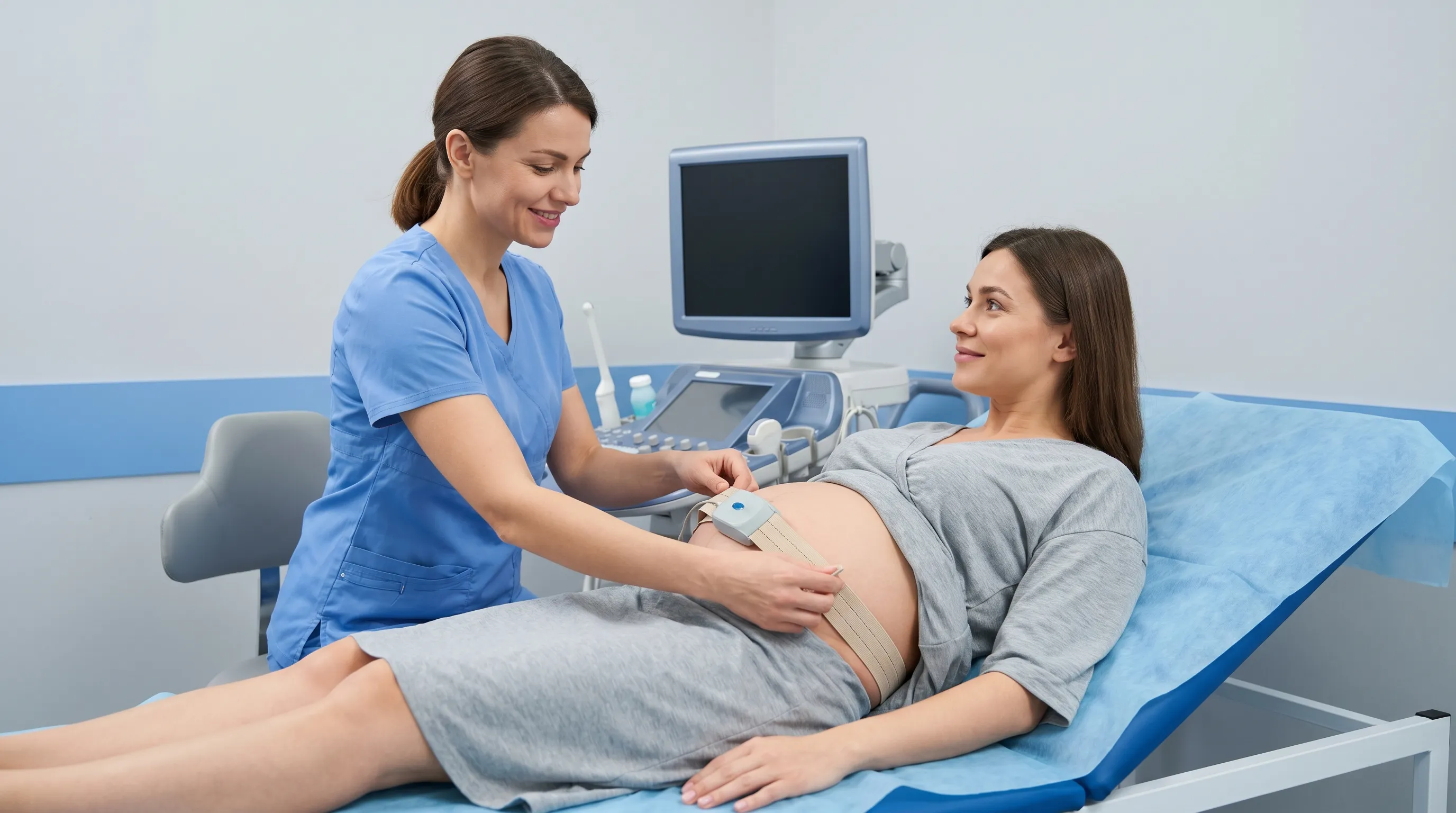
Transvaginal ultrasound serves as a cornerstone for evaluating uterine and cervical status. Measuring cervical length provides objective data; a length shorter than twenty-five millimeters before thirty-four weeks significantly increases preterm risk and alters management priorities. Ultrasound also identifies anatomical variants, assesses amniotic fluid volume, and evaluates placental health. When irritability occurs during pregnancy, external tocodynamometry tracks contraction patterns, frequency, and duration over a twenty to forty-minute window. Combined with continuous fetal heart rate monitoring, this noninvasive approach ensures fetal well-being while documenting uterine activity. If cervical change is suspected or infection is a concern, a fetal fibronectin swab may be performed. This biomarker test measures a protein present in cervical mucus when the amniotic sac separates from the decidua, providing valuable predictive information about preterm delivery risk within fourteen days.
Evidence-Based Management and Treatment Options
Once uterine irritability is confirmed and serious complications are ruled out, management focuses on restoring myometrial quiescence, addressing underlying triggers, and preventing unnecessary progression. Treatment pathways are highly individualized, balancing efficacy with safety considerations for both the patient and developing fetus when applicable.
Pharmacological Interventions and Tocolytic Therapy
When conservative measures fail and clinical risk warrants medical intervention, tocolytic medications may be prescribed. Nifedipine, a calcium channel blocker, remains a first-line option for many clinicians. By inhibiting calcium influx into smooth muscle cells, it effectively reduces contraction strength and frequency while maintaining favorable safety profiles. Magnesium sulfate acts through a different mechanism, competing with calcium at receptor sites and modulating neuromuscular transmission, though its use is typically reserved for hospital settings due to monitoring requirements. Indomethacin, a nonsteroidal anti-inflammatory drug, suppresses prostaglandin synthesis and can provide rapid relief in specific gestational windows, generally before thirty-two weeks to minimize fetal side effects. All tocolytics require careful dosing, contraindication screening, and continuous monitoring for maternal blood pressure changes, fluid shifts, or fetal heart rate abnormalities.
Non-Pharmacological Strategies and Activity Modification
For the majority of cases, non-pharmacological approaches form the foundation of effective management. Pelvic rest is frequently recommended, which means abstaining from intercourse, avoiding vaginal penetration, and limiting heavy physical exertion. Modified activity levels that alternate between gentle movement and adequate rest prevent cumulative pelvic stress. Positional therapy, particularly left-lateral decubitus positioning, optimizes placental blood flow and reduces inferior vena cava compression, which indirectly decreases sympathetic nervous system activation. Warm compresses applied to the lower back or abdomen promote muscle relaxation and improve local circulation, though abdominal heat should never be excessive. These interventions work synergistically with hydration and stress reduction to create a supportive environment for uterine stabilization.
Self-Care and Daily Management Tips
Long-term management of uterine irritability extends far beyond clinical visits. Daily habits, nutritional choices, and psychological resilience profoundly influence myometrial tone and overall pelvic health. Implementing structured self-care routines empowers individuals to regain control, reduce symptom frequency, and improve quality of life without relying solely on medical interventions.
Hydration Protocols and Electrolyte Balance
Maintaining optimal hydration is arguably the most impactful self-care strategy. Aim for a minimum of two to three liters of fluids daily, adjusting for climate, activity level, and body size. Water remains the primary recommendation, but incorporating natural electrolyte sources like coconut water, diluted fruit juices, or oral rehydration solutions prevents sodium and potassium depletion that can trigger muscle spasms. Herbal teas such as ginger or peppermint can provide additional comfort without stimulating contractions, though caffeine-containing beverages should be minimized. Monitoring urine color serves as a practical gauge; pale yellow indicates adequate hydration, while dark amber signals a need for increased intake.
Nutrition, Mineral Support, and Dietary Adjustments
Dietary choices directly influence smooth muscle function and inflammatory pathways. Magnesium-rich foods like leafy greens, almonds, pumpkin seeds, and black beans support muscle relaxation and nerve transmission. Calcium works synergistically with magnesium, but the ratio matters; excessive calcium without adequate magnesium can actually promote muscle tightening. Omega-3 fatty acids from fatty fish, walnuts, and chia seeds help balance prostaglandin production, shifting the body toward an anti-inflammatory state. Processed foods, refined sugars, and high-sodium snacks should be limited, as they promote fluid retention, blood pressure fluctuations, and systemic inflammation. A balanced, nutrient-dense approach supports not just uterine calm but overall metabolic health.
Stress Reduction, Breathing Techniques, and Sleep Optimization
The mind-body connection plays a critical role in uterine health. Chronic anxiety keeps the nervous system in a heightened state, directly increasing smooth muscle excitability. Practicing diaphragmatic breathing activates the vagus nerve, promoting parasympathetic dominance and reducing cortisol output. Techniques such as four-count inhalation, seven-count exhalation, and pelvic floor awareness during exhalation can be performed anywhere, multiple times daily. Sleep quality is equally vital; insufficient or fragmented sleep disrupts hormonal regulation and lowers pain tolerance. Establishing a consistent bedtime routine, using supportive pillows for optimal spinal and pelvic alignment, and limiting screen exposure before rest can dramatically improve overnight recovery. Mindfulness meditation, gentle prenatal yoga, and guided imagery further reinforce emotional resilience and physical calm.
Frequently Asked Questions
Is an irritable uterus the same as preterm labor?
No, an irritable uterus is not synonymous with preterm labor. While both involve uterine contractions, an irritable uterus typically refers to frequent, mild, and often non-productive muscle tightening that does not cause cervical changes. Preterm labor involves regular contractions accompanied by measurable cervical dilation and effacement before 37 weeks of gestation. Clinical evaluation including cervical assessment and fetal monitoring is required to differentiate the two accurately.
Can dehydration cause uterine irritability?
Yes, dehydration is one of the most common triggers. When the body lacks adequate fluids, blood volume decreases and electrolytes become imbalanced. This can cause the uterine muscle fibers to become hyperexcitable, leading to increased contraction frequency and intensity. Rehydrating with water and electrolytes often resolves the issue within a few hours. Maintaining consistent daily fluid intake is one of the most effective preventive strategies.
What should I do if I feel frequent tightening but no pain?
Start by drinking two full glasses of water, resting in a left-side position, and timing the contractions for one hour. Avoid physical exertion and monitor for any accompanying symptoms like pelvic pressure, fluid leakage, or bleeding. If the tightening persists beyond an hour despite rest and hydration, or if you experience fewer than 37 weeks of pregnancy, contact your healthcare provider promptly. Self-care is valuable, but professional guidance ensures safety.
Are there any safe medications to calm uterine irritability?
Depending on gestational age and clinical evaluation, providers may prescribe tocolytics such as nifedipine, magnesium sulfate, or indomethacin. These medications work by relaxing smooth muscle tissue or blocking prostaglandin synthesis. However, they are reserved for specific clinical scenarios due to potential maternal and fetal side effects, and must be managed under strict medical supervision. Never self-prescribe or adjust dosages without consulting your obstetric team.
How does stress contribute to uterine irritability?
Chronic stress elevates cortisol and catecholamine levels, which can disrupt the autonomic nervous system and increase sympathetic tone. This physiological state heightens smooth muscle excitability throughout the body, including the myometrium. Incorporating mindfulness, diaphragmatic breathing, and adequate sleep can help restore parasympathetic balance and reduce unnecessary uterine activity. Psychological wellness is an integral component of physical pelvic health.
Conclusion
Navigating the experience of an irritable uterus requires a blend of clinical understanding, practical self-care, and proactive communication with healthcare providers. While the term itself may lack formal diagnostic precision, the symptoms it describes are entirely real and warrant thoughtful, evidence-based attention. By recognizing the physiological mechanisms that drive uterine sensitivity, differentiating benign patterns from clinically significant changes, and implementing targeted lifestyle modifications, individuals can significantly reduce symptom frequency and improve overall comfort. Prioritizing hydration, nutritional balance, stress management, and appropriate rest creates a foundation for pelvic wellness that extends far beyond immediate symptom relief. Always remember that every pregnancy and reproductive journey is unique; what works for one person may require adjustment for another. Partnering closely with qualified medical professionals ensures that management remains safe, personalized, and aligned with current clinical guidelines. With informed vigilance and compassionate self-care, it is entirely possible to restore uterine calm, protect maternal health, and support optimal outcomes throughout every stage of life.
For further reading and clinical guidance, consult authoritative sources such as the American College of Obstetricians and Gynecologists (ACOG) and the Mayo Clinic guide to preterm labor and uterine contractions. Additional insights on smooth muscle physiology and pelvic health can be found through Cleveland Clinic educational resources and peer-reviewed medical literature via NCBI Bookshelf. Always discuss persistent symptoms with a licensed healthcare provider to ensure appropriate evaluation and personalized care planning.
How we work
Researched and drafted with AI assistance, then reviewed by a human editor against the cited sources.
This article is general health information, not medical advice. Consult a qualified healthcare professional about your own situation.