11 DPO Symptoms: What to Expect During the Two-Week Wait

The two-week wait is widely recognized as one of the most emotionally charged and physiologically complex phases of the reproductive journey. Spanning roughly 14 days between ovulation and the anticipated start of your menstrual cycle, this period is defined by rapid hormonal fluctuations, subtle bodily signals, and the quiet anticipation of a potential new beginning. Among these days, 11 days past ovulation holds particular significance. It represents a biological crossroads where early developmental processes have either successfully established or are naturally concluding. Understanding 11 dpo symptoms requires a balanced, evidence-based perspective that respects both the remarkable complexity of human reproduction and the limitations of self-diagnosis. During this window, your body may be responding to rising progesterone, emerging human chorionic gonadotropin (hCG), or the normal cyclical rhythms that precede menstruation. Navigating this phase with accurate information, realistic expectations, and compassionate self-care is essential for maintaining both physical comfort and emotional equilibrium. Whether you are actively tracking fertility, managing a conception journey, or simply curious about your body’s natural cycles, a clear understanding of what occurs at this specific stage can transform uncertainty into informed awareness.
Understanding the Two-Week Wait and 11 DPO Timing
To fully comprehend the physiological landscape of this reproductive window, it is essential to first understand the underlying timeline. The two-week wait, clinically referred to as the luteal phase, begins immediately after ovulation when the ruptured follicle transforms into the corpus luteum. This temporary endocrine structure is responsible for producing progesterone, a hormone that thickens the uterine lining, suppresses further ovulation, and creates a receptive environment for a potential embryo. In a standard 28-day menstrual cycle, ovulation typically occurs around day 14, placing 11 DPO at approximately cycle day 25. This timing positions individuals just days away from their expected period, a phase characterized by heightened hormonal sensitivity and noticeable physical changes.
Free calculatorOvulation CalculatorCalculate ovulation periodOpen the calculatorWhat Does 11 DPO Mean in a Menstrual Cycle?
Days past ovulation (DPO) tracking has gained significant traction among individuals seeking to optimize fertility awareness and early pregnancy detection. Unlike calendar-based methods that assume fixed cycle lengths, DPO tracking anchors timing to the actual release of the egg, which provides a more accurate biological baseline. By day 11, the luteal phase is well underway. If fertilization occurred within the 12 to 24-hour fertile window following ovulation, the developing zygote would have traveled through the fallopian tube and initiated the critical process of embedding into the endometrial lining. Research consistently demonstrates that implantation most frequently occurs between 8 and 10 DPO, with the broader window spanning 6 to 12 days post-ovulation. Consequently, 11 DPO represents a period where successful implantation is typically already established, allowing embryonic tissues to begin communicating with the maternal system.
The Biological Timeline: Ovulation to Implantation
Following ovulation, cellular division begins immediately. Within three to four days, the embryo reaches the blastocyst stage, preparing for attachment. Upon successful embedding, specialized cells called the syncytiotrophoblast initiate the production of hCG. This glycoprotein hormone acts as a crucial biological signal, instructing the corpus luteum to continue producing progesterone and preventing menstruation. The transition from independent progesterone support to embryo-driven hCG production is a delicate physiological shift that defines early pregnancy. Because this process takes several days to generate measurable hormone concentrations, the body’s physical responses at 11 dpo symptoms often reflect a transitional state between cyclical luteal activity and early gestational adaptation.
The Hormonal Shift: Progesterone, hCG, and Your Body
Hormonal fluctuations are the primary drivers behind the physical sensations experienced during the luteal phase. Understanding how these chemical messengers operate provides crucial context for differentiating between normal cyclical changes and early pregnancy indicators. The interplay between progesterone and hCG creates a unique physiological environment that influences multiple organ systems simultaneously.
The Role of Progesterone in Early Symptoms
Progesterone reaches its peak concentration approximately 6 to 8 days after ovulation, regardless of conception status. This hormone exerts systemic effects throughout the body, including relaxation of smooth muscle tissue, increased basal body temperature, and modulation of neurotransmitter activity. These physiological actions directly contribute to familiar luteal phase experiences such as bloating, mild pelvic discomfort, breast fullness, and mood variability. As noted by medical professionals, progesterone’s widespread influence explains why early pregnancy sensations closely mirror premenstrual symptoms. Read more about progesterone's role here. When pregnancy occurs, the corpus luteum does not regress; instead, hCG sustains its activity, allowing progesterone to remain elevated. This continued hormonal presence amplifies existing symptoms rather than introducing entirely new sensations, which is why tracking isolated physical changes rarely yields definitive answers during the two-week wait.
How Rising hCG Levels Trigger Physical Changes
Once implantation establishes, hCG production begins at low concentrations and increases exponentially. Clinical data indicates that in early pregnancy, hCG levels typically double every 48 to 72 hours. This rapid escalation serves as the foundation for early detection methods, but the threshold for biological recognition varies widely among individuals. At this stage, hCG interacts with multiple tissue types, influencing renal function, gastrointestinal motility, and central nervous system regulation. These interactions contribute to symptoms such as increased urinary frequency, mild nausea, and altered sensory perception. The timing of hCG emergence explains why some individuals notice subtle shifts around this window, while others remain entirely asymptomatic. Explore comprehensive hCG data and testing guidance here.
Distinguishing Pregnancy Signs from PMS Overlap
The clinical overlap between premenstrual syndrome and early gestation presents a significant challenge for symptom-based prediction. Both conditions share identical hormonal foundations, particularly elevated progesterone and fluctuating estrogen ratios. Studies consistently demonstrate that symptom profiling lacks the specificity required for reliable pregnancy confirmation. Factors such as stress, dietary changes, sleep disruptions, and minor infections can further mimic or mask reproductive symptoms. Medical experts emphasize that subjective experiences, while deeply personal, should not replace biochemical testing. Review evidence-based perspectives on symptom reliability here. Recognizing this overlap allows individuals to approach tracking with curiosity rather than certainty, reducing unnecessary anxiety while maintaining accurate expectations.
Comprehensive Breakdown of Common 11 DPO Symptoms
While no single physical sensation can definitively confirm conception, numerous individuals report consistent patterns during this timeframe. Understanding the physiological origins of these experiences provides valuable context for symptom tracking and self-care. The following sections detail the most frequently reported manifestations and their underlying biological mechanisms.
Cramping and Implantation Discomfort
Mild pelvic cramping is among the most commonly reported sensations during the late luteal phase. This discomfort typically presents as dull, intermittent tightening rather than sharp or persistent pain. Physiologically, cramping may result from uterine preparation, increased pelvic blood flow, or the microscopic tissue remodeling associated with implantation. Some individuals describe a pulling or tingling sensation localized to one side, which may correspond to the ovary that released the egg. However, similar cramping frequently occurs as progesterone stimulates mild uterine contractions before menstruation. If discomfort becomes severe, localized, or accompanied by heavy bleeding, medical evaluation is recommended to rule out other conditions. Monitoring 11 dpo symptoms should always prioritize clinical warning signs over speculative interpretation.
Breast Changes: Tenderness, Swelling, and Sensitivity
Hormonal fluctuations profoundly impact mammary tissue during the luteal phase. Progesterone stimulates the growth of milk-producing alveoli, while estrogen promotes ductal expansion and increased vascularization. These structural changes manifest as fullness, heaviness, tingling, or heightened sensitivity to touch. The areola may appear darker or develop small raised bumps known as Montgomery glands. These transformations occur identically in both pregnant and non-pregnant cycles during the two-week window, making them poor standalone indicators. Consistent symptom logging across multiple cycles can help individuals recognize personal baselines and identify deviations that warrant clinical discussion.
Fatigue and Energy Fluctuations
Unexplained tiredness or sudden drops in energy levels are frequently reported around this timeframe. Progesterone exerts a mild sedative effect on the central nervous system, while increased metabolic demands from potential early cellular division may contribute to physical exhaustion. Additionally, subtle shifts in blood pressure and blood sugar regulation can amplify fatigue sensations. Maintaining consistent sleep hygiene, incorporating brief rest periods, and consuming balanced macronutrients can help mitigate these effects. While fatigue often intensifies with confirmed pregnancy, its presence alone cannot differentiate between luteal phase variations and early gestation.
Light Spotting vs. Menstrual Flow
Vaginal bleeding patterns provide one of the most scrutinized indicators during the waiting period. Light spotting, often described as pinkish or brownish discharge lasting one to three days, may occur during implantation as embryonic cells interact with the endometrial lining. This phenomenon typically appears significantly lighter than normal menstrual flow and does not require absorption products. In contrast, menstruation involves coordinated shedding of the uterine lining, resulting in consistent red flow that intensifies over several days. While implantation bleeding is widely discussed, clinical research indicates it affects only a minority of pregnant individuals. Absence of spotting does not indicate non-conception, and presence does not confirm pregnancy.

Digestive Shifts: Bloating, Nausea, and Food Aversions
Gastrointestinal symptoms frequently emerge as hormone concentrations rise. Progesterone relaxes smooth muscle throughout the digestive tract, slowing gastric emptying and intestinal transit time. This physiological deceleration directly contributes to bloating, gas, and mild abdominal pressure. Concurrently, early hCG production begins influencing the chemoreceptor trigger zone in the brainstem, which can initiate mild queasiness or altered taste preferences. Some individuals report sudden aversions to previously tolerated foods or intense cravings for specific flavors. These digestive changes typically remain subtle at this stage, as clinically significant morning sickness generally manifests several weeks later. Maintaining hydration, consuming smaller frequent meals, and incorporating gentle probiotic-rich foods can support digestive comfort.
Neurological and Sensory Changes: Headaches, Smell, and Mood
The luteal phase exerts profound influence on neurological function. Fluctuating estrogen and progesterone levels affect serotonin and dopamine pathways, contributing to mood variability, irritability, or emotional sensitivity. Headaches may arise from vascular changes, dehydration, or sleep disruptions. Additionally, olfactory sensitivity often increases, causing previously neutral scents to become overwhelming or unpleasant. These sensory shifts reflect heightened neuroendocrine activity rather than pregnancy-specific markers. Practicing mindfulness techniques, engaging in light physical movement, and maintaining consistent hydration can help stabilize neurological responses during this transitional window.
| Symptom Category | Primary Hormonal Driver | Physiological Mechanism | Clinical Significance |
|---|---|---|---|
| Pelvic Cramping | Progesterone, hCG | Uterine muscle relaxation, endometrial remodeling | Overlaps with PMS; severe pain requires evaluation |
| Breast Sensitivity | Estrogen, Progesterone | Ductal expansion, alveolar development | Universal in luteal phase; not pregnancy-specific |
| Fatigue | Progesterone | Central nervous system modulation, metabolic demand | Common across cycles; manage with rest and nutrition |
| Light Spotting | hCG, Progesterone | Endometrial attachment, vascular micro-rupture | Occurs in ~15-25% of pregnancies; absence is normal |
| Digestive Changes | Progesterone, hCG | Smooth muscle relaxation, chemoreceptor stimulation | Usually mild; intensify later in confirmed pregnancy |
| Mood & Headaches | Estrogen/Progesterone ratio | Neurotransmitter fluctuation, vascular changes | Highly individual; stress management improves symptoms |
Navigating Pregnancy Testing at 11 DPO
Home pregnancy tests represent the most accessible method for confirming conception, but their accuracy depends heavily on timing, hormone thresholds, and testing methodology. Understanding the biochemical realities of early detection prevents unnecessary frustration and supports informed decision-making.
Understanding hCG Detection Thresholds
Commercial pregnancy tests function by detecting hCG concentrations in urine. Most standard assays require a minimum of 25 mIU/mL to register a positive result, while early detection variants claim sensitivity at 10 mIU/mL. Research analyzing early pregnancy hormone trajectories reveals that median urine hCG at 11 DPO ranges from 9.47 to 57.82 mIU/mL. This wide distribution means that even individuals with successfully implanted embryos may fall below the detection threshold. Furthermore, urine concentration varies significantly based on fluid intake, time of day, and renal filtration rates. Testing too early frequently yields false-negative results that reflect laboratory limitations rather than biological absence.
Best Practices for Accurate Home Testing
To optimize detection accuracy, follow established clinical guidelines. Test using first morning urine, which contains the highest concentration of metabolized hormones after several hours of accumulation. Avoid excessive fluid consumption immediately before testing, as dilution can artificially lower detectable levels. Select tests from reputable manufacturers with documented sensitivity ratings, and always follow package instructions regarding read times and handling procedures. Digital tests provide clear result displays, while traditional line tests require careful interpretation within the specified time window to avoid evaporation line confusion. Proper storage conditions and expiration date verification further ensure reliable performance.
Interpreting Negative or Faint Positive Results
A negative result at 11 DPO does not definitively exclude pregnancy. As hCG production follows an exponential doubling pattern, waiting 48 to 72 hours before retesting significantly improves detection probability. Faint lines, when appearing within the designated read window, typically indicate early positive results with lower hormone concentrations. Evaporation lines, which appear after the recommended reading period, should not be interpreted as positive results. If uncertainty persists, clinical serum testing offers quantitative precision by measuring exact hCG concentrations in blood, providing definitive answers when home tests yield ambiguous results. Learn more about accurate testing protocols here.
Practical Strategies for Managing the Two-Week Wait
Successfully navigating this period requires a combination of physiological awareness, structured tracking, and intentional self-care practices. Implementing evidence-based strategies supports both physical comfort and psychological resilience.
Symptom Tracking and Cycle Awareness
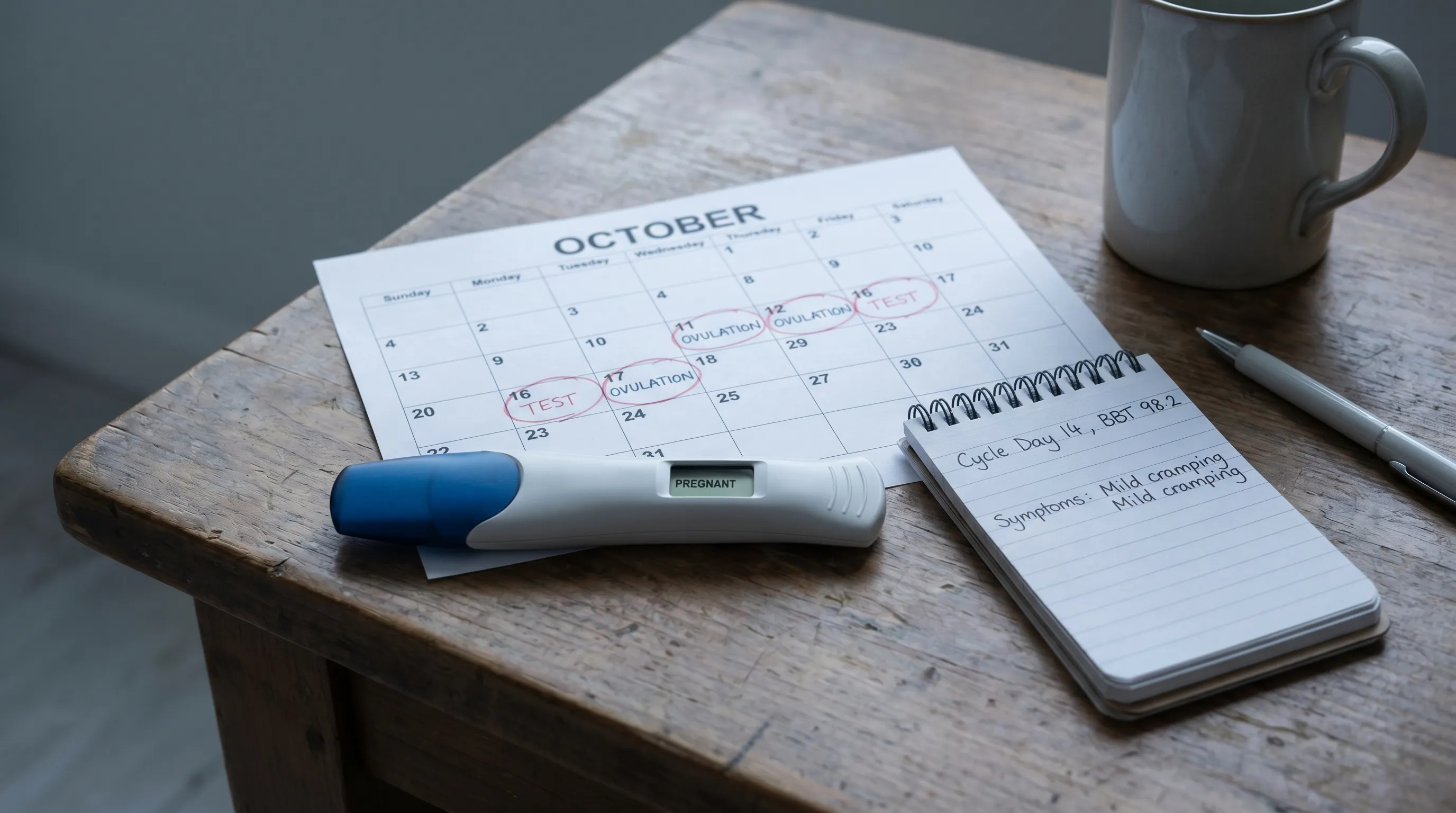
Systematic documentation transforms subjective experiences into actionable data. Utilize dedicated fertility applications or printed journals to record daily observations, including symptom type, intensity, timing, and contextual factors like sleep quality or stress levels. Tracking across multiple cycles establishes personal baselines, making it easier to recognize genuine deviations. Note that 11 dpo symptoms tracking should remain observational rather than diagnostic. Consistent patterns provide valuable information for healthcare discussions, while isolated daily fluctuations rarely indicate definitive outcomes.
Lifestyle Adjustments for Comfort and Support
Supporting your body during this phase involves simple, sustainable modifications. Prioritize nutrient-dense meals rich in folate, iron, and omega-3 fatty acids to support endometrial health and cellular development. Maintain consistent hydration levels to mitigate headaches and support renal function. Incorporate gentle physical activities such as walking, prenatal yoga, or light stretching, which improve circulation without inducing excessive physiological stress. Avoid alcohol, limit caffeine intake, and discontinue any non-prescribed supplements unless cleared by a healthcare provider. These foundational practices optimize reproductive health regardless of cycle outcome.
Emotional Well-being During the Waiting Period
The psychological weight of the two-week wait often exceeds its physical demands. Uncertainty naturally triggers anxiety, making mental health preservation a priority. Limit repetitive testing, which frequently amplifies stress due to fluctuating hormone thresholds. Engage in mindfulness meditation, deep breathing exercises, or guided relaxation practices to regulate nervous system responses. Maintain social connections and communicate openly with supportive partners or trusted individuals. If emotional distress becomes overwhelming or interferes with daily functioning, consider consulting a mental health professional specializing in reproductive wellness. Professional guidance provides coping strategies that honor both emotional complexity and medical realities.
Frequently Asked Questions
Can you definitely feel implantation at 11 DPO?
Implantation typically occurs between 6 and 12 days post-ovulation, most commonly between 8 and 10 DPO. By 11 DPO, if conception has occurred, implantation has likely already taken place. While some individuals report mild cramping or light spotting during this window, it is not universal. Many pregnant individuals experience no noticeable symptoms at all, and any cramping at 11 DPO cannot be definitively distinguished from normal luteal phase progesterone effects or premenstrual discomfort.
Is a negative pregnancy test at 11 DPO accurate?
A negative test at 11 DPO does not definitively rule out pregnancy. Research indicates that median urine hCG concentrations at this stage range from 9.47 to 57.82 mIU/mL. Since most over-the-counter tests require a minimum threshold of 25 mIU/mL to register a positive result, hCG levels may still be below the detection limit. It is recommended to retest in 48 to 72 hours, as hCG typically doubles within that timeframe during early pregnancy.
Why do early pregnancy symptoms feel exactly like PMS?
Progesterone peaks at 6 to 8 days after ovulation regardless of whether conception has occurred. This hormone drives many familiar luteal phase sensations, including breast tenderness, bloating, mood fluctuations, and fatigue. If pregnancy occurs, progesterone continues to rise alongside emerging hCG, amplifying these symptoms. Because the hormonal drivers overlap significantly, symptom-based pregnancy prediction is clinically unreliable without biochemical confirmation.
When is the most reliable time to test after ovulation?
While sensitive early detection tests may show positive results at 11 to 12 DPO, the most reliable window for home testing is between 12 and 14 DPO or after your expected menstrual period. Testing at this stage allows hCG levels sufficient time to surpass detection thresholds and minimizes false-negative results. Using first morning urine, which contains the highest concentration of hormones, further improves accuracy.
What should I do while waiting during the two-week window?
Focus on gentle symptom tracking, stress-reduction techniques, and maintaining consistent sleep and nutrition patterns. Avoid excessive testing, which can increase anxiety due to fluctuating early hCG levels. Continue taking prenatal vitamins with folic acid if trying to conceive, stay hydrated, and engage in light physical activity. If symptoms become severe or unusual, consult a healthcare provider for personalized guidance.
Conclusion
Navigating the reproductive timeline requires both scientific understanding and compassionate self-awareness. The physiological processes occurring at this stage represent a remarkable intersection of endocrine signaling, cellular development, and systemic adaptation. While monitoring physical changes provides valuable insight into your unique biological patterns, it is essential to recognize that early gestational and luteal phase sensations share identical hormonal foundations. Relying exclusively on subjective observations cannot replace quantitative testing or professional medical evaluation. Prioritize accurate testing protocols, maintain balanced self-care routines, and approach each cycle with realistic expectations and informed patience. For ongoing fertility concerns, unusual symptom patterns, or personalized guidance, consulting a reproductive healthcare specialist ensures that your journey remains supported by clinical expertise and evidence-based care. Your body communicates continuously, but interpreting those messages with both curiosity and medical accuracy remains the most reliable path forward.
How we work
Researched and drafted with AI assistance, then reviewed by a human editor against the cited sources.
This article is general health information, not medical advice. Consult a qualified healthcare professional about your own situation.