Craving for Ice in Pregnancy: Medical Causes, Risks & Safe Management

If you have noticed a sudden, intense urge to chew on ice during your pregnancy, you are far from alone. This specific and surprisingly common phenomenon has a medical name—pagophagia—and it represents one of the most recognized forms of pica in expectant mothers. While enjoying a cold beverage on a warm day is completely normal, experiencing an uncontrollable, compulsive craving for ice in pregnancy often signals something deeper happening within your body. Medical professionals have long recognized that pagophagia is rarely just a quirky pregnancy preference; rather, it frequently serves as a physiological warning sign, most notably pointing toward iron deficiency anemia. Understanding why your body suddenly demands frozen water, how to distinguish between harmless hydration habits and clinically significant cravings, and what steps to take next can empower you to navigate this symptom safely. In this comprehensive guide, we will explore the medical science behind pagophagia, review landmark clinical research, outline the potential risks of untreated iron deficiency, and provide evidence-based strategies for managing cravings while protecting both your oral health and your baby’s development. Whether you are in your first trimester or approaching your due date, knowing how to address a craving for ice in pregnancy can lead to better prenatal outcomes and greater peace of mind.
Understanding Pagophagia: The Science Behind Ice Cravings
Defining Pagophagia Within the Spectrum of Pica
Pagophagia is the medical term used to describe the compulsive consumption of ice. The word derives from the Greek roots "pagos" (ice) and "phagia" (eating or swallowing). Clinically, it is classified as a specific subtype of pica, an eating disorder characterized by the persistent ingestion of non-nutritive, non-food substances over a period of at least one month. According to the Diagnostic and Statistical Manual of Mental Disorders, Fifth Edition (DSM-5), pica must occur in the absence of a cultural or socially accepted practice to be diagnosed as a disorder. While pica can manifest in many forms—including cravings for dirt, clay, chalk, paper, or laundry starch—pagophagia stands apart because ice is technically just frozen water. Despite being non-toxic and free of caloric value, the compulsive nature of the behavior aligns with established pica criteria when it becomes persistent, disruptive, or linked to an underlying physiological deficiency. Medical professionals differentiate pagophagia from other pica behaviors by examining the duration, volume, and context of the craving, as well as evaluating for associated nutritional deficits.
Free calculatorWater Intake CalculatorCalculate daily water needsOpen the calculatorGlobal Prevalence and Demographic Variations
The occurrence of pica during pregnancy is a well-documented global phenomenon. Research estimates that pica affects approximately 15% to 30% of pregnant women worldwide, with prevalence heavily influenced by geographic location, socioeconomic factors, cultural traditions, and nutritional baseline status. In many developing regions, geophagia (eating soil or clay) and amylophagia (consuming laundry starch) are more commonly reported due to historical, cultural, or environmental influences. Conversely, in industrialized nations like the United States, Canada, and parts of Western Europe, pagophagia emerges as the dominant pica subtype. The Centers for Disease Control and Prevention (CDC) notes that pica is significantly more prevalent in pregnant women than in the general population, likely due to the dramatic physiological and metabolic shifts required to support fetal development. Hormonal fluctuations, increased blood volume, altered taste perception (dysgeusia), and heightened gastrointestinal sensitivity all contribute to unusual cravings. Recognizing the demographic patterns helps healthcare providers tailor nutritional screening protocols and culturally competent counseling during prenatal visits.
When Ice Consumption Becomes Compulsive
It is important to distinguish between situational ice consumption and true pagophagia. Pregnancy often brings heightened sensitivity to temperature, increased sweating, and episodes of nausea or vomiting, all of which can make cold water or ice chips particularly soothing. Occasional ice consumption, especially during hot weather or to manage morning sickness, is completely normal and does not warrant clinical concern. True pagophagia, however, is characterized by an overwhelming, repetitive urge that feels difficult to control, often resulting in the consumption of large quantities of ice daily—sometimes filling multiple trays or requiring constant freezer access. When the craving begins to interfere with daily routines, causes dental discomfort, or persists regardless of hydration status, it crosses the threshold from a benign habit to a symptom requiring medical evaluation. Understanding this distinction is the first step toward appropriate intervention.
The Proven Connection Between Ice Cravings and Iron Deficiency
Landmark Research and Clinical Evidence
The relationship between pagophagia and iron deficiency has been extensively documented in peer-reviewed medical literature. One of the foundational studies was published by Reynolds and colleagues in the Southern Medical Journal (1968), which examined 20 patients presenting with severe ice cravings. The researchers discovered that 16 out of 20 participants (80%) had clinically diagnosed iron deficiency anemia. This pioneering work established a direct correlation that has been validated by decades of subsequent research. More recent investigations, including comprehensive reviews published in The American Journal of Clinical Nutrition and analyses by the National Institutes of Health (NIH), consistently report that 80% to 90% of individuals with pagophagia exhibit laboratory-confirmed iron deficiency. Notably, the craving often disappears within one to two weeks after initiating iron therapy, sometimes even before hemoglobin concentrations normalize. This rapid symptomatic relief strongly suggests that iron plays a direct neurochemical or physiological role in modulating the craving pathway, rather than the behavior merely coinciding with anemia. The consistency of these findings across diverse populations has led major health organizations to classify pagophagia as one of the most specific behavioral markers of iron depletion.
Biological Mechanisms: Why Does Iron Deficiency Trigger Ice Cravings?
Despite the robust clinical association, the exact biological mechanism driving pagophagia remains a subject of ongoing investigation. Researchers have proposed several compelling theories to explain why depleted iron stores might trigger an intense desire for ice. The first is the glossitis theory, which suggests that iron deficiency frequently causes inflammation of the tongue, known as glossitis. Patients with low iron often experience a smooth, swollen, painful, or burning tongue. Ice provides immediate vasoconstriction and numbing relief, reducing inflammation and temporarily alleviating discomfort. Over time, the brain may begin to associate cold temperature with pain relief, creating a conditioned behavioral response.
The cognitive and alertness theory offers another plausible explanation. Iron is essential for dopamine metabolism and the production of neurotransmitters that regulate alertness and cognitive function. Iron deficiency commonly leads to profound fatigue, brain fog, and reduced mental acuity. Chewing ice provides a sharp sensory stimulation that temporarily increases cerebral blood flow and promotes wakefulness, acting as a natural cognitive stimulant. In this context, pagophagia may represent the body’s unconscious attempt to counteract iron-deficiency-induced lethargy.
A third hypothesis centers on thermoregulation. Iron is a critical component of hemoglobin, which facilitates oxygen transport and cellular metabolism. When oxygen delivery is impaired, basal metabolic rate and heat production can drop, altering the body’s ability to regulate core temperature efficiently. Some researchers theorize that individuals with iron deficiency may experience localized thermal dysregulation, prompting a compensatory craving for cold substances to restore internal equilibrium.
Finally, the behavioral reinforcement model highlights the sensory satisfaction of masticating ice. The crunch, cold sensation, and auditory feedback can activate reward pathways in the brain, creating a habit loop similar to other compulsive behaviors. While not mutually exclusive, these mechanisms likely interact, compounding the intensity of the craving until the underlying nutritional deficit is corrected.
Distinguishing Iron Deficiency from Other Contributing Factors
While iron deficiency remains the primary driver of pagophagia, clinicians also consider alternative or coexisting conditions. Zinc deficiency, vitamin B12 deficiency, and generalized malnutrition can occasionally present with overlapping pica behaviors. Additionally, pregnancy-induced ptyalism (excessive salivation) and gastroesophageal reflux disease (GERD) may increase the desire for cold, soothing substances. Psychological stress, anxiety, or obsessive-compulsive tendencies can amplify habitual behaviors, though true pagophagia typically resolves with iron repletion regardless of psychological state. A thorough clinical evaluation ensures that no secondary deficiency or physiological imbalance is overlooked.

Potential Health Implications and Risks
Maternal and Fetal Complications of Untreated Iron Deficiency
While chewing ice itself is not inherently dangerous, the underlying iron deficiency it signals carries significant health implications if left unaddressed. Iron is fundamental to the synthesis of hemoglobin, the protein responsible for transporting oxygen in the blood. During pregnancy, blood volume increases by up to 50%, dramatically elevating the body’s iron requirements. The developing fetus also relies entirely on maternal iron stores for neurological development, placental function, and red blood cell production. According to the Cleveland Clinic, untreated iron deficiency anemia can lead to maternal fatigue, dizziness, palpitations, shortness of breath, and compromised immune function. More concerning are the pregnancy-specific risks, which include an increased likelihood of preterm delivery, low birth weight, intrauterine growth restriction, and postpartum hemorrhage. Emerging research also suggests a correlation between severe maternal iron deficiency and postpartum depression, as well as subtle impairments in infant cognitive and motor development during early childhood. Addressing pagophagia promptly is not merely about eliminating an unusual habit; it is a proactive measure to safeguard both maternal vitality and fetal well-being.
Dental and Oral Health Considerations
Beyond systemic implications, persistent ice chewing poses tangible risks to oral health. Enamel, the hardest substance in the human body, is still vulnerable to thermal shock and mechanical stress. Repeatedly biting down on hard ice cubes can cause microfractures, craze lines, or complete cracks in the teeth, as cautioned by experts at the Mayo Clinic, potentially necessitating costly dental restorations. Individuals with existing dental work, such as crowns, veneers, or composite fillings, face an elevated risk of damage, as these materials do not expand and contract at the same rate as natural tooth structure. Additionally, chronic mastication of hard substances can contribute to temporomandibular joint (TMJ) dysfunction, leading to jaw pain, headaches, or bruxism. There is also a minor risk of bacterial exposure if ice is sourced from unfiltered or contaminated water. While municipal water supplies are rigorously tested, homemade ice in poorly cleaned trays or public dispensers can occasionally harbor environmental pathogens. Understanding these dental and contamination risks helps pregnant women modify their ice consumption habits safely while addressing the root cause.
When Ice Craving Is Normal vs. When to Be Concerned
As noted earlier, context matters. Occasional ice consumption to cool down, soothe a sore throat, or alleviate pregnancy-related nausea is entirely normal and often beneficial. However, certain red flags warrant immediate medical attention. If you find yourself consuming multiple trays of ice daily, experiencing dental sensitivity or chipped teeth, feeling persistently fatigued despite adequate rest, noticing pale skin or brittle nails, or if your ice craving is accompanied by cravings for other non-food items (such as dirt, chalk, or starch), these are clear indicators that a clinical evaluation is necessary. A craving for ice in pregnancy should be viewed as a valuable physiological signal rather than dismissed as a harmless quirk. Early intervention prevents the progression from mild deficiency to full-blown anemia, preserving energy levels and optimizing pregnancy outcomes.
Clinical Evaluation and Diagnostic Pathways
What to Discuss With Your Healthcare Provider
Open communication during prenatal appointments is essential for accurate diagnosis and effective management. When reporting a craving for ice in pregnancy, provide your healthcare provider with specific details: the duration of the craving, approximate daily volume consumed, any associated symptoms (fatigue, palpitations, tongue soreness, hair thinning, restless legs), and your current prenatal supplement regimen. Mention whether you have experienced dietary changes, gastrointestinal issues that might affect nutrient absorption (such as chronic diarrhea, celiac disease, or inflammatory bowel disease), or a history of heavy menstrual bleeding prior to conception. This comprehensive history enables your provider to prioritize appropriate laboratory testing and tailor recommendations to your unique physiological profile. Healthcare professionals are trained to recognize pagophagia as a legitimate clinical indicator and should welcome your disclosure without judgment.
Essential Blood Tests and Biomarkers
Diagnostic evaluation for suspected iron deficiency begins with a complete blood count (CBC). This foundational test measures hemoglobin concentration, hematocrit percentage, mean corpuscular volume (MCV), and red blood cell count. While hemoglobin below 11 g/dL in the first and third trimesters or below 10.5 g/dL in the second trimester indicates anemia, iron deficiency can exist long before hemoglobin drops—a stage known as iron deficiency without anemia. To detect early depletion, serum ferritin testing is crucial. Ferritin reflects stored iron in the liver and bone marrow; levels below 30 ng/mL typically indicate depleted stores, while values under 15 ng/mL confirm absolute deficiency, consistent with NIH MedlinePlus diagnostic guidelines. A comprehensive iron panel may also include serum iron, total iron-binding capacity (TIBC), and transferrin saturation, which together provide a complete picture of iron metabolism and transport efficiency. In some cases, providers may also screen for vitamin B12, folate, zinc, and thyroid function to rule out overlapping deficiencies that can mimic or exacerbate fatigue and unusual cravings.
Comparison of Key Iron Biomarkers
| Biomarker | Normal Pregnancy Range | Iron Deficiency Indicator | Clinical Significance |
|---|---|---|---|
| Hemoglobin | 11.0–14.0 g/dL | <11.0 g/dL | Indicates anemia severity; often drops late in deficiency |
| Ferritin | 15–300 ng/mL | <30 ng/mL (early) / <15 ng/mL (late) | Best marker of total body iron stores |
| Transferrin Saturation | 20–50% | <20% | Reflects iron availability for erythropoiesis |
| TIBC | 250–450 mcg/dL | >450 mcg/dL | Increases as the body attempts to capture more iron |
| Serum Iron | 60–170 mcg/dL | <60 mcg/dL | Fluctuates daily; less reliable as a standalone test |
Treatment Protocols and Monitoring Progress
Once iron deficiency is confirmed, treatment typically involves oral iron supplementation. Ferrous sulfate, ferrous gluconate, and ferrous fumarate are commonly prescribed, with elemental iron dosages ranging from 60 to 120 mg daily, depending on deficiency severity. Healthcare providers often recommend taking supplements on an empty stomach with vitamin C (such as a small glass of orange juice) to enhance absorption, while avoiding concurrent consumption of calcium-rich foods, antacids, coffee, or tea, which inhibit iron uptake. If gastrointestinal side effects like constipation, nausea, or abdominal cramping occur, switching to a different formulation, reducing the dosage temporarily, or taking the supplement with a light meal can improve tolerance. In severe cases of malabsorption, late-pregnancy anemia, or intolerance to oral iron, intravenous iron infusions may be administered under specialist supervision. Regardless of the delivery method, symptom monitoring is critical. Many patients report a marked reduction in pagophagia within 7 to 14 days of initiating therapy, providing early validation that treatment is working. Follow-up blood tests are typically scheduled at 4 to 6 weeks to assess ferritin rebound and hemoglobin stabilization, ensuring the regimen remains effective and safe throughout gestation.
Practical Management and Safe Self-Care Strategies
Optimizing Iron Intake Through Diet and Supplementation
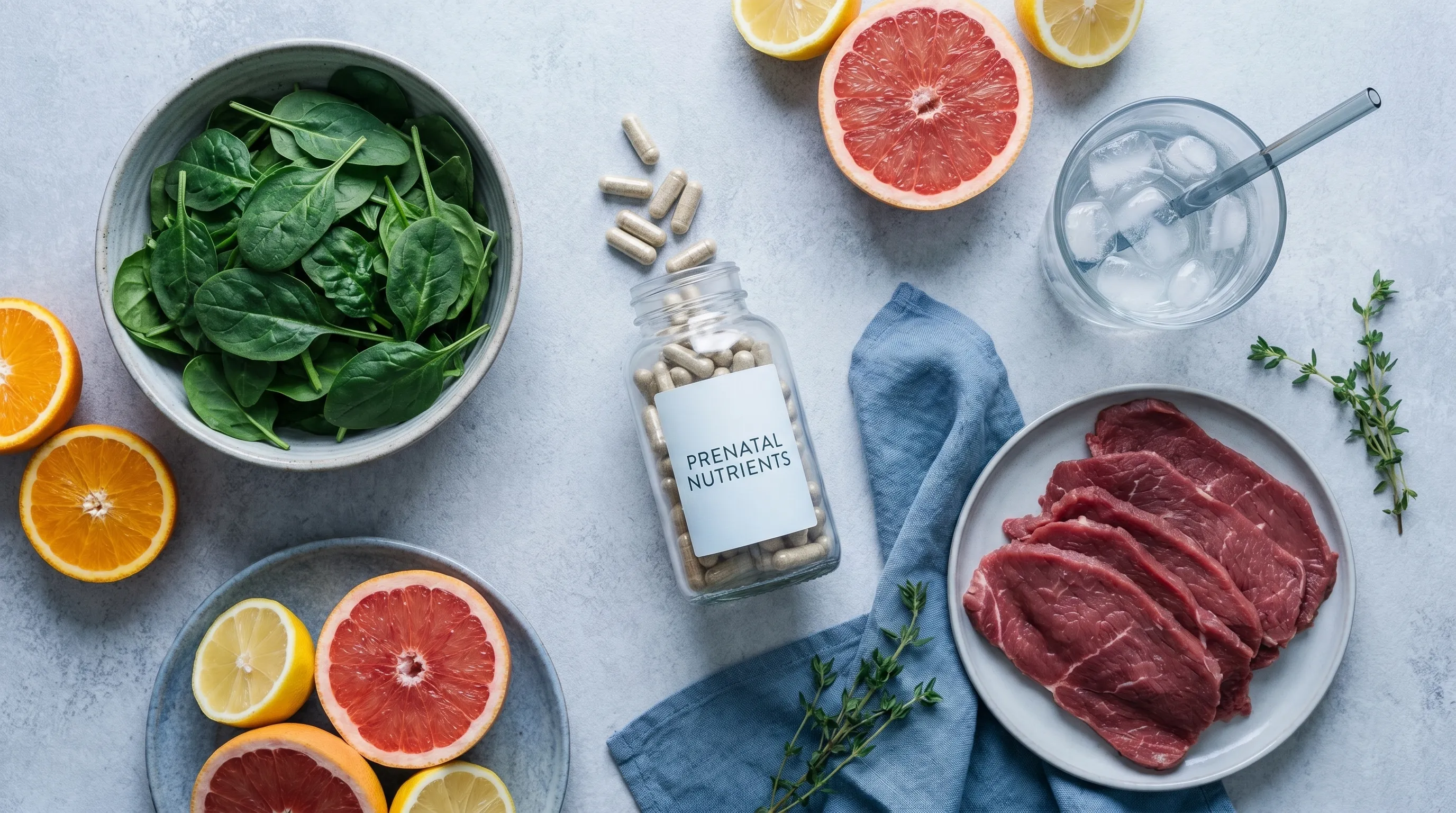
Nutritional optimization forms the cornerstone of long-term iron repletion and prevention of recurrence. Dietary iron exists in two forms: heme and non-heme, according to the NIH Office of Dietary Supplements. Heme iron, found in animal products such as lean red meat, poultry, and fish, is highly bioavailable, with absorption rates of 15% to 35%. Non-heme iron, present in plant-based sources like lentils, spinach, tofu, fortified cereals, and pumpkin seeds, has a lower absorption rate of 2% to 20% but remains highly valuable when consumed strategically. To maximize non-heme iron uptake, pair iron-rich plant foods with vitamin C sources (citrus fruits, bell peppers, strawberries, tomatoes). Conversely, avoid consuming calcium supplements, dairy products, high-fiber bran, or caffeinated beverages within two hours of iron-rich meals or supplements, as these significantly inhibit absorption. For women struggling to meet daily requirements through diet alone, continuing a high-quality prenatal vitamin containing iron (typically 27 mg elemental iron) is recommended, though therapeutic doses prescribed for deficiency often exceed standard prenatal amounts. Always follow your provider’s specific dosing instructions, as excessive iron intake can cause toxicity, oxidative stress, or gastrointestinal distress.
Protecting Your Teeth and Managing Dental Risks
While you work on resolving the underlying deficiency, protecting your dental health remains paramount. Instead of chewing large ice cubes, try swallowing smaller ice chips or allowing them to melt slowly in your mouth to satisfy the craving without subjecting your enamel to mechanical stress. Using crushed ice from a clean, high-quality blender or purchasing commercially packaged crushed ice reduces jaw strain. If dental sensitivity or existing restorations are a concern, consider using reusable silicone ice molds designed to produce softer, porous ice that fractures more easily. Rinsing your mouth with water after consuming acidic juices (often used with supplements) helps neutralize pH and protect enamel from erosion. Maintain a strict oral hygiene routine, including fluoride toothpaste, gentle brushing twice daily, and regular flossing. Schedule a routine prenatal dental checkup, as dentists can monitor for early signs of wear, provide desensitizing treatments, and offer personalized advice on managing oral habits during pregnancy.
Hydration, Morning Sickness, and Comfort Measures
Pregnancy frequently disrupts hydration balance due to increased renal filtration, sweating, and vomiting episodes associated with morning sickness. Ice and cold fluids can be incredibly soothing for inflamed gastric mucosa and may help suppress nausea triggers. The World Health Organization (WHO) emphasizes that maintaining proper maternal hydration and nutritional intake is foundational for healthy gestational outcomes. If you are experiencing hyperemesis gravidarum or persistent vomiting, sucking on ice chips provides gradual fluid rehydration without triggering the gag reflex. Electrolyte-balanced solutions frozen into ice cubes can offer both hydration and mineral replenishment, though you should consult your provider before using commercial electrolyte products to ensure they align with prenatal guidelines. For general comfort, keep a dedicated insulated cup in the refrigerator, use BPA-free ice trays, and maintain a consistent hydration schedule that aligns with your provider’s fluid intake recommendations. Tracking your daily water and ice consumption in a simple journal or pregnancy app can help you stay mindful of intake while identifying patterns that correlate with energy levels or symptom fluctuations.
When to Seek Immediate Medical Attention
While pagophagia itself is not an emergency, certain accompanying symptoms require prompt clinical evaluation. Seek immediate medical care if you experience severe shortness of breath, chest pain, rapid heartbeat, fainting, or extreme weakness, as these may indicate severe anemia or cardiovascular strain. If your cravings shift toward toxic or hazardous non-food substances, contact your healthcare provider or a maternal mental health specialist immediately. Additionally, report any signs of infection, persistent vomiting, inability to tolerate oral supplements, or unusual bleeding. Early intervention ensures that both you and your baby receive the appropriate level of care without unnecessary delays. Remember, a craving for ice in pregnancy is a manageable symptom, not a permanent condition, and proactive communication with your medical team is the most effective pathway to resolution.
Frequently Asked Questions
Is pagophagia dangerous for my baby?
Pagophagia itself does not directly harm the developing fetus, as ice is simply frozen water and contains no toxins or harmful compounds. However, the underlying iron deficiency that frequently drives pagophagia can impact fetal development if left untreated. Iron is essential for placental oxygenation, brain development, and red blood cell production in the growing baby. When diagnosed early and managed with appropriate iron supplementation, nutritional counseling, and prenatal monitoring, the risks are effectively mitigated, and pregnancy typically progresses normally.
Can stress or anxiety cause ice cravings during pregnancy?
While psychological stress and anxiety can amplify habitual behaviors or contribute to pica-like tendencies, pagophagia is primarily driven by physiological mechanisms, particularly iron depletion. Stress may lower the threshold for compulsive behaviors or increase the perception of discomfort (such as glossitis or fatigue), making ice consumption more appealing as a coping mechanism. However, addressing the nutritional deficit remains the primary treatment pathway. If anxiety or obsessive thoughts around ice consumption persist even after iron levels normalize, consulting a perinatal mental health professional can provide additional behavioral support and coping strategies.
Are there safe alternatives to chewing ice that satisfy the craving?
Yes. Many women find relief by switching to crushed ice, shaved ice, or ice chips that dissolve quickly, reducing mechanical stress on teeth and the jaw. Sucking on frozen fruit pieces like grapes, watermelon chunks, or citrus slices provides cold stimulation along with natural vitamins and hydration. Chilled herbal teas (such as ginger or peppermint, approved by your provider) or smoothies blended with yogurt and fruit can also satisfy the desire for cold, soothing textures while delivering nutritional benefits. Experimenting with these alternatives can help transition away from compulsive ice chewing while addressing the root cause.
How long does it take for ice cravings to stop after starting iron therapy?
Most clinical studies and patient reports indicate that pagophagia significantly diminishes within 7 to 14 days of initiating iron supplementation. This rapid resolution often precedes the normalization of hemoglobin levels, suggesting that the brain’s craving centers respond quickly to restored iron availability in neural pathways and receptor sites. Consistency is key; missing doses or taking supplements with absorption-inhibiting foods can delay symptom improvement. If cravings persist beyond three weeks of compliant supplementation, follow up with your provider to reassess dosing, absorption efficiency, or alternative underlying causes.
Should I stop eating ice completely if I am pregnant?
There is no medical requirement to eliminate ice entirely unless your healthcare provider advises otherwise. The goal is to manage the behavior safely while addressing the physiological trigger. Transitioning to smaller portions, avoiding hard cubes that require aggressive biting, and ensuring ice is made from clean, filtered water minimizes risks. As iron stores replenish, the compulsive nature of the craving typically fades naturally, allowing for balanced, mindful hydration without dental or nutritional complications.
Conclusion
Experiencing a persistent craving for ice in pregnancy is far more than a fleeting dietary quirk—it is a clinically recognized phenomenon that often serves as an early warning sign of iron deficiency anemia. Grounded in decades of peer-reviewed research and validated by major health organizations worldwide, the pagophagia-anemia connection underscores the importance of proactive prenatal care. By understanding the physiological mechanisms behind the craving, recognizing the potential risks of untreated iron depletion, and implementing evidence-based management strategies, expectant mothers can navigate this symptom safely and effectively. Open communication with your healthcare provider, timely diagnostic testing, appropriate supplementation, and mindful dental and nutritional practices form a comprehensive approach that protects both maternal health and fetal development. While ice itself is harmless, ignoring the underlying message it sends can compromise your energy, immunity, and pregnancy outcomes. With proper guidance and consistent care, pagophagia typically resolves quickly, leaving you better nourished, more comfortable, and fully supported throughout your gestational journey. Always prioritize professional medical advice, stay informed about your nutritional status, and remember that addressing unusual cravings is a proactive step toward a healthier, more resilient pregnancy.
How we work
Researched and drafted with AI assistance, then reviewed by a human editor against the cited sources.
This article is general health information, not medical advice. Consult a qualified healthcare professional about your own situation.