How to Increase Ferritin Levels: A Comprehensive Guide

Key points
- Energy Production: Iron is a core component of hemoglobin, the protein in red blood cells that carries oxygen. Without enough stored iron, your body can't produce enough healthy red blood cells, leading to fatigue and weakness. Beyond hemoglobin, iron is also essential for myoglobin in muscle tissue and serves as a critical cofactor for cytochromes in the mitochondrial electron transport chain, where cellular ATP (energy) is generated.
- Brain Function: The brain requires a steady oxygen supply to function correctly. Low iron can contribute to brain fog, poor concentration, and mood changes. Iron is also heavily involved in the synthesis and regulation of key neurotransmitters, including dopamine, serotonin, and norepinephrine. Dysregulation of these pathways can manifest as anxiety, depressive symptoms, and impaired executive function.
- Healthy Hair, Skin, and Nails: Hair follicles have high cell turnover and require adequate iron. Low ferritin is a common cause of hair thinning and shedding. It can also lead to brittle nails and pale skin. When iron stores drop, the body prioritizes vital organs over non-essential functions like hair growth. This can trigger a premature shift from the anagen (growth) phase to the telogen (resting/shedding) phase, resulting in diffuse hair loss known as telogen effluvium. Most dermatologists recommend maintaining ferritin levels above 40–70 ng/mL for optimal hair regrowth.
- Immune Support: Iron plays a role in a healthy immune system. Low levels can make you more susceptible to infections. Iron is required for the proliferation and maturation of T-lymphocytes and for the generation of reactive oxygen species that macrophages use to neutralize pathogens. However, because pathogens also require iron to replicate, the body carefully regulates iron availability during active infections to limit microbial growth.
- Athletic Performance: Muscles need oxygen to function. Low iron can impair endurance, reduce performance, and slow recovery time for athletes. Endurance training increases plasma volume and can cause minor gastrointestinal micro-bleeding, while foot-strike hemolysis and sweat losses further deplete iron stores. This creates a perfect storm for deficiency, commonly referred to as "sports anemia."
Low ferritin levels can leave you feeling tired, weak, and foggy. As a key indicator of your body's iron stores, understanding how to raise your ferritin is crucial for regaining energy and overall well-being. This guide provides actionable strategies, from dietary changes to medical treatments, to help you safely and effectively boost your iron reserves. Many individuals discover that low ferritin operates silently for months or even years, slowly depleting physiological reserves before overt clinical symptoms appear. Recognizing the subtle signs early and implementing a structured, evidence-based replenishment plan can dramatically improve your quality of life, cognitive clarity, and physical stamina. Because iron metabolism is tightly regulated by complex hormonal pathways, simply increasing dietary iron isn't always sufficient. A comprehensive approach that addresses absorption, underlying physiological demands, and long-term maintenance is essential for sustainable results.
What is Ferritin and Why is it Important?
Ferritin is a blood protein that contains iron. Think of it as your body's iron savings account. A small amount of ferritin circulates in your bloodstream, and its level reflects the total amount of iron stored in your body. When your body needs iron to create new red blood cells, it draws from this ferritin reserve.
From a biochemical perspective, ferritin is a large, hollow protein complex capable of storing thousands of iron atoms in a non-toxic, soluble, and readily accessible form. It is predominantly found in the liver, spleen, bone marrow, and skeletal muscles. The small fraction that leaks into circulation provides clinicians with a reliable proxy for total body iron status. However, it is important to note that ferritin is also an acute-phase reactant. This means that during periods of active inflammation, infection, or significant tissue stress, ferritin levels can appear artificially elevated, potentially masking an underlying deficiency. For this reason, clinicians often interpret ferritin alongside markers like C-reactive protein (CRP), soluble transferrin receptor (sTfR), and complete blood count (CBC) parameters to get a complete clinical picture.
Maintaining healthy ferritin levels is vital for several reasons:
- Energy Production: Iron is a core component of hemoglobin, the protein in red blood cells that carries oxygen. Without enough stored iron, your body can't produce enough healthy red blood cells, leading to fatigue and weakness. Beyond hemoglobin, iron is also essential for myoglobin in muscle tissue and serves as a critical cofactor for cytochromes in the mitochondrial electron transport chain, where cellular ATP (energy) is generated.
- Brain Function: The brain requires a steady oxygen supply to function correctly. Low iron can contribute to brain fog, poor concentration, and mood changes. Iron is also heavily involved in the synthesis and regulation of key neurotransmitters, including dopamine, serotonin, and norepinephrine. Dysregulation of these pathways can manifest as anxiety, depressive symptoms, and impaired executive function.
- Healthy Hair, Skin, and Nails: Hair follicles have high cell turnover and require adequate iron. Low ferritin is a common cause of hair thinning and shedding. It can also lead to brittle nails and pale skin. When iron stores drop, the body prioritizes vital organs over non-essential functions like hair growth. This can trigger a premature shift from the anagen (growth) phase to the telogen (resting/shedding) phase, resulting in diffuse hair loss known as telogen effluvium. Most dermatologists recommend maintaining ferritin levels above 40–70 ng/mL for optimal hair regrowth.
- Immune Support: Iron plays a role in a healthy immune system. Low levels can make you more susceptible to infections. Iron is required for the proliferation and maturation of T-lymphocytes and for the generation of reactive oxygen species that macrophages use to neutralize pathogens. However, because pathogens also require iron to replicate, the body carefully regulates iron availability during active infections to limit microbial growth.
- Athletic Performance: Muscles need oxygen to function. Low iron can impair endurance, reduce performance, and slow recovery time for athletes. Endurance training increases plasma volume and can cause minor gastrointestinal micro-bleeding, while foot-strike hemolysis and sweat losses further deplete iron stores. This creates a perfect storm for deficiency, commonly referred to as "sports anemia."
Normal ferritin ranges vary, but generally fall between:
- Adult Women: 12 to 150 ng/mL
- Adult Men: 20 to 300 ng/mL
Levels below this range typically indicate iron deficiency and should be addressed. It is worth noting that many functional and integrative medicine practitioners consider the lower ends of these reference ranges to be suboptimal for symptomatic individuals. Research increasingly suggests that maintaining ferritin above 30 ng/mL is necessary to prevent hair shedding, while levels of 50–100 ng/mL are often associated with optimal energy, cognitive function, and athletic recovery. Always interpret your results in the context of your symptoms and overall health profile.
Symptoms of Low Ferritin
When your iron stores are depleted, you may experience a range of symptoms, which can be subtle at first. Common signs include:
- Persistent fatigue and lack of energy
- Weakness and poor endurance
- Shortness of breath, especially with exertion
- Dizziness or lightheadedness
- Headaches
- Pale skin
- Cold hands and feet
- Hair loss or thinning
- Brittle nails
- Restless Legs Syndrome (RLS)
- Heart palpitations
Beyond these hallmark indicators, low ferritin can manifest in less obvious ways that significantly impact daily functioning. Cognitive symptoms often include difficulty concentrating, memory lapses, and a general sense of mental sluggishness that is frequently misattributed to stress or aging. Sleep disturbances are highly prevalent; restless legs syndrome, characterized by an uncontrollable urge to move the legs during periods of inactivity or at night, has a well-documented link to low brain iron stores. Iron is crucial for dopamine metabolism in the central nervous system, and depletion directly exacerbates RLS symptoms.
Some individuals develop pica, an unusual craving for non-nutritive substances such as ice (pagophagia), clay, or dirt. While the exact mechanism remains unclear, it is thought to be a compensatory neurological response to iron deficiency. Cardiovascular symptoms like tachycardia (elevated heart rate) or palpitations occur because the heart must work harder to circulate oxygen when hemoglobin and iron stores are low. Over time, untreated severe deficiency can lead to structural changes in the heart and exacerbate pre-existing cardiovascular conditions. Because these symptoms can overlap with other conditions like hypothyroidism, vitamin B12 deficiency, or chronic fatigue syndrome, a blood test is the only way to confirm if low ferritin is the cause.
Common Causes of Low Ferritin Levels
Low ferritin is a sign that your body is using iron faster than it's being replaced. The most common reasons for this include:
- Inadequate Dietary Intake: Diets low in iron, particularly common in vegetarians and vegans who don't consume easily absorbed heme iron from meat, can lead to depleted stores. Plant-based diets require careful meal planning to ensure adequate non-heme iron intake and the inclusion of absorption enhancers. Without strategic food combining, the bioavailability of dietary iron can drop significantly, gradually depleting hepatic reserves over time.
- Blood Loss: For premenopausal women, heavy menstrual periods are a primary cause. Other sources of blood loss can include frequent blood donation or internal bleeding from gastrointestinal issues like ulcers. Chronic, low-grade blood loss is particularly insidious because it occurs slowly enough for the body to adapt initially, masking symptoms until reserves are profoundly depleted. Gastrointestinal bleeding from polyps, diverticulosis, colorectal issues, or chronic use of nonsteroidal anti-inflammatory drugs (NSAIDs) like ibuprofen or aspirin are common culprits in men and older adults.
- Increased Needs: Pregnancy and periods of rapid growth in children and adolescents significantly increase the body's demand for iron. Endurance athletes also have higher iron requirements. During pregnancy, blood volume expands by up to 50%, and iron must support fetal development and placental growth, often necessitating supplemental iron. Adolescents experience rapid skeletal and muscular growth, while athletes face compounded losses through sweat, urine, and exercise-induced gastrointestinal blood flow redistribution.
- Poor Absorption: Certain conditions like celiac disease, Crohn's disease, or low stomach acid can impair your body's ability to absorb iron from food. Consuming iron inhibitors like tannins (in tea and coffee) or calcium with iron-rich meals can also reduce absorption. The duodenum and proximal jejunum are the primary sites of iron absorption, and any mucosal damage in this region directly compromises uptake. Additionally, medications like proton pump inhibitors (PPIs), H2 blockers, and certain antacids reduce gastric acidity, which is required to convert dietary iron into its absorbable ferrous (Fe2+) state. Previous gastrointestinal surgeries, particularly bariatric procedures that bypass the duodenum, dramatically increase the risk of malabsorption.
How to Increase Ferritin Levels
Boosting your ferritin involves replenishing your body's iron stores. This is best achieved through a multi-faceted approach, ideally guided by a healthcare professional. The process requires patience, as replenishing deep tissue and hepatic iron stores takes considerably longer than normalizing hemoglobin levels in the blood. A structured protocol that combines targeted nutrition, strategic supplementation, gut health optimization, and medical intervention when necessary yields the most reliable outcomes.
1. Eat More Iron-Rich Foods
Your diet is the foundation for building and maintaining healthy iron levels. There are two types of dietary iron:
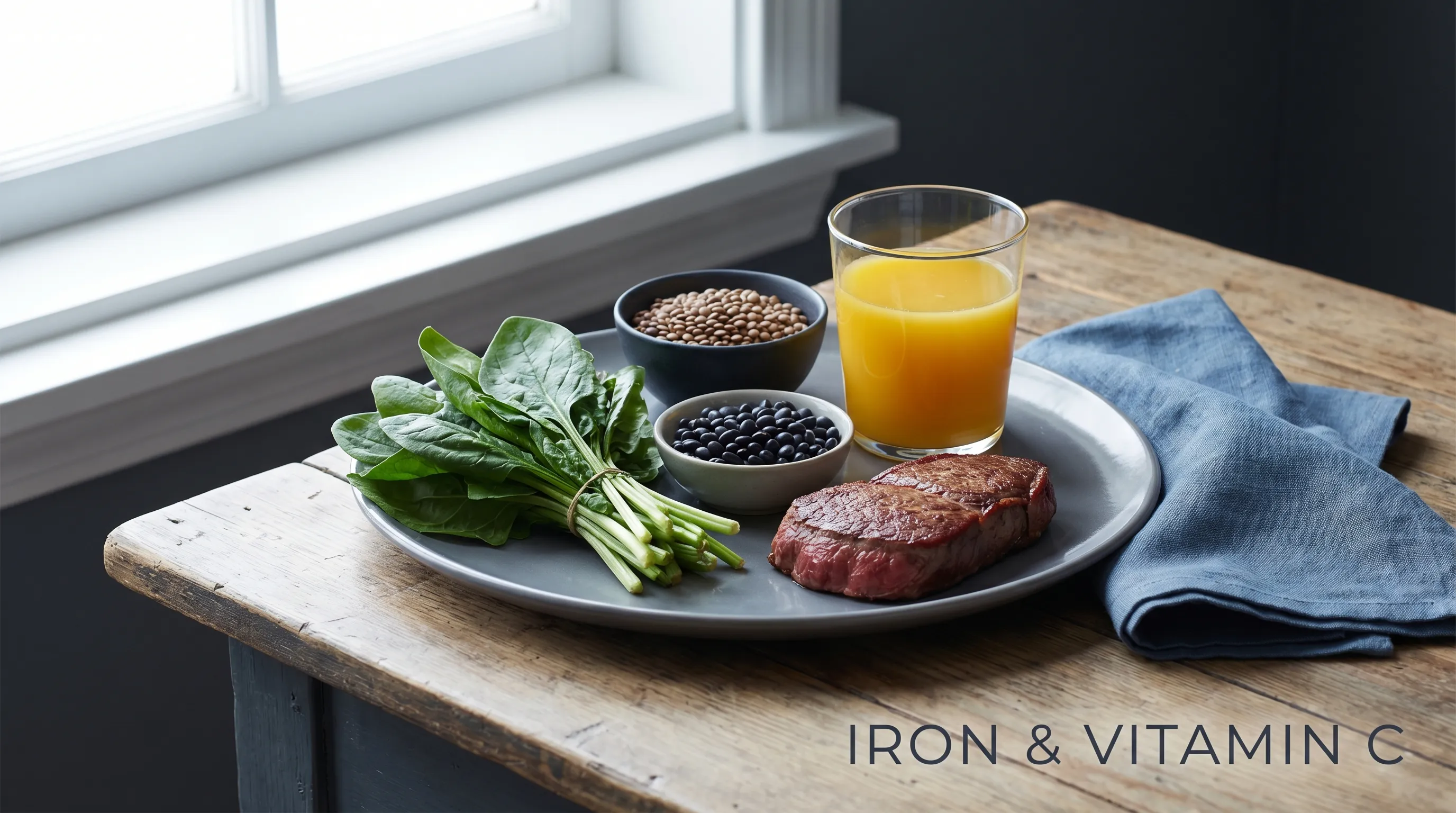
- Heme Iron: Found in animal products like red meat, poultry, and seafood. It is highly bioavailable and easily absorbed. Heme iron absorption ranges from 15% to 35% and is relatively unaffected by dietary inhibitors. It also has the added benefit of enhancing the absorption of non-heme iron when consumed in the same meal.
- Non-Heme Iron: Found in plant-based foods like beans, lentils, spinach, and fortified grains. Its absorption is less efficient but can be significantly enhanced. Non-heme iron accounts for the vast majority of dietary iron intake worldwide but has an absorption rate of only 2% to 20%, depending heavily on meal composition and individual gut health.
| Food Source | Serving Size | Approximate Iron (mg) | Iron Type |
|---|---|---|---|
| Beef Liver | 3 oz (85 g) | ~5 mg | Heme |
| Lean Beef | 3 oz (85 g) | ~2.5 mg | Heme |
| Oysters | 3 oz (85 g) | ~8 mg | Heme |
| Lentils (cooked) | 1 cup | ~6.6 mg | Non-Heme |
| Spinach (cooked) | 1 cup | ~6.4 mg | Non-Heme |
| Tofu (firm) | 1/2 cup | ~3 mg | Non-Heme |
| Pumpkin Seeds | 1 ounce (28 g) | ~2.5 mg | Non-Heme |
| Fortified Cereal | 1 serving | Varies (check label) | Non-Heme |
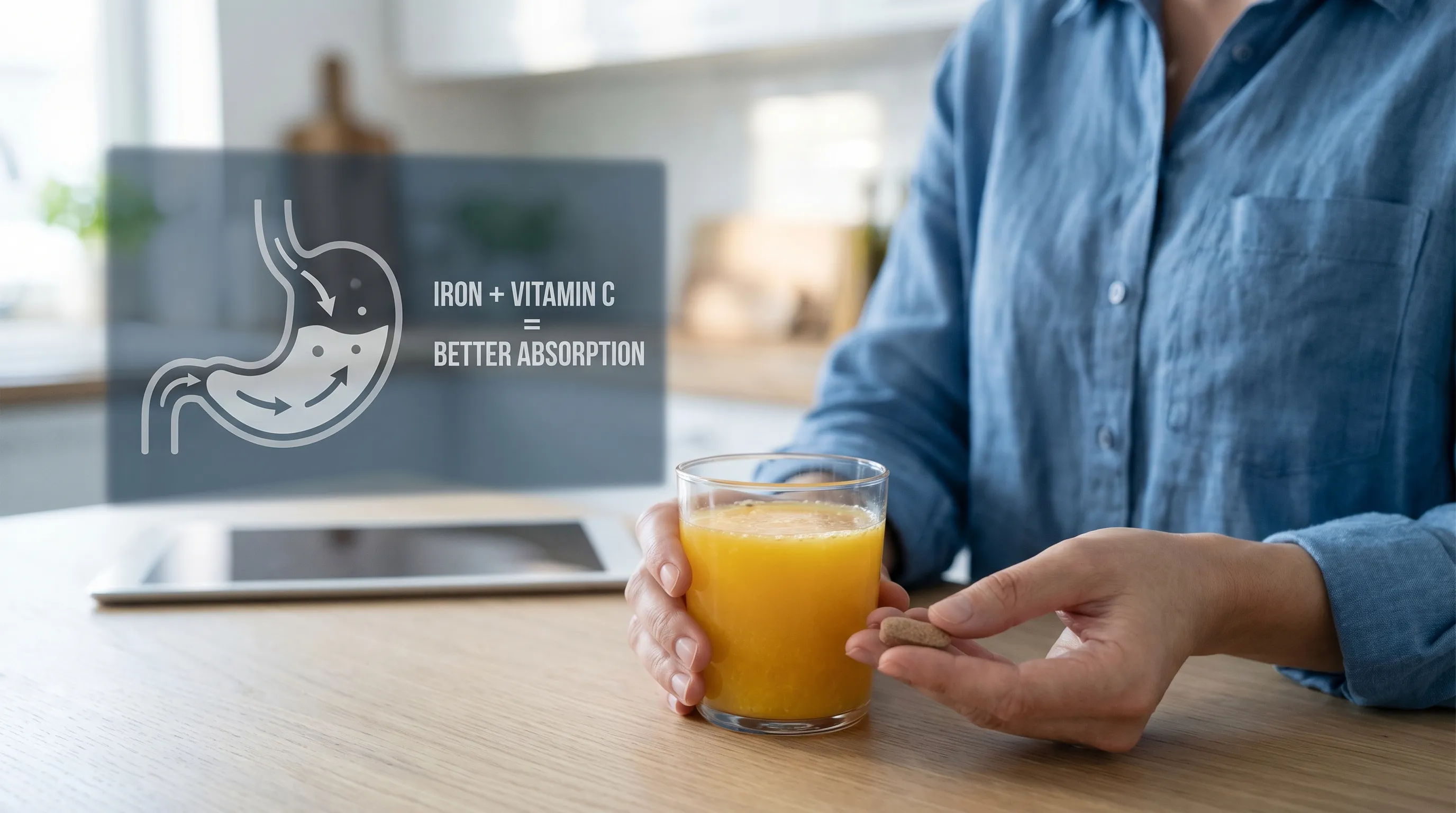
Pro Tip: Combine non-heme iron sources with vitamin C to dramatically boost absorption. Squeeze lemon juice over leafy greens, add bell peppers to a bean salad, or drink a small glass of orange juice with your meal. Vitamin C (ascorbic acid) chelates iron, converting ferric (Fe3+) iron into the highly absorbable ferrous (Fe2+) form and protecting it from precipitation by dietary inhibitors. Even 25–50 mg of vitamin C can triple non-heme iron absorption.
To further optimize dietary iron uptake, consider meal timing and food preparation techniques. Soaking, sprouting, or fermenting grains, legumes, nuts, and seeds can significantly reduce their phytate and polyphenol content, both of which are potent iron absorption inhibitors. For example, traditionally prepared sourdough bread or fermented bean pastes often have better mineral bioavailability than their commercial counterparts. Additionally, spacing out calcium-rich foods (dairy, fortified plant milks, calcium supplements) from iron-rich meals by at least two hours prevents competitive inhibition at the intestinal transporter level, as both minerals utilize similar uptake pathways.
2. Consider Iron Supplements Under Medical Guidance
If your ferritin is significantly low, diet alone may not be enough. Iron supplements can raise your levels more quickly, but they should only be taken after a confirmed deficiency from a blood test. Self-prescribing high-dose iron without laboratory confirmation can lead to gastrointestinal distress or, in rare cases, iron overload, particularly in individuals with undiagnosed hereditary hemochromatosis.
- Consult Your Doctor: A healthcare provider can recommend the right type (e.g., ferrous sulfate, iron bisglycinate) and dosage for your needs. The choice of formulation heavily influences tolerability and absorption rates. Ferrous sulfate is highly effective but often causes more gastrointestinal upset, while chelated forms like ferrous bisglycinate are gentler on the digestive tract and have comparable or superior bioavailability. Liposomal and sucrosomal iron formulations are newer alternatives designed to bypass traditional intestinal transporters and minimize side effects.
- Enhance Absorption: Take your supplement with a source of vitamin C, like orange juice. Recent clinical studies have revolutionized supplementation timing by highlighting the role of hepcidin, a liver-produced hormone that regulates intestinal iron absorption. Hepcidin levels naturally spike for 24–48 hours after a large dose of iron, temporarily blocking further absorption. Consequently, taking a single high dose daily may be less effective than taking moderate doses every other day. This alternate-day dosing strategy keeps hepcidin low, maximizes fractional absorption, and significantly reduces gastrointestinal side effects.
- Avoid Inhibitors: Do not take iron supplements with milk, calcium supplements, antacids, or high-fiber foods, as they can interfere with absorption. Wait at least two hours between them. Coffee, tea, red wine, and certain spices like turmeric contain polyphenols that bind to iron and render it insoluble. Scheduling your supplement on an empty stomach with a small amount of vitamin C source is ideal, though if gastrointestinal distress occurs, taking it with a light, low-fiber meal (avoiding calcium and tannins) is a reasonable compromise.
- Manage Side Effects: Iron can cause constipation or stomach upset. Staying hydrated, increasing dietary fiber, and trying different forms of iron can help. Magnesium citrate or glycinate taken at night, regular physical activity, and adequate fluid intake can mitigate constipation. If nausea occurs, switching to a liquid formulation, starting with a lower dose and gradually increasing, or trying a microencapsulated iron product can improve compliance.
3. Address Underlying Causes of Iron Loss
For long-term success, it's crucial to identify and manage the root cause of your low ferritin. Replenishing stores without addressing the leak is like trying to fill a bucket with a hole in the bottom. A systematic diagnostic approach ensures that your efforts yield lasting results rather than temporary fixes.
- Heavy Menstrual Bleeding: Speak with a gynecologist about management options. Heavy menstrual bleeding (menorrhagia) is defined as losing more than 80 mL of blood per cycle or periods lasting longer than seven days. Treatment options range from non-hormonal therapies like tranexamic acid or mefenamic acid, which reduce menstrual blood loss, to hormonal interventions like combined oral contraceptives or the levonorgestrel-releasing intrauterine device (IUD). In severe, refractory cases, endometrial ablation or surgical interventions may be considered.
- Gastrointestinal Issues: If you have digestive symptoms, your doctor may screen for conditions like celiac disease or ulcers that can cause malabsorption or internal bleeding. Comprehensive GI workups may include serological testing for celiac disease, stool occult blood tests, Helicobacter pylori breath or stool antigen tests, and endoscopic procedures (colonoscopy or upper endoscopy) when clinically indicated. Treating H. pylori infections or healing gastritis often resolves chronic iron deficiency that previously seemed treatment-resistant.
- Chronic Conditions: Work with your healthcare team to manage any chronic diseases that may affect iron metabolism. Inflammatory bowel disease (IBD), chronic kidney disease, heart failure, and autoimmune conditions can disrupt iron homeostasis through elevated hepcidin levels, creating a state of functional iron deficiency where total body iron is adequate but trapped in storage and unavailable for erythropoiesis. Managing systemic inflammation is therefore a cornerstone of restoring iron availability in these populations.
4. Lifestyle Tips to Support Iron Absorption
Small changes can make a big difference in supporting your iron levels. The gut-iron axis is highly sensitive to environmental, dietary, and psychological factors. Optimizing overall digestive health creates a foundation for efficient nutrient extraction.
- Cook with Cast Iron: Cooking, especially acidic foods like tomato sauce, in a cast iron skillet can add a small amount of iron to your meal. Research shows that leaching varies based on the food's acidity, moisture content, and cooking duration, but it can contribute an additional 5–10 mg of iron per serving in some cases. Avoid non-stick coatings when cooking acidic dishes if maximizing mineral content is a goal, and maintain your cast iron properly to prevent rancid oil transfer.
- Limit Tea and Coffee with Meals: The tannins in tea and coffee inhibit iron absorption. Enjoy them between meals instead. Waiting at least 60 to 90 minutes after eating before consuming these beverages allows the initial absorption phase in the duodenum to occur unimpeded. Herbal teas like rooibos or peppermint are generally lower in iron-inhibiting compounds and make excellent mealtime alternatives.
- Moderate Intense Exercise: If you're an endurance athlete, ensure your diet meets your high iron demands. Consider scaling back intense training while you replenish your stores. High-intensity and prolonged endurance exercise temporarily increases hepcidin production as part of the body's inflammatory recovery response, which can suppress iron absorption for several hours post-workout. Scheduling high-iron meals during recovery windows when hepcidin levels naturally dip, or timing lower-intensity training days to coincide with supplementation periods, can optimize uptake. Additionally, incorporating strength training alongside cardio can improve bone marrow efficiency and overall metabolic health.
Optimizing stomach acid production is another frequently overlooked lifestyle factor. Hydrochloric acid is essential for liberating iron from food matrices. Practices like mindful chewing, managing stress levels before meals (as sympathetic nervous system activation impairs digestive enzyme secretion), avoiding excessive water intake during meals, and ensuring adequate zinc and B-vitamin status can all support optimal gastric acidity. If you suspect low stomach acid (hypochlorhydria), discuss safe testing and management strategies with a gastroenterologist or qualified practitioner rather than self-treating with betaine HCl, which can be harmful if ulcers or certain medications are present.
5. Medical Treatments for Severe Deficiency
In cases of severe iron deficiency anemia or when oral supplements aren't effective or tolerated, a doctor may recommend:
- Intravenous (IV) Iron: This method delivers iron directly into the bloodstream, bypassing the digestive system. It can raise levels much faster than oral supplements and is used for severe cases or for individuals with absorption issues. Modern IV iron formulations (such as iron sucrose, ferric carboxymaltose, and ferumoxytol) have excellent safety profiles and require fewer allergic reactions compared to older high-molecular-weight dextran preparations. A single infusion can often replace months of oral therapy, making it ideal for patients with inflammatory bowel disease, post-bariatric surgery, heavy menstrual bleeding, or those who need rapid repletion before surgery. Post-infusion, mild flu-like symptoms, transient hypophosphatemia, or temporary taste alterations may occur, but these are typically self-limiting.
- Blood Transfusion: This is reserved for life-threatening cases of severe anemia to quickly increase red blood cell count and oxygen-carrying capacity. Transfusions are not used to treat low ferritin in isolation but rather to stabilize patients with critically low hemoglobin levels (often below 7 g/dL) who are experiencing hemodynamic instability, severe cardiac compromise, or active bleeding. Once the acute crisis is managed, iron replacement therapy is still required to replenish depleted storage reserves and support ongoing red blood cell production.
Sample One-Day High-Iron Meal Plan
Here is an example of a meal plan designed to be rich in iron and vitamin C. Consistency is key when implementing dietary changes to improve ferritin. Batch cooking and meal prepping on weekends can help you maintain iron-optimized eating patterns during busy workweeks.
- Breakfast: One cup of iron-fortified oatmeal topped with 1/4 cup of raisins and a handful of pumpkin seeds. Serve with a small glass of orange juice. Prep tip: Soak oats overnight in water with a splash of apple cider vinegar to reduce phytates, then cook in the morning and top fresh. Add a few slices of fresh kiwi or strawberries for an extra vitamin C boost.
- Lunch: A large spinach salad with grilled chicken or a cup of chickpeas, sliced bell peppers, tomatoes, and a lemon vinaigrette. Prep tip: Marinate the chicken or chickpeas in a citrus-based marinade to enhance iron bioavailability before cooking. Add a sprinkle of blackstrap molasses to your dressing for a natural, mineral-dense sweetener that contains both iron and calcium (use calcium sparingly at this meal if prioritizing iron absorption).
- Snack: An apple with two tablespoons of almond butter. Prep tip: Pair with a small handful of dried apricots or a few squares of dark chocolate (70%+ cocoa), both of which contribute additional dietary iron. Keep a travel-sized vitamin C supplement or a clementine handy if you're snacking away from home to maximize absorption.
- Dinner: A 4-ounce serving of lean steak or a lentil-based stew, served with a side of steamed broccoli and quinoa. Prep tip: Cook the lentils from a dry state rather than canned to avoid excess sodium and allow for soaking. Simmer the lentils with diced tomatoes and onions to naturally increase acidity and vitamin C content during cooking. Serve with a side of roasted Brussels sprouts or cauliflower for additional fiber and micronutrients without competing with iron absorption.
Staying hydrated throughout the day supports digestion and nutrient transport, but avoid drinking large volumes of water or tea during meals to prevent diluting stomach acid and introducing tannins at the wrong time. Spacing snacks at least two to three hours apart allows for optimal gut motility and enzyme function, creating a favorable environment for mineral uptake.
Monitoring Your Progress and When to See a Doctor
It takes time to rebuild iron stores. While you may start feeling better within a few weeks, it can take several months of consistent effort to bring your ferritin levels back into the optimal range. Your doctor will likely schedule follow-up blood tests to monitor your progress. Hemoglobin and hematocrit typically normalize within four to six weeks of consistent iron therapy, but ferritin replenishment often requires three to six months of sustained intake. Retesting too early (before four to six weeks) can yield misleadingly high results due to recent supplementation rather than true tissue repletion.
During the replenishment phase, track your symptoms alongside lab values. Many patients report improvements in sleep quality, cognitive clarity, and exercise tolerance before their blood tests reflect significant changes. Keeping a simple daily log of energy levels, hair shedding, and digestive comfort can help you and your clinician adjust dosing or dietary strategies effectively. If symptoms plateau despite rising labs, other co-occurring deficiencies like vitamin B12, folate, or vitamin D should be investigated.
Consult a healthcare professional if:
- You experience severe symptoms like chest pain, extreme shortness of breath, or fainting.
- Your symptoms don't improve after 2-3 months of dietary changes and supplementation.
- You are a man or postmenopausal woman with unexplained low ferritin, as this requires investigation for potential internal bleeding.
- You develop signs of iron overload, such as joint pain, unexplained fatigue, bronze-tinted skin, or abdominal discomfort, which may indicate excessive supplementation or underlying hemochromatosis.
Once your ferritin reaches the target range, maintenance is the next phase. Transitioning to a maintenance dose, typically 50% of your replenishment dose or focusing solely on dietary optimization, prevents recurrence. Regular monitoring every six to twelve months, or sooner if symptoms return, ensures long-term balance.
Frequently Asked Questions (FAQs)
A list of frequently asked questions is available in the structured data at the top of this article.
Additional Resources
For more in-depth information, consult these reliable sources, which are likely to appear in search results for this topic:
- National Institutes of Health (NIH): Iron Fact Sheet for Consumers
- Mayo Clinic: Iron Deficiency Anemia
- Cleveland Clinic: Ferritin Test
- American Red Cross: Iron and Blood Donation
Disclaimer: This article is for informational purposes only. Always consult with a qualified healthcare provider for a diagnosis and before starting any new treatment or supplement regimen.
Conclusion
Restoring healthy ferritin levels is a foundational step toward reclaiming your vitality, mental clarity, and physical resilience. Because iron is integral to oxygen transport, cellular energy production, immune function, and neurological health, allowing deficiencies to persist can significantly diminish your overall quality of life. The most effective strategy for raising ferritin combines a nutrient-dense, strategically paired diet with targeted supplementation when necessary, all while addressing the underlying physiological or lifestyle factors driving the depletion.
Key takeaways include prioritizing heme iron and vitamin C-enhanced non-heme sources, understanding the role of hepcidin in supplementation timing (such as every-other-day dosing), avoiding common absorption inhibitors like calcium and tannins around meals, and recognizing that lab values lag behind symptom improvement. For those with malabsorption issues, heavy menstrual bleeding, or severe deficiency, modern medical interventions like IV iron offer safe and efficient alternatives to prolonged oral therapy. Regular monitoring, open communication with your healthcare provider, and a patient, consistent approach will ensure that your iron stores are not only replenished but sustainably maintained. By taking proactive, informed steps today, you can build the physiological reserves needed to thrive for years to come.
About the author
Fatima Al-Jamil, MD, MPH, is board-certified in gastroenterology and hepatology. She is an Assistant Professor of Medicine at a university in Michigan, with a clinical focus on inflammatory bowel disease (IBD) and motility disorders.