Can Sex Induce Period? Medical Evidence, Hormonal Insights & Cycle Support

Understanding your menstrual cycle and the factors that influence its timing is a cornerstone of reproductive wellness. Many people wonder whether intimacy can play a role in jumpstarting menstruation, especially when a period feels overdue or when natural cycle support is desired. The question can sex induce period is one that surfaces frequently in clinical consultations, online wellness forums, and everyday conversations. While anecdotal experiences vary widely, the physiological reality is far more nuanced than simple cause and effect. Menstruation is orchestrated by a complex interplay of endocrine signals, uterine tissue remodeling, and neurochemical pathways. To separate myth from medical science, it is essential to examine how the body prepares for menstruation, what role sexual activity actually plays, and which evidence-based strategies can support healthy cycle regulation. This comprehensive guide explores the biological mechanisms, reviews current clinical understanding, and provides actionable insights to help you manage your menstrual health with confidence and clarity.
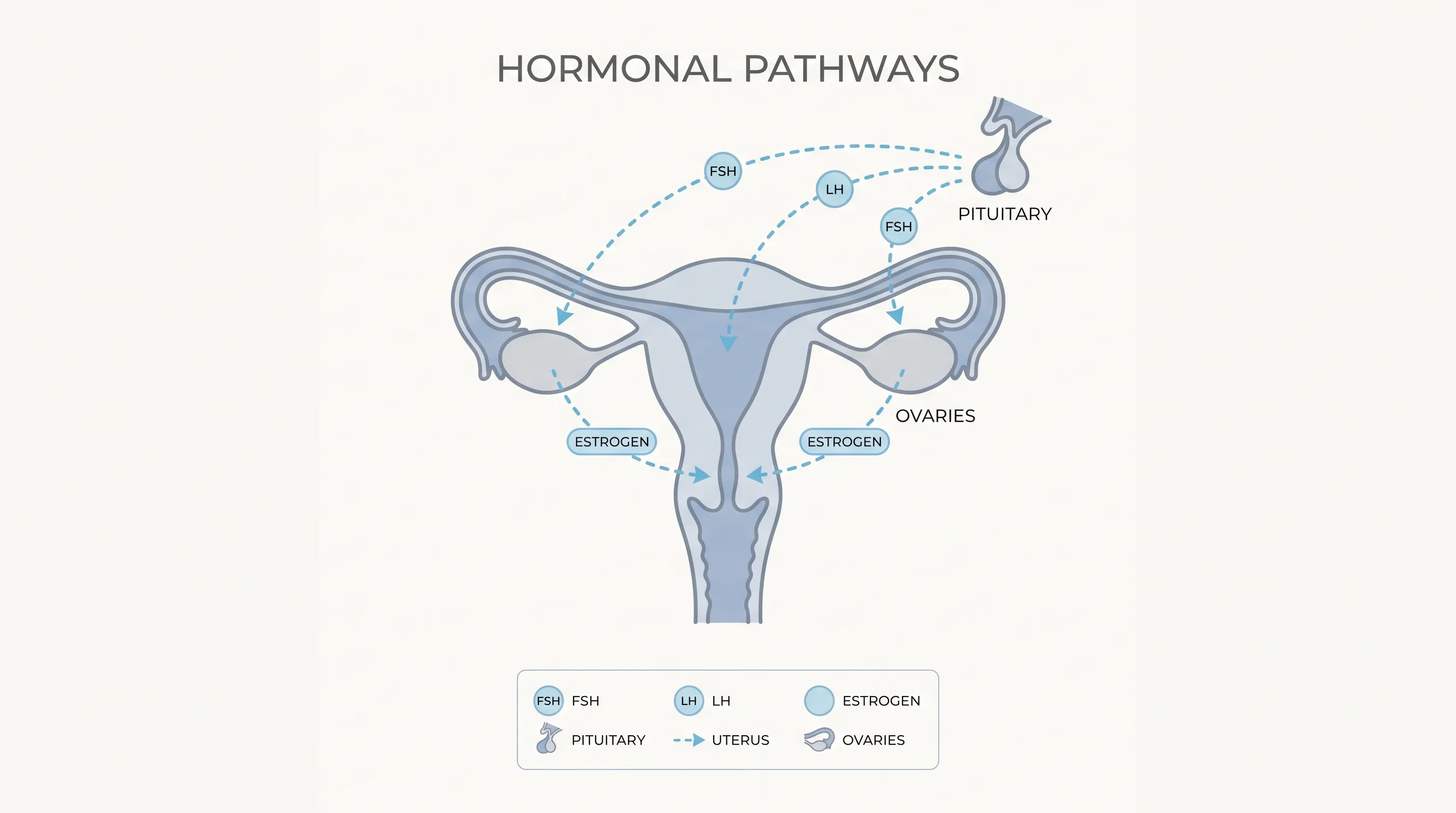
Understanding the Menstrual Cycle and Hormonal Regulation
The menstrual cycle is a highly orchestrated physiological process that prepares the female body for potential pregnancy each month. Typically lasting between twenty-one and thirty-five days, the cycle is divided into distinct phases: the follicular phase, ovulation, and the luteal phase (review the Mayo Clinic's overview of menstrual cycle phases). Each stage is governed by precise hormonal fluctuations that directly influence the uterine lining, cervical mucus, basal body temperature, and overall reproductive function. The hypothalamic-pituitary-ovarian axis serves as the central command system, with the hypothalamus releasing gonadotropin-releasing hormone to signal the pituitary gland. In response, follicle-stimulating hormone and luteinizing hormone surge, prompting ovarian follicle development and eventual ovulation. After ovulation, the ruptured follicle transforms into the corpus luteum, which secretes progesterone to stabilize and thicken the endometrium.
Free calculatorWater Intake CalculatorCalculate daily water needsOpen the calculatorThe Biology of Menstruation and Endometrial Shedding
When fertilization does not occur, the corpus luteum degenerates, leading to a sharp decline in progesterone and estrogen levels. This hormonal withdrawal triggers a cascade of biochemical events that initiate menstruation. Vascular constriction in the uterine arteries reduces blood flow, causing tissue ischemia and eventual breakdown of the endometrial lining. Inflammatory mediators, particularly prostaglandins, are released in higher concentrations during this phase (explore NIH research on prostaglandins and uterine function). Prostaglandins stimulate powerful uterine muscle contractions, which help expel the shed tissue and menstrual fluid. The intensity of these contractions directly correlates with menstrual cramps, a common experience for many individuals. Understanding this biological foundation clarifies why the question can sex induce period often arises: orgasm and physical intimacy also stimulate uterine muscle activity, creating a perceived connection between sexual activity and menstrual onset.
Hormonal Shifts That Dictate Cycle Timing
Beyond the ovaries and uterus, systemic factors heavily influence menstrual regularity. The endocrine system does not operate in isolation. Stress hormones like cortisol can suppress hypothalamic function, delaying ovulation and subsequently postponing menstruation (learn how chronic stress affects reproductive cycles). Thyroid hormones regulate metabolic rate and interact closely with reproductive pathways. Significant changes in body fat percentage, whether through rapid weight loss or gain, alter leptin signaling, which communicates energy availability to the brain and directly impacts reproductive readiness. These interconnected systems demonstrate that cycle timing is rarely dependent on a single variable. When evaluating whether intimacy can alter menstrual onset, clinicians consider the broader hormonal context rather than isolating one behavioral factor. This holistic perspective is critical for individuals seeking reliable cycle management and accurate reproductive health expectations.
Examining the Evidence: Can Sex Induce Period?
The premise that sexual activity might trigger menstruation stems from observable physiological responses during intimacy, particularly around orgasm. Research indicates that sexual arousal and climax activate the sympathetic and parasympathetic nervous systems, releasing neurotransmitters and hormones that affect pelvic blood flow and muscle tone. While the question can sex induce period lacks a definitive yes-or-no clinical answer, several mechanisms provide plausible explanations for why some individuals experience earlier bleeding following intercourse.
Uterine Contractions During Orgasm
During sexual climax, the body releases oxytocin, a neuropeptide known for its role in labor contractions, social bonding, and smooth muscle stimulation (understand oxytocin's role in smooth muscle activity). Oxytocin receptors are densely concentrated in uterine tissue, meaning orgasmic surges naturally induce mild to moderate uterine contractions. These rhythmic muscle movements are similar in nature to prostaglandin-driven menstrual contractions, though typically shorter in duration and lower in intensity. For individuals in the late luteal phase, when the endometrium is already primed for shedding, these additional contractions may help dislodge tissue slightly earlier than it would naturally detach. This physiological overlap explains the anecdotal reports of periods starting sooner after intimacy, particularly in the twenty-four to forty-eight hours following intercourse.
The Role of Prostaglandins in Semen
Another biological factor involves prostaglandins present in semen. Semen contains high concentrations of various prostaglandin types, primarily PGE and PGF, which are chemically identical to those produced by the uterine lining during menstruation. When semen is deposited vaginally, prostaglandins can be absorbed through the mucosal membranes, potentially influencing local tissue responses. In clinical settings, synthetic prostaglandins are sometimes used to induce cervical ripening or uterine contractions during labor. While the concentration in semen is significantly lower than medical-grade preparations, the presence of these bioactive compounds may theoretically contribute to endometrial changes or increased cramping. This interaction further fuels discussions around can sex induce period, though robust clinical trials specifically linking vaginal intercourse to earlier menstruation remain limited.
Distinguishing Between Early Menstruation and Spotting
One of the most common misunderstandings involves confusing light post-coital bleeding with the true onset of menstruation. Spotting can occur for numerous reasons unrelated to cycle initiation, and accurately identifying the source of bleeding is essential for proper health management.
Cervical Irritation and Microtrauma
Vaginal and cervical tissue is highly vascularized and sensitive to mechanical stimulation. Friction during intercourse, particularly without adequate lubrication, can cause minor abrasions or capillary rupture, resulting in light spotting. This type of bleeding is typically bright red or pink, occurs immediately or within hours after intimacy, and resolves quickly. True menstrual bleeding, by contrast, begins with a darker red or brownish discharge that gradually increases in volume over twenty-four to forty-eight hours. Recognizing this distinction prevents unnecessary anxiety and helps individuals track their cycles accurately. When wondering can sex induce period, it is vital to assess bleeding characteristics rather than assuming all post-intimacy discharge signals menstrual onset.
Hormonal Breakthrough Bleeding
Spotting outside the expected menstrual window can also result from hormonal fluctuations, particularly if ovulation was delayed or anovulatory cycles occur. Estrogen dominance or progesterone insufficiency may lead to unstable endometrial lining and unpredictable bleeding. Additionally, lifestyle factors like intense exercise, significant stress, or dietary changes can temporarily disrupt hormonal equilibrium, causing mid-cycle or pre-menstrual spotting. Tracking patterns over several months provides valuable data for healthcare providers and clarifies whether observed bleeding aligns with natural cycle progression or indicates an underlying imbalance.
Medical Conditions That Influence Menstrual Timing
Before attributing cycle changes to behavioral factors, it is essential to rule out medical conditions that directly impact menstrual regularity. Persistent irregularities often signal endocrine dysfunction, structural abnormalities, or chronic health concerns that require professional evaluation.
Polycystic Ovary Syndrome and Endocrine Disorders
Polycystic ovary syndrome is one of the most common causes of delayed or absent menstruation, affecting hormonal balance and ovulation frequency. Elevated androgen levels and insulin resistance disrupt the follicular development process, leading to prolonged cycles or unpredictable bleeding. Thyroid disorders, both hypothyroidism and hyperthyroidism, also interfere with menstrual timing by altering sex hormone-binding globulin levels and modifying hypothalamic signaling. Individuals with these conditions often experience cycle variations that are unrelated to lifestyle or intimacy, highlighting the importance of comprehensive hormonal assessment when addressing irregular menstruation.
Chronic Stress, Weight Changes, and Nutritional Deficiencies
The body prioritizes survival over reproduction, meaning significant metabolic stress can temporarily halt ovulation. Extreme calorie restriction, rapid weight loss, or excessive physical training lower leptin and increase cortisol, both of which suppress reproductive axis activity. Conversely, sudden weight gain and high visceral fat levels promote estrogen production outside the ovaries, potentially causing irregular shedding patterns. Iron deficiency, vitamin B12 insufficiency, and inadequate omega-3 intake can further impair hormonal synthesis and endometrial health (see WHO guidelines on nutrition and reproductive wellness). Addressing these foundational factors is often more effective than focusing on whether can sex induce period, as sustained cycle regularity relies on systemic balance rather than isolated triggers.

Evidence-Based Strategies to Support Cycle Regularity
Rather than relying on uncertain physiological triggers, individuals seeking predictable menstrual cycles benefit from structured, research-backed lifestyle interventions. These strategies address the root causes of hormonal disruption and promote long-term reproductive health.
Stress Management and Nervous System Regulation
Chronic stress remains a primary contributor to cycle irregularities. Implementing daily relaxation techniques such as diaphragmatic breathing, mindfulness meditation, or gentle yoga helps lower cortisol and restore autonomic balance. Consistent sleep schedules of seven to nine hours support melatonin production, which interacts with reproductive hormones to stabilize cycle length. Digital detox periods, particularly before bedtime, reduce sympathetic nervous system overactivation and improve sleep architecture. Over time, these practices enhance hormonal harmony and reduce unpredictable cycle shifts.
Nutrition, Supplementation, and Hydration
Dietary patterns significantly influence menstrual health. Consuming adequate healthy fats from sources like avocados, olive oil, nuts, and fatty fish provides essential building blocks for steroid hormone synthesis. Magnesium-rich foods such as dark leafy greens, pumpkin seeds, and dark chocolate support muscle relaxation and reduce prostaglandin-induced cramping. Zinc and vitamin D play crucial roles in follicular development and immune regulation. Maintaining optimal hydration ensures proper cervical mucus consistency and vascular function, both of which impact cycle comfort and predictability. For individuals with documented deficiencies, targeted supplementation under medical guidance can restore balance more effectively than generalized approaches.
Physical Activity and Pelvic Floor Health
Moderate exercise improves insulin sensitivity, circulation, and endorphin release, all of which support regular ovulation and predictable menstruation. However, excessive high-intensity training without adequate recovery can trigger exercise-induced amenorrhea by elevating cortisol and suppressing luteinizing hormone surges. Incorporating restorative movement, such as walking, swimming, or Pilates, maintains cardiovascular health while minimizing metabolic strain. Pelvic floor exercises also enhance blood flow to reproductive organs, improve tissue elasticity, and support natural uterine function. When considering whether can sex induce period, understanding how consistent, balanced physical activity influences cycle timing provides a more reliable foundation for reproductive wellness.
Debunking Myths vs. Scientific Reality
Popular culture frequently exaggerates the connection between intimacy and menstruation, leading to misconceptions that obscure clinical facts. Evaluating these claims through a scientific lens prevents misinformation and promotes healthier decision-making.
Common Claims Examined
| Myth | Scientific Reality |
|---|---|
| Sex guarantees period onset within hours | No clinical evidence supports immediate triggering; hormonal readiness dictates timing |
| Specific positions accelerate menstruation | Uterine anatomy and hormone levels, not positioning, control endometrial shedding |
| Avoiding intimacy delays cycles | Abstinence does not influence hormonal pathways responsible for menstrual regulation |
| Only orgasm affects bleeding timing | Vaginal arousal, blood flow changes, and stress reduction also contribute to pelvic health |
| Intimacy replaces hormonal therapy for irregular cycles | Lifestyle support and medical treatment address underlying endocrine imbalances differently |
This comparison highlights why the question can sex induce period requires nuanced understanding. While sexual activity supports pelvic circulation, emotional well-being, and mild uterine stimulation, it cannot override systemic hormonal deficits or structural conditions. Individuals seeking reliable cycle management benefit more from comprehensive health strategies than from unverified intimacy-based interventions.
Psychological and Emotional Dimensions
The perceived connection between intercourse and menstruation also carries psychological weight. Anticipation, relationship dynamics, and anxiety about delayed cycles can heighten bodily awareness, making individuals more likely to notice subtle changes or interpret normal variations as triggered events. The placebo effect, combined with natural cycle variability, often reinforces anecdotal claims. Recognizing this psychological component encourages mindful tracking, reduces performance pressure, and fosters healthier attitudes toward reproductive wellness. Open communication with partners and healthcare providers further enhances accurate understanding and personalized care planning.
Practical Guidance for Daily Cycle Management
Implementing structured routines ensures long-term menstrual health and reduces reliance on unpredictable triggers. Tracking tools, symptom journals, and professional consultations create a reliable framework for reproductive self-care.
Symptom Tracking and Digital Tools
Modern cycle tracking applications utilize predictive algorithms that account for historical data, lifestyle factors, and symptom reporting to improve accuracy. Logging basal body temperature, cervical fluid consistency, energy levels, and emotional shifts helps identify ovulation patterns and luteal phase length. Consistent documentation over three to six cycles reveals personal trends and highlights deviations requiring medical attention. When integrated with wearable health technology, these systems provide actionable insights into sleep quality, heart rate variability, and stress responses, all of which influence cycle predictability.
When to Seek Professional Evaluation
Consulting a healthcare provider becomes necessary if menstrual cycles consistently fall outside the twenty-one to thirty-five-day range, if heavy bleeding soaks through multiple pads hourly, if severe pain interferes with daily activities, or if menstruation ceases for three or more months without pregnancy. Diagnostic evaluations typically include hormonal panel testing, pelvic ultrasound, thyroid assessment, and metabolic screening. Early intervention for conditions like endometriosis, adenomyosis, or hypothalamic dysfunction prevents long-term complications and restores cycle regularity more effectively than self-managed approaches. Addressing the underlying question can sex induce period within a clinical context ensures accurate diagnosis and appropriate treatment planning.

Frequently Asked Questions
Can sex actually start a period early?
Sexual activity does not directly initiate menstruation, but orgasmic uterine contractions and prostaglandins in semen may encourage the shedding of an already prepared endometrial lining. If your period is due soon, intimacy might appear to trigger it slightly earlier. However, this effect is highly individual and depends on your current hormone levels and cycle phase.
Does the position or type of sexual activity affect menstruation timing?
No specific position or activity has been scientifically proven to alter menstrual onset. The physiological response depends primarily on hormone levels and uterine muscle contraction intensity rather than mechanical positioning. Focusing on comfort, arousal, and emotional connection remains the most beneficial approach.
Can having sex delay a period?
Sexual intercourse does not cause menstrual delays. If your period is late, factors like stress, hormonal imbalances, significant weight changes, thyroid dysfunction, or underlying medical conditions are far more likely culprits. Tracking patterns and consulting a healthcare provider helps identify the true cause.
Should I avoid intimacy if my period is overdue?
There is no medical reason to avoid intimacy due to a delayed period. Maintaining healthy sexual activity supports pelvic circulation and emotional well-being. However, if you are experiencing unexplained cycle irregularities for multiple months, it is advisable to consult a gynecologist to rule out hormonal or structural causes.
What are safer alternatives if I want to regulate my cycle naturally?
Focusing on stress reduction, balanced nutrition rich in magnesium and omega-3 fatty acids, consistent sleep schedules, and moderate exercise are evidence-based approaches to supporting hormonal balance and cycle regularity. Tracking symptoms, maintaining hydration, and seeking professional guidance for persistent irregularities ensure sustainable menstrual health without relying on unverified methods.
Conclusion
Navigating menstrual health requires patience, accurate information, and a comprehensive approach that addresses both physiological and lifestyle factors. The recurring question can sex induce period reflects a natural curiosity about bodily responses, but clinical evidence shows that intimacy alone does not initiate menstruation. Uterine contractions during orgasm and prostaglandin exposure may contribute to minor timing variations when cycles are already approaching their natural endpoint, but they cannot override endocrine signals or structural conditions. Sustainable cycle regularity stems from consistent stress management, nutrient-dense nutrition, adequate sleep, moderate physical activity, and timely medical evaluation when irregularities arise. By prioritizing evidence-based self-care, tracking personal patterns, and collaborating with qualified healthcare professionals, individuals can achieve predictable menstrual health and greater overall reproductive wellness. Empowered understanding, combined with compassionate self-care, transforms uncertainty into confidence and supports long-term vitality across every life stage.
How we work
Researched and drafted with AI assistance, then reviewed by a human editor against the cited sources.
This article is general health information, not medical advice. Consult a qualified healthcare professional about your own situation.