How to Get Your pH Balance Back to Normal Overnight: Evidence-Based Strategies for Rapid Restoration

Waking up feeling off-balance is more common than you might think, and for many, that discomfort stems directly from a disrupted physiological environment. Whether you're dealing with skin irritation, digestive sluggishness, vaginal discomfort, or simply a lingering sense of fatigue, your body's acid-alkaline equilibrium plays a central role in how you feel. The good news is that the human body is remarkably efficient at self-regulation, and understanding how to get your ph balance back to normal overnight is entirely achievable when you apply evidence-based, gentle interventions. Rather than relying on quick-fix gimmicks or harsh chemical interventions, this guide will walk you through scientifically supported strategies that work in harmony with your body's natural circadian rhythms, mucosal defense systems, and microbial ecology. By the time you finish reading, you will have a clear, step-by-step protocol that prioritizes safety, sustainability, and physiological integrity, ensuring you wake up feeling restored, resilient, and fully realigned.
Understanding the Body’s pH Balance System
To effectively address any imbalance, you must first understand what pH balance actually means and why it varies so dramatically across different bodily systems. The pH scale ranges from 0 to 14, with 7 being perfectly neutral. Values below 7 are acidic, while those above 7 are alkaline. Importantly, your body does not maintain a single uniform pH; instead, it carefully compartmentalizes acidity and alkalinity to support specific biological functions. For example, blood pH is tightly regulated between 7.35 and 7.45, and deviations beyond this narrow window can trigger life-threatening metabolic disturbances. The stomach, conversely, requires a highly acidic environment (pH 1.5–3.5) to break down food and eliminate pathogens. The skin thrives at a slightly acidic level of 4.5–5.5, forming what dermatologists call the “acid mantle” to prevent bacterial colonization and moisture loss. Meanwhile, the healthy vaginal ecosystem typically maintains a pH between 3.8 and 4.5, which fosters beneficial lactobacilli and suppresses harmful microbes.
Free calculatorAnion Gap CalculatorAcid-base status assessmentOpen the calculatorWhen lifestyle stressors, dietary extremes, hormonal fluctuations, harsh hygiene products, or antibiotic use disrupt these localized environments, symptoms quickly emerge. Many people mistakenly believe they must overhaul their entire diet or consume extreme alkalizing supplements to achieve equilibrium. In reality, the most effective path to understanding how to get your ph balance back to normal overnight involves respecting the body’s compartmentalized nature and applying targeted, gentle interventions where the disruption is actually occurring. The circulatory system already possesses robust buffering mechanisms, including bicarbonate ions and respiratory regulation, that continuously stabilize blood pH. Therefore, overnight restoration efforts should focus on external mucosal surfaces, cutaneous barriers, gastrointestinal microbiota, and localized intimate environments. Research published by the American College of Obstetricians and Gynecologists and the Mayo Clinic consistently emphasizes that mild pH fluctuations are normal and often reversible within a single sleep cycle when supported by proper hydration, microbiome-friendly practices, and stress-reduction protocols. By shifting the focus from systemic acidosis fears to localized ecological balance, you can apply precise strategies that yield measurable, restorative results without risking metabolic disruption or tissue damage.

Recognizing the Signs of an Imbalanced pH
Before implementing any corrective protocol, you need to accurately identify which system is experiencing disruption. pH imbalance symptoms vary significantly depending on the affected region, and misidentifying the issue often leads to ineffective or even harmful interventions. In the vaginal tract, a shifted pH typically presents as thin gray or yellowish discharge, a noticeable fishy odor, itching, or mild burning during urination. These symptoms frequently indicate bacterial vaginosis or yeast overgrowth, both of which thrive when protective lactobacilli populations decline and alkalinity rises above 4.5. Dermatological imbalances often manifest as persistent dryness, flakiness, unexplained breakouts, heightened sensitivity, or a tight, uncomfortable feeling after washing. When the skin’s acid mantle is compromised, trans-epidermal water loss increases, and opportunistic pathogens find an easier foothold. Digestive disruptions, often tied to chronic stress, irregular meal timing, or low-fiber diets, can present as bloating, acid reflux, irregular bowel movements, or a sour aftertaste upon waking. Oral cavity imbalances may cause chronic bad breath, heightened tooth sensitivity, or a persistently dry mouth, indicating reduced salivary buffering capacity.
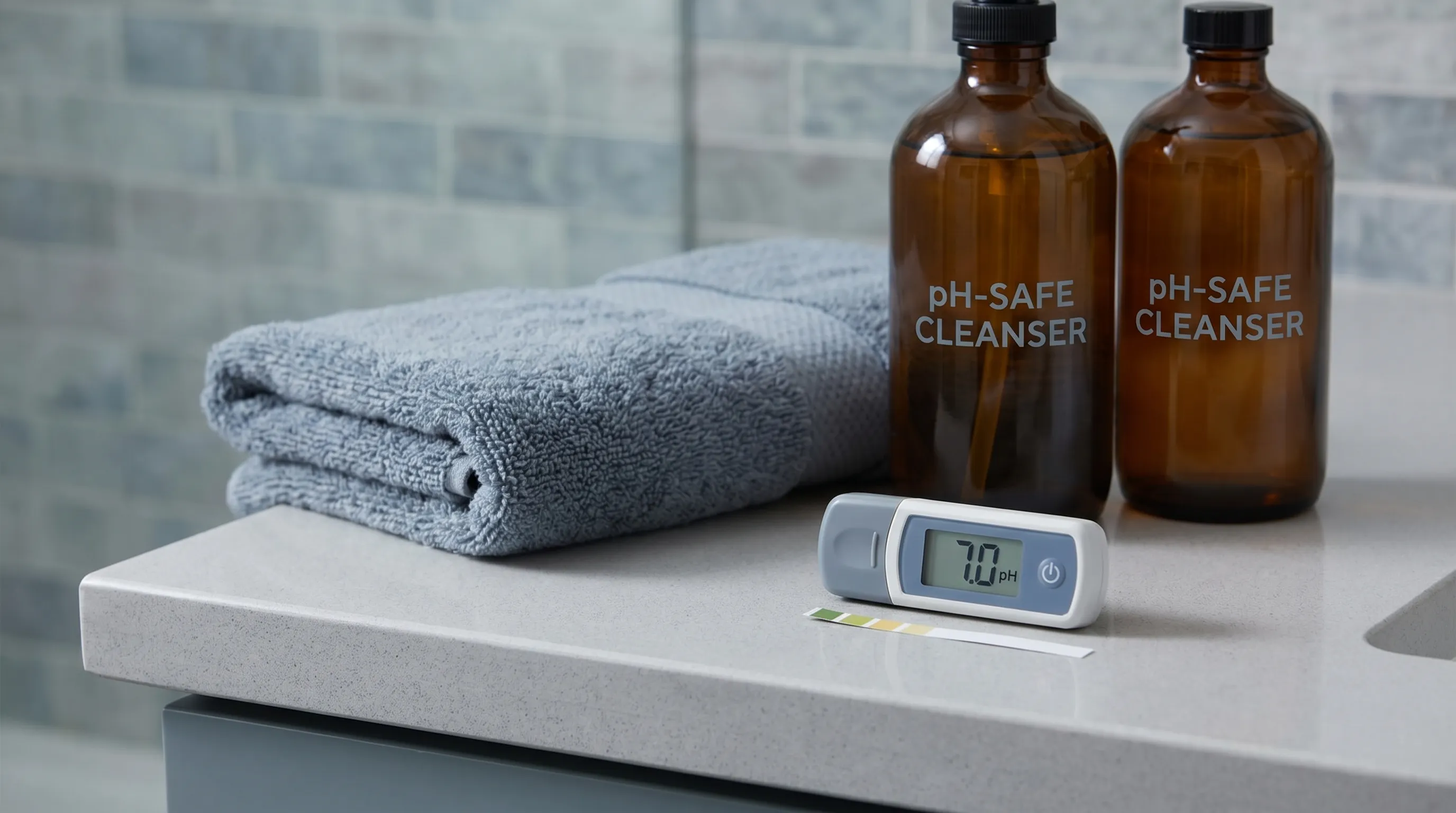
Understanding these localized indicators is essential when learning how to get your ph balance back to normal overnight because it allows you to apply precision rather than guesswork. Self-assessment tools like external pH test strips can provide temporary insights for vaginal or skin environments, though they should never replace clinical diagnosis when symptoms are severe or recurrent. As outlined by CDC hygiene guidelines, it is equally important to differentiate between temporary fluctuations and chronic conditions. Temporary shifts commonly occur after intense sweating, travel, hormonal changes, antibiotic courses, or using alkaline-heavy skincare. Chronic imbalances, however, often signal underlying metabolic, endocrine, or microbiome-related disorders that require professional intervention. Keeping a symptom journal for three to five days can help you correlate pH-related discomfort with dietary choices, hygiene habits, sleep quality, or stress levels. This data-driven approach transforms vague wellness concerns into actionable health insights, paving the way for a structured overnight restoration plan that addresses the root cause rather than merely masking surface symptoms. Armed with accurate self-awareness, you can confidently proceed with targeted, evidence-aligned strategies.
The Biological Mechanism of Overnight pH Correction
Sleep is not merely a passive state of rest; it is a highly active physiological window during which the body executes critical repair, detoxification, and homeostatic recalibration processes. When evaluating how to get your ph balance back to normal overnight, you must recognize that nocturnal hormone shifts, cellular regeneration, and microbiome activity are deeply interconnected. During the transition into deep non-REM sleep, cortisol levels naturally decline while growth hormone and melatonin surge. Melatonin, often called the sleep hormone, also functions as a potent antioxidant that protects mucosal barriers from oxidative stress and inflammation. Simultaneously, the glymphatic system—the brain’s waste clearance network—activates, flushing metabolic byproducts that, if accumulated, can subtly influence local acid-alkaline environments.
For the skin, overnight recovery is driven by increased blood flow, collagen synthesis, and transepidermal moisture restoration. The stratum corneum actively replenishes lipids and natural moisturizing factors that maintain the acid mantle. In the gastrointestinal tract, the migrating motor complex sweeps through the intestines during fasting states, clearing undigested particles and preventing bacterial stagnation that can trigger localized acidity or fermentation byproducts. Meanwhile, beneficial lactobacilli and bifidobacteria populations in the gut and vaginal microbiome utilize prebiotic fibers and stable temperatures to multiply and secrete lactic acid, which naturally lowers pH and creates an inhospitable environment for pathogens. Studies highlighted by the National Institutes of Health demonstrate that consistent sleep duration of 7–8 hours significantly improves microbiome diversity and reduces inflammatory markers associated with pH disruption. Conversely, fragmented sleep elevates sympathetic nervous system activity, increases gut permeability, and disrupts enzymatic digestion, all of which push localized environments toward imbalance. By aligning your evening routine with these natural nocturnal rhythms, you essentially hand the body a blueprint for self-correction. The key lies in removing overnight barriers—like heavy meals, harsh chemicals, or chronic stress—so these intrinsic regulatory systems can function without interference.
Actionable Strategies to Restore pH Balance Overnight
Implementing a structured, science-backed evening routine is the most reliable way to accelerate equilibrium. When you focus on how to get your ph balance back to normal overnight, you are essentially designing an environment where your body’s innate regulatory mechanisms can thrive. Below are precise, actionable steps that target multiple physiological systems simultaneously.
Gentle Cleansing Protocols
The foundation of any overnight correction begins with proper surface cleansing. Harsh soaps, synthetic fragrances, and high-alkaline shower gels strip protective lipids and disrupt the acid mantle within minutes of contact. Instead, opt for sulfate-free, fragrance-free cleansers with a pH range of 4.5–5.5 for facial and body use. For intimate areas, warm water alone is often sufficient, as documented by the American College of Obstetricians and Gynecologists, which strongly advises against internal douching or scented wipes. If external cleansing is necessary, choose products containing lactic acid, glycerin, or mild prebiotics that support beneficial flora without over-sanitizing. Pat dry gently with a clean cotton towel; rubbing creates micro-tears that increase inflammation and alter surface pH. Consistency here prevents the cumulative damage that leads to persistent imbalance.
Targeted Topical Applications and Barrier Support
Once cleansed, immediately apply a barrier-supporting moisturizer or emollient while the skin is still slightly damp. This technique traps hydration and reinforces lipid bilayers that maintain the acidic environment. Look for ingredients like ceramides, squalane, niacinamide, and colloidal oatmeal, all of which are clinically proven to repair compromised skin barriers. For those experiencing mild intimate irritation, externally applied, pH-specific balms containing lactic acid and aloe vera can temporarily soothe tissues and discourage pathogen overgrowth. Always avoid petroleum-heavy occlusives directly over irritated areas, as they can trap heat and disrupt natural respiration. A thin, targeted layer allows the skin to breathe while rebuilding its protective matrix overnight.
Sleep Positioning and Environmental Optimization
Your sleeping environment directly influences skin hydration, respiratory function, and systemic stress levels. Maintain bedroom humidity between 40–60 percent to prevent trans-epidermal water loss and reduce mucosal dryness that can shift oral and nasal pH. Use breathable, natural-fiber bedding like cotton or bamboo, and wash linens weekly with hypoallergenic, dye-free detergents. Elevating your head slightly if you experience nighttime acid reflux can prevent gastric contents from reaching the esophagus, protecting both digestive and oral pH. Keep room temperature between 65–70°F (18–21°C) to support uninterrupted sleep cycles and optimal melatonin production. Environmental control removes hidden stressors that silently sabotage equilibrium.
Hydration and Electrolyte Balance Before Bed
Dehydration concentrates metabolic waste and reduces salivary buffering, making it harder for localized environments to self-regulate. WHO guidelines on daily hydration recommend sipping adequate fluids throughout the day; aim to sip 8–12 ounces of mineral-rich or naturally filtered water 30–60 minutes before sleep. Add a pinch of unrefined sea salt or a balanced electrolyte powder containing potassium and magnesium to support cellular hydration without causing nighttime trips to the bathroom. Avoid excessive alcohol, caffeinated beverages, or high-sugar drinks, as they promote diuresis, disrupt sleep architecture, and increase systemic inflammation. Proper fluid balance ensures that enzymatic pathways and mucosal linings function efficiently while you rest.
Dietary and Lifestyle Adjustments for Long-Term Balance
While overnight protocols address immediate discomfort, sustainable pH equilibrium requires consistent dietary and behavioral alignment. Understanding how to get your ph balance back to normal overnight is only half the equation; maintaining that balance demands daily habits that support your body’s intrinsic buffering capacity. The relationship between food, hydration, stress, and microbial ecology is deeply interwoven, and small, intentional changes yield compounding physiological benefits.
Alkalizing vs Acidifying Foods: Separating Science from Hype
The popular “alkaline diet” movement often claims that eating specific foods can dramatically shift blood pH. Physiologically, this is a misconception, as blood pH is strictly regulated by respiratory and renal systems. However, dietary patterns absolutely influence local environments, urine pH, and the microbiome. Diets high in ultra-processed foods, refined sugars, and excessive animal proteins can increase acid load, strain kidney function, and alter gut fermentation patterns, which indirectly affects vaginal and skin pH through systemic inflammation. Conversely, diets rich in dark leafy greens, cruciferous vegetables, cucumbers, avocados, nuts, seeds, and fermented foods provide essential minerals (magnesium, potassium, calcium) that support enzymatic buffering and foster beneficial bacteria. Rather than obsessing over food pH values, focus on dietary diversity, fiber intake, and minimizing inflammatory triggers. A balanced plate naturally creates the internal conditions needed for overnight restoration to succeed.
Prebiotics, Probiotics, and Fermented Foods
Your microbiome is the primary driver of localized pH regulation. Beneficial bacteria produce short-chain fatty acids and lactic acid that maintain slightly acidic environments hostile to pathogens. Incorporating daily servings of unsweetened yogurt, kefir, sauerkraut, kimchi, miso, or high-quality probiotic supplements introduces live cultures that directly colonize mucosal surfaces. Pair these with prebiotic fibers like garlic, onions, leeks, asparagus, oats, and bananas, which serve as fuel for existing beneficial populations. Research from the Cleveland Clinic demonstrates that consistent prebiotic and probiotic intake significantly reduces recurrence of vaginal dysbiosis and improves gut barrier integrity within weeks. For overnight synergy, consume a small fermented serving with your evening meal, allowing beneficial microbes to establish themselves before sleep-induced fasting states.
Stress Reduction and Circadian Alignment
Chronic stress elevates cortisol, which increases gut permeability, disrupts digestion, and suppresses immune regulation, all of which push pH balance toward instability. Implementing a consistent wind-down routine is non-negotiable for long-term equilibrium. Practice 10–15 minutes of diaphragmatic breathing, progressive muscle relaxation, or guided meditation before bed to activate the parasympathetic nervous system. Limit screen exposure at least one hour before sleep, as blue light suppresses melatonin and disrupts hormonal signaling. Maintain a consistent bedtime and wake time, even on weekends, to entrain your circadian rhythm. When your nervous system shifts from fight-or-flight to rest-and-digest, digestive enzymes, mucosal repair, and microbial activity function optimally, making overnight pH correction far more effective.
Common Myths vs. Evidence-Based Facts
The wellness industry is saturated with misleading claims about pH management, which can lead to costly, ineffective, or even harmful practices. Clarifying these misconceptions is essential for anyone searching for how to get your ph balance back to normal overnight without falling for pseudoscientific traps. Below is a direct comparison of widespread myths alongside clinically supported realities.
| Common Myth | Evidence-Based Reality |
|---|---|
| Drinking lemon water makes the body highly acidic | Lemon water is initially acidic but metabolizes into alkaline byproducts that can support gentle buffering and hydration. It does not dangerously alter blood pH. |
| Baking soda douches or internal washes safely restore vaginal pH | Baking soda is highly alkaline (pH ~9). Internal use destroys lactobacilli, increases infection risk, and disrupts the acid mantle. Clinical guidelines strongly advise against it. |
| You can significantly change blood pH through diet alone | Blood pH is tightly regulated by lungs and kidneys. Diet influences urine pH, local tissue environments, and metabolic load, but cannot override homeostatic blood buffering. |
| Alkaline water cures chronic inflammation and fatigue | Proper hydration and mineral balance support wellness, but extreme alkaline water offers no proven advantage over clean, mineral-rich water and may impair stomach acid function if overused. |
| pH imbalance only affects women | While commonly discussed in reproductive health, men experience pH disruption in gut, skin, oral, and urinary tracts equally. Microbiome and barrier health apply universally. |
Understanding these distinctions prevents wasted effort and protects tissue integrity. When you remove the guesswork and rely on peer-reviewed research from institutions like the Mayo Clinic, your overnight protocols become safer, more targeted, and genuinely effective. The human body does not require extreme interventions to heal; it requires the right conditions, consistent care, and respect for its innate regulatory intelligence.
Frequently Asked Questions
Can pH balance really be corrected in just one night?
Yes, for mild imbalances in localized areas like the skin, oral cavity, or vaginal tract, targeted overnight protocols can significantly restore equilibrium. The body's mucosal barriers naturally self-regulate during sleep, especially when supported by proper hydration, gentle cleansing, and microbiome-friendly practices. However, chronic or infection-driven imbalances require longer-term treatment.
Is drinking alkaline water safe for overnight pH restoration?
Drinking moderately alkaline water (pH 8.5-9.5) is generally safe and can support systemic hydration and mild acid buffering. However, excessively high alkalinity may interfere with digestive acid production and nutrient absorption. Sticking to naturally mineral-rich or properly filtered water alongside a balanced diet remains the most evidence-based approach.
Do over-the-counter pH washes actually work overnight?
OTC pH-balanced washes can help temporarily reset the skin or external intimate areas, but they do not penetrate deeper tissues or fix systemic imbalances. Products containing lactic acid or mild prebiotic formulations align best with the body's natural ecology. Avoid harsh soaps, fragrances, or douching, which can worsen disruption.
How does sleep affect the body's pH equilibrium?
Sleep regulates cortisol, supports lymphatic drainage, and allows cellular repair mechanisms to restore mucosal integrity. During deep sleep, the body optimizes metabolic waste clearance, which helps normalize local pH levels. Poor sleep disrupts hormonal signaling and can exacerbate acid accumulation or microbial overgrowth.
When should I see a doctor instead of trying overnight remedies?
Seek medical evaluation if you experience persistent itching, unusual discharge, chronic fatigue, severe gastrointestinal distress, or recurrent infections. Overnight protocols are intended for mild, situational fluctuations. Underlying conditions like bacterial vaginosis, GERD, candidiasis, or metabolic disorders require professional diagnosis and targeted treatment. Consult your primary care provider or a specialist for personalized guidance.
Conclusion
Restoring physiological equilibrium is a deeply personal journey, but it becomes remarkably straightforward when guided by scientific principles and biological respect. Learning how to get your ph balance back to normal overnight does not require extreme diets, harsh chemicals, or miracle products. Instead, it calls for gentle cleansing, targeted barrier support, optimal sleep hygiene, microbiome-nourishing nutrition, and consistent stress management. Your body already possesses sophisticated self-regulation systems; your role is simply to remove obstacles and provide the conditions necessary for natural repair to occur. By implementing the evidence-based strategies outlined here, you can confidently address mild fluctuations, prevent recurrent disruptions, and cultivate long-term resilience. Always remember that persistent or severe symptoms warrant professional medical evaluation, as true wellness is built on a foundation of accurate diagnosis and personalized care. Prioritize consistency over perfection, listen to your body’s signals, and trust the remarkable healing intelligence that operates every time you close your eyes and rest. With mindful daily choices and a structured overnight routine, balanced vitality is not just a possibility—it is a sustainable reality.
How we work
Researched and drafted with AI assistance, then reviewed by a human editor against the cited sources.
This article is general health information, not medical advice. Consult a qualified healthcare professional about your own situation.